Homework time should feel calm and clear. But for many kids, a phone sits close by and keeps buzzing. A quick check turns into five checks. Five checks become twenty. Minutes slip away. Focus breaks. Small drops in attention stack up. Later, grades show it. This guide is simple, honest, and practical. We look at real patterns you can see at home. We show what phone multitasking does to focus and how it can lower scores. Then we give steps any family can use tonight. No fancy tools. No complex rules. Just clear habits that work.
1) Students who keep a phone on the desk during homework score 5–10% lower on tests.
A phone on the desk looks harmless. It is not. Your child may not even touch it, but the brain still notices it. Part of the mind stays on guard, waiting for a buzz or a light. That small pull lowers working memory and makes hard steps feel heavier.
Over one week, this tiny drain stacks up. By test day, recall is weaker and speed is slower. That is where the 5–10% drop shows up. The fix is simple, kind, and firm. Move the phone out of sight and out of reach for the whole homework block. Use a kitchen drawer, a hallway shelf, or a charging station in another room.
If your child needs a timer, use a small analog timer or the computer’s built-in clock set to full screen. If they need music, choose instrumental tracks on the study device and close all other tabs. Create a little ritual to make this feel safe and normal. Before study time, both of you place phones away together. Say out loud what the task is, how long the block will run, and what the first step will be.
A clear start lowers stress and builds trust. When the block ends, take a two-minute check window in a different room. This small boundary teaches control without drama. At Debsie, we show students how to set this routine in our live classes and gamified challenges.
Kids see that focus wins time back, and they love finishing early with strong work. If you want your child to practice this with a coach, book a free trial on Debsie today and watch how a simple phone-away rule can lift scores in one week.
2) Heavy phone multitaskers (10+ checks per hour) have GPAs lower by 0.3–0.5 points.
Ten checks per hour sounds small, but it means a break every six minutes. The brain never gets into deep focus, so ideas do not link. Homework looks done, yet the learning is thin. Over a term, thin learning turns into weaker quiz scores, slower writing, and shaky math steps. That is how a 0.3–0.5 GPA gap appears.
The most effective fix is to move from random checks to planned checks. Use short, strong work blocks of twenty to twenty-five minutes, followed by a two-minute phone window in a separate spot. Set one rule. During the work block, the phone stays out of the room.
During the window, the phone can be checked for two minutes only, with sound off and no new videos. If a message needs a real reply, write a quick line, then note if a longer reply is needed after study.
Use a small card on the desk to capture urges. If the urge says check sports, write it down and promise to check in the next window. This simple pause turns a reflex into a choice. Track checks for one week with tally marks.
Aim to drop from ten checks per hour to three windows per hour. Praise the change, not the score. Confidence grows when kids see they can steer their own attention. Debsie classes teach students to treat their attention like a muscle.
We celebrate streaks of clean blocks and show kids how to recover from slips without shame. If you want this habit built with friendly coaching, explore our courses and start a free trial class. A small cut in checks can lift GPA across all subjects by the next grading period.
3) Each additional hour of phone use during homework links to a 7–12% drop in assignment quality.
One extra hour on the phone during homework does not just add time. It steals depth. When a child jumps between apps and tasks, the mind loses the thread. Writing becomes choppy. Math steps get skipped. Science notes miss key terms. Teachers feel it when they grade.
The work looks rushed and thin, even when the child spent a long time “working.” The solution is to make hours count, not grow. Start with a tight study plan that lists tasks by weight, not by order.
Put the hardest task first while energy is high. Use a visible progress bar, such as shading squares on a page, to give the brain a reward for each chunk. Keep the phone out of the room and schedule a single fifteen-minute social block after all core tasks are done.
If a class truly needs the phone, swap to a tool that cannot pull in social feeds, like a basic calculator or a locked research tab with reading view on. Teach your child to ask one question before any phone pickup.
Will this help me finish the current step faster. If the answer is no, it waits. If the answer is yes, set a two-minute timer and stop when it rings. Parents can help by guarding the end time, not the minute by minute.
Say, you finish by seven and then you can chat with friends. A hard stop gives a clear goal line and rewards focus. In Debsie’s live sessions, we practice this exact flow and give kids coach feedback on their weekly plan. The goal is more A-level depth in less time. If you want your child to learn this method with support, join a Debsie free trial and see the lift in assignment quality within days.
4) Students who reply to messages while studying make 15–25% more mistakes.
Answering a message feels quick. The thumb moves, the mind flips, and the child thinks they are still on track. But each reply pulls attention away from the rule or the method they were using. When they return to the page, they often start mid-step and skip a check.
Small slips turn into wrong signs, missing commas, or facts out of order. Over one study hour, these tiny errors stack up and lower the final score. The fix is to create a clear reply lane. During study blocks, messages wait. At the end of each twenty-five-minute block, there is a short reply break in another room.
The phone lives there and stays silent in study time. If your child worries about missing an urgent note, agree on a special tone for family only and leave that sound on the parent’s phone. Teach a quick reset when they return to work. Read the last full line out loud, then restate the current goal.
This tiny reset cuts mistake rates because it grounds the mind back in the task. Use a simple error sweep at the end of each page. Trace numbers with a finger, read sentences backward for missing words, and check units. Keep the sweep to two minutes so it feels light.
Praise the process, not just the grade, and track mistake cuts week by week. At Debsie, we coach kids to use reply lanes and reset cues inside our live classes and gamified modules. Students see fewer red marks and feel proud of the craft in their work.
If you want guided practice and real-time support, book a free trial class today and let your child try our focus-first routine.
5) Notifications (even not opened) cut working memory by 10–15% during tasks.
A ping that never gets tapped still steals brain power. The alert says something might need you. The mind keeps a slice of attention ready to switch. That slice is working memory, the small mental desk where we hold numbers, grammar rules, or steps in a proof.
When that desk shrinks by even ten percent, complex work feels heavy. Kids reread lines, lose their place, and forget what the next step was. The cure is to keep the study zone quiet by default. Turn on Do Not Disturb before each block and set a simple sign at the door that says deep work.
Move all non-study devices to a family charging shelf. On the study device, close mail and chat tabs and switch apps to reading view. If your child uses music, choose a single playlist without lyrics and keep the volume low. Teach one strong habit loop.
Start with a breath, set a timer, say the goal, and begin the first small step. When the timer ends, stop, stretch, sip water, and check messages in the hallway for two minutes. Repeat for as many blocks as needed. This loop trains the brain to expect quiet, then rewards steady effort with short breaks.
Parents can model the same loop during their own work so the home culture supports it. At Debsie, we use this routine in class and give kids fun streak goals to keep it going at home. The result is more mental space, cleaner notes, and calmer homework.
If you want your child to build this habit with friendly coaching, explore Debsie courses and start with a free trial session.
6) Phone visible but unused increases homework time by 20–30%.
Even a silent phone in sight makes work slower. The brain performs tiny checks just by seeing it, like glancing at a closed door you think might open. These glances break flow and add minutes to every page. A math set that should take forty minutes can stretch past an hour.
The simple answer is sight lines. Before homework starts, clear the desk of the phone and any shiny objects that invite a look. Place the phone in a different room or inside a closed bag across the house. Put a clean notecard and a pencil where the phone used to sit.
That card is for jotting down thoughts that try to pull your child away. If the thought is message Sam or check weather, write it down and promise to do it in the next break. Each time your child uses the card, nod and smile. You are teaching a powerful self-control move called externalizing the urge.
Encourage a tidy desk with only what the task needs. A single book, a notebook, a pen, and a water bottle are enough for most blocks. End each block with a small win ritual, like shading a square on a progress row. When kids see squares fill up, their brain feels the finish line coming and speeds up with less stress.
At Debsie, we turn this into a game with levels and badges, so students enjoy the process and keep desks clean without nagging. If you want a coach to help your child set up a fast, simple desk layout and reclaim time each night, sign up for a free trial at Debsie and watch the change in the very first week.
7) After a phone check, focus recovery takes 1–3 minutes on average.
A quick glance seems harmless, but the mind does not snap back like a rubber band. It needs time to reload the rules, the plan, and the last few steps. That reload is the recovery window, and it often eats one to three minutes after every check. If a child checks ten times in an hour, they can lose twenty to thirty minutes to recovery alone. To fix this, design a re-entry ritual.
When the break ends, return to the chair, place both feet on the floor, and take one slow breath. Read the last two lines out loud to bring the thread back. State the next micro-step, like solve for x in line three or write the topic sentence for paragraph two. Start a short two-minute timer just to get moving again. This small nudge beats the heavy feeling of restarting and gets momentum back.
Teach your child to use bookmarks in longer tasks. For reading, place a sticky note that says continue here and add one question the next lines should answer. For math, circle the step where they paused and write next move right beside it.
These cues shrink recovery time because the mind does not need to search for the plan. Parents can help by keeping break spaces away from the desk and by setting clear break limits.
Breaks should renew energy, not start a new thread. A glass of water, a stretch, or a walk to the window works well. At Debsie, we rehearse re-entry rituals in our live sessions and give kids feedback until it feels natural.
Fewer long stalls mean homework ends earlier and with stronger results. If you want your child to learn this skill with guidance and fun practice, try a Debsie free trial class and see how fast restart time falls.
8) Social app use while doing math lowers problem accuracy by 15–20%.
Math needs clean steps in the right order. When a child jumps into a social app mid-problem, the thread breaks. The brain drops a sign, forgets a unit, or skips a check. That is why accuracy falls by a wide margin. The fix is to keep math time sacred and calm.
Start with a small warm-up to wake up number sense, like three quick mental problems. Set a clear goal for the block, such as complete problems one to eight with full steps shown. Put the phone in another room and use a plain kitchen timer. If your child needs music, pick low volume, no lyrics, and keep the tab full screen to hide distractions.
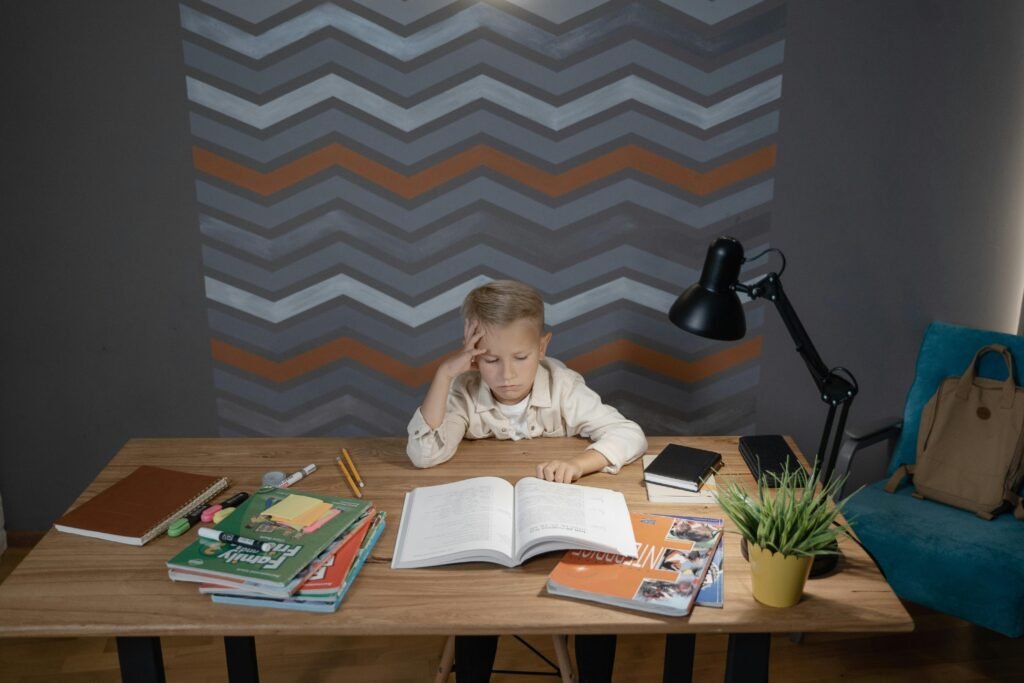
Teach a tight solve-check routine for each question. Write the plan, show all steps, circle the answer, then do a tiny check by plugging back or estimating if the answer seems right. Encourage the use of a scrap sheet for rough work so the main page stays neat.
When the block ends, use a short phone window away from the desk. If messages stir up emotions, wait five minutes before returning to math so the mind can cool down. Parents can add a simple reward, like choosing a snack or the next playlist, when all assigned problems are complete with checks.
At Debsie, we coach this math flow in live classes and practice it inside our gamified challenges. Kids learn to enjoy the calm of steady problem solving and see their accuracy rise fast. If you want your child to train this habit with support, book a free trial class on Debsie today and watch math errors fall week by week.
9) Students who multitask with video clips finish readings 25–40% slower.
Reading with video breaks is like driving with the handbrake on. The eyes move, but the mind keeps stalling. Every clip pulls working memory away from the thread of the text. When a child returns, they have to reread to find the point again. Speed drops and frustration grows.
The answer is to make reading blocks short, rich, and phone-free. Use a preview-read-recall plan. First, preview the text by glancing at headings, bold words, and pictures. Then read a small chunk, about two to three pages, with the goal of answering one guiding question.
After the chunk, close the book and speak the main point in one sentence. Jot a three-word note in the margin or on a sticky. These short recalls lock the idea in memory and reduce rereads. Keep videos out of the room until the reading is done. If a concept needs a visual, mark it with a star and save a dedicated research block at the end.
Teach your child to track pace with a simple marker, like reaching page twenty by the first timer ring. If pace slips, cut the chunk size rather than add videos or longer hours. A glass of water and a two-minute stretch between chunks refresh the brain without stealing focus.
Parents can model this by reading their own book nearby during the child’s block. At Debsie, we turn the preview-read-recall flow into a fun quest with levels, so kids stick with it and enjoy seeing their speed rise. Want help building this habit. Join a Debsie free trial and let your child practice smart reading with a friendly coach.
10) Teens who use phones in over half of homework sessions report 2× more late work.
When the phone keeps creeping into homework time, tasks balloon and finish lines blur. Teens start late, switch often, and end up handing in work after the deadline. Late work creates stress and lost credit, even if the work is good. To fix this, design a simple start-and-finish system that runs the same each day.
Begin by setting a daily study start time that is easy to keep, even on busy days. Use a visible routine that starts with setting the phone on a family shelf and writing a short plan on a card. The plan lists only the top two tasks and the first step for each.
Set a timer for the first block and begin at once. At the end of each block, do a quick status check. If a task is done, draw a line through it and move to the next. If not, write the next micro-step and start a fresh block. Keep a single catch-up block at the end of the night for loose ends.
If a deadline is close, run an emergency sprint with two back-to-back blocks for that one task, with the phone still away. Parents can check the plan card, not the phone, when asking about progress. Praise on-time submits and note how many minutes were saved by clean focus.
At Debsie, we guide teens to build this daily start-and-finish habit and tie it to gentle rewards inside our gamified system. Late work falls because the system keeps the phone out and the plan simple. If you want this structure set up with expert help, sign up for a Debsie free trial class and let us coach your child through the first week until on-time becomes normal.
11) Multitasking with group chats during writing drops essay scores by 8–12%.
Good writing needs a clear voice and a steady line of thought. Group chats break that line. A ping pulls the mind into short, fast reply mode. That speed fights with slow, careful thinking, which is what essays need. After each chat, kids return to the page but forget their point or lose the shape of the paragraph.
Ideas get jumpy. The result is a lower score, even when the child has good thoughts. The fix is to build a quiet writing lane with guardrails. Before starting, your child should write a one-line thesis and three simple points on a note card. This is the map. The phone goes in another room, face down, with sound off. A twenty-five-minute timer starts, and the only goal is to turn the three points into three clean body paragraphs.
Remind your child to use tiny bridges between sentences, like because, for example, and as a result. These bridges keep the brain moving forward. When the timer ends, the child walks to the phone room, takes a two-minute message check, and comes back for a short edit block. Editing is a separate job.
Read the first line of each paragraph out loud. Do they connect. If not, add a linking phrase. Look for repeated words and swap them for simple synonyms. Circle long sentences and split them. Keep it light and quick. Parents can help by asking the child to explain the thesis in ten seconds.
If the pitch is clear, the essay will be clearer too. At Debsie, we teach the map-then-draft routine in our live classes. Kids see that one calm draft and one short edit beat a long, messy session full of chat breaks.
If you want your child to build strong writing habits fast, join a Debsie free trial and let us guide the first few essays together.
12) Students who keep phones in another room complete homework 15–22% faster.
Speed without rush comes from clean focus. When the phone stays in a far room, those tiny looks and half-thoughts vanish. The brain settles into flow. Steps line up. Tasks end sooner. To lock this in, set a simple home rule called rooms for roles. The study room is for work, the hall shelf is for phones.
Tape a small card to the shelf that says return after block. Start with a warm-up minute to list the first step of each task. Then run two or three focus blocks back to back. Keep water nearby and a sweater or light blanket handy so comfort does not break focus.
If your child uses a laptop, close all tabs that are not needed and turn on a full-screen window with only one app. When the last block ends, bring back the phone for a single fifteen-minute social window, then put it away for the night. This fixed rhythm teaches the mind that phone time will come, which lowers the urge to grab it during work. Praise how much earlier homework ends, not just how many tasks got done.
Early finish is the reward. At Debsie, we make this a game with badges for clean blocks and early wrap-ups. Kids love seeing their time saved add up. Parents tell us evenings feel lighter. If you want help setting up rooms for roles and the block rhythm, start a Debsie free trial class.
We will walk your child through the routine step by step and check in during the week to keep the habit strong.
13) High-frequency phone switchers show 10–18% lower recall on next-day quizzes.
Quick switching trains the brain to skim, not store. When a child flips between apps and homework, the mind never holds the full idea long enough to move it into memory. The next day, the quiz looks familiar but blank. To fix this, add a tiny store step after each chunk of study.
At the end of a page of notes or a set of two math problems, close the notebook and speak the key idea out loud in one sentence. Then write a three-word tag next to the notes. This tag becomes the hook for recall later. Add a one-minute self-test at the end of the block.
Cover the notes and explain the idea to an imaginary friend or a parent. If the explanation stumbles, reopen the notes, find what was missing, and try again. These mini-tests are far more powerful than rereading. Keep the phone away so the mind can rehearse without breaks. At night, run a five-minute quick look where your child scans the tags and tries to recall each idea without notes.

This costs little time but seals in memory for the next day. Parents can ask one gentle question at dinner, like teach me one thing you learned today in thirty seconds. This makes recall feel normal and fun.
In Debsie classes, we practice speak it, tag it, test it across subjects. Kids see quiz scores climb because the ideas stick. If you want your child to learn this simple memory loop with a coach, join a Debsie free trial and watch recall improve on the very next quiz.
14) Every 5 notifications per hour adds ~10–15% more errors on problem sets.
Notifications are tiny thieves. Each one pulls a glance and a thought, and error risk climbs. Five pings in an hour may sound small, but they can cause a big jump in mistakes. The cure is to lower alert traffic before study starts. On the study device, turn off banners and badges for all non-school apps.
Use Do Not Disturb and allow only true emergency contacts to break through. If your child studies on a laptop, sign out of messaging apps and web mail. Create a clean dock with just the tools needed for the subject. Build a habit to check problem steps out loud before moving on.
For math, say the operation and sign. For science, say the unit and direction. For coding, say what the line is meant to do. This quick verbal check slows the hand just enough to catch slips. If an error shows up, teach a calm reset. Box the wrong step, write try again, and work it clean right below without erasing.
The visible fix trains accuracy. Parents can support by setting family quiet hours during the main homework window. When the whole house is calm, kids feel less tug to check. At Debsie, we help students set device filters, build clean docks, and practice verbal checks inside our gamified labs.
The result is fewer careless errors and stronger confidence. Want help making notifications drop to near zero during study. Start a Debsie free trial and let us guide your child to a simpler, quieter study setup this week.
15) Streaming music with lyrics while texting reduces reading comprehension by 12–18%.
Words in music and words on the page compete for the same brain channel. Add texting, and the channel jams. Kids may reach the end of the page but cannot say what it meant. To protect comprehension, separate words from words. If your child likes sound while reading, pick instrumental tracks or soft ambient sounds.
Keep the volume low enough that a whisper would still be heard. Place the phone in another room to remove the texting layer. Teach a simple reading cue called question first. Before a section, write down one question the section should answer. Read with that question in mind.
After the section, answer it in one sentence and jot one phrase as a memory hook. If the answer is fuzzy, reread only the most relevant part, not the whole page. Use a pointer, like a pencil tip, to keep the eyes moving and to stop the mind from drifting. For longer readings, stand up for sixty seconds between sections and stretch. This tiny move resets attention without adding noise.
Parents can help by setting a calm reading time for the whole home, even if it is only fifteen minutes. Shared quiet builds the habit faster. At Debsie, we include focus soundtracks inside our platform and coach kids to test what helps them read best.
Most choose no lyrics for reading and keep songs with lyrics for breaks or chores. If you want your child to find their best reading setup and stick to it, book a Debsie free trial. We will test options together and lock in a routine that makes comprehension strong and steady.
16) Students who check phones within 5 minutes of a tough problem quit attempts 30–35% more often.
Hard problems feel like cliffs. The first minute bites. If a phone is close, the mind looks for relief and slips away. That tiny escape teaches the brain a quiet rule: when it gets hard, we check out. Over time, this habit grows, and kids quit more often, even when they were one step from the answer.
The remedy is to build a courage window. Make a simple promise called five more lines. When a problem feels hard, your child writes five more lines of honest work before any break. A line can be a definition, a known formula, a labeled diagram, a unit step, or a test of a simpler case. These lines are not busywork. They keep the brain in the arena. Keep the phone far away, and put a small courage card on the desk that says try five.
Add a two-minute micro-hint ritual. If stuck after those lines, your child can open the book to find a similar example, but only for two minutes, timer on. Close the book and apply that clue at once. If still stuck, write a clear question to ask a teacher or coach. This keeps momentum and turns the block into a plan. Parents can fuel grit with gentle praise for effort on the page, not just right answers.
Say I like how you mapped the steps and tried a simpler case. At Debsie, we practice five more lines in live classes. We cheer for attempts and show kids how close they often are when they feel stuck. This grows persistence and shrinks fear.
If you want your child to build brave problem habits with a coach beside them, join a Debsie free trial class. We will model the steps, check the work, and celebrate the win when the answer lands.
17) “Do Not Disturb” during homework reduces interruptions by 40–60% and raises grades by 3–6%.
Do Not Disturb is a tiny switch with big power. When it is on, random pings cannot nudge the brain. Blocks stay clean. Tasks finish sooner. Over weeks, those clean blocks raise quiz and test scores, which is why grades can climb several points. Turn DND into a ritual.

Before the first block, your child sets DND on the study device and places the phone in a far room, also on DND. Add a small desk card that says DND is on until timer rings. Keep one emergency path for family, like a call from a parent that repeats within three minutes.
This calms worry without opening the floodgate. Pair DND with a clear plan that lists two tasks and the first action for each. Work twenty to twenty-five minutes, then take a two-minute break in the hallway. Check messages only there, then return and restart the timer. Close email and chat on laptops, sign out of social tabs, and use full-screen mode for the one app needed.
End each night with a proud wrap: list what got done and one thing to start with tomorrow. Parents can model DND during dinner or shared reading so kids see it as normal, adult behavior. In Debsie, we gamify DND streaks. Students earn points for each clean block and compete with their past self, not others.
It feels fun, not strict. Families tell us homework feels lighter and evenings are calmer. If you want help wiring this habit so it sticks, start a Debsie free trial. We will set up DND rules, test the emergency path, and coach your child through the first week until the switch flips on by habit, not force.
18) Phone-based multitasking during science labs cuts data accuracy by 10–14%.
Science labs ask for careful eyes and steady hands. A quick scroll breaks both. When attention splits, measurements drift, timers slip, and notes miss a key detail. Later, the lab report feels shaky because the data are messy. Protect accuracy with a lab lane. Before the lab, make a simple checklist: setup, measure, record, double-check.
The phone goes in a backpack or locker on silent. If a camera is needed for a photo, use it only when the step says take photo, then put it away again. Assign roles in group labs so each student watches one thing. One runs the timer, one reads the scale, one writes the numbers, and one watches for safety. Speak each reading out loud and have the recorder repeat it back before writing.
Add a confirm step. After each set, the group checks units, decimal places, and whether the value is in a sane range. If it looks odd, repeat the measure once. Keep a clean data table ready before the lab starts so numbers land in the right spot. When the lab ends, take two minutes to write a one-line claim about what the data show and one limit of the method used. These lines make the report faster later.
Parents can help at home labs by keeping the space quiet, setting a kitchen timer, and encouraging students to photograph setups at the correct step, not while reading instructions. At Debsie, we teach the lab lane inside our science courses and practice voice-back recording and confirm steps.
Students soon trust their numbers, which makes analysis easier and grades stronger. Want your child to learn tight lab habits and enjoy experiments more. Join a Debsie free trial and let us guide your young scientist through precise, phone-free lab work.
19) Students who keep social apps logged out during study see GPA gains of 0.1–0.2 in a term.
Logging out sounds small, but it adds a valuable pause. When your child is logged in, one click opens a feed. When logged out, there is a wall. The extra step asks the brain, is this worth it right now. Most of the time, the answer is no. That single pause protects focus, which stacks into better work and small but real GPA gains over a term.
Help your child set a study profile on the laptop with only school tools visible. Before homework, log out of social apps and web mail, clear saved passwords for those sites, and close their tabs.
Keep one place for needs-only tools like a dictionary, calculator, or reading view. If an assignment truly requires a platform, open it in a private window, do the task, and close it when done. The goal is to make study time a smooth path with fewer side doors.
Pair this with a simple start card that lists the first action for each task, such as outline paragraph one or solve problems one to four. Use a twenty-five-minute timer and keep the phone in another room. At the end, take a two-minute check in the hallway and return. When slips happen, skip guilt and reset fast. Log out again, breathe, and begin the next micro-step.
At Debsie, we teach students to design a clean digital desk and to treat logouts as armor for their attention. We also give kids fun streak goals for logout days so the habit sticks. If you want your child to build this system with friendly coaching, join a Debsie free trial and we will help your family set it up this week.
20) Evening homework with frequent phone checks leads to 20–30 minutes less sleep, linked to lower next-day quiz scores by 5–8%.
Late-night checking steals rest in two ways. It makes homework drag, so bedtime moves later. It also excites the brain with light and emotions, which delays sleep. Less sleep means weaker memory and slower thinking the next day. Quiz scores dip because the mind cannot pull facts as fast.
Fix this by creating an early start and a hard stop. Set a daily homework start time that is doable even on busy days. Use two or three focused blocks with phones away and a fifteen-minute social window only after the last block.
Set a family tech-off time at least thirty minutes before lights out. In that window, switch to quiet tasks like packing the bag, laying out clothes, or light reading. Keep the bedroom dark and cool, and charge phones in a hallway.
If a teacher posts late updates, agree to check them right after dinner, not at night. Teach your child a quick pre-sleep review. Look at a single card of notes and say one big idea out loud.
This two-minute recall helps memory without waking the mind too much. Parents can model the same tech-off habit to make it normal. At Debsie, we help families set balanced evening plans so kids finish earlier and sleep better.
Students notice they think faster in morning classes and feel calmer on quiz days. If your evenings feel too long and sleepy mornings are rough, try a Debsie free trial. We will build a light, steady routine that protects both learning and rest.
21) Multitasking across three or more apps at once drops focus time blocks from ~12 minutes to ~4–6 minutes.
Deep work grows in stretches, not seconds. When three apps compete for attention, focus shatters. The average block shrinks to a few minutes, which is not enough to solve hard steps or write strong lines.
To rebuild longer blocks, trim the stack. Choose one app per task. For writing, close everything but the document. For math, keep the digital textbook and calculator, nothing else.

For reading, use full-screen reading view. Start with a modest goal of eight clean minutes, then rest two minutes, then repeat. After a few days, stretch to twelve minutes, then fifteen. Use a visible timer and keep the phone in another room. Add a quick ramp-up ritual at the start of each block. Breathe once, name the goal, and write the first sentence or step at once. This tiny start helps the brain cross the threshold into focus.
End blocks with a bookmark line that says next move, so the next start is easy. Parents can help by asking, what is your one app for this task, and by celebrating longer blocks rather than total time spent. At Debsie, we train students to grow focus like a muscle.
Our gamified system tracks clean minutes and rewards steady growth. Kids enjoy seeing their blocks lengthen week by week. If you want guided practice to expand your child’s focus time, join a Debsie free trial class and we will coach them through the build-up without stress.
22) Students who set 20–30 minute check windows finish sets with 10–15% higher speed and 5–8% higher accuracy.
Planned check windows turn random urges into scheduled breaks. The mind relaxes because it knows a check is coming. Work speeds up and accuracy rises. Help your child set a simple loop. Work for twenty to thirty minutes with the phone in another room, then take a two-minute check standing up in the hallway.
Keep sound off, scan for anything urgent, reply only if it takes less than a minute, and return. If a message needs a longer reply, write a note and save it for after homework. During work, use the urge card on the desk to jot what tries to pull attention. Seeing it on paper lowers the need to act now.
Teach a quick accuracy sweep at the end of each block. For math, eyeball signs and units. For writing, read the last paragraph out loud. For science, confirm labels and decimals. These micro-checks catch small slips fast. Parents can support by matching the rhythm in the home. During study blocks, keep the house quiet.
During check windows, feel free to chat for a minute, then help the child reset. At Debsie, we coach this loop in class and in our platform challenges. Students love how planned checks feel fair and free them from guilt. If you want to install this rhythm with gentle support, sign up for a Debsie free trial and we will help your child make it a habit that sticks.
23) Phone-based multitasking raises perceived effort by 15–25% for the same task.
When attention splits, everything feels harder. The same worksheet looks heavier, the same page feels longer, and stress rises. This perceived load matters because kids avoid what feels heavy. To lower the load, simplify the field. Clear the desk, close extra tabs, and set a short, clear goal like write three sentences or solve two problems.
Start a small momentum timer for five minutes. Once the wheels turn, extend to twenty minutes. Teach energy checks between blocks. Drink water, stand up, roll the shoulders, and breathe. Keep sadness or excitement from messages out of the study zone by checking the phone in another room.
Use tiny wins to change the story in the mind. Shade a box for each block, and at the end of the night, count how many boxes were filled with clean focus. Praise the feel, not just the finish. Say it looked easier tonight when you kept your lane clean.
At Debsie, we teach kids to read their effort meter and to lower load with smart design. We show them how small changes can make work feel light. The result is less pushback and more steady starts. If homework feels like a slog at your home, try a Debsie free trial. We will build a low-friction study setup that makes the same tasks feel smoother.
24) Students who answer messages within 60 seconds see 0.2–0.3 lower term grades in the course most affected.
Fast replies are a proud habit in chat, but they are costly in study. The constant readiness steals focus from the course at hand. Over a term, the small losses add up to lower grades in that subject. To protect focus, switch from instant replies to scheduled replies. Set reply windows at the end of each study block.
Teach a simple message triage. If it is a true emergency, a parent will call. If it is logistics, write a one-line answer in the window. If it is social, heart it and reply later. Keep the phone in a separate room so the sixty-second reflex cannot fire. Use status notes like studying until seven, talk after, so friends know the plan.
Inside the task, add a speed bump. When the urge hits, write a quick note about what you were doing, such as finishing step two of problem five. This makes returning easy and helps the mind resist the pull. Parents can help by honoring the windows too and saving non-urgent texts for after study.
At Debsie, we help students build reply plans that keep friendships strong and grades high. We even practice polite auto-messages so kids feel safe turning down the instant-reply habit. If you want your child to protect their grade while keeping social life healthy, start a Debsie free trial.
We will coach the switch from instant to planned replies with kindness and skill.
25) Using the phone for “quick lookups” during reading increases rereads by 18–25%.
A quick lookup sounds helpful. But when it happens in the middle of a page, the brain drops the thread. Your child returns to the book and cannot remember where the idea was going. So they reread. Then it happens again. Rereads stack up and time slips away.
The fix is to separate reading from research. Teach your child a simple star-and-park method. While reading, if a term or idea feels unclear, place a small star in the margin and write a one-word note like define or example. Keep turning the page. Finish the current chunk before doing anything else.
When the chunk ends, take a two-minute research window with the phone in another room. Walk to that room, look up only the starred items, write the shortest useful answer, and return to the book.
This keeps reading flow clean and research fast. Add a guiding question at the start of each chunk, such as what is the author trying to prove here. After reading, answer it in one line from memory.
These short recalls anchor meaning so rereads drop. If your child still feels stuck, switch to an easier pass. Skim headings and first sentences, then do a slow read. Parents can make this easy by placing a small notepad beside the book and keeping devices on a hallway shelf. At Debsie, we train students to star, park, and batch lookups.
We also give them a quick template for notes so lookups turn into tiny definitions, not long rabbit holes. The result is smoother reading and less time lost. If you want your child to practice this method with a friendly coach and get feedback in real time, join a free trial class at Debsie and we will put the star-and-park habit in place this week.
26) Group-study sessions with phones out result in 12–16% fewer solved problems per hour.
Group study can be great, but only when attention stays on the work. With phones on the table, talk drifts. Someone shows a clip, someone checks a message, and the group loses rhythm. Problems solved per hour drop, and the session feels busy but light on results.
Set a simple group plan called phones in the bowl. When the session starts, everyone places their phone in a bowl by the door, on silent. Agree on a ninety-minute session split into three focus blocks with five-minute breaks between them. Each person writes a clear goal for each block, like finish problems one to three with steps shown or draft the outline for section two.
Choose one person as the timekeeper and one as the recap lead. The timekeeper starts and ends blocks. The recap lead ends each block by asking what did we finish and what is next for each person.
If a lookup is needed, one person does it on a shared laptop during the break only. Keep snacks and water ready so no one leaves mid-block. Parents can help by offering a quiet table and a simple rule of no phones in the study room.
At Debsie, we teach students to run tight group sessions with roles, blocks, and fast recaps. We show how to keep energy friendly but focused, so the group gets more done and still has fun. If your child studies with friends and wants a better plan, book a Debsie free trial.
We will model the bowl rule, the , and the recap script so the next group session produces more solved problems and less drift.
27) Students who pause notifications only for homework days submit 10–20% more on-time assignments.
Consistency beats intensity. You do not need a perfect week; you need a repeatable pattern. When students use Do Not Disturb and app pause modes on the days they have homework, on-time submits go up. The reason is simple. Most late work comes from tiny daily delays.
Pausing alerts removes those delays just enough to hit the deadline. Build a weekly rhythm card. List school days and write the main homework window for each one, such as Monday 6–7:30 pm. During that window, phones are on DND in a separate room, and laptops are signed out of chat.
Put the card on the fridge and check off each day the plan runs. Use a simple three-piece flow. Start with a two-minute plan where your child writes the first step for each task. Work two or three focus blocks with short hallway breaks. End with a five-minute submit-and-pack, where the child uploads, checks the upload, and packs the bag for tomorrow.
If a task runs long, write a clear next step and a micro-deadline for the next day, like finish questions three and four by 6:20. Parents can help by timing dinner so it does not clash with the homework window and by keeping the house calm during blocks.
At Debsie, we help families set these weekly cards and celebrate streaks. Students quickly see how a few quiet hours per week shift the whole term. If on-time submits are a pain point at home, join a Debsie free trial. We will create your family’s rhythm card and coach your child until checkmarks become the new normal.
28) High social-feed use (30+ minutes during homework) links to 10–15% lower math test scores.
Math is a language. It needs full attention to learn its grammar and patterns. When a child spends thirty minutes scrolling during homework, those patterns do not stick. Practice breaks, memory weakens, and test scores fall. Replace heavy feeds with a clean math lane.
Begin with a short activation, like doing three quick times-table drills or a mental estimation game. Set one clear goal for the block, such as complete problems one to ten with unit checks. Keep the phone in a far room and use a simple timer. For the toughest problems, write a plan in words before writing symbols.
This keeps thinking clear. After each problem, do a fast check by estimating if the answer is in a sane range. If your child wants a break, keep it short and physical, like ten jumping jacks, not a scroll. Make a plan for feed time after homework. A set fifteen-minute social window feels fair and lowers the urge to peek during work.
Parents can turn this into a small contract with the child: clean math block, then feed time. Hold the line with warmth and good humor. At Debsie, we teach math routines that feel safe and calm. We also coach families on tech limits that kids can accept.
Students see errors drop and scores rise because practice becomes deep and steady. If your child’s math scores seem stuck, try a Debsie free trial. We will guide a focused math routine and a healthier feed plan that works for your home.
29) Putting the phone face down reduces spontaneous checks by 30–40% and improves quiz performance by 4–7%.
If a phone must stay nearby for a special reason, facing it down is the minimum step. The dark screen lowers the cue to check. Spontaneous pickups fall, and focus holds longer. Pair face-down with sound off and vibrations off, or the phone still nags. Better yet, place it outside arm’s reach.
Create a small ritual called flip and start. Sit down, flip the phone face down, set a timer, and name the first step out loud. Keep a tiny card on the desk for urges. When the thought to check pops up, write it down. This simple move gives the brain the feeling that the urge was handled, even though the phone stayed down.
At the end of the block, stand up, walk to the phone area, and check for two minutes. If nothing urgent is there, smile, flip it down again, and start the next block. Add a quick pre-quiz routine on study days. Run one clean block with the phone face down and do a self-test of key ideas. This small move boosts recall and lowers stress, which is why quiz performance bumps up.
Parents can support by modeling face-down rules in shared spaces. At Debsie, we teach face-down and far-away tiers and help students choose the right one for each task. Kids enjoy the simple feeling of control it gives.
If you want to lock in a low-effort system that still protects focus, join a Debsie free trial and let us coach the flip-and-start habit into daily life.
30) Students who replace phone checks with a 2-minute stretch break see 6–10% fewer mistakes on the next set.
The body can reset the mind. When your child wants to check the phone, offer a different habit that still feels good. Stand up, stretch arms overhead, roll shoulders, touch toes, and take a slow breath.
Two minutes is enough. Blood flow rises, eyes rest, and stress drops. Then the child returns to the desk and restarts with a clear next step. This swap cuts mistakes because the brain reenters with calm energy, not scattered thoughts.
Teach a short script for restart. Read the last line out loud, state the next move, and write the first symbol or sentence at once. Keep water close so breaks do not turn into kitchen trips. If your child studies long, add a posture check each hour.
Sit tall, feet flat, and relax the jaw. Small body cues help attention more than we think. Parents can make this fun by doing the stretch beside the child during their own quiet work. Smiles beat lectures.
At Debsie, we build two-minute stretch breaks into our live classes and our gamified challenges. Students earn points for choosing the stretch instead of the scroll, and they see the payoff in cleaner work.
If you want your child to learn this swap and stick with it, book a free trial class at Debsie. We will practice the moves, coach the restart script, and help your child feel the difference in just a few sessions.
Conclusion
Phones are powerful and helpful, but they are not good study partners. A small buzz can break a long thought. A quick reply can turn into a long delay. Over days and weeks, tiny slips grow into real grade drops. You have now seen thirty clear stats and the simple rules that guard focus. Put the phone out of sight. Use short, strong work blocks with planned check windows. Read with a goal.
Write with a map. Solve with a show-then-check routine. Keep nights calm and sleep safe. These moves are not strict or harsh. They are kind, steady, and easy to repeat. Most of all, they help your child feel proud. When kids feel in charge of their mind, they learn faster, work happier, and finish earlier. That is the win we want for your family.