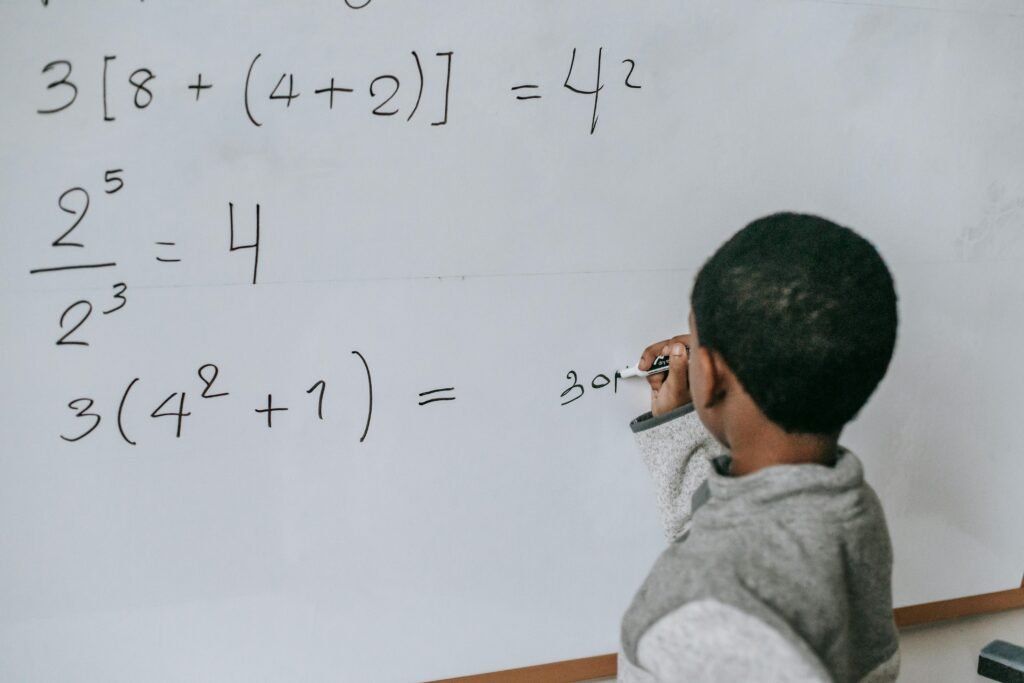
Homework is more than a task. It is a habit that shapes how a child thinks, plans, and shows up for learning. When we look closely at returns in two key subjects, Math and Reading, we see patterns that tell a deeper story. Math asks for steps, accuracy, and steady practice. Reading asks for time, attention, and quiet focus. Both build the mind in powerful but different ways. When we compare the returns, we find what helps kids finish, what slows them down, and what can lift results for every child.
1. Overall homework return rate (%): Math vs Reading
When we look at the big picture, the return rate tells us how many assignments come back at all. Math and Reading show different shapes here. Math returns can be high when tasks are clear and short. Reading returns can be strong when time is set and the book is ready.
Both rise when students know exactly what to do and when to finish. The simple truth is that kids return more work when the task is easy to start and easy to end. That start line and finish line must be bold.
To lift the rate in Math, give one clean problem set with a fixed number of steps. A child should see the first problem and know how to begin in ten seconds. Provide one model solution as a sample. Add a tiny warm-up step at the top, such as writing the known numbers.
This lowers fear. Keep the total time to a clear window that fits your child’s day. Tell them, this is a twenty-minute set, not a one-hour set. End with a small self-check so the child knows the work is complete.
To lift the rate in Reading, set a single reading block with a clear page count or a clear minute count. Put the book on the table before dinner so there is no search. Add a short post-read step that is simple, such as one sentence about the main idea or one new word learned.
If a log is used, keep it to two blanks only, pages read and one thought. Remove any extra rules that slow the return. Less friction brings more returns.
Parents and teachers can help by using one steady routine for the week. Choose the same time each day so the brain builds a groove. Put a small, visible tracker on the fridge or desk. One line per day with a simple mark shows progress and invites the next return.
The message is clear. Make it easy to start, quick to end, and pleasant to repeat. When the task shape is simple, both Math and Reading return rates rise.
2. On-time submission rate (%): Math vs Reading
On-time means the work comes in by the due date and time. This tells us how well students plan and how well adults set the rhythm. Math often fits well with set clocks because problem sets are predictable.
Reading can slip because minutes stretch and pages turn slowly. To raise on-time rates, give the brain a clear path with one calendar, one reminder, and one small reward for hitting the mark.
For Math, break the due time into two checkpoints. The first checkpoint is a start cue. Place it right after a daily habit, such as brushing teeth after dinner. The child hears the cue and knows to begin the first two problems.
The second checkpoint is a stop cue. Five minutes before the end, a gentle alarm or a parent’s tap tells the child to finish the current step, circle any stuck problem, and write a note to ask for help. This end ritual prevents overtime and keeps the due time safe.
For Reading, tie the due time to a calm block. Reading thrives when the room is quiet and the body is still. Pick a steady slot, like twenty minutes before bed. Keep the phone away. Set a short pre-read routine, such as a deep breath and a quick peek at the chapter title.
After reading, write the one-sentence reflection and place the log in the backpack at once. This single move protects the on-time rate because the work is sealed and ready to go.
Teachers can boost on-time rates by posting a weekly view with all deadlines visible in one place. Color Math and Reading differently so the plan is vivid at a glance. Keep the time window realistic. Young students do best with short spans.
If a class often misses a time, shorten the task, not the child’s sleep. Celebrate on-time work with words, not only points. A simple note, you met your plan today, grows pride and repeat behavior. On-time work is a habit that forms when the path is simple, the space is calm, and the end is clearly marked.
3. Late submission rate (%): Math vs Reading
Late work shows friction in the system. It may mean the task felt hard, the plan was vague, or the day got busy. Math turns late when a single hard step blocks the path. Reading turns late when time slips away because the block was too long or the book was not a good fit.
The fix is to remove friction before it grows. Spot the snag early, and give tools to get unstuck fast.
In Math, the common snag is a problem that looks new or a step that feels unclear. Teach a two-minute rescue plan. First, write what you know. Second, try a simpler version of the same problem. Third, show the work done so far and flag it for help.
This plan keeps the pencil moving and protects morale. A child who knows how to keep going is less likely to leave the page and more likely to finish near the due time. Parents can help by setting a maximum struggle time, like five minutes per tough problem.
After five minutes, the rule is to move on and come back later. This keeps the whole set on track and reduces late risk.
In Reading, the snag is often a mismatch between book level and energy level. Long blocks after a tiring day invite delay. Solve this by splitting the reading time into two short sits, one before dinner and one after.
Place the book in the same spot so the start is quick. If the text is too hard, allow a read-aloud for a few pages to build flow, then switch back to silent reading. Use a simple timer to prevent drift. When the timer ends, the child writes the one-sentence note, signs the log, and packs it at once.
Teachers can reduce late rates by allowing a small grace window paired with a clear catch-up plan. If work is late, the student completes a short reflection with two lines, what blocked me, and what I will try next time. Keep it positive and practical.
Add a mini support step, such as a hint sheet for Math or a choice board for Reading that offers shorter texts. When systems lower friction and teach rescue steps, late work drops and confidence grows.
4. Missing/not returned rate (%): Math vs Reading
Missing work is silent data. It shows when a child did not start, could not finish, or forgot to submit. Math goes missing when a fear of getting it wrong stops the first step.
Reading goes missing when the task is vague, like write something about what you read, or when materials are not ready, like a lost book or a misplaced log. The goal is to make the first step so small that any child can begin, and to make the last step so clear that they know the job is done and turned in.
Start by shrinking the start. In Math, place a tiny warm-up at the top of the page, such as write three facts you see in problem one. It might be the numbers given, the unit, and the unknown. This gets the pencil moving and lowers fear.
In Reading, define the entry point with a fixed plan, open the book, read the next six pages, stop when you reach the picture of the river, write one sentence on the main idea. A precise target cuts doubt and invites action. Pack the needed items ahead of time.
Put the Math folder and reading book into a homework basket near the study spot so nothing needs to be hunted down.
Build a clean exit. In Math, end with a small box that says check and pack. The child circles two problems they are proud of, writes one question to ask, then puts the paper into the folder. In Reading, the child writes the one-sentence note, signs the log, and places both in the backpack that same minute.
A fast exit prevents the work from staying on the table and later going missing.
Adults can add a memory anchor. Link the handoff to a daily move, like placing the backpack by the front door right after the reflection sentence. Teachers can add a visual queue at school, a bright turn-in tray for Math and a tray for Reading, always in the same place.
When the start is tiny, the exit is crisp, and the path is the same each day, the missing rate falls for both subjects and kids feel more in control.
5. Median days to return (days): Math vs Reading
Median days to return shows how long it usually takes for homework to come back. Math often fits into one-day cycles because tasks are chunked into problem sets. Reading sometimes flows over two or more days if the block is long or if a log spans a week.
The aim is to keep the cycle short enough to hold attention and long enough to allow real practice. A stable rhythm keeps momentum alive, reduces stress, and turns learning into a steady habit.
Set a one-day loop for most Math tasks. Children learn best with quick feedback. When today’s work connects to tomorrow’s check, the brain links effort with result. Plan a simple cadenced flow.
Day one assigns the set, day two begins with a two-minute self-check in class, then a brief teacher highlight of one common error. This rhythm invites small wins and keeps the median at one day.
For larger Math projects, break them into day-sized pieces with their own mini due dates. Each piece should end with a proof of progress, like a solved sample problem or a diagram. This keeps the cycle short inside a longer task.
For Reading, aim for a two-part loop when the text is longer. Use two daily blocks of reading that add up to the total minutes, one in the late afternoon and one before bed. The child writes a one-sentence note after each block.
The next day, the teacher skims the note and gives one quick comment. With this structure, even multi-day reads still feel like short cycles. If the class uses a weekly reading log, build micro checkpoints on day two and day four so the median stays low. Ask students to show a midweek entry, not just a Friday dump.
Parents help by syncing homework with the family calendar. Plan around sports practice or travel so the main block has a safe home in the day. Keep a visible, simple timeline on the fridge with three words per day, math, read, pack.
Teachers help by posting due days that match real life, avoiding bunching many tasks on the same day. When cycles are short, clear, and kind to the family schedule, median days to return settle into a steady, healthy pattern.
6. Average time spent per assignment (minutes): Math vs Reading
Time is the fuel of homework. Too much time burns out effort. Too little time weakens learning. Math time rises when a child gets stuck on long computations or rewrites steps. Reading time rises when text is above level or the focus window is noisy.
Our goal is a right-sized time plan that fits a child’s age, energy, and the skill being trained. We want enough minutes to build strength, not so many that interest fades.
First, set a time cap. In Math, choose a cap that matches age and skill, such as twenty minutes for a short set in the middle grades. Teach the pause-and-move rule. If a problem takes more than five minutes, write a note and move on.
Return at the end if time remains. This keeps average time stable and lets the child finish more of the set. In Reading, choose a block that the child can hold with full attention. For younger readers, two ten-minute sits may beat one twenty-minute push.
Use a quiet, comfy spot, not the couch with the TV on. The timer is a friend, not a pressure tool. Set it, forget it, and let it chime a soft end.
Second, trim hidden time sinks. In Math, reduce switching between problem types. Group similar problems so the brain stays in one mode. Provide quick reference boxes for formulas or steps so the child does not hunt through notes.
In Reading, preselect the book or passage and mark the stopping point. Place a bookmark with a simple prompt, find one new word, spot the main idea, note one feeling. This focuses the mind and cuts drift.
Third, match time to purpose. If the aim is accuracy, fewer problems with careful checking may be better than many rushed ones. If the aim is fluency, short sets with a fast pace can help. In Reading, if the goal is stamina, slightly longer but calm blocks are useful.
If the goal is comprehension, shorter blocks with quick reflections work well. Adults can track actual time for one week to see the real pattern, then adjust the cap. When time is clear, right-sized, and peaceful, average minutes fall into a healthy range and both Math and Reading feel doable every day.
7. Completion rate (all parts finished, %): Math vs Reading
Completion rate tells us if students finish every part of the assignment, not just start it. In Math, kids may stop when they reach a hard section or when they think they have done enough. In Reading, logs may miss the reflection or the signature.
High completion happens when tasks have simple arcs with clear checkpoints and when the end feels satisfying, not heavy.
Design a clean path. In Math, split the set into three short lanes, warm-up, core, and challenge. Each lane has a tiny finish mark. The warm-up ends when the student writes the steps they will use. The core ends when they check two answers against an example.
The challenge ends when they write one thing they tried, even if the final answer is not found. This structure makes completion feel natural. A child sees each lane close and wants to close the next.
In Reading, lay out the parts in a single strip, read pages X to Y, write one sentence, pick one new word, place the book and log in the backpack. Put this strip at the top of the page or inside the cover.
Ask the child to lightly check each part as they go. At the end, the teacher can glance at the strip and praise the full finish. When kids know the exact pieces and the order, the rate of full completion rises.
Guard the end. Many assignments are almost done but not sealed. Build a one-minute closure ritual. In Math, the student circles their best solution, writes a tiny note like I used the area model, then signs their name and dates the page.
In Reading, the student reads their sentence aloud, underlines the new word, and signs the log. Parents can stand at the end, not the start, and say one line of feedback, I see you finished every part, nice work. This simple stroke of recognition makes the brain crave that full finish next time.
Teachers can keep assignments tight. Avoid hidden parts that surprise families. If you add a digital step, state it clearly on the paper.
If you expect a drawing or a chart, show an example. When a task has a clear arc, friendly checkpoints, and a tiny but proud finish, full completion climbs for both Math and Reading and students feel the joy of done.
8. Accuracy rate on returned work (% correct): Math vs Reading
Accuracy tells us how close the work is to the right answer or the right idea. In Math, accuracy grows when steps are clear and checks are simple. In Reading, accuracy shows in a true grasp of the main idea, key details, and word meaning.
We want kids to feel proud of being precise without fearing mistakes. The aim is a kind path to correct thinking.
For Math, build a two-layer check that a child can use alone. The first layer is a quick scan. Ask, does my answer make sense, is the size reasonable, are the units right. The second layer is a tiny verification. Pick one problem and solve it a different way, or plug the answer back in to see if it works.

Place a small check box under each problem for the unit and a final box at the end for the second method on one chosen item. This keeps the habit light and steady. If a pattern of errors shows up, give one focused micro-lesson.
For example, if subtraction with regrouping is shaky, give a ten-minute re-model using base-ten drawings, then one fresh problem to lock it in. Finish with a small win so the child feels progress.
For Reading, accuracy means the child can point to a sentence that supports their thought. Teach a simple anchor phrase, I think this because the text says. After reading, the student writes a one-sentence idea and adds four words from the line that proves it.
This short tether trains evidence use. For vocabulary, teach a quick context test. Replace the new word with a simple synonym and see if the sentence still fits. Keep a personal word bank where the child writes the word, a tiny meaning, and one new sentence. Review two words a day, not ten, so memory sticks.
Parents can help by praising accurate habits, not only right answers. Say, I like how you checked units, or I see the words you used from the text. Teachers can give fast, clear feedback that marks one error type and shows one fix, then invite a retry on a single item.
At Debsie, our live tutors model these checks in real time and turn accuracy into a friendly game. Try a free session and let your child see how good it feels to get things truly right.
9. Resubmission/correction rate (%): Math vs Reading
The resubmission rate measures how often students fix and return work. This is a powerful growth signal. When kids learn to correct without shame, they become stronger, calmer learners. Math resubmits work well when feedback is specific and the next step is small.
Reading resubmits work well when the prompt is focused and the text evidence is clear.
Make the redo path short and kind. In Math, circle just one or two problem types that need work. Write a single tip above each, such as line up place values or draw a model of the fraction. Ask the child to redo only those items and to add a one-line note, what I changed.
This keeps the fix fast and focused. If the same error repeats, set a tiny practice burst, five similar problems the next day with a step-by-step model on the side. End with one independent item to show the new skill stuck.
In Reading, choose one lens for the correction. If the main idea was off, ask the student to reread the first and last lines of the section and highlight the sentence that best sums it up. Then rewrite the one-sentence idea using a starter, this part is mainly about.
If the evidence was weak, have the child pick one stronger quote and link it to their point with the anchor phrase. For vocabulary slips, review the context and swap in a better synonym.
Parents can set a calm tone for corrections. Frame it as polishing, not punishment. Use short sessions with a clear end, fix two things, then stop. Celebrate the change, not perfection. Teachers can boost resubmission by grading for growth.
Offer a small point bump or a badge when a student improves a tricky part. Keep the turnaround tight so the mind still holds the task. At Debsie, we use quick loops where a coach gives a tiny tip, the child retries right away, and the win is locked in. Book a trial to watch your child enjoy the redo rhythm and see confidence rise.
10. Parent/guardian signature or check-in rate (%): Math vs Reading
Family check-ins help homework return on time and in good shape. A signature is not just a mark; it is a moment of connection. In Math, a parent can glance at steps and praise effort. In Reading, a parent can listen to two lines read aloud or hear the one-sentence reflection. The goal is a fast, warm check that fits real life.
Keep the routine short and steady. Set a two-minute window after the child finishes. For Math, the child points to one problem they like and explains the step they used. The parent signs and adds one kind word about the process, not the score.
For Reading, the child reads a short part or shares their sentence and new word. The parent signs and names one strong choice, like I like how you found a line from the text. This fast praise builds pride and keeps the habit easy to keep.
Make the signature friction-free. Place the log and pen in a fixed spot on the table or near the backpack. If your home is busy, use a simple digital check. A photo of the page sent to a shared family chat can stand in for the mark.
Teachers can allow either a physical signature or a quick digital note so no child is stuck because a parent works late. For families who need support, provide a clear script on the homework page, ask your child, what step did you use, or what was the main idea. Short guides help adults feel ready.
Use the check-in to teach soft skills. Ask the child to rate their focus on a tiny scale and to say one thing that helped. This trains self-awareness without extra time. Once a week, have a mini goal chat, such as this week I will start math within five minutes or I will pick my book before dinner.
Link the signature to this goal so the check feels meaningful. At Debsie, we show parents simple ways to cheer, coach, and close homework in minutes. Join a free class and get our quick-check scripts that make evenings smoother and returns stronger.
11. Digital vs paper submission split (% digital): Math vs Reading
How students turn in work matters. Digital tools make it fast to submit, track, and give feedback. Paper can be easier for showing steps and drawing models. Math often shines on paper because writing numbers and sketching shapes feels natural.
Reading logs may fit digital forms well because typing a sentence and snapping a book photo is quick. The split you choose should reduce friction, not add it. The right mix keeps returns high and stress low.
Pick a main lane and a backup lane. If your class is mainly digital, set a simple scan-and-send rule for Math. Students solve on paper, use a phone to scan with a free app, and upload a single PDF. Give a sample image that shows clear light and straight edges.
For Reading, a short online form with two fields works well, pages read and one thought. Add an upload box for an optional photo of the book page. If you keep it paper-first, standardize where the sheet goes in the folder and where the folder goes in the backpack. Place a bright label so the turn-in feels automatic.
Guard against tech snags and lost papers. Create a five-minute recovery rule. If an upload fails, the student emails the scan to a class address or places the paper in a special late tray. If a page tears, a quick reprint or a photo of the finished work is fine.
Do not let format block learning. For families with limited devices, schedule a school device window before dismissal so kids can scan and submit with help. For younger students, QR codes on the page that link to the form make the jump from paper to screen easy.
At Debsie, we blend both worlds. Our live sessions show steps on screen while kids write on paper, then submit in one move. Try a free class to see how a smart split keeps the focus on thinking, not on tools.
12. Teacher follow-up needed after due date (% of students): Math vs Reading
Follow-up after a due date is like a safety net. The rate tells you how many students needed a nudge or help to finish. In Math, follow-ups often target one sticky skill or a missed step. In Reading, they often target pacing or clarity on what to write in the log.
The aim is to make follow-up short, kind, and effective so the next time the work comes in without a reminder.
Build a simple three-step loop. Step one is a friendly nudge within twenty-four hours. Use a short note that names the task and the next tiny action, such as solve the first two problems and bring questions, or read five pages and write one sentence.
Step two is a micro-support. Offer a ten-minute catch-up slot at lunch or before class where a teacher or helper gives a focused tip. Step three is a fast confirm. The student shows the finished piece and says one thing they learned. Keep the tone calm and hopeful. The message is, we believe you can finish this.
To lower the follow-up rate over time, design your assignments with built-in guardrails. In Math, put a help box on the page with one worked example and a note, if stuck, try this. Add a tiny self-plan line, start time and stop time, to make the window clear.
In Reading, print the exact prompt on the log and include one sample answer. Tell students to place the log in the backpack right after writing. Parents can support by setting a check-in minute near the end of homework time to ask, what is the last step, and watching the child complete that step.
At Debsie, our coaches use fast, positive follow-ups that protect momentum. Join a trial class and learn our scripts that turn a missed due date into a quick win.
13. Class-level variance in return rates (σ²): Math vs Reading
Variance shows how much return rates differ inside a class. A high variance means some students return almost everything while others return little. A low variance means most students return at similar levels.
In Math, variance can spike when skill gaps are wide. In Reading, variance can spike when book choice and home routines differ a lot. The goal is to tighten the spread without lowering expectations. We want everyone moving up together.
Start by making work feel doable for the lowest-return group while still interesting for the highest-return group. In Math, structure sets with a ramp. Early problems are quick wins that all can do. Middle problems lock the skill.
Final problems add gentle challenge. This ramp brings more students into motion and lowers fear. In Reading, offer a tight menu of texts at varied levels on the same topic. Kids choose within the menu so the load fits, but the class can still discuss shared ideas. Provide short, clear prompts that work for every text.
Add routine tools that shrink the spread. Use the same start-and-finish rituals every day. Use micro-checkpoints midweek so students cannot drift until the last night. Track returns on a small wall chart with private symbols so the class sees progress without shame.
Praise steady habits out loud. Offer short, targeted labs for those behind. In Math, a fifteen-minute place-value boost can unlock a whole week of returns. In Reading, a guided read with two think-alouds can reset confidence.
For advanced students, add optional stretch tasks that do not change the core due date. This keeps them engaged without raising the floor. Debsie’s live groups use mixed supports so everyone feels the pace and no one is left behind. Book a free lesson and watch how low-variance routines build stable success.
14. Grade-level differences in return rates (Δ% by grade): Math vs Reading
Return habits evolve as children grow. Younger grades may have higher returns when family routines are strong and tasks are short. Middle grades can dip as schedules get busy and independence grows. Upper grades improve again when students master planning skills.
In Math, jumps happen when new ideas appear, like fractions or algebra. In Reading, dips appear when texts get longer and notes get denser. Understanding these patterns helps you set the right supports for each age.

For early grades, keep tasks tiny and joyful. In Math, five to eight quick problems with visuals and space to draw keep the brain calm. In Reading, a short read-aloud plus a two-line response builds the habit. Make the backpack routine a game.
For middle grades, teach time boxing and start rituals. A visible study timer and a written mini-plan protect the window. In Math, give one-page reference sheets to reduce trips back to notes. In Reading, teach skimming headings and setting a purpose before reading to cut drift.
For high school, focus on self-management. Use weekly planners with fixed blocks for Math practice and reading. Encourage previewing the week on Sunday and adjusting for sports and clubs. In Math, encourage peer study circles and fast feedback loops after problem sets.
In Reading, train active note styles with a small margin system for questions and key lines. Teachers can time major due dates to avoid pile-ups across subjects. Parents can shift from supervising to coaching by asking, what is your plan, how will you know you are done, and what could get in your way.
At Debsie, we tailor routines by age so supports grow with the child. Try a free class to get an age-fit plan that keeps returns steady through each grade jump.
15. Return rate gap by socioeconomic group (Δ%): Math vs Reading
The gap by income or access is real, and it shows up in returns. When families face tight time, shared space, or limited devices, homework can slip. Math returns drop when tools like calculators, graph paper, or stable internet are missing.
Reading returns drop when books are scarce, quiet time is rare, or logs feel confusing. Our goal is to narrow this gap with simple, respectful supports that fit real life.
Start by removing tool barriers. In Math, send home a tiny kit with a pencil, sharpener, ruler, and a few blank grids. Print any needed formula sheets. Offer problems that can be solved without special tech. If a graphing step is required, include a ready-to-use chart on the page.
In Reading, provide a book bag with two just-right texts and a short guide on how to do a calm read in a busy home. Add a paper log with only two lines to fill. Keep everything in one folder that lives in the backpack so nothing is lost between houses.
Next, trim the time demand. Create assignments that fit a twenty-minute window. In Math, design compact sets with a clear stopping point so kids who help at home can still finish. In Reading, allow split sessions, ten minutes before dinner and ten minutes after.
Offer a no-tech option for digital tasks, such as writing the answer on paper and turning in a photo later. Teachers can also set a weekly catch-up station where students can scan work or borrow a device.
Finally, build gentle communication. Send short, friendly messages in simple language. Share one tip each week, like start with two easy problems or choose a calm corner for reading. Invite families to ask for help without fear.
Praise effort and routine more than speed. At Debsie, we make assignments light to start, clear to end, and easy to support at home. Join a free class and get our take-home kits and scripts that help every child, no matter the setting, return work with pride.
16. Return rate gap for English learners (ELL vs non-ELL, Δ%): Math vs Reading
For English learners, the challenge is not only content but language load. Math returns dip when wordy problems hide the steps. Reading returns dip when prompts use complex sentences or abstract words. We can boost returns by making language simple, visual, and predictable while keeping thinking rich.
Make instructions short and clear. In Math, rewrite prompts with fewer words and show one model. Use icons to mark steps, a pencil for write, a magnifier for check, a backpack for pack. Add visual supports like number lines and fraction bars.
Let students explain an answer with a sketch or labels if full sentences feel heavy at first. In Reading, choose texts with clear structure and supportive images. Preteach three key words before the read.
Give a sentence frame for the log, the main idea is, I know because the text says. This frame keeps the task doable while building language.
Reduce fear of mistakes. Allow bilingual notes if that helps the student think. In Math, a student can solve in their home language and then label the final step in English. In Reading, a child can jot a quick idea in their first language and then translate a clean sentence.
Encourage partner checks with a patient peer so students can practice speaking and listening without pressure. Keep the due steps the same each day so the pattern becomes familiar and safe.
Teachers can add small language lifts. Record a one-minute audio of the instructions that students can replay at home. Provide a tiny word bank on each page. Celebrate progress in both subjects with simple, encouraging comments.
Families can support by asking the child to read a line aloud in any language and to point at the part of the text that proves their thought. Debsie’s live sessions include visual models, sentence frames, and warm peer practice so ELL students return more work and grow in confidence.
Try a class to see how the right words in the right order unlock steady returns.
17. Return rate gap for IEP/504 students (Δ%): Math vs Reading
Students with learning plans need supports that match their profile. Gaps appear when the workload, pace, or format does not fit how the student learns best. In Math, returns drop when processing speed is low and sets are too long.

In Reading, returns drop when decoding is hard or prompts are open-ended. The fix is to build fair access while holding clear goals.
Adjust length and format, not standards. In Math, cut the problem count while keeping the core skills. Provide extra white space and step-by-step boxes to reduce visual load. Offer speech-to-text or a scribe for explanations so students can show understanding without writing fatigue.
Use large, clean fonts. For Reading, allow audio text or shared reading for part of the assignment. Keep the reflection short and structured with a simple frame. If spelling is not the goal, do not penalize it. Focus feedback on the idea and evidence.
Plan the time and environment. Use short work bursts with tiny breaks. A five-minute stretch can reset focus and keep the return on track. Add a calm spot at home or in class with minimal distractions.
Give advance notice of due dates and allow flexible submission windows when needed. Build a one-step-at-a-time checklist that the student can tick. Teach self-advocacy lines, I need a hint for step two, or can I read this part with audio first.
Close the loop with quick wins. In Math, pick one problem the student can do independently and start there. Confidence fuels return. In Reading, choose a text slightly below frustration level to build fluency and success.
Celebrate the completed assignment with a small, predictable reward like a sticker or extra art time. Keep routines the same so the brain learns the flow. Debsie’s teachers tailor supports to each plan, giving just-right scaffolds that help students finish and feel strong.
Book a free trial to see an IEP-friendly homework path that raises returns without lowering expectations.
18. Return rate by gender (Δ%): Math vs Reading
Gender gaps in returns can show up due to social cues, confidence beliefs, or interest patterns. Some students may feel more secure returning Reading work because it feels personal, while others may favor Math because answers feel clear.
Rather than lean on stereotypes, we can build systems that work for every child and make both subjects feel safe and engaging.
Make tasks identity-neutral and effort-positive. In Math, show examples that feature diverse names and everyday contexts that speak to many interests, from sports scores to art patterns to cooking ratios.
In Reading, offer a wide range of genres and topics, from adventure to science to biographies, so every student finds a doorway. Praise strategies more than traits. Say, you stuck with the steps and checked units, or you found a strong line to prove your point, instead of you are a math person or you are a book person.
Balance competition with cooperation. Some students return more work when they can compare scores, while others freeze. Use small team goals where the class earns a shared celebration when the whole group hits a return target.
In Math, try a gentle streak challenge, how many days in a row can we return on time. In Reading, build a class shelf where each returned log adds a paper book spine to a growing display. Keep the focus on participation and consistency, not speed.
Teach confidence tools. In Math, normalize error repair by modeling fixes at the board. In Reading, normalize re-reading and changing your mind when a new line shifts your view. Offer quick choices in both subjects so students feel control.
A choice between two problem sets with the same skill or two texts with the same theme can raise buy-in and returns. Debsie’s programs invite every child to love both numbers and words. Our live teachers use warm routines that make returning work feel safe and satisfying for all.
Join a free class and watch your child build steady habits across subjects.
19. Weekday vs weekend due-date return rate (Δ%): Math vs Reading
Due dates matter. Returns often dip when tasks land on crowded days or stretch over the weekend. Math returns can slide on Fridays if kids plan to finish later and then forget. Reading returns can dip on Mondays if the log depends on weekend reading that did not happen.
We can design due dates that match real rhythms and make success more likely.
Keep most Math due dates on school nights with quick feedback the next day. A Tuesday or Wednesday due date often works well because families have steadier routines midweek. Keep sets sized for one sitting so the task does not spill into extra days.
For Reading, if you want weekend reading, lower the bar and set a tiny goal like two short blocks instead of one long push. Offer an in-class catch-up option on Monday for students who need a quiet slot to complete the log.
Use anchors that beat forgetfulness. For Friday Math assignments, include a five-minute in-class start where every student completes the first two problems before leaving. This creates momentum and lowers weekend risk.
For Monday Reading checks, have a five-minute read-and-write warm-up so even students who missed the weekend can still return something complete. Keep penalties light for first misses and focus on building the routine.
Families can help by setting a weekend plan early. Ten minutes after breakfast can be a calm reading window. A short Math review on Saturday morning can keep the brain fresh. Do not let tasks pile up. If the weekend is packed, tell the teacher early and ask for a weekday option.
Debsie’s homework rhythm favors school-night cycles, tight feedback, and gentle Monday reset moments. Try a free session to see how timing changes alone can lift return rates without adding more work.
20. Effect of assignment length on returns (elasticity/Δ% per 10 items/pages): Math vs Reading
Length is a lever. As assignments grow longer, returns often fall, and the drop per extra chunk can be steep. In Math, every additional ten problems can push some students past their focus limit. In Reading, every extra ten pages can turn a calm sit into a slog.
The trick is to find the sweet spot where practice is enough and motivation stays alive.
Right-size by purpose. If the goal is accuracy in a new Math skill, assign fewer problems with room to show steps and check. If the goal is fluency, assign short sprints that repeat the same structure. Watch the point where errors and skipped items climb.
That point tells you the current limit. In Reading, if the aim is comprehension, choose a passage that fits the block and add a quick reflection. If the aim is stamina, build length gradually, adding five minutes a week and keeping the text engaging.
Segment the load. In Math, break a long set into mini-packets of four questions with micro-pauses between. Students can stop after each packet, check one answer, and breathe. In Reading, divide pages with sticky tabs that mark tiny milestones.
Each tab can hold a prompt like find one cause, spot one feeling, or note one new word. These small goals keep the brain fresh and the end in sight.
Offer choice at the same level. Let students pick between a shorter set with deeper explanation or a slightly longer set with simpler numbers. In Reading, let them pick between two texts of equal difficulty but different topics. Both paths meet the target while respecting attention size.

Track returns as you tweak length and lock in the range that keeps completion high. Debsie’s courses use adaptive lengths that match skill and focus, so kids practice enough and still want to come back tomorrow. Book a trial and see how small size shifts can unlock strong, steady returns.
21. Effect of perceived difficulty on returns (Δ% from “easy” to “hard”): Math vs Reading
How hard a task feels changes whether it comes back. When work looks scary, some kids freeze. When it feels doable, they begin. In Math, a page full of dense numbers can look hard even if the problems are fair.
In Reading, a wall of text with few breaks can feel heavy even if the words are simple. We can shift how hard a task feels without lowering the real thinking inside it.
Start with a friendly first step. In Math, place one very clear starter problem at the top with a solved example next to it. Ask the child to copy the steps once, then try the next item alone. This turns fear into motion. Use white space, clean fonts, and boxed steps so the eye can breathe.
Add tiny success signals, such as a check box after each step, to show steady progress. In Reading, write a short preview line above the passage so the child knows what to look for, like find why the river floods in spring.
Break the text into short chunks with bold subheads so the page looks calmer. Invite a quick picture walk by scanning images and captions first. These moves make the page look kinder, even when the ideas are deep.
Teach kids to talk back to hard tasks. In Math, use a three-line script, what do I know, what do I need, what is one move I can try. In Reading, use a two-step plan, skim for key words, then read slowly and mark one line that matters. Praise the moment of starting, not just the end.
Parents can help by naming effort out loud, I saw you begin even when it looked tough. Teachers can scale challenge inside a stable frame by adding optional stretch items that sit after the core. At Debsie, we redesign “hard” into “clear” so kids step in with calm.
Try a free class and watch how a kinder page turns into higher returns without lowering the bar.
22. Return rate by assignment type (problem sets vs reading logs, Δ%): Math vs Reading
Different task shapes lead to different return patterns. Math problem sets are concrete with a known finish line, so many students return them at higher rates when length is right. Reading logs ask for time on task plus a thought, which adds two steps, so returns can slip if either part is fuzzy. To raise returns in both types, make the work shape sharp and the finish quick.
Tune the Math set for flow. Group similar items so the brain stays in one mode. Put the trickiest problem third, not last, to avoid end-of-set fatigue. Mark the final item as the “victory lap” so the child ends on a confident step.
Include a short self-check box at the bottom with two prompts, one check I made and one thing I will ask tomorrow. This tiny reflection seals the set without fuss. Keep the total in a time window the child can truly hold.
Tune the Reading log for speed and meaning. Use a one-sentence prompt with a clear verb, like explain the main idea or name one cause and one effect. Cap the response at one or two sentences. Allow drawing plus one label for younger readers.
Set the log up so the child can fill it while the book is still open, then place it straight into the backpack. Move any long reflections to in-class time where a teacher can scaffold the thinking.
Parents can stage the needed tools before the work begins. Place pencils, highlighters, and timers within reach. Put the chosen book and Math sheet on the desk ahead of time. Teachers can post a thirty-second video showing how to finish each type of task.
Kids copy that rhythm at home and return more work. Debsie blends both types inside live, playful sessions, so students learn the moves and bring them home. Book a trial to see how a clean task shape turns into steady returns.
23. Impact of reminders (no reminder vs one reminder vs two+, Δ%): Math vs Reading
Reminders are tiny nudges that save the day. One well-timed reminder can lift returns a lot. Too many reminders can turn into noise. In Math, a single cue before the study block helps a child sit down and begin the first problem.
In Reading, a gentle chime at the start of the quiet time helps the child open the book and focus. The best reminder is simple, predictable, and tied to a fixed routine.
Set one primary reminder at a stable time. For evening homework, place a soft alarm ten minutes before the planned start. Pair it with a short script on a sticky note, start math now, first two problems only. When the chime rings, the child knows the first tiny move.
Add one backup reminder as a safety net twenty minutes later, but only if needed. Keep both sounds gentle and distinct from phone pings that mean messages or games. Visibility matters too. A small desk card that shows today’s plan can serve as a silent reminder all evening.
For Reading, link the reminder to a daily anchor, like brushing teeth or finishing dinner. Say the same phrase every day, story time now, pages 12 to 20, then one sentence. This builds a habit loop where the cue triggers action.
If families share devices, use non-tech cues, like placing the book on the pillow after dinner. Teachers can send a brief class reminder right after school, a single line naming the task and the first step. Avoid flooding parents with many messages. One clear cue beats five scattered ones.
Track which reminders actually help. After a week, ask the child what cue worked best and keep that one. Remove extras. At Debsie, we coach children to build their own cue packs, like a start phrase, a desk card, and a small timer.
This makes them owners of the routine. Try a free session and let your child practice a reminder system that lifts returns without stress.
24. Impact of incentives (points/badges) on return rate (Δ%)
Incentives can turn a good plan into action. A tiny prize, a badge, or a shout-out can push a child to start and finish. In Math, points for neat steps or a badge for three on-time returns can keep momentum strong.
In Reading, a streak badge for five nights in a row or a bookmark prize for clear reflections can make the log feel fun. The key is to reward the habit, not just the score. When we honor showing up, kids keep showing up.
Make incentives short-cycle and visible. Use small, near-term wins that a child can reach this week, not next month. A three-day streak is close enough to feel real. Post a simple tracker with the child’s initials where they can see progress each day.
Tie the badge to actions within the student’s control, such as starting on time, finishing every part, or using text evidence. Avoid rewards that depend on beating others. Focus on personal bests and steady growth so every child can win.
Keep rewards light and linked to learning. Offer privileges that build pride, like choosing the warm-up problem for the class or reading the opening paragraph aloud. At home, allow a small choice at bedtime story or a few minutes of a favorite activity after a full week of returns.
Do not let prizes grow so big that the reward becomes the only reason to work. The best reward is the feeling of progress. Help the child notice that feeling by naming it, you kept your streak, that means your plan works. Over time, slowly fade the badges and keep the praise for the routine.
Teachers can rotate themes so the game stays fresh without getting louder. One month can highlight on-time starts, the next month complete finishes, the next month accurate checks. At Debsie, our gamified lessons use tiny, joyful incentives that spark action and build real skill.
Students earn tokens for habits that matter and swap them for learning perks. Try a free class to see how gentle rewards lift return rates while keeping hearts in the right place.
25. Seasonal variation in return rates (fall vs spring, Δ%)
Return patterns move with the seasons. Fall brings new routines, fresh energy, and sometimes uneven returns while habits settle. Winter can dip with holidays and dark evenings. Spring can rise again as rhythms lock in, but it can also wobble with exams, sports, and end-of-year events.

Math returns may drop during big concept shifts midyear. Reading returns may lift during book fairs or class read-alongs. Planning for these waves keeps returns steady.
Build a fall foundation. In the first six weeks, teach routines as content. Practice the start ritual, the mid-task check, and the end seal every day. Keep tasks shorter while muscles grow. In winter, protect light and warmth. Move study time earlier when possible.
Use brighter lamps and a cozy reading corner so the body feels safe to focus. Keep due dates mild around holidays and offer optional catch-up windows after breaks. In spring, guard against overload. When sports return and days get longer, shorten evening blocks and keep prompts laser clear.
Name the season out loud so students and families expect the shift.
Use seasonal themes to spark interest. In Math, link problems to real data like temperatures, daylight hours, or garden plans. In Reading, choose texts that fit the time of year, cozy mysteries in winter, nature essays in spring.
Align incentives with the calendar, such as a March streak badge or a May mastery ribbon for steady returns. Teachers can review class data at the end of each term and adjust lengths, due days, and supports for the next term before trouble appears.
Families can adopt a seasonal reset routine. Each term, clean the backpack, restock pencils, and set a new study spot if needed. Renew the reminder plan and the bedtime. At Debsie, we run term-start reboot sessions to rebuild habits fast and smooth.
Join a free class at the start of a new term and give your child a fresh, calm runway for great returns.
26. Return rate before/after breaks or exams (Δ%)
Breaks and exams are pressure points. Before a break, attention slides. After a break, routines are rusty. Before exams, stress can slow starts or lead to over-long sessions that end in burnout.
In Math, returns may dip as students face review packets that feel huge. In Reading, logs can vanish when trips disrupt routines. The answer is to shrink tasks, sharpen goals, and rebuild rhythm with care.
The week before a break, assign compact, high-purpose tasks. In Math, choose a short spiral set that reviews core skills with clear models. In Reading, assign a simple choice read with one thoughtful sentence.
Announce that everything fits in a single short block, then prove it by timing an in-class start. During the break, offer optional micro-challenges that feel playful, like a five-minute fact sprint or a two-sentence travel diary. Do not punish missed optional tasks. Keep the tone gentle.
The first week after a break, rebuild routines on day one. Start with in-class warm-ups that mirror homework steps. In Math, do a quick problem with a full check together, then send a tiny set home. In Reading, do a short read-and-reflect in class, then assign the same shape for home that night.
Use soft reminders and reset incentives to relight habits. Before exams, replace huge packets with daily bite-size review. Label each day’s target, give one page, and include a worked example. Celebrate each small finish so the mind connects effort to progress.
Parents can protect sleep, which powers focus. Set earlier bedtimes in the first days after a break. Keep devices out of bedrooms. Sit with your child for the opening minute of the first few sessions to relaunch the routine.
At Debsie, we run pre- and post-break booster sessions that restore rhythm fast. Book a free class around these moments and help your child return to strong, steady homework with a smile.
27. Correlation with unit test scores (r): Math vs Reading
Return habits and test results often move together. When students practice steadily and return work, they get feedback fast and adjust before tests. In Math, regular returns sharpen procedures and problem solving.
In Reading, steady logs deepen comprehension and text evidence skills. While correlation is not destiny, it is a signal. Strong return patterns usually predict stronger test days.
Turn homework into a learning loop. For Math, align sets tightly with the next quiz. Each set should preview one test move and include a quick self-check box that mirrors the test format. The following day, open class with a two-minute correction sprint using the same steps students used at home.
For Reading, keep logs tied to the skills that appear on unit checks, like main idea, inference, or vocabulary in context. When homework and tests speak the same language, the brain builds one set of moves it can use anywhere.
Track and act. Have students chart their own returns and mini-assessment results on a small personal graph. Every Friday, they write one sentence about the link they see, such as my on-time math returns rose and my fraction quiz felt easier.
This builds metacognition without fuss. Teachers can spot students whose returns lag and offer a quick lab to close the gap before the unit test. Keep the tone hopeful and specific. Name the exact skill and the exact step to practice.
Families can watch for signs that the loop is working. If a child begins to say the problems feel familiar or the passage questions make sense, the alignment is good. If tests feel like strangers, ask teachers for tighter links or for a short guide that shows how homework maps to the unit.
Debsie designs homework and live practice to mirror checks in simple, friendly ways. Join a free session to see how clean alignment turns steady returns into better test days.
28. Correlation with class attendance (r): Math vs Reading
Attendance and returns are close friends. When students are present, they hear instructions, see models, and feel the class rhythm. When they miss, even for good reasons, the pattern breaks and homework slips.
In Math, missing a key model can make a set feel impossible. In Reading, missing a group discussion can make the log prompt unclear. We can build bridges so a day away does not break the chain.
Create a same-day catch-up path. Post a short recap after each lesson with the first step of the homework solved as an example. Keep it in one predictable place. Send a gentle note that names the exact task and the time window.
Offer a quick help slot before or after school where a student can see the model live. In Math, share a one-minute demo video for the trickiest step. In Reading, post a tiny summary of the class talk and the sentence starter for the log.
Teach students to self-recover. Give them a checklist for missed days, find the recap, copy the model, start the first problem or first page, and ask one question if needed. Encourage them to pair with a class buddy who can explain the day’s flow in plain words.
Keep makeup work short so it does not snowball. One tight assignment that locks the skill beats a pile that never ends.
Parents can help by setting a catch-up minute the day their child returns. Sit for five minutes to locate the recap and start the first step together. Praise the restart, then let the child finish alone. Teachers can track attendance-return links and plan supports before patterns grow.
At Debsie, every live class ends with a simple recap and a tiny next step posted for absentees, so returns stay strong even when life happens. Try a free class and see how our safety nets keep learning on track.
29. Persistence of return habits week-to-week (autocorrelation r₁): Math vs Reading
Persistence means yesterday’s behavior predicts today’s. When r₁ is high, a student who returned work last week is likely to return it this week too. This is powerful because it tells us that habits, not single bursts of effort, drive results.
In Math, steady practice builds muscle memory for steps, so a strong week often leads to another. In Reading, a calm nightly block builds stamina, so pages and reflections keep flowing. To raise persistence, we build tiny routines that are easy to repeat and hard to break.
Start by locking a stable start cue. Choose one daily anchor and keep it for a month. For Math, begin right after dinner dishes are cleared. For Reading, begin twenty minutes before bedtime. Announce the same simple first move every time.
In Math, copy the model for problem one. In Reading, open to the bookmark and read to the next tab. When the first step is always the same, the brain slips into the groove faster and the habit strengthens.
Protect the loop with a quick finish and a clean handoff. In Math, end with a one-minute check and pack the sheet into the folder right away. In Reading, write one sentence and place the log in the backpack at once.
That last move is critical because it prevents morning scramble, which can break the chain. Add a tiny nightly celebration, a checkmark on a wall calendar or a whispered you did it, to make the loop feel complete.
Plan for bumps. Persistence breaks after illness, travel, or big events. When life resets, run a three-day reboot. Shrink tasks, keep times short, and spotlight the ritual, not the score. Use a friendly reminder card that lists the start cue, the first step, and the end step.
Teachers can help by mirroring the same flow in class the next morning. At Debsie, we teach children to build “habit rails,” small guides that carry them forward even on tired days. Join a free class and let your child feel how a steady rhythm in Math and Reading turns one good week into many.
30. Top 10% vs bottom 10% student return rate spread (Δ%): Math vs Reading
The spread between the most consistent returners and those who struggle tells us how fair and accessible our system is. A wide spread means routines and supports help some students a lot while others are left behind.
In Math, the top group may thrive on clear steps and fast feedback, while the bottom group stalls on one hard skill or on messy materials. In Reading, the top group may have steady time and book choice, while the bottom group wrestles with level, noise, or vague prompts. Our aim is to narrow the spread by lifting the floor without lowering the ceiling.
Raise the floor with clarity and tools. In Math, provide one-page sets with models, white space, and a fixed time cap. Give every student a mini toolkit and a help box on the page. Add a two-minute in-class start so everyone gains early momentum.
In Reading, preselect just-right texts, mark stopping points, and print a single, simple prompt with a sentence frame. Keep the response short so success feels near. Offer a predictable place to submit, the same tray or the same upload link, so the last step never blocks the return.
Keep the ceiling high with optional stretch. In Math, add a challenge question after the core, labeled as optional, so strong students stay engaged without changing the due demand for others.
In Reading, offer a choice to add one more text line of evidence or a brief comparison across pages. Celebrate both core completion and optional stretch so every student feels seen.
Track the spread openly but kindly. Teachers can review weekly returns, spot patterns, and invite small-group boosts for those who need them. Families can run a calm, five-minute check-in at the end of homework time to ask, what is the last step and watch the child complete it.

When systems are simple, tools are ready, and expectations are steady, the bottom rises fast and the top keeps growing. Debsie’s live, gamified sessions are built to do exactly this. We use clear task shapes, playful cues, and quick wins to pull every learner forward. Book a free trial class today at Debsie and watch the gap close while confidence climbs.
Conclusion
Math and Reading ask the mind to work in different ways, but the habit that powers both is the same. Clear starts, calm spaces, small steps, quick checks, and a clean handoff turn homework into a steady rhythm. When tasks are right-sized and easy to begin, returns rise.
When feedback is fast and kind, accuracy grows. When reminders, tools, and time caps are simple, stress falls. When families and teachers share the same cues and language, kids feel safe to try, to fix, and to finish.