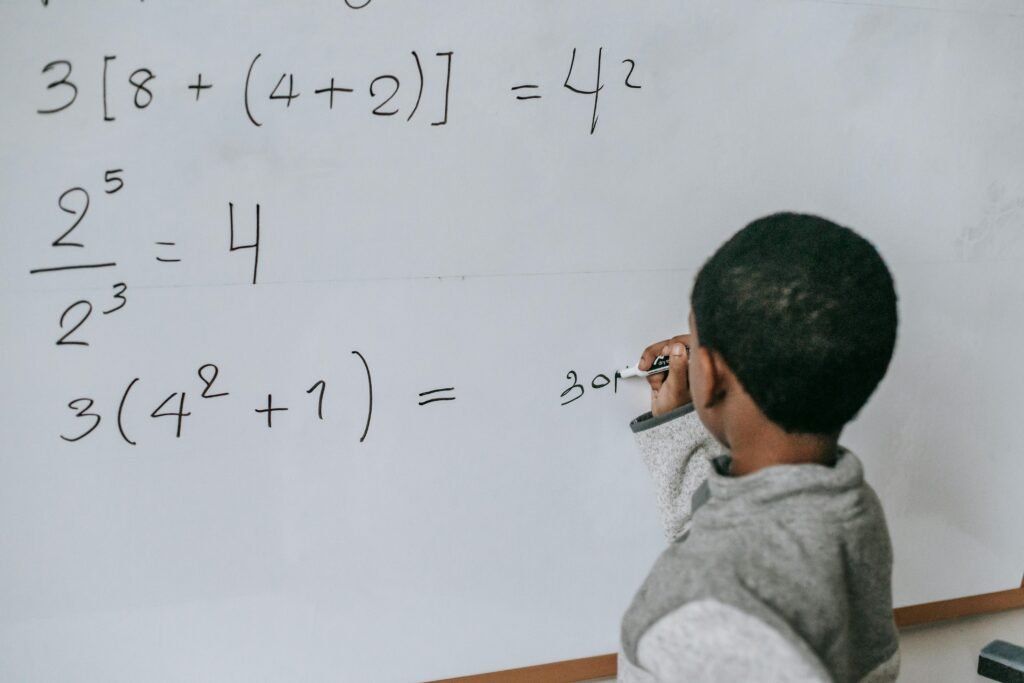
Late homework feels normal in many homes. The clock hits ten. A child is still writing. Eyes feel heavy. The next morning, a test waits. This pattern looks small, but the cost is big. Sleep shapes memory, focus, and mood. When sleep shrinks, learning shrinks too. The brain needs rest to file new facts and build strong paths for recall. Without it, effort leaks away. Marks slip. Confidence dips. Stress rises. Parents feel stuck. Kids feel tired. Everyone wants a better plan.
1. Each lost hour of sleep is linked to a ~3–5% drop in next-day test scores
When a child loses an hour of sleep, the brain has less time to sort, store, and clean. During deep sleep, the brain files new ideas into neat folders. During REM sleep, it connects those ideas so they make sense. Cut an hour, and those steps get rushed.
The next day, the child may still remember facts, but pulling them out feels slow and fuzzy. A small drop in speed and accuracy can turn an A into a B. Over a term, this adds up. A little loss, night after night, can become a big slide. You may notice more careless mistakes, slower reading, and weaker recall right when it matters most.
The fix is simple to start and powerful over time. Set a target bedtime that protects eight to nine hours of sleep. Count back from wake time. If the bus comes at seven, lights out should be no later than ten. Homework must finish at least forty-five minutes before lights out.
This gap is the cooling period. In that time, keep screens away, lower overhead lights, and play soft music or read a light book. If homework is not done, stop anyway and move it to morning review. One hour of sleep will help more than one extra page late at night.
Use a short check-in every afternoon. Ask what work is due, how long each task may take, and what help is needed. Start with the hardest task first while energy is high. Use a kitchen timer and meet for a quick reset every twenty minutes.
If focus drops, stand, stretch, sip water, and restart. Keep supplies ready so time is not lost hunting for a pen. When your child sees that sleep is part of the study plan, not a reward after it, they learn to plan better.
At Debsie, we teach this planning skill inside our classes, so study time gets sharper and bedtime stays safe. If you want a simple routine that fits your home, join a free trial class and we will help you set it up.
2. Doing homework after 10 p.m. is associated with ~7–10% lower quiz scores the next morning
Late-night homework looks like extra effort, but the data tell a different story. After 10 p.m., attention starts to dip, and small errors quietly multiply. The brain is less ready to hold new steps or rules. A math problem that would take five minutes at 7 p.m. can take fifteen at 10:30 p.m., and the result is often wrong.
The next morning, the child sits for a quiz with a tired brain and messy memory traces. Even if they studied, the lessons did not settle well. A seven to ten percent hit can be the difference between meeting a goal and missing it. Over many weeks, this gap can shape a whole report card.
To turn this around, move homework earlier by design, not by chance. As soon as your child gets home, have a ten-minute snack and reset routine. Water, fruit, and protein help more than sugar. Then start a ninety-minute work block with a short break in the middle.
Keep phones in another room. Write a mini-plan on paper: what to do first, how long it may take, and how to know it is done. If a task is unclear, send a quick note to the teacher or flag it for next day help instead of pushing it late.
Set a firm study cut-off around 8:30 p.m. If a task is still undone, convert it to quick morning review flashcards. Morning brains are fresh, and recall is fast.
Parents can guard the 10 p.m. line like a seat belt rule. No late homework is not a punishment; it is safety for the brain. You can post the rule on the fridge with the wake time and bedtime. Praise the process, not just the grade.
Say, I like how you started early and kept a good pace. If you want support building this habit, our Debsie coaches can guide your child in live classes and practice sessions that end well before bedtime. Try a free class and see how a small shift will lift next-morning scores without longer hours.
3. Students sleeping <7 hours score ~8–12% lower on standardized tests than peers sleeping 8–9 hours
Less than seven hours of sleep turns test day into an uphill climb. Standardized tests check more than facts. They measure stamina, focus, and the ability to switch between reading, math, and reasoning without losing speed. With short sleep, the prefrontal cortex tires early.
This leads to slow choices, skipped lines, and second guesses. Children may know the content, yet they cannot show it on the page. An eight to twelve percent gap is not about talent; it is about fuel. Think of it like running with a half-empty tank. The car still works, but not at full power.
Build a home rhythm that makes seven hours the floor and eight to nine the norm. Protect the last hour before bed. Keep lights dim and screens off. Cool the room a little and keep it quiet. A warm shower can help the body relax.
If your child worries about the test, have them write down three things they did well in study today and one thing they will review in the morning. This trains the brain to let go. Put the backpack by the door and the clothes out for the morning to remove last-minute chaos. Set an alarm with a gentle tone and a backup alarm across the room.
On test week, do not add late-night cram sessions. Instead, do short, sharp review blocks in the afternoon and early evening. Use recall methods, not re-reading. Cover answers and try to teach you the idea out loud. End each night with a short, calm routine and lights out at a steady time.
If your child has practice tests, space them out and finish at least two hours before bed. This pattern helps the brain store what it knows and keeps stress down. At Debsie, we design review paths that train both knowledge and sleep-smart habits.
Book a free trial class to see how we help children pair strong prep with strong rest for real gains on big test days.
4. Bedtimes after midnight are tied to ~2× higher odds of below-average grades
Crossing midnight changes more than the clock. After twelve, the brain’s circadian rhythm pulls hard toward sleep. Pushing past that line raises stress hormones and cuts into the richest REM periods that arrive in the last part of the night.
When this becomes a habit, grades tend to fall. The odds of below-average marks about double compared to peers who sleep earlier. This is not about one wild night; it is about a repeated late curve that steals the brain’s best learning time. You may notice a tired look in the morning, a shorter temper, and a drop in class participation.
The way out is to draw a bright boundary before midnight and build a path that makes crossing it unlikely. Start with a clean tech drop at least sixty minutes before lights out. Move chargers to the kitchen. Turn on night mode in the early evening, and set app limits that lock by 9:30 p.m.
Keep a visible analog clock in the study space so time does not slip. Aim to finish hard tasks first thing after school or right after dinner, not close to bedtime. Use a simple one-page planner where your child writes the top three tasks of the day and checks them off by eight.
If a late sports practice or club meets at night, trade off by starting a homework sprint right after school or using the ride home for light flashcard review so the evening stays open.
Think of midnight as a hard wall for school nights. If a project is huge, plan a two-evening build and stop at the wall each night. The brain will do quiet work during sleep and give new ideas for the next day. Teachers will often support early starts and steady progress more than last-minute pushes.
If you want help crafting this bedtime wall with your child, Debsie’s mentors can set up a weekly plan and check in during live sessions so midnight stays protected. Join a free trial class and see how an earlier bedtime can lift mood, focus, and grades within two weeks.
5. 60 extra minutes of homework done late at night correlates with ~15% more calculation errors
Late-night math looks quiet and focused from the outside, but inside the brain, accuracy slips. When a child pushes one extra hour after their usual bedtime, attention flickers. The eyes track the numbers, yet the mind loses small steps. Carrying a digit, reading a sign, or placing a decimal starts to wobble.
These tiny slips add up to wrong answers, even when the method is right. A fifteen percent jump in mistakes can flip a solid worksheet into a frustrating one. The worst part is how it feels. A child thinks, I studied more and still got things wrong. Confidence takes a hit, and the cycle repeats the next night.
The fix is to move hard number work earlier in the evening when mental energy is steady. Place math, physics, or coding problem sets at the front of the homework block. Keep a simple error guard: after each problem, take three slow breaths and read the answer back to yourself as if you are the teacher.
Trace the steps with a finger. If you find a slip, correct it and mark a tiny star in the margin. This trains care without pressure. If a problem takes more than eight minutes with no progress, write down what you tried, circle the step that broke, and park it for the next day. Stopping is not quitting; it is saving accuracy.
Set a clear end time every night. When that time hits, close the books, prep tomorrow’s review card with one or two stuck problems, and sleep. In the morning, do a five-minute fresh check before school. The rested brain will often spot the missing sign or step in seconds.
At Debsie, we teach students a short accuracy routine they can do after each problem set so speed and care rise together. If you want your child to feel strong with numbers and still sleep on time, book a free trial class and we will show them how to work smarter, not later.
6. Memory recall falls by ~10–20% after a night with <6 hours of sleep
Memory is not just stored in the moment you study. It is written and sealed during sleep. With less than six hours, that sealing step is weak. The next day, your child may recognize facts but cannot pull them up fast. Names, dates, formulas, and vocab words feel just out of reach.
In a test, this lag costs points, even when the study time was long. A ten to twenty percent recall drop can turn a strong student into an unsure one for a day, and if it repeats, the sense of being behind grows.
You can protect recall with a simple loop: learn, sleep, retrieve. In the afternoon, have your child study in short bursts using active recall. Close the book and try to say the idea out loud, draw the diagram from memory, or write the formula from scratch.
Keep each burst around fifteen to twenty minutes, followed by a short stand-and-stretch. Finish content study at least one hour before bed. In that last hour, allow only light review like skimming a summary sheet already mastered.
Then power down, dim lights, and sleep. In the morning, run a five-minute recall check. Speak the key points without notes. This locks the path and builds speed.
If nights get busy, cut low-value tasks rather than cut sleep. Replace passive rereading with recall drills that take half the time. Keep a small box of flashcards by the breakfast table. Turn car rides into quick recall games. Teach your child to plan for sleep the way they plan for homework, with equal weight.
When recall rises, study feels rewarding and stress fades. Debsie’s classes build recall habits into each lesson so kids remember more with fewer hours. If you want ready-made recall drills and a calm evening plan, join a free trial class and we will set it up with your child this week.
7. Reaction time slows by ~20–30% after one short-sleep night (≤6 hours)
Fast thinking matters in tests more than most people realize. Many exams reward quick, clean choices across many small items. With a short-sleep night, reaction time drags. The brain still understands, but decisions take longer to start.
Reading speed dips, switching between question types feels heavy, and bubbling the answer page takes extra seconds. A twenty to thirty percent slowdown can mean five to ten unanswered items on a timed test. That hurts even when accuracy is fine. Sports and music also show it. A tired brain misses cues in class, in games, and in practice.
Build speed by protecting sleep and practicing quick shifts when rested. Use timed drills in the early evening, not late at night. Set a simple target, like five reading questions in four minutes with full accuracy. Stop at the timer, mark the questions you paused on, and study only those patterns later.

This builds pace without long hours. Teach a short test-day warm-up. Before a quiz, do two easy practice items to wake the decision system. During the test, if you freeze on a question after thirty seconds, mark it and move on, returning later with a fresher eye.
Create an evening path that tells the body it is time to slow down. Lower lights after dinner, keep caffeine out after mid-afternoon, and avoid intense games or problem sets within the last hour before bed. If your child has to be up early, shift homework earlier instead of squeezing it late.
Small steps like laying out clothes and packing the bag at night add calm and remove morning rush that can steal sleep. At Debsie, we coach students on pace strategies that pair with steady sleep so speed and focus rise together.
Try a free trial class to learn these habits and see how a rested brain feels faster without trying harder.
8. Two nights of short sleep (≤6 hours) can impair working memory by ~25–30%
Working memory is the mental notepad that holds steps while you solve a problem. It lets a child read a question, hold three facts in mind, and use them in the right order. After two short-sleep nights, this notepad shrinks. A child starts a multi-step problem and loses track of step two while reaching step four.
In reading, they miss a key word and misread the task. In science, they forget a condition and apply the wrong rule. A twenty-five to thirty percent hit to working memory turns simple tasks into hard ones and hard tasks into walls.
The answer is to guard two nights before any test or big lesson. Make those evenings lighter. Do the hardest prep three to four days earlier, then use the two nights for short review and rest. During homework, chunk multi-step work into small pieces your child can hold easily.
Write the steps on a sticky note beside the problem. After each step, check it off and say the next step out loud. This keeps the notepad clear. Teach the habit of writing key numbers and conditions in the margin before solving. If a step fails, they can look back without starting from zero.
Build a steady sleep window that runs across the week, not just on school nights. If weekend bedtimes slide far past midnight, Monday and Tuesday carry a hidden sleep debt that cuts working memory right when school ramps up.
Aim for no more than an hour difference between weekday and weekend bedtimes. Keep the bedroom cool and dark, and make the bed a sleep-only place to train quick onset. If your child struggles with big projects, Debsie mentors can help them plan steps so the heavy thinking happens when working memory is strong, not after two late nights.
Book a free trial class and we will map a two-week plan that protects both progress and sleep.
9. Students who start homework before 7 p.m. report ~30–40 minutes more sleep than those starting after 9 p.m.
Starting early changes the whole night. When homework begins before 7 p.m., tasks finish at a calm pace, and the body keeps a healthy rhythm. Dinner blends into a focused work block, then a gentle wind-down.
This early start often gives a child thirty to forty more minutes of sleep, which is like adding a quiet bonus study session inside the brain. When work starts after 9 p.m., everything stacks up. Tasks feel longer, small problems feel bigger, and bedtime slips.
The mind stays alert even in bed, making it hard to fall asleep. The next day starts with less energy and slower recall.
Set a daily after-school routine that always moves in the same order. Snack, quick reset, then work. Keep the first block tight and clear. Choose the toughest subject first because willpower is highest when the evening is young.
Use a clock you can see from the desk. If your child has sports or clubs, plan a mini session before the activity so the load is lighter when you return. Keep all books and tools in a single bin so setup takes seconds. When the clock hits the end time, stop and switch to a soft close. Read a light page, prep clothes, and dim the lights.
You can also make early-start time feel like a win. Praise the start, not just the finish. Say, I love that you began before 7. That choice gave you more sleep. Link the extra sleep to next-day comfort and results so the habit sticks.
If your child struggles to begin on time, Debsie’s live study rooms teach kids how to launch fast and stay steady in short, guided sprints. Try a free trial class to see how a strong start builds a strong night and a stronger morning.
10. Blue-light screen use in the last hour before bed reduces melatonin by ~20–50%
Melatonin is the body’s sleep signal. Blue light from phones, tablets, and laptops tells the brain it is still daytime. When screens stay on in the last hour before bed, melatonin can drop by twenty to fifty percent.
With less melatonin, sleep starts later, blood pressure stays a bit higher, and mind chatter grows. Even if your child feels tired, their brain will not fully power down. The next morning brings heavy eyes and slow thinking. This one habit can undo a full day of good choices.
The cure is a clean last hour. Turn off bright screens and put devices in a charging spot outside the bedroom. If homework needs a device, finish that work earlier and move the last hour to paper or a printed review sheet. Use warm lamps instead of bright ceiling lights.
Turn on built-in night modes at sunset so evening light is softer. If your child must look at a screen late, use large font, dark mode, and keep the device far from the face to reduce intensity. Make the last hour soothing. A warm shower, gentle music, stretching, or reading fiction will signal the brain to release melatonin on time.
Create a family rule that protects everyone. When parents model the habit, kids follow faster. Put an analog clock by the bed so time checks do not require a phone. If falling asleep still takes long, add a simple breathing pattern like four seconds in, six seconds out for two minutes.
This lowers arousal and lets melatonin do its job. In Debsie classes, we help families set a screen plan that supports both study and sleep without fights. Join a free trial and we will guide your child to a screen-smart routine that protects their brain’s night signal.
11. Replacing late-night screen time with paper study raises sleep time by ~25–45 minutes
Small swaps make big gains. When students replace late-night screen time with paper study or light reading, they often sleep twenty-five to forty-five minutes more. Paper gives the brain fewer bright cues and fewer temptations. No pings, no scrolling, no fast changes.
The mind settles. The hands slow. The eyes relax. The path into sleep is smooth. The next day, this extra sleep shows up as better mood, steadier focus, and cleaner recall. It is not about studying more; it is about studying in a way that invites sleep, not fights it.
Build a paper-first toolkit. Keep printed notes, index cards, and a simple notebook ready. In the last hour, your child can rewrite a few key ideas, draw a diagram from memory, or test themselves with a small stack of cards. If the subject is reading, use a paper book.
If notes live online, print a one-page summary earlier in the evening. Keep the lighting warm and the seat comfortable but upright. As the last fifteen minutes arrive, shift from study to calm reading, journaling, or planning tomorrow. This turns off the performance switch and tells the brain, we are safe to sleep.
Track the change for one week. Write down bedtime, wake time, and how the morning felt. Most families see earlier sleep and easier mornings within days. Praise the habit and anchor it with a simple phrase your child repeats, like paper before pillow.
If your child resists leaving the screen, Debsie coaches can show them how paper recall beats late-night scrolling and still gets work done faster. Try our free trial class to help your child build a paper-first close that adds sleep without adding stress.
12. A 30-minute later bedtime is linked to ~2–3 point lower math scores (out of 100) the next day
Math depends on clean steps and steady attention. When bedtime moves thirty minutes later, deep sleep shifts and shrinks. The brain does not get the same chance to sort number facts, sharpen rules, and clear the noise from the day.
The next morning, math feels sticky. Small slips appear in place value, signs, and multi-step order. On a hundred-point scale, this rise in small errors can cost two to three points in one day. Over a week, that is a full letter grade in some classes. This is not about talent. It is about timing.
Hold the bedtime line with care. Pick a lights-out time that works with your child’s wake time and keep it steady, even on weekends. If you must shift, shift earlier, not later. Build a buffer so work ends at least forty-five minutes before lights out.
Place math study in the first work block of the evening, not the last. Use quick accuracy checks right after each set. Read each answer aloud, touch each digit, and confirm signs. Write down the one tricky step to review in the morning. If a problem keeps eating time, park it, sleep, and see it fresh at breakfast with a five-minute sprint.
Make mornings friendly to math. Put a small whiteboard on the table. Write two warm-up problems that match yesterday’s trouble spots. Solve them while eating. Celebrate clean work and note how it felt compared to late-night tries. Kids learn fast when they feel the contrast.
If you want a simple math-and-sleep plan, Debsie’s teachers can map a bedtime-safe study flow that protects scores and mood. Join a free trial class, and we will build a routine your child can keep on busy school nights.
13. Chronic sleep of ≤6.5 hours/night over a week produces cognitive deficits equal to ~1 all-nighter
Sleeping six and a half hours or less for a week feels normal at first. Your child still gets up, goes to school, and does homework. But inside the brain, small losses stack up. By day three or four, attention slips, memory feels thin, and mood turns touchy.
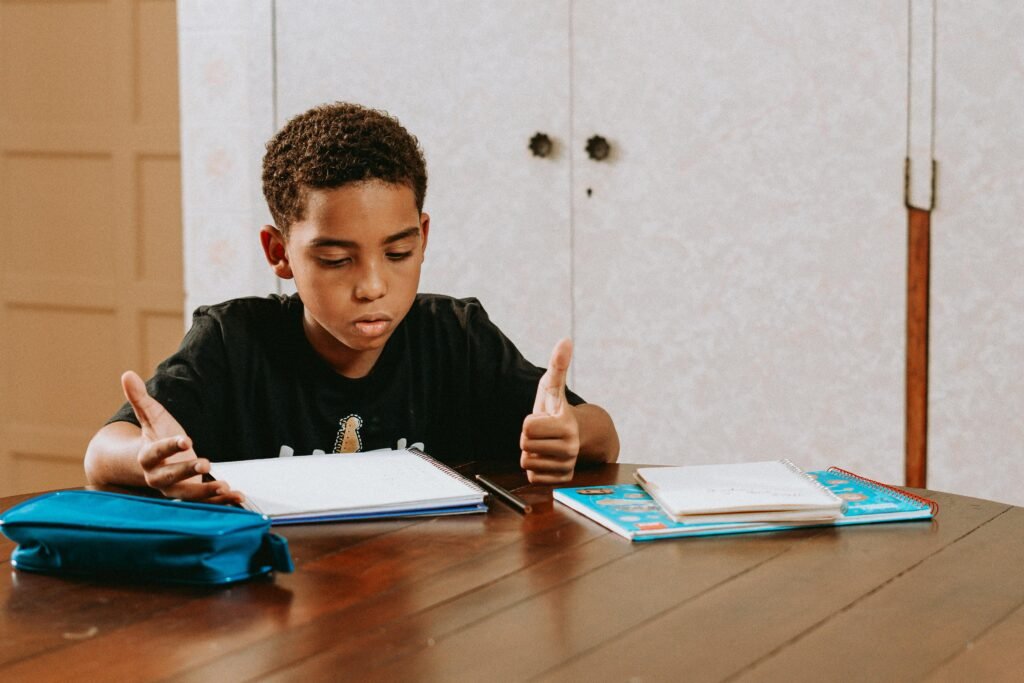
By the end of the week, the effect looks like pulling one full all-nighter. The brain can still work, but it works harder for weaker results. Reading takes longer. Notes make less sense. Simple steps need checking twice. This is why some students feel like they study all week and still do not see gains.
The fix is to treat sleep as a daily habit, not a weekend repair. Keep a steady bedtime and wake time within a one-hour window every day. Move heavy work to the first ninety minutes after dinner and stop at a set time. Set up a short, calm close: pack the bag, choose clothes, write a tiny plan for tomorrow, and read for ten minutes.
If homework pushes late, cut low-value tasks and do a short morning review instead. The morning mind is fresh and fast. Track sleep for a week on a simple chart and notice changes in mood and scores. Most families see better focus and fewer mistakes in five to seven days.
At Debsie, we teach children how to plan a week so work lands when the brain is strong and rest lands when the brain needs it most. If you want a steady, friendly routine that your child can keep even during busy weeks, join a free trial class. We will help you build a plan that keeps sleep safe and learning strong.
14. Students with consistent bed/wake times score ~5–7% higher than those with irregular schedules
A steady schedule trains the body clock. When your child goes to bed and wakes at the same times, the brain learns when to be alert and when to wind down. This rhythm sets hormones, body temperature, and attention levels.
On test days, the brain shows up ready because it has practiced the same timing all week. A five to seven percent lift may not sound huge, but across many quizzes and assignments, it turns into real grade gains. In contrast, irregular sleep keeps the brain guessing.
Some mornings it is slow to start. Some nights it is wide awake past bedtime. Learning cannot settle in that noise.
Build a simple anchor routine. Pick a lights-out time that gives eight to nine hours of sleep. Set wake time to match school needs. Keep these anchors even on weekends, with no more than one hour of shift. Make dinner and study start at predictable times so the evening feels smooth.
Use light to cue the body. Get bright light in the morning by opening curtains or stepping outside for five minutes. Keep lights warm and dim in the last hour before bed. Treat naps as short boosts only. If your child needs one, keep it under thirty minutes and end before late afternoon.
Help your child see the link between regular sleep and steady scores. Celebrate a week of on-time bed and wake, not just a single big test. If your family has many moving parts, Debsie coaches can help set a realistic schedule that still protects sleep.
Try a free trial class and we will make a plan that fits your real life while keeping that valuable five to seven percent edge.
15. Each extra hour of evening phone use is linked to ~10–15 minutes less total sleep
Phones steal sleep in quiet ways. One more hour of evening scrolling can cut total sleep by ten to fifteen minutes. Add two hours, and you lose up to half an hour. This happens because screens wake the brain with bright light and fast content.
Even after the phone is off, the mind keeps spinning on chats, games, and videos. Falling asleep takes longer, and sleep is lighter. The next day, focus is shaky, and small tasks feel bigger. Over a week, those lost minutes add up to hours.
You can fix this with simple, kind rules. Set a phone hand-in time at least one hour before bed. Make a family charging spot outside bedrooms. Use app timers that lock social apps at a set time. Turn on night modes at sunset and set the screen to low brightness.
Replace late scrolling with paper tasks like writing a few flashcards or reading a real book. If your child wants to relax, guide them toward calm music, drawing, or a hot shower. Keep the bedroom for sleep only. No TV, no gaming console, no laptop on the bed.
Make it a team effort. Parents follow the same rule so kids feel respected. If pushback happens, try a seven-day trial. Track sleep and morning mood. Most kids feel the benefit fast and accept the habit.
Debsie can help you build a phone plan that does not spark fights. In our classes, we coach students to switch off tech early and still feel connected and calm. Join a free trial class to get a custom screen routine that protects sleep by design.
16. Caffeine after 4 p.m. delays sleep onset by ~30–60 minutes in teens
Caffeine feels like help at first. It lifts energy and mood for a short time. But in the late afternoon and evening, it becomes a sleep thief. For many teens, caffeine after 4 p.m. can push sleep back by thirty to sixty minutes.
That means less deep sleep, less REM sleep, and a harder morning. Drinks like soda, iced tea, energy drinks, and even chocolate can carry enough caffeine to matter. When bedtime moves late, homework creeps later the next day, and the cycle keeps spinning.
Shift caffeine to the morning and early afternoon only. Teach your child to check labels and learn which drinks carry a punch. Offer swaps after school like water, milk, herbal tea, or a small snack with protein and fruit. If your child craves a cool drink, make a fun caffeine-free option with sparkling water and a splash of juice.
Pair this with a short movement break after school to wake the body the natural way. Ten minutes of fresh air or a quick walk can replace the false lift of caffeine without stealing sleep.
On test weeks, keep evenings extra clean of stimulants. Watch for hidden sources like certain pain relievers or pre-workout mixes. If your child says they are tired at 6 p.m., do not reach for an energy drink. Instead, start homework early, keep it tight, and close on time.
If energy is still low, move a bit of study to the morning when the brain is fresh. In Debsie classes, we help families set clear fuel rules so the body works with learning, not against it. Book a free trial class, and we will help your child build smart energy habits that keep bedtime safe and scores strong.
17. Weekend “catch-up” sleep recovers only ~1/3 of the week’s learning efficiency loss
Sleeping in on Saturday feels good, but it does not fully repair a week of short nights. Your child may feel fresher, yet the brain’s learning engine is still not at full strength. Only about one third of the lost efficiency comes back. Memory links remain weaker.
Attention still drifts sooner. Reaction time stays a bit slow. By Monday, the cycle begins again, and the gap widens. This is why a student can study a lot, rest extra on the weekend, and still wonder why scores do not rise.
The better plan is even sleep across all seven days. Keep bed and wake times within one hour of each other, even on weekends. Aim for eight to nine hours nightly. Shift heavy study to earlier in the day on Saturday and Sunday, then keep evenings calm.
If your child needs a reset, try an early night on Friday instead of a late morning on Sunday. Use light to nudge the body clock. Get sunshine soon after waking and dim lights in the last hour before bed. If there is a late event, trade time by starting homework before it, not after it.
Have a simple Monday-ready list each Sunday afternoon. Pack the bag, set out clothes, and plan the first study block for after school. This stops the late scramble that steals sleep. Praise the steady nights, not the big weekend sleep-in.
Your child will feel proud of the habit and see it pay off in class. At Debsie, we coach students to build a week that keeps their brain sharp every day, not just on Saturday morning. Join a free trial class and we will help your family create a rhythm that sticks.
18. Napping 20–30 minutes after school boosts memory retention by ~10–15% vs. no nap
A short nap can be a smart tool when used well. After school, many children feel a dip in energy. A quick nap of twenty to thirty minutes can refresh the brain without making nighttime sleep harder. This small rest lifts mood, sharpens attention, and helps new ideas stick.
Memory retention often rises by ten to fifteen percent compared to pushing straight through the slump. The key is timing and length. Too long or too late can ruin bedtime. Just right can turn a slow afternoon into a strong evening.
Set up a nap window that ends before late afternoon. If school ends at three, a nap between three thirty and four is perfect. Keep the space quiet, dim, and cool. Use an alarm to prevent oversleeping. After the nap, step into the light, drink water, and have a protein snack like yogurt, nuts, or eggs.
Then begin a focused homework block with the hardest subject first. Because the brain feels fresh, problems that looked hard before now feel manageable. Many kids learn to love this cycle because it feels kind and it works.
If a nap is not possible, try a “nap replacement.” Ten minutes of daylight, a short walk, or light stretching can reset energy in a similar way. Avoid caffeine as a fix because it often pushes bedtime later. Track how the nap changes evening work and morning mood for a week.
If you see better focus, keep it. If it harms bedtime, shorten it or move it earlier. Debsie teachers can help you choose a smart energy plan for your child’s schedule. Book a free trial class and we will design a routine that balances naps, homework, and sleep so learning sticks.
19. Sleep loss reduces attention lapses control by ~2× during long tests
Long exams test more than knowledge. They test the skill of staying present. With sleep loss, the brain’s control over lapses weakens, about twice as much during long tasks. Your child may read a question and realize halfway through they do not remember the start.
They may drift during a word problem or reread the same line three times. Time slips away. This is not laziness. It is a tired attention system running out of fuel.
Train stamina by pairing sleep with pacing habits. First, protect eight to nine hours the night before any long test. Second, practice in chunks that mimic the real exam. For reading, do two ten-minute passages with a one-minute reset between them.
For math, run three sets of six questions, pausing for thirty seconds to breathe and roll the shoulders. Use simple anchors during the test. Before each passage or problem set, write a tiny “goal cue” on the scratch paper, like read once, mark key words, answer. When the mind drifts, the cue brings it back.
Teach a quick reset for inside the exam. Close eyes for one breath, plant both feet, and reopen with a soft focus. If a question feels sticky after thirty seconds, mark it and move on. Return later with a fresher mind. After the test, review what pulled attention away and plan a fix.
Was it hunger, stress, or fatigue? Adjust the next week’s rhythm. At Debsie, we build focus drills into classes so kids rehearse control when rested. Try a free trial class to learn how your child can protect their attention and turn long tests into steady wins.
20. Schools with start times after 8:30 a.m. see average test score gains of ~3–5%
Later school starts line up better with teen body clocks. When the first bell rings after 8:30 a.m., students often sleep longer and arrive more alert. This shows up as three to five percent higher scores on average. Mornings feel calmer.
First-period learning sticks. Mood improves. Absences fall. Even if your school cannot shift, you can still capture some of the gains by tuning your child’s evening and morning routine to their natural rhythm.
If your school starts early, move what matters to the evening before. Pack the bag, pick clothes, and prep a quick breakfast. Keep bedtime steady and protect the last hour from screens. On test days, wake gently with light, water, and a short warm-up.
Read a page aloud or do two easy math problems to prime the brain. If your school does start later, do not use the extra time to stay up late. Keep bedtime consistent and enjoy the bonus morning sleep. Use ten minutes before class for a light review so gains compound.
If your child struggles with early first periods, shift the hardest study to the late afternoon or early evening when they feel sharp. Leave only light review for the morning bus ride. Calm the home in the last hour before bed so sleep starts on time.
At Debsie, we help families build school-aligned routines whether the first bell is early or late. Join a free trial class and we will design a plan that matches your school schedule while lifting scores by simple, steady habits.
21. Students sleeping 9 hours have ~20–25% lower odds of test anxiety vs. those sleeping 6–7 hours
Sleep is a natural calm switch. With nine hours, the body lowers stress signals and the mind feels safe. This makes test rooms feel less scary. When anxiety is lower by about a quarter, thinking stays clear and steady. Your child can read the question, plan the steps, and answer without a panic spike.

With only six to seven hours, the body sits closer to alarm mode. Heart rate is higher, breathing is shallow, and small worries grow. The same test now feels bigger than it is, and simple tasks start to look hard. This is not a character flaw. It is biology.
You can build a nightly path that guides the body toward calm. Begin with a gentle evening ramp. After homework ends, dim the lights, close screens, and switch to quiet tasks. A warm shower, a few pages of light reading, and slow breaths tell the nervous system the day is done.
Keep bedtime firm so the full nine hours fit. On test mornings, add a short calm warm-up. Have your child breathe in for four counts and out for six, three times. Sip water. Eat a simple breakfast with protein. Then do two very easy practice items. This proves to the brain that it can think well today.
Teach your child a friendly test script. When worry pops up, they can say, I am safe, I prepared, I can start with one step. If a question looks heavy, skip and return later. Many students feel relief as soon as they move on.
After the test, praise the calm steps they used, not just the grade. At Debsie, we train these calm habits inside our classes so kids feel steady even when stakes feel high. Join a free trial class and let us show your child how sleep and simple tools can cut test nerves and lift performance.
22. Late homework nights (≥3/week) are linked to ~0.2–0.4 lower GPA on a 4.0 scale
Three or more late homework nights each week quietly pull grades down. Bedtime slips, mornings feel rough, and learning lands on a tired brain. Over a term, this rhythm can cut GPA by a few tenths, which matters for class placement, confidence, and opportunities.
The loss is not from laziness. It is from a system that asks the brain to do heavy work when it is low on fuel. Late nights also turn homework into a stress zone, which makes starting the next day even harder.
Turn the week with a simple front-load plan. On Sunday, spend fifteen minutes mapping big tasks. Put long projects on the early days. Aim to start hard work on Monday and Tuesday while energy is fresh. Keep a fixed hard stop each night that protects bedtime.
If a task runs long, cap it, write a note to the teacher about what was done, and move the rest to a short morning block. Teach your child to write three top tasks each day, mark a start time, and launch without waiting for motivation. Action builds motivation, not the other way around.
Build tiny buffers. Place all supplies in one spot so setup takes seconds. Use a visible clock near the desk. Keep phones outside the study area. If your child has multiple activities, create mini sessions before practice so the evening is lighter.
Celebrate on-time finishes and smooth nights. If the pattern still slips late, we can help. Debsie mentors guide students through focused sprints, planning check-ins, and healthy stops. Try a free trial class. We will set a plan that avoids the late-night trap and protects your child’s GPA with calm, repeatable steps.
23. Reading notes once in the evening plus full sleep improves recall ~20–30% vs. extra late study with short sleep
Cramming feels powerful, but sleep makes learning stick. A single pass through notes in the evening, followed by full sleep, often beats hours of extra late study that cuts rest. The brain uses sleep to replay and glue ideas into long-term memory.
When your child sleeps well, recall the next day is faster and cleaner. They can pull facts, formulas, and steps without strain. With short sleep, the glue is weak. Ideas slide around, and tests feel like a maze.
Design a plan that trusts sleep. After school, use active recall and practice problems. In the final evening review, read a brief summary, speak key points aloud, and close the book. Keep that last hour free of new hard work.
Dim lights, lower noise, and do something gentle. Place two or three key questions on a card for a morning warm-up. In the morning, have your child try those questions without notes. The speed they feel will prove the method works, which builds faith in the routine.
If a child worries that stopping will cost them, run a simple trial. For one week, compare two days. Day A is late study and short sleep. Day B is early finish and full sleep. Track morning recall and quiz results. Most families see stronger recall on Day B within days.
At Debsie, we teach this loop in our courses so students work with the brain, not against it. Sign up for a free trial class and we will set up a night-and-morning study rhythm that lifts recall by design.
24. Problem-solving accuracy drops ~12–18% after bedtime shifts later by 1 hour for a week
Even a one-hour push in bedtime, kept for a week, weakens problem-solving. The brain relies on deep and REM cycles to refine strategies, clear noise, and build flexible thinking. When bedtime shifts later, these cycles shorten or move.
The result is more wrong turns in math, science, and coding. Children start strong but get lost mid-solution. They may redo steps, miss constraints, or stop early. A twelve to eighteen percent drop in accuracy is not about new content being hard. It is about a brain running on a thinner battery.
Rebuild accuracy by locking bedtime and moving heavy thinking earlier. Pick a bedtime that fits your wake time and hold it for two weeks. Set an evening flow that brings tough tasks forward. Start with problem sets while the mind is fresh, then shift to lighter tasks.
After each solution, do a quick check: restate the question in your own words, scan units and signs, and verify the final step. Keep a tiny log of the one mistake pattern you saw today so tomorrow’s warm-up targets it. If energy dips, take a two-minute stand, breathe, and return. Do not push into the last hour before bed.
If bedtime drift came from stacked activities, simplify the week. Trade one late session for an earlier practice, or move some study to the morning. Protect the sleep window and watch accuracy climb back within ten days.
At Debsie, we help students design smart flows for math and logic work that respect the clock and the brain. Join a free trial class and we will craft a problem-solving routine that keeps accuracy high without long nights.
25. Missing REM-rich late sleep reduces concept integration scores by ~10–15%
REM sleep is when the brain knits ideas together. Facts from class blend into bigger pictures. Rules become flexible tools. When REM-heavy late sleep is cut, those links stay weak. Your child may remember parts but struggle to connect them. In math, they know a formula but cannot see when to use it.
In science, they recall a definition but miss how it fits the lab. On essays, they have details but not a clear thread. A ten to fifteen percent hit to concept integration shows up as answers that are close, but not complete.
Protect the last third of the night because that is where REM grows. Count back from wake time to set lights out. If wake is at 6:30 a.m., aim for lights out by 10 p.m. and stop study at least forty-five minutes before that. Keep a calm landing: warm shower, dim lights, soft reading, slow breathing.
Avoid intense debates, games, or new topics late at night. If a big idea still feels fuzzy after dinner, sketch it on paper, then sleep. In the morning, teach the idea back in three sentences. If the three sentences feel clumsy, target only the stuck link with a five-minute fix.
Use simple integration drills earlier in the evening. After finishing a chapter, ask, how does this connect to last week’s lesson? Have your child draw a quick map with arrows showing links. In math, pair each formula with one real-world example. In coding, relate a new structure to a program they already built.
When the brain sees links before bed, REM can strengthen them. At Debsie, we plan lessons that build and bridge ideas step by step, then stop on time so late-night REM can do its quiet magic. Join a free trial class and we will help your child make stronger links by pairing evening practice with protected sleep.
26. “All-nighter” students score ~20–40% lower on complex reasoning tasks next day
Skipping sleep feels like a brave push, but the cost is heavy. After an all-nighter, basic recall may limp along, yet complex reasoning drops hard. The brain’s control systems slow. Planning falters. Switching between ideas takes longer.
On multi-step problems, students jump to wrong paths, miss constraints, or fail to check assumptions. A twenty to forty percent drop can turn a strong student into a struggling one for a day. Worse, the crash rarely ends after one night; recovery can take several days, which means more weak performances.
The cure is never to trade sleep for cramming. Replace the all-nighter with a two-evening plan. Night one: learn and practice. Night two: quick review and early bed. If a deadline is close, use a strategic stop. Set a firm cut-off, sleep, and run a sharp morning session.
Morning brains, after solid sleep, solve hard tasks faster than a tired brain grinding at 2 a.m. Teach a simple triage method for late projects: must-do today, can-shrink today, move-to-morning. Compress low-value tasks. Save heavy reasoning for when the mind is fresh.
Build test-day fuel that does not rely on caffeine. Light breakfast, water, and a short warm-up beat energy drinks every time. During the test, write a tiny plan before solving: restate the problem, list givens, outline steps. This holds reasoning steady when nerves rise.
After big deadlines, protect the next two nights to fully recover. At Debsie, we coach planning that prevents last-minute panic and the false choice between work and sleep. Try a free trial class; we will guide your child to a safe, repeatable system that delivers strong thinking without all-nighters.
27. Actively studying up to bedtime (last 15 minutes) increases sleep onset latency by ~10–20 minutes
Studying right up to lights-out keeps the brain in work mode. Heart rate stays higher. Thoughts keep looping. Even when the lamp turns off, the mind keeps solving, which delays sleep by ten to twenty minutes.
That delay steals deep sleep and pushes REM later. The next morning, focus and mood sag. Many families think more minutes means more learning, but the opposite happens. Without a cool-down, effort leaks into lost sleep and weaker recall.
Build a clear study stop and a calm bridge to bed. End all active study at least forty-five minutes before lights out. Use the first ten minutes of the bridge to tidy the desk, pack the bag, and lay out clothes. Then switch to soft light and a simple wind-down.
A warm shower, a few pages of light fiction, or gentle stretching invite sleep. Keep the phone outside the bedroom. Use an analog clock so checking the time does not trigger bright screens. If thoughts keep racing, use a three-line brain dump: write one worry, one win from today, and one tiny plan for tomorrow.
Close the notebook and give the brain permission to rest.
If your child insists they must keep going, run a quick experiment for three nights. Night A: study to the last minute. Night B and C: stop forty-five minutes early and use the bridge. Track how fast they fall asleep and how the morning feels.
Most kids feel the difference at once. Once they feel it, they own the habit. Debsie teachers help students create personal wind-down routines they actually enjoy, so study ends on time without a fight. Join a free trial class and we will design a bedtime bridge that fits your home and protects both sleep and scores.
28. Students with >9 hours of weekly late-night homework report ~2× higher daytime sleepiness
When late homework stretches past nine hours a week, days feel heavy. Your child may yawn in morning classes, lose track of instructions, and drift during lectures. Sleepiness doubles because the brain is paying back a night debt while trying to learn new material.
This fog does not only hurt tests. It also dulls class notes, weakens group work, and makes homework take longer the next night. The loop is cruel: late nights create sleepy days, which create slower work, which creates more late nights.
Break the loop by measuring it first. For three school nights, write down when homework truly ends. Add the minutes after 9 p.m. and total the week. If it is over nine hours, choose two levers. The first lever is time of start. Move launch time earlier by at least thirty minutes.
Begin with the hardest task while energy is high. The second lever is scope. Trim low-value work. Replace passive rereading with quick recall drills that finish faster and stick better. If an assignment’s length is unclear, email the teacher or ask your child to submit what they can do well in the time limit and request feedback. Most teachers prefer quality over late, tired work.
Add daytime alerts that fight sleepiness without caffeine. Bright light in the morning, water at the desk, and a short movement break every class change keep energy steady. After school, try a twenty-minute reset nap or a fresh-air walk before starting homework.
Protect a firm nightly stop, even if a page remains. Park tough items for a five-minute morning burst, when the brain is clear.
Within a week, daytime sleepiness drops and evening work shortens. Debsie mentors guide students through focused sprints and healthy stops so late hours shrink without harming progress. Join a free trial class and let us help your child turn long, late weeks into shorter, sharper ones.
29. Light dinner plus earlier homework finish yields ~15–25 minutes faster sleep onset vs. heavy late dinner + late study
Food timing and homework timing both tell the body when to rest. A heavy dinner late at night keeps the stomach busy and the brain alert. Pair that with homework right before bed and sleep stalls. In contrast, a light dinner at a steady time and an earlier homework finish help the body cool, the heart rate drop, and the mind let go.
Falling asleep fifteen to twenty-five minutes faster may not sound huge, but across a week it adds more than an extra hour of sleep. That extra hour shows up as cleaner recall, steadier mood, and calmer mornings.
Set dinner on a timeline that supports sleep. Aim to eat two to three hours before lights out. Keep the meal balanced and simple, with protein, vegetables, and easy carbs. Avoid very spicy, greasy, or extra-sweet foods at night because they can cause reflux or a sugar spike.
If your schedule forces a later dinner, make it smaller and plan a proper meal earlier. Finish homework at least forty-five minutes before bed to allow a gentle wind-down. If a child feels a little hungry close to bedtime, offer a small snack like yogurt, a banana, or a slice of whole-grain toast with peanut butter. Pair the snack with water instead of soda or tea.
Craft a clean evening flow. Dinner, brief family check-in, focused study block, short tidy-up, calm close. Keep lights warm after dinner and move screens out of the bedroom. If digestion is sensitive, try a short, easy walk ten minutes after eating, then start homework.
Track sleep onset for a week. Most families see faster sleep within days. When kids feel how good quick sleep feels, they protect the routine on their own. Debsie coaches help families match study timing with meal timing so bodies and brains work together.
Try a free trial class and we will build a schedule that keeps sleep quick, deep, and reliable.
30. Switching 30 minutes of late-night study to early-morning review raises test performance by ~5–8%
Late-night study feels noble, but the same thirty minutes often works better in the morning. After sleep, the brain is clean, alert, and ready to retrieve. Morning review locks pathways, exposes weak spots fast, and builds confidence right before the test.
A five to eight percent lift can turn a near miss into a win. The key is not to steal from sleep. You move the time, not add to it. Sleep remains full, and the thirty minutes shifts from the end of the night to the start of the day.
Build the switch in two steps. Step one happens at night. Stop hard study forty-five minutes before lights out. During the calm close, prepare a tiny stack of morning prompts. Write five key questions, two must-solve problems, or one short summary you will teach aloud.
Lay out clothes, pack the bag, and put the notes on the breakfast table. Step two happens at wake. Use bright light right away, drink water, and start the review within ten minutes. Keep it active. Speak the answers, solve without notes, and correct quickly.
End with one easy win to carry into school. If the commute allows, spend the last five minutes of the ride doing a mental recap with eyes off the page.
Guard the sleep window. Move bedtime thirty minutes earlier so wake time does not shift too much. If your child already wakes early, make the morning review compact and sharp, not long. Track results across two quiz cycles. Most students feel more ready and see scores tick up while stress goes down.
Debsie’s classes teach this night-morning loop as a simple habit, with built-in review cards and short drills that fit busy mornings. Book a free trial class and we will help your child convert late minutes into smart morning gains without losing a single minute of sleep.
Conclusion
Late homework steals sleep, and lost sleep steals scores. The numbers you just read tell one clear story. A steady bedtime, an early start, and a calm close beat extra late study almost every time. When children sleep well, they remember more, think faster, and feel calmer. Small choices add up.
Starting before 7 p.m., ending screens one hour before bed, stopping study at least forty-five minutes before lights out, and moving tough tasks to earlier in the evening give the brain what it needs to do great work. A short nap used wisely, a light dinner at the right time, and a simple morning review can lift results without adding stress or hours.
You do not need a perfect house or a perfect schedule. You need a few strong anchors you repeat each day.