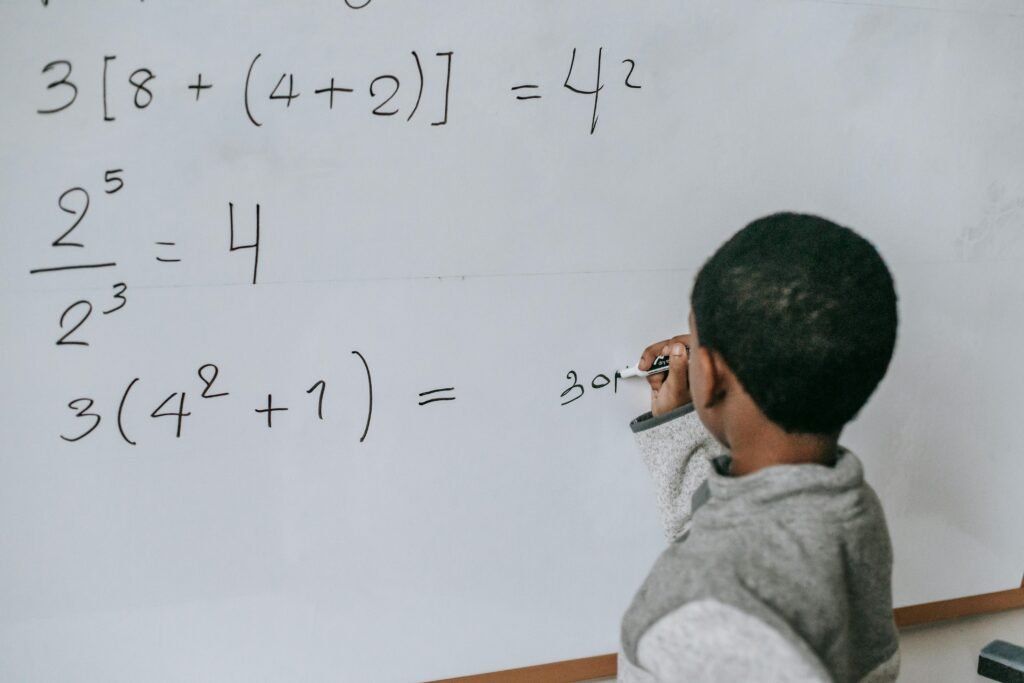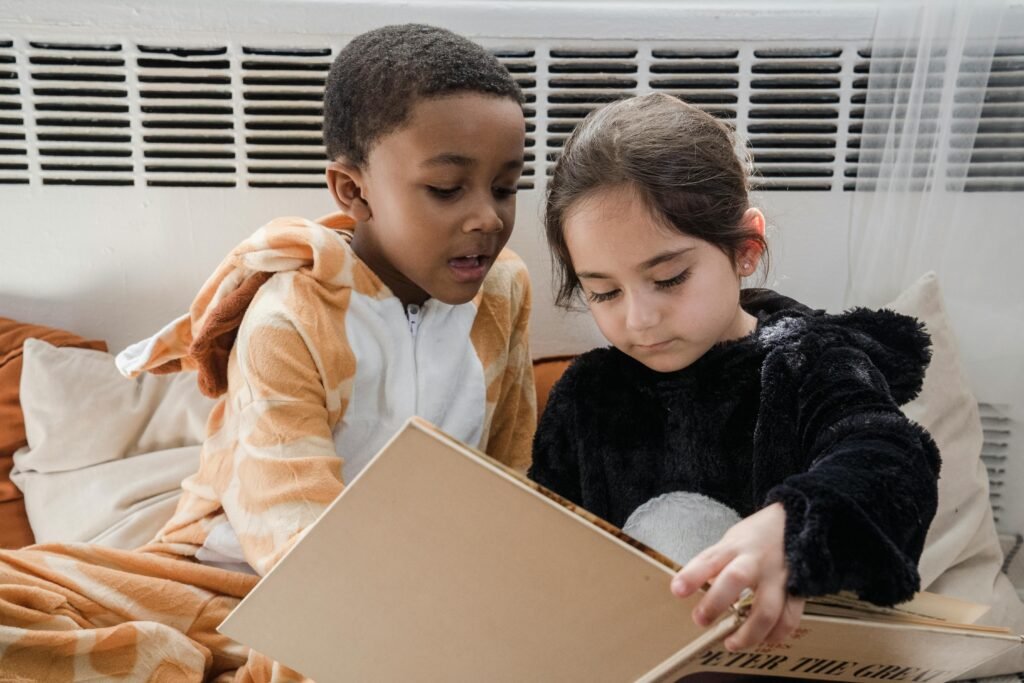
Elementary homework should feel light but still help the brain grow. Parents want clear answers. Teachers want proof. Kids want time to play and sleep. This article gives you both heart and hard numbers so you can make smart choices at home and in class. We turn research-based stats into plain steps you can use tonight. You will learn how many minutes make sense, which tasks move scores, and how to support your child without taking over. You will also see why more is not always better and how small habits add up over a school year. The goal is simple. Keep homework short, sharp, and kind. Build strong skills with less stress. And yes, keep joy in the home.
1) “10-minute rule”: about 10 minutes of homework × current grade (Grade 1 ≈ 10 min; Grade 5 ≈ 50 min)
This rule is simple, clear, and gentle on family life. It says a child’s total homework time on a school night should match ten minutes for each grade level. The beauty of this rule is balance. It gives a child just enough practice to lock in skills, but keeps evenings open for play, rest, and conversation.
When you follow it, you protect sleep and reduce stress, which helps memory and mood the next day. You also create a steady rhythm. Kids trust rhythms. When they know homework will be short and focused, they resist less and produce more.
Put this rule to work with a small routine. Pick a start time that fits your home. Keep tools ready in one spot so you never hunt for pencils or paper. Set a visible timer so your child sees time moving.
Begin with the hardest task while energy is high, then finish with something lighter like reading. When the timer ends, stop. Praise the effort, even if not every problem is perfect. Consistency beats pushing late into the night.
If the school load is above the time limit, keep calm. Send a kind note to the teacher. Share how long the work took and ask which steps matter most. Most teachers will guide you to the high-value parts. At Debsie, we design micro-tasks that fit inside this ten-minute window.
A child can review facts, read a short passage, or code a tiny puzzle, and still have room to breathe. If you want support, try a free trial class. We will help you build a homework plan that fits your grade, your goals, and your life.
How to make it stick tonight
Choose a short, clear goal for the time you have. For a fourth grader, that means about forty minutes total. Break it into two or three mini blocks with tiny stretch breaks for water or a quick stretch. Keep feedback simple and kind.
A thumbs-up and a quick note like, you stayed focused for the full timer, goes a long way. End with a two-minute preview of tomorrow’s plan so your child feels prepared and safe.
2) Kindergarten typical: 0–15 minutes per night yields no measurable test-score gain
In kindergarten, formal homework rarely moves test scores. At this age, the strongest learning comes from rich talk, joyful reading, hands-on play, and good sleep. When we try to force long worksheets, we trade away the very things that grow language and curiosity.
The goal is not to push academics early; it is to build a love of learning and strong habits. Five to fifteen calm minutes is more than enough, and some nights zero is fine. Short attention spans need gentle care, not pressure.
Use this time for warm, low-stakes activities. Read aloud from a picture book and pause to look at the art. Ask open questions like, what do you notice, or, what do you think happens next. Play sound games with letter names and simple rhymes.
Build with blocks and talk about shapes, sizes, and patterns. Let your child help set the table and count forks. These tiny moments wire the brain for number sense and vocabulary without any tears.
Make bedtime sacred. A rested child learns faster the next day. Keep screens off one hour before sleep. Use a small routine that repeats in the same order each night. If your school sends home worksheets, set a tiny limit.
Do one or two items together, stop before frustration, and send a cheerful note if more was assigned. At Debsie, our early years path uses play missions that last only a few minutes and then end with success.
Your child feels proud, and you keep the evening peaceful. Join a free trial class if you want playful ideas tailored to your child’s interests.
What to do tonight
Pick one ten-minute read-aloud. Sit close, point to words as you go, and invite your child to echo one short line. After the story, ask for one favorite part and one new word. Celebrate the response, hug, and head to bed. That is a perfect kindergarten homework night.
3) Grade 1: 10–20 minutes per night shows tiny gains (≈0.05 SD) on basic skills
In first grade, a short daily dose starts to help basic skills stick. Ten to twenty minutes is enough to practice letter-sound links, easy word reading, and simple number facts. The gains are small but real when the work is focused, clear, and ends before fatigue.
Children at this age move quickly from ready to tired. We win by ending while the brain still feels fresh. The goal is accuracy first, then speed later.
Build a calm setup. Use a quiet table with good light. Keep a simple timer and one pencil. Start with two minutes of warm-up reading from a just-right book. Move to five minutes of phonics or sight words and then five minutes of number facts to five or ten.
If time remains, close with a two-minute drawing or sentence about something your child did today. Praise clear effort, not speed.
Make feedback fast. Circle only one or two items to fix, not the whole page. Ask your child to explain thinking out loud. This talk makes learning visible and helps you guide the next step. If a task seems too hard, cut it in half and share a note with the teacher.
Many schools welcome this approach. At Debsie, we give first graders tiny quests, like reading a short passage and finding three target words, or solving five plus-one facts. These rapid wins keep morale high and build a steady habit. If you want structure, try our live class where teachers model the routine for you and your child.
What to do tonight
Choose a single skill to practice, like the short a sound or addition within ten. Set a fifteen-minute timer. Read for three minutes, practice the target skill for eight, and close with a two-minute review where your child teaches you one thing learned. End with praise and put the page away. Small, steady steps will compound over the year.
4) Grade 2: 20 minutes per night linked to small gains (≈0.07 SD) in reading fluency
Second grade is a sweet spot for building smooth reading. About twenty minutes of focused work each school night helps words flow and meaning grow. At this age, children move from sounding out to reading in phrases.
The target is not only speed; it is accuracy plus expression. When you keep homework short and steady, your child meets more words each week without feeling rushed or judged. Small gains add up across the year, and confidence rises when pages feel easier.
Set up a simple two-part routine. Start with a warm read where your child revisits a short passage from yesterday. Familiar text reduces stress and lets you notice pacing and tone. Move to a new short passage for today. Preview tricky words together so your child is not surprised.
During reading, sit beside, follow with a finger, and nod when you hear clean phrasing. If a word stalls, wait a few beats to allow self-correction, then give the first sound and encourage a reread of the full sentence.
Close with one quick talk question that checks meaning and one sentence written by your child to capture the main idea.
Keep praise specific. Say you paused at the comma or you fixed that tricky word on your own. This kind of feedback tells the brain what to repeat. If school sends extra tasks beyond twenty minutes, do the high-value reading first and save the rest for another day.
Teachers understand when families report honest time logs. At Debsie, our reading quests include short passages with built-in previews and one clear purpose, like noticing punctuation or tracking character feelings. If you want a guide, our live teachers can coach you and your child side by side.
What to do tonight
Choose a passage of about one hundred to one hundred fifty words. Read it once together, then your child reads it once alone. Ask for one sentence that tells what the passage was mostly about. Write that sentence neatly, underline one tricky word, and celebrate the effort.
5) Grade 3: 30 minutes per night linked to small gains (≈0.10 SD) in math fact recall
Third grade math needs quick recall of facts so the brain can focus on bigger ideas. Around thirty minutes split across reading, math, and perhaps a short write-up works well, but math facts deserve a steady slice of that time.
When facts within one hundred are fluent, word problems feel lighter, and fractions make more sense later. The goal is not to cram more problems; it is to design short sprints that build speed without stress.
Use the ten by ten method. Pick ten addition or subtraction facts that are not yet automatic. Practice them for ten minutes with a mix of oral, written, and game-style prompts. Keep the pace brisk and kind. If your child hesitates, write the pair on a small card and revisit it tomorrow.
After the sprint, move into a five-minute word problem that uses those facts. Ask your child to explain the steps out loud. Finish math time with a two-minute check where your child teaches you one new method, like making a ten or using a number line.
Use the rest of the thirty minutes for reading or writing as assigned, but guard the math sprint as sacred. If homework runs long, stop at the thirty-minute mark, sign the page, and note what was completed. Most teachers prefer high-quality, short practice over tired work.
At Debsie, we turn fact fluency into small games where correct streaks unlock fun levels. Kids feel proud as they see their time to solve drop week by week. Join a free trial if you want a personal plan matched to your child’s fact gaps.
What to do tonight
Set a kitchen timer for ten minutes. Call out a fact like eight plus seven and ask your child to answer and then name the strategy used. Record any fact that takes more than three seconds. End by revisiting two slow facts with quick visuals like dot patterns or tens frames.
6) Grade 4: 40 minutes per night linked to small gains (≈0.10–0.12 SD) on standardized tests
By fourth grade, tasks grow longer and more complex. A total of about forty minutes per night, spread across two or three subjects, is enough to move the needle without taking over family time. The key is structure.
Children at this age need a clear start, a defined end, and short bursts of focused work. When you protect this shape, you see steady growth on classwork and tests because the brain can hold attention without burning out.
Design a simple block plan. Start with a two-minute preview where your child lists the tasks and circles the hardest one. Do that first while energy is high. Work in twelve to fifteen minute blocks, stand, stretch, and sip water for one minute between blocks, and then return to the next task.
Encourage your child to show steps in math, mark text in reading, and plan before writing. Keep corrections tight. Fix two high-impact errors and leave the rest for class feedback. End with a quick review where your child explains one thing learned today and one question to ask the teacher tomorrow.
Track time honestly. If a single assignment fills the whole forty minutes, pause and write a short note to the teacher. Ask which part matters most and how to adjust. This builds a helpful loop between home and school.
At Debsie, we teach fourth graders the habit of first-then-next, which turns a messy list into a clear plan. Our coaches model how to talk through a tough step so children keep calm and move forward. If you want this support, try a live class and watch the routine in action.
What to do tonight
Make a three-line plan at the top of the page: task, start time, and end time. Use a phone timer for the first block, then take a one-minute stretch. After two or three blocks, stop right at forty minutes, note wins, and set one question for tomorrow’s class.
7) Grade 5: 50 minutes per night linked to small-to-moderate gains (≈0.12–0.15 SD)
Fifth grade bridges elementary to middle school. Workloads rise, but fifty minutes per school night remains a healthy ceiling for most children. The aim is to build endurance without losing accuracy or mood.
At this level, students face multi-step word problems, longer reading passages, and short essays. The trick is to break big tasks into small, clear actions and to catch errors early while the brain is still fresh.
Start with planning. Have your child scan all tasks and write a micro-plan for each: gather materials, do the first chunk, check, and move on. In math, require model drawings or number lines to show the path, not just the answer.
In reading, teach your child to jot a six-word summary after each paragraph to keep track of the main point. In writing, push for a quick outline before drafting and a short reread to revise one element, like transitions or sentence starts. Keep the tone calm and businesslike. Praise persistence and clear thinking.
Use a mid-homework check at the twenty-five minute mark. Ask how energy feels and whether the plan needs a tweak. If a task is still unclear after a few tries, stop and write a courteous note to the teacher. Protect joy and sleep. Kids learn better after rest than after late-night struggle.
At Debsie, we coach fifth graders to use self-talk like first, I set up the problem, now I check units, which reduces anxiety and speeds problem solving. Our gamified practice turns tough skills into small levels with instant feedback. If you would like tailored help, a free trial class can set up a plan for your child’s needs.
What to do tonight
Have your child choose the hardest task and break it into three tiny steps on paper. Set a timer for fifteen minutes. Complete step one, check it, and move to step two. After fifty minutes total, stop, record what is done, and write one respectful question for the teacher.
8) Beyond ~60 minutes per night in elementary: negligible additional learning gains
More than an hour of homework in elementary school does not add much learning. Past sixty minutes, the brain tires, attention slips, and mistakes rise. Children start to rush, guess, and erase. Families feel stress and evenings turn tense.
Sleep gets cut, and the next day is harder. The goal is not to win by doing more minutes. The goal is to win by using minutes well. When you trim work to the best parts and stop at sixty minutes, quality goes up, and so does mood.
Set a firm cap and share it with your teacher. If a task spills over, note the exact time spent and what was completed. Ask which parts matter most so your child does the highest-value steps first. Replace extra time with sleep, reading for joy, or a short walk.

Brains grow during rest. Keep your tools simple. Use one pencil, one eraser, and a timer. The fewer choices, the smoother the start. Begin with the hardest task, then shift to lighter work as energy dips. Build a finish ritual that includes a quick tidy, a small praise, and a preview of tomorrow.
Teach your child how to pause before frustration. If a problem takes more than three minutes with no progress, mark it, move on, and return once. If it still feels stuck, leave a question for the teacher. This shows good judgment and protects confidence.
At Debsie, our lessons are built as short quests. They fit under the hour cap and deliver clear wins. We focus on skills that matter most, then stop so your child can rest. If you want a plan with the right cutoffs for your child, try a free trial class and we will map it with you.
What to do tonight
Set a one-hour max for all homework. Start a visible timer. Do the hardest task first, then shift to easier work. When the timer ends, stop, write a short note about time spent, and move on to reading or bedtime. Protect the cap with calm confidence.
9) More than 90 minutes per night: learning gains plateau; fatigue and errors increase
Ninety minutes is beyond the useful zone for most elementary students. After this point, the curve flattens. Children work longer but do not learn more. In fact, they often learn less because tired brains lock in wrong steps.
You may see sloppy writing, skipped lines in reading, or wild guesses in math. Tempers rise, tears appear, and family time vanishes. This is not a child issue. It is a load issue. The fix is to right-size tasks, not to push harder.
Use three guardrails. First, set a hard stop at ninety minutes for rare heavy nights, and a routine stop at your grade-level range. Second, triage tasks. Label A for must-do, B for nice-to-do, and C for skip-if-out-of-time. Do A first and stop when the limit hits.
Third, use check-ins every twenty-five to thirty minutes. Ask how energy feels, what is clear, and what is muddy. Break big tasks into tiny steps so wins come faster. When you do this, you turn a hard night into a series of short climbs instead of a long grind.
If long loads keep repeating, gather data for a week. Record minutes and mood. Share the log and ask for adjustments. Many teachers will trim, swap, or redesign tasks. At Debsie, we favor micro-assignments with instant feedback so children correct early, not after an hour.
This reduces rework and keeps spirits up. Remember, your child’s job is to learn, not to suffer. A wise stop is part of good study habits and shows respect for health and focus.
What to do tonight
Time the session. If you approach the ninety-minute emergency cap, pick the one remaining must-do step, finish it with care, and stop. Write a short note about what took time and what your child understood well. Protect sleep and reset for tomorrow.
10) Reading-for-pleasure 15–20 minutes nightly: roughly equivalent to ≈0.10 SD reading comprehension gain over a year
Joyful reading each night is one of the simplest ways to lift reading strength. Fifteen to twenty minutes of choice reading grows vocabulary, builds world knowledge, and trains attention. It is low stress and high return. The key is choice and comfort.
Let your child pick books that feel easy to read and fun to hold. Easy books are not wasted time. They build fluency and make the habit stick. Over a school year, this quiet routine can add a meaningful bump to comprehension, and it also brings peace to bedtime.
Create a cozy reading nook with a light, a soft chair, and a small basket of books. Rotate titles weekly so the basket always feels fresh. Mix comics, stories, and simple non-fiction. Talk about books like friends, not chores.
Ask what was funny, scary, or new. Keep the clock gentle. If your child is deeply engaged, let those minutes stretch a little. If energy fades, close the book and smile. Love for books grows best when it is not forced.
Pair reading with a tiny response to make thinking visible. Invite one sentence about the favorite part, a quick sketch of a character, or a three-word summary after each chapter. Keep it light and proud. If decoding is still hard, read aloud together or try echo reading where you read a line and your child repeats it.
At Debsie, we use reading quests and badges that reward steady time, not speed. Kids learn to enjoy pages again. If you need help choosing books or building the habit, our coaches can match titles to your child’s tastes in a free trial class.
What to do tonight
Set a twenty-minute reading date after dinner. Let your child pick the book. Sit nearby and read your own book to model the habit. After reading, ask for one new word learned and one feeling about the story. Share a smile and head to bed.
11) Short, spaced practice (≤15 minutes per subject) outperforms one long session by ≈0.10–0.20 SD
Brains remember better when practice is short and spread out over days. This is called spacing. Fifteen minutes today and fifteen minutes tomorrow beats a single thirty-minute block. Spacing gives the brain time to rest and to knit new ideas together.
It also keeps morale high because each session ends before frustration. For elementary students, spacing turns homework into a light daily routine instead of a heavy once-in-a-while grind.
Build a week map. Instead of a single long math night, plan four short math sprints of ten to fifteen minutes each. Do the same with reading and writing. Keep a simple tracker on the fridge. Each day, check off the small blocks.
End each session with a tiny self-quiz. Put the page away and do not cram. When you return the next day, start with two review questions before moving forward. This quick review wakes up yesterday’s learning and sets the brain to connect new pieces.
Keep materials minimal to speed the start. One notebook per subject and a pencil is enough. Use a consistent time window, such as right after a snack, so the body and brain expect study. Praise rhythm as much as results. Say, you showed up for your math sprint again, and your focus was strong.
At Debsie, our platform is built around spaced micro-lessons. Children come back for short missions that repeat key ideas over days and weeks. This design trains long-term memory gently and well. If you want a custom spaced plan, our live teachers can build one with you in a trial class.
What to do tonight
Pick one subject that tends to run long. Cut it into a fifteen-minute sprint. Set a timer, do five review items, five new items, and a one-minute self-quiz. Stop on time, mark the plan to return tomorrow, and enjoy the sense of control.
12) Homework completion quality explains ≈2–4% of variance in elementary test scores
The way a child completes homework matters more than the pile of pages. Clear steps, neat work, and honest effort add up. While the percent may sound small, it is a real slice of test performance that you can influence at home with gentle habits.
Quality shows up as correct setups in math, full sentences in writing, and careful rereads in reading. It also shows in how children check their own work before calling it done. Teaching these habits early builds pride and independence.
Define what quality looks like. For math, teach your child to write the problem, show the model or steps, circle the answer, and do a quick check. For reading, teach a simple mark system for main ideas and key words, then a one-sentence summary.
For writing, teach a three-part check: capitals, punctuation, and clarity of the main point. Keep the checklist short and on a single card. Use it every night until it becomes automatic. Praise the process, not just the score. Say, you showed your steps so clearly, or, your summary captured the big idea.
Balance kindness with standards. If your child rushes, do not scold. Ask which step from the checklist was skipped and fix one example together. Then stop. Too many corrections can crush motivation. Share patterns with the teacher so classroom feedback matches home habits.
At Debsie, we build quality checks into our tasks, so kids meet the checklist on screen and learn to own it. Over time, they need less help, and the small percent of extra score becomes steady. If you want to see this in action, join a free trial and we will set up a quality routine for your child.
What to do tonight
Make a tiny quality card for one subject. Do the assignment, then compare the work to the card. Fix one item, celebrate the upgrade, and put the card back in the homework folder for tomorrow.
13) Simply increasing minutes (without feedback) adds <0.05 SD to achievement
More time alone does not equal more learning. When a child works longer with no feedback, the brain can repeat the same small error again and again. That error becomes a habit, and habits are hard to unlearn. The research point is clear.
Adding minutes with no check adds a tiny sliver to scores at best. What does add value is fast, kind feedback that points to one fix and invites a quick retry. This turns minutes into progress and protects morale.

Build a light feedback loop at home. Sit nearby for the first two problems in math or the first paragraph in reading. Watch for a common slip, like forgetting to label units or skipping punctuation at the end of sentences. Name one thing to keep and one thing to try.
Keep the tone calm and brief. When your child applies the tip on the next item, smile and step back. If you cannot sit nearby, use self-check tools. For math, write the answer key on a sticky and let your child check only after showing steps.
For reading, ask for a one-sentence summary and one proof line from the text. For writing, ask to hear the first sentence aloud. Hearing it often reveals what to fix.
In the Debsie approach, micro-feedback is built into every mission. Kids see hints, examples, and quick checks as they work, so errors do not dig deep roots. Your role at home becomes lighter. You cheer the process, and the system gives the nudge.
If you want to learn how to give quick, effective feedback without taking over, join a free trial class. We will model phrases that keep your child in charge and moving forward.
What to do tonight
Choose one assignment and add a single, sharp feedback moment in the first five minutes. Name one strength and one tweak. Step back and notice improvement on the next item. End on time and praise the change you saw.
14) Teacher feedback on homework can double the effect (e.g., ≈0.10 → ≈0.20 SD)
When teachers respond quickly with clear, specific comments, homework power rises. A short note like show units for each step or reread the last sentence for punctuation can double the learning effect compared to silent grading.
This is because the brain needs a mirror. Feedback tells students what to repeat and what to adjust. It also builds trust. Children try harder when they feel seen and guided.
Help your child benefit from teacher feedback by closing the loop. Encourage your child to read every comment, restate it in simple words, and apply it to the very next problem or sentence. Keep a small feedback log in the notebook.
Each time a teacher leaves a note, copy the tip and a one-line example of how to use it. Over a few weeks, patterns appear. You will see common areas to practice, like showing work, citing text evidence, or checking capitals. This log turns scattered comments into a personal growth map.
Reach out kindly if feedback is rare or slow. Share that your child focuses better when notes arrive within a day or two. Most teachers will help when they see your child is using the notes. At Debsie, our teachers give bite-size comments during live practice, not just after.
Students fix the step while the idea is fresh, which cements the skill. If you want your child to feel the lift of timely guidance, join a live class and watch how fast small comments change outcomes.
What to do tonight
Open yesterday’s work. Find one teacher comment. Ask your child to explain it, then apply it to a fresh example. Write one line in the feedback log showing the tip in action. Celebrate the quick correction.
15) Clear purpose + worked examples raises homework impact by ≈0.05–0.10 SD
Homework lands better when each task has a clear purpose and a model to follow. A purpose might be practice fraction addition with like denominators or identify the main idea and two key details. A worked example shows the steps to get there.
Together, they reduce confusion and make success feel reachable. Children start strong because they know what to aim at and how a solution looks.
Before starting, ask the purpose question. What is this homework trying to build? If your child cannot answer, write a short purpose sentence together at the top of the page. Next, create or find a tiny worked example. In math, solve one similar problem step by step with labels.
In reading, write a sample main-idea sentence with a short quote as proof. In writing, sketch a one-sentence thesis and a model body sentence. Keep the example simple so your child can copy the structure, not the exact words or numbers.
This scaffolding lowers stress and speeds the first correct attempt, which boosts confidence and momentum.
Teachers love seeing purpose notes and examples on student pages because they reveal thinking. If school tasks often arrive without models, ask for one or two in future assignments. At Debsie, every mission starts with a why statement and a quick example.
Kids learn to do this on their own, which makes them more independent. If your child struggles to find the purpose on tough nights, our coaches can jump in during a trial class and show how to build a model fast.
What to do tonight
Write a seven-word purpose at the top of the homework. Create one tiny worked example under it. Have your child try the next item using the same steps. Compare to the model, adjust one step, and continue with calm focus.
16) Choice (student picks 1 of 2 tasks) adds ≈0.05 SD to motivation-linked gains
A little choice goes a long way. When students pick between two tasks that meet the same goal, they feel more control and bring more energy. The work does not have to change much. The key is the act of choosing.
For example, practice multiplication facts using flash cards or a quick online game. Or write a summary as three sentences or a short voice note. Each path builds the same skill, but choice sparks buy-in and reduces resistance at the start.
Offer bounded options to keep structure. Too many choices can stall the start. Present two paths that are equal in value and time. Make the choice visible with a quick check mark at the top of the page. Once chosen, hold steady. No switching mid-task unless something is truly broken.
Keep the tone professional and warm. Say, you get to pick your route, then we stick to it for fifteen minutes. Praise the decision and the follow-through, not just the result. Over time, children learn that they are agents in their learning, which lifts motivation and stamina.
Teachers can add choice by designing parallel tasks. Parents can mirror this at home for reading, math, and writing. At Debsie, every unit includes choice moments so children feel ownership.
They can pick the theme of a reading passage, the context of a word problem, or the topic of a short write. This does not dilute rigor. It strengthens it by bringing attention and joy. If your child often resists starting, try a week of small choices and watch the tone shift.
What to do tonight
Offer two equal tasks for the same skill, such as practicing ten division facts on paper or on an app with instant feedback. Ask your child to choose one, set a timer for fifteen minutes, and complete it. End with a quick reflection on how the choice felt and what to try tomorrow.
17) Retrieval practice tasks outperform re-reading by ≈0.20 SD on later quizzes
Quizzing yourself beats re-reading the same page. Retrieval practice forces the brain to pull information from memory, which strengthens the memory. Re-reading feels easy but often leads to weak recall later.
For elementary students, retrieval can be simple and even fun. It might look like covering answers and trying from scratch, teaching a parent one idea without notes, or making a tiny two-question quiz for tomorrow.
Turn reading into recall. After a short passage, close the book and ask for three facts and the main idea from memory. Then reopen and check the answers against the text. In math, solve a fresh problem that uses the same rule without looking at the example.
In science, draw the diagram from memory, then compare to the book and add missing labels. The act of trying, even if you miss pieces, is what grows the memory. Keep the tone light. Mistakes are part of learning, not a sign of failure.
Build a retrieval rhythm. Start sessions with a two-minute recall from yesterday’s topic, then learn today’s piece, then close with one minute of recall again. These tiny bookends add almost no time but add a lot of strength to memory.
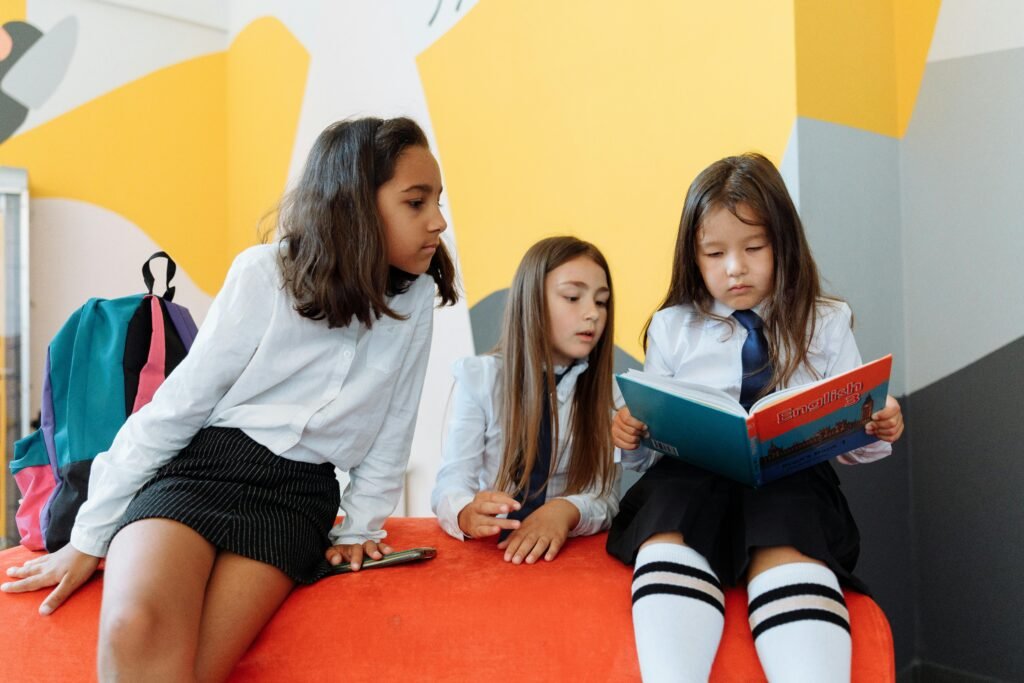
At Debsie, our missions begin with a fast recall check and end with a one-minute teach-back. Kids see their progress and feel proud. If your child tends to re-read without remembering, we can model retrieval habits in a trial class and set up simple templates you can reuse.
What to do tonight
After reading a page of science or social studies, close the book. Ask your child to list three key facts and one big idea out loud. Reopen, check, and fill any gaps. Write one sentence that captures the main point in your child’s words.
18) Mixed-problem sets (spiral review) outperform blocked sets by ≈0.10–0.15 SD
When children practice a mix of problems from recent units, they must choose the right method before they start. This choice step is powerful. It trains flexible thinking and prevents the autopilot that often happens with blocked sets where every item uses the same rule.
With spiral review, a page might include a few facts, a word problem, a fraction, and a quick measurement item. The brain learns to notice clues, switch gears, and apply the best strategy. Over time, this reduces test-day confusion because real tests also mix skills.
Build a simple weekly spiral. Take five to eight problems from different topics your child has seen in class. Keep the numbers friendly and the steps clear. Aim for ten to twelve minutes per session so focus stays sharp. Sit next to your child for the first two items and ask, what kind of problem is this and what tool will you use.
Praise the choice, not just the answer. If an item goes wrong, do not re-teach the whole unit. Instead, show one model, write a clean example for tomorrow, and move on. The variety matters more than volume.
Teachers can send a short spiral strip each week, and parents can mirror the format at home. At Debsie, our math missions weave in constant small throwbacks so children meet old ideas often but briefly.
This light touch keeps skills alive without heavy packets. If you want ready-made mixed sets that target your child’s gaps, a free trial class will set up a personalized spiral that fits your schedule and your goals.
What to do tonight
Print or write a tiny spiral of six items from the last month. Ask your child to name the skill before solving each one. Circle two items to discuss, fix one example together, and save the set to revisit in two days with fresh numbers.
19) Projects longer than 30–40 minutes for Grades 3–5 show no extra gain vs two shorter tasks of 15–20 minutes
Long projects can look impressive, but for most elementary students, the return fades after the first half hour. Attention slips, details get sloppy, and the work stops teaching new skills. Splitting a big task into two short sessions delivers the same or better learning with less stress.
This is true for posters, models, and multi-paragraph pieces. The secret is to let ideas simmer between sessions. Rest allows the brain to notice what to add or cut next time.
Design projects as two-day sprints. On day one, define the goal in one sentence, sketch a quick plan, and complete the first chunk. Stop after twenty minutes even if energy feels high. On day two, re-read the goal, revise the plan, and complete the second chunk.
Close with a short reflection on what went well and what you would try next time. This rhythm builds calm productivity and better results. Parents can help by setting clear start and stop times and by asking concrete questions like, which part of your plan did you finish today.
Teachers can grade the process, not just the poster, by looking for the plan, the revision marks, and the final product. At Debsie, we coach students to use a micro-project board with columns for plan, make, and improve.
Children see progress at a glance and do not drown in glitter and glue. If projects bring fights at home, our teachers can guide your child through the two-day flow in a trial class so you can enjoy evenings again while quality rises.
What to do tonight
Take a current project and cut it into two short sessions. Write a one-sentence goal, complete the first chunk in twenty minutes, and stop. Leave a sticky note with one fix to try tomorrow. Return the next day to finish strong and calm.
20) Parent autonomy-support (guiding, not doing) linked to ≈0.05–0.10 SD higher gains
Children grow faster when adults guide them without grabbing the pencil. Autonomy-support means offering structure, asking questions, and inviting your child to make choices, while still holding clear standards.
This approach builds problem-solving, persistence, and pride. It keeps your child in the driver’s seat, with you as a steady coach. The score lift may sound small, but the long-term habit is huge. Independent learners handle tougher work with less fear.
Practice three gentle moves. First, ask why and how questions. Why did you choose that step and how will you check it. Second, use prompts instead of fixes. Try reading the sentence aloud and listen for what sounds off.
Third, reflect after each task. What worked today and what will you do first tomorrow. These moves keep thinking active and prevent learned helplessness. When a child owns the plan, effort increases and stress falls.
Avoid doing the work. If your hand reaches for the pencil, pause and breathe. Offer a hint, point to a model, or give a small reminder of the checklist. Teachers notice when a child’s work is true to the child’s voice. That honesty helps instruction.
At Debsie, our coaches model autonomy-support live. We cue, question, and celebrate effort while the student solves. Parents often tell us evenings feel lighter once they learn these phrases. If you want to try this style with a guide at your side, join a free trial and we will practice it together with your child’s real homework.
What to do tonight
Sit near your child for the first five minutes. Ask one why question and one how check. Offer a single prompt if stuck. Step back, let your child try, and praise the independent move, not the result.
21) Parent over-helping (doing the work) associated with ≈0.05–0.15 SD lower independent test performance
When adults step in too much, kids may bring neat pages to school but weaker recall to tests. Over-helping hides gaps and trains dependence. The child starts to wait for rescue instead of wrestling with the idea. On test day, there is no rescue, and scores drop.
The fix is not to withdraw support completely. It is to right-size help so the child does the thinking and the doing, even if the page is less perfect. Honest struggle today leads to real strength tomorrow.
Set lines you will not cross. You will not write sentences for your child. You will not change answers. You will not rework a math page until it looks adult-made. Instead, you will ask questions, suggest one step, or point to a model.

If time runs out, you will stop, write a courteous note, and let the teacher see what your child can do alone. This brave honesty helps the teacher target instruction and prevents a cycle of late-night edits.
At Debsie, we teach families a simple rule: coach the process, never the product. We celebrate messy drafts and clear revisions. We practice explanations out loud so children can own their ideas.
Parents tell us the mood at home improves because the pressure to produce perfect work fades. If you want a partner in this shift, our live teachers can sit with your child in a trial class and coach independence while you watch the language we use.
What to do tonight
When your child asks for help, reply with a prompt, not a fix. Try, show me where you got stuck and what you tried. If the clock runs down, stop, attach a note that says time ended here, and let the work go in as-is.
22) Math fact fluency: daily 10-minute practice improves correct-per-minute by ≈15–25% over 8–10 weeks
Fast facts free the mind for deeper math. When sums and differences come quickly, word problems feel lighter and multi-step tasks make sense. The good news is this skill grows with small, daily sprints.
Ten minutes a day for two months can lift correct answers per minute by a surprising margin. The key is smart practice that mixes accuracy, speed, and strategy. You want the right answer fast, with a method your child understands.
Use a three-part sprint. Start with two minutes of warm facts your child already knows. This builds confidence and sets the pace. Move to six minutes of targeted practice on five to eight facts that are still slow.
Use visuals like tens frames, number bonds, or arrays to show the pattern, then switch to quick oral or written reps. End with two minutes of a mixed mini-quiz to measure growth. Track correct-per-minute weekly and celebrate any uptick, even a small one. Progress is progress.
Keep the tone playful. Try call-and-response, clapping rhythms, or a short game with streaks and tiny rewards. If frustration appears, slow down, swap in a model, and return to speed later. At Debsie, we turn fact practice into short levels with instant feedback and light animations.
Kids feel proud when they beat their own time, not someone else’s. If you want a tailored fact plan that hits the exact gaps, book a free trial class and we will map the set and the sprint schedule for your child.
What to do tonight
Pick five sticky facts. Draw a quick visual for each, like a ten-frame or array, then run a ten-minute sprint using those facts. Record the correct count, smile at any gain, and put the card away for tomorrow’s repeat.
23) Vocabulary: 15 minutes/day word study adds ≈2–3 grade-level words/week to expressive vocabulary
Small, steady word work grows a child’s voice. Fifteen minutes a day can add a handful of strong words each week to the words your child can use in speech and writing. That adds up across a term. The key is to meet words in many ways.
Children should hear them, say them, act them, draw them, and write them. When a word touches many senses, it sticks. Keep the words useful and alive. Pick words that show up in stories, science chapters, and real talk at home.
Build a simple routine. Start with a quick warm-up where you and your child read a short sentence that includes the new word. Ask your child to guess the meaning from clues. Confirm the meaning in simple language. Next, create a small card for the word.
Write the word, a kid-friendly meaning, and one short example sentence. Then ask your child to sketch a tiny picture to match. After that, try a role-play or a charades moment so the word feels real. End with a quick review of yesterday’s words so they do not fade.
Use the words during the day. Place the cards on the fridge. When the moment fits, drop the word into normal talk. Praise any time your child uses it. Do not fuss over spelling during talk; focus on use and meaning. On weekends, sort the cards into words we use a lot, words we know, and words we still practice.
At Debsie, our reading quests weave new words into short stories and quick games so children meet each word many times in fresh ways. If you want a tailored word list for your child’s level and interests, book a free trial class and we will build one together.
What to do tonight
Pick two new words from today’s reading. Make simple cards with a meaning and a kid-made sentence. Act each word for thirty seconds and close with a one-minute review of yesterday’s pair. Smile at any correct use you hear at dinner.
24) Writing: weekly 2 short written responses (10–15 minutes each) raises rubric scores by ≈0.25 points on a 4-point scale across a term
Brief, focused writing twice a week can move scores in a steady way. Children often dread long essays, but short responses feel doable and teach the same core habits. Ten to fifteen minutes is enough for a child to answer a clear prompt, support it with one fact, and close with a tidy sentence.
Over weeks, these small reps build stronger openings, better evidence, and cleaner punctuation. The page count stays small, but the skill grows fast.
Keep the structure simple. Use a three-step frame. First, answer the question in one clear sentence. Second, prove it with one quote or one fact from the text or lesson. Third, explain how the proof connects to the answer.
Encourage your child to read the response aloud and listen for missing words or bumpy parts. Ask gentle questions. Does the first sentence answer the prompt. Did you include a proof. Does the last line tie it together. Keep the tone calm. Focus on one improvement each session, like stronger verbs or complete sentences.
Collect the responses in a single notebook so progress is easy to see. Once a month, choose one piece to revise for five minutes. Circle weak spots and polish them. This tiny revision habit builds pride and shows that writing is a craft, not a one-and-done task.
At Debsie, we guide students through short response frames and give quick feedback live, so fixes happen in the moment. If your child freezes at blank pages, try a free trial class and let us model how to start strong in under a minute.
What to do tonight
Give a simple prompt from today’s reading, like explain why the main character changed. Set a twelve-minute timer. Write one answer sentence, one proof sentence, and one explain sentence. Read it aloud, fix one spot, and stop on time.
25) Science: 20-minute inquiry logs 2×/week boosts factual recall by ≈10–15% on unit tests
Science grows from curiosity and careful notes. A short inquiry log twice a week turns loose interest into lasting knowledge. In twenty minutes, a child can observe, sketch, label, and explain a small idea. These logs become a map for test review later.
The act of noticing and drawing also slows the mind and gives the brain more paths to recall facts during a quiz.
Use a four-part page. First, title the log with the focus question, like what helps seeds sprout. Second, draw a quick labeled sketch of what was seen or read about. Third, write three short facts from the text or from the mini lab.
Fourth, write one wonder question for next time. This keeps science human and alive. Encourage neat labels, correct units, and full sentences. If a concept is big, split it across two logs. Keep the pressure low and the routine steady.
Link the logs to class topics. If the teacher is on weather, do a sky watch log. If the class is on forces, log a toy car ramp test. Use household items to make tiny experiments that are safe and simple. Over time, you will have a set of pages that cover the unit.
Before a test, flip through and recall facts using only the sketches and titles. At Debsie, our science paths include guided log pages and quick home-safe demos. Kids learn to think like scientists without turning the kitchen into a lab.
If you want help choosing fit-for-home demos, join a free trial, and we will sketch a plan.
What to do tonight
Pick one small topic from current science. Set a twenty-minute timer. Create a page with a title, a labeled sketch, three facts, and one wonder. Tape the page into a notebook. End with a one-sentence summary spoken out loud.
26) Homework assigned 4–5 days/week (short) beats 1–2 long days by ≈0.10 SD
Learning loves rhythm. Short homework on most school nights works better than stuffing it into one or two long marathons. When practice is spread across four or five days, the brain gets repeated, gentle nudges. Each nudge wakes up yesterday’s learning and ties it to today’s idea.
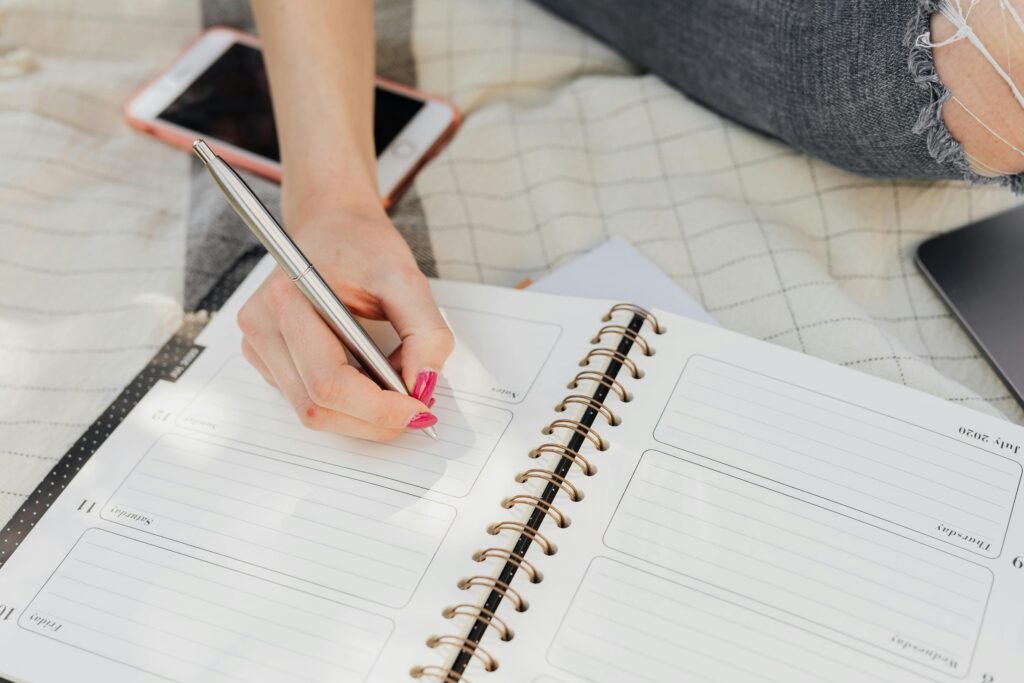
This steady beat builds strong memory and lowers stress. Children also learn to plan their time. They expect a small, clear block after school, they do it, and then they relax. The habit becomes light and normal rather than heavy and rare.
Build a weekly flow that protects small, daily blocks. Pick a start window that fits your home, like right after a snack. Keep each session inside the grade-level time cap. If a night is busy with sports or family events, shift a slice to the morning or a calm corner of the day, but keep the block short.
Start each session with a tiny review from the last time, then move into new work, then end with a one-minute recap. That pattern turns scattered tasks into a simple routine your child can repeat without drama.
Watch mood and energy. If your child drags on day four, make that night lighter. Read for joy, do a quick math sprint, and stop. The goal is not perfect streaks; it is to bring your child back to the desk tomorrow with a calm mind. Share the plan with the teacher so long packets are not a surprise.
At Debsie, our gamified missions are built for daily use. Kids earn wins in minutes and return happily the next day. If you want a week plan tuned to your child’s schedule, join a free trial class and we will shape it together.
What to do tonight
Write a simple week map on one page: five short homework dates, each with a start time and a tiny goal. Do today’s block, check it off, and smile at the clean finish. Place the page on the fridge to guide tomorrow.
27) Timely return (within 1–2 days) increases completion and accuracy by ≈10–15%
Speedy feedback keeps effort alive. When work comes back within a day or two, children can still remember how they solved each item. They see what worked, fix what did not, and try again with fresh energy.
This quick loop lifts accuracy and completion because it feels fair and useful. Slow returns break the link between effort and result. Kids forget what they did, lose interest, and repeat the same slip next time.
Help your child close the loop fast. As soon as graded work comes home, set aside ten minutes to review it the same day. Ask your child to explain one correct item and one incorrect item in simple words. Fix the incorrect one on a fresh line using the teacher’s hint.
If the work will be rechecked in class, write a small sticky with the fix and attach it. Keep a running errors-to-watch list at the front of the notebook. When a new assignment arrives, glance at that list before starting so the brain is on alert for those exact slips.
If returned work often takes more than two days, send a kind note. Share that your child learns best when notes come back soon and ask if there is a way to streamline the cycle. Many teachers will help when they see a family using feedback well.
At Debsie, our live classes give comments on the spot. Students correct in the moment, which makes the next attempt cleaner and faster. If you want to see quick feedback in action, try a free trial and watch your child improve inside a single session.
What to do tonight
Open the latest returned page. Circle one correct item and one incorrect item. Ask your child to teach you both. Fix the incorrect one on a new line, write the lesson learned at the top of the page, and place the sheet in the front pocket for tomorrow’s quick glance.
28) Alignment with taught material explains ≈3–6% additional variance in learning gains
Homework works best when it matches what was taught that day or that week. Alignment means the task uses the same idea, the same steps, and the same kind of questions children saw in class.
When tasks drift too far, kids guess, parents teach different methods, and confusion grows. Even a few percent of extra learning from better alignment adds up over a year, and it saves family time because tasks feel familiar and clear.
Check alignment before starting. Ask your child to name the lesson in one sentence. Compare that to the homework page. If they match, great. If they do not, write a quick purpose line that brings the task closer to the lesson. For math, copy one class example at the top and use it as a model.
For reading, use the same comprehension focus as class, such as finding the main idea or tracking character change. For writing, mirror the structure taught in class, like claim, evidence, and explanation. If an assignment does not match at all, do a brief attempt, stop at the time cap, and write a friendly note asking for guidance.
Keep a small alignment log. Note which kinds of tasks feel smooth because they match class, and which feel off. Share the pattern with the teacher at conference time. Most teachers welcome this data because it helps them refine future tasks.
At Debsie, our missions track school topics so practice lines up with current lessons. Children feel the click of familiarity and learn faster. If your child often brings home mismatched work, join a free trial class and we will build aligned practice that fits the week’s lessons.
What to do tonight
Ask your child what the class focused on today. Write that in seven words at the top of the page. Add one small model that matches it. Complete the first two items using the model, check for fit, and continue only if the match feels strong.
29) Digital homework with instant feedback adds ≈0.05–0.12 SD over paper-only tasks
Fast feedback turns practice into progress. Digital tools that check answers right away help children fix mistakes before they harden. A small bump in results may not sound big, but over a term it means cleaner methods, fewer gaps, and calmer test days.
The key is not screens for their own sake. The key is instant, useful signals that guide the next step. When a child sees green for correct and a short hint when wrong, learning speeds up and frustration drops.
Set clear rules for smart digital time. Keep sessions short and inside your nightly time cap. Choose platforms that show steps, not just right or wrong. Look for hints, models, and the chance to try again. Sit nearby for the first few minutes to check the tone of the tool.
If it rushes your child, slow the pace or switch to a different task. Use headphones if noise distracts. Turn off other apps and alerts so focus stays on the work. End with a quick talk where your child explains one fix learned from the tool. This talk makes the learning stick.
Blend paper and digital. Start with a quick warm-up on paper so your child sets up the method. Move to a short digital set for feedback and speed. End back on paper with one or two fresh items to show transfer. This simple sandwich helps children use the screen as a tutor, not a crutch.
Save a screenshot of one helpful hint each week and review it before quizzes. At Debsie, our gamified missions give instant, kind feedback with tiny examples that match class methods. Children see what to adjust and feel proud when they improve in real time.
If you want to try guided digital practice that fits your grade-level minutes, book a free trial class and watch your child light up.
What to do tonight
Pick one short digital set in math or grammar that offers hints. Do five warm-up problems on paper, then ten digital items with instant checks, then two paper problems to prove the method. Ask your child to name one hint that helped and how it changed the next try.
30) Skipping homework entirely in elementary reduces cumulative year-end scores by ≈0.10–0.20 SD compared with short, regular homework
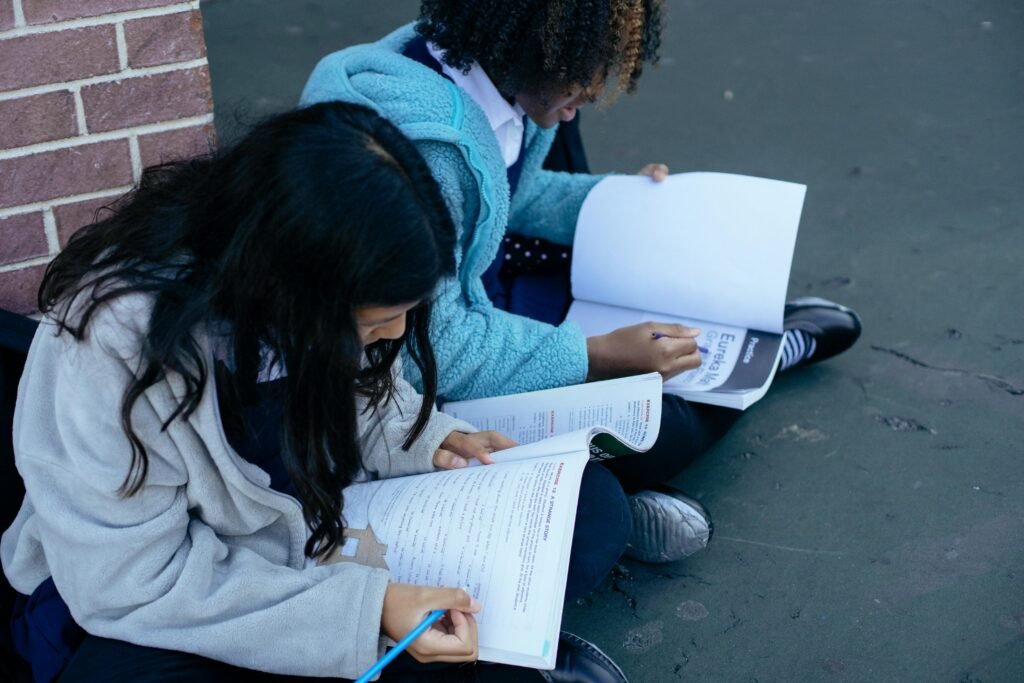
No homework at all may feel peaceful in the moment, but over time it costs learning. A small daily block builds habits, keeps skills fresh, and ties home to school. When children skip practice night after night, small gaps widen.
Facts fade, reading feels harder, and writing loses shape. By spring, the difference shows in classwork and tests. The fix is not heavy loads. The fix is a light, steady routine that fits real family life.
Design a minimum viable plan and stick to it. Use the ten-minute rule by grade as your ceiling, not your floor. On busy nights, do the smallest block that still counts. For early grades, that might be a ten-minute read and a five-minute math sprint.
For older grades, it might be a focused twenty-minute set with one quick check. Keep tools in a single basket so the start is easy. Tie homework to a daily anchor, like right after snack, so the habit is automatic.
If your child resists, start the timer for just three minutes. Once the engine starts, most kids can ride the momentum for the full block.
Protect sleep and mood. If the load from school is too big, stop at your cap and send a polite note. Honest limits keep the habit alive because the child sees homework as doable, not endless. Celebrate streaks with small, real rewards like choosing a story or the next day’s snack.
At Debsie, we help families build tiny, joyful routines that stick. Our live teachers coach children to start fast, focus well, and finish on time. If you want a plan that fits your schedule and your child’s needs, try a free trial class and let us map the path with you.
What to do tonight
Set a short, firm block that you know you can keep all week. Start on time, do one focused task in reading and one in math, and stop on time. Mark day one on a small streak calendar and show your child how small steps build big gains over a year.
Conclusion
Elementary homework should be short, clear, and kind. The numbers you just read point in one direction. Small daily blocks beat long, rare sessions. Sixty minutes is a hard ceiling in the early years, and most grades need much less. Feedback matters more than extra minutes. Choice lifts motivation. Retrieval and spaced practice make memory strong.
Alignment with class keeps things simple. Parent support works best when it guides, not grabs the pencil. Digital tools help when they give instant, useful hints. When you blend these ideas, you get calm evenings and steady growth.