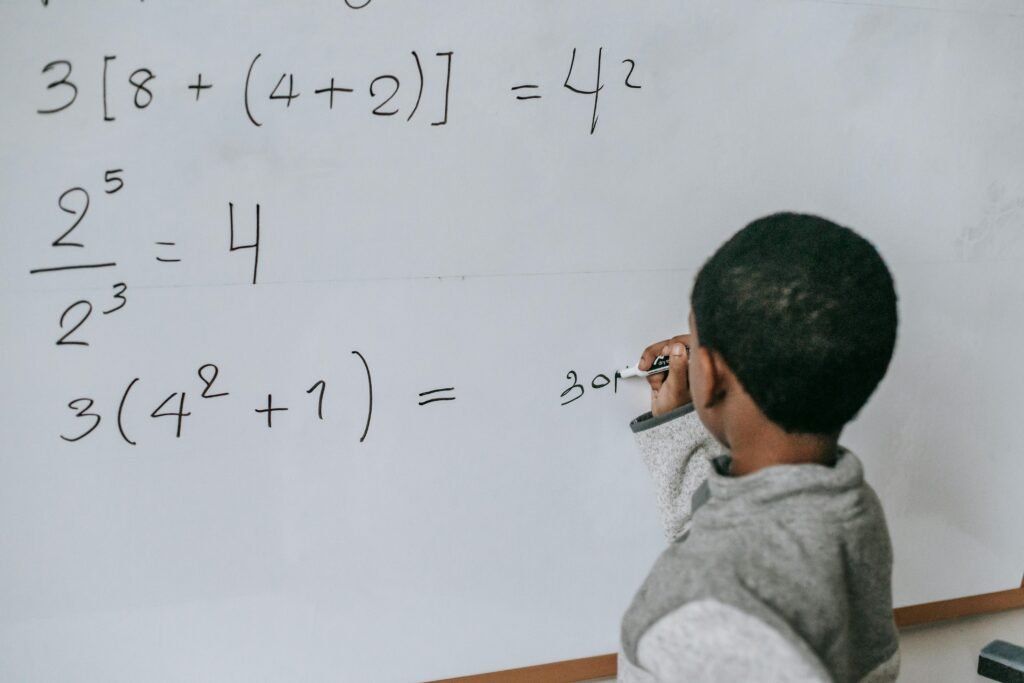
Homework time is a big deal in every home. How many hours should a child study after school? Do more hours always mean better grades? Parents and students ask this every year. Teachers wonder too. The truth is simple and surprising. Time helps, but only up to a point. After that, extra minutes can even hurt. What matters most is smart time, not long time. In this guide, we turn numbers into clear steps you can use tonight. We keep the words simple and the advice sharp. You will see what the data says, why it matters, and exactly how to act on it at home.
1. Secondary-school homework effect on achievement: d ≈ 0.29
This number tells a clear story. In secondary school, homework has a small to moderate positive effect on achievement. It is not magic, but it is real. A gain of about three-tenths of a standard deviation means steady, visible progress over time.
In the classroom, that can look like moving from the middle of the pack to the upper middle. It also means that when homework is planned and done well, grades tend to rise a little faster than they would without it.
To turn this into action, start by setting a calm daily routine. Choose a start time that is the same every day, and keep the window short and focused. Aim for a clear plan before opening the notebook.
Help your child write a micro goal for each task, such as finishing five algebra problems with full steps or drafting one paragraph with a clear topic sentence. Micro goals give fast wins and prevent drifting. Keep the phone in another room and use a simple kitchen timer.
Work in short bursts, then take a brief break to reset. This rhythm keeps attention high and reduces mistakes.
Feedback is the fuel that makes homework work. Ask your child to check answers against class notes, worked examples, or solution steps. If a step is wrong, do not erase it right away. Mark the error, write why it happened, and try again.
This habit builds metacognition, which is a quiet superpower. When the homework comes back from school, review teacher comments the same day. Turn each note into a tiny fix for tomorrow. If you want expert help, Debsie lessons model this loop in real time.
In our live classes, students practice, get fast feedback, and see what to improve in minutes. Join a free trial and see how the right homework habits lift grades without late nights.
2. Primary/elementary homework effect on achievement: d ≈ 0.15
In the early grades, the effect of homework on achievement is smaller. This does not mean homework is useless. It means that at this age, core growth comes more from class time, reading with an adult, play that builds language and number sense, and strong routines at home.
A small effect size can still matter when it is consistent and stress free. At this stage, homework is best used to build habits, not to chase long gains in scores.
Make homework in elementary school short, gentle, and clear. Ten to twenty minutes a night is enough for most children. Focus on reading aloud, quick number fluency, and light writing practice. Ask your child to read a short passage and retell it in their own words.
Have them count coins, read a clock, or explain how they solved a simple sum. Praise the process, not just the answer. When a mistake shows up, treat it like a puzzle. Ask, what did your brain do here, and what could it try next? This turns errors into learning and keeps mood steady.
Parents often ask if more minutes will speed growth. In the early years, more time often brings more fatigue than learning. Keep it fun. Use real-world tasks, like measuring ingredients for dinner or sorting laundry by color and number.
Two or three days a week, swap a worksheet for a quick math game. Debsie’s gamified activities are built for this stage. Children earn points by reading, counting, and explaining ideas out loud, which trains both skill and confidence.
If you want a simple plan, sign up for a free trial class. We will show you how to use ten smart minutes to build habits that last for years.
3. High-school homework–grades correlation: r ≈ 0.20–0.25
By high school, the link between homework time and grades becomes clearer. A correlation in the range of 0.20 to 0.25 means students who do more effective homework tend to have higher grades, but the link is not perfect.
Time matters, yet quality still wins. Two hours of scattered scrolling with a book open is not the same as one focused hour with a plan. The goal is to make each minute move the needle on the exact skills that the course tests.
Start by aligning homework with the gradebook. Look at the syllabus and identify what counts most: problem sets, labs, essays, or quizzes. Spend the first five minutes of each session setting a target that maps to those items. For math and science, practice retrieval.
Close the notes and try to solve from memory. When stuck, open the notes only to unlock the next step, then close them again and complete the item. For writing-heavy classes, build a short daily routine of outline, topic sentence, and evidence.
Make sure every paragraph has a clear claim and a direct quote or fact to back it. End with a two-minute self-check using the grading rubric.
Protect sleep and spread the work. Late-night cramming often looks like effort but leads to shallow recall. Instead, work in shorter blocks across the week. If a class has a big test on Friday, begin light review on Monday. Use spaced practice and tiny quizzes.
Debsie’s learning paths do this for you. Students get just-right problems, instant feedback, and quick videos to fix weak spots. Over time, the grade impact grows because the study system is stable. If your teen needs a plan that fits busy days, try a free Debsie class.
We will show them how to turn homework time into higher marks without losing evenings.
4. Middle-school homework–grades correlation: r ≈ 0.10
In middle school, the link between homework time and grades is gentle, not strong. A correlation around 0.10 means time helps a bit, but it is not the main driver. Skills are changing fast at this age. Students move from concrete tasks to abstract ideas, and many are still learning how to plan, focus, and check their own work.
Because of this, the best wins come from structure and clarity more than long hours. If a child spends an hour but keeps switching apps, the grade impact is small. If they spend thirty focused minutes on the exact skill they must show on a quiz, the result is better.
Turn this into a simple routine. Set a fixed start time and a short plan on paper. Ask your child to write three tiny goals for the session, each with a verb and a clear output, such as solve four linear equations with full steps, write one body paragraph with a topic sentence, or summarize a science page in two sentences.
Use a basic timer and try fifteen-minute work sprints with two-minute breaks. This keeps energy high and moods steady. End each sprint with a quick check: what did I finish, what tripped me, and what is the next small step. Over a week, this adds up to cleaner work and fewer missing pieces.
Parents can help by checking the plan, not hovering over each answer. Praise effort that follows the plan. If a mistake repeats, teach a restart move, like closing the book and redoing the problem from scratch with slower steps.
Middle schoolers respond well to game-like feedback and fast wins. Debsie lessons use points, levels, and short missions to keep them moving without stress. If you want a calm homework hour that still lifts grades, try a free Debsie class and see how a clear plan beats long nights.
5. Elementary homework–grades correlation: r ≈ 0.00–0.05
In elementary years, homework time and grades barely move together. A correlation near zero tells us that simple time-on-task is not a strong lever here.
The big gains come from reading with an adult, talking about new words, playing with numbers, and hands-on tasks that build fine motor skills and attention. Homework at this age works best as practice for habits and a chance to share learning with family, not as a heavy push for higher marks.
Keep the daily work short and warm. Ten to twenty minutes is plenty. Read aloud together and pause to talk about the story. Ask who, what, where, and why in simple words. For math, do quick fact games, count change, or time simple tasks with a clock.
Let your child explain how they solved a problem. This builds language and number sense at the same time. If a worksheet comes home, complete it in small chunks and stop before frustration climbs. Sleep, play, and curiosity are as important as neat pages.
Make it fun and predictable. Use a special spot, a favorite pen, and a start song. Celebrate tiny wins, like finishing a page or spotting a new word. If your child resists, try choice within limits, like reading on the couch or at the table, using a pencil or a marker, doing math first or reading first.
At Debsie, early learners grow through stories, games, and gentle practice that fits short attention spans. Join a free trial class to see how ten happy minutes can build steady skills that later turn into strong grades.
6. Optimal daily homework time (high school): ~60–120 minutes
For most high school students, the sweet spot is about one to two hours a day. Less than an hour may not cover all tasks in core subjects. More than two hours often gives little extra gain and can cut into sleep and mood.
The target is not a fixed number. It is a range that should flex with course load, test weeks, and after-school activities. The key is to pack the time with high-value work and avoid time traps that feel like study but do not raise scores.
Start with a weekly map. List the classes and major due dates. Place sixty to ninety minutes on school nights and save a lighter review block on weekends. Break each session into focused chunks by subject. Begin with the hardest task while the mind is fresh.
In math and science, do mixed practice from memory. In history and literature, write short outlines and use retrieval by closing the book and recalling key names, dates, and ideas. End the session by teaching one tricky idea out loud to an empty chair. Teaching forces clarity and exposes missing steps fast.
Protect sleep and keep a hard stop time. If work spills over the limit, ask which tasks truly move the grade. Talk to teachers about priorities. Many will say to focus on core problems, labs, or drafts. Use simple tools to track progress, like a paper planner or a plain notes app.
At Debsie, our sessions fit inside this 60–120 minute window and replace low-value busywork with practice that mirrors tests. If you want a plan that respects time and still lifts grades, book a free Debsie class and see how smart structure turns effort into results.
7. Diminishing returns threshold (high school): ≈120 minutes/day
Past about two hours a day, extra homework time often stalls. This is the point where returns flatten. The brain tires, errors creep in, and reading turns into skimming. Students may feel busy but learn less.
This does not mean no one should ever work longer. It means that for most teens, pushing beyond two hours night after night is unlikely to boost grades and may even lower them by cutting sleep and raising stress.
Use this threshold as a signal to shift tactics. When the clock hits two hours and gaps remain, stop adding time and increase intensity. Switch to active recall, short quizzes, and worked example study. Replace passive rereading with practice that forces retrieval.
If stuck on a hard set, do one or two with full steps, then move on and come back after rest. Spread heavy tasks across the week instead of cramming on one night. Ask which assignments are high impact and which are filler. Speak with teachers about focusing on mastery tasks when time is tight.
Make recovery part of the plan. A short walk, water, and a screen break reset attention faster than dragging on. Keep a consistent bedtime so memory can consolidate. If sports, clubs, or family duties shrink study windows, build a micro-study habit, like ten minutes of recall after dinner.
Debsie’s guided paths are designed for this reality. We help students make gains inside sane limits, with feedback that pinpoints exactly what to fix next. If your teen is stuck beyond the two-hour mark, try a free Debsie session and learn how to work smarter, not longer.
8. “10-minute rule” guideline: minutes per night = 10 × grade level
The “10-minute rule” is a simple way to set homework time without fights or guesswork. It says a child should spend about ten minutes per grade level each night on focused homework. A third grader aims for around thirty minutes.
A seventh grader targets about seventy minutes. A tenth grader plans for roughly one hundred minutes. This rule is not a punishment clock. It is a starting point that respects attention, sleep, and life outside school. It helps families set clear limits, so study time feels steady, not endless.
To use this rule well, plan a calm start and a clean finish. Pick a start time that fits family life and keep it the same each school night. Create a short warm-up that signals the brain to focus, like filling a water bottle, clearing the desk, and writing a tiny plan on a sticky note.
During the block, work on the highest-value task first. If your child finishes early, move to quick review or free reading. If time ends and work remains, stop anyway. Write down exactly what is left and how long it might take tomorrow. This teaches planning and reduces stress.
Adjust the time when the week changes. On heavy project weeks, nudge the minutes up a bit. On test-light weeks or during sports season, nudge them down. Do not let one subject swallow the whole block. Split time by priority, not by habit.
If your child often needs more time than the rule gives, talk to the teacher. Ask which items to focus on and which to skip when minutes run short. Debsie lessons fit neatly into the 10-minute rule because we focus on high-yield practice and tight feedback.
If you want a plan that respects time and still raises grades, try a free Debsie class and see how simple limits can power smart learning.
9. OECD average weekly homework (age 15, ~2012): ≈4.9 hours/week
Around age fifteen, many students worldwide report about five hours of homework per week. That is just under an hour a day on school nights. This number gives families a helpful anchor. It shows that your teen does not need marathon sessions to keep up with peers across countries.
What matters is how those hours are used. An hour of scattered scrolling with a book open does little. An hour of active recall, focused problem solving, and quick feedback can move a grade.
Turn five weekly hours into a simple routine that fits a busy life. On Monday, map the week in five lines, one line per day, and write the one thing that must happen for each class. On weeknights, aim for sixty to ninety minutes, then keep weekends light with a short review block or reading. In math and science, close the notes and try to solve from memory first.
When stuck, open notes only to unlock the next step, then close them again. In reading-heavy subjects, draft a quick outline, write a strong topic sentence, and add one piece of evidence. End each night by teaching a tricky idea out loud in two minutes. Teaching reveals gaps fast and makes tomorrow easier.
Keep the study space simple. A clear desk, a timer, and a quiet corner beat fancy tools. Protect sleep. If a task threatens to push the night late, choose mastery over volume. Do fewer problems with full steps and reflect on errors.
At Debsie, we compress the right practice into manageable blocks so students do not drown in busywork. Our live classes and game-like missions fit into these weekly hours and still deliver strong gains.
If you want your teen to match or beat global norms without stress, book a free Debsie session and see how focused hours turn into higher scores.
10. OECD change in weekly homework (2003→2012): ~−1.0 hour/week
Over the years, average weekly homework time dropped by about an hour for teens in many places. This shift does not mean learning got weaker. It often reflects smarter use of class time, better access to resources, and a push for balance in student life.
It also reminds us that more is not always better. The real goal is efficient learning, not longer evenings at the desk. Families can use this insight to design homework routines that protect rest and still deliver results.
Begin by cutting low-value habits. Replace passive rereading with short, active drills. Swap long copying tasks for practice that asks the brain to recall steps from memory. In math, do mixed sets that include old and new topics.
In history, practice short retrieval of key dates and terms before reading a new chapter. In languages, mix vocabulary review with quick speaking or writing bursts. Keep sessions tight and purposeful. Use the first two minutes to set a micro goal and the last two minutes to reflect on what worked and what still feels fuzzy.
Keep an eye on energy. If your child hits a wall, it is often better to stop, sleep, and come back strong than to grind on and forget. Plan ahead to avoid late-night crunch. Spread big projects across the week and do small pieces daily.
If the school workload is heavy, talk with teachers about priority tasks that drive learning. Many will approve a focus on core problems or a strong draft instead of extra busywork. Debsie’s approach mirrors this shift.
We help students learn more in less time by targeting the exact skills that teachers assess and giving instant feedback. If you want to save hours and still see grades rise, try a free Debsie class and learn how efficiency beats volume.
11. Homework impact stronger in math than reading: effect size ratio ≈1.2×
Math often benefits more from homework than reading does. An effect size roughly one-fifth higher means math practice tends to convert time into progress a bit more efficiently. The reason is clear. Math is a skill chain.
Each problem demands steps that can be practiced and checked. With the right problems and feedback, mistakes turn into quick fixes and speed grows. Reading also needs practice, but gains can be slower and depend more on background knowledge and vocabulary, which build over months and years, not in a single night.
Use this difference to shape your plan. In math, aim for short daily sets that target weak skills with full solutions. Start with two or three worked examples. Study them carefully. Then close them and solve similar problems from memory.
When you miss a step, write a fix-it note that explains the error and the correct move. Rework the problem cleanly, then do a mixed review that includes one older topic to keep it fresh. Track speed and accuracy week to week to see real growth.
In reading-heavy classes, add daily reading but pair it with active recall. Write a one-sentence summary after each section. Note one new word and use it in your own sentence. Ask a simple why question about the text and answer it in two lines. These moves keep reading time productive and measurable.
Balance your minutes by course needs. If math is behind, push a little more time there and protect it from distraction. If reading is strong but writing is weak, shift time to drafting and revising. Debsie classes follow this smart split.
We give tight math drills with instant feedback and reading tasks that train comprehension and vocabulary in small steps. If you want a plan that turns minutes into measurable gains, join a free Debsie trial and watch how targeted practice lifts scores without adding stress.
12. Zero homework vs some homework (secondary): ≈0.10–0.20 SD grade advantage
Doing no homework at all often leaves easy gains on the table. In secondary school, students who complete even a small, steady amount tend to sit about a tenth to two-tenths of a standard deviation higher than peers who do none.
That sounds abstract, but it means the difference between shaky understanding and solid passing, or between average and above average in a term. The point is not to chase hours. It is to move from zero to a small, reliable routine that compounds over weeks.
Begin with the smallest possible habit. Set a fifteen-minute block right after a short break from school. Use a visible timer. Pick one skill that shows up on tests and practice it to completion. In math, that could be three mixed problems with full steps.
In science, it could be one concept summary with a labeled diagram. In language arts, it could be a single paragraph that has a claim, evidence, and a closing line. End with a one-minute reflection that asks what felt hard and what to try tomorrow. Keep the wins visible by marking a daily streak on a calendar.
Guard the routine with clear start and stop times. If your child resists, let them choose the order of subjects or study spot, but not whether to do it. Catch them doing the right thing and praise the plan, not only the score.
When that first habit feels automatic, add a second short block or extend the first by five minutes. Small growth beats big bursts that fade. If you want help building the first streak, Debsie’s live classes create bite-size tasks with instant feedback so students feel momentum from day one.
Try a free class and see how moving from zero to some homework lifts grades without drama.
13. Very heavy loads (>3 hours/night): negligible or negative grade gains
Past three hours a night, homework time often stops helping and can start to harm. Fatigue blurs thinking. Stress climbs. Sleep shrinks. Memory suffers. Students may look busy but learn little. The result can be flat or even lower grades compared with peers who keep a sane limit.
Heavy loads also crowd out reading for joy, exercise, and family time, which support the brain just as much as study.
Turn this into a firm cap. Set a hard stop at two hours for most nights, with a rare stretch to two and a half before major exams. If work remains, shift strategy rather than adding minutes. Replace passive tasks with active recall. In math, solve from memory first, then consult notes only to unlock a stuck step.
In content subjects, write a short outline and test yourself on key terms before rereading. Ask teachers which items drive learning and which can be trimmed when time is tight. Many will approve doing core problems with full explanations instead of every low-impact question.
Protect recovery. Keep a regular bedtime and a short wind-down that does not involve bright screens. Plan the week on Sunday so big tasks are spread out. If the schedule includes sports or late events, move study to an earlier slot and shorten the session while keeping quality high.
Parents can model balance by praising smart choices, not late-night heroics. Debsie is built for this cap. We compress high-yield practice into focused blocks, so students master more in less time. If your teen feels buried, book a free Debsie session and learn how to trade overload for targeted progress.
14. Moderate loads (1–2 hours/night): highest average grades band
Students who keep homework within one to two hours most nights tend to land in the highest average grade band. This window is long enough to cover core tasks, yet short enough to keep energy, mood, and sleep strong.
The magic is not the minutes alone. It is what happens inside them. A focused ninety-minute session with clear goals will beat three scattered hours every time.
Design a simple playbook for this window. Start with a two-minute plan on paper. List the one outcome for each subject you will touch, such as complete the chemistry practice set, rewrite the history outline, and draft the English body paragraph.
Begin with the hardest task while attention is fresh. Work in twenty-minute sprints with short breaks. In each sprint, attack one tiny target and finish it fully. Use retrieval first, notes second, and end with a quick check against a rubric or model solution.
Keep phones out of reach and tabs closed. If a task expands, set a cutoff and move to the next planned item. Return to leftovers the next day.
Close with a fast review. Teach a tricky idea out loud in two minutes, or write a one-sentence summary of what you learned and one question to ask the teacher. This seals memory and sets up tomorrow.
Track wins in a visible place so the routine feels rewarding. Debsie sessions fit inside this 1–2 hour window and provide clear targets, instant feedback, and a calm pace. If you want to lock in the highest grade band without burning out, join a free Debsie class and see how a clean routine makes every minute count.
15. Each extra 30 minutes beyond ~2 hours: near-zero grade benefit
Once a student passes roughly two hours of homework in a night, each extra half hour usually adds little to grades.
The brain tires, and the returns flatten. Students can spend that time for comfort rather than mastery, repeating steps they already know or rereading pages without testing recall. The better move is to keep time steady and raise the quality of work inside it.
Use a simple audit. For one week, note how each thirty-minute block was spent and what grade task it supported. Label blocks as active or passive. Active blocks include solving from memory, writing and revising, quizzing yourself, or teaching a concept out loud.
Passive blocks include rereading, copying notes, or watching long videos without practice. Aim to shift passive time into active time until at least two-thirds of the session is active. Cut or compress any task that does not map to the grading rubric.
In math, do fewer problems with full solutions and error reflections. In writing, spend more time revising structure and evidence and less on formatting.
Build energy, not hours. Insert short movement breaks. Drink water. Keep a cool, quiet study spot. Use a simple focus timer and keep the phone in another room. If a project is big, break it into daily ten-minute chunks so nothing spills past the two-hour mark.
When in doubt, stop and sleep. Memory needs rest to stick. Debsie helps students run this audit with guided checklists and targeted practice sets. If you want to turn stale half hours into real gains, try a free Debsie session and see how small changes lift results.
16. Variance explained by homework time alone in grades: typically <5% (R² < 0.05)
This stat is a quiet wake-up call. If homework time by itself explains less than five percent of grade differences, then minutes are not the main story. The story is how those minutes are used, what gets practiced, how feedback is given, and whether the student understands the task goals.
Think of time as a container. An empty container does nothing. A well-packed container carries value. When we pack each study block with high-yield actions, small amounts of time begin to punch above their weight.
Start by aligning every minute with the gradebook. Look at the next quiz or assignment and list the exact skills it will test. Turn each skill into a tiny task with a clear output. In math, that could be solving two functions with full steps and a short error check. In history, it could be drafting a claim with a date and two facts that support it.
Use retrieval first, notes second. Force your brain to try, then confirm. End the block with a two-line reflection. Write what was learned and what still feels shaky. This habit turns time into targeted growth.
Feedback makes minutes matter. Seek feedback fast, not after a week. Compare your work against a model, a rubric, or a worked example the same day. Fix the gap while the memory is fresh. If you cannot find a model, generate your own checklist from teacher comments.
Keep it short and use it daily. Protect energy. Shut off notifications. Use a clear desk and a simple timer. The fewer decisions you make during study, the more brain power you save for learning. Debsie is built for impact, not hours.
Our live classes pack each block with retrieval practice, instant feedback, and small wins that show up on grades. Join a free trial to see how smarter packing of time beats longer nights.
17. Quality/feedback vs mere minutes: feedback-rich tasks ≈2× effect of time alone
When tasks include fast, specific feedback, the impact can be roughly double what time alone would give. Feedback shortens the learning loop. It shows what to fix now, not next week. It turns mistakes into lessons while the steps are still fresh.
Without feedback, students may repeat the same error for an hour. With feedback, they correct it in minutes and move forward with confidence. This is how short sessions can outrun longer ones.
Build a feedback-first routine. Before you start, choose one standard to aim for. During the work, check your output against a model every few problems or every paragraph. Mark the exact step where you drifted, write a one-sentence fix, and redo that part cleanly.
If you do not have a model, use your own rubric. In math, check units, sign, and final form. In writing, check claim, evidence, and link back to the prompt. End the session by teaching the fixed step out loud. If you can explain it, you own it.
Close the loop with your teacher. Ask one precise question the next day, not a broad “I don’t get it.” Show the step you corrected and ask if the fix matches expectations. Keep a small error log with three columns: mistake pattern, better move, and one example.
Revisit it once a week for five minutes. This keeps old slips from returning. Debsie lessons are feedback engines. Students practice, see what to improve right away, and try again in the same session. The result is faster growth in less time.
If you want the two-times effect in your home, try a free Debsie class and watch how feedback turns minutes into results.
18. Short, frequent homework (≤20 min segments): better grades than infrequent long sessions
Short, frequent blocks win because the brain loves fresh starts and spaced practice. Twenty-minute segments keep attention high and reduce the drag that comes with long pushes. When you return to a topic the next day, your brain must reassemble the steps, which strengthens memory.
Long, infrequent sessions feel productive but often create shallow familiarity that fades before the test. Frequent, short sessions build durable recall and calm confidence.
Design a simple cadence. Plan three short blocks across the afternoon or evening instead of one long stretch.
Begin each block with a micro goal that can be finished inside twenty minutes, such as solving four mixed problems, writing one paragraph with a clear claim and two pieces of evidence, or summarizing a science page in three lines.
Work with a visible timer, then stop when it rings. Take a real break that involves movement and water, not a scroll that swallows the next half hour. Return for the next block and start by recalling what you just learned without looking at notes.
Use variety across blocks. Mix subjects to keep the mind fresh. Put the hardest subject in the first block, then rotate. Keep a weekly tracker of completed blocks rather than total minutes. Celebrate streaks, not marathons. If a day explodes with activities, drop to a single block and protect sleep.
Progress is about consistency, not perfection. Debsie’s game-like paths are built around these short sprints. Students earn points by finishing tiny missions, not sitting for hours. If you want to make short blocks do big work, book a free Debsie trial and see how frequent wins create better grades with fewer tears.
19. Subject-specific: math homework time–grade correlation r ≈ 0.20
Math shows a clearer link between homework time and grades than many other subjects. A correlation around 0.20 means steady math practice often pays off in visible gains. Math is a skill chain, and each link builds on the last.
When students solve problems from memory, check steps, and correct errors quickly, the chain gets stronger. The key is not endless sets, but precise practice that targets weak links and locks in core methods used on tests.
Turn this into a nightly math routine that is short, active, and exact. Start with two minutes of warm-up facts or quick mental math to wake up the number sense. Study one worked example very slowly and out loud, explaining each step and why it is legal.
Close the example and copy the method from memory on a blank page. Then attack three to five mixed problems that use the same idea but with small twists. After each problem, circle the line where you hesitated and write one sentence that names the step you missed.
Redo that step cleanly. Finish by teaching the method in sixty seconds to an empty chair. If you can teach it, you likely own it.
Plan the week in small themes so practice compounds. Monday might be solving linear equations, Tuesday slope and intercept, Wednesday graphing, Thursday word problems that translate to equations, Friday a short mixed quiz you give yourself.
Keep a tiny error log with three columns for error pattern, fix, and one example. Revisit it for five minutes every weekend. Use a strict time limit, not a page limit, and stop when the timer ends to protect sleep. Debsie’s math paths mirror this plan with instant feedback and just-right problem sets.
Join a free trial class to see how focused math practice turns minutes into higher marks without stress.
20. Subject-specific: language arts homework time–grade correlation r ≈ 0.10
Language arts shows a softer link between homework time and grades. A correlation near 0.10 means extra minutes help a bit, but quality of reading and writing work matters much more than raw time.
Growth in language arts comes from clear thinking, strong structure, and a growing bank of words and ideas. That kind of growth is built through daily reading and writing habits that are small, specific, and consistent.
Design a simple reading and writing loop. Read for fifteen to twenty minutes from a grade-level text. After each page or section, pause and say out loud who did what and why it matters. Write a one-sentence summary that uses a key term from the passage.
Note one new word and write your own sentence with it. For writing tasks, outline before drafting. Use a clean structure: claim in one line, evidence in one or two lines, explanation in two lines, link back to the claim in one line.
Draft fast for five to ten minutes without editing. Then revise for clarity by reading every sentence out loud and asking if it answers the prompt directly.
Aim your practice at the rubric. If the rubric values thesis clarity and textual evidence, spend time improving the first and last sentence of each paragraph and picking stronger quotes, not on reformatting the header. Keep a small bank of transition words and sentence stems that fit your teacher’s style.
End each session by highlighting one sentence you improved and why. Over weeks, this builds sharper thinking and cleaner writing. Debsie’s language arts sessions guide students through this exact loop with models and quick feedback.
If you want steady gains in reading comprehension and writing quality, book a free Debsie class and see how small, daily habits produce big results.
21. Advanced courses (AP/IB): optimal daily time slightly higher: ~90–150 minutes
Advanced courses ask for deeper thought, longer texts, and multi-step problems. Because of that, many students do best with a slightly larger daily window, usually between ninety and one hundred fifty minutes.
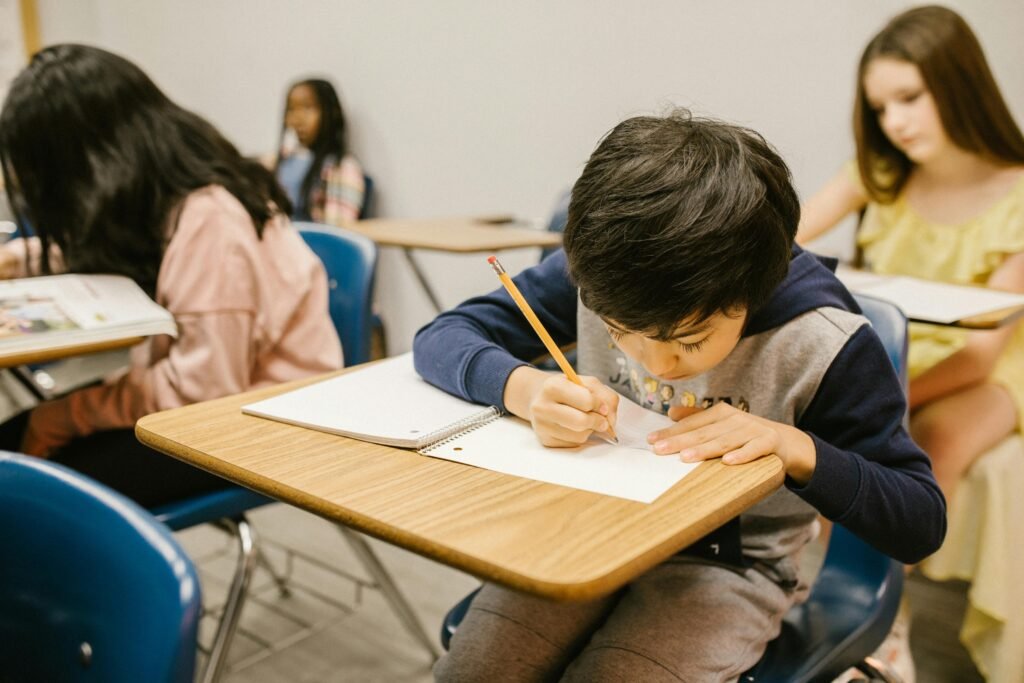
This does not mean grinding every night. It means building a plan that blends concept learning, retrieval practice, and timed work that looks like the exam. The aim is to keep intensity high while protecting sleep and mood.
Break the block into three clear phases. Spend the first thirty to forty minutes learning or reviewing core ideas. Watch a short lesson or read a focused section, then close the source and explain the idea in your own words on paper.
Use precise vocabulary and draw a quick diagram or outline. Spend the next thirty to forty minutes on retrieval practice. In math or science, solve past questions from memory, then use worked solutions to repair errors. In history or literature, write a short response that includes a claim, context, and two pieces of evidence.
Spend the final twenty to thirty minutes on timed practice. Set a strict timer for one AP-style or IB-style item and complete it under exam rules. Review quickly and mark one fix for tomorrow.
Plan the week by exam units, not by random pages. Do mixed review once or twice a week to keep old topics alive. Track accuracy under time so you see real readiness, not just comfort. If a night runs long, cut volume and protect the timed piece, because the exam will be timed.
Ask teachers which question types carry the most points and practice those more often. Debsie’s advanced tracks deliver past-paper style practice, instant feedback, and compact lessons that fit inside this window. Join a free Debsie trial and let your teen train like an athlete for their AP or IB goals without burning out.
22. Elementary nightly cap for best outcomes: ~0–30 minutes
For younger learners, the best results come from very short homework windows, often zero to thirty minutes. At this age, long study blocks do not add much to grades and can drain joy and curiosity.
Short, warm routines build habits that last, teach focus, and grow language and number sense without stress. The heart of the routine is reading with an adult, quick number play, and tiny writing or drawing tasks that connect school to home.
Make a gentle nightly rhythm that a child can love. Start with a five-minute read-aloud. Ask simple who, what, and why questions. Let your child point to words, notice sounds, and predict what happens next. Shift to five to ten minutes of number play.
Count coins, roll dice and add, or measure items with a ruler. Finish with a tiny output, like drawing a picture from the story and writing one label, or solving two neat math problems and explaining the steps out loud. Keep the whole routine short, cheerful, and consistent.
If a worksheet comes home, do part of it and stop before frustration arrives.
Focus on process praise. Say I like how you tried a second way or I saw you slow down and check. Keep supplies ready in a small box so setup is fast. End at the same time each night and protect sleep. If a child asks for more, offer more reading or a game rather than more worksheets.
Debsie’s early learner paths match this gentle cap with stories, phonics games, number challenges, and quick feedback. If you want a stress-free start that builds strong habits, try a free Debsie class and see how short, happy study time sparks long-term growth.
23. Middle-school nightly cap for best outcomes: ~45–75 minutes
Middle school is a bridge. Students move from simple tasks to multi-step work. They need enough time to practice, but not so much that energy drops. A nightly cap of forty-five to seventy-five minutes hits this balance for most kids.
It is long enough to cover core skills and short enough to protect sleep, after-school activities, and family time. Inside this window, quality matters more than page counts. Clear goals, active practice, and quick checks turn minutes into progress.
Start with a tiny map before the clock runs. Ask your child to write three outcomes, not tasks. For example, master three types of proportions, finish one clean science diagram with labels, and write a five-sentence paragraph with a clear claim.
Put the hardest item first. Use a visible timer and work in fifteen-minute bursts with two-minute resets. During each burst, close notes and try from memory. When stuck, open notes for the smallest hint, then close them and finish. End the burst by marking one thing learned and one thing to clarify tomorrow.
Guard the cap with a hard stop. If time ends and work remains, write what is left and how long it might take next time. This builds planning skills and keeps frustration low. If certain classes frequently overflow, talk to teachers about priorities.
Many will point to the exact problems or writing steps that matter most for grades. Keep tools simple: a clean desk, sharpened pencils, a single notebook, and water. Phones stay outside the room. At Debsie, our middle-school tracks fit inside this cap.
We use quick missions, instant feedback, and small wins so students finish in less than an hour when possible. If you want your child to feel in control and still see results, join a free Debsie trial and watch how a tidy plan plus a firm time limit lifts both grades and mood.
24. High-school nightly cap for best outcomes: ~90–120 minutes
High school brings heavier reading, longer essays, labs, and exams. A nightly cap of ninety to one hundred twenty minutes usually gives the best return. It allows for a full lap through key subjects without sliding into late-night grind.
The cap also forces smart choices. Students learn to protect high-value tasks, trim low-impact work, and plan across the week. When the cap holds, sleep holds. When sleep holds, memory does too, and grades follow.
Make the first ten minutes count. Scan the plan, rank tasks by impact, and write exact outcomes. Think complete the calculus optimization set with full steps, revise the history paragraph to include two primary-source quotes, outline the bio lab’s variables and hypothesis.
Then run two or three focused work blocks. In math and science, start with a worked example, close it, and reproduce the method from memory. In reading-heavy classes, outline before drafting, then write under a short timer. Finish with a two-minute self-check against a rubric or model. Anything not tied to the rubric slides to the bottom.
Use the cap to stay honest. If a task is eating time, shrink its scope but increase intensity. Do fewer problems with full reasoning. Draft shorter but revise harder. If projects stack up, split them across the week, touching each briefly daily instead of cramming.
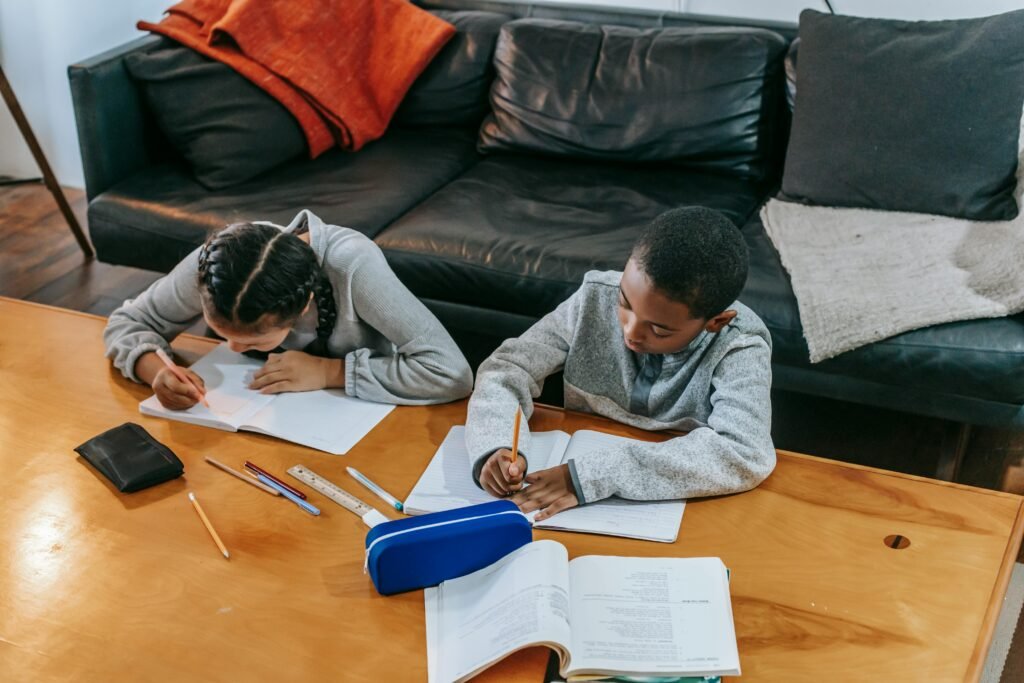
Keep a weekly scoreboard of finished outcomes rather than hours logged. Parents can support by praising planning and clean finishes, not marathon sessions. Debsie’s sessions are designed for this cap.
We compress teaching, practice, and feedback into tight cycles that fit in ninety minutes. If your teen wants higher grades without longer nights, book a free Debsie class and see how structure turns minutes into results.
25. Weekend homework beyond ~2 hours/day: no additional grade benefit
Weekends should help students recharge and prepare for the next week. Pushing past two hours a day on Saturday or Sunday rarely lifts grades further.
After that point, attention dips and the work often turns passive: rereading, recopying notes, or half-focused scrolling with a book open. A better plan is to keep weekend study short, sharp, and strategic, then leave time for rest, sunlight, and hobbies that refuel the mind.
Set a weekend study window in the morning or early afternoon. Ninety to one hundred twenty minutes is enough for most. Begin with a quick weekly review. List upcoming tests, essays, labs, and projects.
Pick two high-impact targets for the day. In math and science, run a short mixed quiz from memory, then repair weak steps with worked examples. In language arts and history, outline a response or expand a body paragraph with stronger evidence.
End with twenty minutes of timed practice that mirrors real exams. When the window closes, stop. Write what to hit first on the next study day and walk away with a clean finish.
Use the rest of the day to build indirect gains. Read for pleasure, play a sport, cook, or get outside. These activities support mood, focus, and long-term learning. If a big deadline lands on Monday, split the work across Saturday and Sunday with short sessions both days rather than one long push.
Parents can keep balance by guarding the limit and modeling healthy breaks. Debsie’s weekend boosters fit perfectly into this plan. Students hop in for a focused session with instant feedback and hop out before fatigue sets in.
Want to turn weekends into smooth launches, not stress days? Join a free Debsie trial and see how short, strong blocks beat long drags.
26. Cumulative weekly sweet spot (secondary): ~6–10 hours/week
Across a full school week, the sweet spot for most secondary students is six to ten hours. This range covers short daily sessions plus a light weekend block. It gives enough practice to master key skills while leaving room for sleep, sports, clubs, and family time.
Staying inside the range forces planning. Students must choose what matters, sequence tasks, and protect recovery. Those are life skills that support grades and well-being.
Build a simple weekly rhythm on Sunday. Map major due dates. Assign sixty to ninety minutes to each school night and a shorter weekend block. For each class, pick the one thing that would move the grade most this week.
Maybe it is mastering factoring, refining an essay thesis, finishing the lab report’s data table, or reviewing vocabulary. Spread those targets across the week and keep sessions short and active. In math and science, use retrieval practice and error logs.
In writing and reading, outline, draft quickly, and revise with the rubric in hand. End each night by teaching one idea out loud and listing the first task for tomorrow.
Track weekly outcomes, not hours. Check your plan on Wednesday and adjust. If you are ahead in one class and behind in another, shift minutes. Keep the total inside the range. If you routinely need more than ten hours, talk with teachers about trimming low-impact assignments.
Many will support focused mastery when time is tight. Debsie fits naturally into a six to ten hour week. Our classes and game-like missions replace guesswork with targeted practice so students grow faster inside a sane schedule.
If you want a weekly plan your family can actually keep, try a free Debsie class and watch grades rise with fewer late nights.
27. Students reporting no homework: lowest average GPA band
When students report doing no homework at all, they tend to sit in the lowest grade band. This pattern is common across many schools and years. It does not mean every student with no homework will struggle, but it does show that some steady practice outside class helps keep skills fresh.
Without that practice, small gaps stay open. Over weeks, those gaps turn into bigger holes. Quizzes feel harder, essays feel slower, and projects need more re-teaching. The good news is that moving from zero to a little can shift the path in a short time.
The first step is a tiny daily habit. Start with ten to fifteen minutes right after a snack and a short break from screens. Pick one skill that links to the next test or assignment. In math, solve three mixed problems with full steps from memory. In science, write a simple summary of one idea and draw a quick labeled sketch.
In language arts, write one clean paragraph with a claim and one strong piece of evidence. Use a timer and stop when it rings. Put a small X on a calendar to track the streak. The X is not about pressure. It is a promise to show up.
Build momentum with feedback. Compare your work to a model or rubric the same day when possible. Mark one fix and try it again once. Keep an error note with three lines: what went wrong, what to do next time, and a quick example. Share it with your teacher and ask one precise question.
This makes class time count more. Parents can help by protecting a quiet spot, cheering the streak, and keeping the phone in another room. Debsie is perfect for this shift from zero. We give short missions, quick feedback, and clear wins so a student feels progress on day one.
Book a free trial class and see how moving from no homework to a tiny daily habit can lift grades without long nights or fights.
28. Students reporting 1–2 hours/night: highest average GPA band
Students who report one to two hours of homework most nights tend to earn the highest average grades. This range gives enough time to practice core skills, write and revise, and prepare for quizzes without draining energy.
The window also encourages smart choices. Students must decide what matters most and finish with a clear stop. That habit—plan, act, review, stop—builds both grades and confidence. The trick is to fill the window with work that looks like what the teacher will grade.
Set a clean ninety-minute plan. Spend the first five minutes ranking tasks by impact on the grade. Put a star next to the one that matters most. Start with that one while the brain is fresh. In math and science, do retrieval first. Close notes and try a small set from memory, then repair errors with a worked example and redo.
In reading and writing, outline in a few lines, draft one tight paragraph, and revise for clarity and evidence. If time remains, shift to the next starred item. Keep phones away and tabs closed. Use short sprints of twenty minutes with tiny two-minute resets to stretch focus without strain.
Close the window with a quick check. Teach one idea out loud in two minutes, or do a brief self-quiz with five items. Write the first step for tomorrow on a sticky note. If a night runs hot with activities, trim to sixty minutes but keep the same sequence: plan, high-impact task, short review.
Parents can support by praising the plan and the finish, not just the score. Debsie’s live classes fit right inside this window. We target what the teacher will grade, give instant feedback, and keep the pace calm and focused. Try a free Debsie class to see how one to two smart hours turn into top-band results without late nights.
29. Students reporting >3 hours/night: lower GPA than 1–2 hours/night group
When students report more than three hours of homework most nights, their average grades often slip below the group that studies one to two hours. This may sound odd, but it makes sense. Past a certain point, focus drops, stress rises, and sleep shrinks.
Work turns passive. Students reread the same page, copy notes, or bounce between tabs. They feel busy but do not store knowledge. Tests then feel harder, and essays feel foggy. The fix is not to push longer. The fix is to sharpen the work and protect a firm cap.
Start with a time audit for three school nights. For each thirty-minute block, write what you did and whether it was active or passive. Active work includes solving from memory, writing and revising, doing timed practice, or testing yourself.
Passive work includes rereading, recopying, watching long videos without practice, or endless highlighting. Shift the ratio toward active work until at least two-thirds of the time is active. Cut low-impact tasks. In math, do fewer problems with full steps and an error reflection.
In writing, spend more time on structure and evidence and less on fonts or spacing.
Use a hard stop at two hours most nights, with rare stretches to two and a half before big tests. If tasks spill over, ask the teacher which ones really drive learning and which can be trimmed. Spread heavy items across the week. Keep a regular bedtime and a small wind-down ritual so memory can set.
Parents can model balance by praising smart stops and clear plans. Debsie is designed for this switch. We turn long, tiring nights into sharp, focused sessions with instant feedback and just-right practice. Join a free Debsie trial and learn how to trade overload for steady gains and calmer evenings.
30. Effect sizes increase with grade level: ~0.00 (elem) → ~0.10 (middle) → ~0.20–0.30 (high)
Homework’s impact grows as students move up in school. In elementary years, time on homework alone shows near-zero effect on grades. In middle school, the effect becomes small but real. By high school, it is small to moderate and easier to see in test scores and course marks.
This pattern tells us to match homework to the child’s stage. Younger kids need very short, warm routines that build habits, language, and number sense. Middle schoolers need clear plans, short sprints, and active practice. High schoolers need targeted work tied to the gradebook, with a firm time cap and strong feedback.
Build a stage-aware plan at home. For elementary kids, aim for ten to twenty minutes with read-aloud, number play, and tiny outputs like a labeled picture or two neat problems. Keep it cheerful and stop before frustration.
For middle schoolers, set a forty-five to seventy-five minute cap. Use fifteen-minute sprints with micro goals and retrieval first. End with a quick check and a plan for tomorrow. For high schoolers, plan ninety to one hundred twenty minutes most nights.
Start with the highest-impact task, use worked examples, practice from memory, and review with a rubric. Hold the cap, protect sleep, and spread big projects across the week.
Use feedback at every stage. Younger kids get simple, kind corrections and lots of process praise. Middle schoolers keep a small error note to stop repeats. High schoolers compare work to models and ask one precise question in class the next day.
Across all stages, keep tools simple: a clear desk, a timer, water, and phones away. Debsie supports each stage with the right kind of practice. Early learners play and read with gentle guidance. Middle schoolers train with short missions and instant feedback.

High schoolers run targeted drills that map straight to grades. If you want a plan that grows with your child, try a free Debsie class today and see how age-smart homework turns effort into steady, happy progress.
Conclusion
Homework hours matter, but only when they are smart, focused, and kind to sleep. The data shows a clear path. In early years, keep it short and warm. In middle school, add simple plans and short sprints. In high school, aim for tight, high-impact work inside a clear cap.
Quality and feedback beat raw minutes. Retrieval first, notes second. Timed practice, clear goals, fast fixes. When families follow this rhythm, grades rise and stress falls.