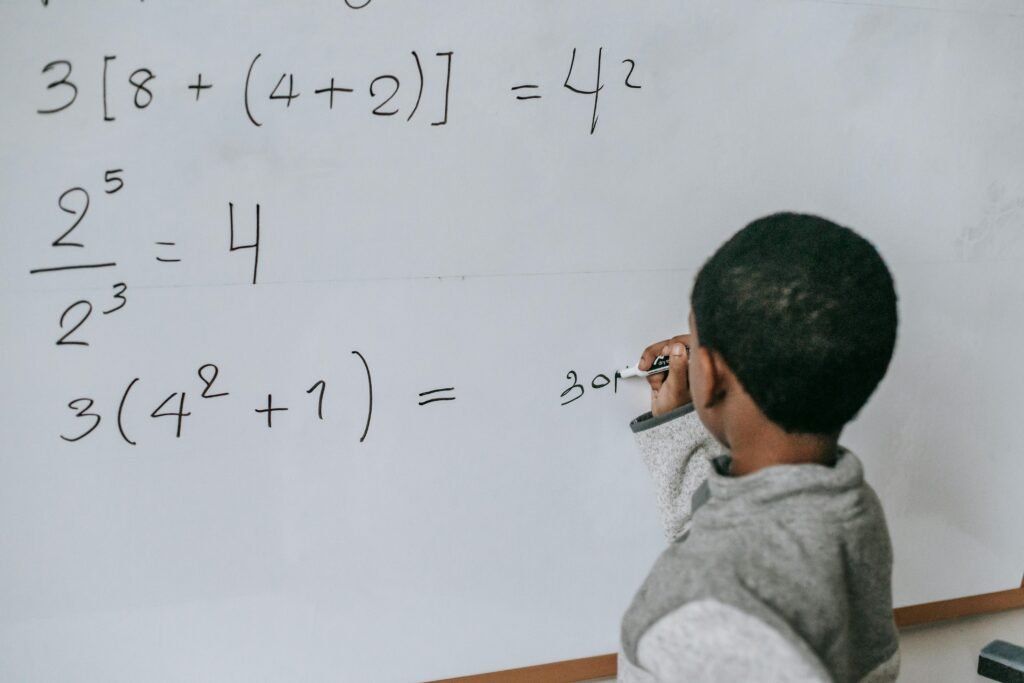
Summer is fun. But for many kids, summer also means forgotten math facts. The quick recall that felt easy in May can feel slow in August. This quiet drop has a name. It is called the summer slide. In this report, we show how math fact memory fades over weeks, why some facts slip faster than others, and what simple actions help children hold on to speed and accuracy. We keep the words simple. We keep the ideas clear. We give you steps you can use at home or in class right away.
1) Typical summer drop in math fact accuracy over 8–10 weeks: 10–30%
What this means
Across a normal summer, many children lose speed and accuracy on basic facts. The fall-off is not a sudden cliff. It is a slow slide that grows each week without practice. A child who was quick and correct in May may still remember most answers in June, but by late July the recall can feel fuzzy.
The brain keeps what it uses and lets go of what it does not. When facts sit idle, the memory traces weaken. That is why the drop can range from small to large. Children who practiced a little hold more.
Children who stopped fully can lose a lot. The curve bends down faster in the first few weeks and then flattens. This is good news. Tiny, steady practice early in summer can keep the curve from falling.
How to act this week
Begin with a quick baseline. Choose twenty mixed facts and time one minute. Count correct answers and note errors. Do not pressure your child. Keep it calm and short. Use this number as your May score. Now plan a gentle rhythm.
Aim for ten minutes a day, four or five days a week. Keep each minute focused. Use a simple structure. Start with a one-minute warm-up on easy facts to build confidence. Move to three minutes of mixed practice. Add three minutes on weak spots.
End with one minute of a game where quick wins are common. This shape keeps energy high. Track only two numbers each day. Count total correct and fastest time for any five-fact streak. Praise the effort, not just the score.
If a day is busy, do two minutes after breakfast and eight minutes after dinner. Short, spaced work beats one long session.
How Debsie helps
Inside Debsie, a child sees clear prompts and instant feedback. Streaks make short practice feel rewarding. Parents get daily summaries in plain words. You can set gentle nudges, like a reminder at 6 pm. If you want help designing the ten-minute plan, book a free trial class.
We will set targets that match your child’s pace and keep that 10–30 percent drop from ever showing up.
2) Multiplication facts lose accuracy fastest: ~20–25% vs. addition at ~10–15%
Why this happens
Multiplication covers more ground than addition. There are more pairs to recall, and several look alike. Six times seven, seven times eight, and eight times nine often tangle. Without use, the brain blends these neighbors.
Addition, for many students, was learned first and used longer, so those paths are stronger. The result is a bigger summer slide for multiplication. The longer a fact set sits without practice, the more it drifts.
Because tables from six to nine carry higher numbers and fewer real-life cues, they fade sooner. This does not mean multiplication must be hard. It means we need sharper, shorter, and more targeted work on the trickiest rows during summer.
How to act this week
Focus on high-impact sets first. Spend half of your practice time on the sixes, sevens, eights, and nines. Use fact families to connect ideas. For example, tie 6 × 7 to 7 × 6 and to 42 ÷ 7 and 42 ÷ 6. Say the family out loud in a smooth rhythm.
Then switch to fast recall. Aim for under two seconds per answer. If your child stalls, do not guess wildly. Press a small reset. Take a breath, mouth the row slowly, then return to quick pace. Capture a tiny error log in a notebook.
When a fact trips your child, write it once in the center of the page. Later that day, say it three times as a chant. The next morning, revisit it for thirty seconds. This micro-loop closes the gap before it spreads.
Create fun anchors. For 7 × 8, many children remember “five, six, seven, eight; 56 is 7 × 8.” For 6 × 9, tap both hands to count up to nine and watch the pattern of tens and ones settle. For 8 × 4, picture two fours joining into an eight and double twice.
These light cues help, but do not linger on them forever. The goal is automaticity. After a week, test twenty mixed multiplication facts. Compare to the baseline. If accuracy is below ninety percent or if average time is still slow, keep the focus sets for another week.
If scores rise, blend in division so both directions stay strong.
How Debsie helps
Debsie’s adaptive engine notices when seven-by-eight slows. It inserts that pair more often, links it to its division forms, and gives instant hints only when needed. Because the session is short and playful, children do not worry about mistakes.
They see progress right away. If you want this tailored support, start a free trial. We will set a two-week multiplication tune-up that protects those fragile rows.
3) Students can lose 2–3 months of math progress (≈20–35% of prior gains)
Why this matters
A two to three month slide is not just a number. It shows up as extra time needed in fall to re-learn what felt easy before. When fact fluency drops, everything that sits on top of it slows down. Word problems take longer. Fractions feel heavier.
Confidence shrinks, which makes risk-taking rare. The hidden cost is time. Teachers spend the first weeks of school rebuilding fluency instead of moving forward. At home, homework stretches into longer evenings.
The good news is that a small summer routine can stop this loss. Even better, it can build a cushion so your child returns ahead, not behind.
How to act this week
Build a clear, gentle plan for the next four weeks. Keep it simple so it sticks. Choose five days each week. On each day, run a ten-minute session. Begin with a two-minute review of facts your child already knows well. This keeps confidence high.
Move to six minutes of retrieval practice on mixed sets. End with a two-minute challenge that feels like a game. Use a timer so the session has a clean start and finish. At the end, mark one quick note: today’s correct count and one fact to revisit tomorrow.
Do not chase giant jumps each day. Look for steady lines. If your child hits a wall, shift to easier facts for that day and finish strong. Slow wins build faster than forced sprints.
Add a mini checkpoint every Friday. Give a one-minute mixed test and a one-minute mixed division test. Compare to last Friday. Celebrate any growth, even a single extra correct answer. If scores fall, do not scold.
Adjust the next week by adding thirty seconds to the weak area and trimming thirty seconds elsewhere. In the last week of the month, wrap in short word problems that use the same facts. This keeps the skill alive in context. When school starts, your child will not need a long review. They will be ready to build on a strong base.
How Debsie helps
Debsie maps a child’s gains week by week. Parents see simple charts and short notes. The system keeps sessions small and sharp and uses rewards that feel fun, not noisy. If you want to turn these four weeks into a guided path, join a free trial class.
We will measure a starting point, set gentle goals, and protect those hard-earned months of progress.
4) Average response time to recall a fact in September is 15–40% slower without practice
What this means
When children stop using math facts over summer, the brain still knows many answers, but the path to each answer gets rusty. That rust shows up as delay. A fact that took one second in May might take one and a half seconds or even two seconds in September.
Those tiny pauses add up. Ten small delays inside one problem can turn a quick worksheet into a long, tiring task. Slow recall also steals attention from the real thinking in later grades, like choosing the right method or checking reasonableness.
The aim is not only to be correct. The aim is to be quick and calm so working memory stays free. Good news: speed returns fast with short, focused drills that feel playful and kind.
How to act this week
Set a simple speed goal. Pick a set of twenty mixed facts. Use a visible timer. Ask your child to answer out loud at a steady beat. Focus on smooth rhythm, not rushing. Track two numbers only: total correct and fastest streak of five.
Build a daily two-minute “speed lane.” In this lane, mix only facts your child already gets right. The goal is to feel light and quick. Follow with five minutes on target facts that cause pauses. If a pause hits, teach a quick reset. Breathe in, relax the shoulders, then try the fact again.
Do not guess fast and wrong. Slow, correct, and then speed up. Add a tiny evening booster, just sixty seconds after dinner, where your child says five facts and aims for crisp flow. End with praise tied to effort and calm voice. Speed grows best when the body feels safe and steady.
How Debsie helps
Inside Debsie, the timer fades into the background and the child watches a simple progress bar glide. The system notices when a pause repeats and slips in the same fact later, just before forgetting would happen again.
Streak stars and small sounds make it feel like a game, not a test. Parents see average response time drop across the week. If you want a guided speed plan, book a free trial class and we will set a daily two-minute lane that protects quick recall without stress.
5) Three 10-minute practice sessions per week maintain ≈90% of facts
Why this works
Memory is like a small garden. It needs regular watering, not a flood. Three short visits each week keep most math facts green. Ten minutes is long enough to wake the pathways and short enough to fit any day. With this rhythm, there is not enough time for big forgetting to take hold.
Your child also learns that practice does not take over summer. This reduces pushback. The sweet spot is steady, light, and frequent. You can always add a fourth session when a busy week lets you. But if you hold three, you will hold the gains.
How to act this week
Pick three anchor days that match your routine. Many families use Monday, Wednesday, and Saturday. Place the session at a stable time, like right after breakfast or right before free screen time. Keep the shape the same each time so the body expects it.
Begin with two minutes of an easy warm-up row your child likes. Move to five minutes of mixed retrieval across addition, subtraction, multiplication, and division. Focus on facts that were shaky last time.
End with three minutes of a fun race against self, not others. Use a simple rule. If the child finishes the full ten minutes without complaint, they earn a tiny privilege, like choosing dessert or the family song in the car.
Run a quick check every third session. Show twenty mixed facts, one minute. Compare to the last check. If accuracy is above ninety percent, keep the three-day plan. If it drops below, add one micro-session of two minutes on the weak set later that week.
Keep notes in one place. Write the date, the accuracy, and one fact to revisit. Keep the tone warm. If a session is missed, do not double the next day. Just return to the plan. The habit is the win.
How Debsie helps
Debsie lets you schedule the three anchor days and sends a friendly nudge at the chosen time. The platform auto-builds the ten-minute plan and shifts the mix based on recent errors. Parents get a simple green check when the ninety percent target holds.
If you want this done-for-you rhythm, start a free trial and we will lock in your child’s three-day maintenance plan.
6) Daily 10-minute spaced practice gives ~2× better retention than one 60-minute weekly session
Why this matters
The brain likes spacing. It stores better when learning is split into small bites over many days. One long session a week feels heavy and leaks fast. Daily short sessions feel light and stick longer. This is because each new day brings a small forgetting curve, and practice resets it before the drop gets large.
Over time, those tiny resets build thick, strong pathways. Daily practice also builds identity. Children start to see themselves as “someone who does a little math each day,” which lowers friction and keeps confidence high.
How to act this week
Shift from a weekly cram to a daily ten-minute habit. Choose a time that is already tied to a routine, like after brushing teeth in the morning or after putting dishes away at night. Keep the session simple and the rules kind.
Start with one minute of wins. Then spend six minutes on a balanced mix. Use two minutes for the hardest set from yesterday. Finish with one minute of reflection where your child says aloud one fact that felt smoother today. If a day gets crowded, split the session.
Do five minutes early and five minutes later. The brain counts both. On weekends, keep the habit but add fun. Try a kitchen challenge where each correct fact moves a small piece on a board, and three moves unlock a silly dance.
Track just one goal for the week: complete five daily sessions. Do not chase perfect scores right away. Consistency first, speed second. At the end of the week, show a short chart that your child can color in.
Each square stands for a finished session. Praise the chain, not just the numbers. When the chain grows, memory grows.
How Debsie helps
Debsie’s spaced practice engine plans which facts to show today based on what your child did yesterday and the day before. It uses just-in-time reviews to make learning stick. The ten-minute sessions come with calm music, cheerful art, and quick rewards that keep attention without clutter.
Parents see streak counts and retention scores improve. If you want to switch to a daily plan with no setup, join a free trial and we will build your child’s five-day schedule in minutes.
7) One week with no practice leads to ~5–8% recall drop for newer facts
What this means
New facts are like wet cement. In the first days and weeks, they are soft and easy to mark. If there is no touch for a week, the shape shifts. A small gap appears. That gap is the five to eight percent drop you see after only seven days off. It does not mean your child forgot everything.
It means the brain needs a quick reminder before the slip grows. The decline is steeper for the newest facts because the memory path is thin. Older facts hold better because the path is wide and used often. The lesson is simple. Even a tiny check-in each week keeps new learning from sliding.
How to act this week
Protect new facts with a weekly seal. Mark one day as “fresh coat day.” On that day, run a six-minute review only on the newest ten to twelve facts your child learned. Keep the pace smooth. Say each fact, answer it, and then say it again in reverse.
Follow with a two-minute micro-test of those same items, shuffled. End with a short victory chant of the three hardest ones. Between fresh coat days, touch the new set for ninety seconds at the end of two other sessions.
If the week goes wild and you miss time, do a very short “save” before bed on any day. Ask three of the new facts out loud and aim for fast, calm answers. This tiny act slows the drop to near zero.
How Debsie helps
Debsie tags brand-new facts and schedules light, smart reviews before the week gap hurts them. The system adds quick refresh screens and tracks which items wobble. Parents see a small badge when the new set stays above the ninety percent line.
If you want help shielding fresh learning, start a free trial and we will set your child’s weekly seal plan.
8) Immediate-feedback flashcards improve retention by ~20–30%
Why this works
Feedback right away tells the brain what to keep and what to fix. When a child answers a flashcard and sees at once if it is right, the neural path strengthens. If the answer is wrong, the quick correction stops the error from settling in.
Delay weakens the lesson. Hours later, the feeling of effort fades and the brain does not tag the moment as important. Instant feedback keeps practice honest, kind, and efficient. It also reduces worry, because the child is never left hanging, unsure if they did well.
How to act this week
Use a simple rule. Reveal the answer the moment your child speaks or writes it. If correct, repeat the fact once with a confident tone, then move on. If incorrect, say, “Let’s fix it,” show the right answer, and have your child repeat it twice, once now and once after three more cards. Keep the stack mixed and small.
Ten to fifteen cards is plenty. Rotate in new items only when accuracy is high. Aim for brisk pace and neutral voice. Do not over-explain. The goal is retrieval, not teaching long methods. Add a tiny twist for stubborn facts.
Write the fact on a sticky note and place it where your child will see it twice that day, such as on a water bottle or the fridge. Each glance is a fast, low-pressure booster.
How Debsie helps
Debsie gives immediate, gentle corrections and celebrates correct answers with soft sounds and quick stars. If a card is missed, the platform reintroduces it right away and again later in the session. Parents can view which facts needed fixes and which ones stuck.
If you want instant-feedback practice done for you, book a free trial and we will set up a custom card path.
9) Practicing fact families cuts errors by ~18–25%
Why this matters
Facts travel in families. Four times six pairs with six times four, and both connect to twenty-four divided by four and twenty-four divided by six. When children learn in these tight groups, their brains build a web, not loose strings.
The web makes recall faster and more stable. If one path blurs, another path helps pull the answer back. Error rates fall because related facts support each other. Family study also saves time. One pattern covers four facts at once.
How to act this week
Pick three families for a short cycle. For example, choose the twenty-four family, the thirty-six family, and the forty-two family. Spend three minutes on the first, three minutes on the second, and three minutes on the third.
For each family, say the whole set in a smooth loop. Speak the multiplication forms and the division forms back to back. Then shuffle the order and test them in mixed form. Keep the answers under two seconds. If a number sticks, pause and tell a tiny story that ties the family together, like “six and seven are neighbors who visit forty-two every time.”
Return to quick recall right away so the story does not replace retrieval. End with a one-minute family review where you move between the three groups without warning. This switch trains flexible recall.
How Debsie helps
Debsie groups items by families and interleaves them in a way that feels natural. The system notices when one branch of a family is weaker and gives it a little extra time. Parents can select target families for the week and see error rates drop. If you want guided family loops, try a free class and we will build your child’s three-family plan.
10) Overly fast timed drills can reduce accuracy by ~10–15%
Why this happens
When a timer becomes a threat, children rush, guess, and lock in wrong habits. The aim of timing is to build smooth, quick recall, not panic. If speed crushes calm, accuracy falls and confidence follows. The loss is not just in the moment.
Stress links to the facts and the child may start to avoid practice. The result is a double hit: fewer reps and more errors. The fix is simple. Keep time, but make the game about beating yesterday’s self rather than a harsh clock.
How to act this week
Use soft timing. Set a one-minute round with a quiet tone at the start and the end. Tell your child the goal is smooth flow and correct answers. Begin at a pace where success is likely. If errors spike, slow down right away and reset the rhythm.
Track best streaks, not just total correct. After the round, ask your child how the speed felt. Adjust the next round based on their cue. End every session with a brief, calm round that ends in a win. If your child tenses up when they see a timer, hide it.
You can still time the round without showing the countdown. Share only the improvement, not the raw number, until confidence returns.
How Debsie helps
Debsie uses friendly timers and gentle sounds. The visuals are calm, and the system adapts speed so children meet steady success. If accuracy dips, the platform eases the pacing and nudges focus back to correctness.
Parents can switch to “flow mode” where time is tracked but hidden. If you want stress-free speed work, join a free trial and we will tailor the pace to your child’s comfort.
11) Mixing operations (interleaving) boosts transfer by ~12–20%
Why this works
Real math is messy. Problems rarely label themselves. When children only practice one operation at a time, they learn to follow a pattern, not to think. Interleaving forces the brain to choose the right tool. That choice builds stronger understanding and better transfer to new tasks.
When mixed sets appear, the child must notice, decide, and then recall. This small extra step deepens learning and keeps boredom low. The gain shows up later in word problems and multi-step tasks where operation choice matters.
How to act this week
Design a simple mix. Create short sets that include addition, subtraction, multiplication, and division in random order. Keep the numbers in a range your child knows. The aim here is decision plus retrieval, not long computation.
Use a call-and-response style. You say the fact. Your child answers. If they hesitate, teach a quick check: ask, “What operation is this?” Then answer. This tiny label step trains attention. After a few sessions, remove the label and expect fast decisions.
Add a light twist on alternate days. Place two similar items back to back, like 6 × 7 and 42 ÷ 7. Your child will feel the link and learn to switch directions without pause. Close the week with a short mixed sprint and celebrate correct operation choices as much as correct answers.
How Debsie helps
Debsie builds mixed sets automatically and increases the mix as your child shows readiness. The platform watches for operation-choice errors and guides brief corrections. Parents can see which operation pairs still cause slips.
If you want interleaving done right, start a free trial and we will craft a balanced mix that fits your child.
12) Gamified practice raises voluntary study time by ~40–70%
Why this matters
Kids do more of what feels fun and fair. When practice gives tiny rewards, clear goals, and a sense of progress, children come back by choice. Gamification is not noise and fireworks. Done well, it is gentle structure that turns effort into a positive loop.
The child sees a streak grow, earns a badge for focus, and feels proud. That pride makes the next session easier to start. Over summer, when routines loosen, this pull matters. Voluntary minutes stack up, and with them, strong retention.
How to act this week
Add light game elements to your routine. Create a simple streak chart where each completed session colors one square. Offer tiny milestones, like a new sticker after five sessions or picking the family movie after ten. Keep rewards small and consistent.
Add quests that match learning goals. For example, a “Sevens Quest” where three days of perfect sevens unlock a special bookmark. Use narrative if your child enjoys stories. Let them pick an avatar and name a mission, like “Guard the Number Castle.”
Always tie praise to effort and strategy. Say, “I love how you stayed calm on the hard ones,” not just, “Great score.” This builds grit, not bragging.
How Debsie helps
Gamified learning is Debsie’s heartbeat. Children earn badges for focus, accuracy, and kindness. The system tracks streaks and unlocks small surprises that keep sessions fresh. Parents can set gentle goals and watch voluntary minutes rise.
If you want joyful practice that runs itself, book a free trial and we will set your child up with a playful summer plan.
13) Short, level-based goals increase completion rates by ~30–45%
Why this matters
Big goals can scare kids. Small levels feel safe and clear. When a child sees a close target, they start. Starting is half the win. Levels also show quick progress. Each clear win lowers resistance the next day. This steady rhythm lifts completion.
It is not magic. It is simple design. Short goals focus attention. They reduce delay. They give a strong reason to return tomorrow. Leveling also fits how memory grows. A small jump, a short rest, then another jump. Over summer, this keeps momentum without stress.
How to act this week
Break the summer into tiny levels. Each level should take one or two sessions to beat. Name each level in plain words. For example, “Level 3: Quick Sixes.” Define the level with one rule, like “Answer twenty 6× facts at ninety percent accuracy.” Show the rule at the start of the session.
At the end, check it fast. If the child wins, mark the level as cleared and pick the next. If not, note the narrow gap and try again tomorrow. Keep levels varied. Mix speed levels, accuracy levels, and calm-focus levels where the goal is zero rushed guesses.
Always keep the next level within reach. A child who sees a clear path is a child who returns.
How Debsie helps
Debsie uses small, named levels with visible goals. A progress bar shows how close the child is to the next badge. When a level is cleared, the platform suggests the next best step. Parents can view completion rates by week.
If you want level-based planning done for you, book a free trial and we will map your child’s next ten levels in minutes.
14) Spaced retrieval halves fall “relearning” time (≈50% faster recovery)
Why this works
Relearning happens each fall. With spaced retrieval in summer, that time shrinks. The brain strengthens paths when it pulls answers from memory after short gaps. Each pull lays down stronger tracks. In September, those tracks wake up fast.
Without spacing, fall lessons feel like starting from scratch. With spacing, they feel like a light warm-up. Teachers can move forward sooner. Kids feel capable and calm. The savings are real. Less review time means more time for new ideas, projects, and joy in math.
How to act this week
Build a simple spacing loop. Day one, learn or review a set. Day two, test it briefly. Day four, test again. Day seven, test again. Keep each test short. One or two minutes is enough. Record just accuracy and one tricky fact.
Do not cram new items into every day. Let the gaps do the work. If a set holds at ninety percent for two tests in a row, move it to a longer gap, like day fourteen. If accuracy dips, bring it back to day four.

Tie this loop to your calendar so you never guess what to do next. By August, your child will have many facts resting on long, strong spacing.
How Debsie helps
Debsie plans spacing for you. The system chooses the next review date for each fact based on past answers. It surfaces items just before forgetting would start. Parents see a simple timeline that shows why today’s set matters.
If you want the fifty percent recovery boost without tracking dates by hand, try a free class and we will set the loop in place.
15) June mastery at ≥90% accuracy and <2s recall predicts ≥80% fall retention
Why this matters
High mastery before summer acts like armor. When a child closes June with strong accuracy and quick recall, most of that power remains in fall. The two-second mark is key. It shows automaticity. At that speed, answers feel instant and stable.
The brain tags them as core facts. Over the break, even with lighter practice, these facts hold. This is not only about grades. Quick recall frees attention for deeper thinking. It makes math feel smooth, not sticky. That feeling of ease builds confidence for the new year.
How to act this week
Check the June baseline now, even if it is already July. Choose forty mixed facts your child should know. Time two minutes. Count only correct answers and note average time per response. If accuracy is below ninety percent or average time is above two seconds, set a four-week tune-up.
Week one, target easy wins to build speed. Week two, add the mid-level rows. Week three, focus on the hardest pairs. Week four, mix all sets and aim for smooth flow. Each session, run one minute for speed on known items, six minutes on target items, one minute to reflect on a smoother fact, and two minutes of light game.
Retest at the end of each week. When the two-second pace appears with ninety percent accuracy, lock it in with spaced reviews. This preps the brain to retain at least eighty percent through fall.
How Debsie helps
Debsie measures accuracy and response time on every item. The dashboard shows when your child crosses the ninety percent and two-second thresholds. The platform then shifts the schedule to maintenance mode.
If you want a clear path to that June mastery line, start a free trial and we will guide the four-week tune-up for your child.
16) Students below 70% accuracy in June lose about 2× more facts
Why this matters
Low accuracy at the start of summer is risky. When knowledge is shaky, breaks hit harder. A child who knows only seven out of ten facts will forget faster than a child who knows nine out of ten. The slide is steeper because the base is thin.
This leads to a tough September. The child must relearn old facts while also facing new work. This can feel overwhelming. It does not have to be this way. A focused rescue plan in June or July can lift accuracy above the danger zone and flatten the slide.
How to act this week
Run a kind diagnostic. Keep it short and private. Choose thirty mixed facts. Time two minutes. Count correct answers only. If the score is below seventy percent, pause and set a rescue plan. Use daily ten-minute sessions for three weeks.
Keep the mix small at first. Work with two or three families only. Use immediate feedback with a calm voice. Build tiny wins early in each session. Add a nightly sixty-second whisper review where you ask five facts softly before bedtime.
Track only one number per day: correct out of twenty. When the child hits eighty-five percent for three days in a row, widen the mix. Continue spacing reviews so gains stick. End each week with a gentle celebration that marks effort, not luck.
How Debsie helps
Debsie spots the under-seventy risk early and creates a rescue path. The system narrows the focus, increases feedback, and shows progress in clear steps. Parents can watch the score climb above the safety line.
If you want expert support through this climb, book a free trial and we will coach your child back to a strong base.
17) Adaptive practice systems cut summer slide by ~50–60%
Why this matters
Every child learns at a different pace. An adaptive system watches how a child answers and changes the next question in real time. It gives more of what is needed and less of what is already strong. This cuts wasted minutes and keeps attention focused on the right edge of skill.
When practice targets the exact weak spots, forgetting slows a lot. The child sees fast wins, which builds belief and keeps them coming back. Over a full summer, this tailored path can cut the slide by half or more. It also lowers stress for parents because the plan guides itself.
How to act this week
Use a simple rule at home. If your child answers two of the same type wrong, shrink the step. If they get four right in a row, raise the step. Keep sets small so the loop repeats many times in one session. Start with a quick check of ten mixed facts.
Sort them into three piles in your notebook: easy, medium, and hard. Spend five minutes on the hard pile, three minutes on the medium pile, and two minutes racing through the easy pile for speed.
Record just three facts that caused trouble and make them the first three items tomorrow. This tiny adaptive loop prevents drift and shows your child that practice meets them where they are.
How Debsie helps
Debsie adapts every second. The platform decides which fact to show, when to repeat it, and when to move on. Your child feels seen and supported. Parents see fewer dips and more steady gains. If you want this precision without manual sorting, start a free trial and let us tune the plan to your child.
18) Two parent reminders per week raise practice adherence by ~25–35%
Why this matters
Kids thrive on gentle structure. A kind reminder is not nagging when it is predictable, short, and caring. Two reminders each week help a child remember to log in even on busy days.
This lifts the number of finished sessions without long talks or arguments. The tone is the key. A warm nudge says, “I believe in you,” and keeps the habit alive. Over time, the child starts to remind themselves, which is the real goal.
How to act this week
Pick two days for your reminders. Keep the words the same each time so it feels safe. Try a short line like, “Math time in five minutes. Let’s win a streak star.” Pair the reminder with a cue like a kitchen timer or a song.
Avoid reminders when your child is very tired or upset. If a session must move, offer two choices for a new time and let your child pick. After the session, send a second tiny note of praise. Say, “Great follow-through today.” These bookend messages keep the habit strong with very little effort.
How Debsie helps
Debsie sends calm, friendly nudges to both parent and child at the times you choose. You can switch days with one tap if life changes. If you want reminders that work and keep peace at home, book a free class and we will set them up with you.
19) Paper summer packets see ~20–40% completion; digital nudges lift this to ~50–70%
Why this matters
Paper sits on a shelf and gets forgotten. Digital tools can tap your shoulder at the right moment. A simple nudge, a progress bar, and a quick win raise the odds that work gets done.
Completion is not about willpower alone. It is about smart design that makes the next step easy to start. When completion doubles, retention follows. Your child ends summer stronger and more ready for the new year.
How to act this week
Turn any paper plan into a short digital routine. Snap photos of key pages and turn them into quick prompts you can ask out loud. Pair each page with a five-minute online practice that gives instant feedback.
Place a tiny reward after each digital session, like five minutes of their favorite song time or choosing the family snack. Keep the visual of progress where your child can see it. A simple chart that fills with color as sessions finish can replace a thick packet that no one wants to open.

If your school gave a packet, spread it across the weeks and tie each part to a digital booster so the work does not stall.
How Debsie helps
Debsie offers micro-sessions with built-in nudges and visible progress. Parents can upload school goals and link them to matching practice. If you want to turn a dusty packet into a living plan, start a free trial and we will do the setup for you.
20) Badges + streaks increase week-to-week consistency by ~25–40%
Why this matters
Consistency beats intensity. A simple streak makes effort visible. A badge marks a milestone and says, “This counts.” Children love to keep a streak alive, and they feel proud when they add a new badge to their wall.
These small signals keep practice from fading when days get busy. Over a long summer, this steady pace prevents big dips and builds a strong base for fall.
How to act this week
Create a streak line your child can see every day. Each finished session adds one mark. When the line reaches five, give a small badge. Name badges by skill, like “Calm Focus” or “Sevens Pro,” so they honor the work done, not just the number. If a streak breaks, do not shame it.
Start a fresh line the next day and aim for a simple goal like three in a row. Celebrate the restart because that is the real life skill. Add a family streak once a week where you sit together for ten minutes and everyone does a quiet task. Your child will feel supported and want to keep the chain going.
How Debsie helps
Debsie tracks streaks, awards badges that match skills, and protects motivation with friendly messages. Parents can print a badge page at the end of summer. If you want streak power without crafting charts, join a free class and we will activate it for your child.
21) Fact automaticity reduces fall word-problem time by ~15–25%
Why this matters
Word problems test more than facts. They test reading, modeling, and decision making. When facts are automatic, the brain has more space for those steps. Children finish faster and with less stress. They can check answers and try more than one approach.
The result is not only speed, but also better understanding. This is where math feels clear and even fun.
How to act this week
Blend one minute of facts into every word-problem practice. Before a word set, run a fast recall warm-up with items tied to the same numbers in the problems. After the set, run another quick fact loop to cool down. Teach a simple habit inside each problem.
When your child spots a number pair, they pause and speak the related fact out loud. This keeps the fluency path hot while they reason. If a word problem sticks, replace the heavy numbers with lighter ones while keeping the story.
Solve it, then swap back to the original numbers. The idea is to keep thinking about the story, not to get trapped by slow recall.
How Debsie helps
Debsie links short fact sprints to small word-problem sets so the two skills support each other. Parents can see time-on-task drop across the month. If you want this blend built for you, start a free trial and we will pair fact warm-ups with story problems that fit your child’s grade.
22) 20 minutes/week for 8 weeks yields a ~0.2–0.3 SD gain in fact fluency
Why this matters
You do not need hours to make real growth. Twenty minutes a week, done well, over two months, pushes fluency ahead in a measurable way. This is a tiny time cost with a big payoff. For busy families, this is hopeful news.
A short, steady plan can move the needle and protect confidence. It also builds a habit that can carry into the school year without friction.
How to act this week
Choose two ten-minute blocks each week and lock them in. Keep the structure simple and repeat it every time so your child feels safe. Start with a two-minute win round. Move to five minutes on a targeted set. Add two minutes of mixed interleaving.
Close with a one-minute reflection where your child says one strategy that helped today. Keep a small ledger with the date and a single note about what improved. After eight weeks, run a before-and-after check with the same set you used at the start.
Show your child the change and thank them for steady effort. If life gets hectic, keep at least one of the two sessions. Even ten minutes a week helps more than skipping fully.
How Debsie helps
Debsie sets the two slots, adapts the content, and tracks gains. Parents see a simple chart rise across eight weeks. If you want a light plan that still delivers growth, book a free class and we will set your child’s two-block week.
23) Practice during the last 2 weeks of summer cuts initial loss by ~30–40%
Why this matters
Memory is freshest right after use. A short burst of focused work in the final fourteen days before school gives a strong lift. It resets the paths and trims the early fall slump. This does not need to be heavy. It only needs to be precise and steady.
Children feel better walking into school knowing their facts are sharp again. Teachers see faster starts. Families feel less stress in those first homework nights.
How to act this week
Plan a gentle “ramp-up” cycle. During the last two weeks, run five sessions per week, ten minutes each. Day one targets multiplication rows six through nine. Day two mixes division with those same numbers. Day three reviews addition and subtraction for flow.
Day four interleaves all four operations. Day five repeats the trickiest sets from the week. Keep the mood bright and praise calm focus. Add a two-minute morning whisper round on school-eve days where your child says five facts out loud at breakfast.
When school starts, keep two sessions in the first week to hold the gains you just built.
How Debsie helps
Debsie offers a ready-made two-week ramp that highlights the most important facts and builds confidence day by day. Parents can watch response times drop back to spring levels. If you want a smooth glide into the first week of school, start a free trial and we will set the ramp for your child.
24) Cumulative review every 3rd session reduces decay by ~10–20%
Why this matters
When children only move forward, old facts fade. A cumulative review brings all learned items back into the light on a steady rhythm. Every third session is frequent enough to refresh memory but gentle enough to avoid boredom.
This drumbeat sends a clear message to the brain: keep everything, not just the newest bits. The result is fewer surprises, smoother speed, and less stress when mixed problems appear. A small, regular look back protects weeks of work you already paid for with effort.
How to act this week
Mark every third practice as a look-back day. Keep it short and kind. Begin with two minutes of easy wins from the earliest sets. Move into six minutes of mixed facts that span old and new. End with two minutes focused on any three items that wobble.
Do not turn review into reteaching. Use retrieval, not long talk. If a fact is missed, fix it fast and re-ask it after two or three other items. Keep a tiny running list of the three most fragile facts from each review. Start the next day by clearing those three first.
This loop stops decay before it spreads. Over time, you will notice fewer items on the fragile list and more flow in mixed work. That is the sign your review rhythm is working.
How Debsie helps
Debsie schedules look-back sessions for you. The platform adds just-in-time refreshers, blending old and new facts with care. Parents see a simple chart of retained items that tracks how the review shield grows.
If you want a painless, automatic way to protect past gains, book a free trial and we will set your child’s every-third-day review plan.
25) Audio + visual prompts improve recall by ~8–12%
Why this matters
Children learn through many channels. When a child hears a fact and sees it at the same time, the brain gets two cues for the same memory. These cues can help when attention wobbles or when a number pair feels tricky.

Soft sound plus clear text builds a stronger trace without adding time or pressure. The gain is not huge, but it is steady, and steady gains add up over summer.
How to act this week
Layer gentle sound and simple visuals into practice. Read each fact aloud in a calm voice while your child looks at a clean card with big numbers. Ask your child to repeat the full fact, not just the answer, so rhythm carries meaning.
Keep sounds simple. Use one light tone for correct and a different soft tone for retry. Avoid noisy music or flashing effects. They distract the brain. When a fact keeps slipping, add a tiny visual anchor, like writing the pair in a color that links to its family.
For example, make all the sixes blue for a week. Then fade the color back to normal once the fact holds, so the cue does not become a crutch. If you practice on the go, record yourself reading ten facts slowly and let your child echo the answers while riding in the car.
Treat it like a song with quiet beats between items. The aim is smooth recall, not speed records.
How Debsie helps
Debsie pairs clean visuals with soft audio cues that reinforce, not distract. The platform lets you toggle narration and gentle sound effects so sessions fit your child’s focus style. If you want multi-sensory practice without extra setup, start a free class and we will personalize audio and visual settings for your child.
26) Distraction-free sessions improve accuracy by ~10–18%
Why this matters
Math facts are tiny, fast thoughts. Noise, pings, and clutter steal bits of attention and turn clean recall into guesswork. A focused space gives the brain breathing room. Even a few minutes in a calm corner can lift accuracy by a lot.
This is not about silence at all times. It is about a short, protected window where nothing else asks for your child’s eyes or ears. In that pocket, the mind can settle, retrieve, and learn to enjoy ease.
How to act this week
Create a small practice ritual. Pick a chair, a table edge, or a bright floor spot that signals focus. Place only what you need within arm’s reach. Turn devices to airplane mode. Set a short timer that starts the session with a friendly chime and ends it with the same tone.
Teach a one-breath reset: inhale for four counts, exhale for four counts, relax the shoulders. Use it any time the mind drifts. Keep sessions short so attention does not fray. After ten minutes, stop on a win even if your child wants more.
Ending strong makes the next start easier. If the home is busy, try noise-dampening headphones without music. If a sibling wanders in, pause kindly, reset the breath, and continue. Every time you protect focus, you teach a life skill that helps far beyond math.
How Debsie helps
Debsie’s practice screen is clean and calm, with gentle colors and no ads or pop-ups. Parents can enable focus mode to silence extra effects and keep the look simple. If you want help building a focus ritual that your child actually likes, book a free trial and we will walk you through a custom setup.
27) Mobile, on-the-go practice can account for ~25–35% of summer minutes when enabled
Why this matters
Summer schedules move. Cars, trips, and waiting rooms add odd gaps to each day. If you can use those gaps, you add many minutes without touching play time. On-the-go practice fills small pockets with quick wins. These minutes are not extra stress.
They are reclaimed time. Over weeks, they make a real dent in the slide and keep the habit alive even when routine shifts.
How to act this week
Prepare a travel kit. On your phone, save a set of twenty mixed facts in a simple app or photo album. Keep a tiny deck of index cards in your bag. Decide on micro-moments you will use, like the five minutes before a sports class or while dinner rests in the oven.
Aim for sessions that last one to three minutes, no longer. Use a friendly line to start, such as, “Want to grab three quick wins?” Keep the tone light. If your child is tired, do a listening round where you read facts and they answer softly.
End with a small praise and a high-five. Track these micro-sessions with a single checkmark on your streak chart. Over a week, you will see these little checks stack up to a full extra session or more, all without touching core play time.
How Debsie helps
Debsie runs smoothly on phones and tablets with sessions designed for short windows. The platform remembers where you stopped and serves an instant warm start when you come back.
Parents can see how many minutes came from mobile practice and celebrate the reclaimed time. If you want to unlock on-the-go gains, start a free trial and we will show you the quickest one-minute drills for the road.
28) Parent progress reports within 24 hours raise next-week practice by ~15–22%
Why this matters
Quick feedback keeps a habit alive. When a parent sees how a session went the same day or the next morning, they can praise the child while the effort is still fresh. That small, timely “I saw your work” gives a warm spark and makes the next session easier to start.
It also lets you make tiny, smart changes right away. If a few facts were shaky, you can nudge those first in tomorrow’s plan. If focus slipped near the end, you can shorten the session by a minute and end on a clean win.
This fast loop improves the rhythm without drama. Over summer, these small, kind adjustments add up. Practice sticks. Confidence grows. And most important, your child feels seen, which is the best fuel for steady work.
How to act this week
Decide on a simple 24-hour report ritual. Right after each session, jot two numbers in one notebook: total correct and one fact to revisit. The next morning, share a single line of praise tied to the note. You might say, “I loved your calm speed yesterday, and today we’ll zap 7 × 8 first.” Keep the tone light and hopeful.
If a session did not happen, treat the report the same way. You might say, “Yesterday got busy; today we’ll take five quick minutes after snack.” The goal is gentle momentum, not guilt. For tougher weeks, add a tiny audio message. Record a ten-second note for your child: “Your focus star made me proud.
Let’s go for one more today.” Children replay short praise again and again. That repeat attention nudges motivation without you having to push. Close each week with a two-minute Friday recap. Circle one strength and one tiny target for next week. Keep both specific and small so action feels easy.
How Debsie helps
Debsie emails or texts same-day summaries in plain words that even a tired parent can skim in seconds. You will see accuracy, speed, and the three facts that need a quick touch tomorrow.
There is a one-tap praise button that sends your child a cheerful note from you. If you want these instant reports to run on autopilot, book a free trial and we will turn them on for your family today.
29) A June diagnostic predicts fall placement within ±1 level for ~75–85% when practice continues
Why this matters
A clear starting point makes summer simple. When you run a short diagnostic in June, you see which facts are ready, which are close, and which still need steady help. If practice continues, that early snapshot stays accurate for most children.
Teachers in September can place your child at the right level faster, and your child avoids both boredom and overwhelm. This means smoother first weeks, fewer guess steps, and a steady path forward. With a good diagnostic, you also avoid random practice.
You work on the right things in the right order, which saves time and keeps morale high.
How to act this week
Give your child a friendly two-part check. Part one is accuracy: forty mixed facts in two minutes, count only correct. Part two is speed: twenty mixed facts spoken aloud with a goal of under two seconds each. Mark items missed or slow with a small dot, then group them into families.
Now build a four-week plan that matches the picture. Week one targets the most common misses in one or two families. Week two mixes in division forms. Week three layers interleaving of all four operations. Week four is a ramp that blends everything and trims response time.
Keep each session to ten minutes and use a calm timer so the body feels safe. Every Friday, run a mini-check with twenty items. If accuracy holds and time dips a little, keep the plan. If a pocket slips, swap one minute from easy wins to the target set next week.
Save all notes in one place. In September, share this record with the teacher. It shows what your child knows, how they practiced, and where to place them. That clear handoff reduces stress and helps your child start strong.
How Debsie helps
Debsie’s diagnostic takes just a few minutes and produces a simple, colorful map of strengths and needs. The platform then builds your four-week path and adapts as your child practices.
At the end of summer, you can print a one-page placement summary for school. If you want to lock in a smart start and a smooth handoff, join a free trial and we will run the June check for your child.
30) Completing 500–800 correct retrievals over summer often results in no measurable slide
Why this matters
A big win can come from a simple count. Five hundred to eight hundred correct pulls from memory across the summer is enough for many children to hold steady or even improve. This is not a mountain. It is a gentle hill climbed one small step at a time.
Spread over eight weeks, it looks like ten to fifteen correct answers a day, five days a week. That is doable even on busy days. The magic is in the steady drumbeat of correct retrievals. Each pull strengthens a path.
Many small strengths become one strong shield against the slide. This number also gives families a clear, hopeful goal. You can see it, track it, and celebrate it as it grows.
How to act this week
Start a simple tally today. Make a bright jar and drop one small token in for each correct answer during practice. Or draw a grid of eight hundred tiny boxes on a page and color a box for every correct retrieval. Keep sessions short, and count only clean, calm answers that come within a few seconds.
If a day is hectic, grab a micro-session and add five to ten tokens. If a weekend opens up, add a few more. Do not chase huge days. Protect the rhythm. Pair the tally with a light reward at milestones. After one hundred, your child picks a family game.
After four hundred, they choose a picnic spot. Keep rewards simple and tied to connection, not cost. At the end of summer, take a photo of the full jar or the full grid and talk about the effort it took. That story becomes part of your child’s identity: I stick with things, one step at a time.
How Debsie helps
Debsie counts correct retrievals for you and shows the path to five hundred and beyond with a friendly progress ring. The system suggests tiny catch-up sessions if a week falls behind and gives small surprises at each milestone.
If you want the no-slide goal to run itself, start a free trial and we will set the counter, the reminders, and the right mix of facts to make every pull count.
Conclusion
Summer slide is real, but it is not a fate. Short, steady practice protects what your child already knows and makes room for more. Ten calm minutes, most days, with smart spacing and kind feedback, keeps accuracy high and recall quick. When facts feel light, problem solving feels lighter too. Your child walks into school ready, proud, and calm.