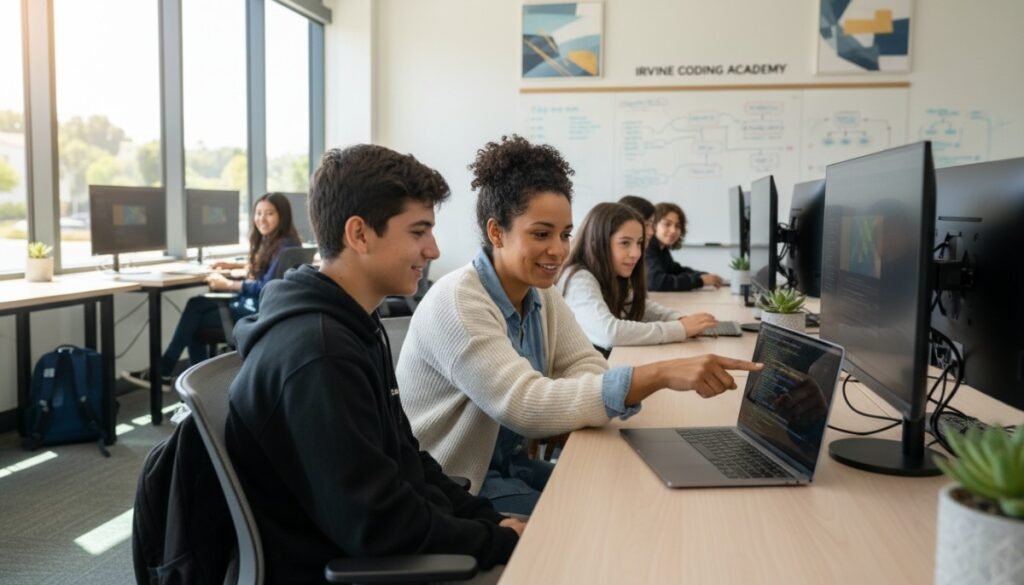
We scored each provider with the same 10-point framework so parents can compare options more fairly. The subject is coding classes and coding tutoring for students in Washington, DC. The article already mentions Debsie, theCoderSchool, Code Ninjas, iD Tech, and Juni Learning; we also added Boolean Girl, Lavner Education, and Black Rocket because they are relevant DC/DMV coding or STEM options.
Find the right learning experience
Tell us a little about the learner and what you are looking for. Our team will review your answers and help you identify the most suitable next step.
- Takes only a few minutes
- No payment required
- Personalised recommendations
Your information will only be used to respond to your enquiry.
Original Research-Based Provider Comparison: How We Scored These Options
Quick Score Grid
| Provider | Best For | Key Strength | Possible Limitation | Score /10 |
|---|---|---|---|---|
| Debsie | Families wanting structured online coding with guided practice | Free/low-friction start, gamified learning, live teacher partners, quizzes, progress tracking, child-safety page | Exact paid pricing is not fully itemized publicly | 9.8 |
| Juni Learning | 1:1 online coding for ages 8–18 | Strong Trustpilot profile, 1:1 format, regular tutor model | Pricing is higher; DC-local in-person option not the core model | 8.4 |
| theCoderSchool | Coaching-style coding with online or local-center model | Weekly notes, Coder Points, student portal, free trial | DC-specific pricing and coach credentials vary by location | 8.1 |
| Lavner Education | Summer tech camp at GWU Mount Vernon | Strong local campus option, many courses, low staff ratio | Mostly camp-based; tuition requires calendar/checkout visibility | 7.8 |
| Code Ninjas | Younger kids who like game-style coding | Belt/game structure and ages 5–14 focus | Pricing, instructor credentials, and safety details vary by franchise | 7.4 |
| iD Tech | One-week university-campus tech camp | Long-running camp brand at American University | Less ideal for weekly continuity and parent-visible progress | 7.2 |
| Boolean Girl | Girls and underrepresented students in STEM | Mission-driven nonprofit, DC/DMV presence, coding + robotics | Less transparent pricing and less visible individual progress system | 7.1 |
| Black Rocket | Short-term camps and partner-run STEM programs | 20+ years of STEM programming, broad course catalog | Local DC pricing, safety process, and teacher credentials not very public | 6.8 |
Debsie — Detailed Score
| Factor | Score | Evidence and Scoring Reason |
|---|---|---|
| Teacher Quality | 10 | Debsie says it works with experienced teacher partners, including independent educators; its article describes coding teachers using plain-language, project-first instruction; its outcomes page says teacher partners have public 5-star reviews. Debsie also notes offline FIDE-certified and award-winning teacher partners in its broader educator network, while recommending online access for the widest teacher choice. |
| Curriculum Structure | 10 | The DC article describes a ladder from Scratch logic to Python, web, AI demos, and app projects, with skills mapped to levels and projects. |
| Personalization | 10 | Debsie states lessons adapt to age, level, goals, and pace, with small groups or 1:1 options. |
| Practice & Tracking | 10 | The article cites quizzes, challenge quests, parent reports, portfolios, and “what was learned / what is next” progress visibility. |
| Engagement | 10 | Debsie publishes gamified courses, points/ranks, quests, badges, and project showcases. |
| Access / Convenience | 10 | Online access needs only a device and stable internet; free trials are publicly stated. |
| Transparency | 9 | Strong safety/outcomes pages; exact paid lesson prices are not fully itemized publicly. |
| Confidence Signals | 9 | Public outcomes/testimonials page plus disclosed child-safety policy. |
| Flexibility | 10 | Free learning options, free trial options, online learning across cities, 1:1 and small-group mentions. |
Juni Learning — Detailed Score
| Factor | Score | Evidence and Scoring Reason |
|---|---|---|
| Teacher Quality | 8.5 | Juni is listed as an online academy for ages 8–18; third-party reviews describe tutors from top US universities. |
| Curriculum Structure | 8.5 | Reviews mention Python levels and a designed curriculum, but public course sequencing is less visible than Debsie’s article-level ladder. |
| Personalization | 9 | 1:1 lessons are a clear strength. |
| Practice & Tracking | 8 | Progress reports after lessons are reported; gamified revision modules are less public. |
| Engagement | 8 | Reviewers praise enjoyment; less evidence of a full gamified ecosystem. |
| Access / Convenience | 9 | Fully online. |
| Transparency | 8 | Third-party pricing reports $140–$450/month; official public pricing detail was less directly visible in search. |
| Confidence Signals | 9 | Trustpilot shows 4.8 from 363 reviews, but Trustpilot also notes reviews are opinions and not fact-checked. |
| Flexibility | 8 | Multiple monthly lesson volumes, but primarily online 1:1. |
theCoderSchool — Detailed Score
| Factor | Score | Evidence and Scoring Reason |
|---|---|---|
| Teacher Quality | 8 | Uses “Code Coaches”; quality may vary by assigned coach/location. |
| Curriculum Structure | 8 | Covers Python, Java, AI apps, game development, and niche topics. |
| Personalization | 8.5 | Code Coaching works across levels and goals. |
| Practice & Tracking | 8.5 | Weekly notes, Coder Points, Coder Story, and student portal are strong tracking signals. |
| Engagement | 8 | Coaching model plus points system. |
| Access / Convenience | 8 | Online and in-person model; DC-specific availability must be confirmed locally. |
| Transparency | 7 | Free trial is public; public pricing examples from one location show plans around $179–$249, but not DC-specific. |
| Confidence Signals | 7.5 | Established national brand, but reviews are location-dependent. |
| Flexibility | 8 | 1:1, 2:1, classes, camps, online options. |
Code Ninjas — Detailed Score
| Factor | Score | Evidence and Scoring Reason |
|---|---|---|
| Teacher Quality | 7 | Public site says “experienced instructors,” but individual credentials are not consistently public. |
| Curriculum Structure | 8.5 | Strong belt/game-style curriculum for ages 5–14. |
| Personalization | 7 | Center-based model can be engaging, but personalization depends on franchise/staffing. |
| Practice & Tracking | 7 | Belt progression gives structure, but parent-facing progress detail is less transparent than Debsie or theCoderSchool. |
| Engagement | 9 | Game-based, dojo-style format is a major strength. |
| Access / Convenience | 7 | Good where a nearby center exists; online convenience is less central. |
| Transparency | 6 | Pricing and trial details were not clearly public on the main site. |
| Confidence Signals | 7 | Large franchise footprint, but family experience can vary by location. |
| Flexibility | 7 | Year-round programs and camps, mainly ages 5–14. |
iD Tech — Detailed Score
| Factor | Score | Evidence and Scoring Reason |
|---|---|---|
| Teacher Quality | 8 | Uses “expert tech mentors” at American University. |
| Curriculum Structure | 8 | Coding, game dev, robotics, and 3D printing are clearly listed. |
| Personalization | 7 | Camp page says interests, skill level, and goals matter, but weekly camp format limits ongoing personalization. |
| Practice & Tracking | 6.5 | Strong immersive practice; less public evidence of long-term progress tracking. |
| Engagement | 8.5 | Campus activities plus tech projects are engaging. |
| Access / Convenience | 7 | Local American University camp; seasonal rather than year-round. |
| Transparency | 7 | Course/date page exists; exact visible pricing required deeper course selection. |
| Confidence Signals | 8 | Publicly claims 25+ years and over 1,000,000 parents. |
| Flexibility | 6.5 | Great for summer, weaker for weekly continuity. |
Lavner Education — Detailed Score
| Factor | Score | Evidence and Scoring Reason |
|---|---|---|
| Teacher Quality | 8.5 | Lavner states it hires less than 3% of applicants and uses top-tier instructors. |
| Curriculum Structure | 8.5 | 50+ weekly courses at GWU Mount Vernon, including coding, AI, Roblox, Minecraft, robotics, and game design. |
| Personalization | 8 | Campers grouped by age and ability; multiple curriculum levels. |
| Practice & Tracking | 7 | 22.5–25 hours/week is strong practice; long-term progress reporting is less public. |
| Engagement | 8.5 | Hands-on learning, outdoor breaks, and fun activities. |
| Access / Convenience | 7.5 | Local GWU campus; camp hours, early arrival, extended day, and private lessons available. |
| Transparency | 7 | $79 registration fee is public; tuition is in the camp calendar/checkout rather than plainly shown in captured text. |
| Confidence Signals | 8 | Trustpilot shows 203 reviews; safety policies are detailed. |
| Flexibility | 7 | Many camps and private lessons, but seasonal. |
Boolean Girl — Detailed Score
| Factor | Score | Evidence and Scoring Reason |
|---|---|---|
| Teacher Quality | 7 | Nonprofit focused on girls and underrepresented youth; public instructor credentials are less detailed. |
| Curriculum Structure | 7.5 | Coding, robotics, AI, engineering, teamwork, and digital citizenship. |
| Personalization | 7 | Mission fit is strong; individual pacing details are less public. |
| Practice & Tracking | 6.5 | Hands-on instruction is clear; parent-visible progress tracking is not highly public. |
| Engagement | 8 | Creative clubhouse model and social learning. |
| Access / Convenience | 7.5 | DC/DMV listings include Washington, Arlington, Bethesda, and online options. |
| Transparency | 6.5 | Pricing was not clearly visible in the captured public pages. |
| Confidence Signals | 7 | 501(c)(3), founded in 2014; some local parent discussion is positive but anecdotal. |
| Flexibility | 7 | Clubhouses, camps, online education. |
Black Rocket — Detailed Score
| Factor | Score | Evidence and Scoring Reason |
|---|---|---|
| Teacher Quality | 6.5 | 20+ years in STEM programs, but public instructor credentials are not deeply visible. |
| Curriculum Structure | 7.5 | Courses include STEM, STEAM, online, in-room, camps, and after-school programs. |
| Personalization | 6.5 | Mostly program/course-based; personalization details are limited. |
| Practice & Tracking | 6.5 | Project-based camp model; less visible ongoing homework/progress tracking. |
| Engagement | 8 | Game, coding, robotics, and creative-tech themes are engaging. |
| Access / Convenience | 7 | Online and partner-location options; DC-specific public detail is less clear. |
| Transparency | 6 | Local pricing and safety details were not easy to verify publicly. |
| Confidence Signals | 7 | Longevity is a plus; independent parent-review volume for DC is less clear. |
| Flexibility | 7 | Online, in-room, after-school, and camp formats. |
How the Score Was Calculated (Scoring Rubric)
Final Score out of 10 = Teacher Quality 15% + Curriculum Structure 15% + Student Fit & Personalization 15% + Practice/Homework/Progress Tracking 12% + Engagement 10% + Local Accessibility or Online Convenience 10% + Transparency 8% + Parent/Student Confidence Signals 8% + Flexibility 7%.
In plain English: we gave the most weight to teacher quality, curriculum, and personalization because those decide whether a child actually learns. Practice, tracking, engagement, convenience, transparency, reputation, and flexibility then refine the score. A provider can be fun and still lose points if progress tracking, pricing, safety, or teacher credentials are not publicly clear.
What the Numbers Mean for Learners, Parents and Readers
Debsie scores highest because it combines the pieces parents usually have to find separately: live tutor support, structured online lessons, gamified learning, quizzes, revision, parent-visible progress, flexible access, free trial options, and a published child-safety policy. That makes it especially strong for students who need guided practice beyond one weekly class.
Juni and theCoderSchool are credible alternatives for families who want 1:1 online tutoring or a coaching-style coding setup. Juni’s public Trustpilot profile is strong, while theCoderSchool’s Coder Points, Coder Story, weekly notes, and portal make it one of the better-tracked competitors.
Lavner, iD Tech, Boolean Girl, Code Ninjas, and Black Rocket can be good fits for specific cases. Lavner and iD Tech are strongest for summer-camp intensity. Code Ninjas is appealing for younger kids who like game-style learning. Boolean Girl is valuable for girls and underrepresented students who benefit from mission-driven STEM spaces. Black Rocket is useful for short-term creative tech exposure.
Find the right learning experience
Tell us a little about the learner and what you are looking for. Our team will review your answers and help you identify the most suitable next step.
- Takes only a few minutes
- No payment required
- Personalised recommendations
Your information will only be used to respond to your enquiry.
TLDR – To Conclude
Debsie is the strongest overall choice in this comparison for DC families who want structured online coding, live teacher support, practice, quizzes, gamification, revision, progress tracking, and schedule flexibility. It is not the only good option: local camps and centers can be useful for social learning, campus experiences, or summer immersion. The best choice still depends on the student’s level, goals, schedule, budget, and whether the family wants a one-time camp or a steady learning system.
Kids in Washington, DC see tech everywhere—apps, maps, robots, and AI. Many want to build things too. This guide shows a simple way to get there fast: strong online coding tutoring. The intro is short on purpose. The rest goes deep, with real steps you can use today.
What’s Unique in Online Coding Tutoring—and Do You or Your Child Need It?
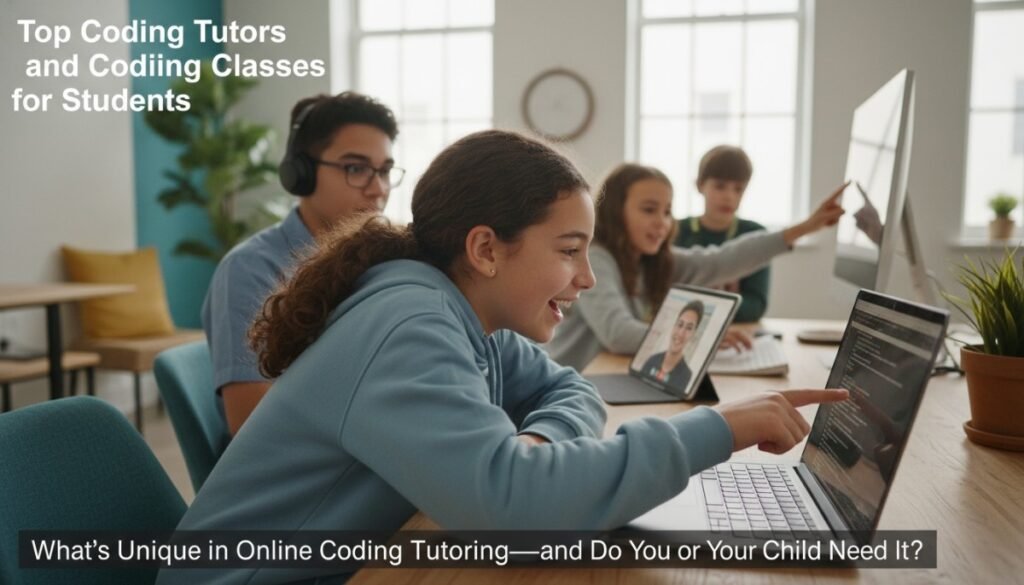
Online coding tutoring is not just a video call. When it’s done right, it is calm, focused, and personal. It blends a live teacher, a clear plan, and hands-on building. Your child learns by doing, in small steps, with quick help when stuck.
The lesson fits their level. The goal is steady progress they can feel each week.
You may need online coding tutoring if you want learning that fits your life, not the other way around. In DC, days are busy. There are clubs, sports, and long commutes. Online tutoring cuts the commute to zero.
It gives back time and energy. It replaces traffic stress with actual coding time.
You may also need it if your child is either bored or lost in a big group class. Online lets the teacher right-size the work. It keeps the lesson short and active. It gives instant feedback so mistakes turn into learning moments. Parents see the plan. Kids see the wins. That is what keeps momentum going.
Ask yourself a few simple questions:
- Do you want a clear path, not random activities?
- Do you want a warm teacher who speaks plainly and listens?
- Do you want real projects your child can show you?
- Do you want to build focus, patience, and problem solving, not just pass time?
- Do you want a plan that keeps going even when life gets busy?
If you nodded even twice, online tutoring is likely a fit for your family.
Landscape of Coding Tutoring in Washington, DC—and Why Online Is the Right Choice

DC has many ways to learn code. You will see after-school clubs at neighborhood schools. You will see weekend camps. You will see community centers. You will see private tutors who meet at libraries and coffee shops. Choice is good. But the fit matters more.
Here’s what many DC families tell us after trying in-person classes. The group is mixed in skill, so some students wait while others catch up. Schedules are fixed. If you miss a class due to a school event or traffic, you fall behind.
Parking takes time. Energy drops before class even begins. Between sessions, help is hard to find. The curriculum sometimes feels like a grab bag—fun on Saturday, but scattered by Monday.
Online tutoring—when designed with care—fixes these pain points. You start on time because you already are home. The level matches your child. The teacher knows their strengths and gaps. The curriculum is a ladder, not a patchwork.
Each step builds the next. The tools live in the cloud. Your child can open a project with one click. Feedback is quick. The wins are small and steady and add up over months.
In a city that runs on ideas and policy, the best learning plan is the one that actually happens. No car. No hunt for parking. No “we’ll try again next week.” Online removes friction so your child spends time on the thing that matters—coding with guidance.
How Debsie Is the Best Choice for Coding Training in Washington, DC

Debsie is our #1 pick for DC students. Here is why, in very simple words.
Debsie is an online learning home for coding and STEM. It mixes live classes with expert teachers, a clear level-based path, and a playful world of quests and challenges. Lessons use short steps and friendly language. Students build real things. They test, break, fix, and share. Parents see what happened and what comes next.
Who is it for? Ages 6–18. True beginners who need a soft start. Curious builders who want to make games, websites, or apps. Advanced teens who want to go deeper and ship bigger projects. Debsie adapts to each learner. The work is “just right”—not too easy, not too hard.
How a Debsie class flows: warm up the brain with one tiny problem, learn one small idea, build with help, show what you made, try a little stretch. This rhythm is calm, clear, and kind. It helps shy kids speak up and bold kids slow down enough to explain their choices. Both grow.
The learning path is a ladder with small rungs. Start with Scratch logic. Cross to Python with simple tools and games. Learn HTML, CSS, and JavaScript for interactive pages.
Explore tiny AI demos to learn how models “think” and how to use them with care. Move into app projects that solve real problems in your world. Add microcontroller fun at home if you like. Every step ends with a thing you can show.
Why Debsie stands above other programs you’ll find in DC:
- Personal pace so your child stays engaged.
- Real teachers who talk in plain words and invite questions.
- Project-first lessons that make ideas stick.
- Gamified progress tied to real skills, not random points.
- Parent reports that are short, clear, and useful.
- A safe, global community that cheers each other on.
- A portfolio that grows over time—proof of skill, not just grades.
Debsie also builds life skills: focus in short sprints, patience when the code fights back, and smart thinking to break big problems into small steps. These habits help in school and in life.
Your next step is simple. Book a free trial class. Watch your child build something real in the very first session. Feel the tone. See the plan. Decide with confidence.
Best Coding Academies in Washington, DC

Below are top choices you may consider. Debsie is first with full detail. Others are listed with light notes so you can compare and choose simply.
1:. Debsie (Rank #1 — Best Overall for DC Families)

Teaching style you will notice from day one
Plain words. Gentle pace. Real building. The teacher listens. Mistakes are normal, even welcome. The goal is not to “get through slides.” The goal is to grow a builder’s mind—curious, calm, and brave.
What students build early on
New learners make small games and animations and then customize them. Early Python students write tiny tools like a name generator, a number puzzle, or a simple chatbot that replies with rules they set. Web learners design a page about a favorite topic and add buttons that do things.
Each project is small enough to finish and big enough to feel proud.
How progress is tracked
Debsie maps skills to levels: loops, conditionals, variables, functions, events, objects, data, and more. Each level ends with a project. Parents see exactly what was learned, what needs practice, and what is next. You know where your child stands.
How Debsie supports busy DC weeks
Sessions are focused and short. If you travel or have a late school event, you can still join from a laptop. If you need to move a session, the team helps. The goal is consistency, not perfection. Steady beats frantic every time.
How Debsie helps shy or anxious learners
The share time is small, structured, and kind. Students show one idea they tried. They get applause. Over time, shy students find their voice. They learn to explain their work in clear, simple words. That skill lifts them in every subject.
How Debsie challenges advanced learners
Higher tracks go deeper with Python, web apps, and tiny ML demos. Students plan features, log tasks, refactor code, and present updates like a mini team. They ship projects that feel real. They learn craft, not just syntax.
Support between classes
Office hours for quick help. Challenge quests for extra practice. A safe community space to ask and share. Parents can message for guidance on tools and next steps. It’s a whole system, not just a class.
Why Debsie is our #1
Debsie brings together expert teachers, a gentle structure, real projects, and clear reports. Small wins stack into strong skill. Skill builds confidence. Confidence opens doors. That’s what families want most.
Take action now
Book your free trial class. Let your child ship a tiny project on day one. See the smile. Hear, “I made this.”
2: The Coder School (DC Metro)
The Coder School runs coaching-style lessons in many cities. Some DC families like the club feel. Experiences can vary by coach and location. For parents who want a single online system with a clear ladder, steady teacher quality, and no commute, Debsie usually fits better for the long run.
Why Debsie is stronger: a unified curriculum, project-first learning every session, and a progress view parents can trust.
Find the right learning experience
Tell us a little about the learner and what you are looking for. Our team will review your answers and help you identify the most suitable next step.
- Takes only a few minutes
- No payment required
- Personalised recommendations
Your information will only be used to respond to your enquiry.
3: Code Ninjas (Multiple Locations Near DC)
Code Ninjas uses a belt system with game themes. It’s playful and can be a good start. Center times are fixed. Drop-ins depend on location. For deeper growth with feedback at home, and for a pace that adapts each week, Debsie’s live online model is often the easier, stronger choice.
Why Debsie is stronger: right-sized lessons, projects that build a real portfolio, and flexible scheduling that actually sticks.
4: iD Tech (Camps and Online)
iD Tech offers popular camps and online courses. Camps add excitement for a week. After camp, many students need steady guidance to keep going. Debsie gives that weekly rhythm and keeps the same warm teacher in your child’s corner, which leads to real, lasting skill.
Why Debsie is stronger: continuity, calm pacing, and a path that keeps moving after the camp glow fades.
5: Juni Learning (Online)
Juni Learning provides online courses with a range of topics. The experience depends on the instructor you get and the plan you pick. If you want gamified motivation tied to a simple ladder, plus frequent small projects and clear parent updates, Debsie’s all-in-one design often feels easier to follow and more fun to keep.
Why Debsie is stronger: a single, playful system that connects classes, quests, showcases, and reports.
Offline Coding Training

Offline classes can be lively. Some kids enjoy the room energy. You can see the teacher face to face. But in DC, offline also means strict times, long commutes, and mixed-skill groups. It often means slower feedback because one teacher has many students at once.
It can also mean a curriculum that jumps around—fun bits here and there—without a clear ladder that builds true skill.
Parents often start offline. Many come back to online because it is simpler to keep, week after week. Learning works when it is steady, clear, and close to home.
Drawbacks of Offline Coding Training

Let’s stay gentle and honest.
Offline eats time in travel. It drains energy. It forces your child into the speed of the group, even if that speed is wrong for them. If a school play or a soccer game lands on the same day, you miss class and lose the thread. Between classes, help can be rare. You may see a worksheet and hope it means growth, but it is hard to know.
Some centers do their best. But the friction adds up. Kids learn best when they can focus, ask quick questions, and keep a rhythm. Online gives that rhythm room to live.
Why Online Coding Training Is the Future

The tech world is online. Teams plan online. They code, test, and share online. Kids should learn in the same style, scaled for their age.
Online training gives access to strong teachers no matter your neighborhood. It adapts the level each week. It uses cloud tools, so your child can work anywhere with a browser. It builds habits that matter: read the error, try a fix, test, explain your thinking. These habits travel across subjects.
Online also helps parents. Reports are simple. Schedules are flexible. Practice keeps going during travel, holidays, or busy seasons. When life gets messy, learning stays steady. That is why online is not a backup plan. It is the plan that works now.
How Debsie Leads the Online Coding Training Landscape

Debsie shines because all the parts fit. It is not one shiny feature. It is a system that cares about the child and the craft.
Human-first teaching
Teachers speak in short, clear lines. They draw, they demo, they pause. They let students try, fail safely, and try again. They celebrate smart effort. This grows courage. Courage grows skill.
A ladder with small steps
Each new idea is taught with a tiny project you can finish. That quick finish gives pride. It also locks in memory. Over weeks, tiny projects become bigger builds. The climb feels real and doable.
Projects that look like the real world
Students plan small features, name files cleanly, and write comments that explain why, not just what. They refactor messy code and see how clarity makes things easier. They present updates. They learn that code is a craft with standards and care.
A game layer that means something
Points and badges align to real milestones: debug streaks, clean refactors, steady commits, clear demos. Leaderboards cheer effort. Kids stay motivated because progress is visible and fair.
Parent clarity without extra work
Updates are short and specific. You see what was learned, where your child struggled, and what is next. You know how to cheer them in a way that helps. No extra research needed.
Flexible structure for real DC life
Pick times that fit. Keep one or two steady sessions. Adjust when needed. Because there is no commute, you keep more evenings calm. Calm makes learning better.
Inclusion and care
Debsie welcomes different speeds, voices, and needs. Shy students gain voice. Fast movers learn to slow down and improve quality. Everyone learns to listen, explain, and respect.
A portfolio that grows
From first Scratch games to web pages and Python tools, students collect real work. They can show it to grandparents, club leaders, teachers, or internship programs later. It is proof you can see.
A global learning room
Kids meet peers from other places. They share ideas and styles. They learn to give kind feedback and to accept it. That is a life skill as much as a coding skill.
The feeling that keeps them coming back
“I can figure this out.” That sentence is the heart of Debsie. It shows up when a child solves a bug, explains a choice, and ships a small feature. Debsie designs every class to reach that feeling.
A Simple Action Plan for DC Families
Here is a plan you can follow this month.
Start with a free trial class at Debsie. Let your child write a few lines and ship a tiny project. After class, ask what they built. Hear the steps in their own words. Then pick a steady weekly slot.
Keep the rhythm even on busy weeks. Celebrate small wins. Plan a little family showcase in eight to twelve weeks. Review the portfolio each term and set one new goal. Repeat.
This plan is simple. It works because it respects how kids grow—little by little, with care and pride.
Quick, Honest FAQs
Is Debsie good for true beginners?
Yes. Debsie starts at the true beginning, with friendly steps and a lot of help.
Will an advanced teen be challenged?
Yes. There are deeper tracks, larger projects, and 1:1 options to push growth.
What gear do we need?
A laptop and a stable internet connection. Debsie provides beginner-friendly tools to get going.
How big are classes?
Small groups or 1:1. Every student is seen and helped.
When will I see progress?
Many parents see more confidence in weeks. The project list grows each month. The portfolio becomes real proof.
Offline vs Online for DC—A Clear, Calm View

Offline can be social and fun for a short time. But it brings strict schedules, commuting stress, and uneven pacing. Online, when done well, turns every minute into learning. Your child codes more and gets help faster. You keep the habit going all year. That is what builds skill that lasts.
Debsie is built for that kind of growth. It is not only an online class. It is a kind, structured home for learning to code. It turns interest into skill and skill into confidence.
Closing Note for Washington, DC Parents and Students

You do not need to find a “perfect” program on day one. You just need one real step that lets your child feel a small win and see a clear path. Debsie makes that step easy. The trial class is free. The teaching is warm. The plan is simple. The work is real.
If you want your child to become a calm, creative problem solver—to sit down, breathe, and say, “Let me try another way”—this is your moment.
Take the next step now: Book your free trial class at Debsie. Watch your child build something in the first session. See the smile. Hear, “I made this.” Then keep going—one small win at a time—right here in Washington, DC, a city that runs on ideas and action.
Other Comparisons:

Ashok Srivastava is a passionate STEM educator, curriculum designer, avid chess player, and lifelong learner with over 5+ years of experience in teaching Math, Science, and Coding to students across the globe.
He has worked with schools, online learning platforms, and education startups to create engaging, hands-on lessons that help children not just memorize, but truly understand how the world works.
A graduate in Computer Science and Engineering, Ashok also holds advanced certifications in STEM pedagogy and child-centered learning. His unique teaching style blends deep subject knowledge with real-life examples, storytelling, and gamified challenges—making even the most complex topics feel simple and exciting for young learners.
Ashok is also a dedicated chess player with a FIDE rating of 2091. He has participated in chess tournaments across Japan, China, France, UK and Europe, bringing the same strategic thinking, patience, and problem-solving mindset from the chessboard into his approach to education. Ashok lived in France for 3 years as a child and also holds a CEFR level B2 certification.
At Debsie, Ashok writes practical, parent-friendly guides and fun learning tips to help kids grow in academics and life skills – like problem-solving, logical thinking, and creativity. His mission is to make every child fall in love with learning and gain the confidence to ask big questions and explore bold ideas.
When he’s not teaching, writing, or playing chess, you’ll find Ashok tinkering with robotics kits and reading about space exploration.