The article compares physics tutoring for school students across Sikkim, including Gangtok, Namchi, Gyalshing and Mangan. The following analysis uses a weighted scoring model so families can compare teaching, practice, convenience, safety, pricing and public evidence on the same basis.
Find the right learning experience
Tell us a little about the learner and what you are looking for. Our team will review your answers and help you identify the most suitable next step.
- Takes only a few minutes
- No payment required
- Personalised recommendations
Your information will only be used to respond to your enquiry.
Original Research-Based Provider Comparison: How We Scored These Options
The existing article names Debsie but describes the alternatives only as general categories: local classroom coaching, a regional test-prep brand, home-tuition networks and national online content libraries. To make the comparison verifiable, we matched those categories with four providers publicly available to Sikkim learners: Superprof, UrbanPro, Vedantu and Physics Wallah.
Scores reflect information publicly visible in July 2026. A missing public detail does not prove that a service lacks the feature; it means parents should verify it before paying.
| Provider | Best For | Key Strength | Possible Limitation | Score /10 |
|---|---|---|---|---|
| Debsie | Guided, structured online physics | Live support, small-step practice, quizzes and parent visibility | Physics-specific tutor biographies and pricing should be confirmed during the trial | 9.58 |
| Vedantu | Personalised one-to-one tuition | Established live-class system and free demo | Current physics pricing is not consistently displayed on the main course pages | 8.57 |
| Physics Wallah | Affordable exam preparation | Large syllabus, question bank and JEE/NEET depth | Primarily batch-led; individual attention varies by product | 8.26 |
| Superprof Sikkim | Selecting an individual local tutor | Public profiles, hourly rates and local choice | Curriculum and progress systems depend on the tutor | 7.23 |
| UrbanPro Gangtok | Finding online or in-person tutors | Broad Gangtok tutor marketplace | Tutor quality, safety processes and learning structure vary | 6.67 |
Debsie — 9.58/10
| Factor | Score | Evidence and scoring reason |
|---|---|---|
| Teacher Quality | 10 | Debsie publishes teacher-partner standards, encourages credential verification and offers access to teachers across locations. Its FIDE-certified and award-winning partners relate primarily to chess, not proof of physics credentials; families should request the assigned physics teacher’s qualifications. |
| Curriculum Structure | 10 | The Sikkim article describes term maps, weekly goals, board alignment, topic sequencing and exam-aware reasoning. |
| Student Fit & Personalization | 10 | Small groups, pace adjustment, one-to-one support slots and two-week plans are described. |
| Practice & Tracking | 9.5 | Micro-problem sets, quizzes, spaced revision, streaks, points and weekly parent notes are documented. |
| Engagement | 9.5 | Gamified activities, badges, home experiments and interactive demonstrations are built into the stated model. |
| Convenience | 10 | Fully online access removes travel across Sikkim’s dispersed towns and hill routes. |
| Transparency | 8.5 | Debsie publishes its safety system and general pricing—currently US$100 monthly for two weekly small-group classes—but physics-specific pricing is not clearly separated. |
| Confidence Signals | 8 | Public outcome examples exist, although much of the detailed outcomes page currently concerns chess rather than physics. |
| Flexibility | 9.5 | Free trial, online access, small groups, doubt support and schedule adaptation are described. |
Evidence: Debsie’s Sikkim page specifies CBSE, ICSE/ISC and State Board alignment, live small groups, short quizzes, revision and weekly reporting. Its safety policy describes parent-teacher-manager WhatsApp groups, parent observation, credential requests, data protections and a full-month refund following serious safety concerns. Its platform also visibly supports points, streaks and saved lesson progress.
Trial, price and safety: Free trial advertised; general small-group price US$100 per month for two classes weekly. Physics-specific price: not publicly clear. Safety policy: publicly documented.
Vedantu — 8.57/10
| Factor | Score | Evidence and scoring reason |
|---|---|---|
| Teacher Quality | 9 | Physics tuition is offered through specialist online tutors; Vedantu advertises selected teachers, though individual allocation still matters. |
| Curriculum Structure | 9 | Class 6–12, boards and entrance-exam pathways are clearly represented. |
| Student Fit & Personalization | 9 | One-to-one physics tuition and needs-based testing are available. |
| Practice & Tracking | 8 | Tests and gap identification are described, but exact reporting varies by course. |
| Engagement | 8 | Live interactive classrooms are stronger than recorded-only study. |
| Convenience | 10 | Online nationwide access and free demos. |
| Transparency | 7 | Course formats are visible, but current prices often require enquiry. |
| Confidence Signals | 8 | Trustpilot shows an approximately four-star profile from 266 reviews; Vedantu publishes a 4.5/5 internal testimonial rating. |
| Flexibility | 8 | One-to-one and broader online-course options are available. |
Trial, price and safety: Free demo available. A current third-party pricing review reports one-to-one classes from about ₹1,400 an hour and groups from about ₹400 an hour, but parents should obtain a written quotation. Vedantu advertises private one-to-one classes; a consolidated child-safety policy was not readily visible in this review.
Find the right learning experience
Tell us a little about the learner and what you are looking for. Our team will review your answers and help you identify the most suitable next step.
- Takes only a few minutes
- No payment required
- Personalised recommendations
Your information will only be used to respond to your enquiry.
Physics Wallah — 8.26/10
| Factor | Score | Evidence and scoring reason |
|---|---|---|
| Teacher Quality | 8.5 | Strong public faculty presence and substantial physics/exam-prep specialisation. |
| Curriculum Structure | 9 | Extensive school, JEE and NEET pathways, notes and past-paper resources. |
| Student Fit & Personalization | 6 | Most major products are batch-based rather than individually paced. |
| Practice & Tracking | 9 | Dashboard tracking, tests and large practice banks are advertised. |
| Engagement | 8 | Live classes and app-based tools support regular participation. |
| Convenience | 10 | Online access throughout Sikkim. |
| Transparency | 8 | Many batch prices and inclusions are published, although fees vary widely. |
| Confidence Signals | 9 | Large national footprint; however, PW’s small Trustpilot sample was 2.5/5 from 11 reviews when checked, so that signal should not be over-weighted. |
| Flexibility | 7 | Broad course selection, but less tutor-level customisation than one-to-one tuition. |
Trial, price and safety: Some CuriousJr pages advertise free classes. Prices differ by batch and exam year, so the exact course page should control. A clear physics-tutoring-specific safety policy was not publicly clear.
Superprof Sikkim — 7.23/10
| Factor | Score | Evidence and scoring reason |
|---|---|---|
| Teacher Quality | 8 | Local profiles show qualifications, experience and reviews, but standards vary by tutor. |
| Curriculum Structure | 6 | Each tutor creates their own plan. |
| Student Fit & Personalization | 8 | Private tuition can closely match pace and goals. |
| Practice & Tracking | 5 | No uniform homework or reporting system is evident. |
| Engagement | 6 | Depends on the selected teacher. |
| Convenience | 9 | Online and face-to-face options around Gangtok and Sikkim. |
| Transparency | 8 | Profiles commonly show hourly prices and formats. |
| Confidence Signals | 7 | Tutor-level reviews help, but Superprof India’s small Trustpilot sample was 2.3/5 from ten reviews. |
| Flexibility | 9 | Broad tutor and scheduling choice. |
Trial, price and safety: Sikkim listings start near ₹500 an hour; visible Gangtok examples range from roughly ₹200 to ₹1,000 an hour, with many offering a first class free. Platform-wide child-safety supervision and progress monitoring are not publicly clear; arrangements should be checked with each tutor.
UrbanPro Gangtok — 6.67/10
| Factor | Score | Evidence and scoring reason |
|---|---|---|
| Teacher Quality | 7 | Numerous Gangtok profiles exist, including tutors studying or holding physics degrees. |
| Curriculum Structure | 5 | No consistent marketplace-wide physics pathway. |
| Student Fit & Personalization | 8 | Private online or home tuition can be customised. |
| Practice & Tracking | 5 | Depends on the tutor rather than a common system. |
| Engagement | 5 | Tutor-dependent. |
| Convenience | 9 | Online and local Gangtok options. |
| Transparency | 7 | Profiles and reviews are visible, but final pricing may require contact. |
| Confidence Signals | 6 | Trustpilot shows an approximately four-star profile from 360 reviews, while separate complaint forums also contain service complaints. |
| Flexibility | 9 | One-to-one, group, online and in-person options. |
Trial, price and safety: UrbanPro advertises free demos on some tuition pages. Gangtok home tuition is estimated at ₹300–₹800 an hour. Tutor screening, safeguarding and cancellation conditions should be confirmed for the individual booking.
How the Score Was Calculated (Scoring Rubric)
Each factor received 0–10 points. We then applied:
Final score = Teacher Quality ×15% + Curriculum ×15% + Personalization ×15% + Practice/Tracking ×12% + Engagement ×10% + Convenience ×10% + Transparency ×8% + Confidence Signals ×8% + Flexibility ×7%.
For example, Debsie’s three 10/10 scores in the highest-weighted categories contribute 4.5 points before the remaining factors are counted. Marketplace providers lose points not because every tutor is weak, but because curriculum, safeguarding and progress reporting are not consistent across all tutors.
What the Numbers Mean for Learners, Parents and Readers
Debsie ranks first for families wanting a connected learning system: live teaching, planned practice, quizzes, revision, motivation tools and parent-visible updates. Its largest evidence gap is that families still need to verify the assigned physics tutor’s identity, credentials and final physics price.
Vedantu is the strongest alternative for formal one-to-one online tuition. Physics Wallah is compelling for affordable, syllabus-heavy JEE/NEET preparation, especially for independent students comfortable in batches.
Superprof and UrbanPro may be better for families determined to find an in-person Gangtok tutor. Their success depends more heavily on choosing the right individual, so parents should ask for a written study plan, sample feedback report, credential proof and safeguarding arrangements.
TLDR – To Conclude
On the published evidence, Debsie is the strongest overall fit for Sikkim learners who need structured online lessons, tutor support, short practice sets, quizzes, gamified motivation and visible progress. Vedantu leads among larger one-to-one platforms, while Physics Wallah is particularly strong for lower-cost exam preparation.
No score replaces a trial. The final decision should reflect the child’s level, board, examination goals, internet access, preferred class size and need for either in-person contact or frequent guided practice.
Physics looks big, but it can feel simple when taught with care. It is the story of motion, light, sound, heat, and charge—the quiet rules that run our world. For students in Sikkim—whether you live in Gangtok, Namchi, Gyalshing, Mangan, or a quiet hill town—the right guide makes all the difference. With a kind teacher, a clear plan, and steady practice, hard ideas turn into small, easy steps. Marks rise. Fear drops. Curiosity grows.
This guide will help you pick the best path. You will see why online physics training gives your child a calm, focused way to learn from home. You will learn how a strong program should work—short lessons, live help, simple words, and hands-on demos you can do with things at home. We will also compare options in and around Sikkim. We will keep Debsie at number one because we teach in a way that is gentle, structured, and proven. Our classes are live, small, and fun. Our practice is gamified, so children feel proud and keep going. Parents get clear weekly updates. Students get real, deep understanding—not just notes to memorize.
If you want your child to say, “I get it now,” this is for you. Read on to learn how online physics can fit your family’s routine, how to avoid common study traps, and how Debsie leads with a warm heart and a sharp plan.
Ready to see the change yourself? Book a free Debsie trial class today.
Online Physics Training
Online physics, when done right, feels calm and clear. The child sits at home, in a quiet corner. The class starts on time. The teacher smiles, says hello by name, and begins with a tiny story or a quick demo. The idea is small. The words are simple. The pace is steady. The child answers one question. Then another. Confidence grows.
This is not a long video that plays while the child zones out. This is a live room with a real mentor who can see where the child slows down. The mentor explains again, but in a new way—using a picture, a chart, or a small home activity. If the child is shy, they can type in the chat. If they miss a point, they can replay the tricky part after class. Step by step, hard ideas turn friendly.
Good online training is built like a neat ladder. Each rung is close to the next. No big jumps. We first show the idea. Then we test it with one tiny task. Then we let the child try on their own. Right after, we give short feedback: one thing to keep, one thing to fix. At the end, we leave with a “quick win” the child can do in five minutes that night. Next class, we bring the idea back in two minutes so it sticks. This is how learning becomes light and strong at the same time.
Let’s make this real with a short flow you might see in a Debsie class:
- A ball rolls down a book. We ask, “Why did it speed up?”
- On screen, a slider changes the slope. The speed-time graph changes shape.
- The mentor says, “More tilt means more pull along the slope.”
- The child solves two micro problems. They check answers right away.
- A small badge pops up for careful work. The child smiles.
This is the power of online when it is designed with care. It helps the mind focus. It saves time. It keeps practice short and smart. It gives parents a clear view without stress.
If you want to see this format in action, book a free Debsie trial class. Sit with your child for the first five minutes. You will feel the difference.
Landscape of Physics Tutoring in Sikkim and Why Online Physics Tutoring is the Right Choice

Sikkim is beautiful and spread across hills and valleys. Many students live in or near Gangtok, Namchi, Gyalshing, and Mangan. Some stay farther out, where a coaching center can be an hour away. In rain or fog, travel takes longer. By the time a child reaches class, they may be tired. By the time they return, the evening is gone. Homework becomes a rush. Sleep gets cut. Focus drops.
Even inside the cities, many centers run big batches. In a room of forty or more, a quiet child may not get to ask a single doubt. Some tutors explain well, but the pace is fixed by the group. If the class moves on while your child is still confused about a small step—say, the slope of a distance-time graph—that tiny doubt grows. Two weeks later, it feels like a wall.
Online solves these real problems in simple ways:
- You choose a class that fits your child’s level and time. No bus rides. No lost evenings.
- Your child can ask doubts without fear. They can type, speak, or book a short “doubt pod.”
- Replays help. If a step felt fast, watch it again at night.
- Parents can see a neat weekly plan and a short report. You know what to support at home.
- If your child misses a session due to a family event or a festival, they can catch up. No panic.
Online is not “less than.” In fact, when it is structured, it is often “more than.” It gives a clean path, quick support, and space to think. For a state like Sikkim, where distance and weather can affect routine, online keeps learning steady all year.
To test if this fits your child, try a small step first. Join Debsie’s free trial class. See how your child reacts to the flow. Ask the mentor how we will handle your child’s exact weak spots. Make a choice with calm, not guesswork.
How Debsie is The Best Choice When It Comes to Physics Training in Sikkim
At Debsie, we teach physics with a warm heart and a sharp plan. We keep words short and ideas clear. We move at the child’s pace. We make practice feel like a game, but the game is not fluff—it is careful, spaced work that strengthens memory and speed.
Here is what sets Debsie apart for students across Sikkim:
Clear path, no confusion
We map the whole term before we start. Each week has a simple goal. For Class 8–10, we build strong basics with real-life hooks. For Class 11–12, we go deeper while keeping language easy. Each class ends with a tiny review and a two-minute “preview” of the next step. The child always knows where they are on the path.
Live, small-group classes
We keep classes small so each child gets time. The mentor calls names, invites ideas, and fixes small mistakes right away. If a child is quiet, the mentor checks in gently. No one is left behind. If a doubt needs extra care, a short doubt pod opens after class.
Gentle words, strong thinking
We avoid heavy jargon. We use simple stories and pictures. But we also build deep sense. We ask “why” often. We use unit checks and quick reason checks. We teach children to spot traps, not just to memorize steps. This is what helps in boards and in exams like JEE/NEET later on.
Gamified practice that sticks
We do not give fifty problems at once. We give five today, five tomorrow, with smart spacing. We track which idea is fading and bring it back with a four-question snack. We use badges for care, not just for speed. Kids feel proud, keep streaks, and return by choice.
Mini labs at home
We turn homes into tiny labs using safe items: a torch, a mirror, a cup of water, a rubber band, a string, coins, a ruler, a phone timer. When a child sees a ray bounce or a shadow shift, the idea becomes real. Real stays.
Board-ready, exam-aware
We align with CBSE, ICSE/ISC, and State Board needs. For Classes 11–12, we add gentle reasoning drills that build skills for entrance tests. We keep this stress-free. Concept first, speed later. Students do not burn out.
Weekly parent notes
You get a short update in plain words: “Done. Needs help. Next steps.” Before tests, you receive a mini plan for the week. After tests, a calm summary shows strengths and one focus area. No surprises.
Kind mentors, quick support
Our teachers are patient and trained to explain in clean language. They guide, not scold. They listen. They give one thing to fix at a time so the child does not feel overwhelmed. If your child needs extra care, we set up short one-on-one slots.
A sample two-week plan for Sikkim students (Class 10, Boards focus)
Find the right learning experience
Tell us a little about the learner and what you are looking for. Our team will review your answers and help you identify the most suitable next step.
- Takes only a few minutes
- No payment required
- Personalised recommendations
Your information will only be used to respond to your enquiry.
- Week 1: Motion—graphs, slope, and simple numericals. Then Forces—balanced vs unbalanced, daily-life hooks (pushing a shelf, pulling a bag).
- Week 2: Work, Energy, Power—clear rules with tiny home demos. Light—reflection with a mirror activity. Short checkpoint quiz on Saturday. Calm feedback on Sunday.
Topic deep-dives (how we teach tough chapters simply)
1) Electricity (Ohm’s Law and Circuits)
We begin with a simple picture: battery, wire, bulb, switch. We call voltage “push,” current “flow,” resistance “narrow road.” We build the law in one sentence: “More push means more flow; a narrow road means less flow.” We use a virtual kit to change values and watch the numbers move. Three types of problems follow: find V, find I, find R. We teach neat steps: write “Given,” write the formula, plug values with units, then check if the answer feels right. A small “trap list” warns against common errors like mixing kΩ with Ω. A four-question quiz the next day locks it in.
2) Forces and Free Body Diagrams (FBD)
We place a toy car on a book and tilt it. “What pushes? What resists?” We draw arrows together—clean, short, and labeled once. We practice with boxes on tables and slopes. We add friction slowly. We keep one rule in mind: sum of forces causes change. A mini game has students place the right arrow on the right spot. A doubt pod focuses on normal force, a frequent pain point.
3) Light—Ray Diagrams (Mirrors and Lenses)
We keep the drawing rules short: two principal rays, neat arrows, label only once. We use a “sign table” that never changes, so the child stops guessing signs. We handle one case at a time: object beyond 2F, at 2F, between F and 2F, at F, and between F and lens. For each, we state size and nature of image in one line. A tiny home demo with a torch and a magnifying glass shows a real image on paper. Seeing is remembering.
4) Motion in a Straight Line (Graphs)
We compare distance-time and speed-time graphs with a simple story about walking to a nearby shop, stopping to tie a shoe, and then jogging back. We read slopes as “speed.” We read area under a speed-time graph as “distance.” Two quick graph-reading tasks show how to get answers without formulas on paper. The child feels smart and relaxed.
5) Waves and Sound
We clap near a wall and count the echo delay. We change frequency on a virtual wave and see the wave tighten. We link high notes to high frequency and loud notes to big amplitude. A short problem on speed of sound makes the math part feel tidy.
6) Rotational Motion (for senior classes)
We put a sticker on a rotating plate and track angle like we track distance. We relate linear and angular speed. We test everyday sense: which opens an old tight lid faster—holding close to the center or at the rim? The child feels the idea in their hands, then writes it down.
Study routine that fits Sikkim families
Many families in Sikkim have early mornings and school buses on winding roads. Evenings can be short. We suggest a light, steady plan:
- On class days: 60 minutes live + 10 minutes of quick review at night.
- On non-class days: 15 minutes of spaced practice + 5 minutes of flash recall.
- One calm checkpoint each weekend: 20–30 minutes, then rest.
This rhythm keeps energy high and stress low. Over months, it creates strong memory and steady marks.
Why Debsie beats offline batches
Offline batches often feel rushed and crowded. There is no replay. Doubts can wait. Travel eats time. At Debsie, the session is live and small, the tools are visual, the support is fast, and the plan is stable. Your child learns in peace. You see clear progress. And if a festival, match, or family day comes up, the system adapts. Learning does not break.
If this sounds like the path you want, book your free Debsie trial class today. Meet the mentor, feel the clarity, and get a custom plan for your child.
Offline Physics Training

Offline coaching can help when the group is very small and the teacher is patient. Face-to-face eye contact can calm a nervous child. A real whiteboard can be nice. Some students also like the routine of going out for class.
But offline works best only when three things are true: the class is small, the speed fits the child, and doubts get time. If any of these are missing, the child may fall behind and feel quiet about it. In many places, rooms are crowded, the pace is set by the group, and homework is given but not checked with care. A missed step stays missed.
A good way to blend is to keep school or a local tutor for daily homework and use Debsie for concept clarity, planned practice, and spaced review. This keeps the best of both worlds. The child learns deeply online and uses that strength everywhere else.
If you want help designing a blended plan for your family schedule, join our free trial and ask the mentor for a simple two-week map.
Drawbacks of Offline Physics Training
Offline classes sound simple: go to a room, sit, listen, write. But for many students in Sikkim, this path brings hidden costs. First, travel eats time and energy. A bus ride on a winding road, rain or fog on the way back, and the evening is half gone. Tired minds do not learn well. Second, big batches make quiet children even quieter. In a room of many, a shy student may not raise a hand. Their small doubt sits inside and grows into fear by exam time.
Third, the pace is fixed by the group. If the teacher must finish a chapter this week, they will move on even if five children still need one more clear step. Fourth, there is no replay. If the child misses a small link—like why a flat line on a distance-time graph means rest—there is no way to watch that minute again at night. Fifth, homework is often a thick sheet. It feels heavy, not smart. The child does many similar sums, repeats the same tiny mistake, and no one spots it early.
Sixth, follow-up is uneven. In busy months, sheets are not checked in depth. A wrong habit hides in plain sight. Seventh, the room is the same for all levels. A very strong child gets bored; a struggling child feels lost. Eighth, life happens—festivals, family events, illness. Missing two classes feels like falling behind a train. Catch-up is hard.
None of this means offline cannot work at all. With a kind tutor, a very small group, and careful follow-up, it can help. But the truth is, these ideal conditions are rare, and even then, travel and no-replay problems remain. This is why many Sikkim families now pick online as the main track and use any local help only for small tasks. If you want to see how this lighter, smarter plan looks for your child, book a free Debsie trial class. Ask us for a simple two-week map. We will show you how to cut stress and lift clarity at the same time.
Best Physics Academies in Sikkim
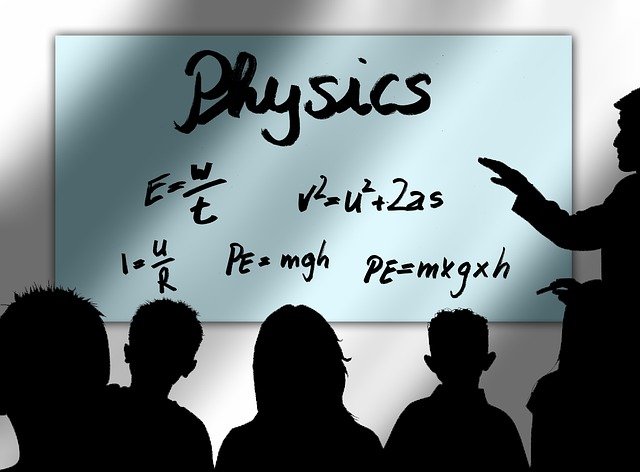
Parents ask a fair question: “Who are the good options, and which one fits my child?” Below is a clear view. We place Debsie at #1 because the teaching is simple, the plan is strong, and the results are steady. For other academies, we share short notes so you can compare. Use this guide as a starting point, then pick what truly serves your child’s needs.
1. Debsie (Rank #1)
Debsie is built for children who want calm steps, real understanding, and strong marks without fear. We teach live in small groups, use simple words, and bring every idea to life with short demos you can do at home. Lessons are not long lectures; they are active, warm sessions where the child tries, checks, and learns. Our practice is gamified in a smart way. Instead of fifty problems at once, we give tiny, spaced sets that fit into real life. This keeps memory fresh and builds speed without stress.
A Debsie session in Sikkim begins on time. The mentor greets each child by name. We start with a small hook: a ball rolling on a book, a light ray bouncing from a mirror, a coin tied to a string. The rule comes next in clear words. Then the child tries two short tasks—and gets quick feedback. If they make a sign mistake or forget a unit, we catch it there and fix it kindly. At the end, we set a tiny “quick win” for the night, something that takes five minutes and gives a small badge for careful work. This keeps the habit alive.
Our “mini labs” make physics feel real. With a torch, a cup of water, a rubber band, a ruler, and a phone timer, your child can see how light bends, how sound echoes, and how motion graphs link to daily walks. When a child touches the idea, it sticks. To prevent forgetting, our system brings old ideas back in small doses at the right time. A two-minute recall on Wednesday, a four-question snack on Friday, a calm review on Sunday. This is how memory stays strong.
We align lessons to CBSE, ICSE/ISC, and State Board needs. For Classes 11–12, we add gentle reasoning that helps with JEE/NEET/CUET without pressure. We teach unit sense, sign sense, and trap sense, so students avoid common errors. Before tests, we run short mock checks with a simple “paper playbook”: read fast, do sure shots, write given–formula–plug–unit, keep diagrams neat, and save five minutes to scan signs and units. Marks rise because thinking is clear.
Support is quick and kind. If a child is stuck, they can join a short doubt pod. If timing is tight, they can send a photo or a voice note. A mentor replies with a short voice tip or a marked sketch. Parents get a neat weekly note: what was done, what needs help, what’s next. No jargon, no stress, just a calm plan.
Here is a tiny sample of how we teach tough chapters simply:
- Electricity (Ohm’s Law): We call voltage “push,” current “flow,” resistance “narrow road.” We use a virtual kit, change values, watch numbers move. Three problem styles—find V, I, or R—lock the skill. We keep a small “trap list” on the side (kΩ vs Ω, milli vs base units).
- Forces & FBD: We draw clean arrows, label once, and add friction slowly. We practice with boxes on tables and slopes. We make the normal force clear with a tilt demo and a short doubt pod that day.
- Ray Optics: We fix signs with a simple table that never changes. We draw just two principal rays and keep the page clean. A torch and a magnifying glass at home show a real image on paper, so the diagram means something.
If your child learns best with kind words, small steps, and steady wins, Debsie will fit. Book your free trial class and feel the difference in the first ten minutes. We will also give you a two-week study plan that fits your family routine in Sikkim.
2. Local Classroom Coaching, Gangtok
This center runs regular batches for Classes 9–12. The teachers are experienced, and they follow textbook order closely. Many students attend after school. The rooms are often full, and the pace is set by the batch, not the child. Homework is given, but detailed feedback may be limited in busy months. There is no replay. Travel can be a factor on rainy days. If your child is very independent, it can work; if they need close support, Debsie’s live small groups and doubt pods will likely serve better.
3. Regional Test-Prep Brand, Sikkim & North-East
This brand focuses on exams. They have printed notes and periodic tests. Their system is organized, but classes can be large and fast. Many sessions are lecture-heavy. Students who already have strong basics may benefit. Students who need gentle steps can feel rushed. Debsie’s simple words, active demos, and spaced practice make hard ideas feel light and clear, and you can still keep a test-prep module later if needed.
4. Home Tuitions Network, Across Sikkim
This is a network of private tutors who visit homes or run micro-batches. The experience depends on the tutor you get. Some are very good and patient; others use a “copy notes, solve later” style. The plan may vary week to week. If you find a great tutor, it can help with school homework. For strong concept growth and a stable plan, many families pair Debsie for core learning and keep a local tutor for quick school tasks.
5. National Online Content Library
This option offers recorded video courses and large question banks. It is low-cost and wide in scope. Students who love self-study may enjoy it. But without live help, doubts can pile up. Without spaced guidance, practice can feel heavy and random. Debsie adds live care, small steps, and a weekly compass, which makes the journey smooth and steady.
If you are unsure which path fits, start small. Join Debsie’s free trial class, ask us for a custom two-week plan, and then decide. You should feel peace and clarity from day one.
Why Online Physics Training is the Future

Learning has moved home. Not because screens are fancy, but because the best learning is calm, clear, and steady—and that is easier to build online. In Sikkim, hills and weather can bend a routine. A single road jam can steal two hours. Online brings those hours back. It also brings a kind pace, simple words, and quick help that fits each child.
The big shift is this: online is no longer just a video. It is a live room where a mentor sees how your child thinks. The mentor can slow down for one small step, show a tiny demo with a torch or a cup, and let your child try right away. When a doubt pops up, the child can ask in chat or speak on mic. If they miss a link, they can replay that exact minute after dinner. This is not only convenient; it is better teaching.
Data helps too. Good online tools notice patterns a busy classroom can miss. If a child always slips on unit conversions, a tiny “fix-it” lesson appears the next day. If graphs feel shaky, a four-question snack returns on Wednesday. These nudges are small, but they save weeks of confusion later. Parents also get peace: a short weekly note explains what was learned, what needs help, and what is next. No chasing. No guesswork.
Online builds life skills as well. Physics is not just marks. It is focus, patience, and smart steps. The online flow—short tasks, quick checks, gentle feedback—trains the brain to work in tidy steps. Children learn to explain an idea in simple words. They learn to test a guess before locking an answer. These habits help in every subject and later in work too.
Let us ground this in a few real topic moments you might see at home.
A Class 9 child meets speed and velocity. Instead of a long lecture, the mentor tells a small story: you walk to the corner shop, stop to tie your shoe, then jog back by a shorter lane. On screen, the distance-time and speed-time graphs appear. The child moves a slider and watches the slope flatten when they “stop” and grow when they “jog.” The rule lands without big words. The child solves two tiny tasks. They smile because they can read the graph like a story. At night, a two-minute recall pops up and keeps it fresh.
A Class 10 child meets Ohm’s Law. We avoid jargon. We say “push” for voltage, “flow” for current, “narrow road” for resistance. A virtual kit lets the child change the battery and see the bulb glow more or less. Three problem types follow: find V, find I, find R. The child writes “Given,” writes the simple law, plugs values with units, and checks if the number makes sense. The next day, a mini “trap list” shows common slips: milli vs base units, kilo-ohms vs ohms. The habit gets clean early.
A Class 11 child meets SHM. We start with a swing. We talk about how a pull back creates a gentle restoring force. We draw a clean graph of position and time. We link energy: when the swing is highest, speed is lowest. One neat template solves most exam questions. The child stops fearing the chapter.
A Class 12 child meets Ray Optics. We slow down for one class to fix signs once and for all. We keep a small sign table on the side and never break it. We draw only two principal rays, no clutter. A quick home demo with a magnifying glass makes a bright dot on paper. The picture becomes real.
In each case, online is strong not because it is fancy, but because it is designed: tiny demo, plain rule, guided try, instant feedback, spaced review. It is hard to do this in a crowded hall with no replay and no time for small doubts. Online makes it natural.
For Sikkim families, there are extra wins. Travel stress fades. A sick day does not break rhythm. A festival week can shift one session without panic. Children have more time to sleep, eat, and revise in quiet. Over months, this steady rhythm becomes a big edge.
If this sounds like the learning you want, start small. Sit in a free Debsie trial class with your child for the first five minutes. Feel the calm. See the plan. Ask us about your child’s exact weak spots. Decide with a clear head.
How Debsie Leads the Online Physics Training Landscape
Debsie brings two promises: keep it simple for the child and keep it steady for the family. We do this with kind mentors, a clean syllabus map, smart practice, and warm support. Everything is built to turn fear into focus and effort into growth.
A map that removes the fog
Before term begins, we draw the whole path for each grade. Each week has one small goal. The child always knows where they are and what is next. We add gentle “checkpoint weeks” to slow down, revise, and test softly. No rush, no drift, just clear steps.
Live rooms that feel human
Our groups are small, so voices are heard. The mentor greets by name, listens, and guides. If a child is quiet, the mentor checks in kindly. We explain with small stories and quick drawings. We do not bury the page in long notes. We teach your child to think out loud, try a step, and then fix one small thing at a time.
Practice that children actually do
We do not dump heavy sheets. We send micro-sets, spaced over days, with just enough challenge. A streak system keeps the habit alive, but the “game” is never noise—it is a gentle push to show up. Quick feedback points out one thing to keep and one thing to fix. Memory stays fresh because ideas return when they begin to fade.
Doubt care that is fast and kind
Doubts are normal, not a problem. After class, your child can enter a short doubt pod. If timing is tough, they can send a photo or a voice note. A mentor replies with a short voice tip or a marked sketch. Doubts do not pile up, so confidence stays high.
Mini labs that make ideas stick
Homes become tiny labs with simple, safe items: torch, mirror, cup of water, string, ruler, coin, magnet, phone timer. When a child feels a push, sees a ray bend, or measures a swing’s period, the idea settles deep. Real beats rote.
Board-ready and exam-aware
We align to CBSE, ICSE/ISC, and State Board chapters. We teach neat diagrams and tidy derivations without fuss. For senior classes, we add exam sense: unit checks, sign checks, graph reading, and common trap patterns from past papers. The child learns to avoid simple slips and to keep calm under time.
Reports that bring parent peace
Each week, you receive a short note in plain words. What’s done, what needs help, what’s next. Before tests, you get a tiny plan for the week. After tests, you get a friendly summary and one focus point. You always know the plan.
A simple two-week starter for Sikkim students (you can copy this today)
Weekdays with class: attend live for 60 minutes, then do a 10-minute “quick win” at night.
Weekdays without class: 15 minutes of spaced practice, then stop.
Weekend: one calm checkpoint (20–30 minutes), then rest and play.
This steady rhythm fits school life and leaves room for sleep. Over time, it builds strong memory without burn-out.
Deep topic examples (how Debsie makes hard chapters feel light)
Kinematics (Graphs & Sense):
We begin with a walk to the nearby store. The mentor draws a simple distance-time line. The child changes the slope with a slider and watches what it means. We teach one clean habit: slope is speed, area under speed-time is distance. Two quick tasks lock it in. A small recall appears two days later. By boards, graphs feel like stories, not traps.
Forces & FBD:
We place a toy on a slanted book. Children name pushes and pulls. We draw the arrows cleanly, label once, and add friction slowly. We show how components work on a slope using a simple “along–across” view. A doubt pod that day clears the famous “normal force” confusion. The child stops guessing and starts reasoning.
Electricity (Series & Parallel):
We build circuits with a virtual kit. The child drags resistors and watches current change. We keep a golden pair of rules for series and parallel, then test three quick cases. A short “trap list” warns about mixing up equivalents. Units get love in every step, so marks do not leak.
Ray Optics:
We fix the sign system once. We draw only what matters: two principal rays, neat arrows, labels placed once. We run one torch demo at home and catch a real image on paper. Now the lens formula feels like a friend. When signs do not scare, scores climb.
SHM & Waves:
We link to swings, guitar strings, and phone buzz. We show how a restoring force makes a smooth back-and-forth. We keep one template for solving most questions. A tiny rhythm game trains the eye to read sine shapes fast. Fear fades.
Thermal Physics:
We talk about hot as “fast wiggles” and cold as “slow wiggles.” We do a careful spoon-in-hot-water demo with safety first. We use a four-step checklist for calorimetry so grams and kilograms never mix. Simple, steady, safe.
Exam playbooks that actually change scores
For boards, we train a calm flow: scan the paper fast, do sure shots first, write “given–formula–plug–unit,” keep diagrams clean, and leave five minutes at the end for sign and unit checks. For JEE/NEET style, we train mixed-topic sets twice a week and one past paper each Sunday under time. We keep a “trap diary” where each child notes personal slips. The next week, a tiny fix-it pack hits those slips head-on.
Support beyond class
If your child feels low one day, we keep the load light and set a tiny target: one five-minute quick win. If Wi-Fi wobbles, we share the replay and a short catch-up pack. If a festival week is busy, we shuffle a session and protect sleep. Learning should fit life, not crush it.
Onboarding is simple
Pick a free trial slot. Meet the mentor. Share your child’s goals and weak spots. We build a two-week plan and show you the tools. If it feels right, you start. We help set up a quiet corner, a simple routine, and a small kit for mini labs. Day by day, the child sees success they can feel.
Physics does not need to be heavy. With the right guide, it is neat, warm, and deeply satisfying. That is the Debsie way—small steps, clear words, steady wins.
Other Comparisons:
| Top 5 Chess Coaching Academies in Birmingham, United Kingdom |
| Top 5 Chess Coaching Academies in Manchester, United Kingdom |
| Top 5 Chess Coaching Academies in Leeds, United Kingdom |
| Building Confidence Through Chess: A Guide for Parents and Players |
| Chess and the Psychology of Focus: Mastering Attention Control |

Ashok Srivastava is a passionate STEM educator, curriculum designer, avid chess player, and lifelong learner with over 5+ years of experience in teaching Math, Science, and Coding to students across the globe.
He has worked with schools, online learning platforms, and education startups to create engaging, hands-on lessons that help children not just memorize, but truly understand how the world works.
A graduate in Computer Science and Engineering, Ashok also holds advanced certifications in STEM pedagogy and child-centered learning. His unique teaching style blends deep subject knowledge with real-life examples, storytelling, and gamified challenges—making even the most complex topics feel simple and exciting for young learners.
Ashok is also a dedicated chess player with a FIDE rating of 2091. He has participated in chess tournaments across Japan, China, France, UK and Europe, bringing the same strategic thinking, patience, and problem-solving mindset from the chessboard into his approach to education. Ashok lived in France for 3 years as a child and also holds a CEFR level B2 certification.
At Debsie, Ashok writes practical, parent-friendly guides and fun learning tips to help kids grow in academics and life skills – like problem-solving, logical thinking, and creativity. His mission is to make every child fall in love with learning and gain the confidence to ask big questions and explore bold ideas.
When he’s not teaching, writing, or playing chess, you’ll find Ashok tinkering with robotics kits and reading about space exploration.