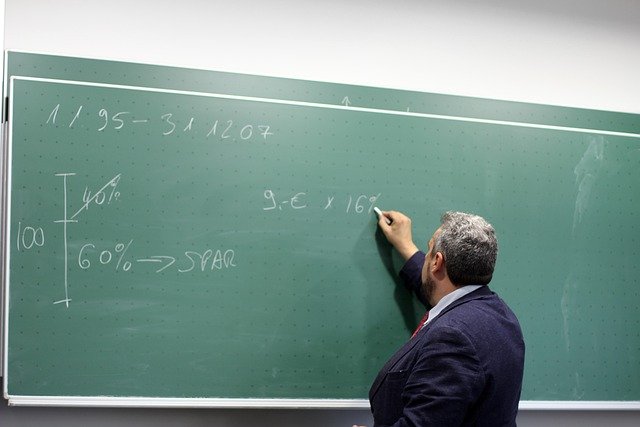
Choosing a physics provider is difficult because brands publish different kinds of information. We reviewed official course pages, local centre pages, pricing documents, safety policies, public reviews and tutor directories, then applied the same weighted scoring system to every option.
Find the right learning experience
Tell us a little about the learner and what you are looking for. Our team will review your answers and help you identify the most suitable next step.
- Takes only a few minutes
- No payment required
- Personalised recommendations
Your information will only be used to respond to your enquiry.
Original Research-Based Provider Comparison: How We Scored These Options
Subject: School-level and entrance-exam physics
Region: Kerala
Providers named in the original article: Debsie, Aakash, ALLEN, FIITJEE and independent home tutors
Additional Kerala-relevant providers reviewed: Brilliant Study Centre Pala, Xylem Learning and Physics Wallah
Scores reflect publicly verifiable evidence, not a mystery-shopping trial. “Not publicly clear” means we could not confirm the information from accessible public pages.
| Provider | Best For | Key Strength | Possible Limitation | Score /10 |
|---|---|---|---|---|
| Debsie | Guided online school physics | Personalisation, practice, gamification and parent visibility | Named physics-tutor biographies and physics-specific fees should be confirmed before enrolment | 9.78 |
| Physics Wallah | Affordable JEE/NEET preparation | Large online course and question ecosystem | Individual attention can depend on batch and plan | 8.51 |
| Brilliant Pala | Kerala entrance preparation | Long local track record, tests and online/offline formats | Less evidence of individual adaptive learning | 8.42 |
| ALLEN | High-rigour competitive preparation | Detailed progression, tests and study material | Batch-based model may offer less personal pacing | 8.32 |
| Xylem Learning | Kerala-focused digital and centre learning | Strong regional reach and Malayalam-friendly content | Tutor, safety and course-level pricing detail is uneven | 8.13 |
| Aakash | Board plus NEET/JEE preparation | Established centres, tests and parent meetings | Kerala course prices and class sizes vary by centre | 7.98 |
| Independent tutors | Highly specific one-to-one help | Flexible teacher choice and local availability | Curriculum, safety and tracking vary by tutor | 7.53 |
| FIITJEE | JEE-oriented advanced learners | Long, exam-focused programmes | Current Kerala availability, fees and safety detail are less transparent | 7.34 |
Debsie — 9.78/10
| Factor | Score | Evidence and scoring reason |
|---|---|---|
| Teacher Quality | 10 | Debsie documents teacher-partner checks and parent verification steps. It also works with some FIDE-certified, FIDE-rated and award-winning offline chess partners; that evidence supports its wider teacher-screening model, although parents should request the assigned physics tutor’s qualifications. |
| Curriculum Structure | 10 | NCERT science courses for Classes 6–10 are publicly listed, while the Kerala article describes sequenced physics topics, board alignment and diagnostic-led plans. |
| Student Fit & Personalisation | 10 | One-to-one classes are described as tailored; the physics model begins with diagnostics and adjusts difficulty and weekly work. |
| Practice, Homework & Tracking | 9.5 | Public pages describe daily homework, quizzes, revision, progress indicators and parent reports. Independently verified physics outcomes remain limited. |
| Engagement & Motivation | 10 | Points, ranks, badges, streaks, short practice and gamified courses are visible across Debsie’s platform and article. |
| Accessibility/Convenience | 10 | Online delivery removes Kerala travel constraints and provides flexible scheduling. Offline partners exist, but Debsie recommends online learning for access to its wider global teacher pool. |
| Transparency | 9 | A free trial, safety policy and general pricing are public. The listed group price is US$100 monthly; however, the page does not clearly identify a Kerala-specific physics price. |
| Confidence Signals | 9 | Debsie publishes a child-safety policy and parent-approved outcome examples, but most evidence is hosted by Debsie and should be read as first-party evidence. |
| Flexibility | 10 | Public options include small groups, one-to-one teaching, flexible scheduling and a free trial. |
Trial, price and safety check: Free trial publicly offered. General pricing is public, but physics-specific Kerala pricing is not publicly clear. Debsie publishes the clearest dedicated child-safety information in this comparison.
Physics Wallah — 8.51/10
| Factor | Score | Evidence and scoring reason |
|---|---|---|
| Teacher Quality | 8.5 | Large subject-faculty system and established JEE/NEET teaching brand; assigned-teacher credentials vary by batch. |
| Curriculum Structure | 8.5 | Separate JEE, NEET and foundation pathways, with live/recorded classes and exam-focused progression. |
| Student Fit & Personalisation | 7 | Multiple plans and levels exist, but large cohorts are less inherently personalised than one-to-one teaching. |
| Practice, Homework & Tracking | 9 | Publicly advertises a progress dashboard and large practice-question bank. |
| Engagement & Motivation | 8.5 | Recorded lessons, live instruction, app tools and a large free-content ecosystem support regular use. |
| Accessibility/Convenience | 9.5 | Online courses plus Vidyapeeth offline centres; exact Kerala batch availability should be checked. |
| Transparency | 9 | PW maintains an official fee explainer and batch pages, although prices vary by course and offers. |
| Confidence Signals | 8.5 | Large public footprint and extensive student feedback; app or national feedback may not predict a particular Kerala batch. |
| Flexibility | 9 | Online, recorded, live, test-prep and offline formats are available. |
Trial, price and safety check: Some free content is available, but a live trial for every paid batch is not publicly clear. Prices are displayed by batch. A child-specific classroom safeguarding policy was not as prominent as Debsie’s.
Brilliant Study Centre Pala — 8.42/10
| Factor | Score | Evidence and scoring reason |
|---|---|---|
| Teacher Quality | 9 | Operating since 1984 with a specialised Kerala entrance-preparation identity and published student-result evidence. |
| Curriculum Structure | 9 | Foundation, tuition, crash, repeater and test-series pathways are clearly separated. |
| Student Fit & Personalisation | 7 | Many programme levels exist, but individual adaptive pacing is not prominently documented. |
| Practice, Homework & Tracking | 9 | Model examinations, test series and structured study plans are repeatedly documented. |
| Engagement & Motivation | 7 | Mentoring and classroom support are visible; gamification is not a major public feature. |
| Accessibility/Convenience | 9 | Numerous Kerala centres plus online and hybrid programmes. |
| Transparency | 8 | Course catalogues and some fee PDFs are public. An archived 2025 crash-course document showed options from approximately ₹5,250 plus GST, depending on phase and materials; current fees must be reconfirmed. |
| Confidence Signals | 9 | Long Kerala history and extensive published entrance results provide strong institutional signals. |
| Flexibility | 9 | Online, classroom, hybrid, tuition, test-series and repeater options. |
Trial, price and safety check: A universal free trial was not publicly clear. Some programme fees are published in brochures. A detailed child-safety policy was not prominently found.
Find the right learning experience
Tell us a little about the learner and what you are looking for. Our team will review your answers and help you identify the most suitable next step.
- Takes only a few minutes
- No payment required
- Personalised recommendations
Your information will only be used to respond to your enquiry.
ALLEN — 8.32/10
| Factor | Score | Evidence and scoring reason |
|---|---|---|
| Teacher Quality | 9 | Long-standing specialist faculty system for JEE, NEET and foundation programmes. |
| Curriculum Structure | 9.5 | Highly developed classroom, online, distance-learning, study-material and test-series pathways. |
| Student Fit & Personalisation | 6.5 | Courses are separated by class and exam, but individual pacing inside large batches is less clear. |
| Practice, Homework & Tracking | 9.5 | Test schedules, CBT practice, rank reporting, revision notes and study materials are documented. |
| Engagement & Motivation | 7 | Strong competitive environment; limited evidence of child-focused gamification. |
| Accessibility/Convenience | 8.5 | Online courses and distance learning reduce location dependence. |
| Transparency | 7.5 | Test-series prices are public—for example, 2026–27 JEE Main series listed ₹12,000–₹13,600—but full Kerala classroom pricing was not clearly available. |
| Confidence Signals | 8.5 | Major national reputation, but Trustpilot showed 3.3/5 from only five reviews, too small a sample for a firm conclusion. |
| Flexibility | 8.5 | Classroom, live online, self-study, test series and distance learning. |
Trial, price and safety check: ALLEN advertises demo booking online, but terms vary. Course-specific prices are available; Kerala classroom fees remain not publicly clear. A prominent child-specific safety policy was not found.
Xylem Learning — 8.13/10
| Factor | Score | Evidence and scoring reason |
|---|---|---|
| Teacher Quality | 8 | Kerala-focused teaching brand with broad subject content; individual physics-faculty credentials are not consistently visible. |
| Curriculum Structure | 8.5 | Entrance, school, commerce and other programmes are separated into course pathways. |
| Student Fit & Personalisation | 7 | Multiple levels and formats are available, but adaptive one-to-one planning is not clearly documented. |
| Practice, Homework & Tracking | 8.5 | App-based exam preparation, revision and model-exam content are visible. |
| Engagement & Motivation | 8.5 | Strong Malayalam-facing video ecosystem; its SSLC channel publicly showed more than two million subscribers. |
| Accessibility/Convenience | 9 | Particularly accessible for Kerala learners through centres, online courses and regional-language content. |
| Transparency | 7 | Course information is public, but fees and assigned-faculty details are not consistently displayed. |
| Confidence Signals | 8.5 | Google Play listed 4.5/5 from about 22,500 reviews; a directory reported 4.8/5 Google reviews for one listing, though branch-specific experiences may differ. |
| Flexibility | 8.5 | App, online and classroom options across school and entrance programmes. |
Trial, price and safety check: Trial availability and current physics pricing were not publicly clear from the main pages reviewed. A detailed public child-safety policy was not prominent.
Aakash — 7.98/10
| Factor | Score | Evidence and scoring reason |
|---|---|---|
| Teacher Quality | 8.5 | Established faculty system and Kerala centres across cities including Kochi, Thiruvananthapuram and Kozhikode. |
| Curriculum Structure | 9 | Defined academic journeys, study material, boards, Olympiads, JEE/NEET and AIATS testing. |
| Student Fit & Personalisation | 6.5 | Multiple streams exist, but fixed-batch delivery may limit pacing flexibility. |
| Practice, Homework & Tracking | 9 | Regular tests, objective and subjective exams, question banks and parent-teacher meetings are documented. |
| Engagement & Motivation | 7 | Interactive teaching and motivational sessions are advertised; gamification is limited. |
| Accessibility/Convenience | 8 | Multiple Kerala centres plus live PrimeClass online courses. |
| Transparency | 7 | A fee-structure explainer lists fee components, but exact prices depend on course and centre. |
| Confidence Signals | 8.5 | A directory reported the Thiruvananthapuram centre at 4.1/5 from 171 Google reviews. Complaint sites also contain refund-related allegations; these are unverified individual reports, not findings against every centre. |
| Flexibility | 8 | Classroom, hybrid and online preparation. |
Trial, price and safety check: Counselling or demo access may be available by enquiry, but universal free-trial terms are not publicly clear. Kerala fees require a quotation. No equally detailed public child-safety page was found.
Independent Kerala Physics Tutors — 7.53/10
| Factor | Score | Evidence and scoring reason |
|---|---|---|
| Teacher Quality | 7.5 | Parents can inspect individual qualifications and reviews, but standards vary substantially. |
| Curriculum Structure | 5 | Some tutors follow strong plans; others provide only chapter-by-chapter homework help. |
| Student Fit & Personalisation | 9 | One-to-one teaching can adapt closely to the learner. |
| Practice, Homework & Tracking | 5.5 | Depends entirely on the tutor; platform profiles do not guarantee reporting systems. |
| Engagement & Motivation | 8 | A good tutor can build a strong personal relationship, but quality is tutor-dependent. |
| Accessibility/Convenience | 9 | Local, home and online options are abundant. |
| Transparency | 8.5 | Profiles often show rates, qualifications and reviews. |
| Confidence Signals | 7.5 | Reviews help, but review volume and verification differ by tutor. |
| Flexibility | 9.5 | Broad choice of timing, syllabus, location and price. |
UrbanPro’s Kochi listing reported approximately 1,431 physics experts, a ₹375/hour average and free demos. Superprof displayed Kochi prices from about ₹500/hour and Thiruvananthapuram tutors from similar levels, with some offering a first class free. These are marketplace figures, not standard Kerala tuition rates.
Trial, price and safety check: Free demos are common on marketplaces. Background checks, lesson recording, parent visibility and safeguarding must be verified tutor by tutor.
FIITJEE — 7.34/10
| Factor | Score | Evidence and scoring reason |
|---|---|---|
| Teacher Quality | 9 | Long-standing JEE specialist with advanced exam-focused teaching. |
| Curriculum Structure | 9 | Multi-year classroom programmes, admission tests and feedback systems are documented. |
| Student Fit & Personalisation | 5.5 | Programmes are level-specific, but selection and cohort pacing may not suit every learner. |
| Practice, Homework & Tracking | 8.5 | Tests, performance feedback and long-term JEE preparation are core features. |
| Engagement & Motivation | 6.5 | Strong for rank-focused learners; less evidence of gamified or low-pressure learning. |
| Accessibility/Convenience | 6.5 | A Kochi presence appears in public listings, but the current official locator did not make Kerala availability easy to verify. |
| Transparency | 5.5 | Current Kerala fees, trial terms, class size and centre status were not publicly clear. |
| Confidence Signals | 7.5 | Long national history and results, but parents should verify the current local operating position before paying. |
| Flexibility | 6.5 | Strong multi-year and classroom pathways; fewer clearly documented flexible Kerala options. |
Trial, price and safety check: FIITJEE uses admission tests and enquiry-based enrolment. Kerala pricing, a free trial and a detailed child-safety policy were not publicly clear.
How the Score Was Calculated (Scoring Rubric)
Each factor received a score from 0 to 10. We then multiplied it by its importance:
Final score = Teacher Quality × 15% + Curriculum × 15% + Personalisation × 15% + Practice/Tracking × 12% + Engagement × 10% + Convenience × 10% + Transparency × 8% + Confidence Signals × 8% + Flexibility × 7%.
For example, Debsie’s three 10/10 scores in the highest-weighted areas contribute 4.5 points. Practice contributes 1.14, engagement and convenience contribute 1 point each, and the remaining factors bring the total to 9.78/10.
A low transparency score does not automatically mean poor teaching. It means parents must obtain more answers before making a payment.
What the Numbers Mean for Learners, Parents and Readers
Debsie ranks first for families wanting a connected learning system rather than only lectures: live tutor support, structured lessons, short practice, quizzes, gamified motivation, progress tracking and flexible online access. Its main due-diligence point is to request the assigned physics tutor’s profile and a written physics-specific quotation.
Physics Wallah, Brilliant, ALLEN and Aakash are stronger fits for students primarily pursuing JEE, NEET or KEAM-style competitive preparation. Brilliant has the clearest Kerala-specific institutional footprint, while PW stands out for price accessibility and digital scale.
Independent tutors may be best for a narrow problem, such as rebuilding mechanics fundamentals or preparing for one school exam. However, parents must personally verify curriculum, safeguarding, homework and progress reporting.
TLDR – To Conclude
On the evidence available, Debsie is the strongest all-round option for students who need structured online learning, personal guidance, practice beyond the weekly class, quizzes, gamification and parent-visible progress.
It is not automatically the right choice for every learner. Brilliant, ALLEN, Aakash, FIITJEE or PW may better suit highly competitive entrance-exam students who prefer large test systems, while a carefully selected local tutor may suit a child needing intensive face-to-face help. The final decision should follow a trial or counselling session, verification of the actual teacher, written pricing, class-size information and a review of the provider’s safety process.
Physics is the language of how the world moves. When a child understands it, daily life makes sense—why a coconut falls, why boats float at Alappuzha, why light bends in rain near Kochi. With the right guidance, even hard ideas feel simple and calm.
This guide is for parents and students in Kerala who want the very best help in physics—clear lessons, strong practice, and kind support. We will show why online physics training now beats old classroom methods, how to choose a class that truly fits your child, and which options exist in the state. We will keep the words easy and the steps practical.
Our #1 pick is Debsie. Debsie blends live expert classes with a game-like practice platform. It teaches small steps, gives instant feedback, and builds not only marks but life skills—focus, patience, and problem-solving. Your child learns faster, remembers longer, and feels proud of progress. You can book a free trial class anytime at debsie.com/courses.
Ready to see how online training works, why it suits Kerala families, and how Debsie leads the way? Let us start.
Online Physics Training
Online physics training is not just a video on a screen. When it is designed with care, it feels like a calm, personal classroom that comes to your home. Your child sits at a desk, opens a link, and a real teacher greets them by name. The lesson is clear. The pace fits. The doubts are welcome. The practice is short and sharp. Progress shows up in small wins that your child can feel.
Think of it like a fitness plan for the brain. There is a warm-up to wake the mind, a main workout to build the idea, and a cool-down to lock it in. There is a coach who watches closely, a plan that adapts when needed, and smart tools that give instant feedback. This is how physics stops feeling scary and starts feeling doable.
Here is how strong online physics training looks when done right for students in Kerala:
First, there is a simple path. Topics arrive in a friendly order, starting from measuring and units, then motion, forces, energy, momentum, waves, sound, light, electricity, magnetism, and modern basics. Each step is small and clear. Your child knows, “Today I learn this one idea. Tomorrow I build on it.” No more feeling lost inside a big chapter.
Second, there is live guidance, not just recordings. The teacher explains slowly, draws neat diagrams, and uses local examples—boats at Alappuzha to show buoyancy, hill roads in Wayanad to show slope and forces, ceiling fans in Kochi homes to talk about circular motion. Questions can come through voice or chat. A shy child can type. A bold child can speak. Both are heard.
Third, there is practice that is just the right size. Instead of dumping a long worksheet, your child gets 8–12 questions that target one skill. Every answer gets quick feedback. If a step goes wrong, a hint nudges the child to the exact step to fix. This builds confidence. It also builds patience, because the child sees that each attempt teaches something.
Fourth, there are short “micro-labs” that your child can do at home. With simple, safe items—a glass of water, a ruler, a magnet, a torch—they test an idea. They click one photo or a 20-second clip, write a one-line note, and submit. These tiny demos make big ideas stick. When exams come, your child carries a picture in the mind, not just a formula.
Fifth, there are regular check-ins that feel gentle. Quick quizzes show what clicked and what needs help. The report is clear for parents too. You see green for strong, yellow for needs work, and red for urgent focus. You also see two or three action steps that you can support at home. No jargon. No puzzles. Just simple next steps.
Finally, there is a calm culture. The class starts with a short focus cue. Doubts are treated with respect. Errors are seen as steps toward understanding. Praise follows effort and clean thinking, not just speed. Over weeks, this lowers fear. Your child learns to sit with a hard question a little longer—and often solves it.
This is the heart of good online learning: small steps, true feedback, steady support, and real kindness.
If you want to see this in action, you can book a free Debsie trial today. One session will show you the flow: the teacher’s clarity, the platform’s feedback, and your child’s face when something tough becomes simple.
Landscape of Physics Tutoring in the Kerala and Why Online Physics Tutoring is the Right Choice

Let us look at what families in Kerala face today. In cities like Thiruvananthapuram, Kochi, Kozhikode, Thrissur, Kollam, Kannur, and in many towns, there are many ways to find physics help. You can choose a home tutor, a local coaching center, a big name institute, or an online platform. On paper, it feels like plenty. In practice, it is not so simple.
Home tutors can be friendly, but quality varies and there is little structure. Local centers may have good teachers, but batches are large and the pace is fixed. Big institutes bring strong brand names, but travel time is heavy and doubt time is short. Many places still rely on chalk-and-talk plus printed notes. These notes often do not change even when exam patterns do. If your child misses a class due to rain or a school event, catching up is hard.
Parents also deal with traffic and weather. A class that is “only 20 minutes away” can take twice that with evening crowds or downpours. By the time your child gets home, they are tired. The brain wants rest, not fresh practice. Over a term, this slow drain adds up.
This is why online physics tutoring makes more sense now. It saves time, protects energy, and gives your child a safer space to ask and try. The best online systems also do what offline rooms cannot: they give instant, step-level feedback and adjust the plan every week based on what your child actually did.
Let us make it concrete:
Imagine your child struggles with graph reading. In a room of 40, the teacher cannot pause to give three extra graph examples to one child. Online, the platform can slide in a 5-minute graph drill right after the live segment, while the idea is fresh. The child fixes the exact skill and rejoins the flow with confidence.
Or imagine your child learns fast and gets bored when the class is slow. In a big room, they must wait. Online, they can jump into a stretch set that keeps them engaged. Learning becomes a good challenge, not a slow march.
Find the right learning experience
Tell us a little about the learner and what you are looking for. Our team will review your answers and help you identify the most suitable next step.
- Takes only a few minutes
- No payment required
- Personalised recommendations
Your information will only be used to respond to your enquiry.
Also, parents in Kerala are busy. Many manage work, home, and care for elders. Online lets you peek into a class, view the plan, and read the report without leaving the house. You can guide your child better because you can actually see what is happening.
Some people worry that online means “no peers” or “no discipline.” That is not true when the class is well designed. A small online group has healthy peer energy. Students answer polls, share quick ideas, and take turns explaining a step. A short timer creates focus. Streaks reward steady effort. Children feel part of a team, not alone.
There is another point for Kerala families. Our state has strong school boards and many bright students. But access to the best teachers can be uneven across districts. Online breaks that barrier. Your child in Kottayam can learn from a top teacher who lives in Kochi or even outside the state. Quality comes to you.
So, if you are choosing today, online is the right first step. It is kinder to your family schedule. It gives clearer feedback. It builds better habits. And it lets your child learn in a safe space where doubts are welcome and wins are visible.
If you want to taste this difference, schedule a free Debsie trial. Let the teacher show your child one tough idea in a simple way. See the smile when it clicks.
How Debsie is The Best Choice When It Comes to Physics Training in Kerala
Now let us talk about why Debsie is our #1 choice for physics in Kerala. We will be specific, so you can picture your child inside a Debsie class and feel how the day-to-day learning will go.
Debsie blends live teaching and smart practice. A warm teacher leads the concept, checks for understanding, and invites questions. Right after that, the platform gives a short, targeted set of problems with instant hints. The mix is powerful: your child hears, sees, does, and reflects—all in one neat flow.
The curriculum is simple and strong. Debsie covers the core ideas in a smooth path and maps them to your child’s board—CBSE, ICSE, or Kerala State. Your child learns the root idea once, then practices in the exact style they will face in exams. This lowers load and raises clarity.
The class size is small and personal. Teachers know each student by name. They notice when a face looks puzzled. They slow down and try a new example. A student can ask by voice or chat. No doubt is “silly.” In fact, questions are praised. This builds courage.
The practice is gamified but purposeful. Badges mark effort. Streaks reward steady study. Hints nudge the next step, not the final answer. The goal is clean thinking. Over weeks, “silly mistakes” drop because the child learns to check units, signs, and steps as a habit.
Micro-labs make ideas real. Each week, there is a tiny demo your child can do at home—safe, quick, and fun. They might watch a straw in a glass to see refraction, or time a fan blade to feel frequency, or use a magnet and nail to see induction basics. One photo and one line are enough. The brain stores the picture alongside the formula. Recall becomes easy.
The plan adapts weekly. Debsie starts with a short diagnostic to see strengths and gaps. Maybe algebra is fine but graph reading is shaky. Maybe units are fine but vectors are weak. The plan then adds quick warm-ups before the next topic. After each mini-assessment, the plan updates again. This is how gaps shrink fast.
Parents get a clean dashboard. You see progress bars for each topic, a short weekly summary, and 2–3 next steps in plain English. If your child misses a session, a catch-up mini-plan appears. You can also message the teacher for a quick doubt clinic before a test.
Language support is gentle. Lessons are in clear English with simple words. Teachers can add Malayalam support for key terms and daily examples when needed. This helps students who think in Malayalam but write answers in English. The shift becomes smooth.
Healthy culture, healthy child. Debsie does not scare students into study. It invites them. Focus sprints, tiny breaks, and friendly checks keep the mind fresh. Effort is praised. Thinking is praised. Growth is tracked. Children start to enjoy hard problems because they feel safe to try.
Let us walk through a sample Debsie lesson so you can see the rhythm.
Topic: Motion in a Straight Line (Speed, Velocity, Graphs)
The teacher opens with a simple story: buses on the Kochi Metro feeder routes. Two buses start from the same stop. One keeps steady speed, the other stops often. Who reaches first? Why? Then the teacher draws two distance-time graphs slowly, explains slopes, and shows how to read speed from a graph. Students answer two quick polls. A shy student types a doubt about “instantaneous” vs “average.” The teacher explains with a tiny sim that shows how a steep slope at one point means higher speed at that moment.
After the live part, your child gets a 12-question practice set. On question five, they mix up units. The platform flags it with a small hint: “Check units: km vs m.” The child fixes it and smiles. The session ends with a one-line reflection: “What clicked today?” Your child types: “Slope = speed.” The parent report lands the same day: green on reading graphs, yellow on unit conversions, with a 5-minute unit drill suggested before the next class.
This is what good learning feels like—simple, steady, and kind.
Board prep and competitive prep under one roof. If your child aims for JEE or NEET later, Debsie blends exam-style problems into the weekly work. The same idea appears at two levels: board-type and competitive-type. Your child trains both without burning out. Over months, accuracy rises and speed follows naturally.
Safe, reliable schedule for Kerala families. No more canceling because of rain or traffic. No more late nights after long rides. Your child studies in a calm space at home. Energy is saved. Sleep is protected. Consistency grows. Consistency is the secret sauce in physics.
Quick start, no risk. You can book a free trial right now. Your child meets the teacher, tries the platform, and solves a few problems. If it feels right, we set a four-week plan and begin. If not, you still learn where your child stands and what to work on.
If your child is behind today, Debsie starts where they are and rebuilds gently. If your child is ahead, Debsie stretches them with challenge tasks and mini projects. Either way, the plan feels light but strong.
Action you can take now: Book the trial, tell us your child’s top two worries in physics, and watch the teacher tackle those in the first session. That single hour can change the mood at home from worry to hope.
Offline Physics Training
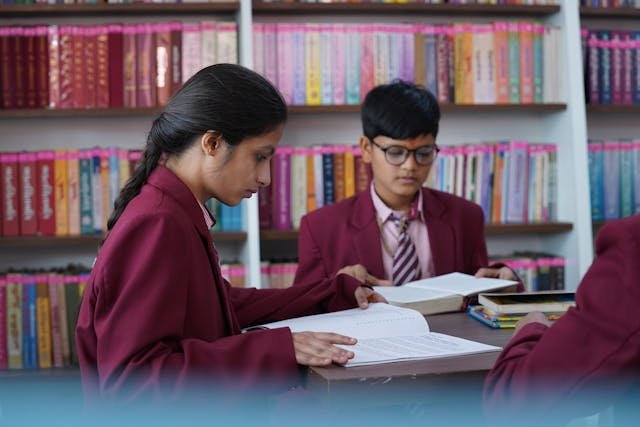
Offline coaching is the old, familiar way: a room, a board, a batch, and printed notes. It can work when the group is small, the teacher is patient, and travel is easy. But for most families in Kerala today, days are full and roads are busy. A “one-size” pace in a big room rarely fits every child. Doubts pile up. Catch-up is tough. The child returns home tired, and the window for quality practice is small.
In many rooms, teaching is a show at the front. The board looks clear while the teacher writes. But the true test is what your child can do alone. Without instant feedback, small errors turn into habits—missing units, sign slips, weak graph sense. By the time exams come, stress is high, and the child crams steps they never truly understood.
Some centers try to help with doubt counters. But there is a queue, time is short, and shy students ask only one question and leave the deeper doubt for “later.” Teachers change between batches, so the story of your child’s struggle gets lost. Continuity breaks. In learning, continuity matters.
Travel also drains focus. A 60-minute class can cost two hours door to door. That is energy that could have gone into sleep or steady practice. When sleep drops, memory suffers. This is biology, not attitude.
Offline can be lively when a teacher uses props and group tasks. But room time is limited. Setting up demos takes minutes that eat into practice. Visual ideas—fields, waves, lens focusing—need motion, sliders, and layered pictures. A static board cannot show that well.
If you must choose offline, choose a small batch, ask how missed classes are handled, and demand proof of step-level feedback. If answers are vague, be careful. Or take the simpler path: go online with a trusted leader like Debsie, save time, and get better feedback.
Want to see the contrast for yourself? Book a Debsie trial class. Watch your child get instant hints and a calm, clear plan. Then decide.
Drawbacks of Offline Physics Training
Let us be fair and clear. Offline classes are familiar. Many of us grew up with them. But today’s child in Kerala has a different day: long school hours, projects, sports, and family time. In this rhythm, the offline model shows real cracks.
The first crack is time. A “one-hour class” is never just one hour. There is the walk or ride, the wait before class, and the ride back through evening traffic. In rain, it is worse. That travel steals the best energy of the day. When the child sits to practice later, the mind is tired. Physics needs a fresh mind to see patterns and hold steps.
The second crack is pace. Batches move at a fixed speed because a teacher must “cover” the book. Coverage is not mastery. A child who needs one more example or a slower walk through units and graphs does not get it in the moment. The doubt is parked. By the time doubt hour comes, the thread is lost. Small errors become habits.
The third crack is feedback. In many rooms the check is right or wrong. But learning needs why and how. Did the child miss the unit? Did they pick the wrong equation? Did they read the graph slope wrongly? Without step-level feedback, the brain keeps guessing. Guessing creates stress.
The fourth crack is fear. Many children do not raise a hand in a crowd. They fear laughter or judgment. So the doubt stays hidden. A hidden doubt grows into a big gap by exam time. The child then crams, but the base was never set. Marks become unstable. Mood drops.
The fifth crack is structure. A lot of offline tutoring in local setups is unstructured. A teacher may jump from topic to topic based on what feels urgent. Printed notes are the same for everyone. Updates are slow when exam patterns shift. There is no weekly map that adapts to your child. The class follows a one-size plan, not a clear, living curriculum tuned to each learner. This is why many families say, “We attend, but we do not feel progress.”
The sixth crack is catch-up. A missed day due to rain, a school event, or a festival often means a lost concept. Notes do not show the how. Recordings, if any, are not interactive. The gap stays. It shows up later when the chapter links back.
There is a kind way to say this: offline is not bad; it is just not built for today. If you want to save time, protect sleep, and give your child a safe space to ask and try, go online with a system that is structured and personal. Debsie does exactly that. If you are curious, take the free trial. Watch your child get a clean explanation, instant hints, and a short plan they can follow this week. You will feel the difference in one session.
Best Physics Academies in Kerala

Kerala has many places to learn physics—home tutors, neighborhood centers, and big brands. Some have caring teachers; some have strict routines. But when we look at how children truly learn—clear steps, steady practice, instant feedback, and a plan that adapts—one option leads the field: Debsie.
We will start with Debsie at #1, then mention a few other names briefly so you can compare. Our goal is to help you decide with confidence, not to flood you with names.
1. Debsie — #1 Physics Program in Kerala
Why Debsie stands first: Debsie blends live expert classes with a gamified, adaptive platform. It gives step-level feedback, not just scores. It runs on a simple, strong curriculum that fits CBSE, ICSE, and Kerala State. It keeps the child calm, focused, and proud of small wins. Parents get a clean dashboard. Teachers adjust the plan weekly. The culture is kind. The results are steady.
How a Debsie month looks for your child in Kerala
Week 1 opens with a gentle check of basics—units, ratios, graph sense, and simple algebra. The teacher reads the data and sets a four-week plan. If graphs are shaky, small graph drills appear before Motion. If units are messy, unit warm-ups slide into the next set.
Live classes run three days a week. Each session is 60 minutes, with a clear start, middle, and finish. The teacher uses local hooks: Kochi port cranes for torque, hill roads in Wayanad for forces on slopes, monsoon wind patterns when talking about vectors and direction. Students can speak or use chat. Shy children feel safe to type a doubt. Bold children enjoy explaining a step. Both grow.
Right after class, the platform unlocks a 10–20 minute practice set. These are not long sheets. Each set aims at one tiny skill. Hints nudge the next step. Feedback shows where the step slipped—unit, sign, or substitution. Badges reward effort and clean thinking. A streak builds gentle discipline: just a little, but steady.
At the end of the week, a mini-assessment checks what stuck. The tool updates the plan. Parents get a plain-English note: what we did, what clicked, where to focus, and exactly how (two or three steps you can support at home). You can also request a quick doubt clinic before a school test. You get it soon, not weeks later.
Micro-labs that make ideas stick
Every week has one tiny lab your child can do at home. A straw in water shows refraction. A toy car on a book slope shows acceleration. A magnet and a nail show induction basics. A torch and a card with a pinhole show light spread. Your child uploads a photo and writes one line: what they saw. This builds a memory anchor. During exams, they recall the picture and the formula together. Answers become clear, not vague.
Board and competitive harmony
For grades 9–12, Debsie gives board-style questions and gentle exposure to JEE/NEET physics where needed. The same core idea appears in two forms, so your child sees the link. This removes the “two different worlds” stress. With time, speed and accuracy rise without the panic of giant problem sets.
Language support for Kerala
Classes use simple English. Teachers add Malayalam words for key terms if a child needs it. Students who think in Malayalam and write in English feel supported. The switch is smooth.
Safety, privacy, and support
Sessions are moderated. Cameras stay student-choice. Chat is guided. Parent messages get quick replies. If a class is missed, a catch-up mini-plan appears the next day so the thread is not lost.
Why Debsie beats others in Kerala
Debsie saves travel time, protects energy, and adapts weekly. It uses instant, step-level feedback that a chalk board cannot. It gives parents clarity in minutes. And it builds courage, not fear. Children start to enjoy tough problems because they feel safe and guided.
If this sounds like your fit, book a free Debsie trial now. Bring your child’s top two pain points—maybe “graphs scare me” or “I forget formulas.” Watch the teacher fix one in the first session with patience.
A simple promise
Give Debsie four focused weeks. You will see cleaner steps, fewer silly mistakes, and a calmer child who sits with a hard question a little longer. That little “longer” is where growth lives.
2. Aakash
Aakash is a known brand with centers in major Kerala cities. It offers structured notes and regular tests. Many students use it for board and competitive prep. However, most programs are offline-first with fixed batch pace. Doubt time is limited, and missed classes can be hard to recover. Debsie outshines here with zero commute, small groups, and adaptive weekly plans that meet the child where they are.
3. Allen
Allen has national reputation for physics and competitive exams. In Kerala, it attracts serious learners who want high-rigor practice. Batches can be large, and the system focuses on speed and ranks. For many mid-level learners, this can feel heavy. Debsie offers depth with kind pacing, instant hints, and gamified practice that keeps motivation high without fear.
4. FIITJEE or Local Premium Institutes
These centers often have strong faculty and intense schedules. Peer energy is high, but so is pressure. Commute hours and late finishes can hurt sleep. Over time, stamina drops. Debsie wins by giving the same concept depth with a gentler culture, micro-labs, and data-driven personalization, all from home.
5. Home Tutors and Neighborhood Tuition
Home tutors can be warm and flexible, but quality changes from tutor to tutor, and many lack a structured curriculum with regular diagnostics and step-level feedback. Progress depends on the person, not a system. Debsie pairs caring teachers with a clear, living curriculum and a platform that shows parents real progress every week.
How to choose among these options (one simple check)
Ask yourself: “Will my child get instant, step-level feedback, a weekly plan that adapts, and a safe space to ask—without losing hours to travel?” If the answer is not a strong yes, pick Debsie. Your time matters. Your child’s calm matters. Clear feedback matters most.
Next step: Book the free Debsie trial on the courses page. One hour will show you how different this feels.
Why Online Physics Training is The Future

Learning has moved home—not because screens are flashy, but because the design is better. Online physics, when done with care, gives three things classrooms struggle to give at the same time: clarity, flexibility, and feedback.
Clarity means one small idea at a time. A good online class breaks a chapter into tiny bites and teaches each bite with clean words, a slow diagram, and a quick check. Your child does not drown in a sea of formulas. They learn one line, then use it. This keeps the mind calm and ready.
Flexibility means the pace fits the child. If a step feels heavy, the path bends. A five-minute warm-up can appear right away. If the child flies, a stretch task opens. There is no waiting for a batch to catch up, and no shame in asking for one more example. The system simply adapts.
Feedback means your child knows why an answer is wrong and how to fix it now, not next week. When a slip happens—units, sign, graph slope—the tool points to the exact step. The teacher sees the same data and helps in the next minute. The fix happens while the idea is fresh. This is the magic of online done right.
In Kerala, this future is practical. Roads are busy, rain is frequent, and families juggle many duties. Online removes travel, protects sleep, and gives your child a safe space to try. It is also fair: a student in Kasaragod can learn from the same expert as a student in Kochi. Quality reaches everyone.
Most important, the culture can be kinder online. A small group with a thoughtful teacher builds trust. A child can type a doubt without fear. Short focus sprints and streaks create steady habits without shouting or stress. When fear drops, thinking rises. Physics needs that open, brave mind.
This is why we say the future is online—not because it is trendy, but because it works better. And in Kerala, where families value both learning and well-being, this balance matters.
If you want to feel this future today, book a free Debsie trial. See how a hard idea gets broken into easy steps, how the hint system nudges the right fix, and how your child ends the hour feeling proud, not drained.
How Debsie Leads the Online Physics Training Landscape
Big claims are easy. Daily proof is harder. Debsie leads because it delivers daily proof—clean lessons, smart practice, calm culture, and steady results. Below, you will see exactly how Debsie teaches, with detailed snapshots of a few core physics topics. Use these to picture your child in class, step by step.
Topic 1: Motion in a Straight Line — From Words to Graphs
Goal: Turn bus-stop stories into clean distance–time and velocity–time graphs that your child can read and use.
How Debsie teaches it:
The teacher starts with a simple Kerala scene: two KSRTC buses leaving the same stop. One moves steadily; the other halts often. Students talk through who reaches first and why. Then, on screen, the teacher draws two distance–time graphs slowly. Slope is explained as “how fast the line climbs.” A flat line means “staying still.” A steep line means “moving faster.” No fancy words. Just clear pictures.
A tiny sim lets students drag a point and watch speed change when the line tilts. Polls check: “Which graph shows rest?” “Which is faster?” Doubts come in chat. The shy student who fears speaking types, “Is average speed the same as speed at one moment?” The teacher shows a velocity–time graph and explains average vs instantaneous with a 30-second clip of a scooter starting, stopping, and speeding up.
Practice with feedback:
Your child solves 10 short items. On Q4 they mix up km and m. A soft hint appears: “Check units.” They correct it. On Q7 they choose the wrong graph for “constant speed.” The tool shows two small pictures side by side, asks, “Which line climbs evenly?” The fix clicks.
Why this works:
Pictures anchor meaning. Hints arrive at the step, not just the end. Confidence grows because each mistake teaches a tiny truth.
Try this at home tonight (5 minutes):
Draw your family’s walk from kitchen to gate as a distance–time sketch. Where is the line flat? Where is it steep? Ask your child to explain the story of that line. This playful talk cements the idea.
CTA: Want your child to read graphs like a pro? Join a Debsie trial and watch them explain slope in their own words.
Topic 2: Forces and Newton’s Laws — Clear, Calm, and Hands-On
Goal: Make “force” feel real, not scary. Help the child see how pushing, friction, and balance create motion or rest.
How Debsie teaches it:
The session opens with a friendly test: push a chair lightly—does it move? Push harder—what changes? The teacher names what the child feels: more push, more change. That is Newton’s Second Law in simple clothes.
Next, a clean diagram appears—a box on a floor. The teacher draws arrows slowly: weight down, normal up, push right, friction left. No rush. Students say which arrows balance and which fight. A tiny slider increases the push. The box starts moving in the sim only after push beats friction. Students smile because the picture matches what their hands felt with the chair.
Common trip-wire fixed on the spot:
Many kids think a moving object “needs” a force to keep moving. The teacher shows the sim: once moving on a frictionless track, the box keeps going even after the push stops. A one-line truth is repeated: “No force needed to keep moving at the same speed; force is needed to change speed.”
Practice with feedback:
A set of 12 cases: identify forces, draw arrows, decide if motion changes. When a child adds “force forward because motion forward,” the platform prompts: “Motion does not mean a forward force. Check if speed is changing.” The child corrects the free-body picture. The habit of careful arrows forms.
Home micro-lab (2 minutes):
Pull a toy car over tiles and then over a rug. Ask: “Where does it slow more? Why?” Your child names friction as a real “opposing force,” not magic.
CTA: Want fewer force confusions and cleaner diagrams? Start Debsie and see Newton’s laws become simple.
Topic 3: Work, Energy, and Power — The Book That Never Loses Pages
Goal: Help the child see energy as a “savings account” that moves and changes shape but keeps its total (in a closed system).
How Debsie teaches it:
The teacher uses a hill-and-valley sketch. A ball sits at the top—gravitational potential is high, kinetic is low. As it rolls down, numbers swap. At the bottom, kinetic is high. On the climb up, kinetic turns back into potential. A simple bar chart grows and shrinks to show the trade.
A short think-aloud shows work as “energy moved by a force along a distance.” Pushing a suitcase on a platform: force × distance = energy transferred. No jargon, just a suitcase story.
Practice with feedback:
Your child solves problems where one number is missing. The tool guides them to write “Before = After,” then fill known values. If they forget to convert height or mix units, a hint says, “Match units first.” When power shows up, it is explained as “how fast you move energy”—climb stairs slowly vs sprinting.
Why this works:
Visual bars and before–after tables make the abstract solid. The child stops memorizing random formulas and starts using one simple idea: energy moves but total stays (unless friction takes some as heat).
Home micro-lab (3 minutes):
Lift a water bottle to a shelf, then drop it on a pillow. Ask: “Where did the energy go?” Your child says, “Up there it was stored; falling turned it into motion; the pillow turned it into heat and a soft sound.”
CTA: Want your child to write neat “Before = After” tables that fetch marks? Book Debsie’s free class and see the template in action.
Topic 4: Electricity and Ohm’s Law — From Tangles to Clean Circuits
Goal: Turn wires and symbols into a story your child can tell: charges flow, voltage pushes, resistance slows, current measures flow.
How Debsie teaches it:
The teacher starts with a water pipe. Voltage is water pressure, current is how much water flows per second, resistance is a thin pipe that slows it. One picture, three ideas.
Then, a tidy circuit appears—battery, wire, resistor, switch. The teacher draws arrows for conventional current. Students predict what happens if resistance doubles or if two resistors sit in series or parallel. A live meter on screen changes numbers as the sim is toggled. The child sees V = I × R in real time.
Practice with feedback:
Problems start tiny. Given V and R, find I. Then combine two resistors in series. Then in parallel. If your child adds series values when it is actually parallel, the hint says, “Parallel offers more paths—total resistance gets smaller.” A second try locks the concept.
Mistake to fix early:
Many students swap current and voltage in words. Debsie repeats the water line often: “Voltage pushes, current flows.” After a week, your child says it first.
Home micro-lab (safe and simple):
Use a small battery, LED, and a resistor kit (or watch the teacher’s guided demo video if parts are not available). Build a one-LED circuit. Ask: “What made it glow?” Child answers: “Voltage pushed charges; resistor kept them safe; current flowed.”
CTA: Want circuits to stop feeling scary? Join Debsie and turn V = I × R into an easy friend.
Topic 5: Lenses and Mirrors — Drawing Rays Without Tears
Goal: Make light paths easy to draw and images easy to predict.
How Debsie teaches it:
The teacher shows a convex lens and gives three only ray rules to remember. Not ten. Just three. They are practiced one at a time with slow, thick arrows. A draggable object moves closer or farther; the image flips size and side on screen. Students predict before the tool reveals the answer. This guess–check loop builds intuition.
Practice with feedback:
Your child draws a ray wrongly. A hint glows: “This ray must pass through the focus on the other side.” The correction is gentle and quick. On the math side, the lens formula is introduced as a story of distances with sign rules explained using a simple “to the right is positive” map. No heavy talk. Just a map.
Home micro-lab (fun and quick):
Hold a magnifying glass over a page, then over a far window scene. Ask: “Why does the image flip for the far scene?” Your child explains in their own words using the focus idea. That is success.
CTA: Want clean ray diagrams that fetch full steps? Try Debsie—watch rays become instinct, not guesswork.
Topic 6: Sound and Waves — Seeing What Ears Hear
Goal: Help the child connect vibration to wave, wavelength to pitch, amplitude to loudness.
How Debsie teaches it:
A slow-motion clip of a guitar string opens the day. The teacher pauses and traces crests and troughs. A slider changes frequency; students hear pitch rise. Another slider changes amplitude; volume rises. The two ideas are separated so the brain does not mix them.
Practice with feedback:
Given a wave picture, your child reads wavelength and frequency. If they count wrong, the tool marks crests and asks, “Count again—crest to crest.” For speed, the simple link v = f × λ is used with unit cues. The platform flags wrong units and nudges the fix.
Home micro-lab (1 minute):
Tap a steel spoon gently and then harder. “What changed?” Child answers: “Loudness (amplitude) changed, not pitch.” This tiny distinction often wins marks later.
CTA: Want waves to feel natural, not tricky? Join Debsie and let sound lessons sing.
How Debsie keeps the engine running week after week
- Diagnostics that matter: The very first check is short and kind. We learn if the child struggles with units, graphs, or algebra. The plan starts there, not from a random chapter.
- Weekly plan that adapts: After each mini-assessment, the plan updates in the same week. If optics was shaky on Monday, the Thursday practice adds a gentle optics drill. The fix is not delayed.
- Parent view that guides action: You see color bars for each topic and two or three plain action steps. Example: “Do 5-minute unit drill before the next class.” You can help without hunting for what to do.
- Culture that protects courage: Errors are treated as part of learning. Short focus sprints build attention. Tiny reflection lines (“What clicked today?”) train metacognition—the skill of watching your own thinking. This is rare and powerful.
- Catch-up that actually catches up: If a class is missed, a mini-plan appears: a 6–8 minute recap clip, a 10-question practice, and one optional doubt slot. The thread is restored quickly.
- Board mapping that reduces load: One core idea is learned once, then practiced in CBSE/ICSE/Kerala State style as needed. The brain does not carry two separate sets. Stress drops; marks rise.
All of this adds up to steady growth. In 6–10 weeks, parents usually notice cleaner steps, fewer careless slips, and a child who stays with a hard problem just a little longer. That little “longer” is where breakthroughs happen.
If this is the learning rhythm you want, take the first small step: book a free Debsie trial class today. Tell us your child’s top two worries. We will plan the session around those and show you how we fix them—gently, clearly, and fast.
A compact weekly routine you can start tonight (Debsie-style)
- Mon: Live class (60 min) + guided practice (15 min).
- Tue: Micro-lab (10 min) + unit/graph warm-up (10 min).
- Wed: Live class (60 min) + reflection line (1 min).
- Thu: Targeted drill (15–20 min) based on Wed’s data.
- Fri: Live class (60 min) + mini-assessment (10 min).
- Weekend: One fun challenge (15 min): find three real-life examples of today’s idea around home or neighborhood and explain in one line each.
This is light, steady, and kind. It respects school work and rest. It builds habits that last.
Ready to make physics the calmest hour of your child’s week? Start with Debsie’s free trial. If it fits, we set a four-week plan. If not, you still leave with a clear picture of your child’s level.
Other Comparisons:

Ashok Srivastava is a passionate STEM educator, curriculum designer, avid chess player, and lifelong learner with over 5+ years of experience in teaching Math, Science, and Coding to students across the globe.
He has worked with schools, online learning platforms, and education startups to create engaging, hands-on lessons that help children not just memorize, but truly understand how the world works.
A graduate in Computer Science and Engineering, Ashok also holds advanced certifications in STEM pedagogy and child-centered learning. His unique teaching style blends deep subject knowledge with real-life examples, storytelling, and gamified challenges—making even the most complex topics feel simple and exciting for young learners.
Ashok is also a dedicated chess player with a FIDE rating of 2091. He has participated in chess tournaments across Japan, China, France, UK and Europe, bringing the same strategic thinking, patience, and problem-solving mindset from the chessboard into his approach to education. Ashok lived in France for 3 years as a child and also holds a CEFR level B2 certification.
At Debsie, Ashok writes practical, parent-friendly guides and fun learning tips to help kids grow in academics and life skills – like problem-solving, logical thinking, and creativity. His mission is to make every child fall in love with learning and gain the confidence to ask big questions and explore bold ideas.
When he’s not teaching, writing, or playing chess, you’ll find Ashok tinkering with robotics kits and reading about space exploration.