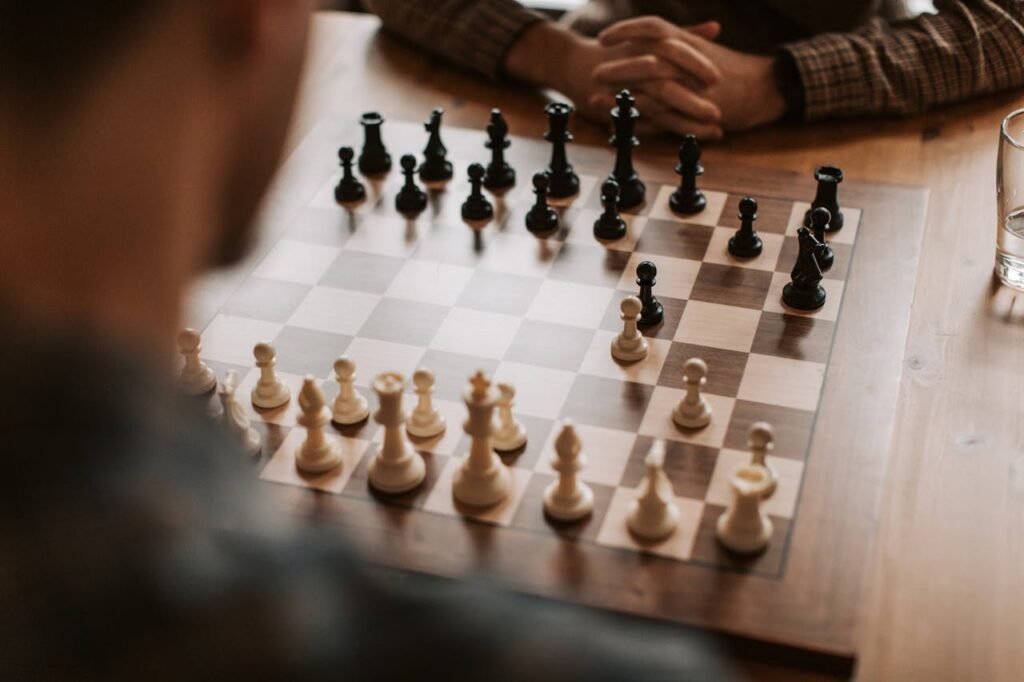
We compared Malmö chess-learning options using public pages, course details, club information, pricing, safety signals and visible learning support. A weighted score helps parents compare structured teaching, practice, transparency and convenience instead of relying only on reputation or one attractive claim.
Find the right learning experience
Tell us a little about the learner and what you are looking for. Our team will review your answers and help you identify the most suitable next step.
- Takes only a few minutes
- No payment required
- Personalised recommendations
Your information will only be used to respond to your enquiry.
Original Research-Based Provider Comparison: How We Scored These Options
Subject: chess training. Region: Malmö and wider Skåne. Article-mentioned options reviewed: Debsie, local community chess groups, private tutor networks, after-school chess, and online platforms. Additional public options checked: Malmö AS, Limhamns SK, Kristineberg SK, En Passant Svedala, Schack i Skolan, and World Chess.
| Provider | Best For | Key Strength | Possible Limitation | Score /10 |
|---|---|---|---|---|
| Debsie | Structured online chess for children | Live tutors, homework, reports, gamified practice | Not a local walk-in club | 9.68 |
| World Chess | Self-directed online play/masterclasses | Official FIDE Online Arena features, GM masterclasses | Less child-specific tutor guidance | 7.86 |
| Limhamns SK | Local club/tournament exposure | Large Malmö club; strong chess culture | Curriculum and child-safety policy not fully public | 7.09 |
| Malmö AS | Local in-person chess community | Historic club, junior training, clear junior fee | Less public detail on individual tutor credentials | 6.94 |
| Schack i Skolan | School-based first exposure | National school-chess infrastructure | Not a private coaching program | 6.75 |
| Kristineberg SK | Budget local club chess | Low junior fee; lesson materials listed | Progress tracking and tutor profiles unclear | 6.68 |
| En Passant Svedala | Skåne youth club chess | Youth groups by level; competition pathway | Outside Malmö; pricing not publicly clear | 6.61 |
Debsie — Factor Scores
| Factor | Score | Evidence and scoring reason |
|---|---|---|
| Teacher Quality | 10 | Debsie states chess teachers are FIDE-rated/certified, parents may ask for FIDE IDs, and advanced plans mention FIDE-titled coaches. |
| Curriculum Structure | 10 | The article describes Starter-to-Mastery levels covering rules, tactics, calculation, tournament skills, strategy and endgames. |
| Student Fit & Personalization | 10 | One-on-one plans are “tailored,” with personalized curriculum by level, speed and learning style. |
| Practice, Homework & Tracking | 9.6 | Daily homework, performance reports, puzzle recommendations and outcome examples are public. |
| Engagement & Motivation | 9.4 | Gamified learning, points, ranks, puzzles and child-focused chess outcomes are visible on Debsie pages. |
| Accessibility / Convenience | 9.7 | Online classes use Microsoft Teams and WhatsApp; pricing offers group and one-to-one formats. |
| Transparency | 9.2 | Public pricing: $100/month group, $20/class one-to-one, $50/class advanced. Free trial is listed. |
| Confidence Signals | 9.1 | Public outcomes include puzzle milestones, tournaments and parent-approved progress examples. |
| Flexibility | 9.4 | Group, one-to-one, advanced one-to-one, flexible scheduling and global online access are public. |
World Chess — Factor Scores
| Factor | Score | Evidence and scoring reason |
|---|---|---|
| Teacher Quality | 9.0 | Masterclasses list elite players such as Anand, Svidler, Gelfand, Radjabov and Topalov. |
| Curriculum Structure | 7.8 | Strong masterclass and puzzle ecosystem, but not shown as a child-by-child curriculum. |
| Student Fit & Personalization | 4.8 | Good self-study tools; live child placement and parent-visible plans are not publicly clear. |
| Practice, Homework & Tracking | 8.8 | Pro includes unlimited puzzles, unlimited analysis and detailed performance stats. |
| Engagement & Motivation | 8.6 | Tournaments, ratings, puzzles and official online competition create motivation. |
| Accessibility / Convenience | 9.5 | Free registration, browser play and global access. |
| Transparency | 7.2 | Features are clear; exact plan prices were not displayed in the crawled page. |
| Confidence Signals | 8.8 | It identifies itself as the official FIDE Online Arena / World Chess platform. |
| Flexibility | 6.8 | Excellent for play and self-study, less clear for scheduled children’s coaching. |
Limhamns SK — Factor Scores
| Factor | Score | Evidence and scoring reason |
|---|---|---|
| Teacher Quality | 8.4 | One of Sweden’s largest clubs, all-age activity, junior/team strength and Malmö tournament history. |
| Curriculum Structure | 6.8 | Chess schools are public, but a detailed level-by-level curriculum is not publicly clear. |
| Student Fit & Personalization | 5.8 | Broad age/strength range; individual learning adaptation not publicly clear. |
| Practice, Homework & Tracking | 5.6 | Club play and tournaments are visible; homework/reporting is not publicly clear. |
| Engagement & Motivation | 7.2 | Large club, youth teams and competition exposure are strong motivators. |
| Accessibility / Convenience | 8.3 | Malmö location at Vasagatan 9E; trial attendance of 2–3 times is mentioned. |
| Transparency | 6.8 | Some public activity details; current pricing and safety policy were not clearly crawled. |
| Confidence Signals | 8.6 | Long-established, large membership, major Malmö chess presence. |
| Flexibility | 7.0 | Good club ecosystem; less flexible than online one-to-one scheduling. |
Malmö AS — Factor Scores
| Factor | Score | Evidence and scoring reason |
|---|---|---|
| Teacher Quality | 8.0 | Founded in 1922; public junior training; described as active and suitable from beginners to grandmasters. |
| Curriculum Structure | 6.5 | Beginner material exists; full progressive curriculum is not publicly clear. |
| Student Fit & Personalization | 5.8 | Welcomes all ages and levels; individual personalization not publicly clear. |
| Practice, Homework & Tracking | 5.5 | Tournaments and junior training are visible; homework/reporting not public. |
| Engagement & Motivation | 7.0 | Local club, friends, tournaments and Saturday blitz support motivation. |
| Accessibility / Convenience | 8.2 | Ahlmansgatan 20B, 120 sq m clubhouse, local in-person access. |
| Transparency | 7.6 | Junior fee is public: 700 SEK/term; adult fee is public. |
| Confidence Signals | 8.2 | 100+ year history and federation-linked club activity. |
| Flexibility | 6.5 | Good local club option; less flexible than live online scheduling. |
Kristineberg SK — Factor Scores
| Factor | Score | Evidence and scoring reason |
|---|---|---|
| Teacher Quality | 7.2 | Active Malmö club with team links and public training pages; individual coach profiles not clear. |
| Curriculum Structure | 7.0 | 23 lesson links, rules and “Styrkeprovet” are listed publicly. |
| Student Fit & Personalization | 5.7 | Local club training; one-to-one adaptation not publicly clear. |
| Practice, Homework & Tracking | 6.0 | Training materials visible; parent progress reports not public. |
| Engagement & Motivation | 6.4 | Club nights and Lichess/team activity exist; gamified child system not clear. |
| Accessibility / Convenience | 7.8 | Malmö address and Tuesday/Thursday times are public. |
| Transparency | 7.2 | Junior fee is public: 500 SEK/year. |
| Confidence Signals | 6.8 | Public club presence; review score not reliably available from crawl. |
| Flexibility | 6.2 | Low-cost local option; fixed club schedule. |
En Passant Svedala — Factor Scores
| Factor | Score | Evidence and scoring reason |
|---|---|---|
| Teacher Quality | 7.6 | Youth leader contact is public; Roland Johansson received a national merit medal for youth-chess work. |
| Curriculum Structure | 6.2 | Youth groups run from basics to advanced training; full syllabus not public. |
| Student Fit & Personalization | 6.2 | Youth activity is split into two groups/levels. |
| Practice, Homework & Tracking | 5.8 | Competition participation is mentioned; homework and reports not public. |
| Engagement & Motivation | 7.1 | Club history, youth competitions, Lichess fallback and team activity support engagement. |
| Accessibility / Convenience | 6.4 | Svedala location, not central Malmö; schedule is public. |
| Transparency | 6.2 | Times and contacts are public; pricing and safety policy not publicly clear. |
| Confidence Signals | 8.0 | Established in 1976; strong youth-chess recognition. |
| Flexibility | 6.1 | Good club route; less flexible than online private/group learning. |
Schack i Skolan — Factor Scores
| Factor | Score | Evidence and scoring reason |
|---|---|---|
| Teacher Quality | 6.8 | National federation program; direct tutor credentials vary by school. |
| Curriculum Structure | 7.3 | Public school materials cover setup, moves, checkmate and basic rules. |
| Student Fit & Personalization | 5.2 | Designed for school groups, not individual coaching. |
| Practice, Homework & Tracking | 6.5 | Worksheets and national school competitions exist; parent reports not public. |
| Engagement & Motivation | 7.5 | Schackfyran is a major school-chess pathway and participation motivator. |
| Accessibility / Convenience | 7.0 | Accessible when a school participates; not always parent-selectable. |
| Transparency | 8.0 | Federation pages clearly describe school-chess resources. |
| Confidence Signals | 8.4 | Run under Sweden’s national chess federation ecosystem. |
| Flexibility | 4.5 | Useful introduction, but limited as a personalized coaching option. |
How the Score Was Calculated (Scoring Rubric)
Final score out of 10 = Teacher Quality 15% + Curriculum Structure 15% + Student Fit & Personalization 15% + Practice/Homework/Progress 12% + Engagement 10% + Accessibility 10% + Transparency 8% + Confidence Signals 8% + Flexibility 7%.
In plain English: the score rewards providers that combine strong teachers, a clear learning path, child-specific adjustment, regular practice, measurable progress, convenience, transparent pricing/policies and credible public signals. Missing public information was not guessed; it reduced the relevant score.
What the Numbers Mean for Learners, Parents and Readers
Debsie scores highest because its public evidence covers the full learning loop: teacher standards, structured levels, free trial, clear pricing, homework, reports, child-safety visibility, online convenience and flexible one-to-one or group formats. This makes it especially strong for families who want guided practice beyond one weekly club session.
Malmö AS, Limhamns SK, Kristineberg SK and En Passant are valuable for over-the-board culture, local friendships and tournament exposure. They look strongest for students who specifically want a physical chess club in Skåne.
Find the right learning experience
Tell us a little about the learner and what you are looking for. Our team will review your answers and help you identify the most suitable next step.
- Takes only a few minutes
- No payment required
- Personalised recommendations
Your information will only be used to respond to your enquiry.
World Chess is strong as a self-study and competitive online platform, especially for motivated older students, but it is not the same as a child-focused tutor-led program. Schack i Skolan is excellent as a first school-based introduction, but less suitable as a complete private coaching solution.
TLDR – To Conclude
Debsie is the strongest all-round choice in this comparison for children who need structure, live tutor support, homework, quizzes, gamified practice, progress tracking and flexible online scheduling. Local clubs are not “bad”; they serve a different purpose: social chess, local tournaments and over-the-board experience. The best choice depends on the child’s level, goals, schedule and learning style—but for measurable, parent-visible learning at home, Debsie has the clearest overall advantage.
Malmö loves chess. You can feel it in parks, in schools, and in homes. Kids and parents want smart, calm, steady minds. Chess builds that. But there is a problem: most classes feel slow, random, or too hard. That is why I wrote this guide. I will show you the best way to learn chess in Malmö today, and who teaches it well.
At Debsie, we teach online chess with care, skill, and a clear plan. Our FIDE-certified coaches teach live, in small groups, and one-on-one. We follow a step-by-step path from basic moves to strong tactics and deep endgames. We help kids focus better, think ahead, and stay calm under pressure. Parents see the change not just on the board, but in school and at home too.
Online Chess Training
Chess is not just a game anymore. It has become a language of logic, calmness, and clear thinking. Today, kids in Malmö and all over the world can learn chess from top coaches without leaving home.
Online chess training has changed how students learn. It gives children the chance to study with international players and FIDE-certified coaches who know how to make learning fun and simple.
Online learning brings structure, and structure builds results. When a child studies online with a planned schedule and guided lessons, they learn faster. At Debsie, we do not just show moves; we build thinkers.
Every class is designed to teach a life skill—patience, focus, memory, and planning. These skills go far beyond the chessboard.
Parents often tell us how their kids start sitting longer with homework, making calm choices, and speaking with confidence. That’s what structured chess learning does. The internet makes it possible for any child in Malmö—no matter where they live—to get world-class chess coaching right from home.
No long travel, no missed classes, no stress. Just a smooth learning path from beginner to advanced level, guided by real coaches who care deeply.
If your child has ever been curious about chess, this is the best time to start. The world of online chess is filled with fun tournaments, interactive tools, and friendly classmates from different countries.
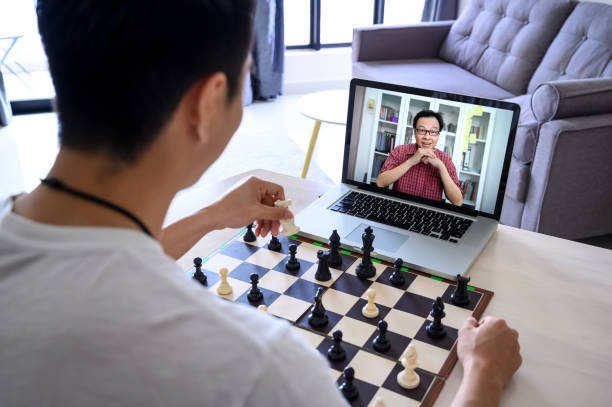
Landscape of Chess Training in Malmö and Why Online Chess Training is the Right Choice
Malmö has always had a warm relationship with chess. The city hosts chess clubs, school programs, and weekend tournaments that attract both beginners and seasoned players.
You can find small community clubs where players gather, talk about games, and play for fun. But even though the passion for chess is strong, many players face a challenge—there aren’t enough professional, consistent training options in the city.
Most local clubs depend on volunteer coaches or part-time trainers. This means students don’t always get a proper, structured learning path. One day they might study openings, and the next week they might only play friendly games. It’s enjoyable, yes, but it’s not effective for true improvement.
Online chess training fills this gap perfectly. It removes the limits of location. Children can now learn from certified professionals who have years of experience and a global perspective.
Online classes also make scheduling easy for families with busy routines. Instead of driving through traffic or rushing from school, students can open their laptops, join class, and start learning in a calm space.
The digital classroom is also more engaging. With interactive boards, game analysis tools, and live tournaments, kids stay excited. They can see their progress clearly and learn at their own pace. This kind of experience simply isn’t possible in most offline clubs.
Debsie brings the best of this to Malmö. We designed our online training model to fit the way children learn best—through short, engaging lessons, live interactions, and clear milestones. Our platform tracks each student’s growth so that both parents and coaches can see progress every week. No guessing, no confusion.
How Debsie is The Best Choice When It Comes to Chess Training in Malmö
Now, let’s talk about what makes Debsie stand out. It’s not just another online class—it’s a carefully built learning system.
Every child who joins Debsie gets a personal path designed around their age, skill level, and goals. From absolute beginners to advanced tournament players, we create lessons that challenge but never overwhelm.
Our coaches are all FIDE-certified and trained to teach kids in a friendly, patient, and inspiring way. Many of them have played internationally and bring real tournament experience to every session.
They understand what it takes to move from “I just learned how the knight moves” to confidently planning strategies three moves ahead.
At Debsie, classes are small. That’s important because it allows every student to ask questions and get real feedback. We don’t let anyone feel lost or ignored. Each lesson is interactive—students play games, solve puzzles, and discuss moves with their coaches. This makes learning lively and exciting.
We also hold bi-weekly tournaments so that children can test their skills in a safe, fun environment. These tournaments are not just about winning; they’re about learning how to handle pressure, think calmly, and show respect for opponents.
Parents love how organized Debsie is. You always know what your child is learning, what they’ll study next, and how they’re improving. Every few weeks, we send progress reports that show both game skills and life skills—focus, patience, and confidence.
Another big reason Debsie is the best choice is flexibility. You can schedule sessions at times that suit your family. No travel, no weather issues, no schedule conflicts. It’s perfect for Malmö families who want high-quality learning but also value comfort and consistency.
Our global community is another special part of Debsie. Kids meet and play with students from other countries, making friendships that last beyond class. This teaches them cultural awareness, teamwork, and sportsmanship—all through a simple game of chess.
Offline Chess Training
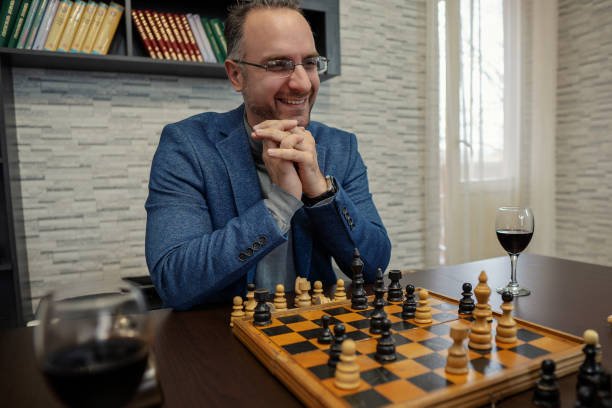
Offline chess training has a long history in Malmö. Many parents picture a quiet room, a wooden board, and a coach who walks around, checking games. There is warmth in that picture. But when we study results week by week, we see a different story.
Most children need a clear plan, simple steps, frequent practice, and fast feedback. In a typical offline setup, lessons are tied to a location and a fixed time.
If a child is tired after school, or if the weather is bad, or if the bus is late, the class is missed and progress slows. Over time, this stop-start pattern becomes a habit, and the child never reaches their true level.
The offline room also limits who your child can train with. One coach may be kind and skilled, yet the group may have students who are far ahead or far behind. The coach tries to balance everyone, and that can lead to long pauses for some children.
When a child waits too long between turns or explanations, focus drops. The brain drifts. The lesson loses power. In an offline setting, it is also harder to show deep analysis right away. Without a shared digital board, students often look up and down, from pieces to paper, and small details get missed.
Offline training can help with social play and friendly games. But improvement needs more than friendly games. It needs targeted drills, timed puzzles, clear goals, and regular tournaments with feedback. While some offline centers do parts of this, very few can bring all of it together every single week with no breaks.
That is why many families in Malmö now add or switch to online training. They see how quick and smooth learning can be when the class meets the child where they are—at home, calm, focused, and ready.
Drawbacks of Offline Chess Training
The first drawback is uneven structure. Many offline programs do not follow a clear, step-by-step curriculum across months. One session may teach openings, the next jumps to endgames, and the next becomes a casual play day.
Children enjoy the games, but real growth needs a ladder, not a loop. Without levels and milestones, students forget what they learned, and parents cannot measure progress.
The second drawback is limited access to top coaches. In an offline model, you are tied to who lives nearby. In Malmö this might mean a small circle of tutors. Even if they are good, your child may need fresh teaching styles, different voices, or a coach who is a specialist in positional play, tactics, or calculation.
Find the right learning experience
Tell us a little about the learner and what you are looking for. Our team will review your answers and help you identify the most suitable next step.
- Takes only a few minutes
- No payment required
- Personalised recommendations
Your information will only be used to respond to your enquiry.
Online learning removes that wall. Your child can learn from FIDE-certified coaches who have trained hundreds of students across countries and rating bands.
The third drawback is feedback speed. Offline feedback often happens after class, or a week later. By then, the child has lost the feeling of the position and cannot connect the note to the mistake.
In a live online class, a coach can pull up the child’s game on a shared board, mark the key moment, show the better move, and then assign a short puzzle that targets the same idea. The learning loop is short and strong.
The fourth drawback is time cost. Travel, packing, waiting for turns, and slow setup eat into learning minutes. Young students have limited focus windows. When half of the window goes to logistics, the learning dose becomes thin. At home, the class starts on time and ends on time. The brain uses energy on thinking, not on waitin

Best Chess Academies in Malmö
Malmö has heart for chess, and families do have choices. Still, the quality and structure vary a lot. Below, I will explain how Debsie works and why many Malmö parents select Debsie first for steady progress.
After that, I will briefly describe a few other options you might come across in the city, region, or country. I will keep those parts short because our aim is to give an honest sense of the landscape and to help you make a clear, confident choice.
1. Debsie
Debsie stands first for a simple reason: we combine expert coaches, a living curriculum, and warm human care. When your child joins, we do a friendly skill check.
Our curriculum is tiered from Starter to Mastery. In Starter, kids learn piece power, safe squares, and basic mates. We teach opening rules with gentle, memorable cues so they do not load the mind with theory too soon.
In Builder, students learn tactics like pins, forks, and skewers with hundreds of light drills that take two to three minutes each. In Player, we stress calculation. We train a short, repeatable thinking process: checks, captures, threats, and the opponent’s best reply.
In Competitor, we shape tournament skills: time control management, opening preparation, and how to review your own game. In Mastery, we go deeper into strategic planning, pawn structures, endgame technique, and psychological balance.
All lessons are live. Coaches use a shared board and a simple talk-through style. We keep our words clear and short so that the main ideas stick. Students solve puzzles right in class. If a child gets stuck, the coach asks guiding questions rather than giving the answer.
This builds a habit of finding ideas on their own. After class, students receive practice sets that match the day’s theme. The sets are short on purpose so they fit into busy days.
We run bi-weekly online tournaments. These are friendly yet real. Players face new opponents, handle nerves, and learn to reset after a loss. Coaches watch games live and tag teaching moments. After each event, your child gets feedback that is specific, kind, and actionable.
Parents receive a simple progress note every few weeks that shows rating change, puzzle accuracy, opening stability, and endgame growth. We also track soft skills like focus time, patience during slow positions, and resilience after blunders. These life skills matter as much as rating, and we honor them.
Debsie offers private coaching for students who want a faster climb or have special goals, such as a school championship, a national youth event, or a rating milestone.
Private lessons are planned in four-week blocks with a theme and a clear outcome. The coach meets the student, sets two or three simple habits to practice, and checks progress every session. Parents see the plan and the results. No guesswork.
2. Local Community Chess Group
In Malmö, you may find a local community chess group that offers evening sessions in a shared hall. This can be a nice place to meet other players and enjoy casual games. The sessions, however, are usually open play with light coaching when time allows.
Some children grow in this setting, but many need more direct teaching, clear homework, and a tested curriculum. If your child needs firm structure and fast feedback, Debsie gives that week after week with no gaps.
3. Private Tutor Network
You might also come across a private tutor network that connects parents with individual coaches who live in the region. A one-to-one setup can feel personal, but quality can vary because there is no central curriculum and no team support behind the coach.
If the tutor is busy or travels, classes pause. Debsie solves this with a team model, shared lesson plans, accountability, and progress reports. Your child’s growth does not depend on one person’s calendar.
4. After-school Programs in Skåne
Some after-school programs in Skåne add chess as an extra activity. Children play friendly games and learn simple rules. This is a gentle first touch, which is good for curiosity. Still, the focus is broad and the time is short, so growth is slow.
When a child shows interest and wants to improve, families often look for a place with stronger coaching, regular tournaments, and long-term levels. Debsie fills that next step with care and clarity.
5. Online Platforms
You may see national online platforms that serve all of Sweden with recorded video lessons. These can be cheap and flexible, but many children stop watching after a few weeks because there is no live coach or group energy.
Without questions and feedback, children guess and form habits that are hard to fix later. Debsie’s live, small-group model keeps attention high and makes sure ideas are correct from the start.
Why Online Chess Training is The Future
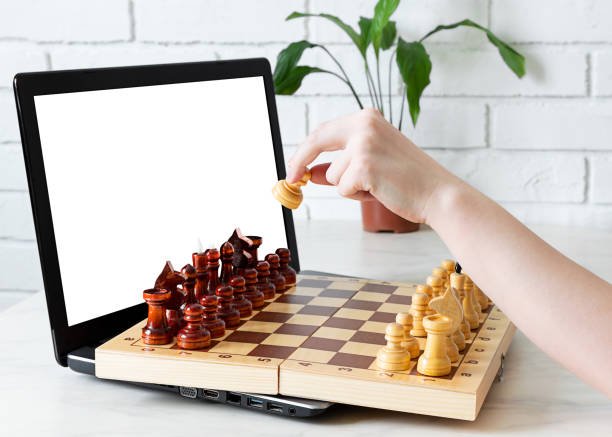
Online chess training wins on access, structure, data, and human connection. Access means your child can learn from top coaches no matter where you live in Malmö. Structure means a clear path, levels, and goals that your child and you can see.
Data means real progress markers, not just “I think they are better.” Human connection means live classes with coaches who notice small wins and guide with kindness.
The modern child is used to interactive screens and instant feedback. When we bring chess to that world in a healthy, planned way, focus grows, not shrinks. Short puzzles, timed drills, and shared boards make learning active. Children see mistakes and fix them right away.
They learn to think ahead, to consider the opponent’s plan, and to check their ideas before they move. These habits help with math, writing, and even daily choices. It is not about more screen time. It is about smarter, high-quality time that builds the mind.
Online training also opens doors to a wider community. Your child can play practice games with safe, supervised partners from other cities and countries. They learn to be calm under new styles and to adjust.
In chess, adjustment is a superpower. Offline classes, even good ones, often bring the same small set of opponents each week. Growth slows. Online, variety trains the brain to stay flexible and brave.
How Debsie leads the Online Chess Training Landscape
Debsie leads with a living curriculum that adapts. We review results across all classes every month. If we see that many students stumbled on a theme, we adjust the lesson flow and add a new drill set.
If a topic proves too easy, we raise the level. This loop keeps learning fresh and sharp. Most platforms do not update this often. We do, because children deserve teaching that listens to their needs.
Our coaching team meets each week to share learnings. A coach may bring a tricky endgame that confused several students, and we shape a clearer way to teach it. Another might share a game where a student found a creative mate, and we build a small challenge from it to inspire others.
We focus on parent partnership. We speak in simple words about progress. We do not hide behind jargon. If your child struggles with calculation, we explain the plan to fix it in terms you can trust. If your child excels at openings but drops endgames, we rebalance their practice. You will always know the “why” behind each step.
We also care deeply about joy. A child who loves chess learns faster. Our lessons use clear diagrams, short stories from real games, and playful challenges. We celebrate small wins.
We turn “I blundered again” into “I learned a new check.” This change in words builds a strong mind. Over months, children become calmer and kinder to themselves. That confidence shows up in school and life.
Conclusion
Malmö loves chess, and children here are ready to grow. The smartest path today is clear, structured online training that fits real family life, builds steady habits, and gives fast feedback. That is what Debsie does best.
We place each child at the right level, teach in small live groups, and guide them with simple steps that make sense. We blend tactics, strategy, endgames, and calm thinking. We track progress, celebrate effort, and build confidence that lasts far beyond the board.
Offline options can be warm and social, but they rarely match the steady pace, expert access, and flexible schedule that modern learners need. Debsie brings world-class coaches into your home in Malmö, with a living curriculum and bi-weekly tournaments that keep students sharp and motivated.
Parents see real change in focus, patience, and problem solving. Children feel proud, safe, and excited to learn.
If you want your child to start strong, avoid guesswork, and enjoy a friendly path to real results, choose Debsie. The first step is light and risk-free. Book your free trial class, meet a caring coach, and watch your child discover how good they can be—one clear idea at a time.
Comparisons With Other Chess Schools:

Sayandeep Pal cares deeply about how children learn. He believes every child should feel excited to learn—like opening a new gift. At Debsie, he helps turn lessons into games so kids laugh, think, and grow all at once. He often says, “Learning should never feel like homework. It should feel like a quest!”
Sayandeep reads lots of books about how children learn best. Some of his favorites are The Elephant in the Brain, The Self-Driven Child, and How Children Learn by John Holt. These books help him understand how kids think and feel when they learn new things.
He writes stories, blogs, and lesson ideas that make learning fun and simple. He also talks to teachers and parents about how to bring more play into classrooms. Sayandeep dreams of a world where kids are free to ask “why,” play with ideas, and feel proud of what they discover on their own.
Accomplishments – Club Master in Chess, 2000+ Rating at Chess.com, Has played and secured fifth position in national chess championships.