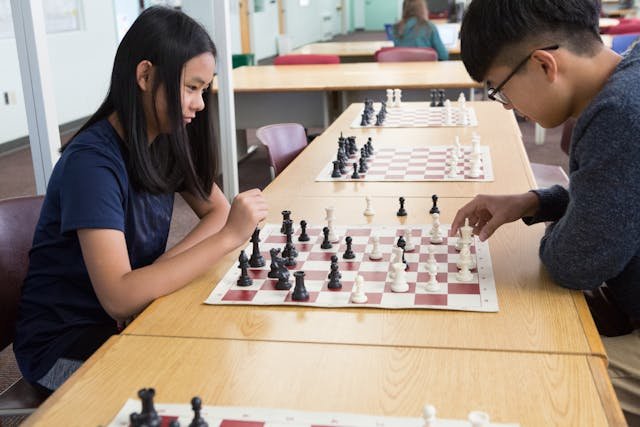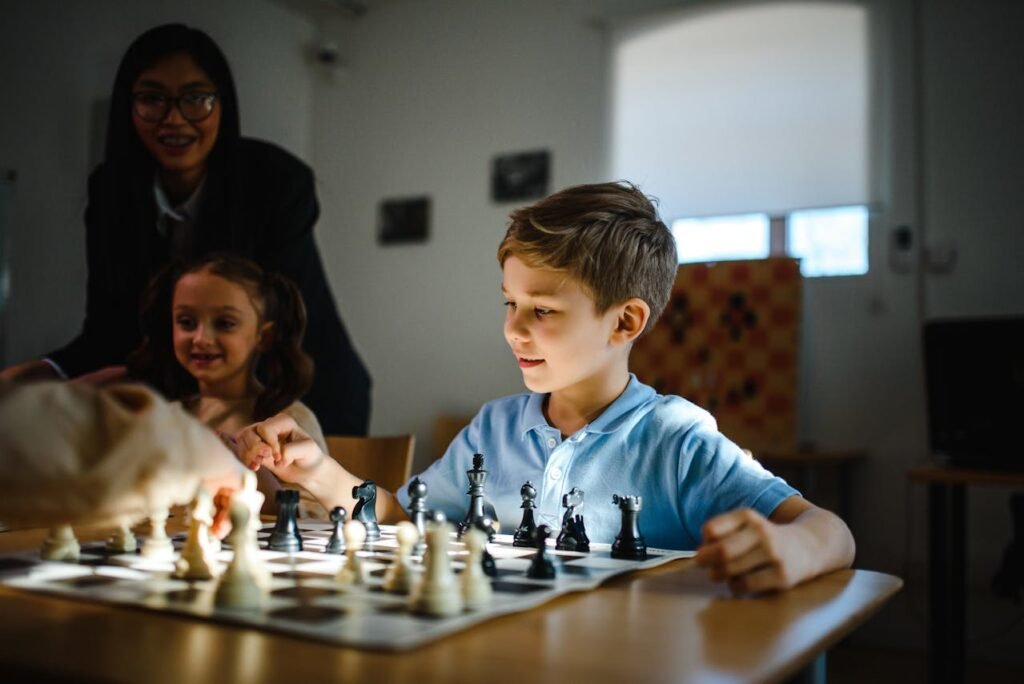
If you live in Oltrarno (Santo Spirito) in Florence, you know your streets feel like art—quiet workshops, bright piazzas, and life moving at a calm beat. This is a perfect place to learn chess. Chess is calm, smart, and powerful—just like your neighborhood. But where should you start? Which classes help real growth, not just quick tricks?
In this guide, I will show you the top chess tutors and classes you can choose from today. I will also share why online chess training often works better than offline classes, and how Debsie stands out as the #1 choice for students in Oltrarno and beyond.
We keep things simple. We teach with heart. We follow a clear plan. And we help kids grow not only in chess, but also in focus, patience, and smart thinking.
Online Chess Training
Online chess training has changed the way children and adults learn the game. It used to be that if you wanted to get better at chess, you had to find a local coach, sit across a wooden board, and meet once or twice a week. Today, that world has grown.
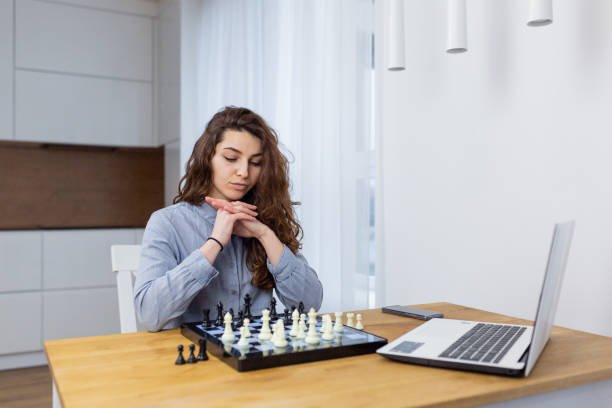
Now, you can sit in your room in Oltrarno, open your laptop, and be in a live class with a FIDE-certified coach from another country — all in real time. This is what makes online chess training special. It breaks walls. It opens doors. It lets every child learn from the best, no matter where they live.
When you train online, you get something many offline lessons can’t give — structure. Every session follows a proper plan, built to help you grow step by step. At Debsie, every student has a learning path designed for their level, age, and goals.
That means beginners learn the basics — how the pieces move, how to protect the king, how to spot traps — while advanced players focus on strategy, openings, and tournament skills.
Online chess lessons also make learning fun. You can replay your games, see your mistakes instantly, and talk to your coach face-to-face through video. You can join tournaments, meet other students from around the world, and grow with a community that cheers for you.
And the best part? Online training is not just about playing chess. It’s about growing confidence. Children who learn chess online become better at making decisions, solving problems, and thinking ahead. It’s like learning to think two steps ahead — not only on the chessboard but in life.

The Chess Landscape in Oltrarno Santo Spirito, Florence, and Why Online Chess Training is the Right Choice
Oltrarno, with its calm streets and artistic corners, has always been a place of creativity. You can walk past a painter’s studio, hear music from a window, or see children playing in the piazza.
Yet, when it comes to chess, the training options in this neighborhood are quite limited. There are a few clubs here and there — mostly small community groups that meet weekly. These clubs are warm and friendly but often lack professional coaching and structured lessons.
Many families from Santo Spirito and nearby Florence neighborhoods look for stronger, more focused chess training for their kids. They want teachers who can really help their child build thinking skills, not just learn how to move pieces. And that’s where online chess training becomes the right choice.
Online training removes the limits of location. You don’t have to travel across Florence to find a good coach. You can join from home — and your coach could be someone who has trained champions across the world. This gives your child access to top-level learning, no matter where you live.
Another reason online training works so well in places like Oltrarno is because of time. Life here can be busy — school, after-school activities, and family life take up a lot of space. Online chess classes save time and fit easily into daily routines. Instead of spending an hour traveling, your child spends that time actually learning.
Parents also find that online lessons encourage discipline. The classes follow a fixed schedule, and the system tracks progress. You can see reports, review games, and even talk to the coach about your child’s growth. Everything is transparent and easy to follow.
How Debsie is the Best Choice for Chess Training in Oltrarno Santo Spirito, Florence
Now let’s talk about Debsie — the academy that stands at the top when it comes to chess training. Debsie is not just another online platform. It’s a global community of passionate learners guided by FIDE-certified coaches who love teaching.
What makes Debsie truly special is the heart behind the lessons. Every class is personal. Every student is seen, heard, and guided carefully.
At Debsie, we don’t just teach chess. We teach how to think smart, stay calm, and plan ahead. These are life skills that children carry with them forever. Many parents join us because they want their kids to grow in patience, focus, and confidence. Chess becomes the tool that builds all three.
Each Debsie student follows a clear learning path, designed after a detailed assessment. Coaches identify strengths and weaknesses, and then they build a plan — not just for the next class, but for long-term growth.
The sessions are small and interactive. Kids ask questions, solve puzzles, and play real games. After every lesson, they get feedback on what they did well and what to improve next.
Debsie’s classes are full of energy and warmth. You don’t feel like you are learning from a computer. You feel like you are learning from a friend who wants you to win. Our coaches know how to make students excited about each move.
We also run online tournaments every two weeks. Students from different countries compete and learn from each other. This builds a strong sense of community and healthy competition. Parents love to watch their children participate in these tournaments and see how their hard work pays off.
Offline Chess Training
Offline chess training in Oltrarno can feel warm and personal. You walk to a room, sit at a real board, and shake hands. There is a charm to that. The pieces click. The clock ticks. For some children, this can feel special.
They get to sit across from a coach and play. In some cases, small local groups meet once a week in community spaces or school rooms. The mood is friendly. People chat. Children make friends.
But even with this nice feel, many parents tell us the same thing. They want structure first. They want to know what their child will learn each week, what the goals are for the month, and how progress will be tracked.
Offline training often depends on who shows up that day and how much space is available. If the class is crowded, a child may not get much one-on-one time. If a coach is busy with other students, your child may spend a lot of time waiting for feedback.
Travel time is another point. In Florence, streets can be busy. Afternoons go by fast. A parent might spend thirty minutes to get to a venue and thirty minutes back home. That is one hour gone, not in learning, but in moving. For a young student, that hour could be better used in focused practice, puzzle solving, or review.
There is also the question of consistency. Offline clubs sometimes follow a “topic of the day” style. It can be fun, but it may skip key steps. A child may learn forks one week and endgames three weeks later without a bridge between.
If you like the feel of a board, you can still have that at home. Many Debsie students keep a wooden set on their desk. They learn online, then replay the ideas on the physical board. This gives them the best of both worlds: the warmth of touch and the power of a structured plan.
Drawbacks of Offline Chess Training
Offline classes can be lovely, but they do have limits. The first limit is access to top coaches. The best coach for your child may not live in Florence or even in Italy. With offline only, you are tied to the coaches near you.
With online, you can learn from a world-class teacher who understands children, has trained players from many countries, and knows how to build a plan that works.
The second limit is feedback speed. In a crowded room, it is hard for one coach to review every game in detail. Children play, the clock runs, and the session ends. Mistakes stay hidden.
Online sessions at Debsie include game reviews in real time, plus follow-up notes. Students can see the exact move where the plan went wrong. They learn fast because the feedback is clear and quick.
The third limit is schedule control. Schools, music, sports, and family time all matter. When you must match the venue’s timing, you lose flexibility. Online training fits the family’s life. You can pick a slot that works, and when something changes, you can adjust without losing your week.
The fourth limit is a missing curriculum. Many offline groups do not follow a strict, level-based program. They cover what they can in the time they have. Debsie follows a structured path built by FIDE-certified coaches.
Children move through levels with clear skills: tactics, strategy, openings, middlegame planning, endgames, and practical play under time. This path makes learning smooth and measurable.
The last limit is tournament rhythm. Offline events can be rare or far. With Debsie, students join friendly online events every two weeks. They play, learn, and step up. Parents see growth, not just in rating, but in calm thinking and steady focus.
Best Chess Academies in Oltrarno Santo Spirito, Florence
Florence is a city of study and art, and chess fits that spirit. Families in Oltrarno look for training that is smart, kind, and dependable. There are a few local options that meet in community spaces, and there are tutors who teach one-to-one. These can work well for casual play.
But if your goal is steady growth with a clear plan, online training tends to deliver more, faster, with less stress on the family. Below, you will find the top choice for families in Santo Spirito and a short look at several other options you may find around the city or nearby areas.
1. Debsie
Debsie is a global online chess academy built for real growth. We work with children and adults across nine countries, and we bring the same warmth and care to every home in Oltrarno.
Our promise is simple. We teach you to think like a chess player and a calm problem solver. We keep the language clear. We keep the goals simple. And we back every lesson with a plan.
When a new student joins, we run a friendly skill check. This is not a test that feels scary. It is a short, kind chat over a board. We learn how the student sees the game, what ideas are strong, and where the gaps are.
From this, we build a custom path. The plan covers near steps and long steps. It outlines what we will do in the next four weeks and what we aim to achieve in the next three months. Parents receive this in plain words so they can follow along.
Our live classes are interactive. Students talk, share lines, and try puzzles on the spot. When they play training games, the coach tracks the key moments and gives instant feedback. After class, the student gets a short note: what went well, what to fix, and one simple action for the week. This keeps progress moving.
We also host bi-weekly online tournaments. These events are friendly and exciting. A child from Oltrarno might face a student from India or Canada. This is not just good for practice. It builds a global view. Children learn to stay calm under time, to bounce back after a loss, and to finish strong.
Our curriculum is level-based and clear. Beginners learn rules, basic tactics, safe king play, and how not to hang pieces. Early intermediates learn classic mating nets, center control, and simple endgames like king and pawn. Intermediates learn typical plans from clean opening structures, pawn breaks, and piece activity.
Advanced students study deeper strategy, practical endgames, time control management, and tournament prep. We move at the child’s pace. No rush, no drag, just steady steps.
2. Local Florence Chess Club Option
In Florence, there are community chess groups that meet weekly or twice a week. These groups are good for casual play and friendly games. The mood is social, and children can make new friends. Coaching depends on who is present, and topics may change from week to week.
If you want a simple, local meet-up for practice only, this can help. If you want structured growth with clear steps and tracked progress, Debsie offers more guidance, more feedback, and more flexibility for busy family life.
3. City Youth Chess Program
Some city programs run seasonal chess sessions for children. They are usually affordable and held in school spaces or community halls. They can be a good start for new players who want to try chess. The main limit is consistency. Sessions often follow a school calendar and may pause during holidays.
Group sizes can be big, which reduces personal attention. Debsie stands out by offering year-round training, small interactive classes, personal notes after each session, and a global tournament rhythm that keeps learning strong.
4. Tuscan Chess Cultural Circle
Cultural circles in Tuscany sometimes host chess evenings, lectures, or small events. These are charming and can expose students to the beauty of the game’s history and art. However, these activities are not built as a step-by-step training plan for young players.
If your child enjoys the culture around chess, this can be a nice add-on. For steady skill growth, Debsie’s level-based curriculum, FIDE-certified coaching, and bi-weekly tournaments create faster and clearer results.
5. Independent Private Tutor in Oltrarno
There are private tutors who teach one-to-one. This can feel very personal and flexible. Quality, however, varies from tutor to tutor. Many tutors do not follow a published curriculum, and progress tracking depends on their own style.
Scheduling can be tricky, and if the tutor travels, sessions may be short or irregular. Debsie brings the same personal care but adds a tested curriculum, easy scheduling, reliable makeups, and a global peer group that inspires children to aim higher.
Why Online Chess Training is The Future
Online chess training is growing fast because it solves real problems for real families. It saves time, adds structure, and brings great coaches to your home in Oltrarno (Santo Spirito) without travel or stress.
It also keeps the joy of learning alive. Children feel seen, heard, and guided in a space they know well. When a child feels safe and calm, learning goes deeper and lasts longer.
The future belongs to learning that is both smart and kind. Online training is smart because it tracks progress in a clear way. After each session, a child can see what improved and what needs work.
This is not guesswork. It is real data from real games. It is also kind because the coach speaks to the child one-on-one, at the child’s pace, with simple words and patient tone. There is no noise from a crowded room. There is no rush. There is only focus.
Online also opens the door to the best teachers. In the past, families had to pick the coach who lived nearby. Now, your child can learn from a coach who has trained students across countries and time zones. This broad view is powerful.
Children learn new openings, new ideas, and new ways to think because the coach brings world experience into your living room. That global voice builds confidence and curiosity. Your child sees they are part of a larger world and that their work matters.
The tools make a big difference too. In a live online class, a coach can share a board, draw arrows, mark key squares, and pause the game at the exact moment a choice matters. The student talks through the choice and learns how to think, not just what to do. After class, the same position is easy to review.
How Debsie Leads the Online Chess Training Landscape
Debsie leads because we blend heart, structure, and skill into one simple path. We keep teaching warm and human, but also exact and step-by-step. Every student in Oltrarno who joins Debsie starts with a gentle check of level and goals.
Our coaches are FIDE-certified and trained to teach children in plain language. We never bury a young player in heavy words. We explain ideas like center control, piece activity, and king safety using simple images and clear examples. We build habits slowly and carefully.
Classes are live and interactive. Students do not sit and watch. They speak, try lines, and solve small puzzles that fit the day’s theme. If the theme is safe development, every puzzle reinforces quick castling and smart piece placement.
If the theme is tactics, every drill builds pattern memory for forks, pins, and double attacks. When the class ends, the student knows one thing to practice that week. That one small action creates momentum.
We place a strong focus on game review. This is where the real growth happens. After a training game or a tournament round, the coach opens the key moments and walks the student through each turning point. We do not shame mistakes. We spot the first moment the plan went off, explain why, and show a simple fix.
Over time, these tiny fixes stack up. Ratings rise, but more important, the student learns how to recover, how to slow down, and how to think straight under stress.
Conclusion
If you live in Oltrarno, near Santo Spirito, you already know how quiet focus can feel. You see careful hands in artisan shops, you hear soft music in the piazza, and you watch life move with grace. Chess fits this rhythm. It rewards calm minds, patient plans, and clear steps.
The question is not whether chess can help your child grow. The question is which path helps them grow best. After looking closely at both offline and online choices, one answer stands out. A structured, warm, and steady online program gives more clarity, more feedback, and more real progress in less time.
We built Debsie so families like yours can stop guessing and start growing. Each student begins with a gentle skill check, then follows a simple plan that fits their age and level. Every live class is focused and kind. Every game review shows the exact moment where a better move was possible, and why.
Progress is not a vague idea here; it is visible, trackable, and shared with you after each session in plain words. Your child learns to think before moving, to plan before pushing, and to recover after a mistake. These habits help on the board and in school, sports, and daily life.
Offline lessons can feel charming, and for casual play they can be fine. But they often lack a clear curriculum, consistent feedback, and flexible scheduling. Travel takes time, crowds add noise, and topics can jump from week to week.
Comparisons With Other Chess Schools:

Sayandeep Pal cares deeply about how children learn. He believes every child should feel excited to learn—like opening a new gift. At Debsie, he helps turn lessons into games so kids laugh, think, and grow all at once. He often says, “Learning should never feel like homework. It should feel like a quest!”
Sayandeep reads lots of books about how children learn best. Some of his favorites are The Elephant in the Brain, The Self-Driven Child, and How Children Learn by John Holt. These books help him understand how kids think and feel when they learn new things.
He writes stories, blogs, and lesson ideas that make learning fun and simple. He also talks to teachers and parents about how to bring more play into classrooms. Sayandeep dreams of a world where kids are free to ask “why,” play with ideas, and feel proud of what they discover on their own.
Accomplishments – Club Master in Chess, 2000+ Rating at Chess.com, Has played and secured fifth position in national chess championships.