How We Researched These Chess Classes
We evaluated the chess classes in this guide using criteria that matter to parents: teacher credentials, class format, curriculum depth, child-safety practices, student outcomes, parent feedback, value for money, and overall brand reputation.
For local academies and online providers, we reviewed public course pages, coach credentials where available, pricing, class formats, parent reviews, press coverage, and brand mentions across the web. We also spoke with children who have taken classes with some of these providers, reviewed parent feedback, and spoke with several teachers to better understand teaching methods, curriculum depth, and student outcomes.
Debsie is our own learning platform, so we disclose that clearly. We include Debsie where it is relevant, and we rank it highly only when our research criteria support that conclusion — especially for families looking for one-on-one online chess coaching, FIDE-certified teachers, structured child-focused learning, and strong value compared with many group-class alternatives.
- Student outcomes: Debsie publicly shares examples of student outcomes and parent testimonials, including puzzle milestones, tournament participation, rating improvement, school results, and parent feedback.
- Teacher quality: Debsie chess classes are taught by FIDE-certified teachers.
- Honest fit: We also explain when a local chess club or offline academy may be better, especially for children who need in-person tournament exposure, over-the-board practice, or a local chess community.
You can review Debsie’s public student progress examples here: Student Outcomes & Parent Testimonials .
Parioli, one of Rome’s most charming and elegant neighborhoods, is known for its calm streets, leafy parks, and love for learning. In this peaceful corner of the city, many families are looking for meaningful activities that help their children grow—not just in skills, but in character. And chess is one of those rare activities that does both.
Chess teaches children to think before they move. It trains the mind to be calm, to plan, and to focus. In today’s fast world full of screens and distractions, chess gives young minds a beautiful pause—an hour of quiet thinking, creativity, and joy.
Parents in Parioli are realizing that chess is not only a fun game but also a life lesson.
Online Chess Training
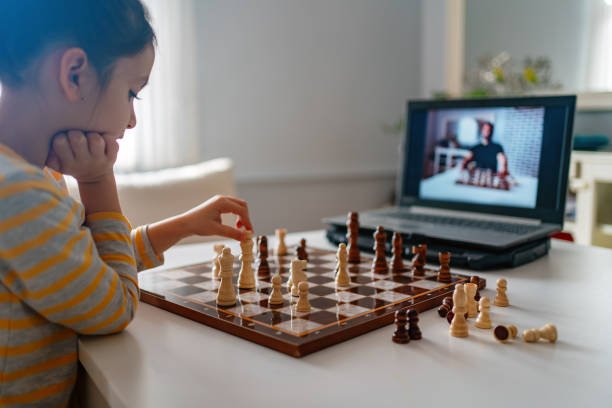
In the past few years, the way people learn has completely changed. What once required travel, time, and scheduling struggles can now happen from the comfort of your home — live, interactive, and deeply personal. The same is true for chess.
In Parioli, a neighborhood known for education, culture, and refinement, parents are seeing the power of online chess training like never before. It’s no longer a backup option; it’s the best way to learn.
Online chess training offers children something that traditional, in-person methods often cannot — structure, flexibility, and access to the best minds in the world.
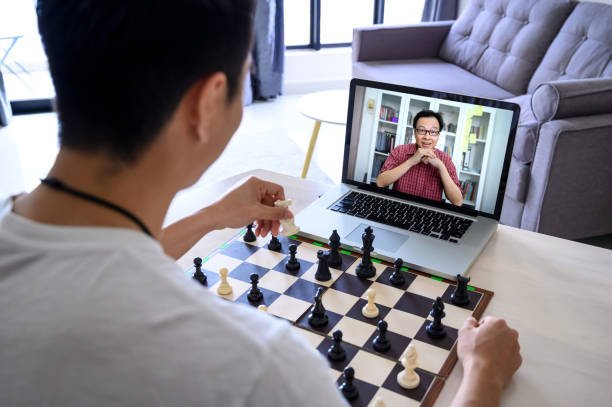
Imagine your child learning from a FIDE-certified coach based in Europe, while another student in the same class is joining from Canada or India. That’s the beauty of online learning — distance disappears, but learning gets closer and more personal.
When your child trains online, the classroom is not limited by walls or geography. The coaches can observe every move, every mistake, and every improvement. Sessions are recorded, allowing students to rewatch and learn again.
There is constant interaction, yet no pressure of physical competition. The child feels relaxed, focused, and motivated to improve.
Online chess classes also fit perfectly into a family’s schedule. No rushing across the city, no worrying about rain or traffic, and no wasted time between school and lessons. Children can join from the comfort of their homes, sit with their favorite snacks beside them, and enjoy learning at their own pace.
Landscape of Chess Training in Parioli, Rome, and Why Online Chess Training is the Right Choice
Parioli has always been a place that values education and culture. With its elegant villas, beautiful green parks, and close proximity to Rome’s top schools, it attracts families who want the best opportunities for their children.
Chess has quietly become one of those opportunities. Many parents in Parioli want their children to learn something meaningful after school — something that builds the brain, not just fills time.
You’ll find several chess clubs and tutors in Rome offering small in-person classes. They are often held in schools, community centers, or cafés. While these sessions can be enjoyable, they rarely follow a structured plan.
Each coach teaches differently, depending on their own style or time availability. Some focus on puzzles, others on games, but there is no uniform growth path for the student.
That’s where the magic of online chess training shines through. When you choose an online platform like Debsie, you are not depending on one local teacher’s style. You are entering a world-class system built by FIDE-certified coaches who understand how children think and learn.
Parents in Parioli often talk about how their children, after just a few weeks of online classes with Debsie, begin showing better focus and decision-making even in school. The lessons go beyond the board — children learn patience, problem-solving, and emotional control.
How Debsie is The Best Choice When It Comes to Chess Training in Parioli, Rome
Debsie isn’t just an online chess academy. It’s a complete learning experience, built with love, patience, and world-class teaching. Every class is live, interactive, and taught by FIDE-certified coaches who truly care about each student’s growth.
The focus isn’t only on winning games — it’s on building thinking skills, confidence, and emotional strength.
Each student at Debsie follows a structured path, starting from basic understanding and moving steadily to more complex strategies. This means your child is never lost, never rushed, and always supported.
Progress is tracked carefully, and parents receive updates after every session. The curriculum has been designed by top international coaches who know what it takes to train champions.
Unlike most local chess clubs in Rome, Debsie doesn’t use a one-size-fits-all approach. Every class is personalized. If your child learns quickly, the coach adapts and adds challenges.
If your child needs more time, lessons are slowed down, ensuring true understanding before moving ahead. This personalized attention is something very few offline tutors can offer consistently.
Another big reason Debsie is so loved among parents is the learning environment. Every session feels safe, warm, and inspiring. Children are encouraged to make mistakes, ask questions, and think aloud.
Coaches celebrate every small win and guide gently through every mistake. This helps kids feel confident and eager to learn more.
Offline Chess Training
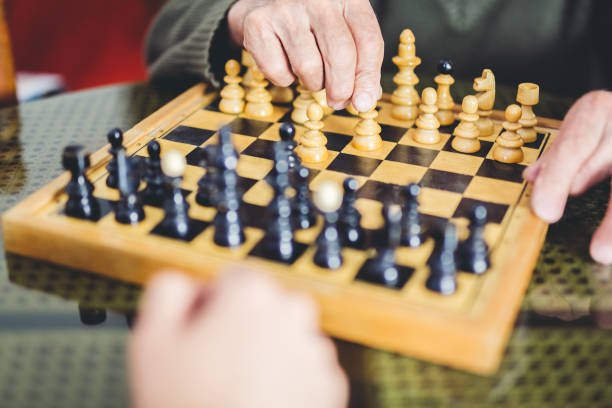
Before online chess training became popular, offline classes were the only way to learn. Many people still remember sitting across a board in a quiet room, moving pieces by hand, and watching their coach smile proudly after every good move.
There’s a certain warmth in that memory — the physical board, the clinking of pieces, the quiet hum of concentration. In Parioli, Rome, several small chess clubs and tutors still follow this traditional approach.
Offline chess training is still popular among parents who like the idea of face-to-face learning. They believe that the physical presence of a coach helps their child stay focused.
Some schools even invite local chess instructors to run short courses during the academic year. These in-person sessions often happen in classrooms or community centers, with students seated in small groups sharing boards.
In Parioli, you might find chess sessions happening in cozy cafés or after-school programs. The atmosphere is often friendly, and children enjoy playing side by side. Coaches sometimes walk around, observing games, correcting mistakes, and sharing quick lessons.
But as charming as offline chess learning sounds, it comes with many limitations. The most common issue is time. In a city as busy as Rome, traveling to and from classes can take longer than the lesson itself. Parents often struggle to balance schedules, especially when children have multiple after-school activities.
Another concern is consistency. Offline classes depend heavily on the availability of the coach. If the teacher is away or the center is closed, lessons are postponed. Progress slows down. Many parents find that their children lose momentum because classes are not regular enough.
Drawbacks of Offline Chess Training
While offline chess training has its nostalgic appeal, the drawbacks are now too big to ignore — especially for families who value consistency, structure, and measurable progress.
One of the biggest issues is limited access to quality coaches. In a city like Rome, there are only a few top-level chess instructors available for in-person teaching, and their schedules fill up quickly.
Parents in Parioli often find themselves on waiting lists or settling for tutors with less experience. With online training, however, your child can learn from the best coaches worldwide — instantly, without waiting.
Offline chess classes also make it difficult for parents to stay involved. In most cases, parents drop off their children, wait outside, and pick them up after the session.
They rarely get to see how the class went or what was taught. At Debsie, however, parents receive progress updates and even replays of lessons, so they can stay connected to their child’s journey.
Another big drawback is that offline classes usually follow a one-size-fits-all approach. The coach teaches the same material to every student, regardless of skill level or learning speed. Some students catch on quickly while others struggle quietly. This imbalance can lead to frustration or loss of interest.
Offline sessions are also limited by time and space. Classes are often held once a week for an hour or two, and missing a session means missing the lesson entirely. There are no recordings to revisit, no digital notes, and no easy way to catch up. Over time, these gaps affect a student’s progress.
Best Chess Academies in Parioli, Rome
Parioli is home to some of Rome’s brightest young minds. Parents here care deeply about education, culture, and activities that help their children grow in focus and confidence.
Chess has quietly become one of the most sought-after learning paths, and for good reason — it trains the brain, builds patience, and teaches decision-making in the most natural way possible.
1. Debsie
At number one, without question, stands Debsie, a global online chess academy that has transformed how children learn and play chess.
For families in Parioli who want the very best for their kids, Debsie offers something truly special: expert coaching, a structured curriculum, and a nurturing environment where every child feels seen, supported, and inspired.
Debsie was built on one simple idea — every child deserves to learn chess in a way that builds both skill and character. And this belief runs through every class, every coach, and every lesson plan.
Unlike many local programs, Debsie’s coaches are FIDE-certified and come from around the world. These are professional players and teachers who have trained students across continents. They understand how children think, how they learn, and how to turn curiosity into real chess ability.
Each class at Debsie is live and interactive. Students don’t just watch lessons — they participate, ask questions, and play against others in real time. The platform uses modern tools that make online learning easy and engaging.
But what makes Debsie truly unique is its structured curriculum. Many offline or small tutoring setups lack organization — they jump from topic to topic without a clear roadmap.
Debsie, however, follows a carefully designed learning path that takes students from the very basics of chess — like piece movement and board control — all the way to advanced concepts like opening theory, endgame mastery, and tournament strategy.
This structure means that every child grows steadily, with no confusion or rushed learning. Parents can see their child’s progress after every session, and they receive regular feedback reports. It’s organized, professional, and deeply caring — something very rare in the world of extracurricular learning.
2. Circolo Scacchistico Romano
Circolo Scacchistico Romano is one of the oldest and most respected chess clubs in Rome. Located not far from the Parioli district, it has been active for decades and attracts both beginners and advanced players. The club hosts local tournaments, open training sessions, and small group lessons.
While the club has an admirable history and passionate members, its format is traditional and largely offline. Classes happen on fixed schedules, and most of the instruction takes place in groups. Students need to travel to the venue, and lessons are not always customized.
3. Accademia Scacchistica Romana
Accademia Scacchistica Romana is another well-known chess institution in the city. It runs local tournaments, weekend training camps, and children’s workshops. The academy has helped many local players participate in national competitions, and its community spirit is strong.
However, the main limitation is accessibility. Parents in Parioli often mention that the travel time to the academy can be tiring, especially during busy school days. The classes are conducted in groups, which can make it hard for beginners to get individual feedback.
4. Rome Chess Club
Rome Chess Club is known for its friendly atmosphere and diverse membership. It welcomes players of all ages and regularly organizes friendly tournaments. Many families in Rome appreciate the club for its sense of community and love for the game.
However, most of the teaching here is informal. Lessons are often group-based and not structured according to a set curriculum. Some members are hobby players who volunteer to teach younger students, which can be enjoyable but inconsistent.

5. Chess Projects ASD
Chess Projects ASD is an organization that promotes chess education across Italy. They often collaborate with schools and municipalities to host tournaments and workshops. Their events are well-organized and bring chess to a wider audience.
Yet, their programs are mostly short-term — workshops, summer camps, or one-time training sessions. They do not provide a long-term, structured path for students who want to master the game deeply.
Why Online Chess Training is The Future
The world has changed. School has changed. How children learn has changed too. Families in Parioli feel this every day. Time feels short. Traffic is slow. Schedules are tight. Yet parents still want deep learning, kind teachers, and clear progress.
Online chess training answers this need better than anything else. It brings the best parts of a great classroom into your home and removes the parts that waste time and energy.
Online training works because it is built around the learner, not the location. Your child logs in from a quiet corner at home. The board is always set. The coach is ready, on time, and focused only on your child.
There are no delays, no noisy rooms, no lost minutes while the group settles down. Instead there is calm. There is structure. There is a clear goal for the day, and a clear path for the week. This rhythm creates steady growth.
Another reason online training is the future is that it gives access to top coaches, not just the nearest coach. In a traditional setup, you are limited by who lives close by. With online learning, your child can learn from a FIDE-certified expert who has trained students across countries.
This means better lessons, clearer feedback, and faster improvement. It also means your child hears new ideas and new styles of play. The mind grows when it meets many ways to think.
Online training also makes review simple. A strong part of learning chess is looking back. What move worked. What move failed. What plan was hiding in the position. In most offline classes, once the lesson ends, it is gone. With online classes, your child can review the lesson again.
How Debsie Leads the Online Chess Training Landscape
Debsie stands at the front because we are built for one thing: real growth for each child. We are not a marketplace of random tutors. We are a single team with a shared heart and a shared plan. Our coaches are FIDE-certified and trained to teach with patience and clarity.
Our curriculum is sharp, layered, and proven. Our classes are live and interactive, with constant feedback and gentle guidance. This is why families in Parioli choose Debsie and stay with us for years.
When you join Debsie, we begin with a simple call to understand your child. We ask about their level, their goals, and how they like to learn. Some children are shy and need time to open up. Some love puzzles and learn best through patterns.
Some are already playing tournaments and crave deeper strategy. We place your child in the right setting—private lessons for personal focus, or small live groups for shared play and friendly challenge. Nothing is random. Everything is planned.
Our curriculum moves in careful steps. We start with board vision and safe moves. Then we build patterns, tactics, and checkmates. We cover ideas like forks, pins, skewers, and discovered attacks, but we teach them in simple words with clear examples.
We then enter opening play: not long lists to memorize, but easy plans to follow. Next we build middlegame thinking: how to make a plan, how to spot a weak square, how to use open files.
Later we learn endgames: king and pawn, rook activity, opposition, triangulation, and basic fortress ideas. At every step, your child knows why they are learning it and how to use it in a real game.
Feedback at Debsie is kind and concrete. After a lesson, your child knows the one or two ideas to practice. They mark a few key positions for review. We keep it light, because light learning sticks. We keep it focused, because focus wins games.

Conclusion
Parioli, with its elegance, calm streets, and love for learning, has always been a place where families value growth — not just academic success, but real, lasting development.
And chess fits perfectly into that vision. It teaches focus, patience, courage, and the joy of thinking deeply before acting — qualities every parent hopes to see in their child.
In today’s fast world, however, how we teach these lessons matters just as much as what we teach. Traditional chess clubs and offline tutors still have charm, but they often lack the structure, flexibility, and consistency children need.
Long travel times, group lessons that move too fast or too slow, and unplanned curriculums make it hard for children to grow at the pace that’s right for them.
That’s why online chess learning has become the new standard — and why Debsie leads that change.
Debsie brings expert FIDE-certified coaches from around the world into your home. Every class is live, caring, and structured to fit your child’s level.
Lessons are not about memorizing moves, but about learning how to think — how to stay calm, plan ahead, and make smart choices. These are lessons that last far beyond the chessboard.
Comparisons With Other Chess Schools: