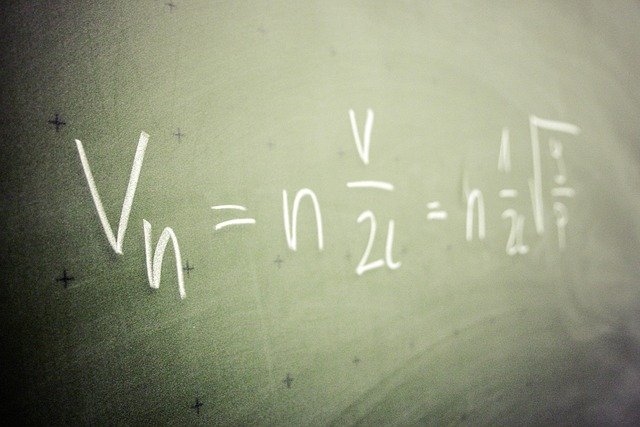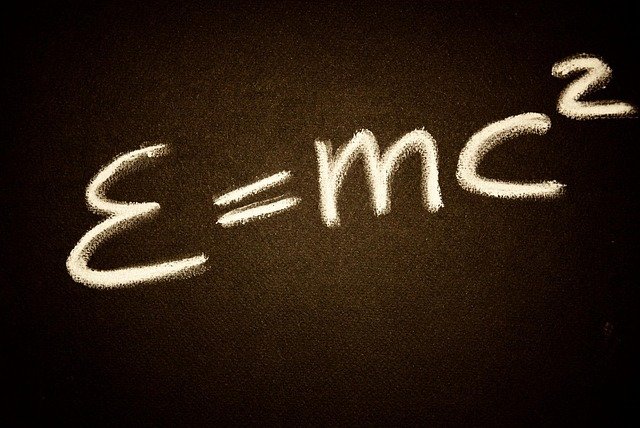
Physics is the story of how our world works—why rainbows bend over Loktak Lake, why a bicycle stays upright on the roads of Imphal, and why a fan cools your room on warm afternoons in Thoubal. When this story is told in clear, simple words, fear melts and curiosity grows. Marks follow.
This guide is for families across Manipur—Imphal, Churachandpur, Bishnupur, Kakching, Ukhrul, Senapati, and every town in between—who want a strong, calm path in Physics from Class 6 to 12 (CBSE, COHSEM/BOSEM, ICSE) and for early JEE/NEET-style thinking. You will see how to choose the right class, how to build steady habits, and how to protect your child’s time and energy.
At the top of our list is Debsie. Debsie gives live online classes, smart practice, fast doubt help, and a kind, game-like plan that keeps students active and happy. Lessons feel human. Language is simple. Diagrams are neat. Practice is short and targeted. Parents get clear weekly notes, not vague reports. With Debsie, your child learns from home, saves travel time, and gets feedback in minutes, not weeks.
We will compare online and offline coaching honestly. We will show why online Physics training is now the better core for most families in Manipur, and how Debsie leads this space with structure, care, and results. You can start with a free trial class and feel the difference in just one session.
Online Physics Training
Online Physics is simple and strong. You learn from home. You join a live class on your phone or laptop. You see your teacher, talk, try problems, and get help right away. Notes, short videos, practice sets, and mini tests all live in one clean place. No travel. No waiting. No lost evenings in traffic or rain.
This model works because Physics needs three things: clear ideas, calm practice, and quick feedback. A good online class gives all three in a tight loop. First, the idea is shown in plain words. Then the teacher draws a neat diagram and runs a small demo. Next, you solve one guided example. After that, you try two on your own. If a step slips, the system points to the exact line that went wrong—maybe a missing unit, a wrong sign, or a diagram error. You fix it in minutes, not days. That small loop repeats, and each loop adds a little strength.
Online also protects energy. In Manipur, weather and roads can shift plans. With online class, your child studies even if the day gets busy. A fresh mind learns faster. When you save an hour of travel, that hour becomes twenty quiet minutes of targeted drill, ten minutes of tidy notebook work, and thirty minutes of rest. This mix gives higher marks than any long, tiring session.
Parents like online class because the plan is visible. You can see attendance, homework, accuracy by topic, and time per question. You do not guess where help is needed. You know it. You can praise what is working and guide what is weak. Home stays calm because everyone sees the same facts.
A strong online class has a human feel. The teacher speaks in simple words. Slides are clean. Diagrams are neat. There is no jargon. The class goal is small and real: “draw a correct free-body diagram on an incline,” “write loop equations with right signs,” “trace a ray diagram without guesswork.” You leave each lesson with one win you can name. That win builds confidence, and confidence builds speed.
Practice is short and sharp. After class, you do a 15–20 minute drill. It adapts to your level. If “vector components” felt shaky, that is what you see. If you were smooth, you get one gentle twist. This is not a pile of random sheets. This is focused work that moves marks.
Doubts are cleared fast. You can raise a hand in class, send a photo of your copy, or book a short “doubt sprint.” A mentor gives a hint, not a full solution, so your brain makes the last jump. That last jump is where learning locks in. When doubts do not wait, fear does not grow.
Online also blends board clarity with entrance-style thinking. You can solve a clean JKBOSE/CBSE-style question and, with one click, try a JEE or NEET-style twist. Your brain learns to connect them. In exams, this link saves minutes and protects marks.
Landscape of Physics Tutoring in the Manipur and Why Online Physics Tutoring is the Right Choice

Let us set {Neighborhood, City} = Thangmeiband, Imphal for this section. The same patterns appear in other pockets like Nagamapal, Singjamei, Sagolband, and in towns such as Churachandpur, Bishnupur, Thoubal, and Ukhrul.
Across Imphal and nearby towns, you will find home tutors, small coaching rooms above shops, and larger centers near main roads. Some teachers are excellent. But the ground reality is uneven. Batch size changes with season. Timing is fixed and often late. Travel takes time, and rain can delay or cancel class. If your child misses one key lesson—say, vectors or Kirchhoff’s rules—catching up is hard. Paper tests take days to check. Feedback arrives late. Parents hear “needs more practice,” but they do not learn which step needs fixing. Students carry long notes but still feel unsure when a question bends slightly.
Online tutoring solves these pain points in one move. You get the right teacher for your child’s level, not just the teacher who is nearby. The plan follows your school timetable. Classes run on time, even on busy days. Replays help if you miss a session. Drills are checked in seconds, so small slips do not grow into habits. You save travel time, which becomes focused practice and rest. This is not a small gain. This is a weekly life upgrade.
Here is the simple truth for families in Thangmeiband, Nagamapal, or Singjamei: offline ties you to a batch and a bus; online ties learning to your child. Offline gives generic sheets; online targets the exact leak. Offline struggles with weather; online keeps rhythm. When rhythm stays, marks rise.
If you want to see this in action, take one free live class at Debsie. Watch the flow. Feel the clarity. Decide with your child, not with guesswork.
How Debsie is The Best Choice When It Comes to Physics Training in Manipur
Let us set {City} = Imphal. The same points work for Churachandpur, Bishnupur, Thoubal, and other towns in Manipur.
Debsie is #1 because it blends clear teaching, smart practice, fast doubt care, and kind culture into one smooth system. We speak in simple words. We draw neat diagrams. We give short, targeted drills. We fix errors quickly. We keep parents in the loop with friendly, factual notes. Students feel safe, stay active, and grow steady.
What makes Debsie different—and better—for Manipur
Local pictures, global standards.
We use images your child knows. Relative motion becomes a boat on Loktak Lake and a person walking on the deck. Banking of roads uses hilly bends toward Kangpokpi. Circuits link to power backup at home. These pictures make ideas sticky. At the same time, our method follows clean, global teaching standards so your child is ready for boards and for any competitive flavor you want later.
Game-like lesson design.
Each live class works like a level. You unlock a concept, clear two checkpoints, and earn a skill badge. Badges match real abilities: “Correct FBD on an incline,” “KVL signs right in a two-loop circuit,” “Ray diagram with clean sign rules,” “Graph read without formula hunt.” Students see progress every week. Pride rises. Pride pulls effort forward.
Adaptive drills that save hours.
After class, a 15–20 minute drill appears. If your child mixed up vector components, the drill hits that. If your child was smooth, the drill adds one small twist. No long, random sheets. No copying. Only the practice that moves marks.
Doubt sprints that protect momentum.
Doubts do not wait till Sunday. Tap a button, book a 10–15 minute slot, show your copy, get a hint, and finish the step yourself. When momentum stays, confidence grows. When confidence grows, speed comes.
Parent view that keeps home calm.
Each week you get a short note in plain language: “Graphs strong. Projectiles: height fine; range confuses when angle is large. Plan: 15 minutes on range–angle grid + one mini mock.” You know exactly what to praise and what to improve. No nagging. No guesswork.
Board ready + competitive ready.
We map COHSEM/BOSEM (Class 11–12) and CBSE/ICSE (Class 6–10) chapters to your school order. Notes are clean. Past papers are tagged. When you are ready, we add light JEE/NEET-style practice so speed rises without shaking basics.
Virtual mini-labs that make ideas real.
Move a slider, change mass or angle, and watch forces change. Build a circuit and see current shift. Slide a lens and watch the image move. The brain sees cause and effect. Formulas stop feeling random.
Bilingual comfort.
If a child understands better in a mix of English and simple Hindi, teachers adjust. The goal is not fancy words; the goal is clear thinking.
A week that fits Manipur life.
Power cuts or last-minute school events? You have replays, extra slots, and revision tracks. The plan bends but does not break. Rhythm stays.
Debsie’s learning loop (the engine that builds marks)
Before class, a tiny 3–5 minute primer warms the brain. In class, teachers use the “talk–draw–try” rhythm: speak simply, draw neatly, then let students act. After class, a short adaptive drill locks the idea. At week end, a mini test checks both speed and accuracy. Parents get a clean snapshot with two action points. Repeat. This loop is light to follow and heavy in results.
Sample topic flows your child will feel right away
Class 10: Light and Electricity
We start with mirrors you can draw fast. We move to lenses with a live ray tool so students can guess, check, and learn. Sign rules are taught as tiny habits, not scary tables. For circuits, we build two small cases and watch the ammeter change as resistors shift. By the time board-style questions arrive, steps are neat and full marks feel natural.
Class 11: Mechanics
Units and errors lead to vectors with pictures you can feel. Kinematics graphs become motion stories, not just lines. Newton’s Laws feel like pushes and pulls from daily life. Friction gets a three-step FBD checklist. Projectiles link to real throws and timing. Each drill targets the exact slip—missing normal, wrong component, or sign mix-up—so leaks close fast.
Class 12: Electrostatics to Modern Physics
Field and potential form a clean map. Circuits move from rules to sense. Magnetism uses slow, guided right-hand rules. EMI shows flux change on screen. Photoelectric effect uses a simple slider story so “why” becomes clear. Students stop memorizing and start reasoning.
What you will notice in four weeks
Your child explains ideas in simple words. Diagrams look neat without reminders. Silly errors—missing units, wrong signs—drop. Study time feels lighter. Test days feel calmer. This is not magic. This is a good system used well.
If this is what you want in Imphal, Churachandpur, or any town in Manipur, take the first step now. Book a free Debsie Physics trial class. One session. One hard idea made easy. One plan for the next seven days.
Offline Physics Training
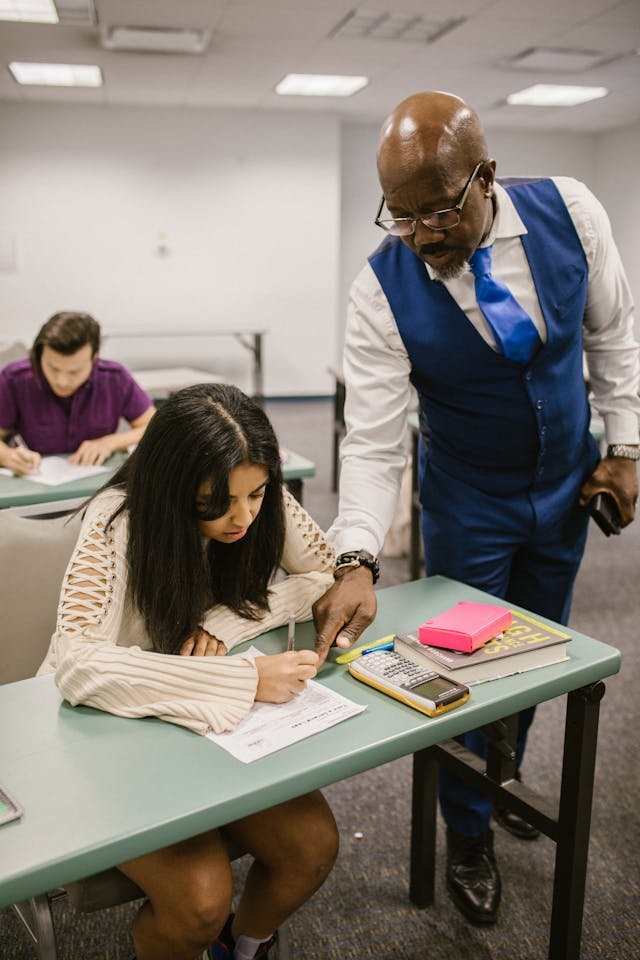
Let us talk about classroom coaching you attend in person. A hall, a whiteboard, and a batch of students. On some days the buzz feels nice. You see the teacher. You meet friends. You feel part of a group.
But Physics needs quiet steps, quick feedback, and steady practice. In many rooms, the pace is set by the batch, not by your child. If your child is confused by vectors today, the class still shifts to projectiles tomorrow. If your child is ready to go faster, the group still slows them down. Travel eats time. Rain or traffic can delay class in Imphal or Kakching. A missed lesson is hard to make up. Paper tests wait for checking. Feedback arrives late. Parents hear “needs more practice,” but do not know which step is weak. Students collect thick notes and still feel unsure when a question bends a little.
If offline is your only option nearby, choose a small batch with a clear weekly plan. Sit in a trial class. Ask how doubts are handled. Ask how missed lessons are covered. Ask for a written chapter map for the next month. If you do not get these, think again. Your child’s time is precious.
Drawbacks of Offline Physics Training
Here is what families across Imphal, Churachandpur, Bishnupur, and Thoubal tell us again and again.
The pace is one-size-fits-all. A room of twenty cannot move at twenty speeds. Fast learners get bored. Quiet learners fall behind. Both lose focus.
Travel drains energy. A 90-minute class can cost a full evening with to-and-fro and waiting. In bad weather, it is worse. Tired minds learn less.
Catch-up is weak. Miss vectors week, and the next week on projectiles rests on that base. Borrowed notes do not replace a live, careful build-up.
Feedback comes late. By the time copies are checked, the topic has changed. Small slips turn into habits.
Structure changes with season. Many rooms shift plan and chapter order due to holidays or teacher load. Students copy long sheets but do not fix the exact leak that costs marks.
Parents lack data. You hear “okay” or “try more,” but you do not see whether the real issue is a unit miss, a sign error, a graph slip, or slow writing. Without data, guidance turns into pressure, and pressure lowers performance.
Safety and weather matter. Rain, rallies, or traffic can cancel class. Rhythm breaks. Learning slows.
This is why more families in Manipur now make online training the core and use a nearby room only for extra mocks if they want the crowd feel. The core should be a calm, adaptive system that runs on time, every time.
Best Physics Academies in Thangmeiband, Imphal (and Nearby)

We will rank options clearly and fairly. Debsie is #1 because it gives the most structure, the fastest doubt help, and the cleanest parent reports. Below that, we list a few known names with brief, neutral notes so you can compare. Our aim is to help you choose with calm facts, not noise.
1. Debsie — #1 for Online Physics in Manipur
Who it fits:
Class 6–12 students across COHSEM/BOSEM, CBSE, and ICSE who want steady board marks, clear steps, and a smooth start to JEE/NEET-style thinking.
Teaching style:
Plain words. Neat diagrams. Local pictures that feel real—Loktak Lake boats for relative motion, hill turns near Kangpokpi for banking, home inverters for circuits. Each class has one small, solid goal: draw a correct FBD on an incline, write loop equations with clean signs, trace a lens diagram without guessing, read a kinematics graph without panic.
Class flow that works:
Before class, you watch a 3–5 minute primer. In class, the teacher follows the “talk–draw–try” rhythm: explain simply, draw slowly, then let you act. After class, you do a 15–20 minute adaptive drill that hits exactly what you learned. At week end, you take a mini mock and get a short parent note with two action points. The loop repeats. Fear fades. Marks rise.
Practice that saves hours:
No giant packets. No random sheets. Only short, smart drills that close the exact leak—unit drops, sign slips, diagram misses, or slow algebra. If you miss a step, the drill repeats it with a tiny change till the brain clicks. If you are smooth, it adds one twist and moves on. Less time, more learning.
Doubt help that protects momentum:
Raise a hand in class. Send a photo of your copy. Book a 10–15 minute “doubt sprint.” Mentors give hints, not full solutions, so you make the last jump. That last jump is where learning locks in. When doubts do not wait, confidence grows.
Parent peace:
You see attendance, drill completion, accuracy by topic, and average time per question. You get a weekly note in plain words—what is strong, what needs a short fix, and the two small steps for this week. Home stays calm because everyone sees the same facts.
Boards + competitive, both covered:
We map COHSEM/BOSEM and CBSE/ICSE chapters to your school order. Notes are clean. Past papers are tagged. When you are ready, we add light JEE/NEET flavors so speed grows without shaking basics.
Virtual mini-labs on screen:
Drag a block, tilt an incline, change friction, and watch arrows change. Build a circuit, read the ammeter, and see power shift. Move a lens and see the image slide. Ideas turn into pictures; pictures turn into marks.
Mindset habits that fetch full marks:
Label axes before drawing. Write the law before plugging numbers. Box answers with units. Name your common slip—“Sign-Slip,” “Unit-Drop,” “Diagram-Skip”—and watch the tag vanish in a week or two. These tiny habits quietly add 10–15 marks.
Seven-day quick start with Debsie:
Day 1: Free trial.
Day 2: Primer + live class on one hard idea.
Day 3: 18-minute adaptive drill.
Day 4: Doubt sprint if needed.
Day 5: Mixed mini mock.
Day 6: Light recap video.
Day 7: Parent snapshot + next week plan.
One calm week. One clear jump. Book your free Debsie Physics class today and feel the system at home.
2. Aakash Institute (national brand)
A known name for JEE/NEET and board support. Printed material and test series are its strengths. Batches can be large, and pace is fixed by the room. If you want frequent offline mock tests, you may use it as an add-on. For daily concept clarity, targeted drills, and fast doubt care, Debsie is usually the better core.
3. ALLEN Career Institute (national brand)
Well known for competitive coaching. Strong test culture and long programs. Like any big batch, personal pace is limited and feedback can be slower during rush weeks. Many families prefer Debsie for everyday learning and keep such centers only for occasional mocks.
4. Physics Wallah (pan-India, online-first)
Popular for budget-friendly courses and recorded lessons, with some city batches in parts of India. Useful for extra video explanations. If you choose it, pair it with Debsie’s live, adaptive practice and doubt sprints so small slips do not turn into habits.
5. Local Neighborhood Tutors (Thangmeiband, Nagamapal, Singjamei)
You will find many small rooms and home tutors. Quality varies by teacher and season. Plans shift. Tests are checked by hand. If you pick a nearby tutor for convenience, keep Debsie as the main track for structure, analytics, and replays. This mix gives you human closeness plus modern tracking.
How to choose calmly
Start with your real goal: steady marks, clear steps, and a child who does not fear Physics. Ask one test question of any class: “Will you give my child clear steps, targeted practice, and fast doubt help every single week?” If the answer is soft or vague, move on.
Debsie answers with a working plan you can see on day one. You can still use an offline room for occasional paper practice if you like that feel. But make Debsie the core. Your child gets deep understanding from home and the light test exposure you want outside.
Why Online Physics Training is The Future

Online Physics is not just a screen and a voice. It is a full classroom that bends to your child’s pace, checks work in seconds, and keeps rhythm even when plans change in Imphal or Thoubal. Done right, it makes hard ideas feel light. It saves time. It builds calm. Let us open this up with real topics, real study flows, and tiny habits that add real marks.
The three engines of online success
Personal pace.
One child may grasp vectors in a day. Another needs two more clean examples. In a hall, the batch moves at one speed. Online, the class and the drill bend to your child. Slow where needed. Fast where possible. No shame. No waste.
Fast feedback.
Most marks leak in small ways: a wrong sign in a loop, a missed unit, a sloppy diagram. Online drills grade at once and name the slip. Your child fixes it today, not next week.
Time saved.
No commute, no waiting, no rain delays. The hour you save becomes a 20-minute targeted drill and 40 minutes of rest. Fresh minds learn faster and write cleaner steps.
Topic power: how online makes tough chapters simple
Kinematics (graphs, relative motion).
We move a point on the graph while the motion plays beside it. The slope becomes “speed now.” The area becomes “distance covered.” For relative motion, a boat glides on a river; you add or change current with one click and watch what happens. The brain sees, then the math lands.
Newton’s Laws & Friction.
We tell an “object story.” Who touches me? What force do they give me? Which way am I trying to move? Then we draw a free-body diagram. Online, we can flip between smooth wood, rough sandpaper, and ice in seconds. Arrows change. Sense grows. Fear drops.
Work–Energy–Power.
Start with the “energy story”: where energy came from, where it went, what changed form. A small sim shows a block sliding, stopping, or climbing. Only after the picture is clear do we write numbers. Formula hunting stops; idea use begins.
Circular Motion & Banking.
A car turns. We tilt the road. We turn friction on or off. We ask, “Who gives the needed inward force here?” Once that answer is felt, the rest is just steps.
Electric Circuits (Ohm, KCL, KVL).
Drag a resistor. Add a cell. Watch the ammeter. When you “walk the loop,” the app flags the first sign error. We chant, “drop at resistor, rise at cell.” The loop becomes clean and quick.
Magnetism & EMI.
Right-hand rules are taught slowly with camera-on hand poses. A coil’s area changes; flux changes; an induced EMF appears with direction. Lenz’s law turns into a story you can see.
Optics (rays, lenses, mirrors).
The rays are live. You move the object; the image shifts and flips. Sign hints sit on the side. After three minutes of play, drawings improve. Board steps become neat and full-mark.
Waves & Sound (beats, Doppler).
Two dots pulse. The sound grows and fades as you change frequency. A moving source shows compressed and stretched waves. When a paper asks for apparent frequency, the mind recalls this picture and writes without panic.
Thermal & Modern Physics.
Mix two liquids; watch the final temperature settle. Move a piston; see the PV graph curve. For photoelectric effect, slide the frequency; electrons pop sooner; stopping potential rises. One clean picture saves a week of confusion.
A weekly rhythm that actually sticks
A good online plan runs a calm cycle:
- Primer (3–5 min): warm the brain before class.
- Live class (45–60 min): talk–draw–try; you act, not just listen.
- Adaptive drill (15–20 min): same day; hits the exact skill.
- Micro-review (once a week): a 25–30 minute mixed quiz to check speed and accuracy.
Repeat. This is light to follow and heavy in results.
Tiny habits that add 10–15 marks without extra hours
- Draw axes before any graph.
- Write the law before numbers.
- Underline givens; circle the unknown.
- Box the final answer with units.
- Name your common slip (“Sign-Slip,” “Unit-Drop,” “Diagram-Skip”) and hunt it down this week.
These are small, but they win marks on every page.
Parent playbook for online success (calm and short)
- Set a quiet corner with notebook, pen, and water.
- After class, ask your child to teach you one idea in simple words. If they can teach it, they own it.
- Read the weekly snapshot. Guide only the two action points. Praise effort, not just marks.
- Protect sleep. Tired brains drop units and signs.
Why online beats offline for Manipur
- Weather-proof: rain, rallies, or late school days do not break rhythm.
- Power cuts ready: replays and backup slots keep lessons on track.
- No travel stress: energy goes into learning, not into waiting.
- Data-driven: you see what to fix and how to fix it, right now.
Online is not a trend. It is a better tool for young minds with busy lives. It gives structure, speed, and peace—together. And the leader in this space is Debsie.
How Debsie Leads the Online Physics Training Landscape
Debsie is structured online. We mixed human warmth with tight design so your child learns more in fewer hours and feels proud of the journey. Here is the system from first click to final exam—with real chapter playbooks.
Your first two weeks with Debsie
Day 1: Free live class. You see one hard idea turn simple.
Day 2: Onboarding call. Dashboard shows class times, primers, and two weekly goals.
Week 1: Two live lessons + two short drills + one doubt sprint.
Week 2: Two live lessons + two short drills + one mini mock + a parent snapshot with two actions.
By Day 14, parents tell us: “The fear is lower. Diagrams look neat. Doubts get solved fast.”
What happens inside a Debsie live class
- Talk: the teacher explains in plain words, tied to daily life in Manipur—boats on Loktak for relative motion, hill bends near Kangpokpi for banking, home inverters for circuits.
- Draw: neat diagrams; no messy boards; arrows with meaning.
- Try: students solve a twin problem right away; polls check understanding; the teacher pauses where faces look unsure.
- Lock: a 2-minute recap; one small “win” you can name before you leave.
Adaptive drill that respects time
We never throw random sheets. We send a 15–20 minute set that closes the exact leak. If “vector components” slipped, that is what appears. If “range vs. height” mixed up, that is the focus. If you were smooth, we add a gentle twist. Less time, more gain.
Doubt sprints that keep momentum
You book a 10–15 minute slot. You show your copy. A mentor gives a hint that lets you finish the step. Momentum stays. Confidence grows. That same-day fix stops tiny gaps from growing into walls.
Weekly snapshot for parents
A short note in plain words: “Graphs strong. Projectiles: good on height, range wobbles at high angles. Plan: 15 minutes on range–angle grid + 1 mini mock.” Two actions. No clutter. No nagging.
Topic playbooks (how Debsie teaches for deep, fast gains)
Vectors & Kinematics (Class 11).
We start with arrows you can feel—north–east walks on a map. Three habits: draw axes, list givens/unknowns, box units. We play with points on graphs so the picture clicks. Then we solve. Within two weeks, fear fades because graphs now tell a story.
Newton’s Laws & Friction.
We model pushes and pulls with simple objects on the desk. We teach a three-step FBD check: all touches? all long-range forces? arrow directions correct? One guided example, one twin solo, then a short drill that targets the exact slip—missing normal, wrong friction direction, or mixed components. Accuracy rises fast.
Work–Energy–Power.
We do the energy story first. We track “energy in, energy out” like money. Only then do we add formulas. This order stops “formula throwing.” Students start choosing the right method on their own.
Circular Motion & Banking.
We use a live curve and tilt the road. We show when friction helps and when it is not needed. Once the “who gives the inward force” part is clear, the numbers are easy.
Electric Circuits & Kirchhoff.
We “walk the loop” out loud. Signs become a steady chant, not a guess. The first wrong sign in a drill gets flagged at once, so bad habits never harden. Students who feared circuits begin to enjoy them.
Ray Optics.
We guess–check–learn with live rays, then write neat board steps with sign rules that are short and human. Full marks turn common.
Waves & Doppler.
We make sound visible. We move sources; we listen; we watch waves compress and stretch. The picture becomes the anchor under pressure.
Thermal & Modern.
Calorimetry runs like a tiny kitchen lab. Gas laws match piston motion. Photoelectric effect is a clean slider story. Students start reasoning first, then writing.
Exam playbooks (boards and early JEE/NEET)
Before the exam: a “quiet finish” day—light drill, quick formula jog, pack pens, early sleep. No cramming storm.
During the exam: a three-pass plan—sure shots first, mid-level next, heavy ones last. Label diagrams, write the law before numbers, box answers with units.
After the exam: a 10-minute calm review—one thing done well, one thing to fix. No drama. Only learning.
Speed without losing accuracy
Speed grows from smooth steps. We train micro-routines that save minutes: mark knowns/unknowns, keep units in the margin, check sign once per loop, label axes first. When steps are tidy, you stop rewriting and your hand moves faster with less stress.
Built-in care for Manipur families
- Power or internet issues: instant replays + backup slots.
- Busy school weeks: micro-drills that hold the line without long hours.
- Festival time: revision tracks so the plan bends, not breaks.
- Bilingual comfort: simple English with Hindi support where helpful.
How parents stay in control without pressure
You see attendance, drill completion, accuracy by topic, and time per question. You also see the two next steps for the week. Your role is simple: keep a quiet corner, cheer small wins, and help keep the routine. Calm homes make sharp minds.
A month-by-month arc (what you will notice)
Month 1: fear drops; diagrams tidy up; error tags (“Sign-Slip,” “Unit-Drop”) shrink.
Month 2: graph sense grows; circuit signs feel natural; small mocks feel easy.
Month 3: speed rises; board-style steps look crisp; mixed-topic tests do not scare.
Month 4+: stable marks; steady mood; a child who can teach ideas in simple words.
Sample Debsie weeks (ready for your calendar)
Class 10 (Light + Electricity):
Mon primer on Snell’s law → Tue live lens class → Wed 18-min drill + two photo uploads for diagram layout → Fri circuits live (series–parallel) → Sat short drill on equivalent resistance → Sun 30-min mini mock + parent snapshot.
Class 11 (Projectile + NLM):
Mon primer + projectile live → Wed adaptive drill (base or elevated cases) → Thu NLM live with FBDs → Sat speed round + doubt sprint → Sun reflection note + next-week plan.
Class 12 (Electrostatics + Circuits):
Tue primer + field lines live → Thu KCL/KVL class with loop-walk practice → Sat adaptive set on the exact slip → Sun mixed mini mock + calm parent report.
The Debsie promise (clear and simple)
Attend live classes. Do the short drills. Ask for help when stuck. Give us one term. You will see smarter ideas, cleaner steps, calmer tests, and higher marks. Not magic—just good design used well.
Your next step:
Book a free Debsie Physics trial class now. Watch one tough idea turn simple in one session. If it clicks, pick a slot that fits your school time and start a calm, steady climb.