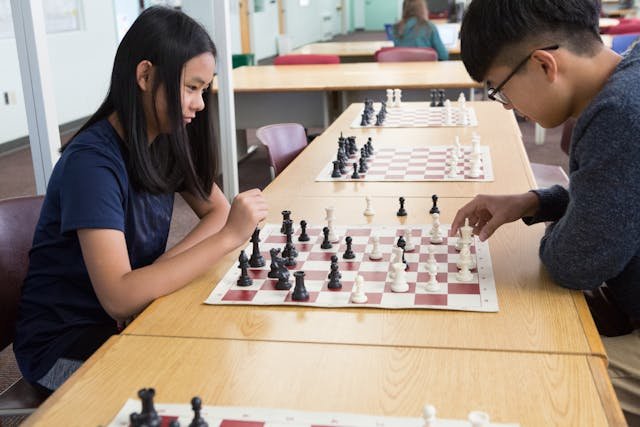
Can a junior player’s habits change how your child plays chess today? We think yes!
This is your friendly Pragg update page for U.S. families who want the story and the simple lessons. Born in Chennai (Aug 10, 2005), he became a grandmaster in 2018. He hit a peak rating of 2785 and climbed to No. 4 in the chess world — big moments that explain the buzz.
We’ll explain his name clearly: “Rameshbabu” is a patronym, not a surname, so kids learn respectful naming while following international play. Expect the biggest tournament moments, top games to replay, and tiny habits kids can copy without risky moves!
Promise: we’ll turn elite-level games into “try this today” mini-moves—mindset tips, smart time control choices, and endgame basics. Stick around: a gentle training path with weekly goals and a caring tutor option comes at the end!
Key Takeaways
- Meet the prodigy and why his peak rating created excitement!
- Simple, safe habits kids can copy from elite play.
- How to respect naming traditions in international chess.
- Mini-moves: mindset, time control, and endgame basics.
- Final training path offers step-by-step progress and tutor support.
Why Praggnanandhaa Is a Headline in the Chess World Right Now
Why is every chess feed talking about him right now? Big results and steady form made the headlines this year!
Rating vs ranking — simple: a rating is your score. A ranking is your place on the global leaderboard. Kids can think: score = points; ranking = podium spot.
The snapshot is clear. He hit a peak rating of 2785 (Sep 2025) and climbed to a peak world No. 4 (Jul 2025). As of Feb 2026 his FIDE rating sits at 2758 and he remains top-10 — proof this wasn’t a one-week streak.
How 2025 changed the calendar
Strong finishes and clutch tie-breaks at UzChess Cup 2025 helped him become India’s number one, per an ESPN report. That mentality shift made big moves in the standings fast.
From Chennai to the events Americans watch
His schedule hit big stops: Croatia on the Grand Chess Tour, St. Louis (Sinquefield Cup), freestyle and esports events, plus a Team Liquid signing. Fans in the U.S. follow those stops closely, so his rise feels local.
- Follow the path: elite fields and a packed calendar make every round feel like a final.
- Takeaway: steady planning and a fighting mindset can move a young player up the rankings fast.
Want context on the kinds of events he plays? See this list of top national tournaments to understand where big titles and momentum form.
From Child Prodigy to Grandmaster: The Fast Track That Set Up His Breakout
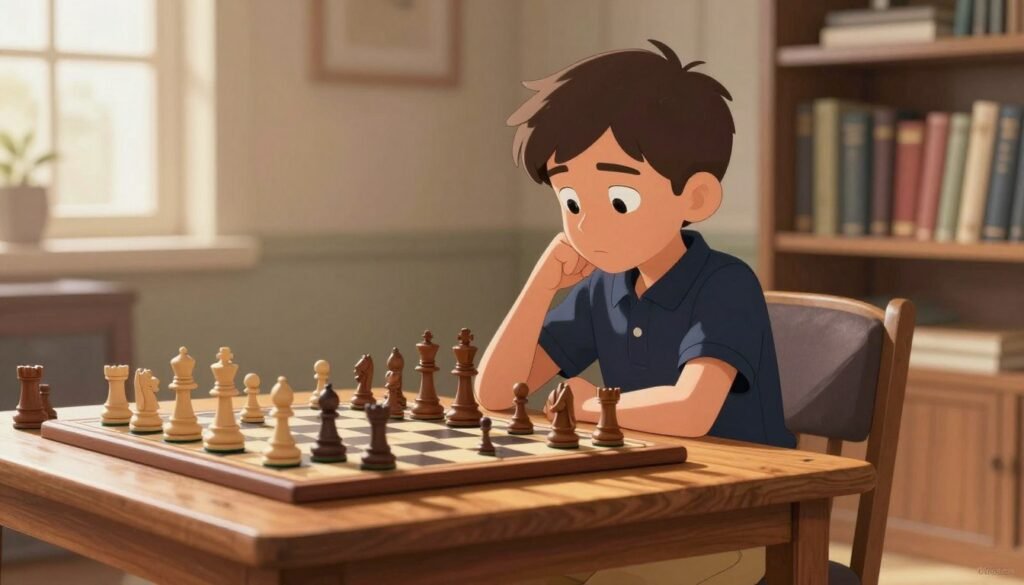
The story begins with tiny trophies and long practice sessions that shaped a future champion! He won World Youth U-8 (2013) and U-10 (2015). Those wins were steady steps, not sudden magic.
World Youth titles and early records on the way up
Youth events teach calm under pressure. They give kids routine and the habit of reviewing each game. Parents: celebrate the small wins!
Grandmaster at 12: what that timeline tells parents and coaches
He became the youngest International Master at the time in 2016 (age 10y 10m 19d). The GM title came in 2018 at 12y 10m 13d. Family travel, a caring coach team, and steady practice made that possible.
“It was a long road of small wins and patient support.”
- Origin story: lots of practice games and youth trophies build skill.
- Why youth events matter: they grow confidence and focus.
- Practical tip: set a weekly plan — tactics, one opening idea, one endgame idea!
| Year | Age | Milestone |
|---|---|---|
| 2013 | 8 | World Youth U-8 winner |
| 2015 | 10 | World Youth U-10 winner |
| 2018 | 12 | Grandmaster title |
Want structured youth training ideas? See our suggested resources at youth training ideas. For coaching and tutor options, check recommended top chess tutors.
Praggnanandhaa’s Biggest Tournament Results Fans Still Talk About
A few key tournaments read like mini-movies: pressure, drama, and comeback. Each result matters. Kids can retell them and steal small lessons!

Chess World Cup 2023: the run to the final
He reached the chess world cup final after beating Fabiano Caruana in tense tiebreaks. That semifinal showed calm under the clock.
“One win in a tiebreak can change your whole season.”
Kid lesson: practice fast decisions and stay steady when time shrinks.
Candidates Tournament 2024: a 5th-place statement
A 5th-place finish (7/14) in the candidates tournament proved he belongs with the elite. It’s the toughest door to a world champion match.
Kid lesson: consistency over one big day wins tournaments.
Norway Chess 2024, Tata Steel 2025, and UzChess Cup 2025
- Norway Chess 2024: first classical over-the-board win vs Magnus Carlsen — board wins hit different! Lesson: build confidence on the real board.
- Tata Steel (Wijk aan Zee) 2025: won the Masters playoff vs Gukesh at iconic wijk aan zee. Lesson: prepare for big moments and handle nerves.
- UzChess Cup 2025: a late surge, then blitz tiebreaks to win and move to world No. 4. Lesson: never give up—momentum matters in tournaments.
Best Praggnanandhaa Games to Study and Replay Move-by-Move
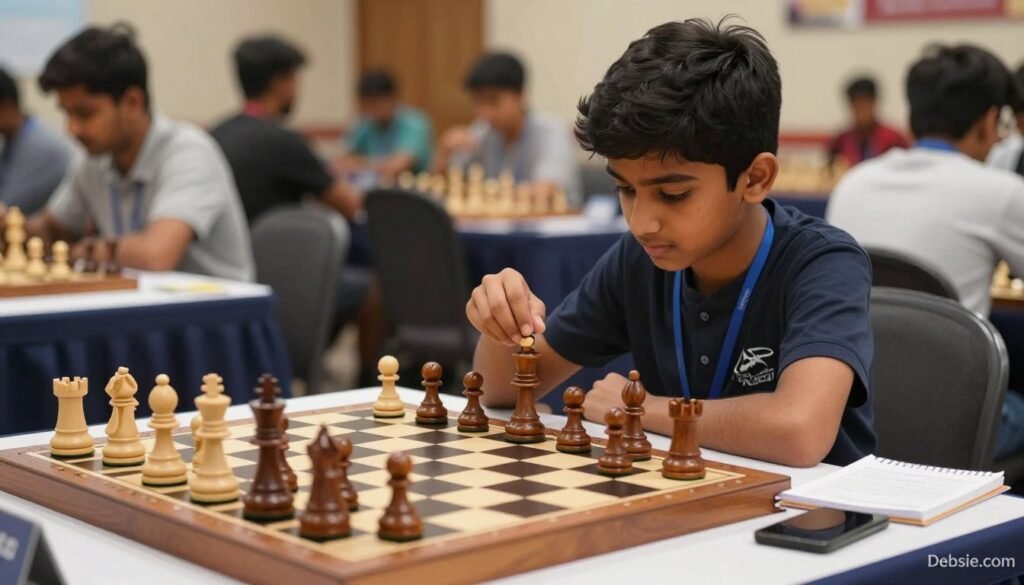
Here are six must-watch games that act like training levels for young players. Each game is a focused lesson you can replay move-by-move. Pause. Guess the move. Write your plan. Then check!
The World Cup pressure test: vs magnus carlsen (final)
Study the world cup final classical games first. Notice when simplifying is smart and when to accept a draw to preserve energy for tiebreaks.
Pause here: after move 25, guess the trade that calms the clock.
The statement win: vs fabiano caruana (World Cup tiebreak)
Replay the rapid tiebreak moments. Fast punishment of hesitation stands out. See how piece activity beats slow plans.
What would you play? Pick three candidate moves under 5 minutes.
Turning-point classic: norway chess 2024 vs magnus carlsen
Watch the patient buildup and endgame readiness. Small improvements add up to big gains in the chess classic.
Steal this idea: improve one piece each turn, then target the king.
Title clincher: tata steel 2025 playoff vs Gukesh
Play the playoff like a separate mini-match. Same opponent, new pressure. Focus on board moves, not names.
Homework: mark three moments to pause and list candidate moves.
Comeback mindset: uzchess cup 2025 closing rounds vs arjun erigaisi and Abdusattorov
These late wins show how to chase momentum. Play for the best move, not the standings. Blitz tiebreak nerves teach calm under fire.
- Study playlist: replay each game, one lesson per level. Try our study playlist to keep a simple log.
- Homework prompt: choose 3 moments, pause, write candidate moves, compare with the game.
- Kid-safe tip: learn patterns—development, king safety, and endgames—rather than long engine lines.
“Pause, guess, and learn — repeat!”
What Kids Can Copy From His Style Without Copying the Risk
Smart fighting beats reckless flair. Young players can steal the mindset and habits that win games, while parents keep training safe and fun. Below are clear, bite-size ideas to try at home and in tournaments.
Fighting mindset
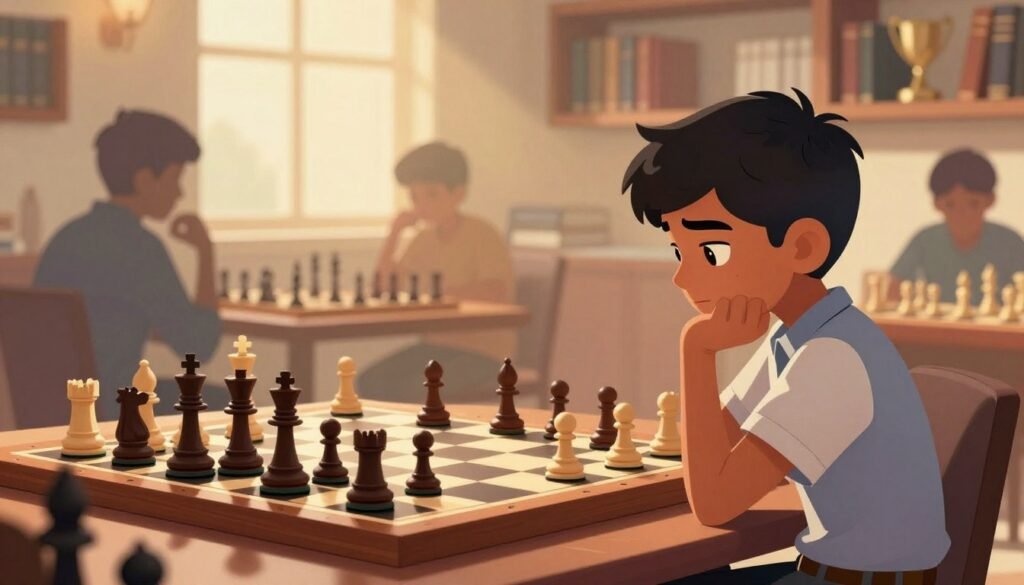
FIGHT, but SMART! Teach kids to improve pieces and create problems for the opponent instead of forcing wild attacks. Use this quick script: “One bad move doesn’t end my game. I look for my best chance right now!”
Practical calculation
Pick lines a child can calculate in the available time. At slower time controls, try deeper lines. At faster time controls, choose simple plans. This prevents guessing and keeps confidence high.
Endgame discipline
Practice converting small edges: an extra pawn, active king, or better rook. These quiet wins separate good players from great ones. Short, daily endgame drills work wonders.
Rapid and blitz tie-break readiness
When the clock becomes the opponent, breathe and slow your hand. Teach kids to take one extra second before each move. That small pause cuts blunders in fast games.
Tournament stamina
After a loss, reset with a short routine: water, a 3-minute walk, and a one-line review of one moment only. Then let it go and rest. This helps players finish a long tournament strong.
- Parent guardrails: praise effort and planning, not just results.
- Keep post-game talks short and kind so kids stay excited about chess.
- For a step-by-step training flow used in tournaments, see our guide on how to train like a champion.
“Keep the fight, keep it smart, and play the long game.”
2025-2026 Context: Rankings, Titles, and the Road Back to the Candidates
The 2025–2026 stretch rewrote the chase for a Candidates spot and showed how a packed year moves rankings fast.
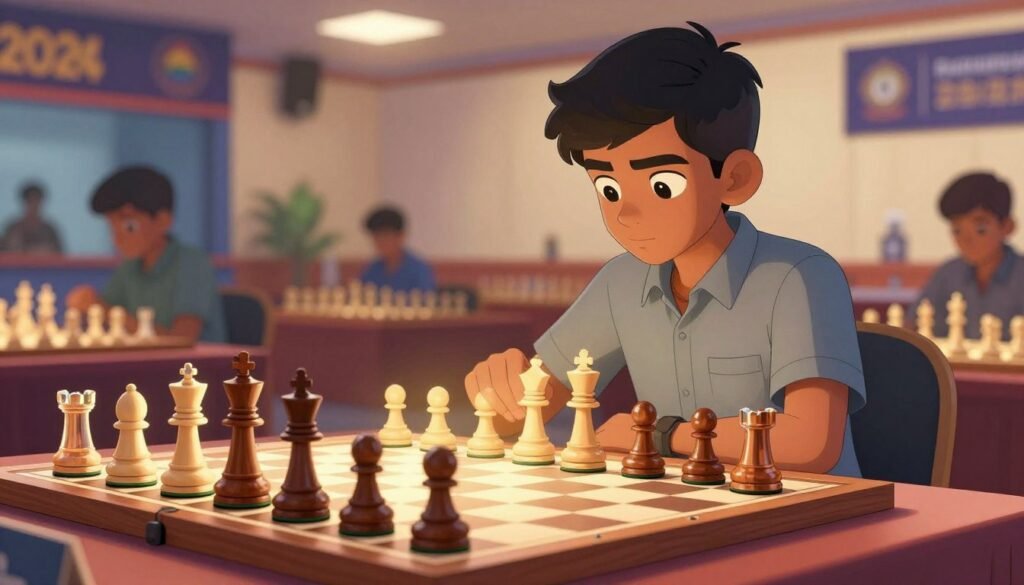
FIDE Circuit 2025 was the clear prize. Winning the circuit is like collecting points across big events. The reward: a direct ticket into the Candidates Tournament 2026. That early qualification frees a player to pick events with purpose!
Why ratings spike in a busy calendar
Ratings jump when several strong tournaments come close together. One hot month vs elite opponents can push a rating from 2758 to a peak of 2785, as seen in Sep 2025.
Think of it as a graph that moves up and down. Progress is not straight. Small streaks make big changes over time.
Rivals, reference points, and a healthy chase
Rivals like Gukesh and Arjun Erigaisi act as mirrors. They help measure form and momentum. This friendly pressure lifts the whole team and keeps the world champion conversation alive!
“Standings can flip quickly—one point can matter.”
| Year | Event | Effect |
|---|---|---|
| 2025 | FIDE Circuit (win) | Qualified for Candidates 2026 |
| Sep 2025 | Peak rating month | Reached 2785 (peak) |
| Feb 2026 | Current rating snapshot | 2758, still top-10 |
Watchlist for U.S. fans: follow major international tournament dates. When he plays, the rankings and world talk can shift fast. See our Candidates Tournament guide to learn how qualification works and why early wins matter!
Train Like a Rising Star With Debsie: Courses, Competition, and Coaching
Join our Debsie crew and train with a plan that actually moves the needle! We make learning fun and focused. Kids and parents get a simple path to real progress.
Learn via Debsie courses for structured tactics, openings, and endgames
Start structured, not scattered. Our courses break practice into short lessons: tactics for patterns, openings for safe starts, and endgames for clean wins.
Pick a level and follow one weekly goal. Structure beats random puzzle-hopping every time!
Explore Debsie courses to get going.
Debsie Leaderboard: turn studying into weekly competition and measurable rankings
Kids love visible progress. The leaderboard turns learning into friendly competition.
Compete with yourself. Earn consistency points. Grow confidence week by week.
See the leaderboard and watch small wins add up.
Take a free trial class with a personalized tutor
Need a parent-friendly plan? Try a free trial class and get a tutor who builds a Pragg-inspired plan for your child.
The tutor matches age, level, and schedule. They include fun drills that link to modern play like chess tour stops, freestyle chess, and even esports world glimpses.
Book a free trial and start one focused week of practice.
- Quick next step: pick one course, do one week, then check the leaderboard!
- Want news on formats and events? We track modern formats like the esports world cup and team shows to keep lessons relevant.
- For academy options, see this list of top coaching centers for extra support: top academies.
“Train with structure, play with heart, and measure progress—small steps win big!”
Conclusion
A quick wrap: a big world cup run, a hard candidates tournament test, and a 2025 push with title wins that reset momentum for the next cycle!
Copy this: fight for sound moves, calm down in fast games, and trust simple endgame basics. Small habits add up fast.
Parents: consistent training plus kind support beats pressure and burnout. Keep practice short and joyful!
Try this tonight: one tactic set, replay one key game moment, then write one clear lesson in a notebook. Need structure? See our Tata Steel conclusions and join Debsie for courses, coaching, and friendly competition!
Optimistic note: the road to the next Candidates is long, but learning starts today—one smart move at a time!