Have you ever had a big idea that no one got? A young girl from Hungary never gave up on her dreams. Her passion for discovery changed the world forever.
This brave scientist was born in 1955 in Szolnok. She went to Szeged’s University to study cells. Her early research was about how our bodies stay healthy.
Katalin Kariko thought a special molecule could help our bodies heal. Even when others doubted her, she kept working on mRNA technology. She believed every small step was important for science!
Her hard work led to COVID-19 vaccines that save lives. She was honored with the 2023 Nobel Prize in Medicine. Her journey shows believing in yourself can change the world!
We’re excited to share her story with you! If you love learning, check out Debsie Gamified Courses at https://debsie.com/courses today! Start your own learning adventure now!
Key Takeaways
- Born in Szolnok, Hungary, in 1955.
- Earned her PhD from Szeged’s University in 1982.
- Spent decades researching the power of mRNA.
- Her work was vital for developing COVID-19 vaccines.
- Jointly awarded the 2023 Nobel Prize in Medicine.
- Proved that perseverance leads to global breakthroughs.
Early Life and Academic Foundations
Katalin Karikó was born in a small village in Hungary. Her community loved hard work and learning. This helped her become a biochemist later on.
Growing Up in Hungary
Karikó grew up in a small village. She was curious about science from a young age. Her high school teacher, Mr. Tóth, saw her talent for science.
Mr. Tóth’s support was key in shaping her path.
The Spark of Scientific Curiosity
Karikó’s love for science started in high school. Mr. Tóth helped her see the value of science. He made her believe in her science career.

Transitioning to American Research Institutions
Karikó moved to American research institutions later. This change was big for her career. It opened doors to new ideas and teamwork.
The Early Struggles of Katalin Kariko
Katalin Karikó’s work on mRNA technology was groundbreaking. But, it wasn’t easy. She faced big funding struggles and didn’t get much support from institutions. Yet, she kept going and worked hard on mRNA technology!
Navigating Funding Challenges
Karikó had a hard time getting funding for her research. Many investors doubted mRNA technology. But Karikó believed in it and kept going, thinking it could change medicine!
The Lack of Institutional Support
Her institution didn’t support her ideas much. They thought her research was too hard. This made her work even tougher!
Maintaining Focus Amidst Rejection
Despite many rejections, Karikó stayed focused. She worked hard, driven by her passion for mRNA technology! Her never-give-up spirit inspires many researchers.
The Scientific Vision for mRNA
Katalin Karikó’s work on mRNA technology aimed to change medicine. She dreamed of using messenger RNA to fight many diseases.
Karikó knew mRNA’s power. It can tell cells to make specific proteins. This was key to new treatments.
Understanding Messenger RNA Potential
mRNA is very useful in medicine. Karikó saw it could teach cells to make helpful proteins. This could treat many diseases.
With mRNA, scientists can make proteins to fight diseases. They can even prevent some illnesses. This opened new ways to treat hard-to-cure conditions.
The Theoretical Advantages of mRNA Therapy
mRNA therapy has big benefits. mRNA can make any protein. This makes it flexible for different treatments.
Also, mRNA therapies can be made fast and in big amounts. This is great for quick responses to health crises.
Early Experiments and Technical Hurdles
Karikó faced big challenges in her early mRNA work. One was the body’s reaction to mRNA. This made the therapy less effective.
But Karikó didn’t give up. She worked hard to solve these problems. Her efforts helped make mRNA therapies safe for humans.
Overcoming Institutional Skepticism
Karikó didn’t give up, even when many doubted mRNA’s use. She faced many obstacles but never lost hope.
The Academic Climate in the 1990s
In the 1990s, science was both exciting and skeptical. New tech was welcomed, but untested methods were doubted. Many were trying new things, but mRNA was hard to accept.
Scientists were careful, sticking to what worked. They were not alone in doubting new ideas. Many big ideas faced similar doubts.
Why mRNA Was Considered Too Unstable
mRNA is fragile and breaks down easily. This made it seem bad for medicine.
Many thought mRNA was too unstable for medicine. But Karikó believed it could be made stable and useful.
Defying Conventional Wisdom
Karikó kept going, even when many doubted her. She and her team worked hard to solve mRNA’s problems.
“The biggest challenge was to make mRNA stable and efficient. We had to overcome the hurdles of instability and immunogenicity.”
Karikó’s work changed the game. Her discoveries made mRNA a real option for treatments.
Looking back, Karikó’s fight against doubt was key. Her work still motivates scientists today.
| Challenge | Solution |
|---|---|
| mRNA Instability | Nucleoside modification |
| Immunogenicity | Optimization of mRNA sequence |
| Delivery Mechanism | Lipid nanoparticle technology |
The Breakthrough Discovery of Nucleoside Modification
The discovery of nucleoside modification changed mRNA therapy forever! Katalin Karikó and Drew Weissman worked together to find this breakthrough.
Identifying the Inflammatory Response
One big problem with mRNA therapy was the inflammatory response it caused. When mRNA went into cells, it made the immune system react a lot. This made it hard to use mRNA therapy.
The Role of Pseudouridine
Karikó and Weissman found that pseudouridine was key to solving this problem. They added pseudouridine to mRNA. This made the immune reaction much smaller. This was a huge step forward for mRNA technology.
Refining the mRNA Molecule
The team made the mRNA molecule better by adding nucleoside modifications. These changes made the mRNA more stable and effective. This made mRNA therapy a better option for many medical uses.
For more info on the Nobel Prize for this work, visit the Nobel Prize website.
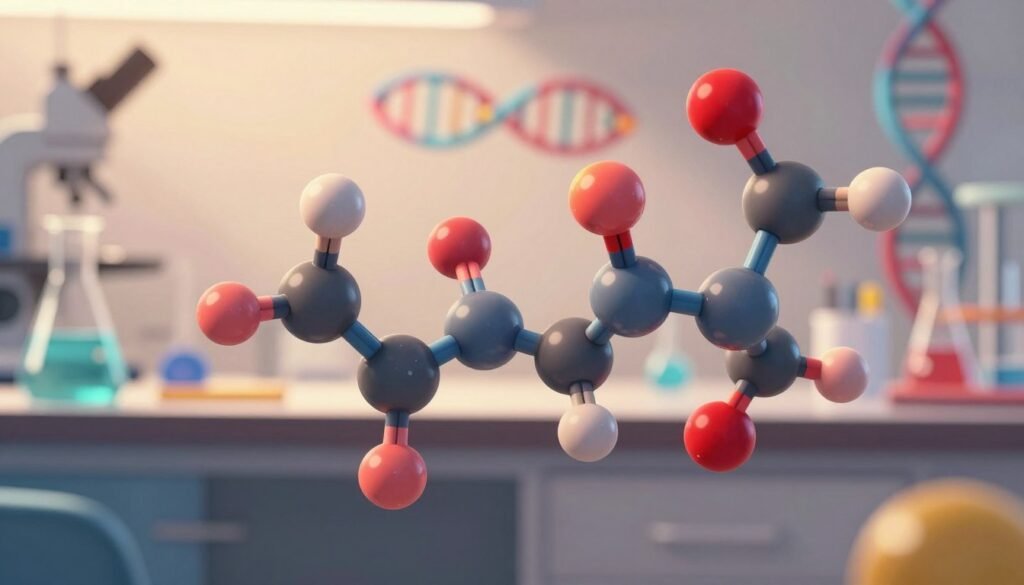
- Identification of the inflammatory response associated with mRNA therapy
- Discovery of pseudouridine’s role in reducing this response
- Refinement of the mRNA molecule through nucleoside modification
These changes helped create mRNA vaccines and therapies. They have shown a lot of promise in treating different diseases.
Collaboration with Drew Weissman
Katalin Karikó and Drew Weissman met at the University of Pennsylvania. This meeting started a partnership that changed mRNA technology.
Meeting at the University of Pennsylvania
At the University of Pennsylvania, Karikó and Weissman first met. They started a strong research partnership. Weissman knew a lot about the immune system, and Karikó knew about mRNA.
Synergy in Research Approaches
Karikó and Weissman worked well together. They wanted to use mRNA for therapy. They figured out how to make mRNA safe for use.
Their research was special:
- They studied mRNA’s role in the body.
- They found ways to make mRNA less likely to cause an immune response.
- They found new ways to make mRNA work better.
Publishing the Landmark Findings
After a lot of work, they published important findings. Their research was in a top scientific journal. It got a lot of attention and helped lead to more discoveries.
Their research had a big impact:
| Aspect | Impact |
|---|---|
| Scientific Community | It sparked a lot of interest and debate, leading to more research. |
| mRNA Technology | It was a big step forward for mRNA-based therapies. |
| Future Research | It set the stage for more studies and discoveries. |
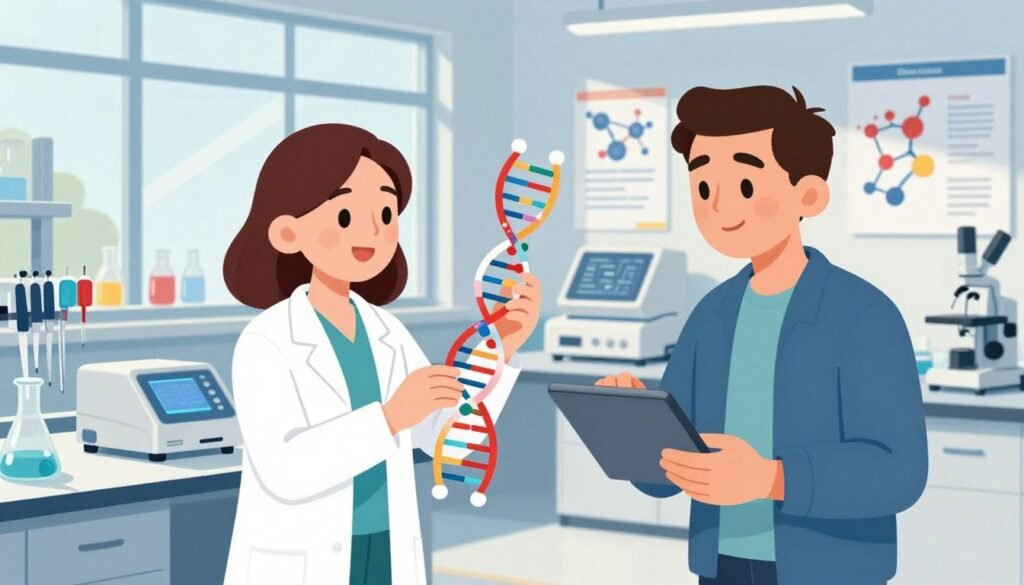
Karikó and Weissman’s work shows the power of teamwork. It shows how important it is to keep trying, even when others doubt you. Their work inspires scientists and researchers today.
The Long Road to Commercialization
Turning mRNA technology into a product took a lot of hard work and teamwork! Katalin Karikó and Drew Weissman made a big discovery. But making it into something that could save lives was the real challenge.
Licensing the Technology
The first step was to license their discovery. Karikó and Weissman’s work was patented by the University of Pennsylvania. This patent was then shared with several companies, helping to move things forward.
This step was key because it let companies invest in the tech. BioNTech was one of the first to see its potential.
The Transition to BioNTech
BioNTech was crucial in making mRNA vaccines. They got the rights to Karikó and Weissman’s tech. This let them make more and test it.
Working with BioNTech, the vaccine was improved and tested. This was a big step towards making mRNA vaccines real.
Bridging the Gap Between Lab and Clinic
Getting from the lab to the clinic was tough. There were many hurdles, like getting approval and making lots of vaccine. BioNTech worked hard to solve these problems.
It took teamwork to get mRNA vaccines ready for use. Researchers, doctors, and industry leaders worked together to make it happen.
| Year | Milestone | Description |
|---|---|---|
| 2005 | Patenting mRNA Technology | Karikó and Weissman’s work on nucleoside-modified mRNA was patented. |
| 2010 | Licensing to BioNTech | The University of Pennsylvania licensed the technology to BioNTech. |
| 2020 | COVID-19 Vaccine Approval | mRNA vaccines developed by BioNTech were approved for emergency use. |
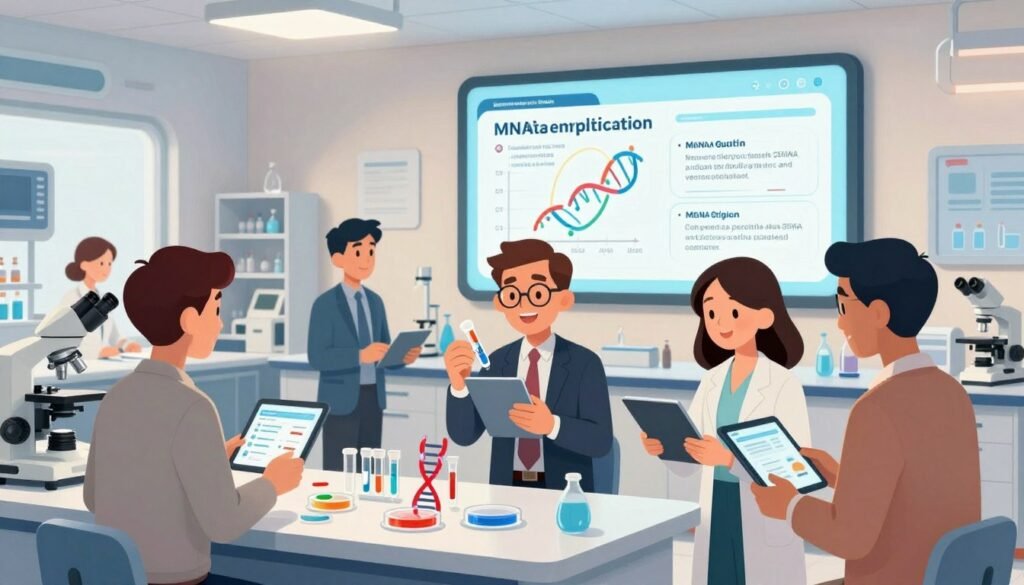
The Global Impact of mRNA Vaccines
mRNA vaccines changed how we fight global health crises, like the COVID-19 pandemic! They showed a new way to fight infectious diseases.
The COVID-19 Pandemic Response
The COVID-19 pandemic hit hard in late 2019. Scientists quickly used mRNA technology to make vaccines. This was thanks to Katalin Karikó and Drew Weissman’s early work on mRNA technology.
Rapid Development and Deployment
The mRNA vaccines were made fast, from start to finish. This was thanks to global teamwork and old knowledge. It showed how smart and united we can be.
Saving Millions of Lives Worldwide
The mRNA vaccines made a big difference in the pandemic. They helped prevent serious illness and death. This saved millions of lives worldwide.
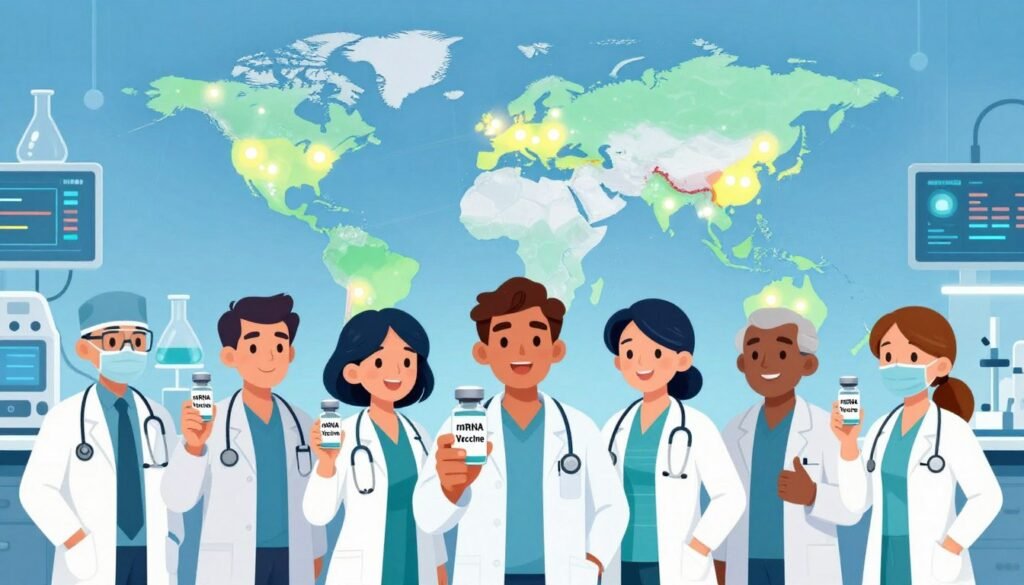
The mRNA vaccines story shows science can solve big problems. We learned a lot from fighting the pandemic. These lessons will help us in the future.
Recognition and Prestigious Awards
Karikó worked hard and was very creative. She got the Nobel Prize in Physiology or Medicine! Her work with Drew Weissman changed mRNA technology a lot.
The Nobel Prize in Physiology or Medicine
Karikó and Weissman got the Nobel Prize in Physiology or Medicine. This shows how great their mRNA research is. It’s the top award in science.
To see all the awards Karikó got, visit Wikipedia. It lists all her honors.
International Scientific Honors
Karikó got many International Scientific Honors. Some are:
- The Lasker Award
- The Breakthrough Prize in Life Sciences
- The Louisa Gross Horwitz Prize
These awards show how much her work is valued worldwide!
Public Perception and Legacy
Karikó’s work changed how people see mRNA technology. Her story motivates scientists all over the world!
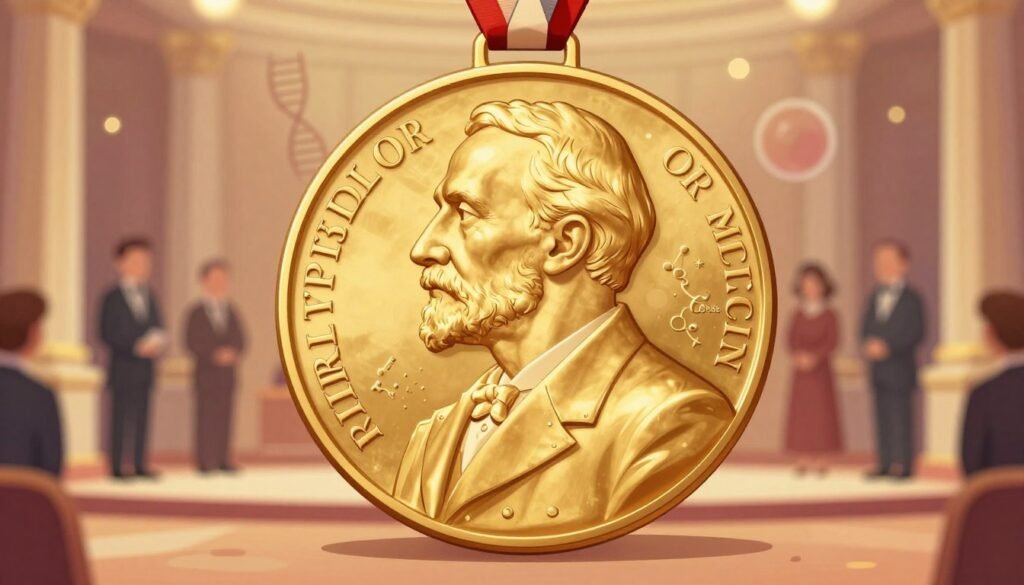
Karikó’s work will keep inspiring future scientists. Her legacy will shape medical science for years to come!
Lessons in Persistence and Resilience
Katalin Karikó’s journey shows us the power of persistence and resilience in making big discoveries!
Her story teaches us the value of sticking to our scientific vision, even when others doubt us.
The Importance of Staying True to One’s Vision
Karikó never gave up on her mRNA technology research.
She kept believing in her work, even when faced with many challenges.
This shows us the importance of dedication in innovative research.
Handling Professional Setbacks
Karikó faced big professional hurdles, like funding problems and skepticism.
But she found ways to keep going, adapting to each new challenge.
Her story teaches us about the strength of resilience.
The Value of Long-Term Commitment
Creating mRNA vaccines and therapies took a long time.
It needed years of hard work from Karikó and her team.
But their efforts paid off, helping fight the COVID-19 pandemic worldwide.
Here are some important facts about Karikó’s work and the power of persistence in science:
| Year | Milestone | Impact |
|---|---|---|
| 1990s | Initial mRNA research | Laid the groundwork for future mRNA technology |
| 2005 | Breakthrough discovery of nucleoside modification | Enabled the development of stable mRNA vaccines |
| 2020 | COVID-19 pandemic response | mRNA vaccines played a crucial role in global health efforts |
In conclusion, Katalin Karikó’s journey teaches us about persistence, resilience, and the power of staying true to our scientific vision.
Her story encourages us to keep going, no matter what challenges we face.
Expanding Your Knowledge with Debsie Gamified Courses
Staying up-to-date in science is key for big discoveries. Katalin Karikó shows us how important learning and adapting are.
In science, continuous learning is a must. We all want to learn more and stay current. Debsie Gamified Courses offer a fun way to do this.
Why Continuous Learning Matters for Scientists
Learning never stops in science. It keeps scientists up-to-date with new research and tech. Katalin Karikó’s story shows how important it is for making big discoveries.
Exploring New Skills at Debsie
Debsie lets you try new things through gamified learning experiences. It makes learning fun and interactive. This way, you’ll love learning more.

How Gamified Learning Enhances Retention
Gamified learning is a great way to remember what you learn. Debsie uses points and badges to make learning fun. This helps you remember more and stay engaged.
Visit Debsie Gamified Courses at https://debsie.com/courses
Check out Debsie Gamified Courses and see how fun learning can be. Visit https://debsie.com/courses to start your learning journey today.
The Future of mRNA Therapeutics
The future of mRNA therapeutics is exciting and full of possibilities. It’s changing how we treat and research medicine. We’re on the edge of a new era in health care.
mRNA therapeutics is already great for making vaccines. But it can do even more. Researchers are exploring its use in cancer immunotherapy. This could change how we fight cancer.
Beyond Vaccines: Cancer Immunotherapy
Cancer immunotherapy with mRNA uses the body’s immune system to fight cancer. It teaches the immune system to find and attack cancer cells. This method is showing great promise in studies and could lead to better cancer treatments.
To learn more about mRNA technology, check out scientific journals. They share the latest in mRNA therapeutics.
Treating Rare Genetic Disorders
Another exciting area is treating rare genetic disorders with mRNA. It can give cells the protein they need to work right. This could help many people who don’t have many treatment options now.
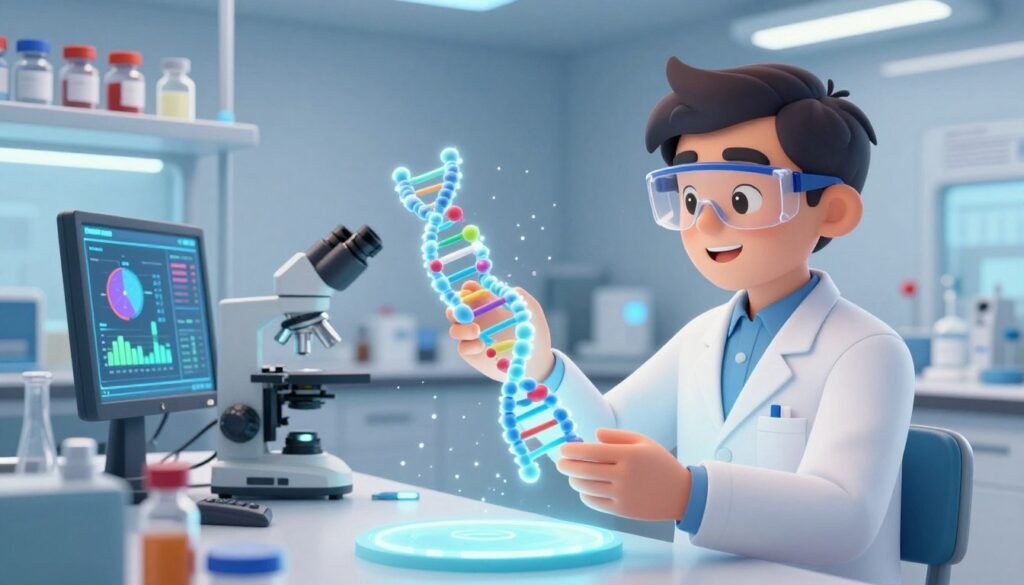
The Next Frontier in Personalized Medicine
mRNA therapeutics is also leading to new things in personalized medicine. It lets us make treatments that fit exactly what a person needs. This could make treatments much better for many diseases.
Looking ahead, mRNA therapeutics could change health care a lot. By supporting research, we can find new ways to help people all over the world.
Mentorship and Inspiring the Next Generation
Katalin Karikó’s journey is a light for young researchers everywhere! Her story shows how mentorship helps beat obstacles and win in science.
Karikó’s tale is key for women in STEM. As a woman in a man’s world, she shows us to keep going and never give up.
Supporting Women in STEM
Women in STEM face special hurdles. Karikó’s tale shows we need mentors to help us through. She encourages young women to go into science, tech, engineering, and math.
To learn more about supporting STEM, check out Debsie’s coding and STEM tutoring stats.
The Role of Mentors in Scientific Success
Mentors are key to a scientist’s success. They offer advice, support, and lessons from their own journey. Karikó’s story shows how mentors can change a career.
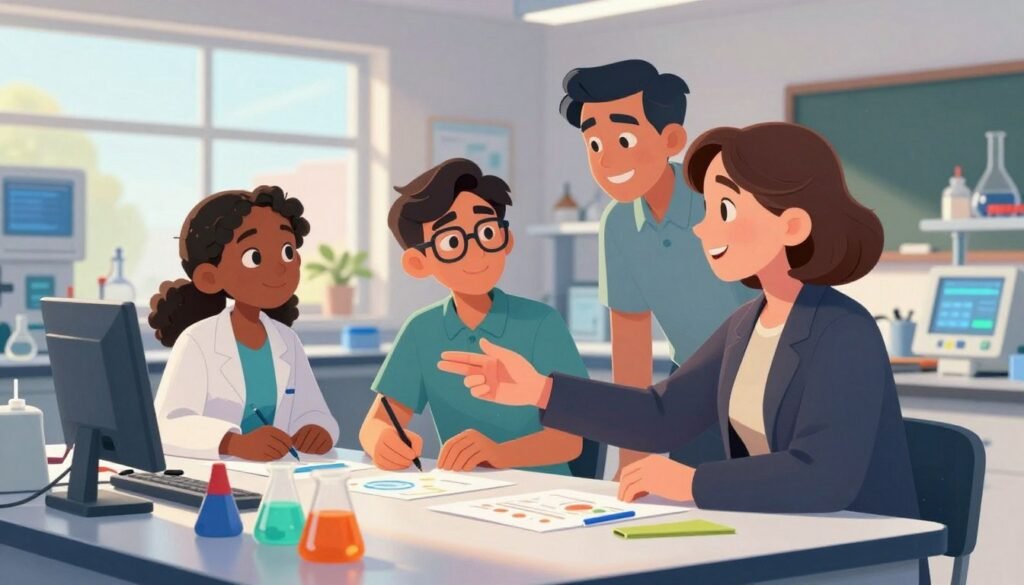
Encouraging Curiosity in Young Researchers
It’s vital to spark curiosity in young minds. This encourages new innovators and scientists. Karikó’s story shows the power of curiosity in research.
Looking ahead, mentorship and inspiration are crucial for science. By guiding young researchers, we’ll have a brighter, more innovative future!
Conclusion
Katalin Karikó’s journey is truly inspiring. Her work on mRNA technology has changed science forever. She showed us that with hard work and creativity, we can make big changes in medicine.
Her mRNA vaccines have saved countless lives. Her story shows us the impact of never giving up and having a clear vision. We should all learn more about mRNA and how it can change medicine.
For a better understanding of mRNA, check out Debsie’s explanation of DNA. It makes complex ideas easy to grasp for everyone.
Let’s follow Karikó’s example of curiosity and determination. Together, we can create a future full of new discoveries and progress. Let’s celebrate Karikó’s legacy and the amazing things she has achieved!