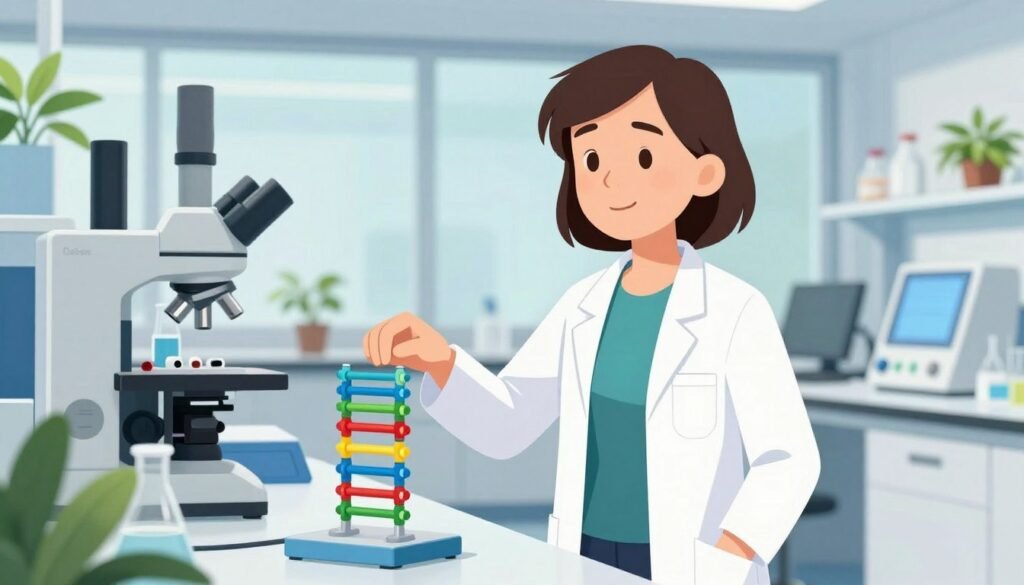
Imagine having a magic wand that could fix life’s blueprints! That’s what the gene editing revolution feels like for scientists. It’s a world where we can rewrite DNA to make people stronger and healthier!
Jennifer Doudna started it all. She’s a brilliant American biochemist who saw a big chance to help the world. Her work changed everything we know about biology!
She created CRISPR gene editing. This tool is so important that she won the 2020 Nobel Prize in Chemistry for it! It was a big moment for women in science everywhere.
We are lucky to live in a time where science feels like a superpower. You can start your own discovery journey now! Try Debsie Gamified Courses at https://debsie.com/courses to learn more about these amazing secrets.
Learning about the gene editing revolution helps us see how we might cure diseases in the future. It’s all about curiosity and never giving up on a big idea! Are you ready to explore the future of medicine with us?
Key Takeaways
- Discover the life of the Nobel Prize winning biochemist.
- Understand how new tools can rewrite the blueprints of life.
- Learn about the impact of the 2020 Nobel Prize in Chemistry.
- Explore how science can help treat many genetic diseases.
- Find out how curiosity leads to world-changing discoveries.
- Join the adventure of learning through gamified educational courses.
Early Life and Academic Foundations
Jennifer Doudna grew up in Hilo, Hawaii. She was surrounded by nature. This sparked her love for science!
Childhood Curiosity and Scientific Inspiration
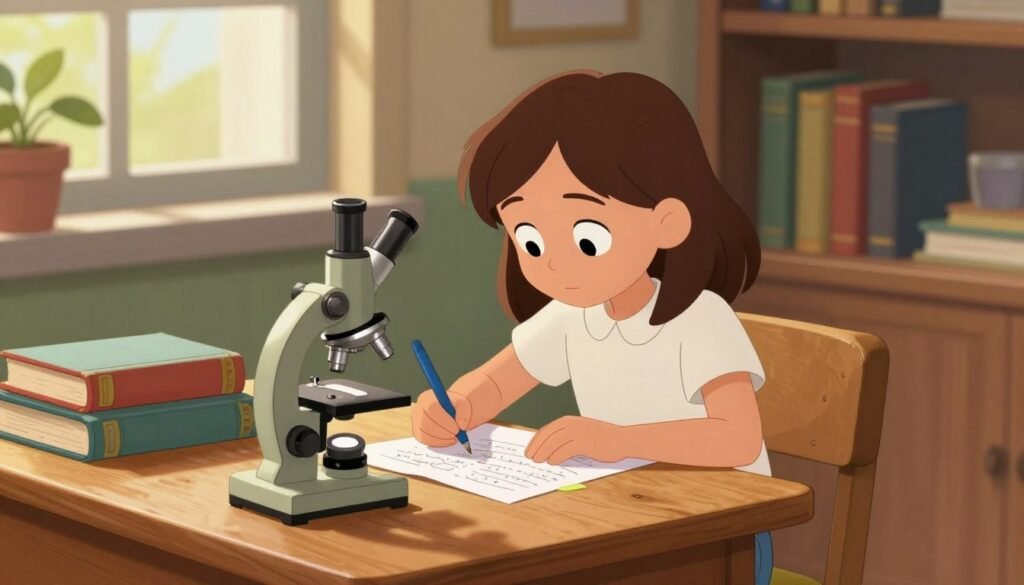
Doudna loved science from a young age. Her dad, Martin Doudna, gave her science books. This helped her start her academic journey!
She was curious about life and nature. This curiosity led her to study biochemistry!
Academic Pursuits at Pomona College and Harvard
Doudna started at Pomona College. She studied biochemistry there. This gave her a strong base for her future work.
Then, she got her Ph.D. at Harvard University. This was key for her work on CRISPR-Cas9.
| Institution | Degree/Field of Study |
|---|---|
| Pomona College | Undergraduate/Biochemistry |
| Harvard University | Ph.D./Biological Chemistry and Molecular Pharmacology |
The Discovery of CRISPR-Cas9
Jennifer Doudna and Emmanuelle Charpentier found a big way to change genes in 2012! This was a huge step in biology. It helps treat diseases and make crops better.
Understanding Bacterial Immune Systems
They started by looking at bacterial immune systems. Bacteria fight viruses with a special tool called CRISPR. It helps them remember and fight viruses again.
Here are some key points about how it works:
- The CRISPR system lets bacteria remember viruses. They store bits of viral DNA.
- When a virus comes back, bacteria use this info to attack it.
- The Cas9 enzyme cuts the viral DNA. This stops the virus from copying itself.
The Collaboration with Emmanuelle Charpentier
Jennifer Doudna teamed up with Emmanuelle Charpentier. Together, they made CRISPR-Cas9 easier to use. This opened doors for many uses in science and medicine.
Their work showed CRISPR-Cas9 can change genes with great accuracy. This has led to many new discoveries.
Jennifer Doudna and the Mechanics of Gene Editing
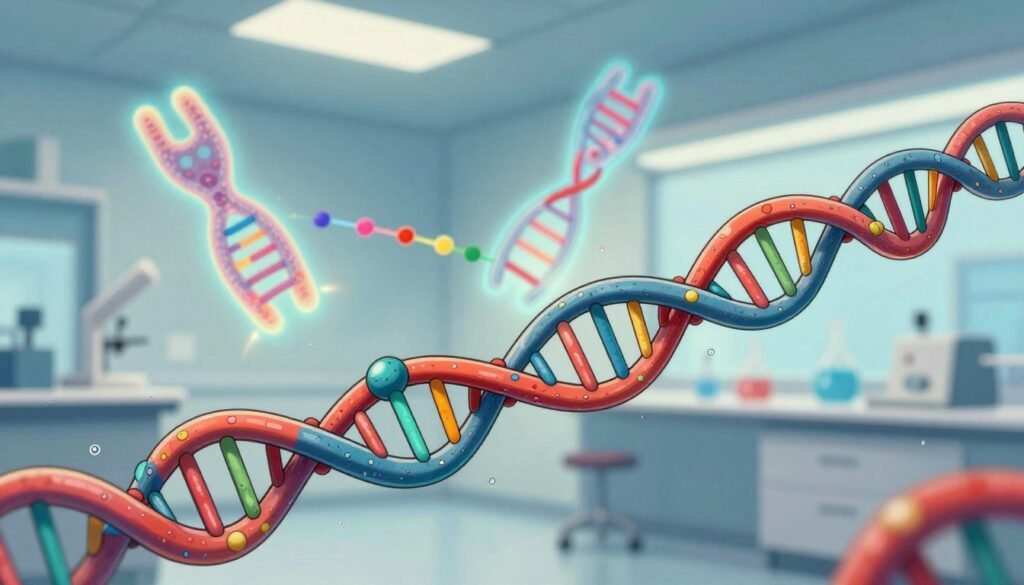
Jennifer Doudna has given scientists a powerful tool. This tool, CRISPR-Cas9, edits genes with great precision. Gene editing is changing medicine and biotechnology fast.
How Cas9 Functions as Molecular Scissors
The Cas9 protein cuts DNA like scissors. It does this with help from RNA. This makes CRISPR-Cas9 very special.
The steps are:
- The guide RNA finds a specific DNA sequence.
- The Cas9 protein cuts the DNA at that spot.
- The cell fixes the cut, letting scientists change the genome.
| Step | Description |
|---|---|
| 1. Target Identification | The guide RNA finds a specific DNA sequence. |
| 2. DNA Cutting | Cas9 protein cuts the DNA at the targeted location. |
| 3. Genome Editing | The cell’s repair machinery is activated to introduce changes. |
The Precision of RNA-Guided Editing
The RNA-guided editing mechanism makes CRISPR-Cas9 precise. Scientists can target specific genes for precise edits. This technology can treat genetic disorders and create new therapies.
The Nobel Prize in Chemistry
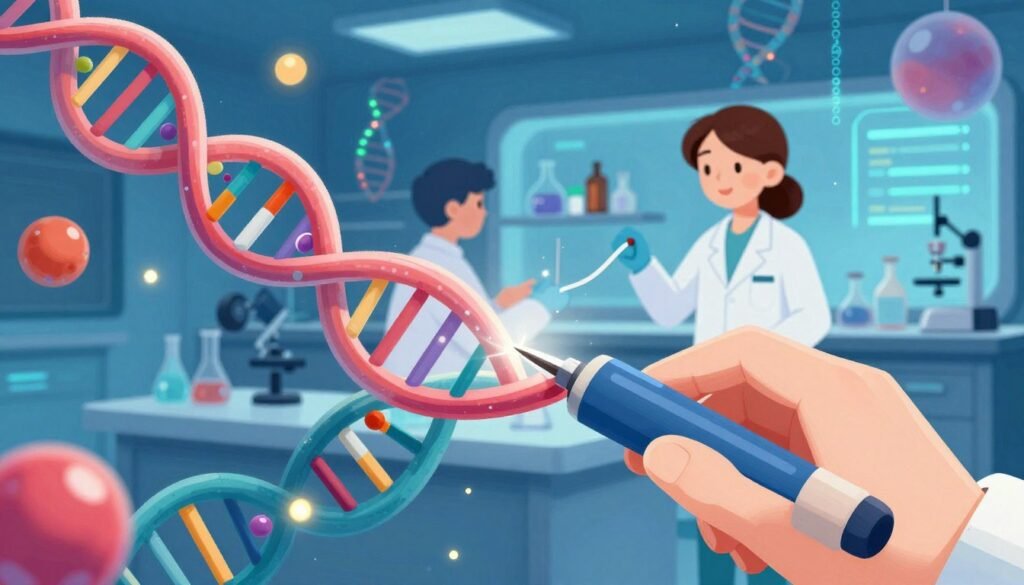
The Nobel Prize Committee gave Jennifer Doudna and Emmanuelle Charpentier the 2020 Nobel Prize in Chemistry. They worked on CRISPR-Cas9. This shows how big their discovery is for science.
Recognition of a Scientific Milestone
The Nobel Prize in Chemistry is very important. Doudna and Charpentier got it for CRISPR-Cas9. This is a big win for their work on gene editing.
The Nobel Prize press release says their discovery changed genetics. CRISPR-Cas9 lets us edit genes well and fast. This helps in medicine, farming, and biotech.
Impact on the Global Scientific Community
Doudna and Charpentier’s work has made a big difference. It has made scientists all over the world excited. They want to use CRISPR-Cas9 for new things.
| Year | Event | Impact |
|---|---|---|
| 2020 | Nobel Prize in Chemistry awarded to Doudna and Charpentier | Global recognition of CRISPR-Cas9 technology |
| 2020+ | Increased research and innovation in genetic engineering | Advancements in medicine, agriculture, and biotechnology |
The award is not just for Doudna and Charpentier. It also encourages new scientists. They can now dream big about gene editing.
Ethical Considerations in Gene Editing
Scientists like Jennifer Doudna are talking about the ethics of gene editing. They say we must think about what we do with this power. It’s important to think about the effects of our actions.
CRISPR-Cas9 has changed genetics a lot. It lets us make precise changes to DNA. But, it also makes us wonder if it’s right to change human DNA, like in germline modification.
The Debate Over Germline Modification
Germline modification changes DNA in reproductive cells. This can affect future generations. It’s a big debate among scientists, ethicists, and leaders.
- There’s worry about bad effects, like off-target changes or mosaicism!
- There’s fear of making social gaps worse, if only some can use it!
- Some worry it could be used for non-helpful things, like making people better-looking or smarter!
Jennifer Doudna wants us to be careful with germline editing. She says we need to talk about it worldwide. She suggests we pause using it on humans until we know more.
Doudna’s Advocacy for Responsible Science
Doudna is a big voice in the gene editing debate. She pushes for using CRISPR-Cas9 wisely. She wants to make sure we get the good from gene editing without the bad.
Her main points are:
- Being open about how we use gene editing!
- Inviting many views and voices in the debate!
- Being careful with germline editing, thinking about risks and benefits!
Doudna’s work helps make sure gene editing is used for good. She encourages us to talk about its ethics in a smart way.
CRISPR Applications in Medicine
CRISPR is changing medicine in big ways! It can treat diseases that were once thought impossible. This is thanks to its ability to edit genes with great precision.
Treating Genetic Disorders and Rare Diseases
CRISPR is helping to find new treatments for genetic diseases. It can edit genes with amazing accuracy. This gives hope to those with hard-to-treat conditions.
Scientists are looking into using CRISPR for sickle cell anemia and muscular dystrophy. These efforts could bring new hope to many families.
Advancements in Cancer Immunotherapy
CRISPR is also being used in cancer treatment. It can make the immune system stronger against cancer. This is a big step forward in fighting cancer.
Recent studies show great promise. They could lead to better ways to treat cancer in the future.
| Disease/Condition | CRISPR Application | Potential Outcome |
|---|---|---|
| Sickle Cell Anemia | Gene editing to correct mutation | Potential cure |
| Muscular Dystrophy | Gene editing to restore dystrophin production | Improved muscle function |
| Cancer | Enhancing immunotherapy through gene editing | Improved cancer treatment outcomes |
Agricultural Innovations Through Gene Editing
CRISPR-Cas9 is changing farming for the better! It helps grow crops that can handle tough weather and are healthier. This is making farming more sustainable.
Enhancing Crop Resilience and Nutrition
CRISPR-Cas9 is making crops stronger and more nutritious. Scientists are making crops that can fight off drought and pests better. This means we need less pesticides and have more food.
Also, gene editing can make crops healthier. Scientists can add more vitamins and minerals to our food. This helps people get the nutrients they need from their food.
Sustainable Farming Solutions for a Changing Climate
Farming must change with the climate to keep food coming. Gene editing helps grow crops that can handle tough weather. For example, crops can be made to handle heat, floods, or drought.
To learn more about CRISPR in farming, visit Innovative Genomics.
Sustainable farming is key to fighting climate change in farming. Gene-edited crops help farmers use less chemicals. This is good for the planet and for our food future!
The Role of Jennifer Doudna in Biotechnology Startups
Jennifer Doudna is a leader in CRISPR gene editing. She has moved her research into real-world products. Her work helps us understand and use gene editing in many fields.
Bridging the Gap Between Lab and Market
Jennifer Doudna is great at turning research into real products. She started several biotech companies. This helps bring new ideas to the market.
Let’s look at some of Jennifer Doudna’s biotech startups:
| Startup Name | Focus Area | Notable Achievements |
|---|---|---|
| Caribou Biosciences | CRISPR gene-editing technology | Advanced CRISPR tool development |
| Intellia Therapeutics | In vivo gene editing for genetic diseases | Pioneering treatments for genetic disorders |
| Mammoth Biosciences | CRISPR-based diagnostic tools | Innovative diagnostic solutions |
Founding Innovative Biotech Ventures
Doudna’s companies work on big health problems. They aim to make a big difference. These startups are all about new ideas and working together.
Key areas of focus for Doudna’s biotech startups include:
- Developing novel gene therapies
- Enhancing crop resilience through gene editing
- Creating advanced diagnostic tools
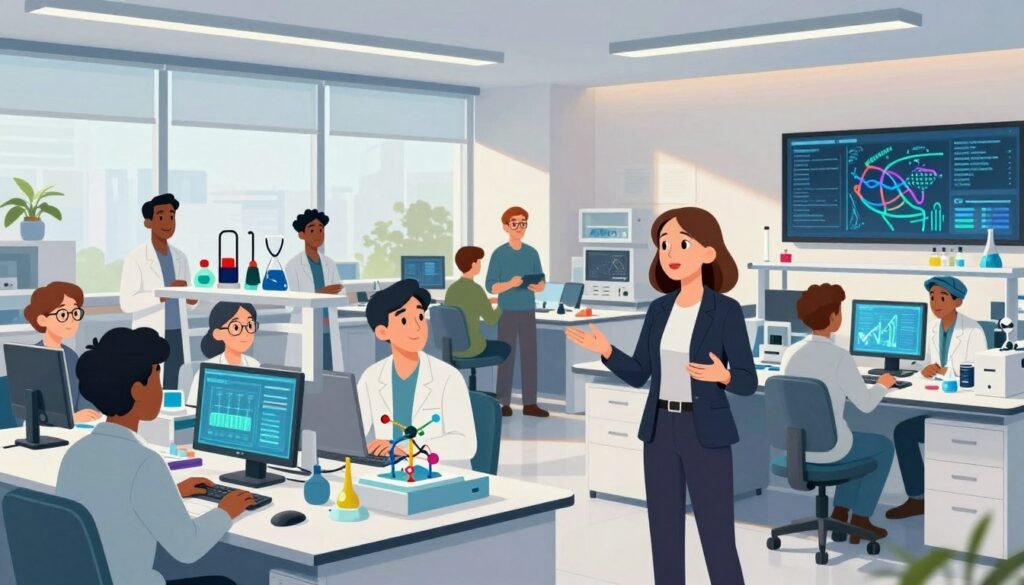
Jennifer Doudna is a big inspiration in biotech. She shows us how to make research into real solutions. Her work will keep inspiring others for a long time.
Educational Initiatives and Lifelong Learning
Jennifer Doudna is a leader in gene editing. She also fights for everyone to learn STEM. She wants to help future people grow and create new things.
Promoting STEM Education for Future Generations
Doudna thinks STEM education is key for the next scientists and thinkers. By making STEM easy to get into, we can build a community that loves to learn and be creative.
Key aspects of STEM education include:
- Developing problem-solving skills
- Fostering critical thinking
- Encouraging curiosity and creativity
Exploring New Skills with Debsie Gamified Courses
Debsie has fun courses that let you try new things in a fun way! You can check out https://debsie.com/courses to see how it makes learning fun.
| Course Features | Benefits |
|---|---|
| Interactive Learning | Engages learners through hands-on activities |
| Gamification Elements | Makes learning fun and competitive |
| Personalized Paths | Allows learners to progress at their own pace |
By supporting STEM education and new ways to learn, we help the next generation face tomorrow’s challenges! 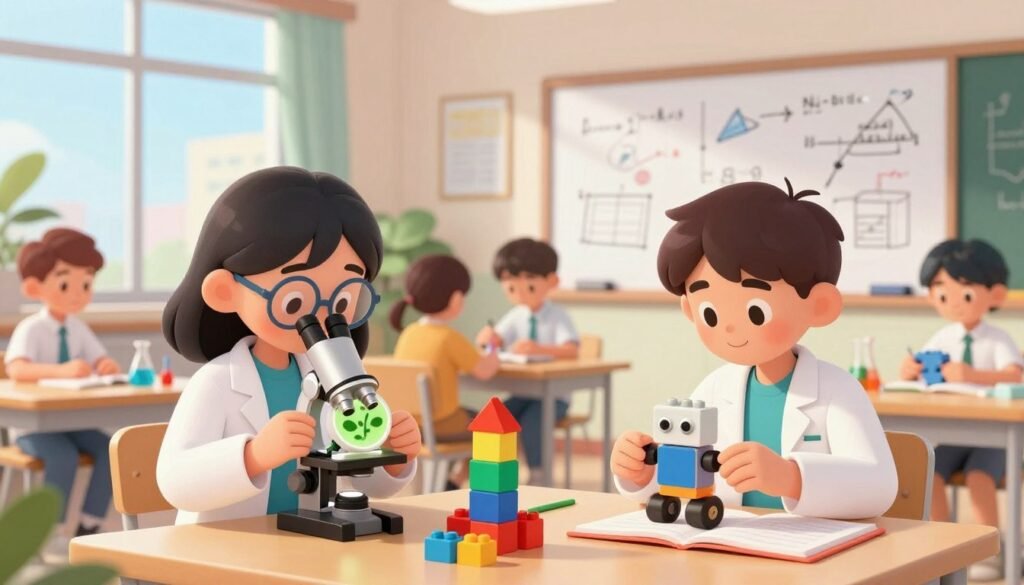
Public Perception and Science Communication
As gene editing gets better, it’s key to talk about it clearly. How we explain genetic stuff matters a lot. It affects how people see and accept these new techs.
Demystifying Complex Genetic Concepts
Genetic ideas like CRISPR need to be easy to get. Jennifer Doudna says we must make them simple. You can learn more about it in our article on DNA for kids.
Scientists can use simple words and examples to explain gene editing. For instance, calling CRISPR-Cas9 “molecular scissors” makes it easy to understand.
The Importance of Public Engagement in Science
Talking to the public is key for trust and understanding. When people know what’s going on, they can join in on big talks. This includes talking about right and wrong, and what’s possible.
Here’s why talking to the public is so important:
- It helps people make smart choices
- It builds trust between scientists and everyone else
- It helps work together on big questions
Good science talk can lead to smarter talks about gene editing’s good and bad sides. Let’s see how people see different parts of gene editing:
| Aspect of Gene Editing | Public Perception | Scientific Perspective |
|---|---|---|
| Therapeutic Applications | Generally positive, seen as life-saving | Potential to treat genetic disorders |
| Non-Therapeutic Enhancements | Often controversial, ethical concerns | Potential for unintended consequences |
| Agricultural Applications | Mixed, concerns about GMOs | Potential to enhance crop resilience and nutrition |
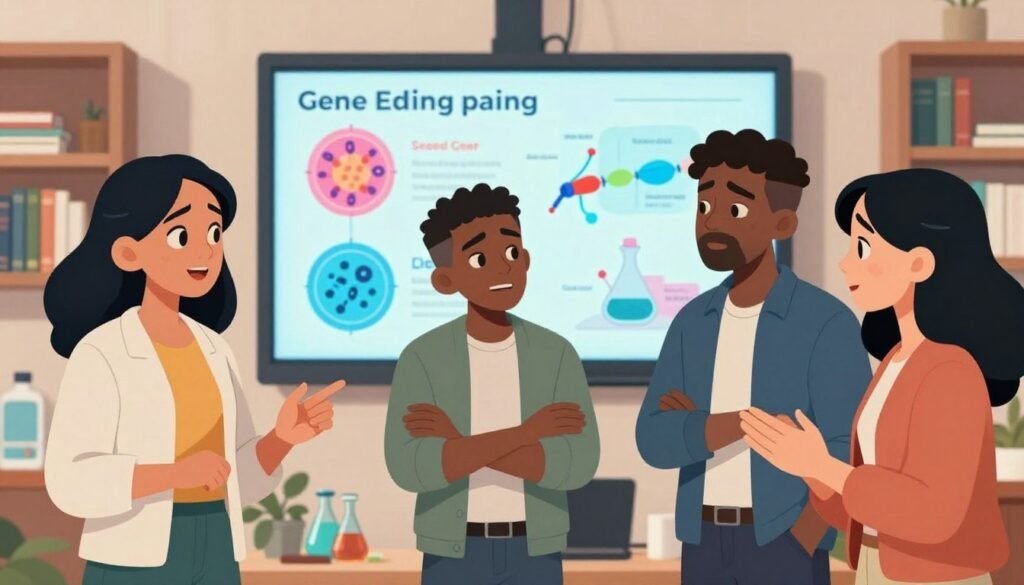
By talking to the public and sharing facts, scientists can help start smarter talks about gene editing.
Challenges and Controversies in the CRISPR Era
CRISPR-Cas9 has changed genetics a lot. But, it also brings challenges! We must deal with fights over who owns it and rules to follow.
Navigating Intellectual Property Disputes
CRISPR-Cas9 has sparked big fights over who owns it. The Broad Institute and the University of California are fighting. Scientific American says these fights could change gene editing a lot.
Looking at patents and agreements, we see a big web. Here are some important points:
| Aspect | Description | Impact |
|---|---|---|
| Patent Ownership | Many groups say they own CRISPR-Cas9 | Leads to lawsuits and who gets to use it |
| Licensing Agreements | Companies get special rights to use it | Changes who can use and sell CRISPR |
| Research Exemptions | Some patents let researchers use it freely | Helps research and development keep going |
Addressing Global Regulatory Hurdles
Rules for gene editing are different everywhere. This makes it hard for scientists and companies. In the U.S., the FDA watches over gene therapies. But in Europe, it’s more complicated.
“The rules for gene editing are changing and hard to follow. It’s important for everyone to stay up to date to make sure CRISPR helps us.”
Let’s look at how different places handle gene editing:
| Region | Regulatory Approach | Key Features |
|---|---|---|
| United States | Centralized regulation by FDA | Strict rules for gene therapies |
| Europe | Fragmented regulation across member states | Different rules and approval processes |
| Asia | Diverse regulatory frameworks across countries | Some places have easier rules |
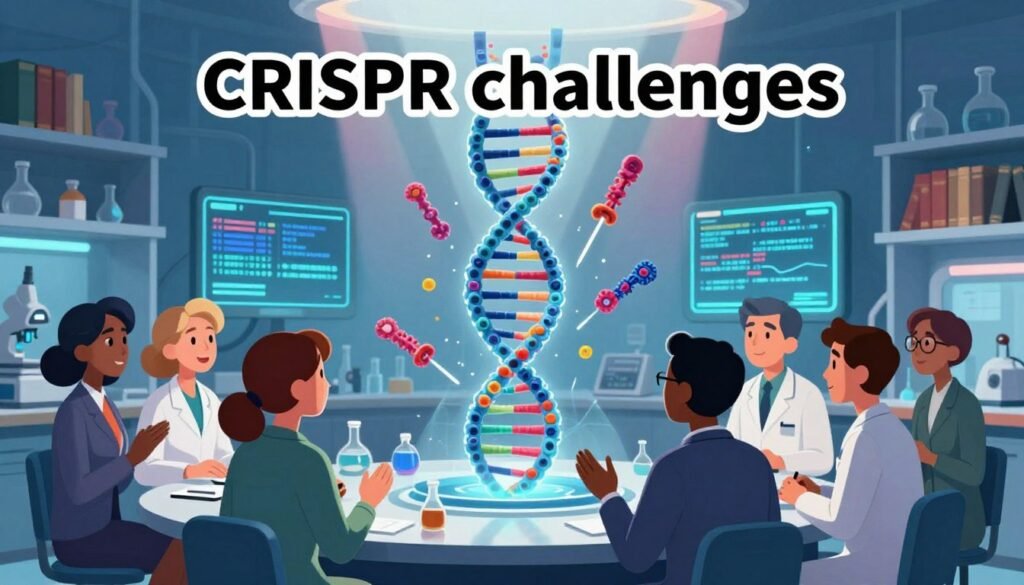
We must face these challenges to make CRISPR work. By solving fights over who owns it and following rules, we can make a better future!
The Future of Genomic Medicine
Gene-editing tools are getting better fast. This means we can treat and prevent genetic diseases better. Gene editing and personalized medicine will change healthcare a lot.
Beyond CRISPR: Emerging Gene-Editing Technologies
New tools are coming after CRISPR. Prime editing is one. It’s like CRISPR but can do more complex changes.
Base editing is another big step. It changes DNA bases directly without breaking the genome.
Personalized Medicine and the Genomic Revolution
Personalized medicine is getting closer thanks to new tech. Doctors can now make treatments just for you based on your genes.
| Technology | Description | Advantages |
|---|---|---|
| CRISPR-Cas9 | A widely used gene-editing tool that cuts DNA at a specific location. | High precision, relatively easy to use. |
| Prime Editing | A more precise version of CRISPR that can make complex edits. | Enhanced precision, broader range of possible edits. |
| Base Editing | Directly converts one DNA base to another without cutting the DNA. | Reduces off-target effects, precise base conversion. |
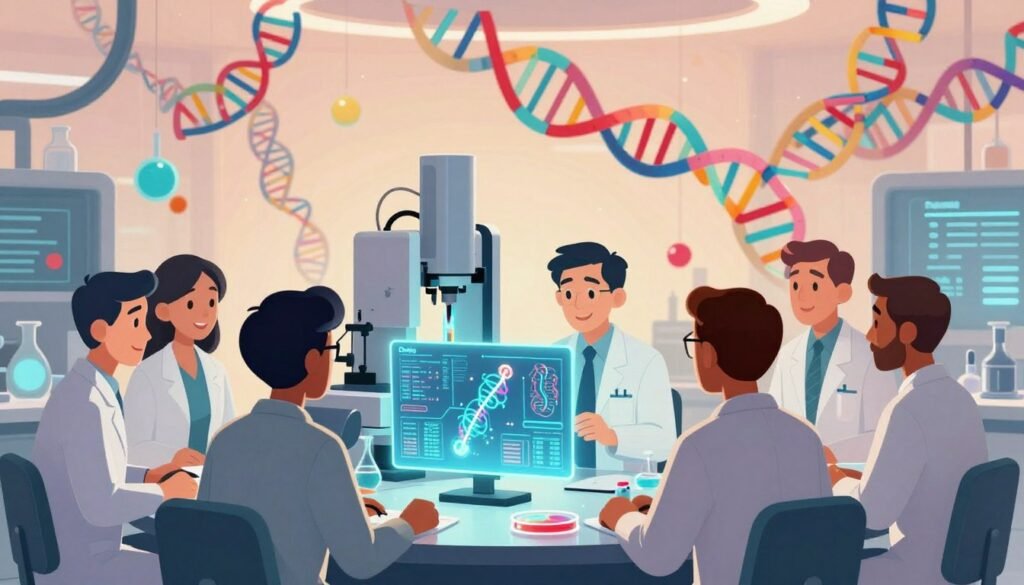
Using these new tools in medicine is key. Genomic medicine’s future is about treating and preventing diseases. It’s all about making treatments fit each person.
With these advances, healthcare is set for a big change. Treatments will be made just for you. This means better health and a better life for everyone.
Mentorship and Leadership in Academia
Jennifer Doudna is all about mentorship and leadership in school. She’s a big name in science. She loves to help the next scientists grow.
She makes a place where people work together and think new ideas. This way, she brings different scientists together. They do amazing research.
Fostering Collaborative Research Environments
Doudna thinks collaborative research environments are key for science to grow. She works hard to make this happen in her lab and elsewhere.
- She makes sure everyone talks openly.
- She helps scientists from different fields work together.
- She gives support for new and exciting projects.
Her work leads to big scientific wins. It also makes the school community more welcoming and helpful.
Supporting Women in Science and Technology
Doudna is a big supporter of women in science and technology. She knows women face big challenges in these fields. She wants to help them succeed.
Here’s how she helps women in STEM:
- She mentors young women scientists and engineers.
- She pushes for policies that help with work and life balance.
- She fights for more women in leadership roles.
Her work makes science more fair and diverse. Everyone gets a chance to do well.
The Legacy of Jennifer Doudna
Jennifer Doudna’s work on CRISPR-Cas9 has made a big impact on modern biology! Her research has changed how we see genetics. It has also led to many new discoveries.
Her work has sparked big changes. It lets scientists edit genes in new ways. This is very precise and fast!
Transforming the Landscape of Modern Biology
Doudna found the CRISPR-Cas9 system. This has changed genetics a lot. It’s a strong tool for editing genes.
This tool is very useful. It helps in treating genetic diseases and making new treatments.
Inspiring the Next Generation of Researchers
Jennifer Doudna’s work is a big inspiration for the next generation of researchers. She shows what hard work and new ideas can do.
She is a role model for young scientists. Doudna tells them to follow their dreams in biology.
She helps create a culture of curiosity and teamwork. This way, Jennifer Doudna’s legacy will keep inspiring scientists for years to come!
Conclusion
Jennifer Doudna’s work on CRISPR-Cas9 has changed gene editing forever! We must think about the ethics and use it wisely.
This discovery lets us tackle genetic diseases and cancer. It also helps make crops stronger.
Learn more about gene editing and its uses. Check out the article on reshaping genome editing.
For more, try Debsie Gamified Courses. They teach about CRISPR and its uses.