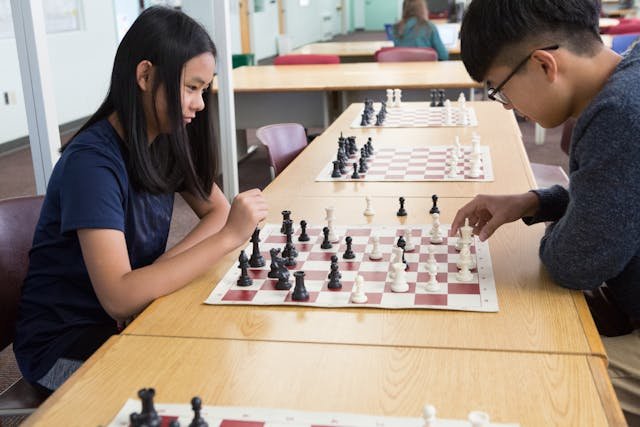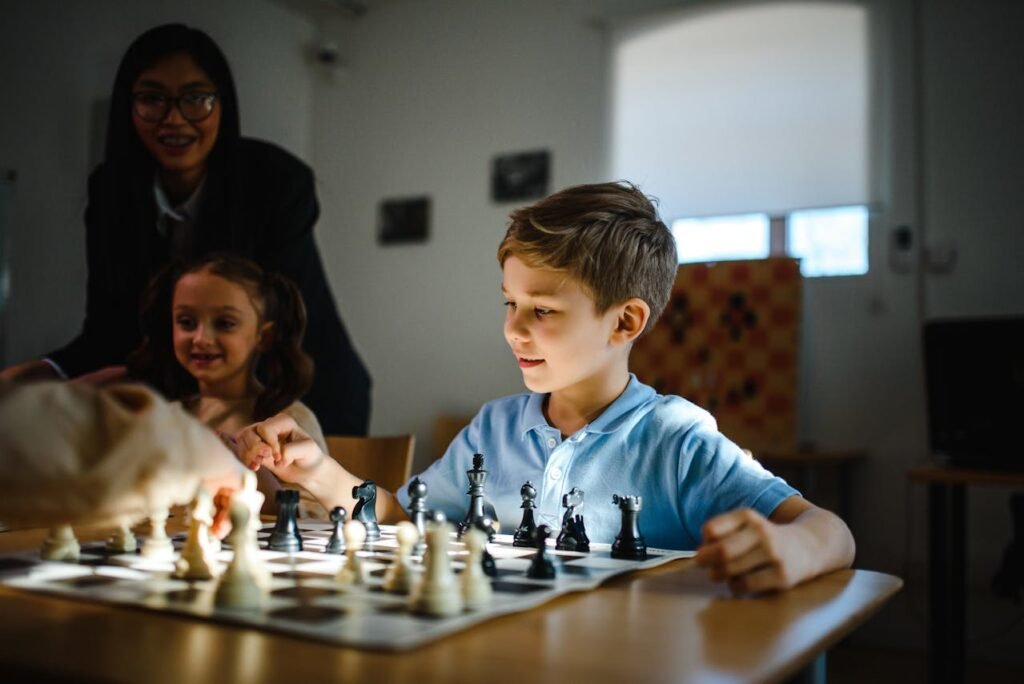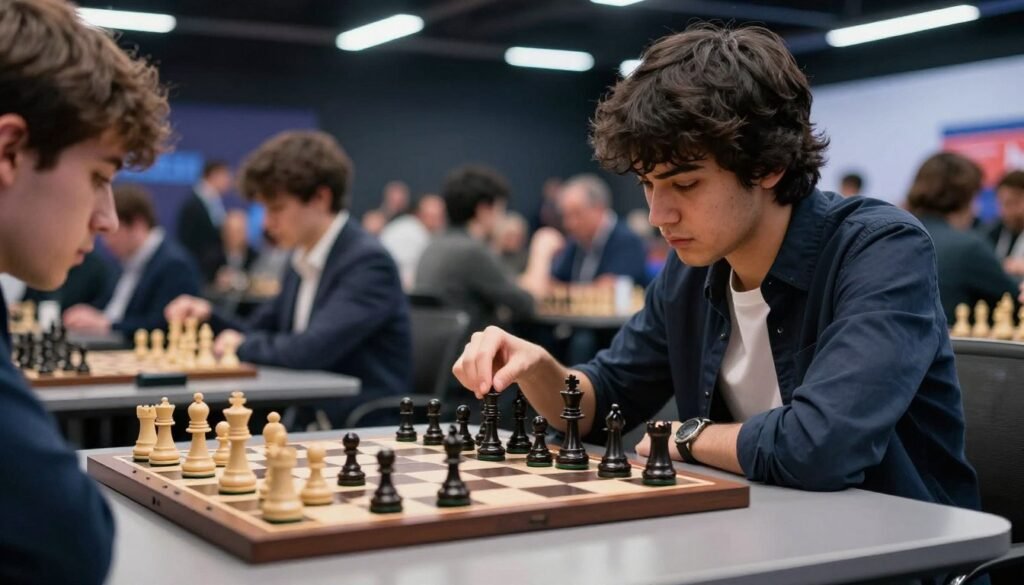
Ready to borrow speed-chess habits from a world-class player and start winning fast? We promise fun, practical moves you can use this week! Can quick habits beat slow perfection?
Blitz and bullet are short, thrilling forms of chess played with little time on the clock. Blitz is usually 3–5 minutes per side. Bullet is often 1 minute. Kids and parents can follow these simple ideas right away!
This guide is not about copying exact moves. It is about stealing repeatable habits: time tricks, fast opening choices, and tactical priorities you can practice. We study Hikaru Nakamura as a model—an elite grandmaster and online speed legend—so the tips match how most Americans play today.
We’ll cover fast openings you can play instantly, tactics to drill, bullet endgames that score points, and the mindset to stop tilt. We’ll keep it practical, U.S.-friendly, and focused on winning more games without perfect theory. For help turning desperate positions into chances, see this quick guide on what to do when you’re losing a chess!
Key Takeaways
- Borrow simple speed habits, not exact moves.
- Blitz and bullet are short, fast formats anyone can learn.
- Focus on time tricks, quick openings, and tactical drills.
- Study a top world chess player for habits that work online.
- Practical, U.S.-friendly tips to win more without deep theory.
Why Hikaru’s Blitz and Bullet Dominance Matters in Today’s Chess World
When the clock ticks fast, habits show up — and that’s where real skill is tested. Fast formats are not “fake” chess. They amplify core strengths and expose weak habits under pressure!
Speed formats as a skill amplifier
Blitz and bullet force three skills: quick calculation, sharp intuition, and smart time use. Practice here helps your play in longer games too. You learn to decide faster and trust good patterns.
What online play changed for American players and fans
Since 2018, streaming and video made chess a spectator sport. More daily games are available. You can face strong opponents anytime and review moves instantly. Fans learn while they watch!
“Speed formats let busy students and working parents train in short bursts and still improve.”
| Benefit | How it helps | Example |
|---|---|---|
| Faster pattern recognition | Builds instant intuition | Win tactical skirmishes in blitz |
| Time management | Learn clock instincts | Use pre-moves and safe repeats |
| Accessible learning | More games and reviews online | Daily practice from home |
Big idea: You don’t need perfection. Be practical and consistent when the clock runs low. Play, learn, and grow — even in short sessions!
Hikaru Nakamura: The American Grandmaster Built for Speed
A childhood move, a dedicated coach, and steady practice built a player primed for rapid chess.
Born in Hirakata, Japan, he moved to the United States at age two and grew up in White Plains, New York. Chess started at seven. The game took over fast!
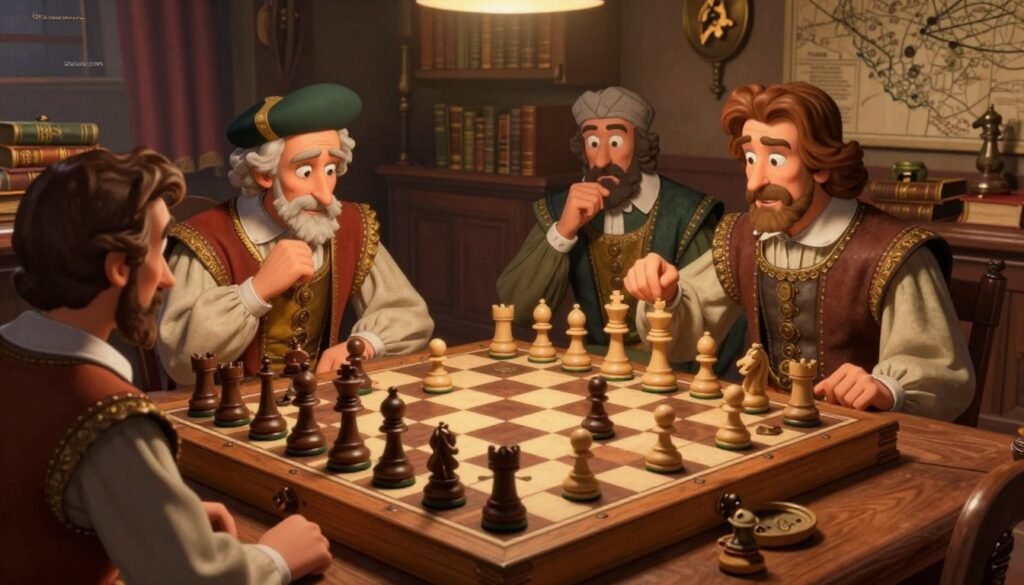
From Hirakata to White Plains
Simple timeline: born in Japan, moved as a toddler, raised near New York City, then tournaments and study filled the years.
Coached by Sunil Weeramantry and early milestones
Sunil Weeramantry—a FIDE Master and author—structured lessons and practice. That steady guidance turned raw talent into repeatable skills.
“Structured training and many short games build pattern memory and speed.”
Prodigy steps: master to grandmaster
He earned U.S. master and international master norms as a teen. At 15 years and 79 days, he became the youngest American grandmaster at the time in 2003.
| Age | Milestone | Title | Why it matters |
|---|---|---|---|
| 7 | Started playing chess | — | Early exposure builds pattern memory |
| Teen years | U.S. master / International master norms | Master / IM | Competitive experience accelerates growth |
| 15 yrs, 79 days (2003) | Youngest American GM then | Grandmaster | Proof of elite skill and fast decision making |
| Oct 2015 | Peak rating | 2816 | Signals world-class strength in modern chess |
Big idea: Early pattern-building plus thousands of quick games wires the brain for speed. You don’t need to be a prodigy to borrow these habits!
Want a deeper look at how speed play made a star? Check this short dive on how speed chess made him a!
The Numbers Behind the Hype: Rating, Ranking, and “World Top” Credibility
Ratings and rankings turn chess buzz into measurable success for top players world-wide! They give you a quick way to compare skill across tournaments and countries.
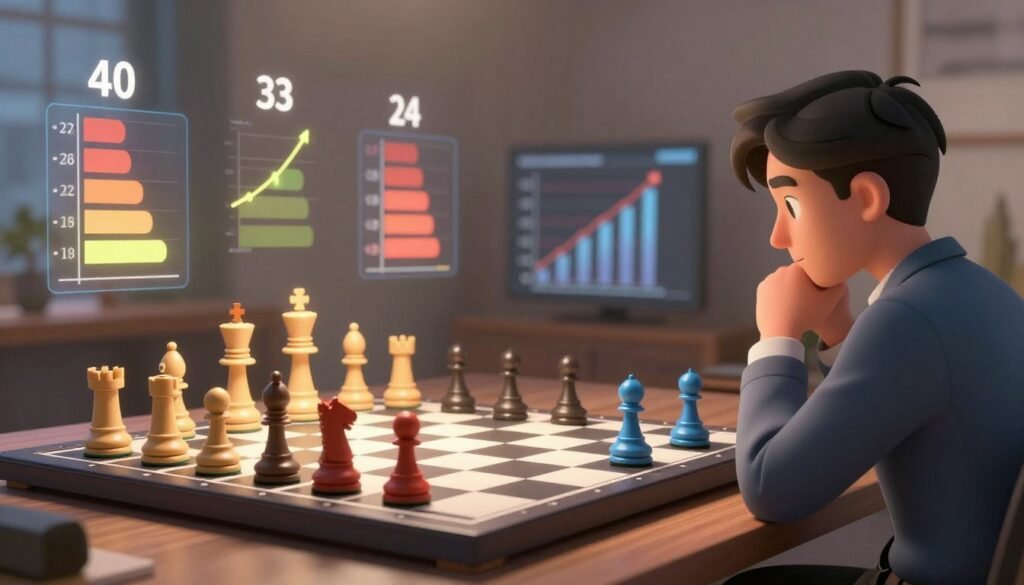
How the score works (kid-friendly)
Think of rating like a game score: it rises when you beat strong opponents and falls when you lose. Each result earns or costs points based on who you play.
Headline numbers that matter
2810 FIDE rating (Feb 2026) and world No. 2 — that is genuine world top territory! Peak was 2816 in Oct 2015, also No. 2 then.
Proof the speed reputation is real
When FIDE began official rapid and blitz lists in May 2014, this player led both lists. That shows the speed status is more than internet hype.
- Why “world top” claims matter: rankings grant instant credibility across events.
- Practical tip: focus on decision quality per minute, not just perfect moves.
- Motivation: you can grow rating credibility by playing smarter, not only more!
“Ratings turn practice into progress you can track!”
Want broader context on great names and lists? See this roundup of the greatest chess players for more perspective.
The U.S. Champion Resume That Anchors the Speed Style
A string of U.S. championship victories anchors a fast style in real tournament play. Five U.S. titles (2005, 2009, 2012, 2015, 2019) show this player won big on home soil, not just online.
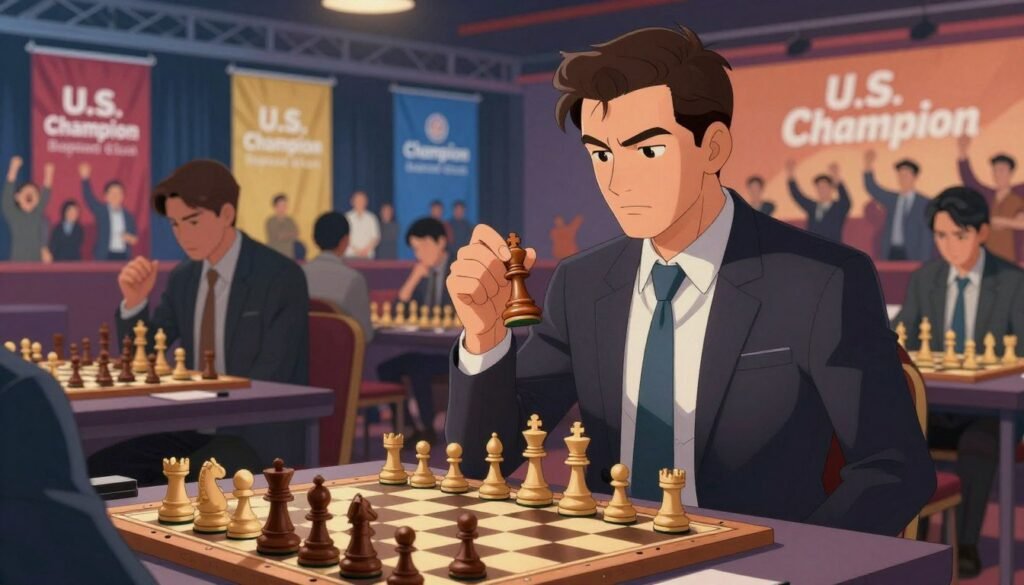
Five-time national success and why it matters
Being a five-time u.s. champion proves repeat success across years and fields. For U.S. readers, that matters! You can see the same culture, tournaments, and pressure many local players face.
“Tournament wins reward consistency, calm, and preparation — not just speed alone.”
How the U.S. field grew stronger
The u.s. championship roster filled with more elite players over time. Later titles came against tougher opponents. That makes recent wins even more meaningful.
Practical takeaway: Speed is powerful when backed by fundamentals. Openings, tactics, and endgames still win event games.
Parents: tournaments reward steady play and habit. Consistency beats one lucky win. Now, let’s move on to the SPEED weapons that separate him from the pack!
Signature Speed Strength: Time Trouble as a Weapon
Fast clocks magnify small choices — and steady nerves turn that into an advantage. Stay calm and treat time pressure as a tool, not a trap!
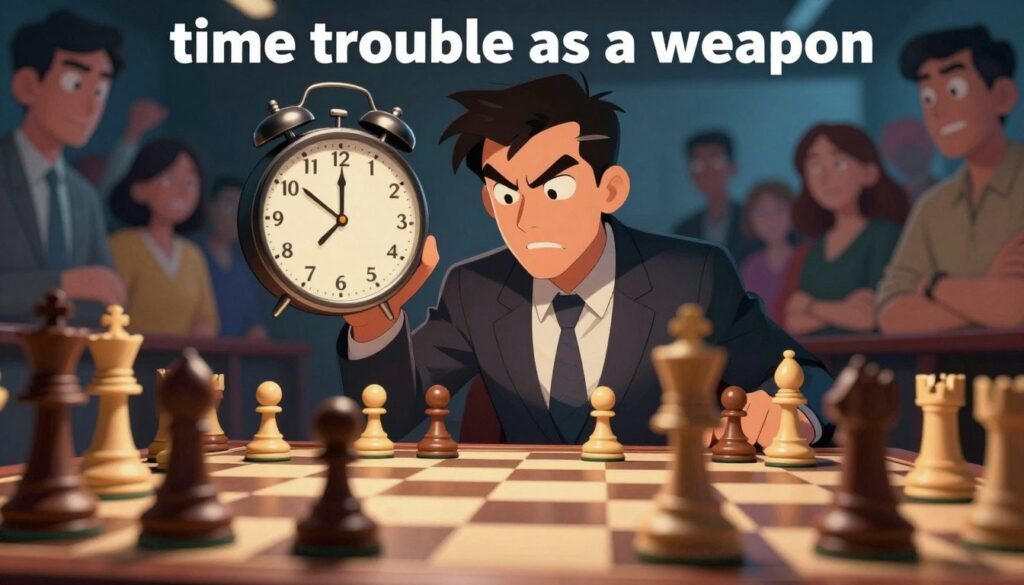
When to simplify vs. complicate under low time
Simple rule: simplify when you are up material and safe. Trade pieces and clear paths to an easy win.
Complicate when you need activity or counterplay. Create threats to confuse an opponent who is low on time.
Pre-moving with purpose
Only premove when the reply is almost always OK. Good premoves: recaptures, obvious king moves, or forced captures. Avoid guessing in messy positions.
Clock awareness patterns you can copy
- Play fast in quiet moments. Save your seconds for the critical turning move.
- Run the safety checklist before speeding up: Is my piece hanging? Is there a check? Is there mate threat?
- Practice goal: finish your next five blitz games with 20–30 seconds left by moving confidently in easy spots.
| Pattern | When to use | Benefit |
|---|---|---|
| Fast, safe moves | Quiet positions | Save time for key moments |
| Simplify | Up material | Clear path to win |
| Complicate | Need counterplay | Create opponent errors |
Want rules for tournament play and etiquette when the clock bites? Check our quick guide for tournament etiquette for players!
Opening Principles for Blitz: Play Fast Without Playing Random
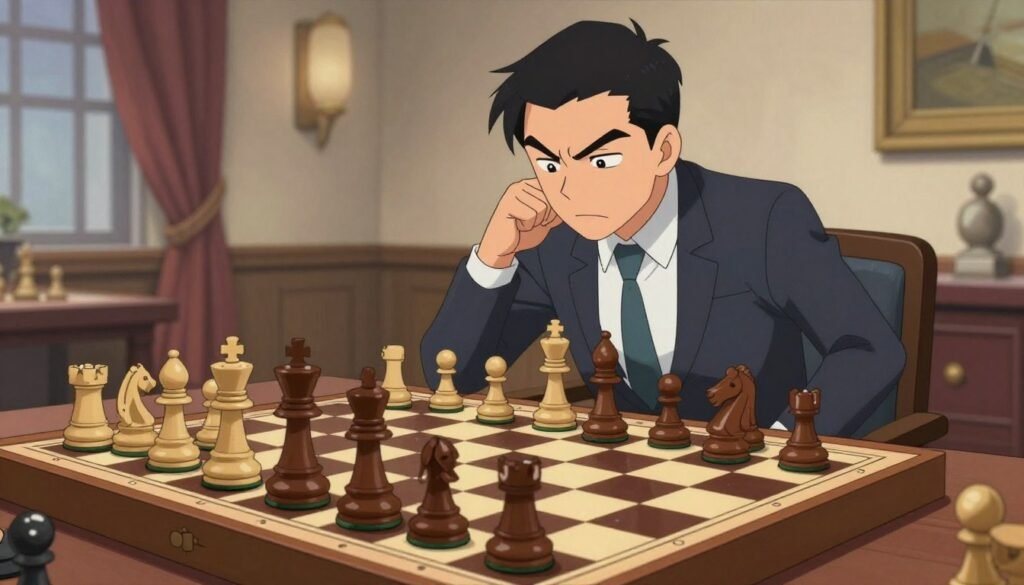
Start the game with a repeatable setup so your clock and your brain both win. In blitz, the goal is a playable position fast. Not the deepest engine line. You want comfort and clear plans.
Choose systems that repeat patterns
Pick system-style setups. Same pawn shapes. Same piece squares. Same ideas. Your brain learns the plan. You save thinking time and avoid blunders.
Play for initiative, not perfection
Make threats. When you force replies, the opponent uses time. Initiative steals seconds and chances. Small threats make big wins in fast play.
One main setup with flexible move orders
Pick one main line as White and one as Black. Use flexible move orders to handle odd replies. This keeps you calm and prepared.
“Fast does not mean careless — protect your king and develop with purpose!”
Parents and kids: build an “opening playlist” of 2–3 setups and practice them like a routine. For quick study use our best chess opening moves guide for starter ideas!
Hikaru’s Tactical Pattern Bank: What to Drill to Win More Blitz Games
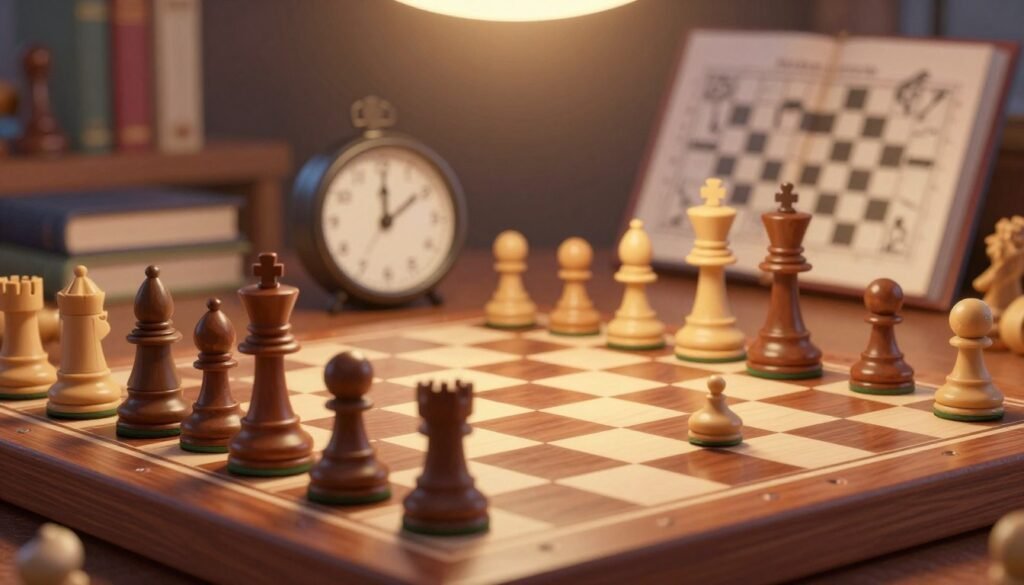
In fast play, one good tactic can change the whole game in a breath! Scan every position fast. Use the simple rule: checks, captures, threats. That little checklist finds the tactical shots that decide blitz games.
Checks, captures, threats—how to prioritize in seconds
Look for checks first. Then captures. Then threats. Do this in one quick sweep before you think deeper. It saves time and snags free material.
Typical online tactics
- Forks and pins that win pieces.
- Skewers and loose-piece traps.
- Back-rank mates and surprise checks that end the game.
Defensive tactics and conversion
Even after a blunder, create counterplay with checks and threats. That can flip a lost position into a draw or a win. After you win material, trade safely and march into a simple endgame. This is the key part of conversion.
“Tactics win the clock as much as they win the board.”
Drill idea: Do 5–10 minute tactic bursts daily. Track a “tactic streak” like a mini game within your session. Play, learn, and watch your wins climb—players love the confidence boost!
Bullet Endgames: The “Good Enough” Technique That Actually Scores Points
When seconds evaporate, you need endgame rules that score both on the board and the clock. Bullet reality means you will not play textbook endings. You need “good enough” plans that win material or flag the opponent!
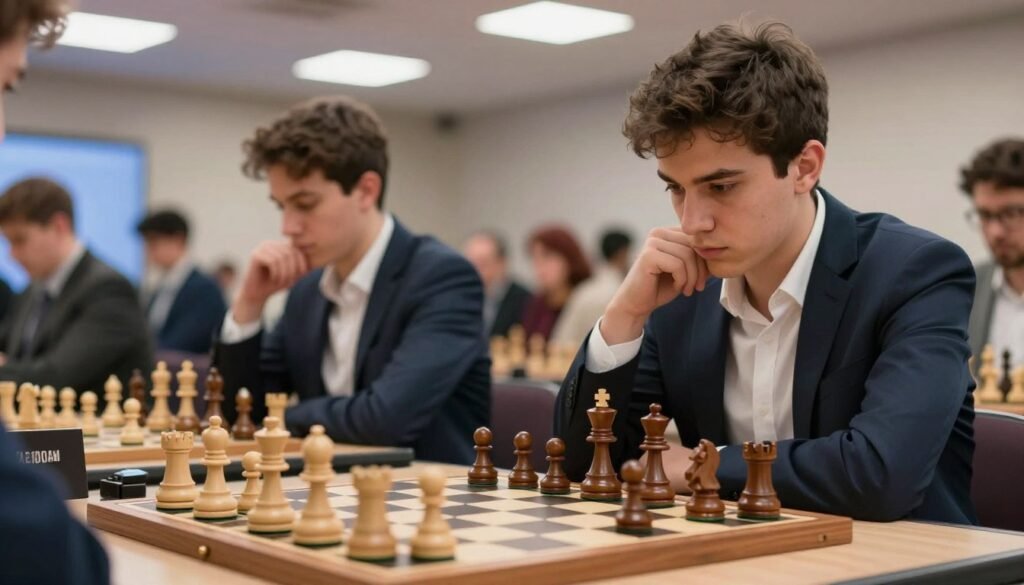
Flagging fundamentals: keep pieces to make threats. Avoid trades that turn a quick win into a slow technical fight. Protect your king from cheap checks and stay active.
Fast, practical time plan
Move instantly when the reply is obvious. Only pause if a mate or a big blunder is possible. Save your thinking for the single critical moment that decides the game.
Mate patterns to memorize
- Ladder mates with rook or queen — finish fast along files and ranks.
- Back-rank ideas — watch for loose king positions and remove flight squares.
- King-boxing — drive the enemy king to the edge and force mate.
Practical goal: learn 2–3 patterns so you don’t waste 20 seconds guessing. Make endgame drills a quick family race — set up positions and time who mates first!
| Focus | Why it wins | Quick tip |
|---|---|---|
| Keep threats | Forces opponent to think, burns time | Keep a piece active |
| Avoid slow swaps | Preserves winning chances and clock edge | Trade only when it speeds mate |
| Recognize mate patterns | Converts positions into points fast | Practice 5–10 times weekly |
“Small, repeatable endgame habits turn seconds into points!”
Mindset Lessons: Tilt Control and Momentum in Fast Chess
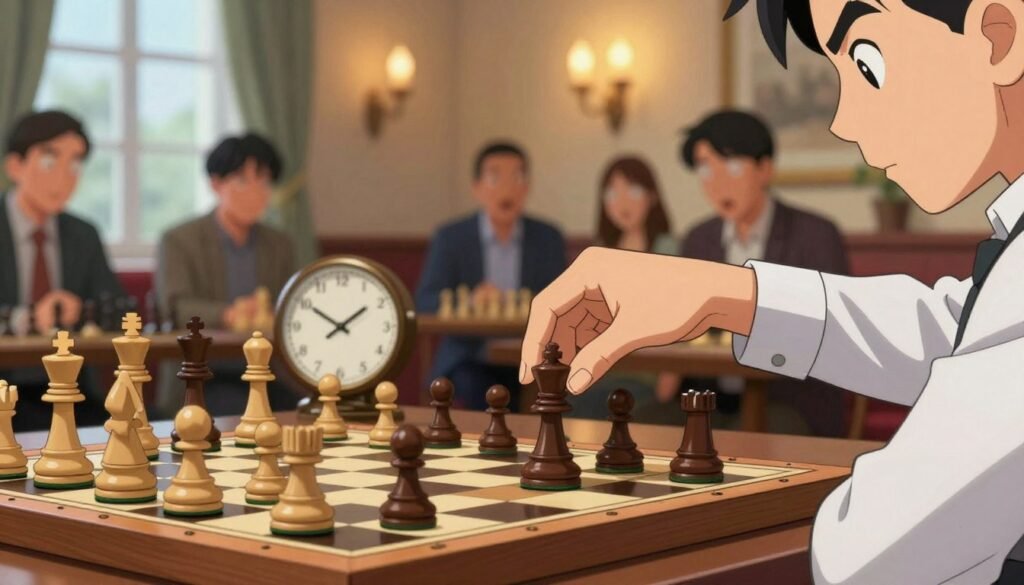
Even great players hit a rough patch in fast games — the trick is how quickly they bounce back! Tilt is normal. It happens to everyone. What matters is your reset.
Reset routines after a blunder
Use a three-step reset you can do in one breath. Sit up. Take one deep breath. Say “NEXT GAME!” out loud and start fresh.
Why “next game” thinking beats mid-session post-mortems
Don’t analyze deeply between quick games. Save deep review for later. Short sessions should focus on fresh play and small wins.
Winning streak management: when to stop and when to push
Keep momentum when you feel sharp. If you lose a few in a row, slow down and pick one key moment per game to think harder.
- Set a stop point: for example, three straight losses ends the session.
- Track short wins and small goals — they build confidence over years.
“Your mindset is a skill you can train, just like tactics.”
Tip: For a quick guide on beating tilt, try this helpful resource on how to overcome tilt in chess.
Speed Training Plan You Can Start This Week (U.S. Friendly Schedule)
You don’t need hours — just deliberate 20-minute rounds that build real skills.
Try a school-night routine that fits busy families. Be consistent five nights a week and do a short review on weekends!
Daily 20-minute blueprint
8 minutes — tactics. Quick puzzles to train checks, captures, threats.
6 minutes — one opening theme. Play the same setup and hit the main ideas.
6 minutes — one endgame pattern. Practice ladder mates or king-boxing until it feels natural.
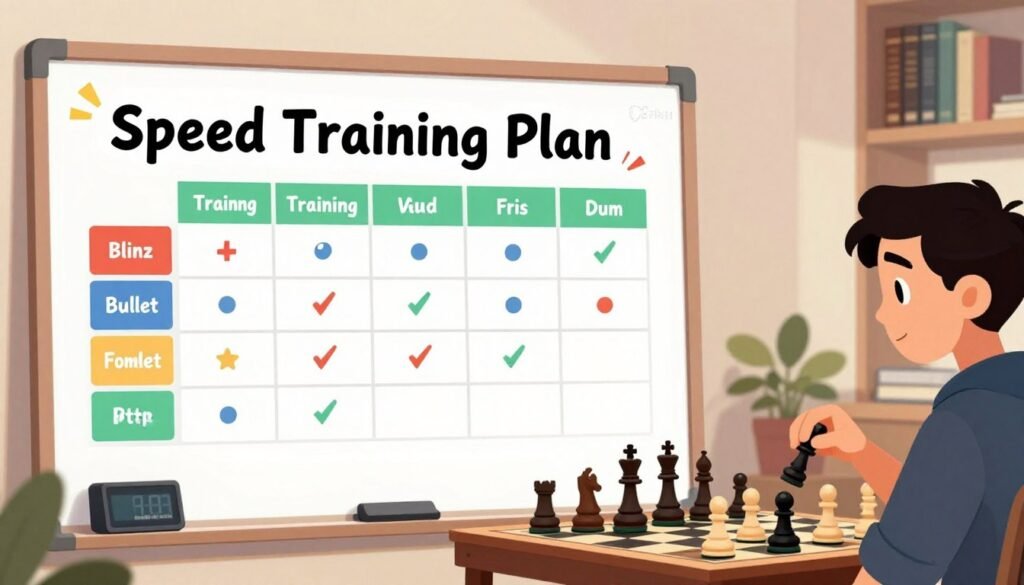
Weekly routine (U.S.-friendly)
Monday–Friday: follow the 20-minute plan after homework. Keep sessions short and focused.
Weekend: mini-review. Save 3 critical games from the week. Pick ONE repeating mistake. Fix that first!
Measure improvement beyond rating
Don’t only watch rating. Track other useful metrics:
- Time usage per game round — are you finishing with seconds left?
- Blunder count — fewer hanging pieces means better habits.
- Opening adherence — did you follow your plan or wander? Points for consistency.
Fun points system: give yourself points each day! +1 for checking for tactics every move. +1 for ending with 10+ seconds. +1 for following the opening plan. Tally weekly and watch momentum grow!
“Small, steady wins stack up — in a few months you’ll feel stronger at the board and on the clock!”
| Focus | Daily Time | Why it helps |
|---|---|---|
| Tactics | 8 minutes | Trains fast pattern spotting and wins games |
| Opening theme | 6 minutes | Builds repeatable plans and saves clock time |
| Endgame drill | 6 minutes | Converts material and flags opponents quickly |
| Weekly review | 30 minutes (weekend) | Fix one repeating mistake using saved games |
Goal: play smarter in each round, earn points for habits, and track games, not just rating. Small steps now = big gains in months!
Content Creator Impact: How GMHikaru Changed Online Chess
Online channels changed how kids discover and stick with chess. Streaming turned chess from niche study into daily entertainment and learning for families!

He built massive audiences: Twitch grew to about 2M followers by 2025, YouTube to 3.05M subscribers and 1.12B views. Kick, TikTok, and Instagram add shorter clips that reach new players fast.
Twitch, YouTube, and the rise of streaming since 2018
Streaming since 2015 exploded after 2018. Live shows made every big match feel like a shared event. Viewers tuned in daily and followed tournament action like a TV series.
Why commentary and recaps accelerate learning for newer players
Good commentary highlights threats, time, and simple plans. It skips dense jargon and shows you what to watch. That helps kids learn patterns faster.
“Watch, pause, guess, then check the move!”
One quick recap can teach a tactic faster than reading many pages. Make watching active: pause the channel, pick a move, then compare. Do this in your next practice session!
- Channels make chess feel watchable and fun.
- Commentary teaches practical checks, captures, and goals.
- Combine watching with doing to turn lessons into skill.
Big idea: the online world is vast and welcoming. Good creators help families explore chess safely and with confidence. For more players to follow and learn, see our top players to watch guide!
| What to watch | Why it helps | How to practice |
|---|---|---|
| Live channel games | See real-time thought patterns | Pause and predict the next move |
| Short recaps | Fast pattern learning | Replay the tactic 3 times |
| Tournament streams | Learn pressure handling | Note time use and decisions |
Big-Stage Proof: Candidates Tournament Pressure and What It Teaches
Big tournaments squeeze every mistake into full view — and the Candidates stage is no exception.
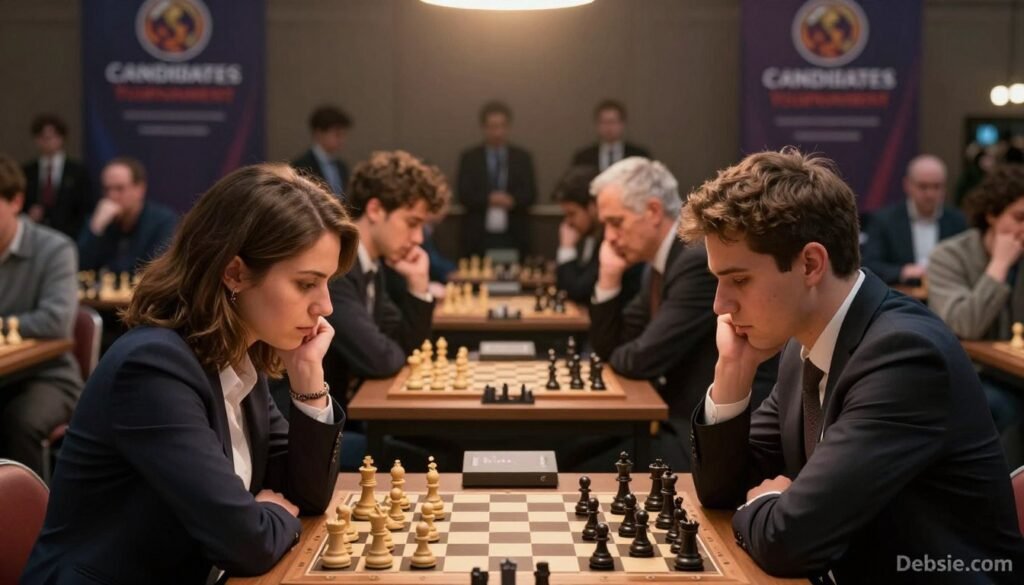
What the Candidates feels like: it is the tournament that hands you a shot at the world title. Every move matters. The pressure is real and steady across long games.
Three Candidates appearances and a 2024 runner-up finish
This player reached the candidates tournament three times (2016, 2022, 2024) and finished second in 2024. That run is clear proof he handles slow, high-stakes events as well as online speed battlefields. He also played in other world championship cycle events and won the 2022 World Fischer Random title.
What speed skills transfer — and what doesn’t
- Help: fast pattern recognition and calm under clock pressure aid defense in long games.
- Limit: bullet tricks like premoving do not apply over the board—deep calculation does.
- Takeaway: train both—use blitz for pattern building and classical games for accuracy and patience.
“Practice small reset routines in blitz to build big-stage calm!”
Want to peek into elite thinking? Read an inside look at top-level preparation inside the mind of a speed!
Rivalries and Reference Points: Magnus Carlsen, Firouzja, and Other Top Players
When champions meet, their different rhythms and risks become a masterclass in strategy. Fans learn fast by watching contrasts. We can borrow ideas and make them our own!
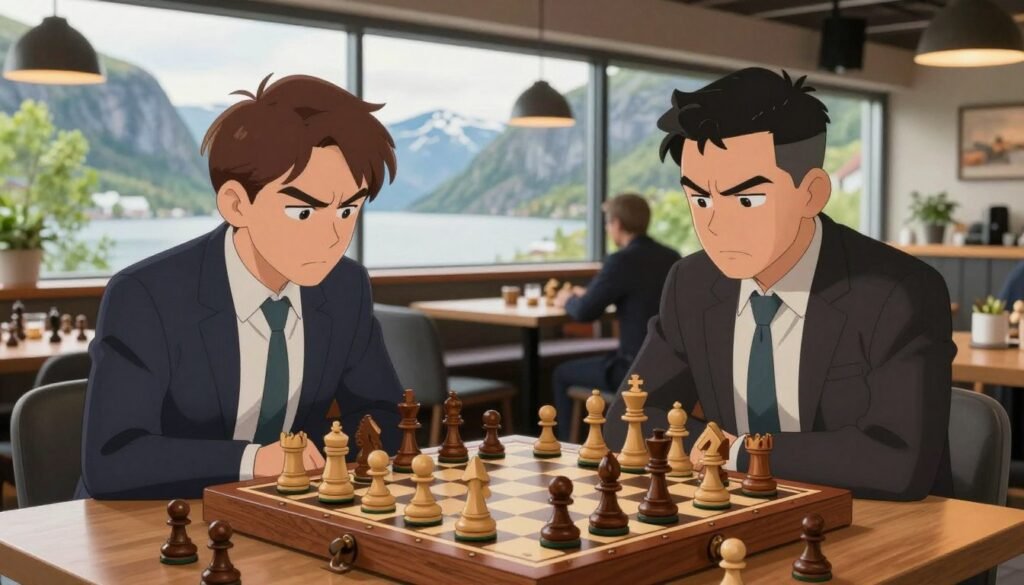
How styles clash at elite events like Norway Chess
Events such as norway chess put aggressive play against slow squeezes. magnus carlsen often grinds ground down in long fights. Others push quick attacks to score early wins.
That mix makes tournaments exciting. It also shows young players that many roads lead to success.
What fans can learn from comparing approaches to time and risk
Use rivalries as a learning tool. Watch one game and note when a player spends time. Track checks, pauses, and decisive moves.
- See when to speed up and when to slow down.
- Notice how alireza firouzja prepares and how others defend.
- Steal one habit from each star and test it in your blitz games.
Fan exercise: watch a single game and log “time spent per move” for five key moments. You’ll spot which moves deserve deep thought!
Tip: For a quick look at speed specialists and their habits, check our roundup of the world’s top blitz chess players!
The Rating Game in the Present: Grand Swiss, “Mickey Mouse” Events, and Incentives
When a qualification rule leans on averages and a games minimum, planning becomes part of the sport. A player can earn a Candidates spot via the highest average rating over Aug–Jan, but there’s a catch: you must play at least 40 FIDE-rated games in that window.
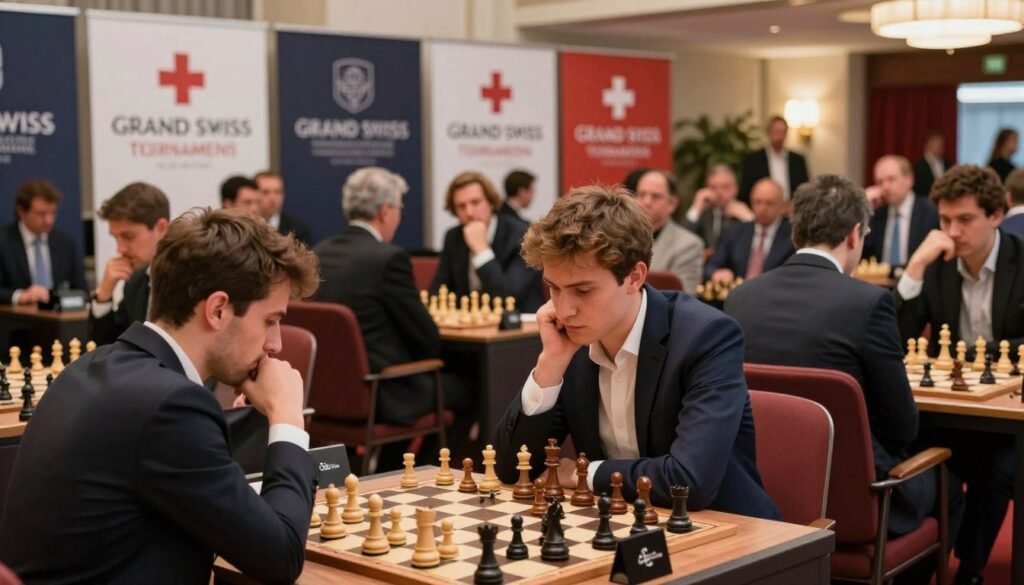
How the rating-based Candidates spot works and why the 40-game rule matters
The idea is simple. The top average rating earns a place, but only after the 40-game requirement is met. Pros then pick events and rounds to reach that number while guarding their rating!
Why lower-risk tournaments can be strategically appealing
Some players choose smaller, steady tournaments to avoid big swings. These events reduce variance. Fans sometimes call them “Mickey Mouse tournaments”. That phrase sparks debate because the play is legal and within the rules.
What this debate reveals about modern qualification systems
Incentives shape behavior. When rules reward rating protection and games, players schedule creatively. Examples include past choices by top peers and travel-limited players who needed extra games.
“Rules change as players find new, legal paths — and FIDE adjusts to keep things fair.”
Quick takeaway: For most of us, the lesson is practical. Pick some events to challenge you and some to build confidence. Balance growth and safe rounds as your calendar allows. For more on the public reaction, see this ratings controversy piece.
| Choice | Why it helps | When to use |
|---|---|---|
| Risky open | Big rating gain possible | When you want growth |
| Low-variance tournament | Protects rating and hits game counts | When you need steady points |
| Mixed schedule | Balance confidence and challenge | Best for long-term improvement |
Learn Speed Chess Like Hikaru: Train with Debsie
Speed chess grows fastest when practice is focused, friendly, and tracked. We build simple plans you can follow each week. Kids and parents love the structure and the fast wins!
Take a Free Trial Class With a Personalized Tutor
Try a FREE lesson and meet a tutor who spots the one habit costing most games. They fix missed checks, rushed openings, or time-wasting moves fast!
Take a Free Trial Class With a Personalized Tutor — warm, short, and tailored to your schedule.
Learn Via Debsie Courses
Follow guided courses for tactics, openings, and endgames. Each module is short and focused so kids keep attention and improve quickly.
Learn Via Debsie Courses — clear paths so you never guess what to practice next.
Debsie Leaderboard: track points, progress, and consistency over time
Make practice a friendly race! Our leaderboard rewards streaks, accuracy, and time management. It turns drills into daily wins.
Debsie Leaderboard keeps motivation high and shows real progress.
“Consistent reps + smart review + calm under time pressure = real speed growth!”
| Offer | Why it helps | Quick action |
|---|---|---|
| Free tutor trial | Pinpoints one key habit to fix | Book a free class |
| Structured courses | Teaches tactics, openings, endgames in short bursts | Start a course |
| Leaderboard | Builds consistency and friendly competition | Join the leaderboard |
If you want faster blitz and bullet growth, we can help you build a simple plan and stick to it! For extra regional coaching options, see our local coaching roundup.
Conclusion
Smart, repeatable choices beat frantic guessing in quick games. Hikaru Nakamura proves speed is a skill built from patterns, time discipline, and practical risks!
Quick recap: five-time U.S. champion, grandmaster since 2003, peak 2816, and FIDE 2810 (world No. 2, Feb 2026). He made three Candidates Tournament runs and finished runner-up in 2024. He also changed online play as a creator and sparked debate about rating rules and event choices.
Stealable lessons: use repeatable openings, scan for checks/captures/threats, simplify when ahead, and treat the clock as a resource.
Try this today: pick one opening system, do short tactic drills, learn two mate patterns, and use a tilt-reset rule. Want help? Start here:
Next steps: Free trial class · Courses · Leaderboard
Whether you chase a first tournament win or cleaner bullet games, you can grow speed the smart way — one week at a time!