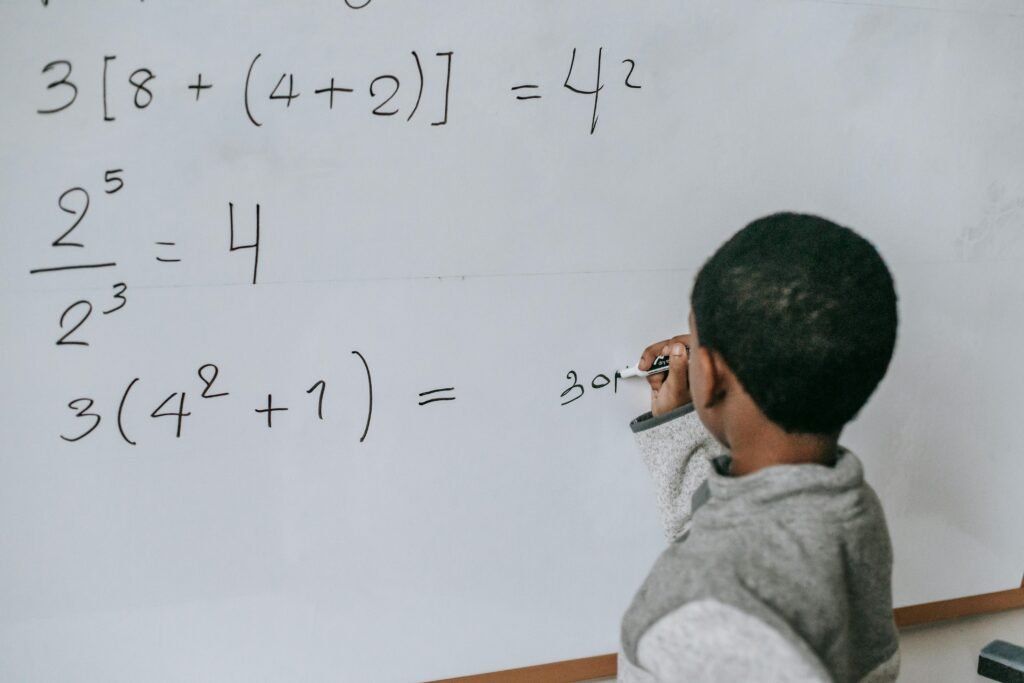
Homework time and grades feel linked, but how much is enough, and when does more stop helping? This guide puts clear numbers to that question. We look at nightly minutes, weekly hours, and study habits that shape GPA in real life. Each section is short, plain, and useful. You will see what works for most teens, what to avoid, and how to make the same minutes do more for learning. You will also get small steps you can try tonight.
1) 0–30 min homework/night → average GPA ~2.6–2.8
This time range is short. It can feel easy, but for most teens it is not enough to move grades up. In thirty minutes, a student can review class notes, read a few pages, or finish a tiny task.
What they cannot do is check understanding, practice hard problems, and still have time to fix mistakes. That is why the GPA often sits in the high twos. The minutes run out before real learning begins.
If your child is in this range, do not jump to long hours right away. First, aim for a clean thirty minutes with zero clutter and zero phone. Sit down at the same time each day. Spend the first five minutes planning the session. Write one small goal for each core class.
Use a timer and keep the desk clear. When the timer starts, begin with the hardest class first while the brain is fresh. Use the rest of the time to rehearse facts out loud, do two sample problems, and end with a quick self-check.
Make the next step small. Add ten minutes of focused practice to reach forty minutes on two nights this week. Keep the content narrow. For math, choose three mixed problems and explain each step. For science, draw one diagram from memory, then check it and redraw it better.
For English, write five clean sentences that use a new rule. Track these minutes on a simple chart on the fridge. Praise the routine, not the score. After two weeks, your child should feel less rushed and a bit more sure in class.
That steady feel is the base you need before adding more time. If the teacher offers office hours, use them once a week to fill small gaps before they become big ones. With this plan, thirty minutes becomes a launch pad, not a ceiling.
2) 31–60 min/night → average GPA ~2.8–3.0
At an hour a night, many students can cover daily tasks and skim notes. This is where GPAs start to touch the low threes. The time is good enough for review but still thin for deep practice. To turn this hour into real gains, the key is structure.
Without a plan, an hour gets split across apps, snacks, and quick tasks that feel busy but do not build skill. With a plan, an hour can carry one strong cycle of learn, practice, check.
Divide the hour into three simple blocks. Use ten minutes to set the stage. Read the day’s class notes, mark two ideas you do not fully get, and write one question to ask. Then spend thirty-five minutes on active practice.
For math and science, solve four to six mixed problems without looking at examples, then compare your work to the model and fix it. For history, do a ten-minute retrieval drill where you write everything you recall from the last lesson, then check and fill in gaps.
For language arts, write a short paragraph that uses a new device and revise it once. Close with a fifteen-minute check. Use flashcards or a self-quiz, and end by noting one win and one to-do for tomorrow.
Guard the hour. Place the phone in another room. If music helps, choose calm tracks without lyrics. Keep a water bottle on the desk so you do not get up. If a task takes longer than planned, do not chase perfection. Do one clean example, then move on.
The goal is full coverage across classes, not endless polish in one spot. If you finish early, use the extra minutes to preview the next lesson by scanning headings and writing a bold guess about what the teacher will focus on.
This small preview makes the next class feel easier and keeps your hour from turning into last-minute panic. With this shape, the same sixty minutes push the GPA toward the threes without adding stress.
3) 61–90 min/night → average GPA ~3.0–3.2
Ninety minutes is a strong daily dose for most teens. It allows time to work through tough steps and still breathe. In this band, the GPA often climbs into the low to mid threes because students can both practice and reflect.
The risk here is drift. Without a tight flow, ninety minutes can scatter across five small jobs that never get finished. The cure is a fixed routine that repeats each night, so the brain knows what comes next.
Use a simple three-stage flow. Start with fifteen minutes of warm-up. Skim notes, rewrite one rule in your own words, and do two quick problems to wake up recall. Then take fifty minutes for the main set. Tackle the hardest class first for at least twenty-five minutes.
Work in silence on new problems from scratch. When you hit a wall, leave a blank, write the question in the margin, and keep going. Switch to the next most demanding class for another twenty-five minutes. End with a twenty-minute cool-down.
Check answers, correct errors, and write a two-line summary of what you learned in each class. This small write-up cements memory and prepares you for tomorrow’s quiz or discussion.
Build smart breaks into the ninety minutes. After every thirty minutes, take a three- to five-minute pause. Stand up, stretch, breathe, and look away from the screen. Do not open apps or texts.
A short, clean break resets focus without stealing time. Keep tools ready before you start: pencils, paper, calculator, highlighters, and a folder for each class. That way, you do not lose minutes searching for things.
To get more from this time, pair it with teacher feedback. Once a week, meet the teacher or send a short message with one clear question. Show a sample of your work and ask what one thing would make it better. Then use that tip in the next night’s main set.
This loop turns ninety minutes into targeted growth, not just time spent. Parents can support by keeping dinner and homework time steady and praising effort, not just grades. Over a month, you should see better quiz scores, faster problem solving, and a calmer mood before tests.
4) 91–120 min/night → average GPA ~3.2–3.4
Two hours is a strong, steady lane for many high school students. There is room to learn new ideas, practice without rushing, and still reflect at the end. In this window, grades usually sit in the low to mid threes because work gets done with care.
The challenge is managing energy across subjects. If you spend the first hour wrestling with one class, you may fade before you touch the rest. The fix is a clear order and gentle pacing that keeps the mind fresh.
Set a simple rhythm for the full block. Spend ten minutes reviewing goals, then forty minutes on the hardest class. Work from a blank page and attempt problems step by step. When stuck, write the exact question that stopped you.
Use a short five-minute pause to reset. Next, give thirty minutes to the second-hardest class. Focus on new tasks, not busywork. Take another short pause. Close with twenty minutes of review across all classes.
Read key rules aloud, teach a pretend student how to solve one example, and rewrite one solution more clearly than before. End by planning tomorrow’s first task so you sit down knowing where to start.
Keep your tools and space in order. Put the phone in another room. Place a clock in sight so you can see time without opening any apps. Keep one notebook per subject to avoid hunting for loose pages. Use a simple mark system: a star for questions, a circle for errors, and a check for things you know well. These marks guide the final review and make test prep faster later.
Parents can help by guarding the start time and protecting quiet. A calm kitchen table or a clean desk is enough. Praise the routine more than the result. If your child keeps the rhythm, the grade will follow.
For students who struggle to stay on track, a live study room or small group class can add structure and kind pressure. Debsie offers guided sessions that model the same two-hour flow, so teens learn both content and habits. Try a free class to see how a clear plan turns two hours into real progress.
5) 121–150 min/night → average GPA ~3.3–3.5
Moving past two hours can help during heavy weeks, but only if time remains sharp. Three focused blocks of fifty minutes can lift grades into the mid threes, especially for advanced courses. Yet this band also brings a risk of mental fatigue and sloppy late-night work.
The goal is to gain depth without losing quality. That means we must guard sleep, split hard tasks, and build in a firm stop.
Break the session into three equal parts with short, clean pauses. In the first part, tackle the concept that scares you most. Work through two full problems without hints. Explain each step in plain words on your page.
If you cannot explain it, you do not own it yet. In the second part, pivot to another core class with different skills so your brain rests while you still study. For example, move from math to reading analysis or from physics to a history short answer.
In the third part, return to the first class for error fixes and mixed practice. Finish with a two-minute summary of what you changed in your approach.
Set a hard cutoff time. If you reach it and still have work, move the leftovers to tomorrow’s first block. This habit protects sleep, which protects memory. Late-night push tends to give the illusion of learning but causes a drop in recall the next day.
If you regularly need this much time, look for hidden time leaks. Reduce low-value tasks like over-styling notes, recopying solutions, or checking grades too often. Ask teachers which practice items matter most for the next test and focus on those first.
Use small upgrades to keep energy steady. Sip water. Keep a light snack ready. Work by a window if you can. When you feel your mind drift, stand up for one minute, breathe slowly, and sit back down. If motivation dips, set a micro-goal you can finish in eight minutes, then start a fresh problem.
For extra support, join Debsie’s live coaching blocks where teachers watch your process and give quick pointers. This turns long study into smart study and keeps your GPA gains real.
6) >150 min/night → average GPA gains plateau at ~3.4–3.6
Past two and a half hours, returns often flatten. More time does not always mean more learning. The brain tires, attention slips, and errors go unseen. Many students in this range sit near the mid threes and feel stuck.
To move past the plateau, the answer is rarely to add time. It is to change how the minutes are used and to pull learning into the day so the night load shrinks.
Start by trimming low-impact tasks. If a worksheet repeats the same skill after you have shown mastery, stop at a set number of correct items and move on. If notes are long but empty of meaning, shift to active recall.
Close the book and write from memory what you know, then check and fill gaps. Convert passive reading into short teach-back moments where you explain the idea out loud in simple words. This kind of work builds strong memory fast and cuts the need for endless re-reading.
Use daytime slots to lighten the evening. Ten minutes right after school can handle small tasks, freeing space for deeper work later. Ask teachers one sharp question before you leave class so you do not spend an hour guessing at home.
Form a short, focused study partner plan where you meet once a week to compare methods, not just answers. Aim to share one tip that saved you time and adopt one tip from your partner.
Protect sleep like your grade depends on it, because it does. Set a fixed end to homework, even if the list is not complete. Leave a note for the teacher if needed and ask for the single most important item to finish first tomorrow.
Track your study blocks for one week and note where time went. You will likely spot a few habits to cut and a few high-value actions to do more. If you still face monster loads, consider a schedule tune-up with a coach who can redesign your plan by subject.
Debsie’s teachers do this in live sessions, helping students break the plateau by swapping brute force for clear strategy. Try a free class to see how a shorter, smarter plan can lift both grades and mood.
7) Weekly homework 3–5 hrs → GPA typically ~3.0–3.2
Three to five hours a week is a steady baseline. It fits busy lives and sports, yet still gives room to practice. In this range, many teens hold a GPA near the low threes because they touch each class often enough to keep facts fresh.
The key is not the total time. The key is how the hours are split. Short daily sessions beat one long weekend push. Small, repeat work locks in memory and lowers stress.
Build a simple week map. Aim for forty-five to sixty minutes on school nights and a light check-in on one weekend morning. Start each session with a short review from the last lesson. Close the book and write what you recall on a blank page.
Then open the book and fix gaps. Move into fresh practice for the middle of the session. End with a two-minute recap in your own words. Keep phones in another room. Set a clear start time that never changes, like 7:30 pm. That cue tells the brain it is time to work.
Make each subject feel different so your mind stays alert. Do math from scratch without copying steps. For science, redraw a key diagram and label it without notes, then check it. For history, write a tiny timeline with exact dates from memory, then verify.
For English, craft one focused paragraph and revise one sentence for clarity. Track your minutes on a small chart and mark one win each day. Tiny wins build pride and help the habit stick.
If a class falls behind, add a quick ten-minute booster the next day at lunch or right after school. Use that slice to ask one question, fix one error, or pre-read a hard page.
Parents can support by guarding the schedule and praising effort. If you want an extra boost, try a Debsie free class. We guide students to use short, sharp study blocks that turn this weekly range into steady gains without late nights.
8) Weekly homework 6–8 hrs → GPA typically ~3.2–3.4
Six to eight hours a week lets students go deeper. It allows room for new problems, feedback, and review in the same week. In this band, GPAs often grow into the low to mid threes because understanding moves beyond recall into real skill.
The danger is letting the extra time spread thin across too many tasks. Keep a focus theme for each week so practice builds on itself.
Pick one power goal per subject every Monday. For math, it might be mastering systems of equations. For biology, cell transport. For literature, thesis clarity. Write the goal at the top of your notebook. Then plan four to five sessions of seventy to ninety minutes across the week.
Start each with five minutes of retrieval, then hit twenty-five minutes of new practice on the week’s goal. Switch to another class for the next block so you rest while still working. Close the session by teaching the idea out loud to an imaginary class. If you stumble, that shows where to review.
Use midweek checks to stay on track. On Wednesday, take a short self-quiz. No notes. Grade it fast and choose one weak area to fix before Friday. If a teacher offers help time, bring two questions and one sample of your work.
Ask for one exact tip to save time or avoid a common error. Apply it the same day. This tight loop keeps the extra hours from turning into busywork.
Protect energy. Keep snacks simple, drink water, and take a five-minute break every thirty minutes. Ending on time is as important as starting on time. If your list runs long, write the next step for tomorrow and stop.
Parents can encourage a calm end-of-study routine, like packing the bag and laying out the next day’s plan. Debsie’s live coaching can also fit here. We show students how to pick true power goals and use these weekly hours to raise both speed and accuracy. A free trial can help your child feel the difference within a week.
9) Weekly homework 9–12 hrs → GPA typically ~3.3–3.5
Nine to twelve hours a week is a strong plan for honors tracks and busy core loads. It provides time for full problem sets, reading with notes, and targeted review. In this band, many students reach the mid threes because they can cycle through learn, practice, test, and reflect in one week.
The challenge is staying fresh and avoiding burnout. The solution is smart pacing and clear start–stop rules.
Create a weekly study ladder. On Monday, preview key topics and set tiny targets. On Tuesday and Wednesday, push into new problems while you are fresh. On Thursday, shift toward mixed sets that blend old and new. On Friday, do a light quiz and error fix.
Use one weekend hour for long-term memory work like flashcards or summary pages. Keep sessions eighty to ninety minutes with a short reset each half hour. Rotate subjects so no single class eats the whole night.
Make practice mirror the test. For math and science, work on blank paper, time yourself, and show all steps. Circle spots where you guessed. For reading-heavy classes, annotate key lines and write short claims with direct evidence.
After each session, run a quick after-action note: what worked, what failed, what to try next time. This two-minute habit turns hours into insight.
Guard sleep and social life. Mark one no-homework evening for rest or sport so the week breathes. If you fall behind, do not steal from sleep. Instead, choose the most valuable thirty minutes and do that well. Ask teachers to rank tasks by impact when you are unsure.
Use tools that save time, like a simple template for problem write-ups or a checklist for essay edits. Parents can help by setting a steady study zone and a tech-free hour. If your teen needs expert eyes on their process, Debsie coaches can watch their steps, spot time leaks, and teach faster methods.
Book a free class to see how this weekly range can lift GPA without draining joy.
10) Weekly homework >12 hrs → marginal GPA increase ≤0.1 vs 9–12 hrs
When weekly study time goes past twelve hours, grades do not rise much more. The gains are small, often a tenth of a point or less. This happens because more minutes start to repeat the same skill or push work into late hours when the brain is tired.
The aim should not be endless time. The aim should be sharper time. If you are already at nine to twelve hours, the next bump comes from quality, order, and feedback, not from piling on extra sets.
Begin by trimming low-value tasks. If you find yourself copying notes, stop and switch to recall. Close the book and write what you know. If your teacher assigns twenty near-identical problems, do the first ten with full steps.
If you are perfect, skip to two mixed problems that use the same idea in a new way. If you make mistakes, finish the set and then write a short error log with the cause and the fix. For reading, drop heavy highlighting and use a four-line summary of each section in your own words. This change alone can save a full hour each week without hurting depth.
Fold fast feedback into your schedule. Show a teacher or tutor one sample of your work midweek, not at the end. Ask for one tip that would make the next problem better. Use that tip the same day.
When you fix the process early, the rest of the week becomes more productive. Protect sleep by setting a hard stop each night and using small day slots to handle tiny tasks. Ten minutes before dinner or a short ride can handle flashcards or a quick outline.
If you still need more time for complex courses, build micro-reviews into the school day. Right after a class ends, write two lines on what mattered most. That tiny note makes afternoon study faster.
If you want expert help to cut waste and keep depth, Debsie’s live coaches can watch your method and redesign it with you. Try a free class to turn extra hours into smarter hours with calm, steady GPA gains.
11) Each extra 30 min/night up to ~2 hrs → GPA +0.05–0.10 on average
Small increases in nightly study pay off, especially until you reach two hours. An extra half hour used well can lift grades by a small but real amount. The trick is to aim that extra time where it matters most. Do not fill it with tasks that feel easy.
Spend it on the exact step that blocks progress, and make the work active, not passive.
Start by finding the bottleneck. Look back at your last quiz or problem set and spot the single most common error. Was it setting up equations, reading the question right, or checking units? Use the extra thirty minutes to train that step with focused reps.
For math and physics, write a mini set of three problems that target the weak move. Solve them cold, check them, and rewrite one solution with perfect clarity. For reading and writing, use the extra time to craft one claim with strong evidence and then revise for precision.
Keep the training short and specific so your brain learns the move and can use it next time.
Add a micro-quiz at the end of the extra block. Close your notes and teach the idea to an empty chair in plain words. If you stumble while teaching, you found the spot to review next time.
Repeat this pattern for a week and then check if the error shows up less. If it does, move the extra minutes to the next weak spot. If it does not, ask a teacher what you are missing. This is how thirty minutes becomes a lever, not just a longer sit.
Parents can help by protecting that extra slice and keeping the home calm during study. A glass of water, a snack, and a quiet corner do more than you think. If you want guided micro-training, Debsie lessons include short, targeted drills that fit right into this extra time and push GPA upward without stress.
12) Beyond ~2 hrs/night → GPA change per extra 30 min ≈ 0.00–0.03
Once nightly study crosses two hours, the benefit of adding more time gets small. The brain tires, focus fades, and the work turns into slow rereads or half-aware problem solving. You may feel busy, but learning stalls.
To get value beyond two hours, you must change the method, not the minutes. Make the late block lighter, sharper, and highly selective.
Use a two-part design. Keep the first ninety minutes heavy with new work and full solutions. After a short break and a snack, the next thirty to forty-five minutes should be review and retrieval only. Close notes, set a timer, and write from memory what you know.
Solve one problem in exam mode on blank paper, then stop. Spend the final five minutes logging errors and writing one change you will try tomorrow. This protects quality and stops you from sinking time into low-yield tasks.
Cut cognitive friction. Prepare materials before you start. Clear the desk, open the needed pages, and keep tools within reach. Use a visible timer to guide your pace. If you catch yourself reading the same page twice, shift to teach-back.
Explain the idea in your own words while standing up. If you cannot, return to a short example and then try to teach it again. That turn from passive to active saves time and builds real memory.
If you still need more than two hours for several nights in a row, the schedule or course mix may be the real issue. Talk with teachers about which tasks move grades the most and which can be shortened. Spread heavy work across the week and start big tasks earlier.
Seek help earlier in the day so you do not wrestle alone at night. Debsie’s mentors can help redesign this flow so added minutes work harder. A free class can show your teen how to make late blocks short and strong while keeping GPA trends positive.
13) Students with no homework 2+ nights/week → GPA ~0.2 lower than peers
Skipping homework two or more nights a week often leads to lower grades. The gap is not huge, but it is steady. Learning likes rhythm. When days pass without practice, skills fade and stress rises. The goal is not to study every night for hours.
The goal is to keep a small daily touch, even on busy days, so the brain stays warm and the workload never piles up.
Plan for minimum nights. Choose a short routine you can do in twenty minutes when life gets hectic. Close the book and write five key ideas you learned that day, then check and fix gaps. Do two mixed problems from the hardest class and mark any step that felt slow.
Read one page and write a two-line summary in your own words. Pack your bag for tomorrow. This tiny routine keeps momentum, cuts Sunday panic, and protects your mood.
Build cues that make the routine automatic. Tie it to a daily moment, like after dinner or right when you get home. Use the same spot and the same timer. Keep a simple checklist in your notebook with four boxes to tick each night.
When you tick all four, end the session, even if you feel you could do more. This rule trains your brain to start tomorrow without dread. If you miss a night, do not try to make it up with a long grind. Just return to the routine the next day and keep it light.
Parents can help by naming the minimum night as a win. Praise the habit, not the length. If your teen often misses work because directions are unclear, have them snap a photo of the board or post in the class forum to confirm steps before they leave school.
If they need built-in structure, Debsie’s short live study rooms provide a calm space to keep the streak alive. A free trial can help set the rhythm so GPA holds steady or climbs over time.
14) Consistent daily homework (5–6 nights/week) → GPA ~0.2–0.3 higher
A steady homework rhythm most nights of the week leads to clear, small gains in grades. The reason is simple. The brain stores learning better when practice is spaced. When students work five or six nights, the gaps between study sessions stay short.
Ideas stay fresh, and the next lesson makes more sense. Stress also drops because work never piles up. This is why you see a lift of a few tenths in GPA for students who keep the rhythm.
Build a simple weekly script that repeats. Pick a fixed start time and a fixed end time. Use the same chair, the same light, and the same notebook order every night. Start with a tiny warm-up. Close your notes and write three facts from today’s class.
Then work on the hardest class first for twenty to thirty minutes. If you finish early, move to the next class. End with a two-minute recap of what you learned and what you will do first tomorrow. This small closing step makes the next night easy to begin.
Guard the routine with cues. Put your phone to charge in another room before you start. Fill a water bottle and keep it on the desk so you do not get up. If you share a home space, use light headphones with calm music.
If motivation is low, tell yourself to begin for just five minutes. Once you start, you usually keep going. Parents can help by keeping dinner times steady and thanking the student for sitting down on time, even on busy days. The habit is the win.
If your child struggles to keep five or six nights, begin with four. Mark each night on a small wall calendar. After two weeks, add one more night. If you need structure and kind accountability, try a Debsie live study block.
We hold the routine, show how to start strong, and build the habit until it sticks. A free class can help your teen feel the lift that steady nights bring.
15) Honors/AP students: effective homework band ~90–150 min/night for GPA ≥3.5
Advanced courses ask for deeper thinking, more steps, and more reading. For many students in these tracks, the best nightly range is about ninety to one hundred fifty minutes.
In that window, there is space to learn a hard idea, try full-length problems, and review before stopping. The goal is not just to finish. The goal is to show clear thinking on paper. This is how you reach and keep a GPA in the mid threes or higher.
Use a three-block plan with clear roles. Begin with a fifteen-minute concept lift. Read a tough paragraph, then rewrite it in plain words. For math and science, unpack a sample solution and mark the key move in each step.
Next, spend fifty to seventy minutes on cold problems or essay drafting. Work from a blank page, time yourself, and show every step. When you get stuck, note the exact line that failed, look up one hint, and try again from scratch.
Close with twenty minutes of retrieval and error repair. Log each mistake with the cause and the fix in a small error journal. Review that journal every Friday.
Keep pace with the course. Preview the next lesson by scanning headings and writing one bold question you expect to answer. This small preview makes class time more useful and cuts homework confusion later.
Ask teachers for the highest-yield tasks each week. If a problem set is too long, request a target list that still shows mastery. Protect sleep with a firm stop time. If work spills over, move the extra to an early slot the next day.
Parents can help by blocking off a quiet zone and, when needed, reducing low-value extras on heavy nights. Teens can team up once a week with a classmate to compare methods, not just answers.
If you want expert coaching that mirrors AP expectations, Debsie offers guided sessions that train problem writing, evidence use, and time control. Book a free class to see how this nightly band becomes calm, high-level work that supports a 3.5 or above.
16) Non-AP track: effective homework band ~60–120 min/night for GPA ≥3.2
For standard-level courses, most students thrive with one to two hours a night. This range allows full coverage without burning out. It is long enough to build skill, yet short enough to protect sports, clubs, and family time.
With good routines, students can hold a GPA above 3.2 while keeping evenings balanced. The trick is to keep each minute doing real work, not busy chores.
Design a simple session map. Spend ten minutes recalling what the teacher covered today. Write a fast list from memory, then open your notes and fix gaps. Move into a forty- to sixty-minute main block on the hardest class. Do mixed problems, write short answers, or revise a paragraph.
Work on a blank page so you must think. If you get stuck, write your question in the margin and move on so you keep momentum. Switch to a second class for twenty to thirty minutes of new practice or reading with a short summary. End with five minutes to plan tomorrow’s first task.
Make your materials easy to grab. Use one folder per class with a clean front page that lists the current unit and due dates. Keep pencils, paper, and calculator within arm’s reach. Put your phone in another room.
Start and stop on time, even if the list is not done. This protects sleep and keeps the next day from feeling heavy. If work often spills over, ask the teacher which tasks matter most so you can trim without hurting learning.
Parents can support by praising the start time, the focus, and the calm end. If your child needs extra help in a topic, add one twenty-minute booster during daylight hours, like right after school. For students who want more structure and gentle coaching,
Debsie live blocks model this exact routine. We keep minutes sharp, build confidence, and help teens see steady results. Try a free class and watch how sixty to one hundred twenty focused minutes can raise grades and reduce stress.
17) STEM-heavy courseload: +15–30 min/night typical vs humanities for same GPA
STEM classes demand more problem solving and step-by-step work. That is why many students need an extra fifteen to thirty minutes each night to hold the same grade they would get in reading-heavy courses.
The extra time is not a punishment. It simply reflects the kind of thinking these classes ask for. You are training the mind to set up models, run procedures, and check results. That work takes practice from a blank page, not just reading.
Use a split-flow plan that respects how STEM thinking builds. Begin with a short concept lift. Read one example and mark the key move in each step. Say the moves out loud in plain words. Then jump to cold practice on paper.
Solve three mixed problems without looking back. If you get stuck, do not grind for twenty minutes. Write the exact line where you stalled, peek at a hint, and restart fresh from the top. Close with a fast unit check. Write one formula, one rule, and one trap to avoid. This small end step cements memory and saves time tomorrow.
Protect the extra minutes by trimming low-value tasks. Do not copy long solutions from the board. Instead, write your own path and compare it to the model. If your teacher assigns a very long set, do the first half with full steps.
If you are accurate, switch to two challenge problems that force you to think in a new way. Keep an error log with three columns: what went wrong, why it happened, and how you will prevent it next time. Review the log for two minutes every Friday. This habit turns extra time into growth, not grind.
Parents can help by setting a calm space and checking the process, not the answer key. Ask your teen to teach you one step from today’s work in simple words. If the explanation is fuzzy, that shows where to focus the next practice block.
If your child wants expert eyes on their method, Debsie’s live STEM labs guide students through this exact flow. We keep the extra minutes sharp so the same night leads to clearer thinking and stronger grades. Try a free class and see how a small time bump can turn into big confidence.
18) Completing >80% of assigned homework → GPA ~0.3 higher than <50% completion
Homework completion is not just about doing what is asked. It is about getting enough reps to make the skill stick. When students finish more than eighty percent of their assigned work, they see a steady lift in grades of a few tenths.
The reason is simple. Each completed task is a chance to check understanding and get feedback before the test. When half the work is skipped, gaps grow and the test feels like a surprise.
Build a clean completion system. List each class on a single-page tracker with dates for the week. As soon as an assignment is given, write the due date and the first action you will take. Break big tasks into tiny pieces.
For example, a lab report becomes outline, method, draft, and edit. Check off each piece as you finish it. Start every night by opening the tracker, picking one near-due item, and doing the first action. This lowers the mental load and keeps you moving.
Use a fast finish rule to handle heavy nights. If a set is very long, aim for accurate work on the main section and then switch to mixed review. Tell your teacher you completed the core and ask if the remaining problems are needed for you.
Most will guide you to the high-value items. Keep a small buffer slot in your week, like a thirty-minute window on Thursday, to catch any item that slipped. This protects your streak and keeps your mood calm.
Parents can support by asking one short question at dinner: what is the first step on your next due item? Praise clear steps and on-time starts. If directions are unclear, encourage your teen to message the teacher early.
For students who struggle to keep track, Debsie’s guided study blocks include light project management. We help students plan, start, and finish, so completion rises and grades follow. A free class can show how a simple tracker and tiny first steps lead to that extra three-tenths on the report card.
19) Quality-focused homework (projects/problem sets) vs busywork → same time, GPA +0.1–0.2
Not all minutes are equal. The same hour spent on rich practice will beat an hour of copying or shallow tasks. When students shift time toward work that demands thinking, they tend to see a lift of one to two tenths in GPA without adding minutes.
The change is to move from time spent to learning earned. Choose tasks that force recall, application, and clear explanation.
Redesign your nightly flow around three quality moves. First, retrieval. Close notes and write what you know from memory. Even five minutes of this beats long rereads. Second, application. Solve new problems from a blank page or write claims with direct evidence.
Time yourself and show all steps. Third, reflection. Mark errors and write one sentence on the fix. If an assignment feels like busywork, ask the teacher for a higher-yield alternative that shows mastery.
Most teachers welcome that initiative when it comes with a clear plan, such as solving fewer routine problems and adding one challenge problem with full reasoning.
Keep your materials simple and clean. A single notebook per subject avoids hunting for scraps. Use checkmarks for mastered skills, stars for questions, and circles for common traps.
Before you start, write a goal that describes thinking, not time, like prove two triangles are congruent using SSS or write a thesis that answers the prompt in one sentence. At the end, ask, did I actually do that thinking? If not, adjust tomorrow.
Parents can help by asking to see one page of work and listening to a thirty-second teach-back. If the thinking is thin, steer your teen toward a tougher example or a small project that makes the idea concrete.
Debsie’s classes are built on this shift from busywork to brainwork. We use short, powerful tasks that press for reasoning and clarity. Book a free class to feel how the same minutes can do more and bring grades with them.
20) Study breaks (5–10 min per 30–40 min) → same total time, GPA +0.05–0.10
Short, clean breaks keep the brain fresh. When students pause for five to ten minutes after each thirty to forty minutes of focused work, they hold energy longer and make fewer mistakes. The total time stays the same, but the quality rises, which leads to small gains in GPA.
The key is to make breaks real resets, not distractions that swallow the night.
Use a simple timer method. Work for thirty-five minutes with full focus. When the timer rings, stand up, stretch, drink water, and look out a window. Breathe slowly. Do not open texts, games, or social apps.

Set a five-minute timer for the break and sit back down as soon as it ends. Before you resume, write the next tiny action, like start problem four or draft the topic sentence. This tiny cue cuts restart friction and keeps you moving.
Build a break kit that helps the mind reset. Keep a bottle of water, a small snack, and a stress ball or resistance band nearby. Walk to another room and back. If music helps, use the same calm playlist each night so your brain associates it with study mode.
If you share space at home, let family know your study cycles so they can avoid interrupting the focus blocks. After three cycles, take a slightly longer reset of ten minutes and then do a lighter review block to finish strong.
Parents can help by modeling the same pattern during their own tasks at home. When teens see adults work in focused sprints, the habit feels normal. If your child struggles to return after a break, shorten the break to three minutes and write the restart action before standing up.
Debsie study rooms coach this rhythm live. We guide the start, the pause, and the restart so students learn the feel of a clean cycle. Try a free session to see how small breaks can keep nights calm and grades moving up.
21) Weekend homework 2–3 hrs total → weekday load reduced by ~20% with no GPA drop
A small weekend block can make the school week feel lighter without hurting grades. Two to three hours across Saturday and Sunday is enough to clear slow tasks, preview hard ideas, and set up your materials.
When you do this, weekday study time often falls by about a fifth because you are not starting cold each night. You also feel calmer since Monday does not begin with dread.
Split the time into two short sessions. Do ninety minutes on Saturday morning and sixty minutes on Sunday afternoon. Keep both sessions focused and quiet. On Saturday, start with a simple preview. Scan upcoming chapters, write three questions you expect to answer, and set one goal per subject.
Move next into one tough task for the hardest class. Work on blank paper and finish a clean example or draft. End by packing what you will need for Monday. On Sunday, use the hour for finishing touches. Fix errors from the week, polish one paragraph, and set a tiny plan for Monday after school.
Use the weekend to build long-term memory. Spend fifteen minutes on flashcards or retrieval drills for older topics. This small habit pays off later when exams arrive, because you will not need to relearn from scratch.
Keep the phone away, keep a timer running, and stop as planned. Weekend work should feel light and steady, not endless.
Parents can help by protecting these two slots and keeping plans around them. A quiet table, a glass of water, and kind check-ins are enough. If your teen wants expert guidance during these sessions, Debsie’s live blocks run on weekends too.
We help students preview, practice, and plan so weekdays stay short and focused. Book a free class and see how two smart weekend hours lower stress without lowering GPA.
22) Late-night homework past 11 pm 3+ nights/week → GPA ~0.1–0.2 lower than earlier schedules
Working late often feels productive in the moment, but it hurts learning. When students push work past 11 pm three or more nights a week, grades tend to slip by a tenth or two. Sleep is the reason. Memory forms during sleep, and tired brains make more mistakes.
The fix is not to quit hard work. It is to shift when that work happens and to end each night at a steady time.
Start by setting a latest stop. Pick a hard cutoff time that fits your mornings, like 10:15 pm. Write it at the top of your planner. Thirty minutes before the stop, switch from heavy tasks to light review and tomorrow prep.
Close the book five minutes before the stop and write one first action for tomorrow, like start problem five or outline body paragraph one. This tiny note makes the next day easy to begin, so nights do not run late.
Move heavy thinking earlier. Use small daytime slots to eat the edge off hard tasks. Ten minutes right after school to set up a problem or outline an essay saves twenty minutes at night.
If sports end late, use the bus ride for flashcards or to write your next question for the teacher. Ask teachers which tasks matter most, then do those first at night. Stop when the cutoff arrives, even if the list is not done. Protecting sleep protects GPA.
Parents can help by guarding the cutoff and praising a clean stop. If a teen often runs late because directions are fuzzy, encourage them to confirm steps before leaving class. If workload is truly heavy, consider moving one activity on the busiest day or adding a short study hall at school.
Debsie mentors also coach time design. In live sessions we reset schedules, protect sleep, and keep grades steady. Try a free class to see how a firm bedtime can lift both mood and marks.
23) Phone-on-desk while working → effective homework time loss ~15–25%; GPA ~0.1 lower
A phone in reach steals focus even when it is face down. Each buzz or glance breaks attention. When focus breaks, you lose minutes getting back into the task. Over a night, this can waste fifteen to twenty-five percent of your study time.
The result is less real work and slightly lower grades. The fix is simple and powerful: remove the phone from the workspace.
Create a no-phone zone. Before you begin, place your phone in another room to charge. If you need it for a timer, use a kitchen timer or a simple watch. If you must keep the phone nearby for a family reason, enable do-not-disturb and allow only essential contacts.
Turn off banners on your laptop too. Close extra tabs and keep just what you need. This one change can give you back twenty minutes in a ninety-minute session without adding any stress.
Replace the phone check with a tiny ritual. Between blocks, stand up, drink water, and take five slow breaths. Look out a window or stretch your hands. Sit back down and write your next first action.
This keeps your mind calm and your hands busy, so you do not reach for the screen. If cravings are strong at first, start with a five-day challenge. Track phone-free blocks on a small card and reward yourself with a favorite snack or show after study time ends.
Parents can support by modeling the same habit during their own evening tasks. A quiet, phone-free table helps everyone. If your teen struggles to break the habit alone, Debsie’s guided study rooms provide a structured, phone-free hour with a coach present.
Students feel how much faster and lighter homework becomes without a screen nearby. Book a free session to see how one simple change raises focus and nudges GPA up.
24) Organized planners/checklists → same time, GPA +0.1 on average
A clear plan turns the same minutes into more learning. When students use a simple planner or checklist, they waste less time deciding what to do next. They start faster, switch tasks cleanly, and remember small steps.
Over weeks, this adds up to a small but steady lift in GPA without studying longer. The tool does not need to be fancy. It just needs to be used every day.
Pick one planner you will actually open. A small notebook, a printed weekly sheet, or a simple app can work. At the end of each school day, list every assignment with due dates. Break big items into first steps that you can do in fifteen minutes, like gather sources or set up data tables.
Each night, circle the top two actions that matter most for tomorrow. Start with those as soon as you sit down. When you finish an item, check it off and write the next small action for that subject. This keeps momentum and clears mental clutter.
Pair the planner with a quick daily review. Before you stop for the night, scan tomorrow’s list and mark one task you will begin after school. Pack any book or tool you will need. This tiny close helps you start fast the next day.
Once a week, look back and note where time leaked. Did you underestimate a task? Did you forget materials? Adjust your plan for the next week. Small course corrections are the secret to steady progress.
Parents can help by asking to see the planner for one minute and praising clear, small actions. Avoid taking over the plan; instead, coach your teen to write better next steps. If your child benefits from gentle oversight, Debsie classes include light planning inside each session.
We help students turn vague goals into clear actions and finish with a tidy plan for tomorrow. Try a free class and watch how a simple checklist makes nights smoother and grades a little higher.
25) Tutoring/homework clubs 1–2 hrs/week → GPA +0.1–0.2 for students <3.0 baseline
A small dose of guided help each week can lift grades for students below a 3.0. One to two hours with a tutor or in a homework club gives structure, quick feedback, and a calm place to work.

The gains are modest but real because stuck points get cleared fast. Instead of spending an hour confused at home, a student spends ten minutes getting an answer and fifty minutes practicing it the right way. That shift turns time into progress.
Make those hours count with a tight plan. Start each session by opening last week’s quiz or problem set and circling the top two errors. Tell the tutor, these are my roadblocks. Ask to work from a blank page on fresh examples that target those exact steps.
When you get a hint, say it back in your own words and write it as a rule in your notebook. Then do two problems without any help to prove you own the move. End the session by writing a tiny assignment to do at home, like three mixed problems or a short paragraph using the new rule. Bring that back next time for a quick check.
Keep the same day and time each week so it becomes routine. If your school has a free homework club, use it even when you feel okay. The best time to visit is before you struggle, not after. Sit near classmates who are focused so the room keeps you on task.
If you learn better from peers, pair up and take turns teaching a step in simple words. Teaching makes memory stick.
Parents can help by choosing programs that train thinking, not just answers. Look for coaches who ask why and how, not only what. Debsie’s live small-group sessions follow this method.
We diagnose the roadblock, model the fix, and give students clean practice on the spot. A free class can show how one or two guided hours each week nudge GPA upward and make the rest of the week smoother.
26) Missing homework in one core class weekly → overall GPA −0.1 to −0.2
Skipping a weekly assignment in just one major class can pull the whole GPA down. The drop comes from two places. First, points are lost right away. Second, each missed task creates a gap in practice that shows up on quizzes and tests.
Over a term, the small weekly hole becomes a big one. The solution is to stop misses before they start with simple tracking, tiny first steps, and fast help when you are stuck.
Use a single-page assignment tracker kept in the front of your binder. List every task as soon as it is assigned with the due date and a first action you can do in ten minutes. Do that first action the same day, even if the rest must wait.
Starting lowers the mental wall and makes finishing far more likely. If you hit confusion, write the exact question in plain words and bring it to class or office hours. Do not wait until the night before it is due.
Build a safety net for busy weeks. Reserve a thirty-minute buffer slot on Thursday to catch anything that slipped. Keep materials ready so you can start fast. Pack your bag each night and place the needed book or lab sheet on top.
If directions are unclear, send a short message to your teacher with one question and a photo of the part that is confusing. Most teachers reply quickly when the question is focused.
Parents can support by checking the tracker once or twice a week, not every night, and praising on-time starts. If a student misses work because they work slowly, ask the teacher which part matters most so the task can be trimmed without losing learning.
If organization is the barrier, Debsie coaches can set up a light system that fits the student and teach a start-now habit. Try a free class to build a no-miss routine that protects both confidence and GPA.
27) Makeup/extension policies used 3+ times/term → GPA ~0.1 lower than peers
Extensions can be a helpful safety valve, but frequent use often signals a system problem. When students rely on makeup work three or more times in a term, grades tend to slip a little. The reason is simple. Work done late competes with new work.
You end up juggling two loads at once, rushing both, and learning less from each. The fix is to rebuild the front end of the week so tasks start earlier and finish on time without last-minute stress.
Begin with a Monday planning ritual that takes ten quiet minutes. List every due item and mark the one you will start today. The rule is to touch high-value tasks within twenty-four hours of assignment. Start small, like writing a thesis line or setting up problem one.
Once you start, the task stops feeling heavy. Use micro-deadlines inside big projects, such as outline due Wednesday, draft due Friday, edit on Sunday. Share these micro-dates with a parent or friend for kind accountability.
Create a clear extension policy for yourself at home. Decide you will request an extension only when two conditions are met: you started the task within a day and you can show your partial work.
This rule discourages procrastination and keeps requests rare and honest. When you do need extra time, write the new plan in detail and stick to it. Finish the task before starting any new major assignment so the backlog clears.
Protect sleep so you do not dig the hole deeper. If a night runs long, stop at your cutoff and write the next step for tomorrow. Use daylight minutes at school for short catches, like revising one paragraph during lunch. Ask teachers which tasks carry the most points or learning value and do those first.
If you need structure to reset habits, Debsie’s live study blocks include gentle planning and midweek check-ins. We help students front-load work, avoid late races, and keep GPA steady. Book a free class to see how a few planning moves can end the extension spiral.
28) Group homework 1 night/week vs none → GPA +0.05–0.10 (collaboration effect)
One focused group night each week can give a small but steady lift in grades. Working with others exposes gaps fast. You hear a new way to solve a problem, you explain your own steps, and you get quick correction.
The gain does not come from sitting together. It comes from structure. A good group meets with a plan, stays on task, and leaves with clear next steps.
Keep the group small and steady. Three students is ideal, four at most. Meet for sixty to ninety minutes, same day and time. Start with a quick round where each person names one goal for the session. Write the goals on a shared page.
Pick a lead subject for the night so you go deep, not wide. Use the first half to solve fresh problems on blank paper in silence for ten to fifteen minutes, then compare methods out loud. When you spot a difference, ask why, not who is right. Try the better method and write it cleanly in your notes.
Use roles to stay focused. One person keeps time, one person writes the group solution, one person checks steps, and one person asks “why” when steps are skipped. Switch roles every twenty minutes so everyone practices each skill.
Take short breaks on schedule and return with a tiny action ready, like set up equation two or write the topic sentence. End with a five-minute teach-back where each person explains one idea in plain words. If someone cannot explain it yet, circle that topic for the next meeting.
Protect the vibe. Phones stay off the table. Snacks are fine, but games and apps wait until the end. If the room gets chatty, the timekeeper calls a reset and restates the next action. Parents can help by offering a quiet spot and checking that goals were written and met, not by hovering.
If you want a guided version of this, Debsie runs small group study labs where a coach sets the plan, keeps the pace, and models strong talk. Book a free class to feel how one weekly group night can sharpen thinking and nudge GPA up.
29) Flipped-classroom (lecture at home, practice in class) → homework minutes −20–30% with similar GPA
In a flipped model, you watch teaching clips at home and do practice in class with help. Done well, this can cut homework time by a quarter while keeping grades steady. The secret is watching with intent and arriving ready to practice. Passive viewing does not work. Active viewing does.
Set up a tight watch routine. Before you hit play, read the video title and write one question you expect to answer. Keep a half sheet for “guided notes” with three boxes: key idea, example, and one test-yourself question. As you watch, pause often.
After a key point, say the idea in your own words and jot it into the key idea box. When the teacher solves a problem, pause and try the next step on your own before you watch them do it. At the end, write a short test-yourself question and answer it without looking. If you cannot, rewind and try again.
Arrive in class with two things: your notes and one clear question. Hand the question to your teacher at the start so they can help during practice. Sit where you can get quick eyes on your work. During class, push for time on task.
Solve from a blank page, show steps, and ask why when you copy a move. If you finish early, help a classmate or ask for a challenge problem. This turns class into a live tutoring block, which is where the real learning happens.
Parents can support by keeping home viewing short and focused. A quiet thirty minutes with a timer is enough for most clips and notes. If your teen finds the videos dense, encourage two short viewings on separate days instead of one long sit.
If your school does not flip, you can create a light version at home by previewing tomorrow’s topic with a short clip and one self-made question. Debsie’s courses use this active preview pattern so class time becomes high-value practice. Try a free session to see how a smart flip trims minutes and keeps GPA strong.
30) Optimal nightly homework window for most students: ~70–120 minutes for GPA ≥3.2 without burnout
For many teens, the sweet spot at night is a little over an hour to about two hours. In this window, there is enough time to learn, practice, and review without draining energy. Students can hold a GPA above 3.2 and still sleep well, play sports, and enjoy family time. The goal is to make these minutes clean, calm, and consistent.
Find your personal fit with a two-week test. Week one, work for seventy-five minutes each night using a simple flow: five minutes of recall, forty-five minutes on the hardest class, twenty minutes on a second class, five minutes to plan tomorrow.
Track how you feel at the end and how your quizzes go. Week two, try one hundred five minutes with the same shape and note the difference. Pick the window where you feel alert and meet your goals. Lock it in with a fixed start and stop time.
Protect quality inside the window. Keep your phone away, use short breaks, and work from a blank page. Begin with the hardest task and end with a clean stop, even if the list is not done. If work spills over often, ask your teacher which tasks carry the most weight and do those first.
Shift low-value chores to daylight minutes, like outlining at lunch or skimming a chapter on the bus. Reserve one night each week for lighter review or a full rest so the schedule breathes.
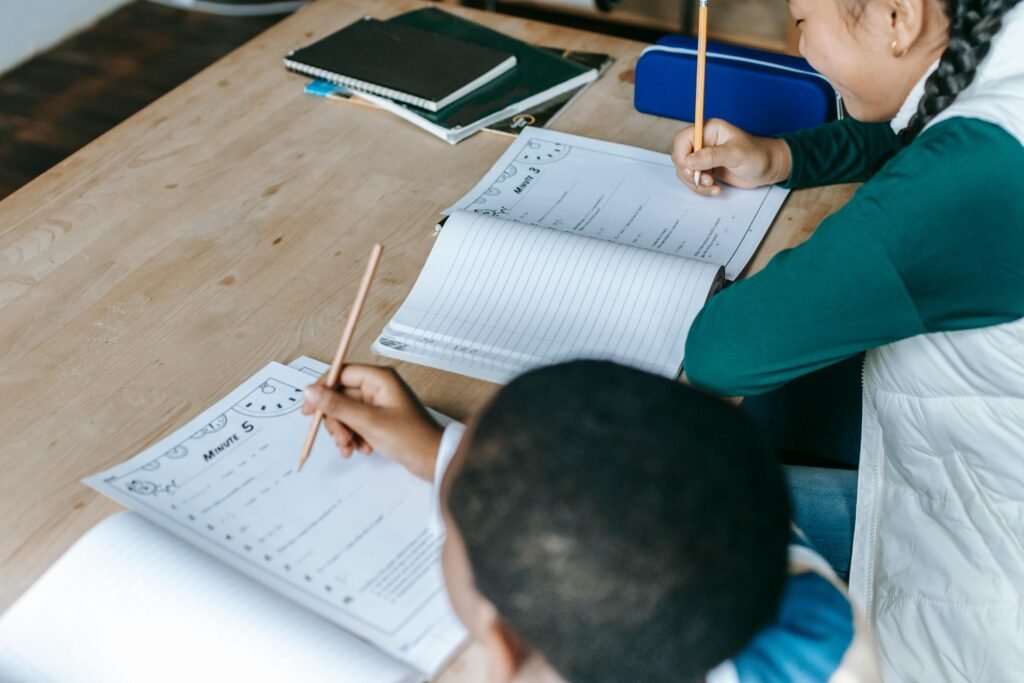
Parents can help by guarding the routine and praising the calm stop as much as the on-time start. If your child needs structure to hit that window, a live study block can make a big difference. Debsie sessions model the right pace, teach strong methods, and keep minutes tight.
Book a free class to set a nightly plan that fits your child and keeps grades rising without burnout.
Conclusion
The numbers tell a clear story. Small, smart changes to homework time raise grades more than long, late grinds. A steady rhythm most nights, a clean start, a firm stop, and active work on a blank page beat busywork every time. The best window for most teens lands between seventy and one hundred twenty minutes, with short breaks and real sleep.
When time runs past two hours, shift the method before you add more minutes. When life gets busy, keep a tiny routine so momentum never dies. Track tasks, start early, ask sharp questions, and use quick feedback to fix errors fast. These habits build skill, confidence, and calm.