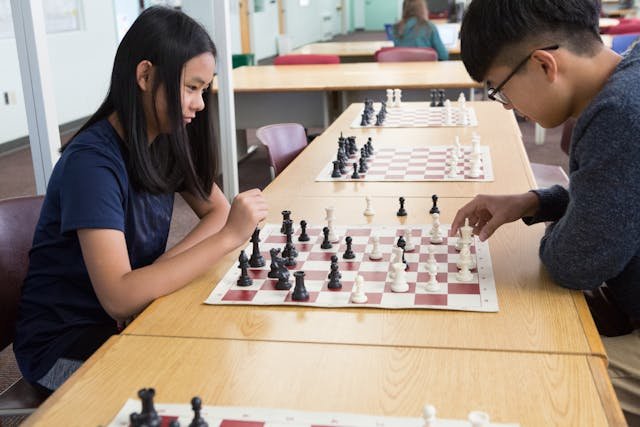
Can a few big games flip the whole leaderboard overnight?
Chess moves fast. The world order can change after one upset or a hot streak. FIDE keeps monthly rankings that shape who looks like a top name, and snapshot lists—like the January Top 5—show how tight the race can be.
In this short guide we point out the names everyone is watching and why their ratings might jump or dip month to month. Expect big stars and a new wave of rising talents. We explain ratings simply so kids and parents both get it!
Want to help a child learn the same skills? Try Debsie Courses for guided, playful practice (Debsie Courses). Track progress with a community leaderboard (Debsie Leaderboard) and start with a free trial class and a personal tutor (free trial).
Follow big events like the Saint Louis Masters to see how rankings shift in real time (event recap)!
Key Takeaways
- Ratings change fast; monthly FIDE lists shape the scene.
- We’ll highlight top names and rising stars kids can follow.
- Simple rating explanations make the lists easy to read.
- Use Debsie Courses to learn skills with guided training.
- Track growth on the Debsie Leaderboard for motivation.
- Start with a free trial class and a personalized tutor today.
Why 2026-2027 Chess Rankings Could Shift Fast
When top competitors meet, the monthly lists can flip fast — and that matters for invites and title paths. We’ll show how the system works and why one month can change a lot!
How FIDE “Top Lists Open” guide the world table
FIDE Top Lists Open is the official table for classical play. It updates monthly and shows who looks strongest right now.
How Elo changes after big tournaments
Win against a stronger opponent and your rating jumps more. Lose and it slides. That simple rule makes each game count.
Invitations, super-tournaments, and the Candidates pathway
Higher ratings lead to invites. More invites mean tougher events and more chances to climb. The Candidates route then opens doors to title matches.
“A great month can launch a new name into the spotlight.”
Want to learn how this works in practice? Try Debsie Courses to study patterns and plans: guided courses! Track steady growth on the Debsie Leaderboard and set goals just like the pros.
For extra context on format changes and event impact, see the updated circuit format and our national events list.
best chess players 2026: Elite Names Most Likely to Dominate 2026-2027
At the top of every ranking list, one number still looms large: Carlsen’s 2840 acts like a mountain peak other contenders aim to climb. That 2840 benchmark shows long-term dominance and steady results against the world’s strongest fields.
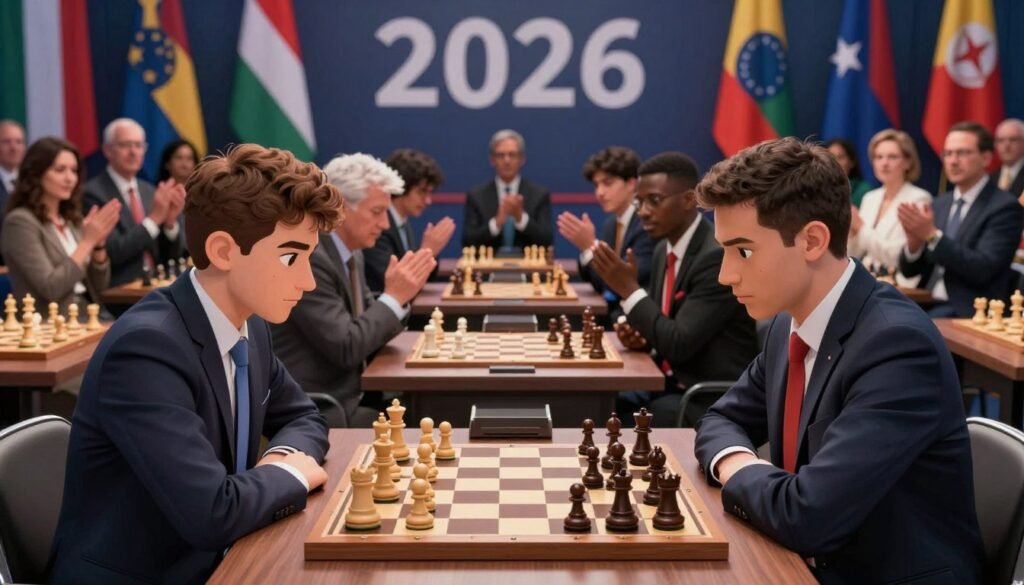
Magnus Carlsen and the 2840 benchmark
2840 is more than a figure. It signals consistency across major tournaments and a target for anyone who wants to lead the world table!
American contenders to watch
Hikaru Nakamura (2810) and Fabiano Caruana (2795) remain top rivals. Wesley So (2753) keeps U.S. fans excited and draws attention to domestic events and youth programs.
Next-wave challengers and young threats
Vincent Keymer (2776) and Arjun Erigaisi (2775) can push higher with a strong season. Teen and early-20s stars like Gukesh (2754), Praggnanandhaa (2758), and Alireza Firouzja (2759) can swing leaderboards fast.
Veteran threats who still matter
Viswanathan Anand, Levon Aronian, and Maxime Vachier-Lagrave can still spike at big events and remind everyone they remain dangerous.
“A single hot run in major events can rewrite who looks like the top name.”
Learn like them! If your child wants to train with pro-like routines, check Debsie Courses for guided, playful practice: train like the pros! Book a free trial class with a personalized tutor to focus on openings, tactics, or endgames: free trial class.
For event context and deeper lists, see our roundups and snapshots: tournament recap, or explore rising talent profiles on Debsie: young players to watch and top 10 world list.
How Ratings, Results, and Youth Talent Predict the Next Top Players
A mix of steady results and rising juniors often decides who breaks into the top ranks.
What 2700+ Elo signals
In the chess world, 2700 is like a VIP level. Cross it and you usually earn invites to the toughest events. That makes movement past 2700 a big prediction signal!
Using January 2026 as the starting line
FIDE updates ratings monthly and the Open list is the classical reference. January showed Carlsen at 2840 and many names clustered between 2700–2800.
That cluster means a single hot run in major tournaments can swap places quickly. Watch who scores well against 2700+ opponents.
Junior pipeline (U20) to watch
Gukesh leads juniors at 2754 — already elite. U.S. prospects include Abhimanyu Mishra (2629) and Andy Woodward (2608). Young stars like Yağız Kaan Erdoğmuş (2658, born 2011) show rapid rise is possible.

| Metric | What it means | Who to watch | Kid-friendly action |
|---|---|---|---|
| 2700+ threshold | Elite access and tougher invites | Gukesh, top elites | Set a long-term rating goal |
| Jan 2026 snapshot | Baseline for projections | Carlsen 2840; many near 2700 | Track month-to-month progress |
| Junior surge | Fast rises from U20 ranks | Mishra, Woodward, Erdoğmuş | Practice openings and tactics |
Watch this in tournaments: not just winners, but who scores vs. 2700+ rivals. That’s where big rating gains show up.
Want to track progress like a game? Use the Debsie Leaderboard to set goals and level up: track your level! For guided practice that hits tactics, endgames, and openings, explore our structured courses and the rating analytics guide: rating analytics. Also see opening basics to build confident starts.
“Set a small goal, track it, and celebrate each climb — improvement is a game you win step by step!”
Conclusion
Momentum matters: a hot streak at one major event can push a name from underdog to headline. Monthly FIDE updates mean the world picture shifts fast, and January provides a clear baseline to watch.
Look for four buckets of contenders: established legends, near-top challengers, rising young talents, and veterans who can surge. Track activity, consistency, and clutch results to see who gains momentum.
Parents: follow broad trends, not every number. Focus on steady improvement against strong opponents. Kids: small practice steps each week add up—train, play, and enjoy!
Next steps: explore Debsie Courses, join the community on the Debsie Leaderboard, and book a Free Trial Class with a Personalized Tutor to get a plan that fits your child!
Candidate analysis · January 2026 list · tournament guide