Ready to see who ruled each decade from the 1970s through the 2020s? We’ll map it out clearly and simply, so kids and parents can follow the story without getting lost in jargon.
“By era” here means the person who felt unstoppable in that decade — the name most people remember when they think of the world scene. Some picks are clear. Some spark debate because activity, titles, and context changed over time.
Expect headline names you already know: Fischer in the 1970s, Kasparov in the 1980s and 1990s, Anand in the 2000s, and Carlsen in the 2010s and 2020s (so far). We’ll note why each player shines, what to learn from them, and why ratings tell only part of the story.
Key Takeaways
- We’ll show who dominated each decade and why their reign mattered.
- Names like Fischer, Kasparov, Anand, and Carlsen pop up for clear reasons.
- Ratings help, but context and activity shape legacy.
- You’ll get short lessons on what to learn from each champion.
- We end with a simple study plan and kid-friendly Debsie resources to get started!
How We Chose the Best Chess Players by Era
Here’s how we measured which champions really owned a decade. We used clear, repeatable rules so the picks stay fair and easy to follow!
Peak performance means the scariest version of a player—when their results and strength hit max level. We check a peak rating snapshot to show that moment. Ratings help, but they can be tricky across different years and systems.
Consistency is like a decade-long report card. Who stayed near the top year after year? We count time at number one and use those spans to judge dominance.
World championship results matter a lot. Title wins, defenses, and the stress of a championship match show who handled big pressure best.
Tournament wins and win rate tell us who beat tough rivals most often. We favor quality of opposition, not just total games played.
Cultural impact rounds out the picture. Some champions rewired the chess world and inspired new generations. We apply these rules to every decade for fairness!
Quick comparison of selection criteria
| Criteria | What it shows | Why it matters | Example source |
|---|---|---|---|
| Peak | Highest strength moment | Highlights top capability | Chess.com panel |
| Consistency | Decade-long performance | Shows lasting dominance | Rating lists (ChessMetrics/FIDE) |
| World champion | Titles and match results | Pressure-tested success | Championship match records |
| Tournament wins | Beating elite opposition | Real-game results count | Debsie tournaments |
Quick Timeline of Era Dominance From the 1970s to the 2020s
A speedy timeline helps busy readers spot the decade champions at a glance. We list each decade, the headline name, and a one-line why—easy to scan for parents and fun for kids!
At-a-glance decade winners
- 1970s: Bobby Fischer — Shock wins and global fame, but activity dipped after his title.
- 1980s: Garry Kasparov — New energy, fierce preparation, and long stretches at the top.
- 1990s: Garry Kasparov — Continued dominance across tournaments and matches.
- 2000s: Viswanathan Anand — Versatile champion who rose to undisputed status.
- 2010s: Magnus Carlsen — High rating and steady conversions of small advantages.
- 2020s: Magnus Carlsen (so far) — Still setting the bar across formats and time controls.
Why some decades spark debate
The 1970s are the clearest contested decade: Fischer had the title and huge impact, but Anatoly Karpov built his strength while Fischer stayed away. Activity and title status don’t always match!
Two decades can belong to the same person when dominance spills across calendar years. Dominance is about long time at the top—not a reset on January 1.
Split title note: sometimes there wasn’t a single universally recognized champion—more on that soon. Keep reading for the match stories, rivalries, and the lessons each champion offers!
The 1970s: Bobby Fischer and the Match of the Century Effect
A single match in 1972 turned a quiet boardroom game into a global headline and reshaped the decade. That showdown made one world champion feel like an era-defining figure overnight!
Why Fischer felt like the decade even with limited games
Fischer’s peak was dramatic. His record and peak rating stunned fans and experts. Even with fewer games, his dominance set new expectations for what a top player could do.
World champion status, peak strength, and cultural shockwaves
Winning the 1972 world championship vs Spassky mattered beyond trophies. The match made headlines, inspired kids, and pushed chess into the world spotlight.
Close runner-up case: Anatoly Karpov’s rise after Fischer
Anatoly Karpov quietly climbed to world #2 by late 1972. He then put in the long grind that Fischer did not, becoming the steady face of championship play later in the decade.
What to study from Fischer’s games today
Try Fischer puzzles! Focus on tactical shots, fearless calculation, and clean endgames. Kids should learn to hunt clear plans, not memorize every opening.
“Fischer changed how the world watched the game.”
- Study tips: tactic drills, calculation practice, and sample endgame problems.
- Quick fact: Fischer’s championship match created long-lasting global interest.
The 1980s: Garry Kasparov Takes Over the Chess World
The 1980s opened with a new force on the board: a young leader who changed how top games were fought. He brought speed, deep prep, and a hunger to press every advantage!
Becoming world champion and setting a new standard for dominance
garry kasparov rose to world champion status by late 1985 after brutal, close fights. His metrics showed he reached number one by late 1982 and kept pushing the field for years.
Becoming world champion changed the spotlight. Suddenly every tournament felt like a challenge: “Can anyone stop him?” Opponents played differently. Pressure was constant.
The Karpov rivalry and why it shaped the decade’s style
The long Kasparov vs anatoly karpov saga read like a sports serial. Their matches were tight, tense, and full of learning moments.
Karpov squeezed with slow, patient pressure. Kasparov answered with sharp attack and risk. Together they created two clear styles kids can spot and copy!
“Their battles rewired opening choices and taught planning, defense, and nerves all at once.”
| Aspect | Kasparov | Karpov |
|---|---|---|
| Years at top | Early 1980s onward | Late 1970s–mid 1980s |
| World title | Multiple championship wins | Long-time champion before Kasparov |
| Style | Dynamic attack, deep prep | Positional squeeze, steady defense |
| Notable match record | Won 3 of 4 matches in decade | Extremely close championship matches |
Watch one rivalry and you learn planning, defense, and nerves in one go. We love this era—it’s a masterclass in how a single player can change the world of play!
The 1990s: Kasparov’s Most Dominant Decade
Across the 1990s one name dominated results, tournaments, and headlines with relentless intensity. This was a time when a single leader shaped how everyone prepared and played!
Record-setting longevity at number one
garry kasparov held the top spot for long stretches. For years he led rating lists and ChessMetrics for the whole decade. That kind of record means rivals spent every season trying to catch him.
Peak rating context and why it mattered
Kasparov reached a towering peak rating late in the decade. Before computers became dominant, reaching that highest rating showed a player solving positions humans found hardest.
Signature achievements and iconic games
He won big championship matches and major tournament events. Kids still study his daring attacks and the famous, iconic games that teach initiative, tactics, and courage.
Deep Blue: a friendly turning point
The 1997 Deep Blue match changed the story. Machines beat a top human in a dramatic set of games. It didn’t end human learning. Instead, it pushed new tools into training and made prep more creative.
“The 1990s taught us that great play and smart tools can work together.”
We can learn from his bold style and then use engines and databases as helpers. Play, learn, and grow—just like the champions did!
The 2000s: Viswanathan Anand in a Wide-Open Decade
The 2000s felt like a wide-open field where steady work often beat flash—and one calm, hungry competitor seized the moment! This decade had several big names and a messy title scene. That made every win matter more.
viswanathan anand started the decade as the 2000 FIDE champion. He waited, learned, and then won the undisputed crown. That path shows patience and steady growth.
Defining moment
The 2008 world championship championship match vs vladimir kramnik is the key moment. Anand played calm, sharp games and took the title. It proved he could beat top rivals when it mattered most.
Versatility and rivals
Anand thrived in both classical and rapid formats. That mix of speed and accuracy makes him a model for kids: practice quick tactics and slow thinking!
| Point | Why it matters |
|---|---|
| FIDE then undisputed | Shows long-term growth and resilience |
| 2008 win vs Kramnik | Decade-defining championship moment |
| Versatility | Strong in rapid and classical events |
Other top players pushed hard in this decade. That makes Anand’s final kick even stronger. Want a quick tip? Start with tactics, then add opening comfort. Play, learn, and grow!
The 2010s: Magnus Carlsen’s Era of Relentless Consistency
One leader turned tiny advantages into full wins so often it felt like magic. That habit became the story of the 2010s and a model kids can copy!
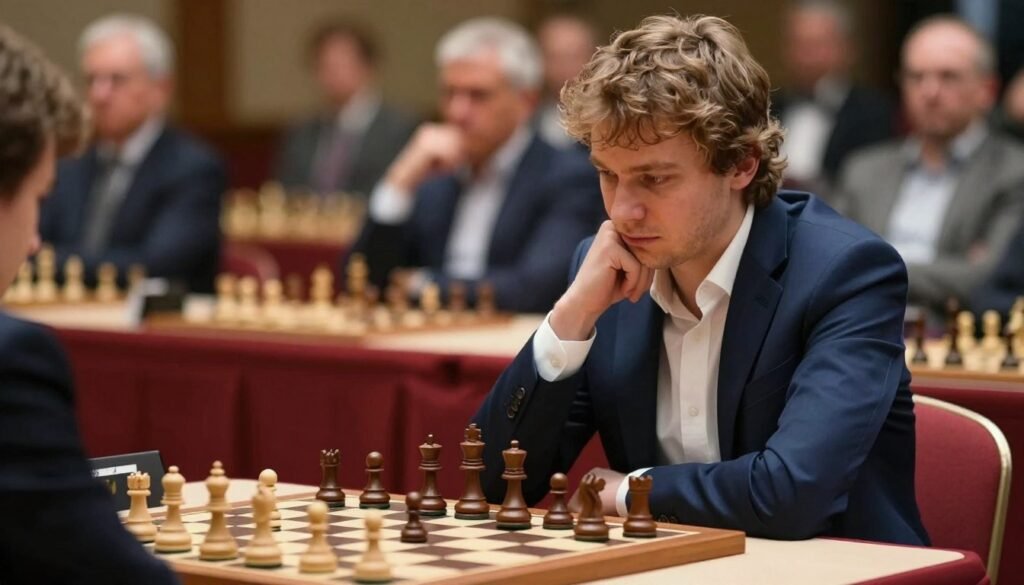
magnus carlsen held the world champion title across many tough events. He was world number one for almost the whole decade. That steady presence mattered as much as flashy wins.
Holding the crown and converting small edges
Conversion means making tiny chances count. Carlsen squeezed small moves into full points. It looks simple, but it takes nerves and deep endgame skill.
Peak records and format range
He set the peak rating records and a lasting record for top months. He also shined in classical, rapid, and blitz—so modern fans felt his reach across formats.
Elite rivals and the 2018 match
The 2018 championship match with Fabiano Caruana showed elite parity: many top players were close. Still, Carlsen’s calm carry-through proved decisive over long stretches.
“Consistency is a superpower—train endings, fight for tiny advantages, never give up!”
Quick tip: Practice endgames and keep fighting for small gains. Want more inspiration? See our list of most inspirational players to learn from champions!
The 2020s: Magnus Carlsen Still Sets the Bar
Short update: At mid-decade, one name still shapes how top players prepare and compete. Magnus Carlsen combines top results, long-running consistency, and a reputation that other pros use as a measuring stick.
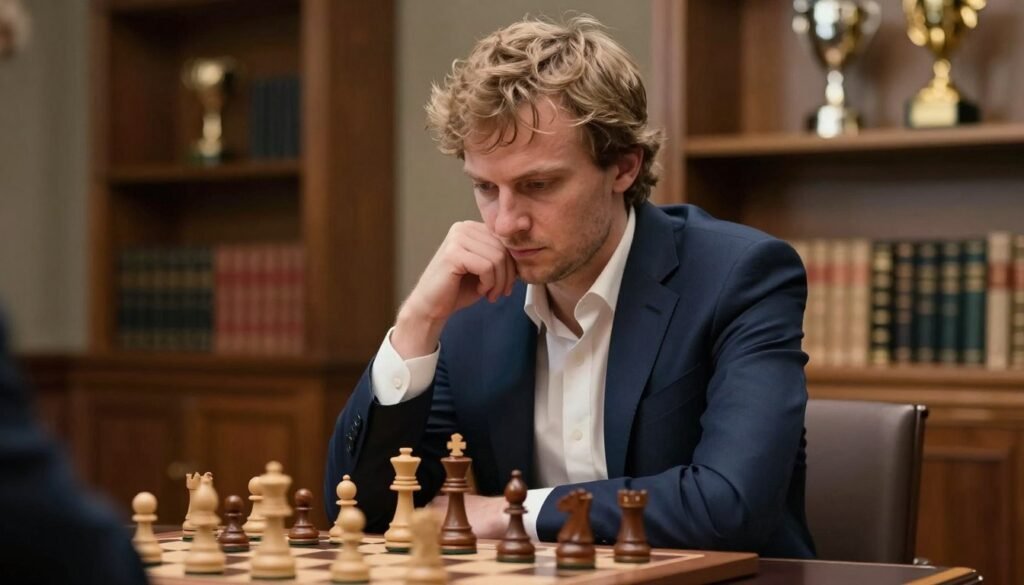
Why Carlsen remains the decade’s defining player so far
Top results and steady form. Carlsen keeps scoring at major world events and online finals. That steady output matters more than one-off wins.
The “measure against him” effect. New contenders and rising stars set goals to match his play. That pushes training standards higher across the world.
So far is important. The decade isn’t over. New talents can shift the picture fast. But for time being, Carlsen’s record and presence keep him front and center.
Cultural impact debate: elite results vs streaming-era popularity
Today’s scene blends tournament glory with streaming clips and viral highlights. Streamers bring fresh popularity and make the game fun for kids. That matters for how a decade feels.
Still, we must separate two ideas: tournament success and public popularity. Elite results usually decide who the world calls the champion. Yet streaming stars can shape who kids watch and copy.
- Takeaway for parents: Use streams and clips to spark interest. Then build structure—lessons, drills, and guided practice.
- Balanced view: Enjoy highlights, but value titles and top tournament form for long-term learning.
Want to see how modern events and rising names compare? Check coverage such as this Olympiad recap and our roundup of top players to watch for parents and kids!
What Made Each Era’s Champion Different
Each decade’s top name had a clear personality at the board. We can feel it in how they opened, attacked, and finished games. Pick one and it becomes easy to remember their moves like a story!
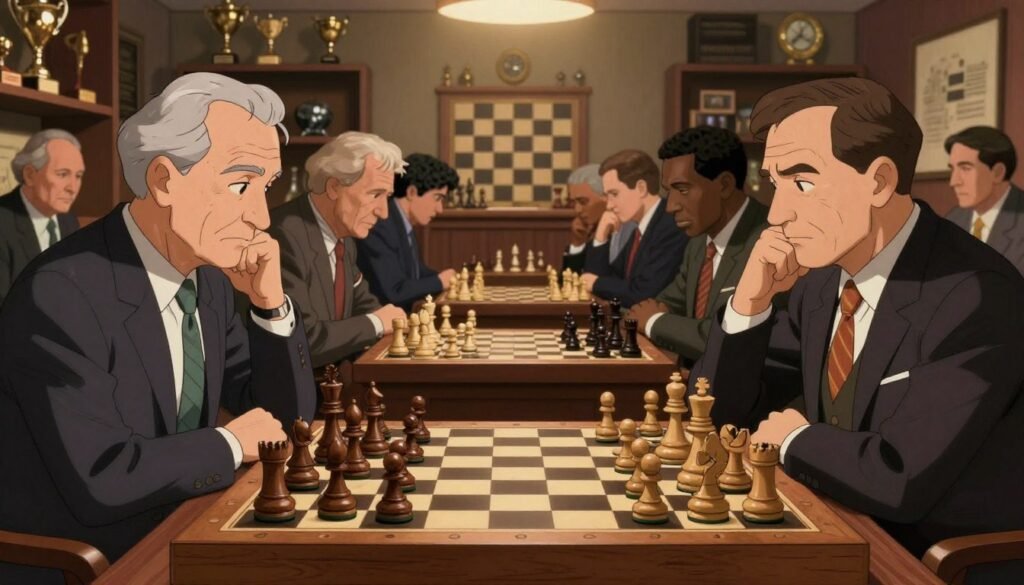
From fierce prep to raw dynamism to quiet grind
Fischer prepared like a scientist. He polished lines and struck with precision.
Kasparov brought dynamic attacks and fast tactical fire. He forced mistakes.
Carlsen grinds with patience. Small advantages become wins in his hands!
Opening theory and the rise of databases
Older legends built genius without engines. Today, databases and engines speed prep. That changed how we argue who is the best player—tools matter now as much as talent.
How time controls shape legacy
Classical tests deep thought. Rapid checks quick judgment. Blitz favors instincts. A world champion may shine in one and not the others. Legacy depends on where they proved themselves most.
- Pick one style you love and study it for a month!
- Learn one opening well. Then practice middlegame and endgame play.
World Champion vs Best Player: When the Title Tells the Whole Story
Quick idea: sometimes the world champion is also the strongest player in the decade. That makes the story simple and easy to explain to kids and families!
Clean cases: Kasparov in the 1990s and Carlsen in the 2010s are clear moments when the title matched top form. Their long runs at number one made the champion label mirror who dominated results and tournaments.
When the title and strength line up
These decades are easy to teach. The champion won big events, kept top ratings, and stayed active. That means the world championship and public view point to one leading figure.
When the picture gets messy
Sometimes the champion was inactive or there were split titles. Fischer’s post-1972 inactivity left a “shadow” on who felt strongest. In the 2000s, different organizations claimed different crowns. That makes the decade harder to explain.
| Situation | What it means | Example |
|---|---|---|
| Title = top form | Clear legacy and simple story | Kasparov (1990s) |
| Inactive champion | Someone else may feel strongest | Fischer (1970s) |
| Split championship | Two labels, same board—confusion for fans | 2000s split-title era |
“We explain the title and the context, not to judge, but to make sense of history.”
Tip for families: teach results first. Then add context. Use our quick comparison page for deeper reading: comparison of top players.
Peak Rating, Highest Rating, and Why the Numbers Aren’t Everything
Ratings give clues, yet they don’t capture the whole picture of a career! Numbers help. But chess is bigger than numbers.
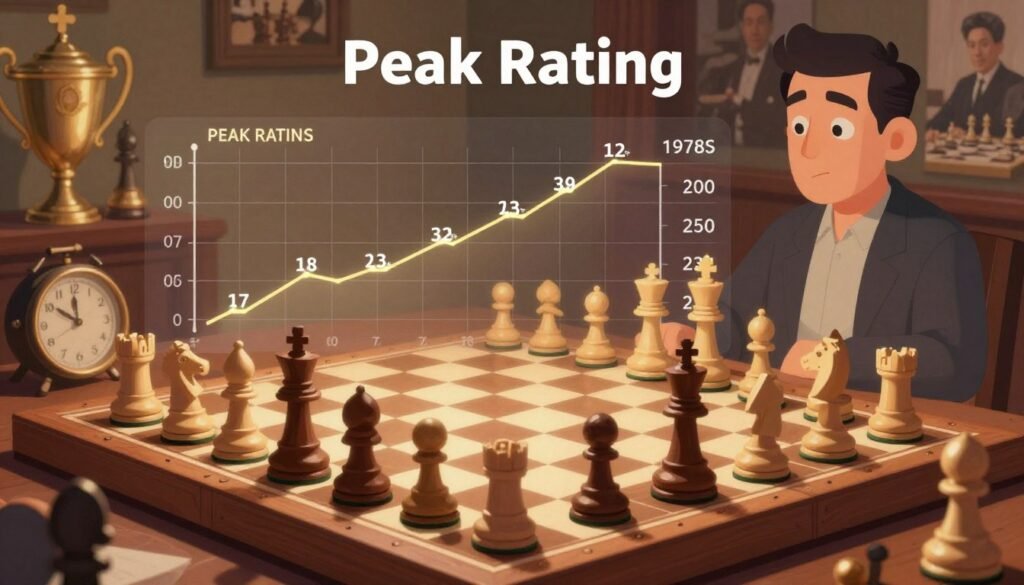
ChessMetrics vs FIDE: what each system shows
Peak rating is a player’s best moment on a list. Highest rating is the top number they reached. Simple!
ChessMetrics covers older decades and smooths results across many events. FIDE ratings are the official list used in modern world events and tournaments. The Chess.com panel used ChessMetrics through the 1990s and FIDE from the 2000s onward. That’s why direct comparisons need care.
How engines, opponents, and era affect rating inflation
Modern players use an engine for prep. Engines raise technical accuracy and help avoid small mistakes. That changes how high ratings can climb over time.
Stronger opponents and more global play also push numbers up. As the field professionalized over the years, average scores shifted. So a high rating today is not always the same as the same number in past history.
- Quick note: ratings are a useful clue—track them to measure progress!
- Balance: look at titles, long-term record, and impact on the world scene too.
- Practical tip: use your rating for motivation, but focus on habits: cut blunders and build endgame strength!
“Numbers help, but greatness lives in games, not only in lists.”
The Rivalries That Defined Modern Chess Decades
Rivalries turn long games into stories kids can tell at recess. They push rivals to invent new ideas and play their best games. We love these match stories because they teach habits and courage!
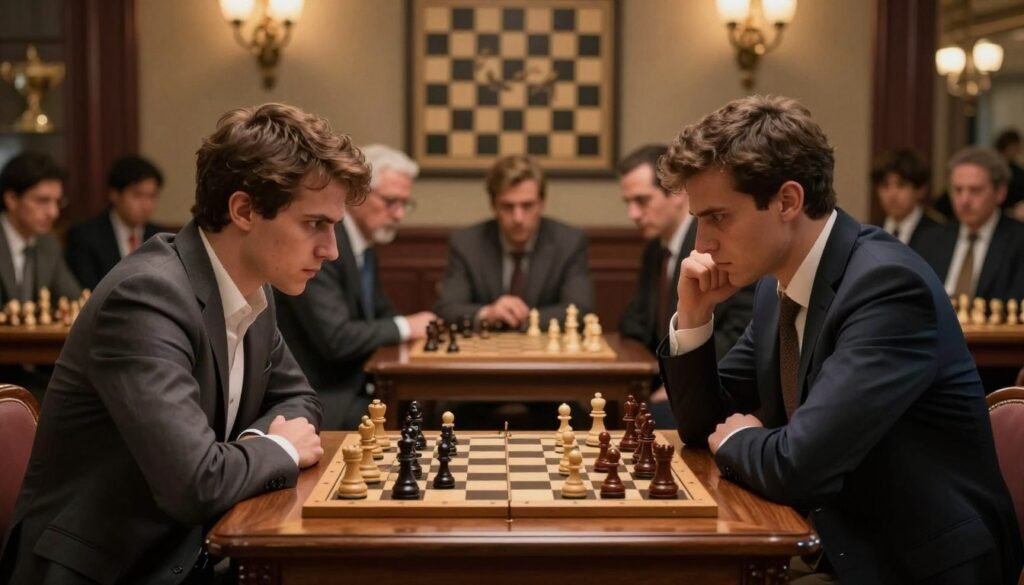
Fischer vs Spassky as a global event
The 1972 match became a world event. People who never played watched. It showed how a single championship match can move culture and spark millions to learn!
Kasparov vs Karpov as a multi-match marathon
Garry Kasparov and anatoly karpov fought many long world championship matches. Their series felt like a saga. Prep, nerves, and new ideas grew out of each encounter!
Anand vs Kramnik and the narrative of unification
viswanathan anand vs vladimir kramnik carried more than a trophy. Their match helped heal a split-title story and showed how one match can shape the world picture.
“Rivalries create the best lessons and the biggest moments.”
| Rivalry | Why it mattered | How to learn from it |
|---|---|---|
| Fischer–Spassky | Global attention, cultural wave | Replay a famous game slowly |
| Kasparov–Karpov | Endless match tests, deep prep | Study match games for strategy |
| Anand–Kramnik | Unification and modern prep | Compare opening choices and results |
- Pick one game from each rivalry and replay it slowly.
- Note one idea per game and practice it in your own play.
- Share the story! Teaching helps you remember.
Want more intense match stories? See a curated list of historic contests at intense match highlights and a tour of champions at world champions tour!
How to Learn From the Greats: Study Plans by Decade
A small, steady plan can teach big ideas from world-class matches. You don’t need to be a grandmaster. Just follow tiny, fun steps each week!
Promise: 15–25 minutes a day builds real skill. We make practice feel like a game!
Fischer themes
Daily short tactics. Focus on careful calculation and simple endgame drills that teach clean wins.
Kasparov themes
Train initiative. Learn threats and do light opening prep so the first ten moves feel safe and bold.
Anand themes
Timed puzzles and rapid practice. Build speed, then review mistakes calmly to grow flexible play.
Carlsen themes
Endgame technique and “small edge” strategy. Learn how to win when positions look equal.
“Study a little, play often, and write one lesson after each game.”
| Plan | Daily focus | Goal |
|---|---|---|
| Fischer | Tactics + endgame | Clean wins |
| Kasparov | Initiative + opening | Confident starts |
| Anand | Speed drills | Faster decision-making |
| Carlsen | Endgames | Convert small edges |
Parent tip: keep a simple game journal. One sentence per game. One thing learned. For opening help, try our essential opening guide.
Start Your Own Chess Journey With Debsie
If the champions’ stories inspired you, let’s turn that spark into steady progress! We welcome families worldwide. Parents and kids can begin with short, fun steps that fit busy time schedules.
Take a free trial class with a personalized tutor
Try a class! A personal tutor finds what your child needs next. They spot tactical gaps, refocus opening choices, or sharpen endgame habits. Coaching keeps learning fun and clear.
Take a Free Trial Class With a Personalized Tutor
Learn Via Debsie Courses to build opening, middlegame, and endgame skills
Structured courses guide kids through opening plans, middlegame ideas, and endgame technique. Lessons are short. Goals are clear. Less overwhelm. More steady growth.
Learn Via Debsie Courses
Use the Debsie Leaderboard to stay motivated and track progress
The leaderboard makes practice feel like play. Track small wins. See real progress over time. It keeps motivation high and habits consistent!
Debsie Leaderboard
| Action | What it builds | How long |
|---|---|---|
| Free trial | Personal focus on weak spots | 30–45 min |
| Course path | Opening, middlegame, endgame skills | 4–12 weeks |
| Leaderboard | Motivation and measurable progress | Ongoing |
“Pick one small goal this week and practice it every day — the habit wins.”
Ready to start? If you want in-person options, check local coaching choices like local coaching options. Then choose one goal: for example, “stop hanging pieces!” Play a little each day and watch skills grow.
Best Chess Players by Era: Key Takeaways for Fans and Improving Players
Here’s a short guide that pulls our decade calls and study tips into one clear snapshot. Read fast. Pick one idea. Start small!
How to compare players across decades without oversimplifying
Use four simple checks: peak, consistency, titles, and cultural legacy. Mix them. One number alone never tells the whole story.
What dominance looks like in real life
Dominance means long runs near #1, repeated championship wins, and beating top rivals often. It shows up in tournament results and world championship matches, not just a single hot season.
- Quick recap: 1970s Fischer, 1980s–90s Kasparov, 2000s Anand, 2010s–2020s Carlsen.
- Legacy matters: who changed how others train and play?
- Study tip: pick ONE champion style to copy for a month—then add another!
| Criteria | What to check | Why it matters |
|---|---|---|
| Peak | Best rating or form | Shows top capability |
| Consistency | Years at top | Shows durable dominance |
| Titles & legacy | Championships + influence | Shapes future players and the world scene |
Want a clear plan? We shared courses and tutors above to help you learn fast and have fun! Play, learn, grow!
Conclusion
,Each decade had a clear flavor and a guiding champion. Fischer in the 1970s, Kasparov across the 1980s–1990s, Anand in the 2000s, and Carlsen from the 2010s into the 2020s shaped how the world watched the game.
Pick one classic match to watch this week. Then play one practice game. Learning happens when you do!
Kids: the greatest players were learners first. They built skill year after year with small steps.
Parents: short, regular practice works better than bursts. If your child wants help, try a free trial class and keep the journey fun!