What makes a true master when your clock ticks down to single digits?
Welcome to fast-fire mayhem! In 1+0 events like the Bullet Chess Championship 2024, every tap and second counts. This is a world where speed and instincts beat long calculation.
We’ll explain what 1+0 really means and why this format rewards tiny tricks, bold moves, and iron nerves. You’ll meet big names such as Magnus Carlsen and Hikaru Nakamura, and specialists like Andrew Tang and Daniel Naroditsky.
This list looks beyond fame. It shows how top players win time, force mistakes, and survive chaotic endgames. Later we’ll show how you can train like these stars with Debsie — courses, a leaderboard, and a free trial class with full links saved for the training section.
Key Takeaways
- 1+0 games demand speed, not perfect play.
- Watch top names to learn time tricks and safe premoves.
- Bullet rewards quick intuition and strong time management.
- We’ll cover how stars like Naroditsky and Nakamura succeed — see this recap here.
- Find training options and examples on Debsie’s blitz overview page.
- Practical tips you can copy now: premoves, simple habits, and clock awareness.
What makes bullet chess different from blitz and rapid
In 1+0 play, keeping the clock moving often matters more than finding the perfect plan. The format flips priorities. Quick instincts win. Long calculation loses.
Simple definitions:
- Rapid gives lots of thinking time. You plan deeply.
- Blitz is faster. You mix speed and accuracy.
- 1+0 (one minute, no increment) forces instant choices and heavy premoving.
Why “good-enough” beats best:
With only 60 seconds, you pick safe, fast moves. A slightly worse move is fine if it saves seconds. That saves nerves and often wins in the scramble near zero.
Time basics — clock leads, premoves, scramble:
A small early clock lead can decide the whole match. Premoves help you act in a flash. Scramble skill is how you survive when both players are out of time.
Where ratings come from:
Sites like Chess.com and Lichess calculate separate ratings for 1+0 pools. That is why ratings on fast formats feel sharper. Want to read player experiences? See this discussion on Lichess: why some players do better in ultra-fast.
How we’re ranking the best bullet chess players in this list
We picked metrics that show who truly shines when the clock screams and seconds vanish.
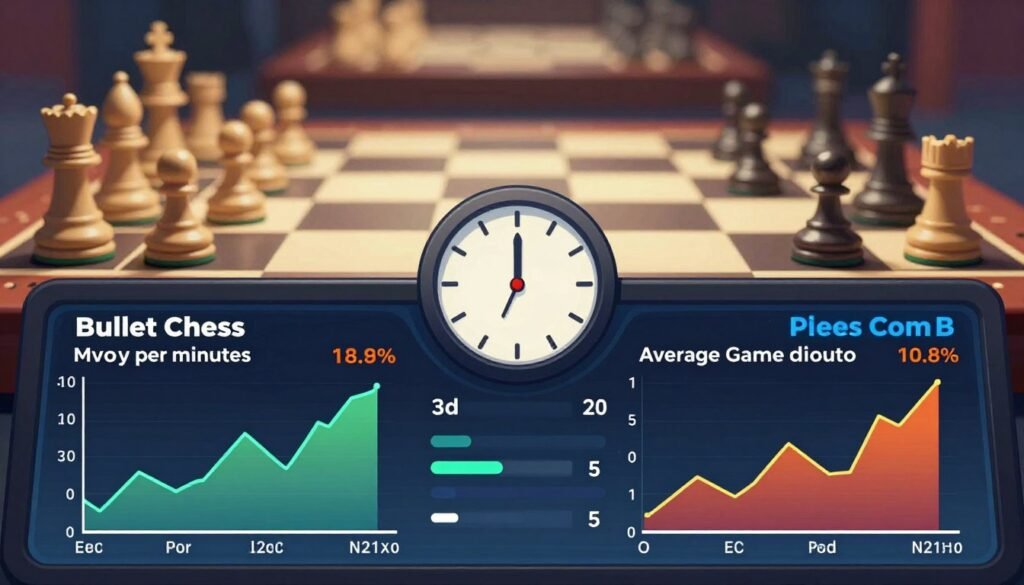
Results and reputation
Results matter! We weigh tournament results from chess championship events and head-to-head points. Reputation counts too. A strong track record at high-level tournaments earns extra weight.
Speed metrics that matter
We track average think time (sec/move), clock lead by move 20, and raw move speed. These numbers show who uses time smartly and who blinks first under pressure.
Scramble strength
Some players get better as time falls. We measure scramble move rate and performance rating jumps in late-game scrambles. That “scramble strength” separates calm finishers from panickers.
Premove style
Heavy premoving can save seconds but also cost big pieces. We score premove rates and error impact so you see which style is smart and which is risky.
“Transparent rules make rankings useful for families and new fans.”
Want to dig deeper? See our full player list for examples and data points you can watch and learn from!
Best bullet chess players to watch and learn from
Meet six fast-thinking masters whose moves teach quick instincts and simple habits you can copy.
Magnus Carlsen: elite overall dominance at the top level
What to watch: calm simplifications and pressure play. Carlsen turns small advantages into wins by trading into easy endgames and keeping the clock ticking.
Hikaru Nakamura: the streamer king who builds huge time advantages
What to watch: sharp clock fights. Hikaru often has a +4.5 second lead by move 20 and uses that edge to force errors. He mixes deep skill with clear time plans!
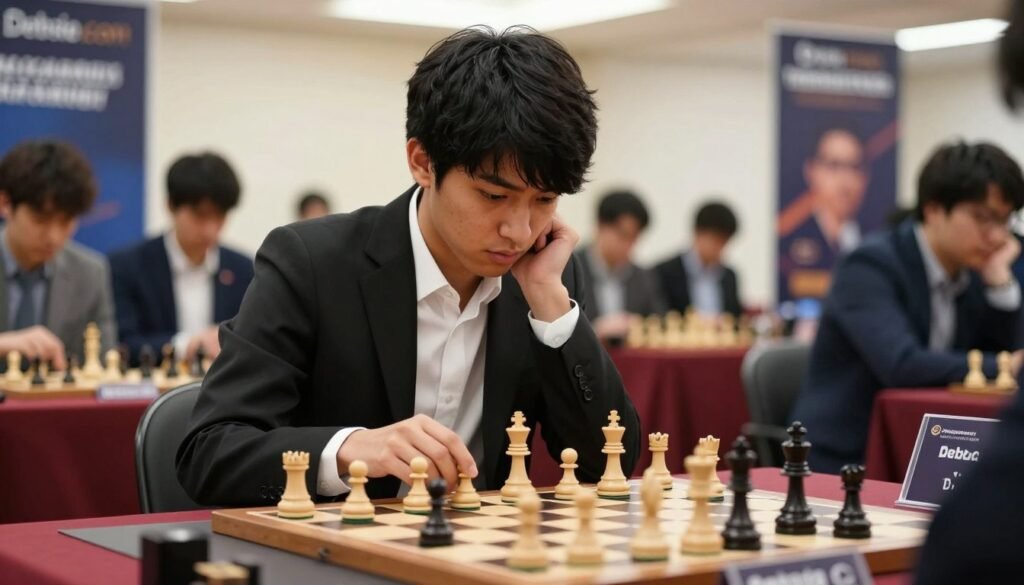
Andrew Tang: the mouse wizard of ultra-speed formats
What to watch: insane scramble play. Tang can move in 0.32 sec in scrambles and posts huge performance jumps. Copy his aggressive premove timing and fearless tactics.
Alireza Firouzja: world-class calculation at lightning pace
What to watch: fast tactics and sharp punishments. Firouzja finds tricky continuations and finishes games quickly when opponents slip.
Daniel Naroditsky: volume, experience, and relentless endgame technique
What to watch: patterns from thousands of games. Naroditsky has over 141,000 rapid-fire games and excellent endgame instincts you can learn from move after move.
Sam Sevian: raw move speed that shocks specialists
What to watch: pure hand speed. Sevian averages under a second per move and shows how fast thinking can upset even high-volume grinders.
Tip for kids and parents: pick one player from this list, watch a handful of their games, and copy one habit — a safe opening, premove timing, or endgame trick. For deeper viewing, check out this speed analysis on Chess.com and Debsie’s upcoming event roundup for more study picks.
Their signature bullet skills you can copy in your own games
A few simple drills, taken from elite routines, turn slow reflexes into reliable speed. Start small. Practice one idea per session. Grow from there!
Nakamura’s clock-pressure blueprint
What to copy: win early seconds. Nakamura often has a +4.5 second lead by move 20 and averages 0.80 sec per move.
Drill: play ten 1+0 games focusing only on saving 1–2 seconds per move early. Trade when ahead on time!
Tang’s scramble mode
What to copy: fearless premoves in chaos. Tang hits 0.32 sec/move in scrambles and uses 51% premoves then.
Drill: practice three puzzles where you premove forced recaptures. Build trust in quick patterns.
Sevian’s pure speed
What to copy: steady speed and smart premove rates. Sevian averages 0.79 sec per move with 25% premoves overall.
Drill: train 30-second reaction drills to keep hands fast while keeping your positions safe.
Naroditsky’s experience edge
What to copy: pattern recall. Naroditsky has 141,773 games and a +2.62 sec lead by move 20.
Drill: replay common endgames ten times. Recognize patterns so you move faster under pressure.
Move quality vs. speed
Rule: choose clean moves over flashy ones. Speed wins only when your moves are safe.
Simple checklist for kids and parents:
- When ahead on time, trade pieces.
- When behind, create checks and threats that force slow replies.
- Premove smart: only when forced or clearly safe (Hikaru’s tip!).
| Player | Avg sec/move | Scramble sec/move | Key stat |
|---|---|---|---|
| Hikaru Nakamura | 0.80 | 0.80 (low premove) | +4.5s lead by move 20 |
| Andrew Tang | — | 0.32 | 51% premoves in scrambles, +170 points |
| Sam Sevian | 0.79 | — | 25.23% premoves overall |
| Daniel Naroditsky | 0.81 | 0.34 | 141,773 games, +2.62s by move 20 |
“Practice one habit at a time and your time fights will improve fast!”
Want practice games you can study? Try an instructive game set here: instructive game collections. Play the drills, track your points, and enjoy the progress!
Train like a bullet specialist with Debsie (courses, leaderboard, and a free trial class)
Turn frantic seconds into calm moves with short, smart lessons designed for rapid play. We make training feel like an adventure, not homework! Small steps. Big progress. Lots of fun for kids and parents.
Learn Via Debsie Courses: Structured lessons teach quick openings, simple plans, and fast endgames. Focus areas map to real needs: reduce think time early, master premoves, and handle scrambles with confidence. Start with a single course and build your toolkit!
Debsie Leaderboard
Track ratings and points as you improve. The leaderboard shows numbers that matter — rating shifts, collected points, and progress over many games. It keeps kids motivated and shows parents clear results.
Take a Free Trial Class With a Personalized Tutor
Try a free session and get a plan that fits your child’s level. Tutors set weekly goals like “no big blunders in the first ten moves” or “use safe premoves only.” That makes practice focused and fun.
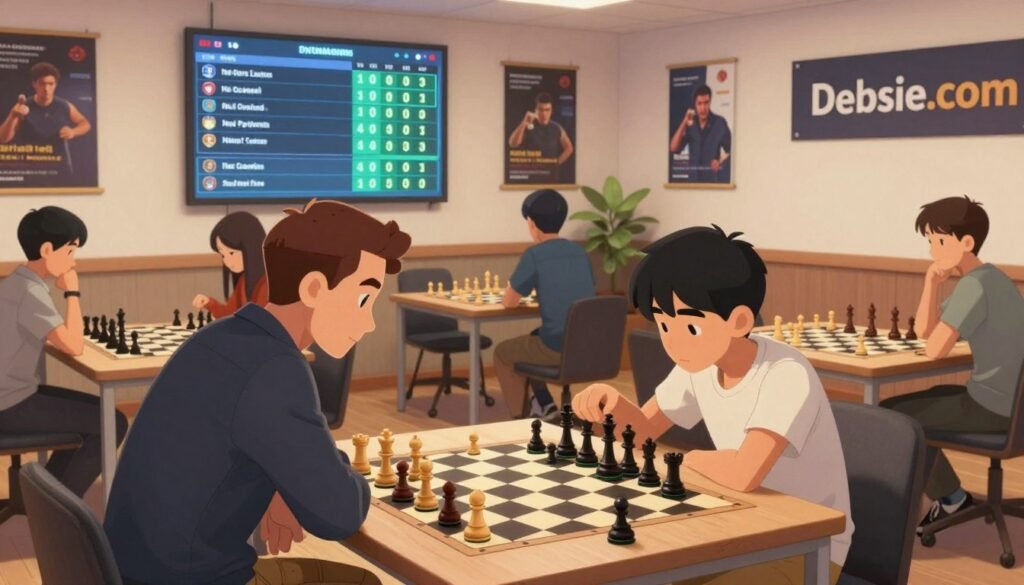
“Pick one course, play a short set of games, then check progress and tweak the plan!”
- Pick one Debsie course to start: structured lessons.
- Watch your growth on the leaderboard.
- Book a free trial for a custom plan: free trial class.
| Step | Focus | Short goal |
|---|---|---|
| 1 | Openings | Save 1–2 sec per move |
| 2 | Scrambles | Safe premove practice |
| 3 | Endgames | Pattern recall under time |
Want local tutors and more options? See our guide to top tutors and classes here: top tutors and classes.
Conclusion
One-minute duels force decisions where time is as vital as technique. This article shows that success in 1+0 blends speed, clock control, and calm scramble skill. Watch how Magnus Carlsen simplifies positions and learn to copy that steady style!
Protect your time. Simplify when ahead. Don’t panic in a scramble. Pick one habit first — for example, play simple moves fast — and grow from there.
Next steps: try Debsie Courses for structure, track progress on the Debsie Leaderboard, and book a free trial class for a plan that fits your child.
Challenge: play a few quick games this week, review one mistake, and come back stronger!