Have you ever wondered how a young player climbs the ranks so fast that the chess world calls him a prodigy?
Meet a modern phenom: born June 18, 2003 in Babol, Iran, Alireza Firouzja now represents both Iran and France. He is a grandmaster with a peak rating of 2804 (Dec 2021). His FIDE rating sits at 2759 and he is ranked No. 7 as of Feb 2026.
We’ll explain who he is and why his games feel like fast, tactical adventures. You’ll see how his style creates “sharp chess” moments—tricky, exciting, and still controlled!
We’ll keep this simple so kids can follow and parents can feel confident. Later, we’ll tease a step-by-step learning path to help young players grow—perfect for families who want guided practice and fun lessons!
Key Takeaways
- Learn who the prodigy is and why he matters in chess history.
- See how sharp, tactical play can be learned by kids and beginners.
- Spot repeatable ideas from his games you can try in your own play.
- Understand his rapid rating rise and key tournament moments.
- Find a clear path to grow—simple steps for steady improvement!
Why Alireza Firouzja Matters in Modern Chess
Modern chess now rewards speed and daring — and he shows how to win under pressure. His rise changed expectations about time, calculation, and confidence at the top level!
A new model of the elite player: speed, calculation, and ambition
He blends fast calculation with bold choices. That mix helps in online and over-the-board tournament play. Kids can copy the habits slowly, with guided practice from Debsie tools!
What “sharp chess” means and why his games are instructive
Sharp chess means one mistake flips the whole game. Games are full of sudden attacks, sacrifices, and tight win-or-lose moments. Watching these teaches pattern spotting and strong defense at once.
He also broke a big milestone: becoming the youngest player to pass 2800, beating Magnus Carlsen’s record by months. The rating leap made the world sit up and watch!
More rapid blitz tournaments now shape careers. His style shows kids how to think fast, play to win, and learn safety too. Play, learn, grow — with fun practice and small steps!
- Fast thinking wins points in blitz and rapid play.
- Ambition matters: play to win, study patterns, defend smart.
Alireza Firouzja: From Iranian Champion to World-Class Grandmaster
A simple spark at born june 18, 2003 turned into a rapid climb through chess ranks! He learned to play at eight and stunned the nation by winning the iranian championship at age 12.
Early milestones
That early win showed talent and grit. By 2018 he became a grandmaster. Kids can see how steady practice leads to big steps!
Racing to 2700 and beyond
At age 16 he crossed the 2700 mark — a historic speed-run into elite play. His steady rise changed expectations for young players on the world stage.
Breaking 2800 and federation changes
He reached a peak rating of 2804 in December 2021. He left the iranian chess federation, played under the FIDE flag from 2019 to 2021, and then began representing France in 2021.
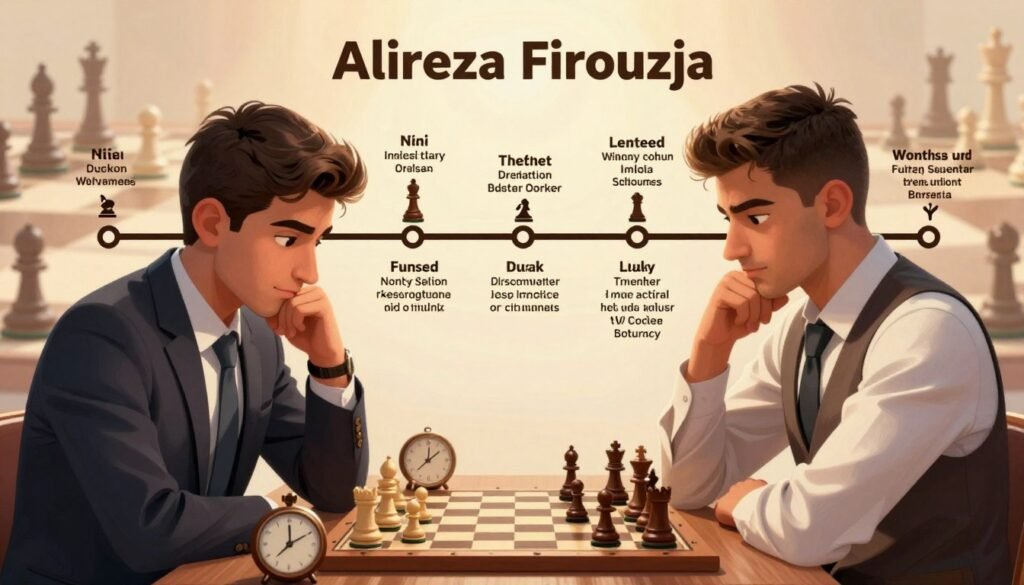
| Age | Year | Event | FIDE Rating |
|---|---|---|---|
| 8 | 2011 | Learned chess | — |
| 12 | 2015 | Won iranian championship | — |
| 16 | 2019 | Second-youngest to 2700 | ~2700 |
| 18 | 2021 | Peak and switch to France | 2804 |
Curious for more? Read a short biography to see the full timeline and learn how hard work meets bold play!
Signature Results That Shaped His Reputation
A handful of big results pushed him from promising to unavoidable on the world stage.
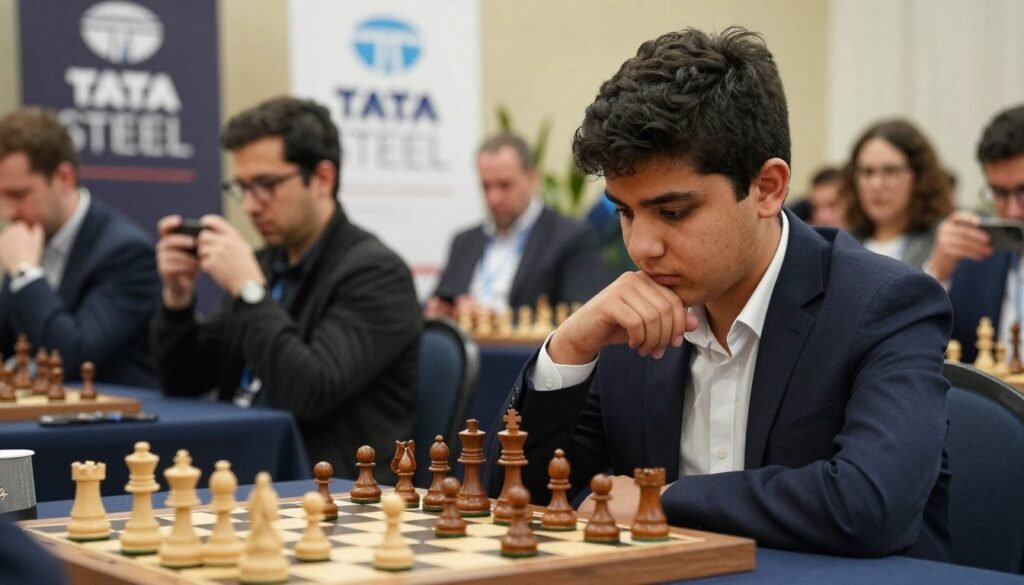
At Tata Steel he cut his teeth in elite round-robins. In 2020 he scored 6½/13 in his first Masters. In 2021 he jumped to 8/13 and stunned rivals with bold play. These Tata Steel and tata steel chess show how fast exposure to top rivals builds skill.
Breakthrough wins and team glory
He won Prague Masters 2020 via a blitz tiebreak. The big break came at the FIDE Grand Swiss 2021 with 8/11, a direct ticket to the candidates tournament.
At the European Team Championship 2021 he scored 8/9 and took an individual gold medal with a TPR over 3000. That performance proved he could turn momentum into consistent points!
What the Candidates and Grand Chess Tour taught fans
The Candidates Tournament in 2022 was a learning ground: 6/14 showed growth areas. Then came Grand Chess Tour success in 2022 — a full-season win that included Saint Louis rapid blitz dominance and the Sinquefield Cup tiebreak victory.
| Event | Year | Result | Why it mattered |
|---|---|---|---|
| Tata Steel | 2020-2021 | 6½/13 → 8/13 | Elite round-robin experience |
| Prague Masters | 2020 | Victory (blitz TB) | Confidence in high-pressure play |
| FIDE Grand Swiss | 2021 | 8/11 | Qualified for Candidates Tournament |
| European Team Championship | 2021 | 8/9, individual gold | Huge TPR and team impact |
Training takeaway: use these results to learn tournament habits: play many strong events, score steady points, and build rapid blitz resilience. If you love these tournament stories, we’ll show you how to train like this with Debsie in Section 9!
Firouzja vs the Best: Lessons From Carlsen, Ding Liren, and the World Stage
When rising stars face world-class rivals, every move becomes a lesson in speed, safety, and courage. We look at three big moments and pull out simple tips you can use in practice!
Banter Blitz Cup pressure
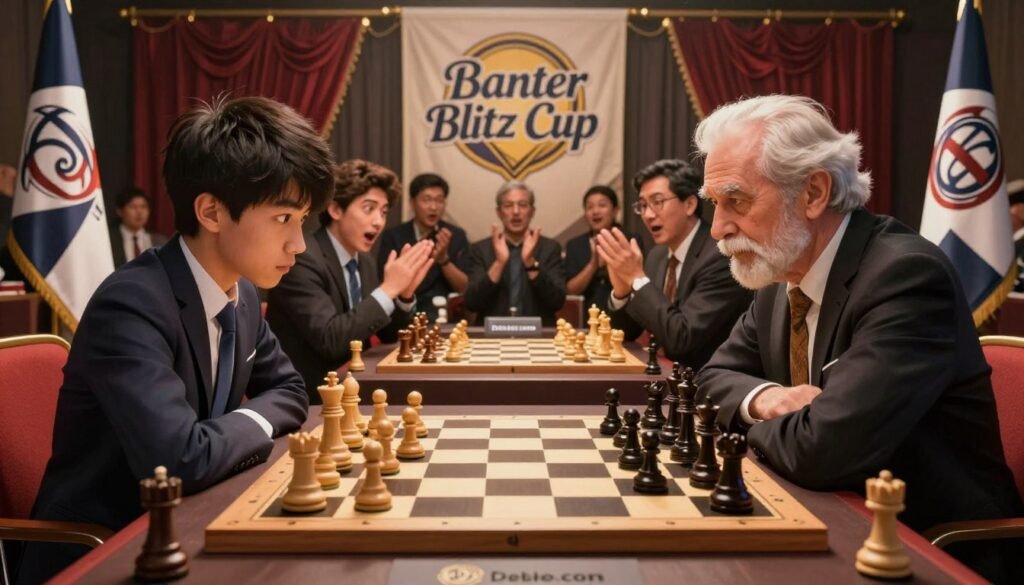
In an online final, the young challenger beat magnus carlsen 8½–7½ in the Banter Blitz Cup. That win shows how fast thinking plus a clear plan can upset even a world champion!
World Cup lessons on defense
At the 2019 world cup, he drew classical games with ding liren but lost in rapid tiebreaks. The takeaway: solid defense in long games matters, and tiebreaks punish sloppy moves under time pressure.
Ripple effects on the title scene
The era after Carlsen’s statement and his choice around the world championship changed who got title chances. That shift shows how one strong challenger can reshape the championship match picture worldwide.
- Blitz cup tip: have a short opening plan and keep your king safe!
- Match play tip: review lost tiebreaks — they are training gold.
- Big-picture tip: one result can change the whole world of chess; stay ready!
Want a quick recap of the Carlsen match? See the Carlsen match recap. Curious about fast players to study? Check our list of top blitz players.
How Firouzja Creates Tactical Chaos Without Losing Control
Tactical chaos can look wild — but the best players turn it into a roadmap to victory! We’ll show a simple checklist so you spot the right ideas fast. Kids can learn these patterns and practice with structured lessons.
Spotting dynamic imbalances
Look for three signs: unsafe king, active pieces, and pawn breaks that open lanes. When these line up, an attack is possible. Pause and count threats. That gives you clear targets.
When to sacrifice
Give material to gain time and initiative. Exchange sacrifices are common. You trade a rook for a knight to free your pieces. That trade often wins points because your pieces become louder than the missing material.
Conversion technique
After the attack, tidy up. Trade off enemy pieces that block your pawns. Trade when you keep a winning pawn or king position. This is how sharp games turn into calm victory.
| Theme | Clue | Action |
|---|---|---|
| King safety | Exposed king | Open files, bring rooks |
| Piece activity | Badly placed pieces | Launch forks and checks |
| Pawn breaks | Broken center | Open diagonals and files |
Want to train these patterns? Try our guided puzzles and courses and learn how to score more points in blitz and rapid play. Start with our top strategies to win for step-by-step practice!
Openings the Firouzja Way: Playing for Initiative (Not Just Theory)
Play lines that force your opponent to spend the clock; that is a practical path to many wins! This opening mindset favors active pieces and fast plans over long memorization. It helps a young player get chances early in a game and feel confident the first time they meet a new line.
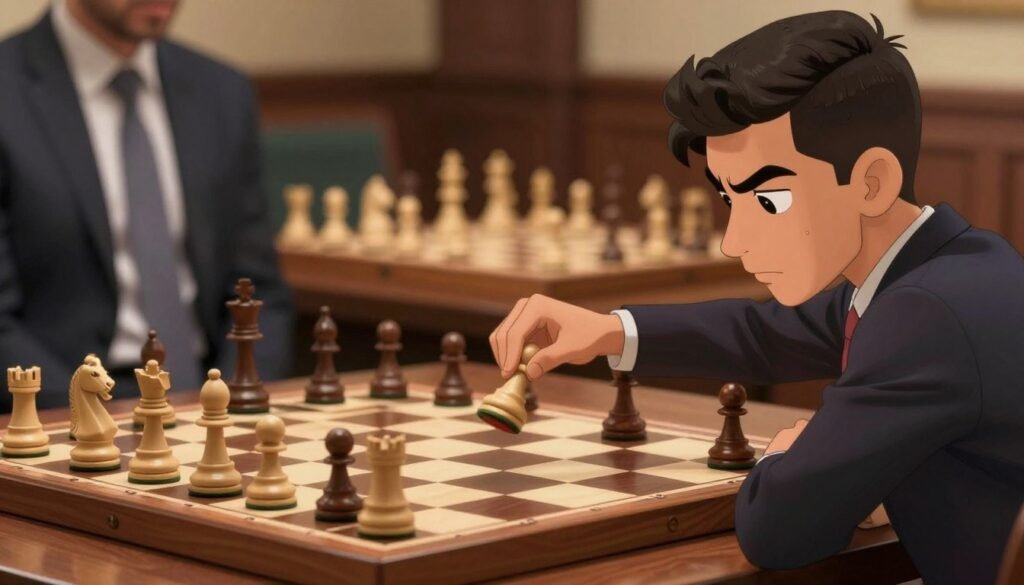
Choosing lines that keep pieces active and opponents under time pressure
Pieces first, activity first, pressure first! Pick systems that let your knights and bishops move early. Active play makes the other player use precious time. In rapid blitz games, that time loss often turns into real advantage.
Practical prep habits for rapid and blitz
Keep prep simple. Learn 3 plans, not 30 moves. Play training games and review mistakes. Grandmaster-level players still favor practical lines when they play many tournaments close together.
| Opening Type | Main Goal | Best for | Quick Benefit |
|---|---|---|---|
| Active system | Piece play | rapid blitz | Opponent uses time |
| Solid setup | Safety | classical tournament | Fewer surprises |
| Surprise line | Practical trick | first time | Big psychological edge |
Tip: Debsie Courses can help kids build an opening starter kit without drowning in theory! Want more examples from top young players? See our quick list of players to watch!
Time Controls and Psychology: Rapid, Blitz, and “No Panic” Defense
Clock pressure is a skill—learn to use it, not fear it. Treat rapid blitz as a place to train calm thinking and quick plans. Time is a tool, not an enemy!
Time management patterns that win points in blitz
Don’t burn minutes on routine moves. Save time for tactics. Keep simple opening plans so you can think fast later.
In practice: spend less early, save seconds for captures and checks, and keep the king safe.
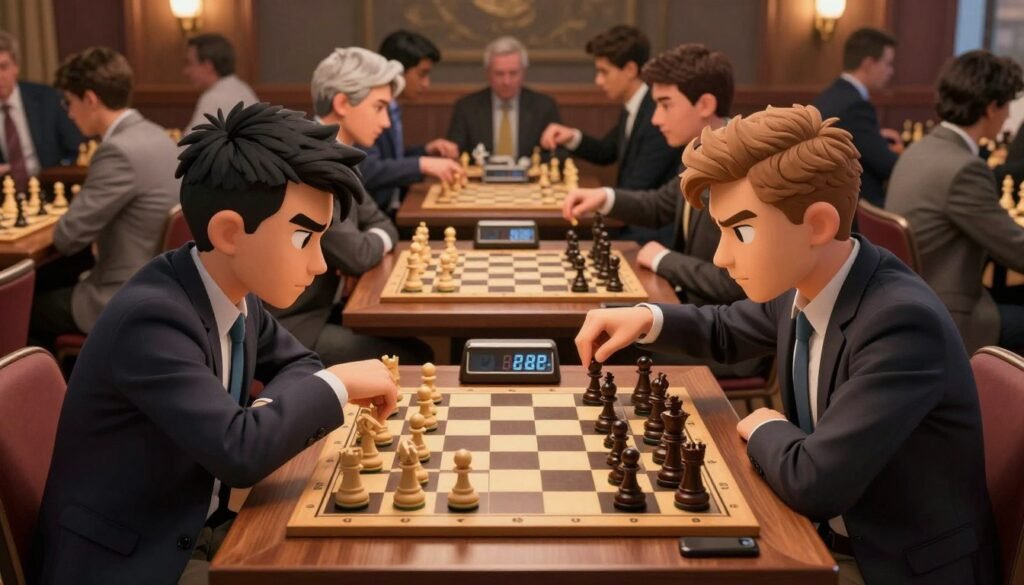
Handling swings in form at the top level
Even top players wobble. In World Blitz 2018 he started hot then cooled after a key loss. That shows how one game can change confidence.
When form slips: breathe, trade attackers, and pick one safe plan. Small steps stop panic and win back points.
What his 2019–2020 surge shows about confidence and momentum
The world rapid result in 2019 (second, one point behind the eventual winner) and strong 2020 finishes proved momentum matters. One good year can shift how you play the next tournament!
- Parent tip: Praise choices, not only final place.
- Player tip: Track progress on a fun leaderboard to learn without panic!
Train Like a Modern Prodigy With Debsie
Small, repeatable steps made the top players great; you can copy those steps at home! We turn big results into a clear plan you can follow every week.
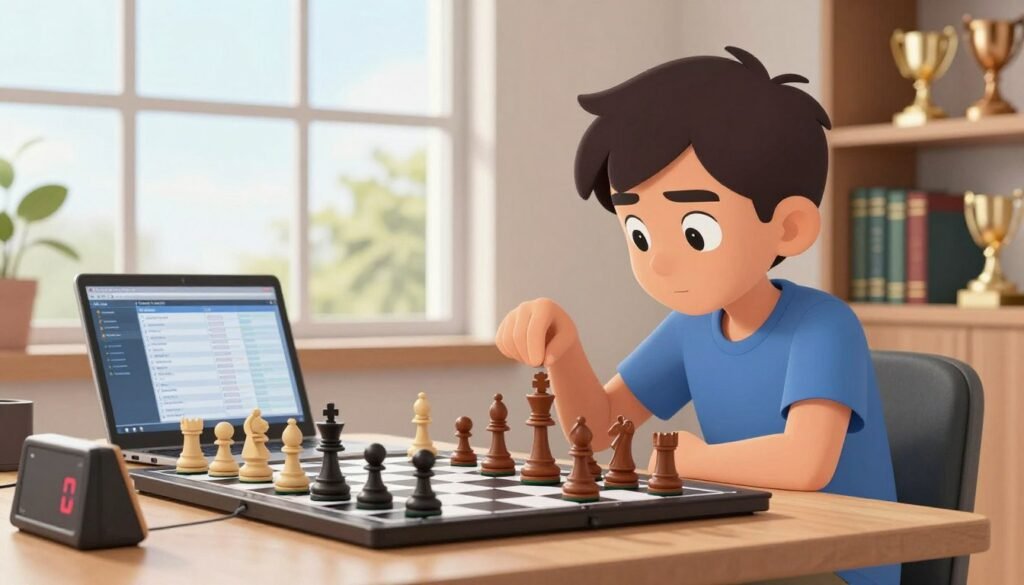
Build your attacking fundamentals with Learn Via Debsie Courses
Start with fun, short lessons! Learn patterns, tactic tricks, and initiative-focused plans. The courses break attacking ideas into easy drills so kids earn confidence fast.
Try focused modules that echo what top grand chess performers practice: tactics, openings that force choices, and conversion techniques for clean victory.
Explore Learn Via Debsie Courses to begin.
Measure improvement and stay motivated with the Debsie Leaderboard
Practice becomes play. The leaderboard turns study into friendly contests. Track points, compare progress, and keep the momentum that wins tournaments.
Kids love seeing steady gains. Parents love that progress beats score obsession. Check the live leaderboard here: Debsie Leaderboard.
Get a customized plan with a Free Trial Class With a Personalized Tutor
One free trial helps match level, goals, and personality. Tutors build a plan that focuses on tactics, game review, and per-event prep for the next chess tour or school tournament.
Take the easiest next step: Book a Free Trial Class With a Personalized Tutor and get a clear path to more points and smarter play!
| Feature | What it trains | Best for |
|---|---|---|
| Course modules | Tactics, attacks, openings | Kids learning patterns |
| Leaderboard | Consistency, motivation | Players who like friendly competition |
| Personal tutor | Custom plans, game review | Serious tournament prep |
Want to see role models and more young players to study? Try our list of young players to watch and find local help via top chess tutors and classes!
Conclusion
From record ratings to big match moments, his career maps useful lessons for every player!
Key milestones: youngest to pass 2800 (peak 2804 in Dec 2021), two-time candidates tournament participant (2022, 2024), Grand Swiss 2021 and Grand Chess Tour 2022 wins. His path crossed with magnus carlsen in era-defining matches that changed chess history.
Practical takeaways: spot imbalances, attack with a plan, defend calmly, and convert advantages. Review each game. Small steps add up!
Ready for next moves? Try Debsie Courses, track progress on the Debsie Leaderboard, or book a Free Trial Class today. See his recent 2025 Bullet Chess Championship win for a bold study example!
Keep learning, keep playing, and enjoy watching your own rating rise!