Imagine a world where you can explore anything you want! Ever looked up at the stars and wondered about the universe? That curiosity led a brilliant scientist to change our lives and medicine forever.
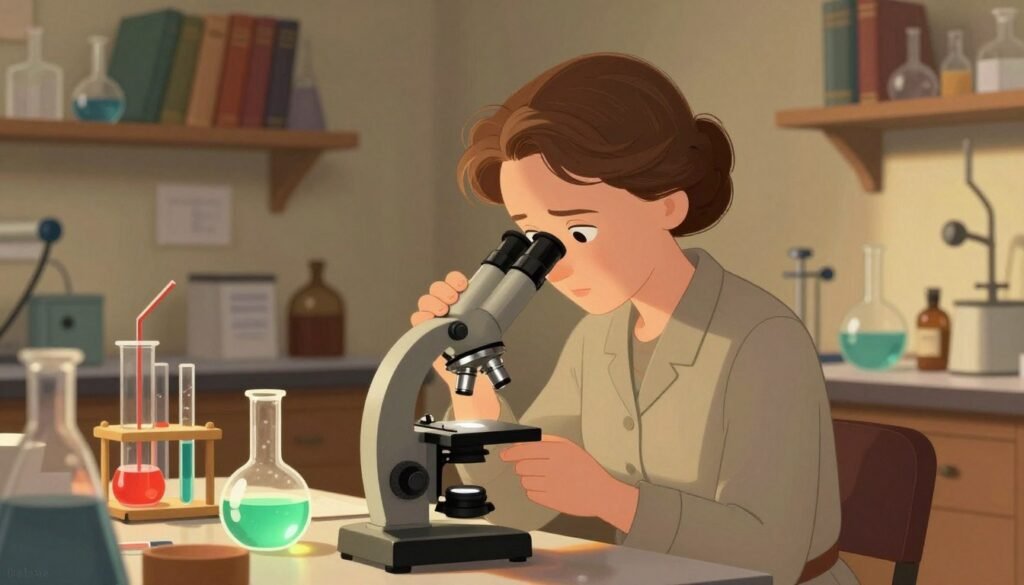
This amazing woman was a Polish and French scientist. She worked hard to break barriers and won two Nobel Prizes! Her story shows us that big dreams can lead to amazing achievements for all.
You can learn about her journey in a Marie Curie biography. We love sharing stories of heroes who paved the way for future scientists and doctors! Her work led to discoveries that help save lives in hospitals today.
Want to start your own scientific adventure? Try Debsie Gamified Courses at https://debsie.com/courses. It’s a fun way to learn about science while playing and exploring new ideas.
Key Takeaways
- She was the first woman to win a Nobel Prize for her work.
- She remains the only person to win Nobel Prizes in two different sciences.
- Her research on radioactivity created a new field in physics.
- She developed mobile X-ray units to help wounded soldiers during the war.
- Her legacy inspires girls and boys to pursue STEM careers.
- She proved that perseverance and intellectual growth can overcome any obstacle.
Early Life and Academic Ambitions in Poland
Marie Curie was born on November 7, 1867, in Warsaw, Congress Poland, Russian Empire. Her birth was the start of a life filled with amazing achievements. Back then, women had little chance to go to school, thanks to the strict Tsarist rule. Yet, Marie was eager to learn and do well in school.
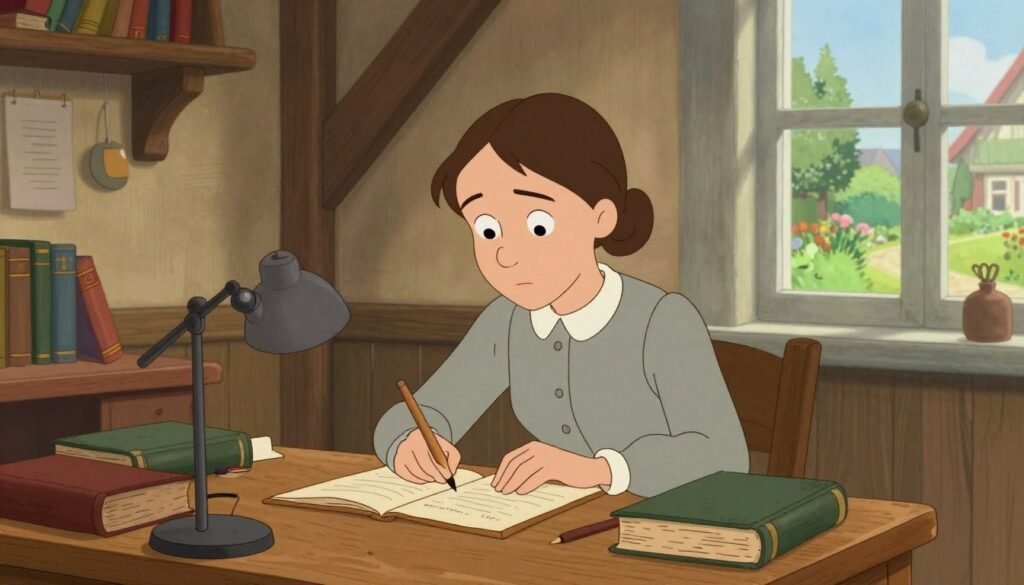
Marie Curie’s early school days were shaped by the Flying University. This secret school let women get a higher education.
The Influence of the Flying University
The Flying University was key in Marie Curie’s growth. It was where she learned about science and loved to learn more. Marie Curie once said,
“One never notices what has been done; one can only see what remains to be done.”
This attitude, shaped by the Flying University, pushed her to become a scientist.
Overcoming Barriers to Higher Education
Marie Curie faced many challenges because she was a woman and the time was tough. But she didn’t give up. She kept studying in secret and later went to Paris to study at the Sorbonne. Her hard work helped her and many women scientists after her.
Marie Curie’s story shows how important it is to never give up and have access to education. Her early years and love for learning set the stage for her incredible achievements in science and medicine.
A Comprehensive Marie Curie Biography
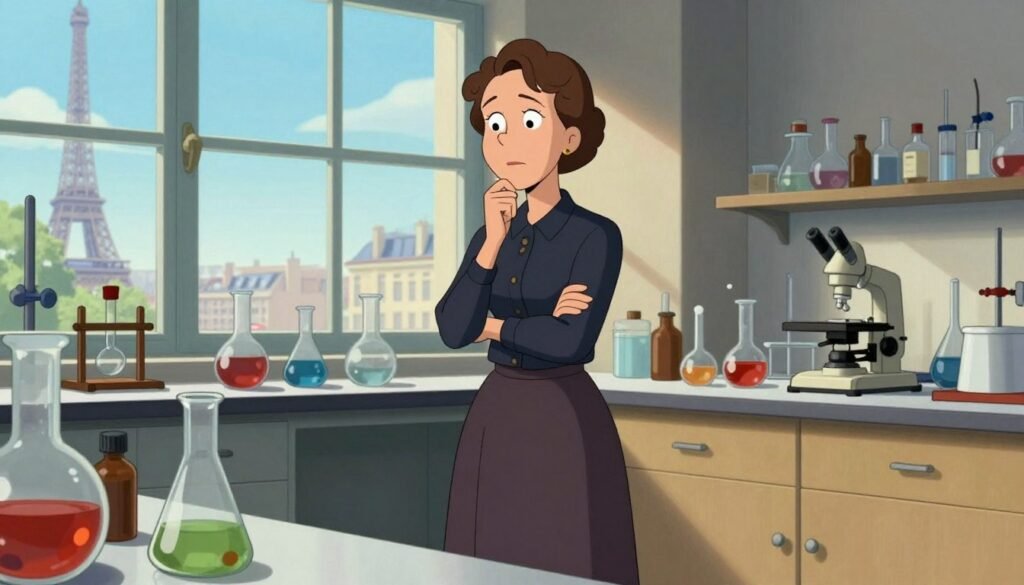
In 1891, Marie Curie moved to Paris. This was a big change for her. It was a step towards her dreams in science.
In Paris, Marie could follow her love for science. She was free from the limits she faced back home.
Moving to Paris for Scientific Freedom
Marie Curie wanted to be free to study in Paris. Women in Poland had trouble going to university. Marie Curie looked for a place where she could learn more.
Paris was perfect for her. It had great schools like the Sorbonne. There, she could explore her scientific dreams.
The Struggle and Triumph at the Sorbonne
At the Sorbonne, Marie Curie faced many challenges. She was a woman in a field mostly men. But she didn’t give up.
She worked very hard and did well. Her hard work led to big achievements in science. Marie’s time in Paris changed her life and helped other women in science.
Marie Curie’s story shows us the value of never giving up. Her journey shows how one person can make a big difference in science.
The Partnership with Pierre Curie
Marie and Pierre Curie’s meeting was a big deal. It was not just a personal connection but a scientific breakthrough waiting to happen! They got married in 1895, starting a life together in love and science.
They shared a love for physics. This love became the base of their research together. Their shared vision for physics focused on radioactivity, a term Marie Curie came up with.
A Shared Vision for Physics
The Curies were on the same path, seeking knowledge together. Their partnership was built on respect and understanding each other’s strengths. They worked as a team, using their skills to solve the puzzles of radioactivity.
- They studied the traits of radioactive elements.
- They found new elements, like polonium and radium.
- Their teamwork brought new ideas and discoveries.
Collaborative Research and Personal Bonds
Their work together wasn’t just about science. Their personal bond grew stronger as they worked side by side. Pierre and Marie Curie’s relationship was a mix of love, support, and curiosity.
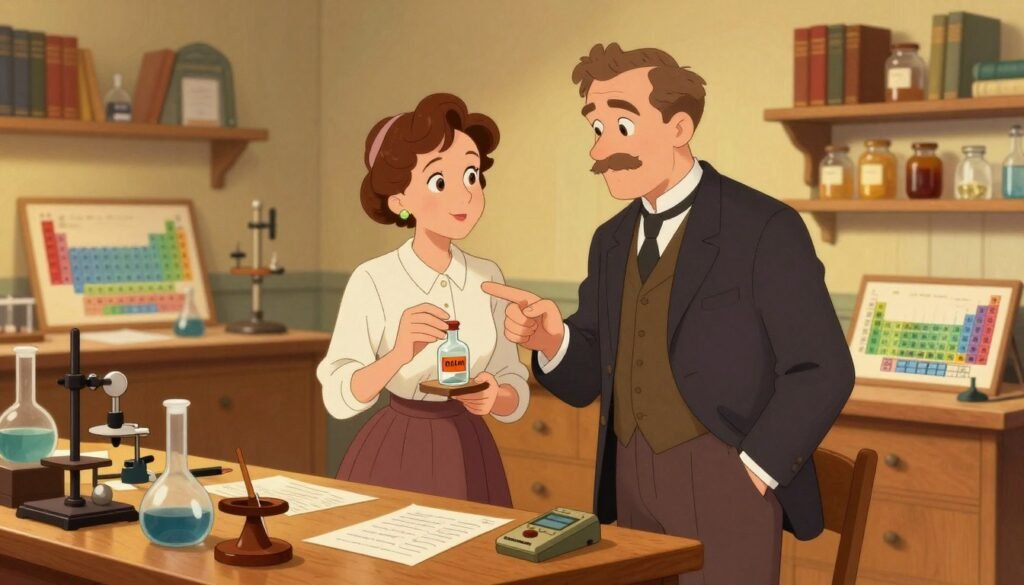
Their research led to big discoveries. They found radioactive elements. This helped physics and opened doors for medicine.
Some of their big wins include:
- Discovering polonium, named after Marie’s homeland, Poland.
- Isolating radium, which changed medical research.
- Their work on radioactivity opened new paths in physics and chemistry.
The partnership of Marie and Pierre Curie shows the power of working together. Their story still inspires scientists and researchers today!
The Discovery of Polonium and Radium
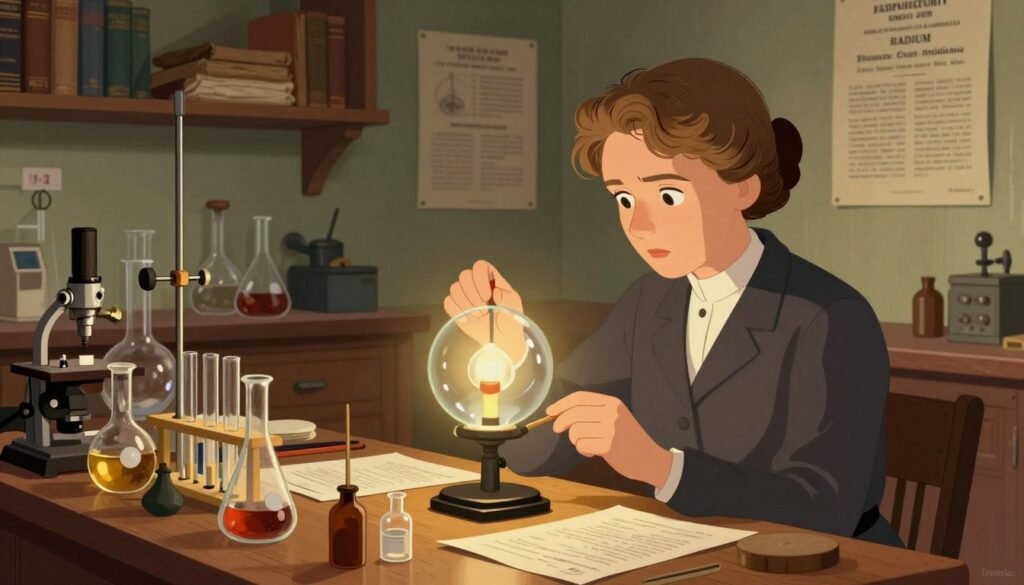
Marie Curie found and isolated polonium and radium. This was a big step for science. It showed her hard work and determination.
Isolating Radioactive Elements
Marie Curie studied radioactivity. She looked at pitchblende, a mineral from uranium ore. She found elements in pitchblende that were more radioactive than uranium.
She worked hard to get these elements. She and her husband, Pierre Curie, processed tons of ore. They got a little bit of polonium and radium, showing their hard work.
The Significance of Marie Curie Discoveries
Her discoveries were very important. They helped us understand radioactivity and atoms better. They also helped in medicine, like in cancer treatments.
Radium was used in early treatments. The Nobel Prize organization says their work helped physics and medicine a lot.
Marie Curie’s work had a big impact:
- It helped us understand atoms better.
- It led to new treatments for cancer.
- It inspired many scientists to keep exploring.
Her work on polonium and radium made her famous. It still helps science and medicine today. Her story shows how important curiosity and hard work are in science.
Breaking Gender Barriers in Academia
Marie Curie became the first female professor at the Sorbonne in 1906. This was a big moment for women in science. It showed them they could have careers in science and academia too.
Her path was tough. She had to be strong and determined in a field mostly men. But she didn’t give up. Her love for learning and discovery kept her going.
Becoming the First Female Professor at the Sorbonne
Marie Curie’s job was a big win for women. It showed that women could be professors too. This was a victory for women’s rights and education.
- She opened doors for women in science!
- She challenged old ideas about men and women!
- She showed the value of having different people in schools!
Navigating a Male-Dominated Scientific Community
Marie Curie faced many hurdles in a world of men. She had to work extra hard to be seen as equal. She was often the only woman around.
Some big challenges she faced were:
- People doubted her because she was a woman!
- She didn’t have the same access to money and tools!
- It was hard to balance her work and personal life!
But Marie Curie didn’t let these things stop her. She kept pushing forward. Her work changed science forever.
Marie Curie’s story is an inspiration to many. It shows that with hard work and never giving up, you can reach your dreams. No matter what challenges you face.
The First Nobel Prize Achievement
Marie Curie’s work on radioactivity earned her the first Nobel Prize in 1903. This was a big moment for science! It showed her hard work and determination in a field mostly men.
Recognition for Research on Radiation
In 1903, Marie Curie won the Nobel Prize in Physics. She shared it with Pierre Curie and Henri Becquerel. Their work on radioactivity was groundbreaking. You can find more about their research on the American Institute of Physics’ exhibit on Marie.
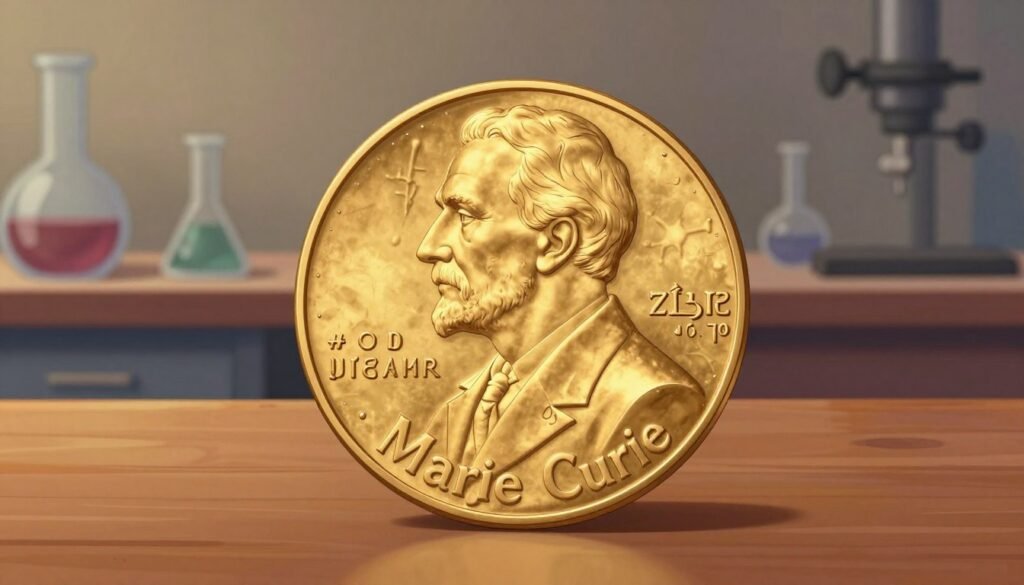
The Impact of the 1903 Nobel Prize
The 1903 Nobel Prize made Marie Curie a top name in physics. It honored her past work and opened doors for more research. Her work on radioactivity was new and exciting at the time.
This prize did more than just honor Marie. It inspired many scientists, including women, to follow their dreams. The Nobel Prize showed that women could reach the top in science with hard work.
Tragedy and Resilience After Pierre
Marie Curie’s world changed in 1906 when Pierre Curie died. This left her to keep their work in radioactivity going. It was a big change for her, both personally and in her work.
Continuing the Work Alone
Marie Curie was very strong and kept going with their research. She became the first woman Professor of General Physics at the Sorbonne. This was a big step for her.
Key Achievements After Pierre’s Death:
| Year | Achievement |
|---|---|
| 1906 | Took over Pierre Curie’s position at the Sorbonne |
| 1909 | Established the Curie Laboratories at the University of Paris |
| 1910 | Published treatise on radioactivity |
Raising Daughters in the Shadow of Science
Marie Curie also worked hard to raise her two daughters, Irène and Ève. She tried to balance her family and work life. But it was hard.
Irène Joliot-Curie followed her mother’s path. She won a Nobel Prize in Chemistry in 1935, with her husband Frédéric Joliot-Curie.
Marie Curie’s story shows her strength and love for science. She inspires others to follow their dreams, no matter the challenges.
The Second Nobel Prize in Chemistry
Marie Curie won a second Nobel Prize in Chemistry in 1911. This was for her work on radioactivity and isolating pure radium.
Advancing the Understanding of Radioactivity
Marie Curie worked hard to understand radioactivity. She found ways to get pure radium from a special ore.
Her work showed her love for science. It also helped others study nuclear physics and chemistry. You can read more about her work in her biographical notes from the Nobel Prize.
A Rare Achievement in Scientific History
Marie Curie won two Nobel Prizes in different fields. Her first was in Physics in 1903, and the second in Chemistry in 1911.
This shows her skill and the big impact of her research. Here are some important points:
- First Person to Win Two Nobel Prizes: Marie Curie was the first to win two Nobel Prizes in different fields.
- Advancements in Radioactivity: Her work on radioactivity led to new discoveries in physics and chemistry.
- Legacy in Science: Her findings and methods still guide research today.
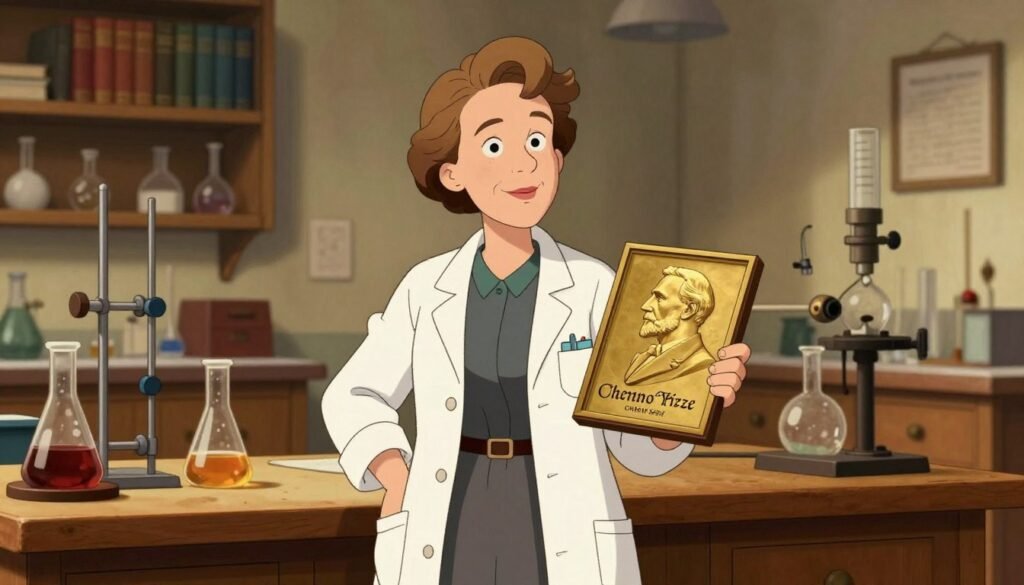
Marie Curie’s research changed the world of science. Her work inspires scientists everywhere.
Pioneering Mobile X-Ray Units During World War I
Marie Curie made mobile radiography units for World War I. They were called ‘Little Curies’!
World War I needed medical care fast. Marie Curie made mobile X-ray units to help. She knew quick and right diagnosis was key for soldiers.
The Little Curies on the Front Lines
Marie Curie’s units went right to the battle. They had X-ray tech for quick injury checks.
The ‘Little Curies’ were amazing. They had an X-ray machine in a car. This helped soldiers in field hospitals get better.
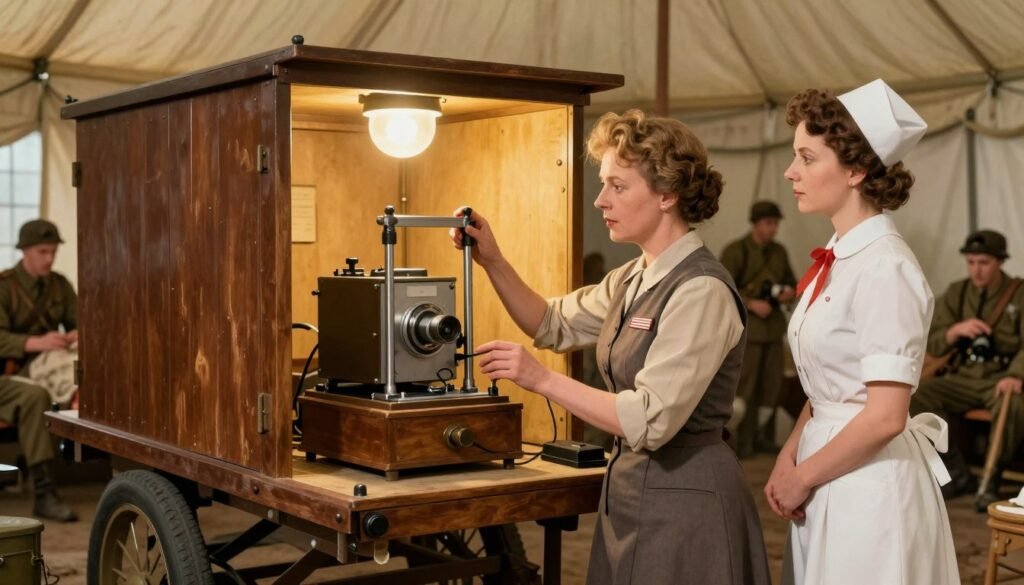
Saving Lives Through Diagnostic Imaging
The ‘Little Curies’ made a big difference. They helped doctors find and fix injuries fast.
Here are some important facts:
| Year | Number of X-Ray Exams | Impact |
|---|---|---|
| 1914 | 0 | Before the war, X-rays were rare in field hospitals. |
| 1918 | Over 1 million | By the end of the war, ‘Little Curies’ did over 1 million X-rays. This greatly helped medical care. |
Marie Curie’s work in World War I shows her innovative spirit and care for others. Learn more about her work and its impact on medical care at the Red Cross UK’s history page on Marie.
The Founding of the Radium Institute
The Radium Institute was started by Marie Curie in 1914. It became a key place for cancer research and new medical ideas. This place was all about learning more about radioactivity and how it helps in medicine.
Marie Curie didn’t just stop at finding new things. She also worked hard to make a place for more medical science. The Radium Institute showed her big wish to help people get better through science.
Establishing Centers for Cancer Research
Marie Curie wanted the Radium Institute to be a top place for cancer research. It became a meeting spot for scientists and doctors to find new ways to treat cancer. Cancer research was the main goal, leading to new ideas in medicine.
By starting the Radium Institute, Marie Curie made a place where different experts could work together. This was a new idea back then and helped set the stage for future medical research.
The Legacy of Medical Innovation
The Radium Institute has had a big impact on medical progress. It helped us learn more about radioactivity and led to new cancer treatments. Today, Marie Curie’s work still inspires new medical discoveries.
To learn more about science and its role in medicine, check out Debsie Gamified Courses at https://debsie.com/courses! These courses make learning about science fun and interesting.
| Year | Contribution | Impact |
|---|---|---|
| 1914 | Founding of the Radium Institute | Established a center for cancer research |
| 1914-1920s | Research on Radioactivity | Advanced understanding of radioactive elements |
| 1920s-1930s | Development of Cancer Treatments | Paved the way for new therapies |
Advancing Scientific Education Through Modern Methods
Using new ways to teach is key for growing science knowledge. It makes learning fun and exciting for kids. We see old teaching methods getting a boost from new, fun ways to learn.
Learning never stops in science. It keeps us up-to-date with new finds. The Importance of Continuous Learning is huge. It helps us build on what we know and explore new science areas.
The Importance of Continuous Learning
Science is always changing, with new things found all the time. New teaching methods help us keep up. They let us join in the growth of science knowledge.
Learning all the time helps us grow. As Carol S. Dweck said,
“The view you adopt for yourself profoundly affects the way you lead your life.”
By facing challenges and keeping going, we learn to love science more.
Enhancing Knowledge with Debsie Gamified Courses
Debsie Gamified Courses at https://debsie.com/courses are a fun way to learn science and history. They mix games into learning. This makes education fun and hands-on.
| Course Features | Benefits |
|---|---|
| Gamified Learning | Makes learning fun and interactive |
| Personalized Experience | Tailors education to individual needs |
| Flexible Learning | Allows learners to progress at their own pace |
Try Debsie Gamified Courses for a fun learning experience! Modern teaching methods and tools help us understand science better. They also make learning exciting for us and our kids.

The Long-Term Health Effects of Radiation Exposure
Marie Curie’s work on radioactive elements was groundbreaking. But it came at a great personal cost. She faced risks by exploring the unknown.
Understanding the Dangers of Radioactive Materials
Working with radioactive stuff without safety was risky. Curie and her team didn’t know the dangers back then. Long-term exposure can cause serious health problems like cancer and blood issues.
Curie often handled these materials without gloves. This put her health at risk over time.
The Ultimate Sacrifice for Scientific Progress
Marie Curie’s work with radioactive materials led to her death in 1934. Her sacrifice shows the risks scientists take for knowledge and science.
| Radiation Exposure Level | Potential Health Effects |
|---|---|
| Low Exposure | Increased risk of cancer |
| Moderate Exposure | Radiation sickness, fatigue, nausea |
| High Exposure | Severe radiation sickness, organ failure, death |
Curie’s story teaches us about the need for safety in science. We must remember her risks and work to avoid them today.
Marie Curie’s Enduring Influence on Modern Physics
Marie Curie’s work still shapes modern physics a lot! Her research opened doors for many scientists. It also helped make big steps in different areas.
Her work in nuclear science changed how we see the universe. Finding radioactive elements like polonium and radium was just the start.
Foundations for Nuclear Science
Marie Curie’s study of radioactivity helped us understand atoms better. This knowledge is key for nuclear energy and medicine.
Nuclear Science Advancements:
| Field | Application | Impact |
|---|---|---|
| Nuclear Energy | Power Generation | Clean and efficient energy source |
| Nuclear Medicine | Cancer Treatment | Effective treatment options for various cancers |
| Scientific Research | Understanding the Universe | Advancements in physics and cosmology |
Inspiring Future Generations of Researchers
Marie Curie’s impact goes beyond her science. She motivates people to study science, technology, engineering, and mathematics (STEM).
“One never notices what has been done; one can only see what remains to be done.” – Marie Curie
Today, we keep getting inspired by her. We keep exploring and learning more.
The Cultural Impact of a Scientific Icon
Marie Curie’s story is a big part of our culture. It shows us the power of hard work and never giving up! Her work and spirit have inspired many people all over the world.
Marie Curie’s story has caught the hearts of people everywhere. Her legacy shows us the power of curiosity and new ideas!
Representation in Literature and Film
Many books and movies have told Marie Curie’s story. This has made her a big name in culture. These stories show her science and her personal fights and wins.
Some movies and books have made her story more real to more people. Her story still draws in people from all over!
| Work | Type | Year |
|---|---|---|
| Marie Curie: A Life | Biography | 1995 |
| Radioactive | Film | 2019 |
| Marie Curie: The Courage of Knowledge | Film | 2016 |
Marie Curie as a Global Symbol of Perseverance
Marie Curie’s life shows us that we can beat any obstacle. She is a symbol of never giving up, inspiring others to follow their dreams!
Her story teaches us that science and new ideas are about people too. Marie Curie’s story will keep inspiring and motivating people for a long time!
Looking back at Marie Curie’s impact, it’s clear she will be remembered for a long time. She is not just a science icon but a cultural one too.
Honoring the Legacy of a Scientific Pioneer
Marie Curie’s work still inspires scientists everywhere! Her discoveries in radioactivity led to many new findings and medical advances. We celebrate her legacy by seeing how she is remembered and honored worldwide.
Burial in the Pantheon
In 1995, Marie Curie was buried in the Paris Panthéon. This place honors France’s greatest citizens. It shows her big impact on science and the world.
She was the first woman buried there for her achievements. This shows how much her work is valued.
Global Commemorations and Museums
Marie Curie’s work is celebrated in many ways. Museums and places dedicated to her remind us of her achievements. You can learn about her life and work through educational resources like the Marie Curie biography.
Many museums and memorials honor Marie Curie. Places like the Curie Museum in Warsaw and the Musée Curie in Paris. These places keep her legacy alive and inspire new scientists.
| Commemoration | Location | Description |
|---|---|---|
| Curie Museum | Warsaw, Poland | Dedicated to the life and work of Marie Curie and her family. |
| Musée Curie | Paris, France | Preserves the history of radioactivity research and Marie Curie’s contributions. |
| Panthéon | Paris, France | The final resting place of Marie Curie, honoring her achievements. |
Remembering Marie Curie’s achievements inspires us all. Her story shows the power of hard work, creativity, and dedication to science.
Conclusion
Marie Curie’s life shows us the power of hard work and new ideas in science. Her Marie Curie discoveries opened doors for others to follow.
Her story teaches us about her struggles and wins. It’s a call to dive into science and history. Check out Debsie Gamified Courses at https://debsie.com/courses for a fun learning journey!
Learn in a way that’s exciting and engaging. Visit https://debsie.com/courses to begin your adventure today!