Imagine holding a small device that connects you to the whole world with just one tap. It feels like pure magic, doesn’t it? But it’s not magic; it’s the amazing work of brave people who always asked “why?”.
We’re going on an exciting journey to see scientific discoveries that changed the world and made our lives better! These smart thinkers helped us learn about everything from tiny atoms in a periodic table explained for beginners to the big, shining stars above.
Learning about these legends is thrilling because it shows us that anyone can be an explorer. Their hard work gives us the medicine we need and the technology we love every day.
Are you ready to see these scientists ranked by their huge impact on our daily lives? You can even start your own learning quest by trying out Debsie Gamified Courses right now!
Key Takeaways
- Major breakthroughs in science directly affect the technology and gadgets we use today.
- Famous researchers helped us understand the universe, from tiny elements to giant galaxies.
- Our modern health and medicine exist because of the persistence of great thinkers.
- Anyone can become an explorer by staying curious and asking questions about the world.
- The periodic table remains a fundamental tool for making new materials and medicines.
- Gamified learning makes it fun for children to discover the secrets of history and science.
The Methodology Behind How Scientists Ranked by Impact
Ever wondered what makes a scientist truly great? It’s their ability to change our understanding of the world. They do this through impactful discoveries! When we talk about scientists ranked by their impact, we’re looking at individuals whose work has not only advanced their field but has also had a lasting influence on human understanding and daily life.
The process of ranking these influential figures involves a careful examination of several key factors. First, we consider the impact of scientific discoveries on their respective fields. This includes breakthroughs that have led to significant advancements or paradigm shifts.
Another crucial aspect is the pioneering work done by these scientists. Were they the first to propose a groundbreaking theory or conduct a revolutionary experiment? Their contributions are weighed against the significance of their findings and how they’ve influenced future generations of scientists.
“The important thing is not to stop questioning. Curiosity has its own reason for existence.”
To provide a clearer picture, let’s look at some of the criteria used in evaluating these scientists:
| Criteria | Description | Example |
|---|---|---|
| Pioneering Work | Groundbreaking research that opens new avenues in science. | Isaac Newton’s Laws of Motion |
| Impact on Daily Life | Discoveries that have practical applications in everyday life. | Marie Curie’s work on Radioactivity leading to Cancer Treatments |
| Influence on Future Generations | The extent to which their work has inspired or enabled subsequent scientific breakthroughs. | Albert Einstein’s Theory of Relativity influencing GPS Technology |
By examining these factors and understanding the impact of scientific discoveries, we can gain a deeper appreciation for the scientists who have shaped our world. Their contributions continue to inspire new generations of researchers and thinkers. This ensures that the pursuit of knowledge remains vibrant and evolving.
Isaac Newton and the Foundations of Modern Physics
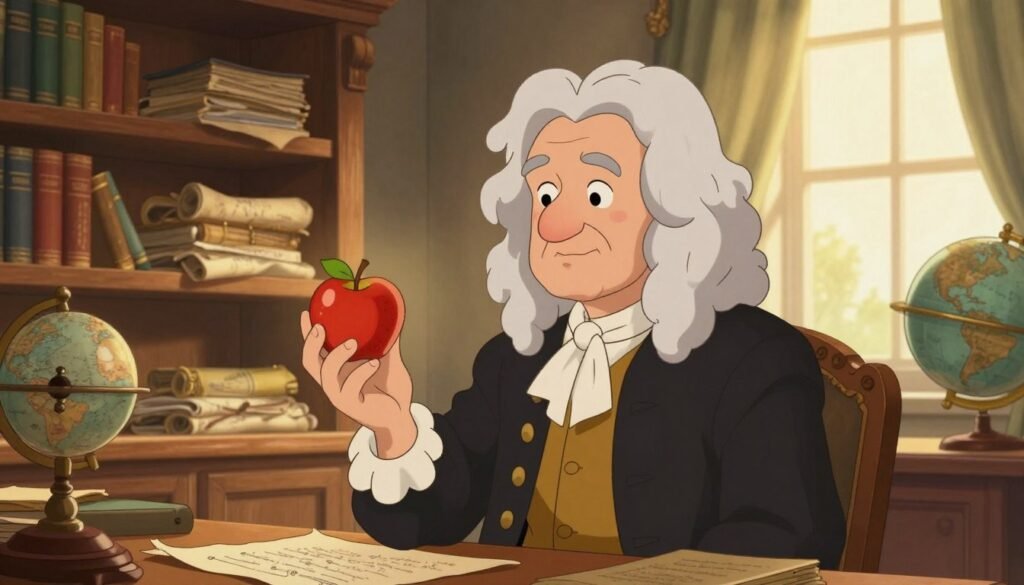
Isaac Newton changed how we see the world. He was a great English scientist. His work gave us new ways to understand and predict things.
The Laws of Motion in Everyday Engineering
Newton’s laws tell us how things move and react. These laws are key in science and engineering. They help us figure out everything from a ball’s flight to planets’ paths!
For example, roller coaster designers use these laws. They make sure the ride is fun and safe.
Calculus as the Language of Modern Technology
Newton and another scientist, Gottfried Wilhelm Leibniz, created calculus. It’s very important today. Calculus lets us study complex systems!
It’s used in many areas, like physics and computer science. For example, it helps predict the weather and study population growth.
Newton’s work on calculus and motion has shaped science and tech. His discoveries still guide today’s research. He’s a key figure in science history.
Marie Curie and the Revolution of Medical Diagnostics
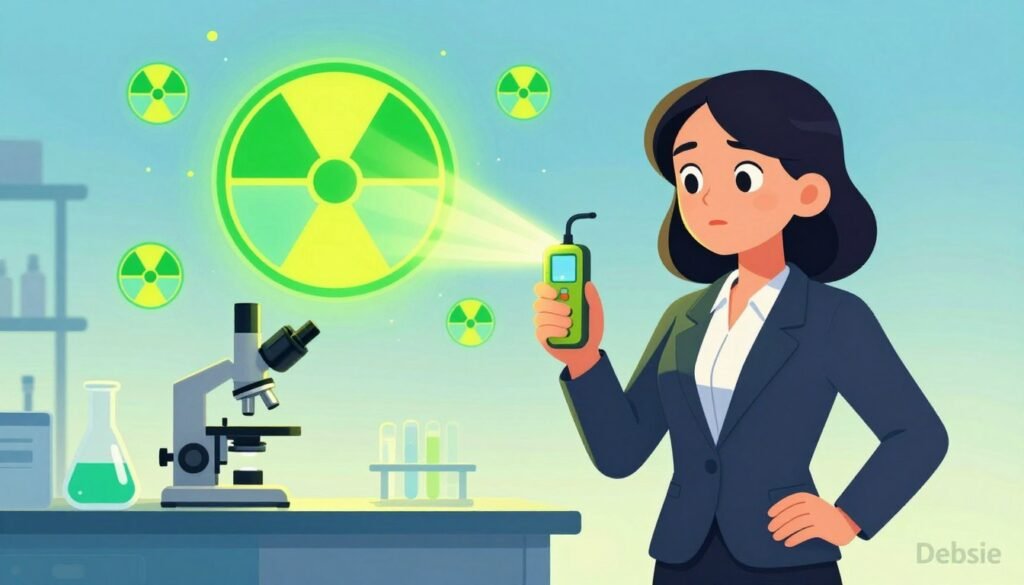
Marie Curie changed medical science with her work on radioactivity. She found new elements like radium and polonium. This work helped make big steps in medical science.
We still use her discoveries today. They help a lot in X-ray imaging and cancer treatments. Let’s see how her work has helped us.
Radioactivity and the Development of X-Ray Imaging
Marie Curie’s radioactivity work helped make X-rays. X-ray imaging is now a key tool for doctors. It lets them see inside without surgery.
- Improved Diagnostic Accuracy: X-rays help find breaks, see foreign objects, and spot diseases.
- Advancements in Technology: Radioactivity knowledge led to better imaging tech, making diagnosis better.
Pioneering Cancer Treatments That Save Lives Today
Curie’s research on radium and other radioactive elements led to radiation therapy. This treatment kills or damages cancer cells with high-energy particles or waves.
- Targeted Cancer Treatment: Radiation therapy can hit cancer spots without harming healthy tissues.
- Combination Therapies: It’s often used with surgery and chemotherapy to make treatments work better.
Today, we see how important Marie Curie’s work is in fighting cancer. Her discoveries keep inspiring scientists and doctors.
Albert Einstein and the Technology of Time and Space
Imagine a world without GPS or solar energy. It’s hard to think about, right? Thanks to Albert Einstein, we don’t have to. His work on relativity and the photoelectric effect has changed our lives.
Einstein’s theory of relativity changed how we see space and time. But how does this affect us today?
How General Relativity Powers GPS Systems
GPS uses satellites around Earth. According to Einstein, time moves faster for satellites farther away. This tiny difference is big enough to make GPS off by miles each day! GPS technology fixes this, making sure your apps work right.
“Einstein’s work on relativity is very important,” it helps GPS work well. We use it every day.
The Photoelectric Effect and Modern Solar Energy
Einstein’s work on the photoelectric effect helped start solar energy. Scientists learned how to turn light into electricity. Now, solar energy is a big part of our energy use, helping us use less fossil fuels.
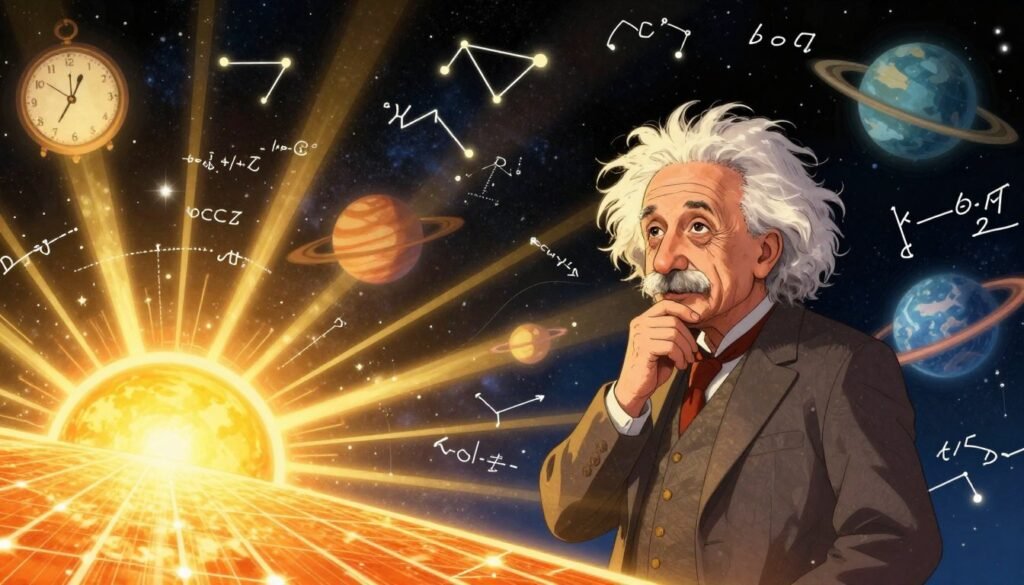
Using Einstein’s discoveries helps us every day. It shows that scientific discoveries that changed the world start with curiosity and a love for learning.
Louis Pasteur and the Science of Daily Hygiene
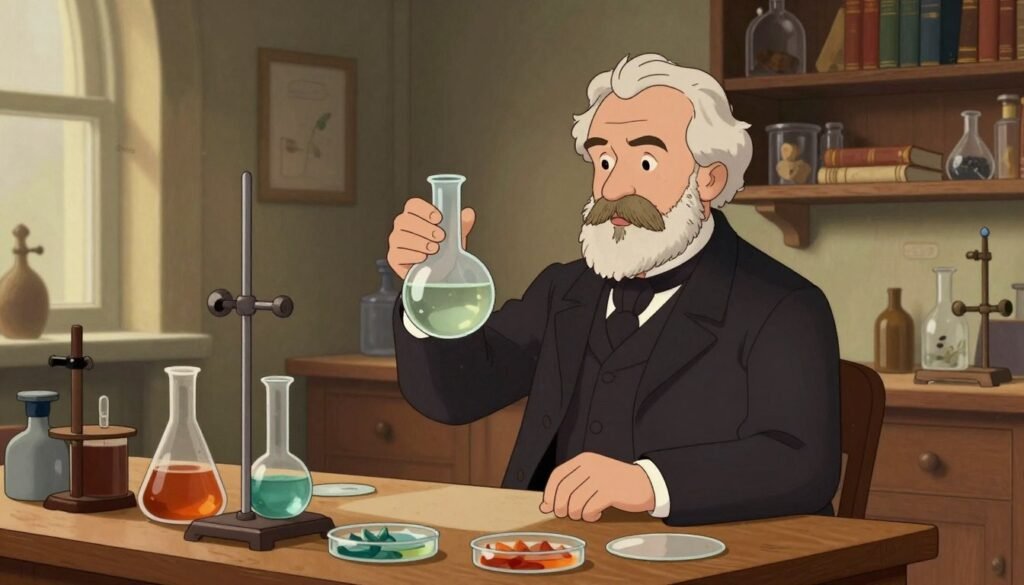
Louis Pasteur changed how we keep clean every day! His work on germs and vaccines saved many lives. It still shapes health rules today.
We often forget how safe our food is. But Louis Pasteur made it safe for us. He helped us enjoy milk and cheese without getting sick. Let’s look at two big ways Pasteur helped: pasteurization and germ theory.
Pasteurization and the Safety of Our Food Supply
Pasteurization heats liquids to kill bad bacteria. This method keeps our food safe, like milk and cheese. It’s used all over the world to keep people healthy.
Benefits of Pasteurization:
- Reduces the risk of diseases caused by harmful bacteria
- Increases the shelf life of dairy products
- Protects vulnerable populations such as the elderly and young children
Germ Theory and the Evolution of Public Health
Pasteur’s germ theory work started modern health practices. He showed that germs cause many illnesses. This led to ways to stop outbreaks and keep communities safe.
| Public Health Advancements | Impact |
|---|---|
| Improved Sanitation Practices | Reduced incidence of waterborne diseases |
| Vaccination Programs | Near eradication of certain infectious diseases |
| Antiseptic Procedures | Significant reduction in post-operative infections |
Nikola Tesla and the Electrification of the Modern Home
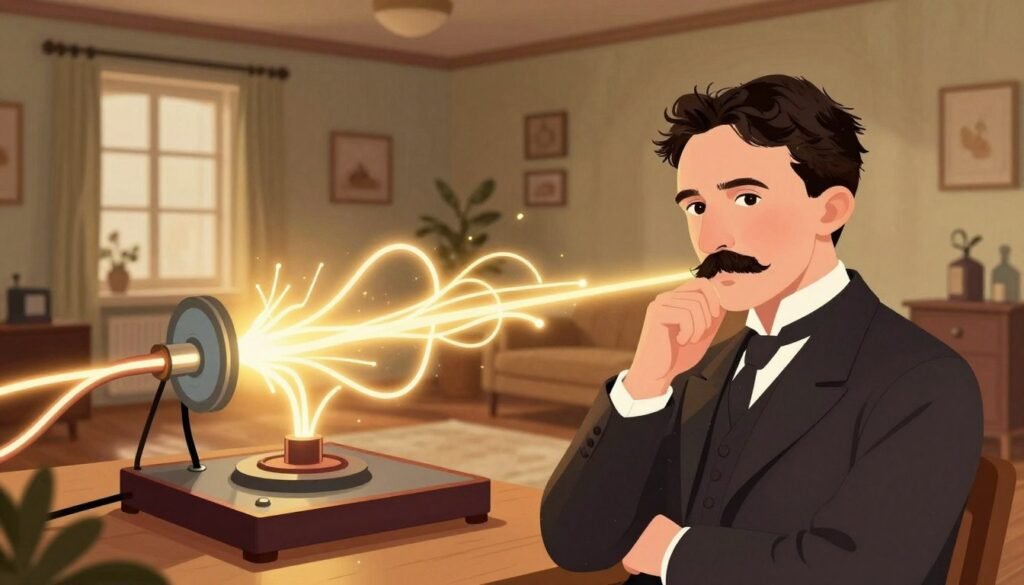
Imagine a world without alternating current. Nikola Tesla made sure that’s not our reality! His work onalternating current (AC)has changed our world. He brought electricity to our homes and across the globe.
Nikola Tesla’s legacy shows us the power of human creativity. He didn’t just work on AC. He also explored wireless communication. This laid the foundation for many modern technologies we use today.
Alternating Current and Global Power Distribution
The invention of alternating current was a big step in electrical engineering. Tesla’s AC systems made it easy to send electricity far away. This changed how we get power in our homes and industries.
- Efficient transmission over long distances
- Enabled the widespread use of electricity in homes and industries
- Paved the way for the development of modern electrical grids
Wireless Communication Foundations
Tesla’s work on wireless communication was way ahead of his time. He dreamed of a world where we could send information and energy without wires. Today, we have radio, Wi-Fi, and more because of his ideas.
- The foundation for radio communication technologies
- Inspiration for modern wireless technologies like Wi-Fi and Bluetooth
- A precursor to the development of global communication networks
Charles Darwin and the Understanding of Biological Life
Charles Darwin’s work changed how we see life on Earth. His theory of evolution through natural selection is key. It has shaped our view of the natural world.
Darwin’s theory says species change over time. This happens through variation, mutation, genetic drift, and gene flow. This idea helps in many fields, like agriculture and medicine.
Natural Selection and Modern Agricultural Science
Natural selection is important in farming today. It helps scientists make crops better. They make crops that can handle stress and diseases better.
For example, they made crops that resist pests. This makes crops grow better and cuts down on pesticide use.
- Improved crop yields through selective breeding
- Development of disease-resistant crop varieties
- Enhanced nutritional content through genetic modification
To learn more about DNA, visit Debsie’s explanation on DNA for kids.
The Impact of Evolutionary Biology on Modern Medicine
Evolutionary biology has changed medicine a lot. It helps us understand how diseases change. This knowledge leads to new treatments and vaccines.
For example, it helps us fight antibiotic resistance. This is a big problem in health today.
The Natural History Museum says Darwin’s theory is very important. To learn more, visit the Natural History Museum’s page on Charles.
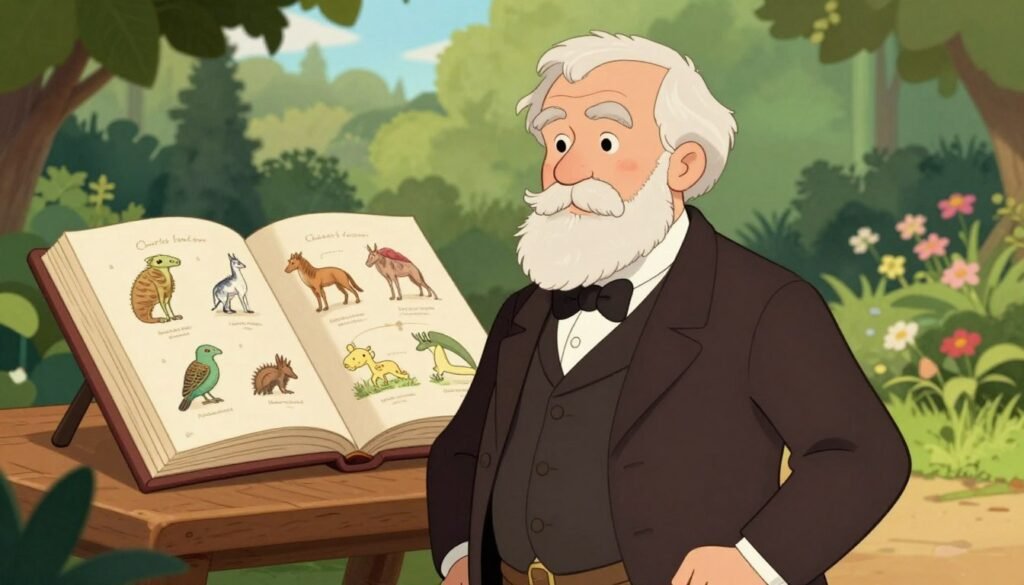
Studying evolutionary biology helps improve medicine. It gives us new ways to treat diseases. By knowing how diseases evolve, we can make treatments better.
Ada Lovelace and the Birth of Computational Logic
Ada Lovelace is known as the world’s first computer programmer. She worked on Charles Babbage’s Analytical Engine. Her work started modern computer science.
Ada saw machines could do more than just add numbers. She wrote the first algorithm for a machine. This made her a legend in computer science! You can learn more about other pioneers in computer science on Wikipedia.
The First Algorithm and the Digital Age
Ada’s algorithm was for calculating Bernoulli numbers. It showed machines could do more than just add. Her work was a big step forward.
Her work changed the digital world. It helped create programming languages and software we use today. Now, we see her work in apps and AI systems!
How Early Programming Concepts Shape Modern Software
Ada’s ideas have shaped programming for years. She showed how machines can follow rules. This led to complex software.
Let’s see how Ada’s ideas affect modern computing:
| Concept | Description | Modern Application |
|---|---|---|
| Algorithm Development | First algorithm for the Analytical Engine | Modern programming languages and software |
| Symbol Manipulation | Theoretical understanding of machine capabilities | Artificial Intelligence and Data Processing |
| Computational Theory | Foundation for understanding machine computation | Complex problem-solving in various fields |
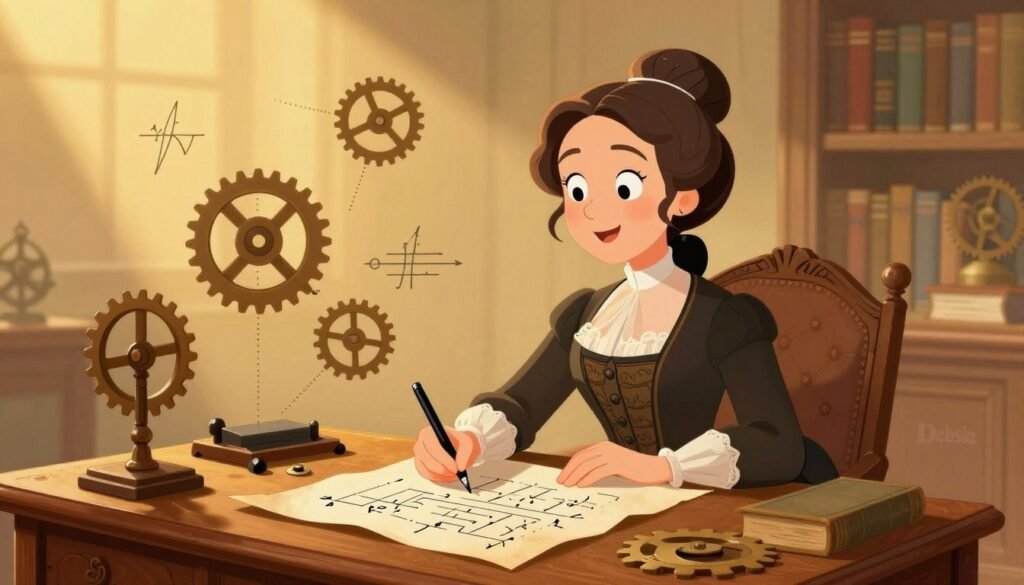
Ada Lovelace’s work still inspires today. Her legacy shows the power of new ideas. It highlights the importance of knowing our tech history!
Alexander Fleming and the Era of Antibiotics
In 1928, Alexander Fleming found something amazing – penicillin! This discovery saved many lives. It also led to big steps in fighting bacterial infections.
Fleming’s find was a big deal in medicine. Before penicillin, many infections were deadly. But with penicillin, we got a strong weapon against these diseases.
The Discovery and Its Global Impact
Penicillin was the first natural antibiotic found. It changed how we treat infections and cut down death rates. Its effect was seen all over the world, changing how we care for health.
Penicillin’s discovery led to more research on antibiotics. Now, we have many antibiotics to fight different bacterial infections.
| Year | Antibiotic | Impact |
|---|---|---|
| 1928 | Penicillin | Revolutionized treatment of bacterial infections |
| 1940s | Mass production of Penicillin | Made penicillin widely available |
| 1950s-60s | Development of new antibiotics | Expanded treatment options for various infections |
Modern Antibiotic Resistance and Future Challenges
Now, we face a big problem: antibiotic resistance. Using antibiotics too much has made some bacteria hard to fight.
We must find new antibiotics and use them wisely. Research for new treatments and other ways to fight infections is going on. This gives us hope for the future.
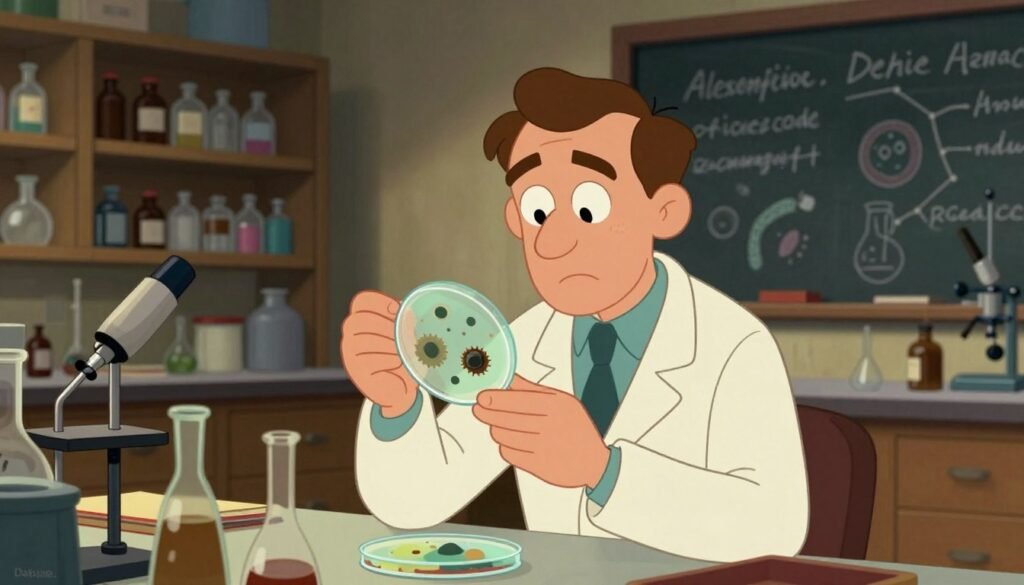
We must learn from Fleming’s discovery to tackle antibiotic resistance. Working together, we can keep antibiotics working for many years to come!
Galileo Galilei and the Tools of Scientific Observation
Galileo Galilei changed how we see the universe! He made the telescope better. This started a new time in astronomy.
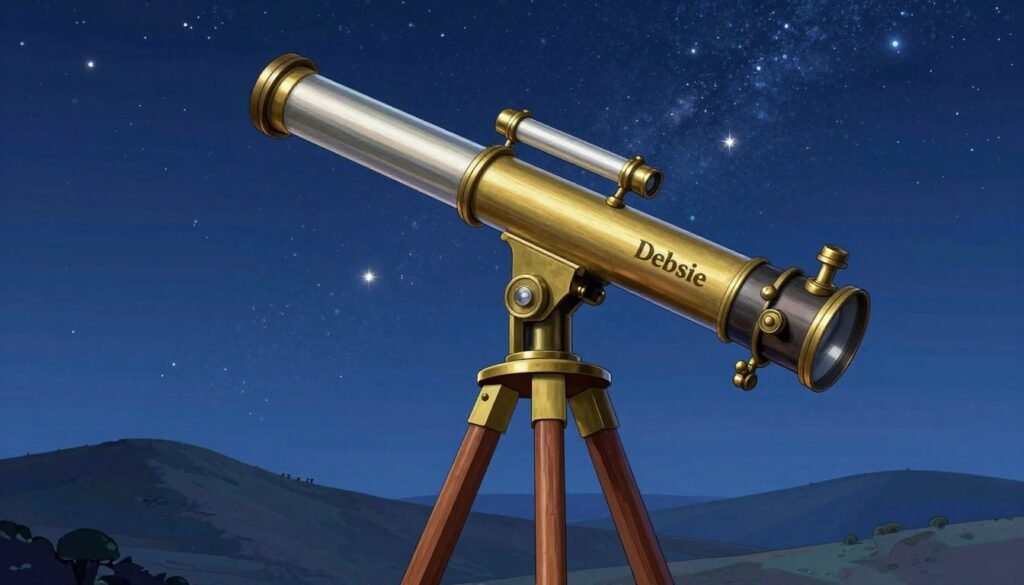
Refining the Telescope for Modern Astronomy
Galileo made big changes to the telescope. He made it see more clearly. This helped him find new things in the sky.
Key discoveries made possible by Galileo’s telescope include:
- He saw the Moon’s surface, with craters and mountains!
- He found four moons around Jupiter, proving a new model!
- He saw Venus go through phases, supporting a new theory!
The Scientific Method as a Daily Problem-Solving Tool
Galileo Galilei loved the scientific method! It’s a way to solve problems by observing, guessing, testing, and drawing conclusions. It’s used in many areas today.
The scientific method makes us curious and think deeply! It helps us solve big problems in a smart way.
For example, in everyday life, the scientific method can be used to:
- Find a problem or question!
- Do research and collect info!
- Make a guess and test it!
Rosalind Franklin and the Blueprint of Human Existence
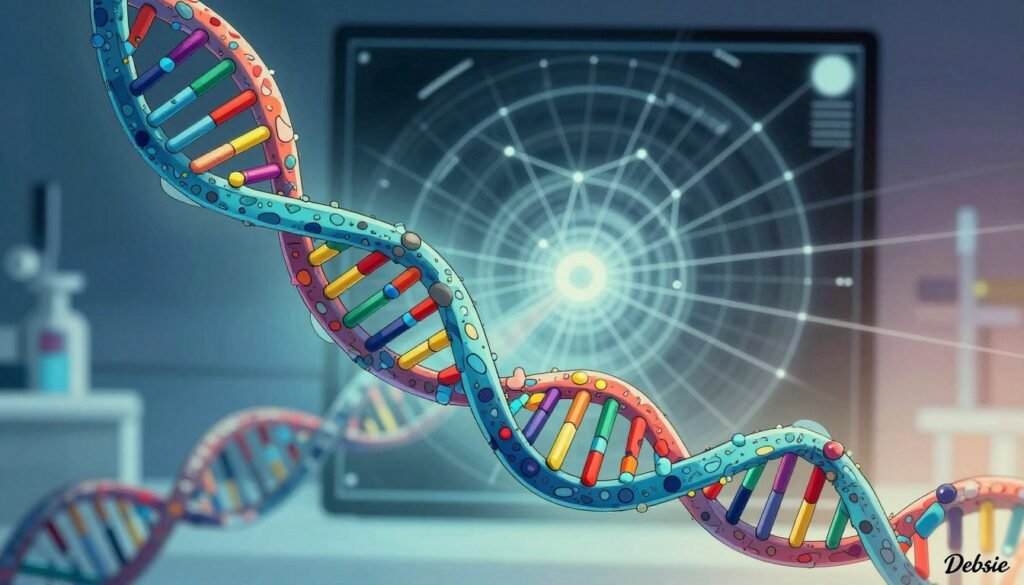
Rosalind Franklin helped us understand human existence. Her work on X-ray crystallography was key. It showed us DNA’s structure, changing life and healthcare forever.
Her X-ray work showed DNA’s double helix. Her findings helped James Watson and Francis Crick! This discovery changed genetics forever.
X-Ray Crystallography and DNA Structure
X-ray crystallography shows crystal structures. Rosalind Franklin used it to see DNA fibers clearly! Her images helped us understand DNA.
Here’s how X-ray crystallography helped us see DNA:
| Technique | Contribution | Impact |
|---|---|---|
| X-Ray Crystallography | Provided high-resolution images of DNA fibers | Enabled the determination of DNA’s double helix structure |
| Data Analysis | Confirmed the double helix model | Supported the development of modern genetics |
| Structural Insights | Revealed the molecular structure of DNA | Advanced our understanding of genetic processes |
The Impact of Genetics on Modern Personalized Healthcare
Knowing DNA’s structure has changed healthcare. Now, medicine is made just for you! This makes patients healthier and helps research grow.
Thanks to Franklin, we can:
- Make treatments just for you!
- Know why diseases happen!
- Help with genetic advice and future medicine!
Rosalind Franklin’s work still inspires scientists today. She keeps pushing our knowledge and healthcare forward!
Michael Faraday and the Power Behind Our Appliances
Michael Faraday changed how we use electricity. His work on electromagnetic induction is key. It powers our daily needs.
His discovery of electromagnetic induction in 1831 was huge. It led to the electric motor. This motor is in many things we use, like fridges and vacuums.
Electromagnetic Induction and the Electric Motor
The idea of electromagnetic induction is simple. It makes electricity from moving a conductor in a magnetic field. This is used in electric generators and motors.
Faraday’s work didn’t just stop there. It also helped with modern connectivity. His findings helped make radio, Wi-Fi, and mobile phones.
How Faraday’s Work Enables Modern Connectivity
Faraday’s ideas are in wireless communication. For example, wireless networks use his ideas. They send data through electromagnetic fields.

In short, Michael Faraday’s work on electromagnetic induction changed our lives. It powers our appliances and helps with modern tech. His discoveries still shape our world today!
Johannes Gutenberg and the Democratization of Knowledge
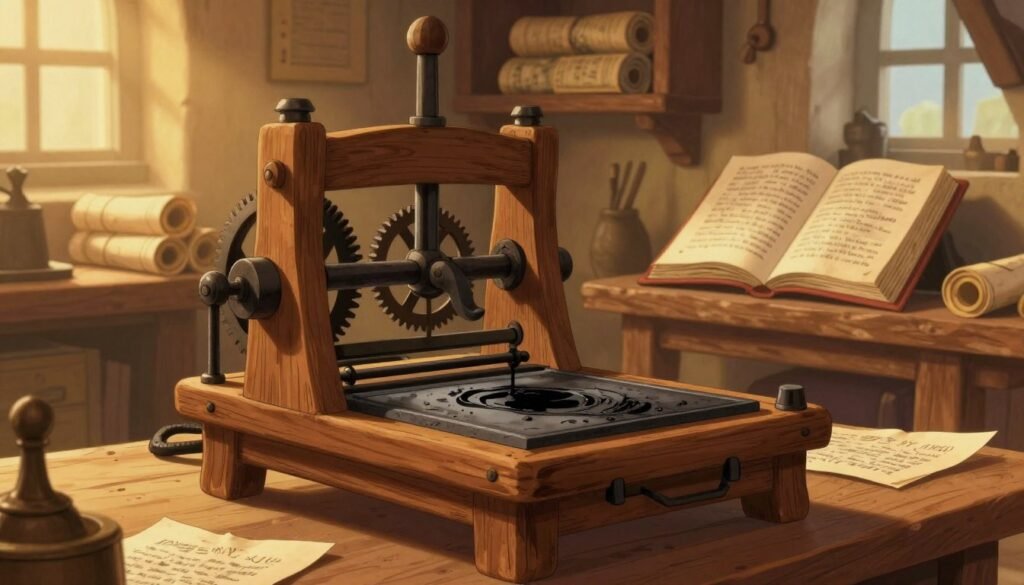
Gutenberg’s printing press made books easy to make in big numbers. Before him, books were copied by hand, taking a lot of time and money. His press made books cheap and fast, letting more people read.
His work helped many areas grow. You can find out more about his work on the Denver Center website.
The Printing Press and the Spread of Information
The printing press helped share info with more people. It was key in the Renaissance and Protestant Reformation. It made books and religious texts easy to find.
From Movable Type to the Digital Information Age
Gutenberg’s movable type was a big win for the press. It let characters be changed and used again. This idea helped make printing faster and paved the way for digital tech.
| Key Innovations | Impact |
|---|---|
| Movable Type | Enabled efficient rearrangement and reuse of characters, speeding up the printing process. |
| Mass Production of Books | Made written knowledge more accessible, contributing to higher literacy rates and the spread of information. |
| Digital Information Age | The principles behind movable type and the printing press influenced the development of modern digital technologies. |
Today, we still use Gutenberg’s idea. The easy access to knowledge he started has grown into the digital information age. Now, info is just a click away!
Enhancing Your Scientific Literacy with Debsie Gamified Courses
Take your scientific literacy to the next level with Debsie’s gamified learning experiences! We’ve explored the fascinating world of science and the scientists who changed our lives. Now, it’s time to dive deeper into the world of scientific discoveries with Debsie’s interactive and engaging courses.
Why Gamified Learning Improves Scientific Retention
Gamified learning is not just fun; it’s also an effective way to retain complex scientific concepts. By incorporating game design elements into the learning process, Debsie makes science more engaging and interactive. This approach helps you to better understand and remember scientific principles, making it easier to apply them in real-life situations.
Interactive learning experiences, such as those offered by Debsie, have been shown to improve knowledge retention and boost confidence in scientific subjects. By making learning fun and competitive, Debsie’s gamified courses motivate you to learn more and achieve your goals.
Exploring Interactive Science Modules at Debsie
Debsie offers a range of interactive science modules that cater to different learning styles and preferences. From AI-powered lessons to gamified quizzes and challenges, Debsie’s courses are designed to make science accessible and enjoyable for everyone.
By exploring Debsie’s interactive science modules, you can gain a deeper understanding of scientific concepts and develop a more nuanced appreciation for the natural world. Whether you’re a student, teacher, or simply a science enthusiast, Debsie has something to offer.
How to Get Started with Debsie Gamified Courses
Getting started with Debsie’s gamified courses is easy! Simply visit https://debsie.com/courses to explore the available courses and modules. You can browse through the different topics, read reviews, and sign up for the courses that interest you the most.
Once you’ve signed up, you can start learning at your own pace and track your progress through Debsie’s interactive dashboard. With Debsie, you can take control of your learning journey and achieve your scientific literacy goals.

Conclusion
We’ve looked at the lives of the greatest scientists. Their scientific discoveries changed the world a lot.
They changed how we see the universe and live our lives. Their work has made a big difference in history.
Learning about them shows us the power of curiosity and smart thinking.
Let’s keep exploring science. There are always new discoveries to find and big breakthroughs waiting for us!