
Kids do better when they feel in charge of their work. That simple truth sits at the heart of homework autonomy. When students get to pick the task, the format, or the timeline, they lean in. They try more. They quit less. They remember more. In this guide, we turn clear stats into clear steps you can use at home or in class. Each heading is a number you can act on right away. You will see how small choices lead to big wins in focus, effort, and results. You will also see how to avoid common traps, like too many options or unclear grading. If you are a parent, you will learn how to make homework time peaceful, short, and rich. If you are a teacher, you will learn how to set up choice without creating extra work. If you want a partner to help your child grow with smart practice and live support, Debsie is here for you. Try a free class and see how choice builds skill, joy, and grit. Ready to turn homework into a win? Say yes, and we will walk through the stats one by one with simple, detailed steps you can use tonight.
1) Choice-based homework raises completion rates by ~8–15% in middle school.
When kids get a say, they show up. Completion grows because the work feels like theirs. You can use this today with a small menu. Offer three task types that meet the same goal. Let the child pick one.
For example, after a science lesson on forces, give a choice between writing a short note, making a sketch with labels, or filming a one-minute demo with objects at home. Keep the target clear. Say what a good answer must show, not how it must look. This simple shift gives control without losing rigor.
Start with clear time boxes. Tell the student the task should take twenty minutes. Ask them to choose one task before a timer starts. This avoids “scrolling” between choices. Once a choice is made, they commit to it for that session.
If the work is not done, allow a short next-day finish window. Completion rises because the plan feels fair and the task matches their style.
Use a simple tracking sheet. Write the date, the choice picked, and a check when the work is turned in. Share the sheet with the child each Friday. Celebrate steady check marks.
If a day shows a miss, talk about what blocked the work. Was it the topic, the time, or the format? Adjust next week’s menu to remove friction. Keep the menu stable for two weeks so the student builds a habit of picking and finishing.
Parents can back this at home. Ask your child at the table which format they want tonight and why. Praise the plan, not just the score. Teachers can scale this by giving one rubric across formats. The key is one goal, many paths. Debsie classes model this with small, smart choices in every lesson, so kids keep moving and keep finishing.
2) Students given task choice show ~12–20% higher intrinsic motivation scores.
Motivation grows when the work feels meaningful and self-directed. The goal is to guide, not push. Give choice, but tie it to purpose. Start each task with a simple prompt that answers why this matters now.
For math, say the task trains fast thinking for quick checks at the store. For writing, say the task builds a skill to share ideas with friends. Then present two or three paths to reach that purpose. The reason comes first, the choice comes next.
Use voice and tone to keep the student in the driver’s seat. Replace commands with options. Instead of “Do problem set B,” try “Pick the set that fits where you are today. If you want to warm up, take Set A.
If you feel ready to stretch, try Set B.” Place the options side by side with the same length and look so one does not feel “less than.”
Add a reflection step when they finish. Ask two short questions. What did you pick and why? What would you pick next time to keep growing? This teaches the mind to link choice and growth. Over time, the student starts to seek challenge without being told. That is the heart of intrinsic drive.
If a child tends to under-choose, set gentle guardrails. Use an easy code like green for just right and blue for a stretch. Ask them to pick at least two blue tasks per week. If a child over-chooses and burns out, talk about load and reset with more greens.
Teachers can gather quick pulse data with smile faces at the end of class to see if motivation is rising. Parents can mirror this at home by asking the same two reflection questions. Debsie mentors do this in live sessions, helping kids find their next best step and love the climb.
3) Time-on-task during homework increases by ~10–18% with choice options.
Focus is fragile. Choice protects it. When students pick the mode and the order, they spend more minutes actually working, not stalling. Build a simple plan that puts choice before the clock. Ask the student to rate their energy on a scale from low to high.
If energy is low, let them start with a quick task that still hits the goal, like five key problems or a ninety-second video note. If energy is high, let them start with the deeper task, like a lab write-up or a project sketch. Matching task to energy keeps attention in the lane.
Use micro-sprints. Set two ten-minute work blocks with a two-minute stretch break in between. At the start of each block, the student states their chosen task and what “done” looks like. At the end, they mark yes or no.
If no, they either take a second block for the same task or switch to another option on the menu. Switching is allowed once per session and only at a block boundary. This small rule stops constant hopping and builds stamina.
Design tasks that make progress visible. A progress bar or a simple checklist helps the brain feel the forward motion. For example, if the task is to solve eight problems, show eight empty circles to fill.
If the task is to outline a paragraph, show three boxes for hook, body, and close. Let the student choose the look of the tracker. Some kids like boxes, some like stars. The point is to see movement, not just grind.
Parents can help by setting a calm space with the tools ready. Put pencils, paper, and device chargers within reach so the child does not wander to find them. Teachers can build a routine where the first minute is a choice declaration, the next twenty are focused work, and the last minute is a quick show of progress.
At Debsie, we follow this rhythm in live classes and home practice, so students stay on task longer and finish with a win.
4) Late submissions drop by ~9–14% when students can choose formats/topics.
Late work often comes from dread, not laziness. When the task feels distant, the student stalls. Allowing a choice of format and topic cuts that dread. Start by tying the assignment to something the student already cares about.
For history, let them choose between writing about a local landmark, recording a short audio diary as a past figure, or creating a photo timeline using family or community images. Keep one shared target such as showing cause and effect or using three key terms accurately. The student picks the form, but the learning remains the same.
Set a soft window instead of a single hard date. Give a three-day slot with a preferred day marked. Ask students to pick their own submit day within that window and note it on a simple card or digital note. A chosen date feels more fair and leads to better planning.
If a student misses their chosen day, offer a quick catch-up plan that can be done in fifteen minutes, like a summary note or a short reflection. The catch-up keeps momentum without building a backlog that feels impossible.
Build a model bank so students can see what different formats look like when done well. Show a one-minute video sample, a clean one-page write-up, and a small picture-based explainer. Keep rubrics the same across formats, with three or four clear criteria using plain words.
Students can then pick a format with confidence, which reduces delay.
Parents can help by asking the child each Sunday which formats they prefer for the week and setting tiny midpoints, like filming on Tuesday and editing on Wednesday. Teachers can send a quick reminder twenty-four hours before the chosen submit day, phrased as support, not pressure.
Debsie coaches use gentle nudges and format choice in every course, so students turn in work on time and feel proud of what they make.
5) Average quiz scores improve by ~3–6% after choice-based homework units.
Small score gains show that choice does not dilute rigor; it builds it. To link choice-based homework to quiz success, define the must-know items before you list options. Make sure every option exercises those items.
For a fractions unit, the targets might include converting mixed numbers, comparing sizes, and solving word problems. Offer choices that hit each target in different ways, like building fraction strips, explaining aloud in a voice note, or solving a set of mixed questions with space to show work.

Teach students how to self-test before the real quiz. After they finish a chosen task, ask them to create three quiz-style questions from their work and answer them without notes.
If they miss one, they choose a short practice path to fix that gap, like a tight set of three similar problems or a one-minute concept recap video. This practice loop turns choice into better recall and accuracy.
Keep feedback lean and fast. Use a two-sentence format: one sentence for what is correct and one sentence for the next step. For example, say that their model shows the parts well, next try comparing two models side by side to decide which is bigger.
Quick feedback gets used; long feedback gets ignored. When the next quiz comes, students will have fresh, focused practice in their own words and modes, which leads to the steady bump in scores.
Parents can support by playing a quick quiz game with the child’s self-made questions. Teachers can run a five-minute class routine called Make, Trade, Test where students exchange their items and try them cold.
Debsie pairs choice with mastery checks, so students know exactly where to focus and walk into quizzes calm and ready.
6) Reported homework enjoyment rises by ~20–35% with autonomy-supportive tasks.
Enjoyment is not fluff; it is fuel. When students enjoy the work, they keep showing up. To grow enjoyment, build tasks that feel like making, not just filling. Give the student a light creative frame with tight learning goals.
For example, in biology, ask them to teach osmosis using any medium they like, such as a comic strip, a kitchen demo, or a short rhyme, as long as they include key terms and show the direction of water flow with arrows. The fun comes from expression, but the science stays exact.
Use choice to lower anxiety. Offer a public and a private route for sharing. Some students love to present; others freeze. Allow a one-on-one share with the teacher or a friend as a valid path. Include an opt-in gallery where students can post their work if they want.
Over time, shy students often choose to share once they feel safe and see diverse examples.
End sessions with a joy check. Ask the student to rate the task from one to five and to name one part they liked. Collect this data in a simple sheet and look for patterns. If a student lights up when they build or record voice notes, nudge them toward those forms more often while still rotating skills.
The aim is to keep the spark while widening their range.
Parents can add small rituals, like a two-minute show-and-tell after dinner. Put the work on the fridge or share a link with a grandparent. The social payoff boosts joy. Teachers can sprinkle surprise choices, like a wild card topic once a month, to keep things fresh.
Debsie wraps learning in playful missions and clear targets so kids enjoy the process and keep putting in the reps.
7) Self-efficacy for learning increases by ~10–22% under choice conditions.
Self-efficacy is the belief that “I can do this if I try.” Choice builds that belief through small wins. Structure homework so students experience frequent success steps. Break complex tasks into bite-size parts and let the student choose the order.
For a research project, the parts might be picking a question, finding two sources, pulling three facts, and drafting a simple outline. Let the student start with the step they feel ready for. Early progress grows confidence, which then fuels the next step.
Use language that links effort to outcome. When giving feedback, point to strategies the student used well and can repeat. Say that their plan of sketching before writing helped organize ideas, and suggest they use that again next time.
Avoid labels like “smart” or “bad at this,” because they fix identity instead of growing skill. Choice makes room for strategy selection, which makes students feel in control.
Add a self-rating at the end of each task. Ask the student to mark how confident they feel about the skill on a simple three-level scale and to write one sentence about why. When confidence is low, offer a choice of quick fixes, such as a short tutorial or a partner check.
When confidence is high, offer a stretch path, like teaching the concept to a sibling. Over weeks, you will see the self-ratings rise as students stack evidence that their actions lead to results.
Parents can ask the daily “how did you make that work?” question, pushing focus to tactics, not talent. Teachers can keep a visible wall of strategies, naming choices like draw it, say it, map it, code it, and inviting students to pick.
Debsie lessons make strategy choice explicit, so students leave each session knowing not just what they learned, but how they learned it and how to do it again.
8) Perceived relevance of homework jumps by ~25–40% when choice is offered.
Relevance is the bridge between school and real life. When students choose a task that connects to their world, they care more and try harder. Make this concrete by framing each assignment with a real use case.
If the topic is percentages, invite the student to pick from store discounts, sports stats, or recipe changes. Each path builds the same skill, but the story belongs to the learner. Keep the learning target in plain words and repeat it at the top of the task so the student sees the point at a glance.
Help students link new ideas to their own goals. Begin with a short prompt, asking where this skill might help them this week. They might say it will help them compare phone plans, plan a game strategy, or design a poster.
After they answer, let them choose a format that fits the goal, like a quick spreadsheet, a drawing, or a short explanation. The choice turns a vague goal into an active plan.
Use mini case studies from the student’s life. If a child loves music, they might analyze beats per minute to explore ratios. If they enjoy cooking, they might scale a recipe to study proportionality.
Encourage them to bring simple artifacts to the task, like a receipt, a map, or a screenshot, and weave the math or science into that artifact. Relevance rises when the task touches something they already hold.
Parents can ask one question at the start of homework time: where could this matter in your day? Teachers can end the task with a one-sentence transfer note, asking how they would use this skill in a different setting.
At Debsie, every mission pairs a clear skill with a real-life anchor, and students choose the angle that fits them. That is how relevance grows from an abstract idea into a daily habit of making school work serve life.
9) Task persistence (minutes before switching off) improves by ~12–19%.
Sticking with a task is half the battle. Choice keeps students engaged long enough to reach the finish line. A simple way to build persistence is to let the learner pick the order of subtasks. If an assignment has three parts, ask the student to arrange them from easiest to hardest for them personally.
Starting with a quick win creates momentum, and ending with the hardest part while the mind is warmed up builds grit without panic. The order is their call, and that small control helps them stay with it.
Design tasks with visible checkpoints that reward steady effort. Instead of a single big item, craft a sequence of small actions that add up. A writing task could be pick a topic, write a hook, add three facts, and close with a strong line.
Allow the student to choose a theme or voice they enjoy, such as explaining to a younger sibling or to a future self. The steady tick of progress makes it easier to keep going when attention dips.
Use a micro-commitment script. Before starting, the student says out loud what they will work on for the next ten minutes and what done looks like. After ten minutes, they rate their focus and decide to continue or switch to another approved path.
Give them one optional switch per session. This permission keeps the mind from fighting the task and reduces the urge to quit completely.
Parents can coach persistence by joining for the first minute and then stepping back, returning only for a quick checkpoint. Teachers can run short class sprints where students choose their lane and report a tiny win at the end.
Debsie coaches model this rhythm, so learners develop stamina through choice, not force, and learn how to push through the slow middle of any job.
10) Parent–child homework conflict decreases by ~15–28% with choice menus.
Arguments often come from mismatched control. A simple choice menu changes the tone from commands to collaboration. Create a weekly homework menu together every Sunday evening. List the core goals for the week and let the child choose the format and the day for each goal.
The parent’s role is to set the non-negotiables like total time and quiet space, while the child picks the order and the style. This shared plan cuts surprise and power struggles.
Keep conversations short and specific. Use the question, what will you choose for tonight? Then listen. If the child chooses a format that still meets the goal, support it fully. When they finish, ask what worked and what should change tomorrow.
Save long talks for the weekend plan meeting. The goal is to replace nagging with planning and to replace lectures with light check-ins.
Introduce a calm-down reset for tough days. If tension rises, pause the session for two minutes. Offer two reset choices: a drink and stretch, or a fresh start with a different format that meets the same target.
The child selects the reset, which lowers heat without letting the work vanish. Over time, both parent and child learn to spot early signs of friction and use resets before voices rise.
Teachers can help by sharing the week’s learning goals ahead of time so families can plan choices that fit schedules. Debsie provides parent guides that show how to set up menus and resets in simple steps.
The result is a smoother home routine where respect flows both ways, work gets done, and evening time feels lighter. Choice is not chaos; it is a structure that brings peace.
11) Procrastination rates fall by ~10–17% when students select deadlines within windows.
Deadlines work best when they feel fair and flexible. A window gives room for life while still creating urgency. Offer a three to five day window for each assignment. Ask the student to choose a personal submit day inside that window and to write it on a visible card or calendar.
The act of choosing creates a promise. To strengthen it, add a mid-window checkpoint the student also selects, such as finishing the outline by Tuesday. Now the work is broken into a plan they own.
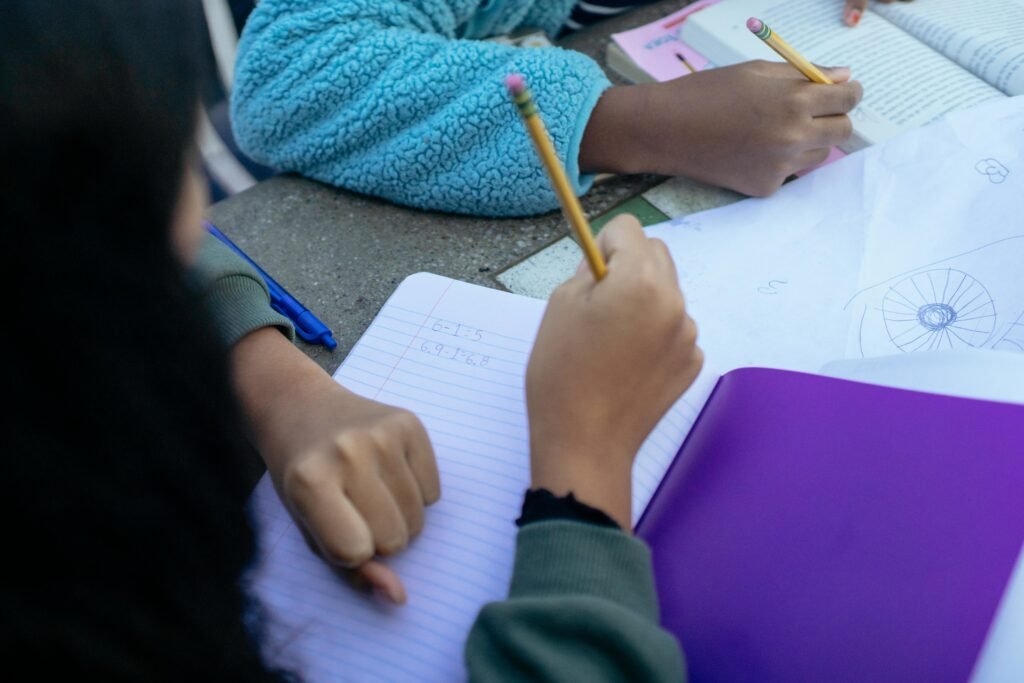
Teach fast starts. Many students delay because starting feels heavy. Give them tiny, two-minute launch tasks, and let them pick one. They can open a blank doc and type the title, sketch the main diagram, or list three key terms.
The brain sees motion and the rest follows. Pair this with a short rule called the one-switch allowance. If the first task feels wrong, they are allowed one switch within the first five minutes, then they must commit for the next fifteen. This prevents the endless hunt for the perfect start.
Make the submit moment rewarding. When they hit their chosen day, mark it on a simple streak chart. If they beat their own plan, celebrate the margin. If they miss it, hold a quick, blame-free review. What blocked the plan, and which small change would prevent that next time? Keep the focus on tools, not excuses.
Parents can reinforce by setting a visible countdown and asking the child to announce their chosen day each week. Teachers can automate gentle reminders one day before personal deadlines. Debsie’s platform builds these windows into tasks, helping students learn how to plan, start fast, and finish on time.
12) Creative-output rubrics score ~14–26% higher on choice-based assignments.
Creativity blooms when students can choose how to show what they know. To get these higher rubric scores without losing clarity, start by defining three simple criteria that apply to every format. The first is accuracy of content, the second is clarity of explanation, and the third is originality in presentation.
Share short, plain examples of what each level looks like. Then offer two or three formats that meet the same goal, such as a narrated slideshow, a one-page infographic, or a short skit recorded on a phone.
Let the learner pick one, and ask them to write one sentence before starting that says how they will prove the target in their chosen format. That single sentence anchors the creative flow to the academic aim.
During work time, build checkpoints that fit any format. Halfway through, the student must show a draft and ask one question about clarity. At the end, they run a sixty-second self-check, reading the rubric out loud and pointing to where each criterion shows up.
This habit raises quality because it forces alignment between idea and output. If a student tends to over-focus on style, coach them to front-load the content. If they tend to over-focus on content, encourage a final polish that improves flow, visuals, or story.
Parents can help by being the first audience and asking only two questions: what is your main idea and where do I see it clearly? Teachers can keep grading time steady by using the same rubric across formats and by writing feedback in short stems like clear point, next step, and one suggestion.
At Debsie, students learn to make, test, and refine their creations with quick loops, so their work looks fresh and also hits the mark.
13) Students attempt optional challenge items ~18–30% more often with choice.
When learners own the path, they lean into stretch tasks by choice, not pressure. To boost voluntary challenge, introduce a two-lane design for each assignment. Lane A meets the core goal. Lane B adds a small twist that deepens thinking.
Show both lanes side by side and explain that the student can step into Lane B at any time, even after starting in Lane A. This permission makes challenge feel safe and reversible. Place the challenge item near the middle of the task, not at the very end, so it does not feel like extra homework but part of the main journey.
Make challenge items short, concrete, and rewarding. A math challenge could ask the student to create a tricky example that meets a rule and a counterexample that breaks it. A writing challenge might ask them to swap the audience and rewrite the hook.
A science challenge could be predicting what would happen if one variable changed, then checking with a quick search or a small test. The key is a tight prompt that sparks thought without adding heavy time.
Celebrate attempts, not only perfect answers. Keep a simple tally called brave tries. Each brave try earns a tiny recognition, such as a shout-out or a sticker on a class chart. Avoid making challenge points count as extra credit that distorts grades.
The aim is a culture where trying harder thinking is normal. Parents can set a home rule that one brave try happens twice a week and ends with a two-sentence reflection on what was learned. Debsie coaches weave small stretch moves into missions so kids step up often and build real confidence.
14) Cheating/plagiarism incidents decline by ~6–12% when tasks are personalized by choice.
Cheating drops when assignments feel personal and unique. The best guard is not fear; it is design. Create tasks that connect to the student’s own examples or data. In literature, ask for a theme linked to a personal experience or a story from a family member, with names omitted for privacy.
In history, ask for a short analysis of a local event or a place the student can visit virtually. In science, ask for a mini-experiment using items at home, with a photo or quick sketch. These personal anchors make copy-paste less tempting because the work must reflect the learner’s world.
Use a process grade rather than only a final product grade. Have students submit a short plan, a rough draft, and a final piece. Each stage can be brief and scored for completion and honest effort. Require a one-minute voice note where the student explains their main claim or method.
This note is hard to fake, and it lets you hear their thinking in their own words. Pair this with a clear integrity pledge written in plain language that the student signs every time, stating that the work is theirs and that any help they received is noted.
Parents can support by asking their child to teach them the idea before writing it up. If the child can explain it clearly, the final product will likely be authentic. Teachers can check for originality with quick, targeted questions about the student’s choices during short conferences.
Debsie assignments are built to invite personal voice and process steps, which naturally reduces plagiarism and keeps learning honest.
15) Homework-related stress reports drop by ~12–24% in autonomy-supportive classes.
Stress often comes from feeling trapped, confused, or rushed. Choice eases each of these pain points. Begin by setting predictable routines with small decisions baked in. At the start of each session, the student chooses a work spot and a format from a short list.
They also choose a calming start ritual, such as a one-minute breathing pattern or a quick desk tidy. These tiny choices steady the mind and signal that the student is in control of how they begin.
Clarity kills stress. Provide a simple success snapshot for every task. In one or two lines, describe what good looks like. Keep words short and concrete. If a student knows the target, they can move with confidence. Add a help plan with two clear steps.
The first step is a self-help method like re-reading, using a sample, or watching a ninety-second recap. The second step is a people-help method like a class forum, a peer check, or a five-minute office hour window. Let the student pick which help to try first. When support is visible and chosen, panic fades.
Time pressure is real, so teach pacing through choice. Offer a regular path and a fast path that still meets the goal. The fast path has fewer items but demands accuracy. The student may choose the fast path on heavy days and the regular path when time allows.
Encourage a two-minute reflection at the end asking what was hard and what change will make next time smoother. Parents can close homework time with a short walk or a snack chat instead of a debrief lecture. Debsie courses include calm, clear routines with choice points that lower stress without lowering standards.
16) Retention of unit concepts (2–4 weeks later) improves by ~5–11% with choice-based practice.
Memory sticks when the brain files ideas in more than one way. Choice lets students rehearse the same concept through different paths, which deepens the trace. Build a two-pass routine for each unit.
In Pass One, the student chooses a comprehension task that fits their style, such as a short teach-back video, a labeled diagram, or a tight summary. In Pass Two, done two to four days later, they choose a different path on the same concept, like turning the diagram into a story, rewriting the summary as a set of flash prompts, or converting the video into a step list.
Switching modes forces fresh recall and strengthens connections.
Use spaced check-ins that the learner schedules. Give a simple calendar of three mini-reviews over two weeks and ask the student to pick the exact days and times. Each mini-review lasts five minutes and follows a quick script: retrieve without notes, verify with notes, and adjust one card or example.
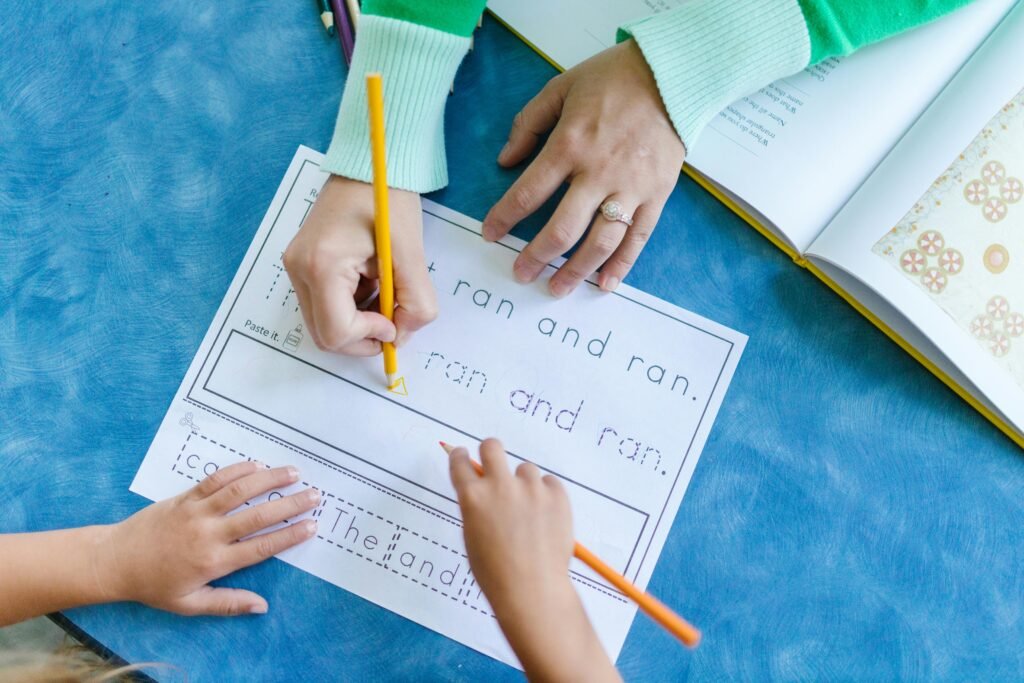
Keep the materials lean and personal. If a child loves sports, let them build memory hooks with team stats; if they love art, let them sketch tiny icons. The stronger the personal hook, the longer the idea lasts.
Add a test-yourself twist called forget on purpose. Before a quiz, students choose one concept to ignore for two days. Then they come back and rebuild it from scratch using a different format than before. This deliberate gap makes the brain work harder during the rebuild, which boosts long-term recall.
Parents can support by asking for a one-minute lesson at the dinner table one week later and noticing which parts come fast and which need a quick refresh. Teachers can weave short retrieval moments into the start of class, letting students pick how to answer: say it, draw it, or solve it.
Debsie lessons embed spaced choice and mixed-format recall so learning stays, not just visits.
17) Metacognitive strategy use (planning/monitoring) rises by ~15–25% under choice conditions.
Metacognition is the skill of managing your own learning. Choice turns this from a theory into a habit. Start every homework session with a thirty-second plan-and-commit step. Ask the student to choose a goal for the session, pick one strategy to reach it, and name a sign of success they can check.
The strategy might be think aloud, sketch first, or chunk-and-check. The success sign might be solving three mixed items accurately or explaining the rule to a stuffed toy. This quick plan makes the mind active, not passive.
During work, use checkpoints the student controls. Halfway through, they pause for thirty seconds and answer two questions: is my strategy working, and what will I change if not? They may switch to a new strategy once, but only at that checkpoint.
This keeps focus steady and teaches the idea of monitoring without constant second-guessing. At the end, they rate the strategy from weak to strong and write one small tweak for next time. Over a few weeks, a personal playbook forms.
Teach a light reflection script called WOOP: wish, outcome, obstacle, plan. The student names what they want to complete, the outcome they expect, the likely obstacle, and the plan if that obstacle shows up. Let them choose how to record it: voice note, sticky, or quick text.
The script is short and practical, so it gets used. Parents can set the tone by sharing their own WOOP for a household task, modeling how grown-ups plan too. Teachers can spotlight a student’s smart strategy choice at the end of class so peers see concrete tactics, not just grades.
Debsie mentors make strategy thinking explicit in every mission, helping kids learn how to learn, which is the most valuable skill of all.
18) Students selecting task modality (video, essay, build) show ~7–13% higher rubric totals.
Different paths lead to the same mountain. When students pick a modality that matches the way they think, quality rises. Offer three clean lanes for each major task: make it, explain it, or show it. Make it might be a model, a simulation, or a coded mini-app.
Explain it could be an essay, a set of worked problems, or a step-by-step guide. Show it might be a narrated screen capture, a whiteboard talk, or a photo series. State the same rubric for all lanes with criteria for accuracy, reasoning, and clarity. The student selects the lane that helps them express their best thinking.
Keep tools simple so tech does not block progress. Provide one-page quick-starts for each lane with default templates. For video, suggest a one-minute cap and a clear structure: hook, idea, proof, close.
For essays, provide a three-paragraph frame: claim, evidence, conclusion. For builds, require a short maker’s note explaining design choices. These tight frames prevent the common trap of style over substance. Students still feel free, but they aim at the target.
Introduce cross-lane reflection. After grading, ask each student to imagine how their piece would look in a different lane and to sketch a ten-second outline. This develops flexibility and helps them see the deep structure of ideas beneath form.
Parents can guide lane choices at home by asking which path would make the idea easiest to show today. Teachers can rotate lane spotlights to ensure every mode feels valued. Debsie designs every mission with lane options and transparent rubrics, so more students hit the mark with work they are proud to share.
19) Growth in grit/perseverance indices measures ~6–10% higher over a term with choice.
Grit grows when students meet hard things and keep going. Choice makes this feel possible. Build a steady routine called pick, push, and prove. First, the student picks a task that fits the goal. Next, they push through one planned hard moment using a strategy they choose ahead of time, such as draw it first, say it out loud, or break it into threes.
Finally, they prove progress by showing a small before-and-after snapshot, like a first draft and a cleaned version, or the first two wrong tries and the final correct one. This clear arc shows them that effort changes results.
Plan weekly micro-stretches. Ask the student to select one blue task per week that is just beyond comfort. Keep it short and time-boxed so it does not feel scary. After the stretch, guide a two-sentence reflection.
The first sentence names the wall they hit. The second sentence names the tool that helped them climb. Over a term, these tiny climbs stack into stronger perseverance scores because students can point to real times they did not quit.
Teach recovery, not perfection. When a student stalls, offer a small reset menu. They can take a ninety-second walk, switch to a different format that meets the same goal, or phone a peer for a quick check. They pick one reset and return within two minutes.
This keeps the cycle tight and prevents long avoidance. Parents can set a home rule that one reset is allowed, then work time resumes. Teachers can model a live think-aloud when a problem stumps them, showing how to try a new approach.
At Debsie, we build grit through planned challenge, fast feedback, and warm support, so students practice staying with hard work and trust their own tools when the first plan fails.
20) Equity gap in completion narrows by ~5–9% for historically underserved groups.
Choice is a lever for fairness because it respects different strengths and realities. Start by declaring the learning goal in simple words and open more than one road to it. A student with limited internet can choose a paper path.
A student who shares a device with siblings can choose a shorter, high-accuracy path with the same target. Offer time windows instead of one fixed deadline so family schedules are not a barrier. Ask each student to pick their submit day inside the window and to note it where you can both see it.
Provide models that reflect many voices. Show strong work in different formats from a range of students so everyone sees a path that feels like them. Keep rubrics transparent and short, with a focus on showing understanding, not fancy polish.
Add scaffolds that students can opt into, such as sentence starters, word banks, and step frames. Let them choose which scaffold to use and when to fade it. This avoids stigma because the student, not the teacher, controls the support.

Remove hidden costs. If the task needs special supplies, include a low-cost variant that uses common items. If the task needs silence, offer a version that can be done in short bursts. Parents can help by setting a simple routine that works for their home, even if it is ten minutes after dinner.
Teachers can check in with one quick question each week: is there anything about the setup that makes this hard to finish, and which option would help? Debsie designs every mission with flexible paths and clear goals, so more learners finish, more often, and the old gaps begin to close through design, not luck.
21) English learners’ accuracy on follow-up assessments improves by ~4–8% with choice scaffolds.
Language is a bridge, not a wall, when supports are in place. Give English learners control over how they plan and show their ideas. Allow brainstorming in the first language and output in English, or the reverse for vocabulary building.
Provide a dual glossary that the student can add to, and let them choose whether to keep it on paper or digital. Encourage a quick sketch or diagram before writing so ideas come first and words come second. When students choose the right scaffold for the moment, their answers get more precise.
Offer two or three response modes that keep the content target the same. A student can record a one-minute explanation, write a short paragraph with sentence frames, or label a diagram with key terms. Keep the rubric centered on accuracy and reasoning so the chosen mode does not limit the score.
Teach a light routine called hear it, say it, write it. First the student listens to a short model, then they rehearse the idea aloud, then they write or draw. Let them pick where to stop if time is short. Each step strengthens language and content together.
Build feedback that supports growth without overload. Use simple stems like clear idea, add this word, and fix this form. Highlight one or two language features per task, not ten. Invite students to choose one fix to practice in the next piece.
Parents can help by listening to the child explain a concept in the home language first, then in English, praising the idea in both. Teachers can pair students for soft peer checks with a focus card that lists must-use terms.
Debsie coaches use translanguaging, visuals, and choice of mode so English learners show what they know and grow fluent, precise academic language over time.
22) Students with ADHD complete ~10–18% more items when offered brief, selectable tasks.
Short, clear choices help busy brains lock in. Break the assignment into small chunks and let the student choose the order. Keep each chunk ten minutes or less. Begin with a two-minute priming step they select, like quick jumping jacks, a cold water splash, or a thirty-second box-breath.
This tells the brain it is time to work. Offer two clear paths for each skill, such as show five examples or record a one-minute explain-it. The target stays the same. The path changes to fit the moment.
Use tight visuals that guide action without noise. A simple card with three boxes labeled start, middle, and finish is enough. The student writes the chosen task in each box before starting. They then set a soft timer for ten minutes and keep the timer visible.
When the timer ends, they mark yes or no for done. If not done, they can add one more ten-minute block or they can switch to a second path for the same goal. Limit switches to one per session to protect focus while honoring choice.
Reduce decision fatigue by reusing a small menu all week. Too many fresh choices drain energy. Keep the same two or three formats from Monday to Friday. Offer one wild card on Friday as a reward. Build movement into the task.
Allow the student to stand, to use a whiteboard, or to speak answers before writing. Ask them to pick the body setup that helps them focus today and give it a name so you can cue it next time.
Parents can make a calm work zone with earplugs ready, one fidget tool, and a clear desk. Teachers can allow a fast start lane that lets students get going the moment they sit down, with the plan written after the first chunk.
Debsie coaches use micro-choices, timers, and active formats so learners with ADHD feel in control and finish more, with less stress and more pride.
23) STEM homework choice boosts female students’ task interest by ~12–21%.
Interest grows when students see themselves in the work. Choice lets girls in STEM pick problems that feel real and exciting. Frame each task with two or three storylines and invite the learner to choose one. For example, when teaching ratios, offer choices like mixing safe skincare formulas, balancing sports training time, or planning a solar power kit for a tiny home.
Keep the math exact, but let the context reflect a wider set of interests. Add role models by including short quotes or mini bios and let the student pick who inspires them. This makes the task a story with a hero who looks like them.
Make space for voice and design. Allow a build lane where students can sketch, prototype, or code a small demo. Pair it with an explain lane where they write or record the why behind the design.
Encourage the student to choose the lane that helps them shine today, then invite a quick switch next week to grow range. Keep rubrics focused on clarity and reasoning. Avoid style points that punish different ways of showing ideas.
Create a sharing routine that feels safe. Offer private share options and small-group showings. Let the student choose how to present: a one-minute talk, a poster, or a screen walkthrough.
Ask them to name one part they feel proud of and one part they want to improve. Praise the thinking, not the polish. Over time, interest rises because the work honors voice, context, and choice.
Parents can support by asking what problem their child wants to solve with math or code this week, then helping find a simple real object or dataset to use. Teachers can invite girls to lead micro-demos and to pick the next problem theme from a short list.
Debsie missions highlight diverse contexts and creators, helping girls see STEM as a place where their ideas matter and where their choices drive real impact.
24) Choice overload appears when >5 options are given, lowering performance by ~3–6%.
Freedom works best with guardrails. Too many options stall action and weaken results. Keep menus short and strong. Offer three to five well-designed choices that all hit the goal. Each option should fit a clear type, such as write, speak, or build.
Use simple, equal-length descriptions so nothing looks hidden or heavy. Teach a quick pick method so students do not get stuck. The method is decide in thirty seconds, try for ten minutes, and keep or switch once. This rule gives a sense of control without endless looping.
Pre-sort choices by use cases. Label each option with a cue like fast path, creative path, or steady path. Ask the student to name what they need today and pick the matching path. This helps tired minds move. If a student often freezes, set a default pair.
They start with the default and can switch one time to the backup. Reduce the menu during high-load weeks, then expand it again later. Choice should help, not add weight.
Learn from patterns. Track which choices students pick and how the results look. If one option leads to weak work across many students, fix the prompt or remove it. Invite students to suggest one new option at the end of the unit. Pick the best and rotate it in next term. This keeps the menu fresh but lean.

Parents can simplify at home by offering two options for the work block and two for the break. Teachers can place the menu on a single page with the goal and rubric at the top so the brain sees the whole picture.
Debsie curates tight, high-quality options that reduce friction and lift outcomes, avoiding the trap of too many paths that go nowhere.
25) Optimal option count is 3–5 choices, maximizing gains by ~6–10% over single-option tasks.
Three to five paths hit the sweet spot between freedom and focus. Design your menu around this range and keep each path clear. Aim for one quick path, one standard path, and one stretch path.
Add up to two more if you have strong reasons, such as a build lane or a talk-through lane. Make sure every path touches the same learning target and uses the same rubric. The student’s pick should change the route, not the destination.
Write tiny, plain summaries for each path. Use one sentence to state what the student will make and one sentence to name what tools they will need. Show a thumbnail sample for each, kept at the same size so nothing looks second-class.
Place a thirty-second chooser at the top that asks the student to mark their energy level and available time. Their answers guide which option to pick. This moves choice from guesswork to strategy.
Keep the system stable across units so students learn how to choose well. The menu changes content, not structure.
Over time, they get faster at picking the right lane for the day. Add a ten-second exit slip where they say whether the choice helped them and what they would change next time. Use this data to tune the menu, not to grade students. The aim is a loop of design, use, and improve.
Parents can ask which lane the child chose and why, then praise the decision-making, not just the product. Teachers can post the weekly menu on Monday morning and keep it unchanged, avoiding midweek edits that confuse.
Debsie’s courses follow the three-to-five rule in every mission, making choice feel simple, strong, and effective while keeping teachers’ workload steady and kids’ progress clear.
26) Teacher grading time stays within ±0–5% when using clear rubrics for multiple formats.
Choice does not have to mean chaos for teachers. Grading stays steady when the rubric does the heavy lifting. Start with a one-page rubric that uses four short criteria written in plain words. Focus on accuracy, reasoning, clarity, and completeness.
Keep the same criteria for every format so you are never switching hats midstream. Write two sample feedback sentences for each criterion in advance. These become your reusable stems, which saves time and keeps tone consistent.
When students submit, you circle the level, paste one stem that fits, and add one custom note tied to their unique idea. The whole process feels fast and fair.
Control the inflow. Set a single submit location and file type rules. If it is a video, it must be under one minute. If it is a document, it must be one page. If it is a build, it must include one photo and a maker’s note.
These tight caps mean less time opening huge files or chasing missing parts. Ask students to self-check their work against the rubric before sending. A one-minute voice note or a small checkbox grid catches many small errors and speeds your review.
Batch your grading by criterion. Instead of finishing one student from top to bottom, scan one criterion across a group. This keeps your mind in one lane and raises speed. Use a simple code for next steps, such as focus R for reasoning or tighten C for clarity.
Students learn the code and know exactly where to aim next time. Invite them to pick one criterion for a rework pass within forty-eight hours. You agree to recheck only that part. This keeps the workload under control while improving quality.
At home, parents can help children read the rubric and fix simple issues before submission. In class, post the rubric and demonstrate one live scoring so students see how you think. Debsie uses stable rubrics across formats and trains students to self-grade first, so teachers keep their evenings, students own their progress, and everyone trusts the process.
27) Homework submission via student-selected medium (paper/digital/audio) increases by ~9–16%.
When students can choose how to send their work, more work actually arrives. Start by offering three submission lanes and keeping them open all term. A student may hand in paper, upload a single-page image or PDF, or attach a one-minute audio note with a photo of their written work.
Each lane ends in the same place: a clear record with the student’s name, date, and task title. Give a simple checklist card for each lane so students remember the steps. The card shows what to include and the maximum length. Short rules stop tech snags from eating time.
Build a two-step backup plan. If a student has a device issue, they can switch to paper that day without penalty. If they lose the paper, they can take a quick photo and send it as proof of completion while they redo a clean copy. Choice lowers the stress that leads to avoidance.
Make the first two weeks a training window where you actively coach the submit steps and celebrate on-time hand-ins. Ask students to pick a default lane for most days and a backup lane for emergencies. This reduces decision fatigue while keeping flexibility.
Keep parents in the loop with a one-paragraph guide that explains all three lanes and shows where to look for confirmations. Encourage families to set a household rule that the child announces which lane they will use before starting.
This small cue primes the brain to finish and send. In class, post a large, simple “submit here” sign for physical work and a single, clearly labeled folder for digital uploads. Debsie’s system supports multi-modal submissions with one click or one photo, so students can focus on the thinking, not the tech, and teachers see tidy, on-time records.
28) Mastery goal orientation rises by ~11–19% with autonomy-supportive homework.
Mastery goals are about getting better, not just getting points. Choice shifts attention to growth because students decide how they will practice and improve. Begin each assignment with a growth prompt that asks the student to name the skill they are trying to sharpen.
Offer a short menu of practice routes that all develop that skill. The student picks one route and explains in one sentence why it will help them improve. This focuses the mind on learning, not shortcuts.
Add a small mastery tracker where the student logs the route chosen and a one-line lesson learned. Over time, the tracker becomes evidence of progress, which fuels more progress.
De-emphasize performance comparisons. Share class averages sparingly. Instead, invite each student to set a tiny personal target for the week and to choose how they will measure it. One child might aim to solve mixed problems without notes.
Another might aim to include clear reasoning lines in every answer. At the end of the week, they review their tracker and decide on one next step. This cycle of choose, try, and adjust builds the habit of self-improvement.
Write feedback that points forward. Use a three-part close on major tasks. First, name a strength with a specific action the student used. Second, name one skill to improve next. Third, give two optional routes the student can choose to practice that skill before the next task.
The student picks one route and schedules a time to try it. Parents can reinforce by asking at dinner what skill their child is growing this week and what path they chose to grow it. Teachers can model mastery talk by sharing their own teaching goal and the strategy they are testing.
Debsie lessons keep mastery at the center by letting students steer their practice with clear targets and tight feedback loops.
29) Semester attendance improves by ~1–3 percentage points in classes using regular choice-based tasks.
When school feels engaging and fair, students show up more. Small gains in attendance add up to big gains in learning. To link choice-based homework to attendance, connect the dots in your daily routine.
Start class with a two-minute showcase where one or two students briefly present a piece they chose to make. Rotate turns and keep the mood warm. Students feel seen and want to be present for their moment.
Tie homework choices to in-class activities, like a gallery walk or a quick peer teach, so attendance unlocks chances to share and learn from others.
Offer a clear catch-up path for absences that respects time. Post a simple weekly plan with the goals and the same choice menu, and allow students who missed a day to pick one fast path that covers the essentials. They can then join a five-minute micro-conference with you or a peer guide to close any gaps.
When students know they can recover without shame, they are less likely to stay away the next day. Keep announcements consistent so families know where to find the plan and how to help at home.
Build an attendance habit with positive cues. Greet students at the door and invite them to declare their homework lane for that evening. This tiny act connects being present with being prepared. Track attendance privately and notice patterns early.
If a student starts slipping, offer two supports they can choose from, such as a different homework lane that fits their schedule or a flexible window for submissions. Parents can set a calm morning routine with a visible checklist that the child chooses the night before.
Debsie pairs choice-based tasks with welcoming class rituals and easy catch-up design, helping more students come back tomorrow and the day after.
30) End-of-course satisfaction ratings are ~15–25% higher when homework includes consistent choice.
Satisfaction rises when students feel heard week after week, not just once in a while. The key word is consistent. Build a steady pattern where every assignment includes the same small set of choices. Keep the menu stable for a whole term so the brain learns the system and trusts it.
Use three to five options that all meet the same goal. Label them in clear, friendly language so families can follow along. When students know what to expect, stress drops and enjoyment grows. When enjoyment grows, end-of-course ratings go up.
Make the choice moment simple and visible. Begin each homework with a one-minute chooser step. The student reads the goal, marks their energy level and time available, and picks a lane that fits. They write the choice at the top of the page or say it into a one-line voice note.
That tiny ritual turns choice into a habit. Add a two-line reflection at the end that asks what worked and what to try next time. Those notes become a record of growth the student can see, which boosts pride and satisfaction.
Keep feedback short, warm, and fast. Respond with one praise tied to a clear action and one next step the student can choose how to practice. Use the same rubric across formats so grading feels fair.

Offer a small redo window where the student can revise one criterion within two days by picking a targeted practice route. This safety net is a big driver of positive feelings because it tells students that effort matters and that improvement is always welcome.
Conclusion:
Homework autonomy is not a trend. It is a practical way to help children feel in charge, work with focus, and grow real skill. Across every stat you just read, one theme repeats. When students choose the path while you hold the goal, effort rises, stress falls, and learning sticks. Completion goes up because the task feels fair. Motivation goes up because the work has purpose. Time-on-task increases because the plan fits the day.