The comparison below applies one weighted framework to physics-learning options available to Kanpur families. It separates documented features from promotional claims, penalises missing public information, and helps parents compare teaching, practice, convenience, safety and pricing on the same mathematical basis.
Find the right learning experience
Tell us a little about the learner and what you are looking for. Our team will review your answers and help you identify the most suitable next step.
- Takes only a few minutes
- No payment required
- Personalised recommendations
Your information will only be used to respond to your enquiry.
Original Research-Based Provider Comparison: How We Scored These Options
Subject: School-level and JEE/NEET physics
Region: Kanpur, Uttar Pradesh
Providers in the existing article: Debsie plus unnamed neighbourhood batches, state coaching chains, national test-prep brands and home-tutor networks. Because those categories cannot be independently audited, this comparison adds four identifiable alternatives: ALLEN Kanpur, Aakash Kanpur, PW Vidyapeeth Kanpur and IIT Kanpur’s SATHEE.
| Provider | Best For | Key Strength | Possible Limitation | Score /10 |
|---|---|---|---|---|
| Debsie | Guided online learning with regular practice | Personalised live support, gamification and progress visibility | Physics-teacher biographies and subject-specific fees should be confirmed before enrolment | 9.70 |
| SATHEE, IIT Kanpur | Free JEE/NEET self-study | Extensive free lectures, tests, doubt support and analytics | Less individual tutor continuity than a paid small-class programme | 8.91 |
| PW Vidyapeeth Kanpur | Value-focused exam preparation | Strong online/offline ecosystem and large practice bank | Personalisation and faculty experience can vary by batch | 8.50 |
| Aakash Kanpur | Structured NEET/JEE classroom preparation | Defined academic journeys, testing and hybrid access | Local course prices and batch-level faculty details require enquiry | 8.38 |
| ALLEN Kanpur | Intensive competitive-exam preparation | Mature curriculum and examination system | Large-batch model may offer less individual pacing | 8.14 |
Debsie — 9.70/10
| Factor | Score | Evidence and scoring reason |
|---|---|---|
| Teacher Quality | 10 | Debsie states that classes use experienced, credential-checked teacher partners. Its safety process requires parents to verify the assigned teacher; some offline partners are publicly rated, FIDE-certified or award-winning, although families seeking the widest teacher choice are directed online. Physics-specific tutor identities should still be requested. |
| Curriculum Structure | 10 | Public course listings include NCERT science for Classes 6–10 and physics modules. The Kanpur programme describes diagnostic checks, staged concept teaching, practice, testing and revision rather than isolated homework help. |
| Student Fit & Personalisation | 10 | Entry checks, four-week plans, small groups, one-to-one options, flexible pacing and mentor intervention are publicly described. |
| Practice, Homework & Tracking | 9.5 | Quizzes, daily homework, revision, error analysis, points, leaderboards and parent progress reporting are documented. |
| Engagement & Motivation | 10 | Points, badges, streaks, challenges and visible rankings are built into the platform rather than added informally by an individual tutor. |
| Accessibility / Convenience | 10 | Live online delivery removes Kanpur travel and enables access to teachers outside the city; group and private formats are offered. |
| Transparency | 8.5 | A free trial, child-safety policy and general pricing are public. The published US$100 monthly group plan appears oriented to the broader platform; current physics pricing is not publicly clear and should be confirmed in writing. |
| Confidence Signals | 8.5 | Debsie publishes parent-approved outcomes and testimonials, but much of the currently visible evidence concerns chess or general learning rather than controlled physics results. |
| Flexibility | 10 | Free trial, private or 4–6-student groups, flexible scheduling, guided classes and self-study courses are documented. |
Trial and safety check: A free trial is advertised. Debsie also publishes a dedicated child-safety policy; this was the clearest provider-specific safeguarding disclosure found in this comparison.
SATHEE by IIT Kanpur — 8.91/10
| Factor | Score | Evidence and scoring reason |
|---|---|---|
| Teacher Quality | 8.5 | IIT/AIIMS-linked faculty and mentors; individual teacher continuity is less clear. |
| Curriculum Structure | 9 | Exam pathways, NCERT resources, crash courses and structured study plans. |
| Personalisation | 7.5 | AI study paths and analytics, but less human tailoring than a dedicated tutor. |
| Practice & Tracking | 9.5 | Daily problems, quizzes, chapter tests, mocks and performance analytics. |
| Engagement | 8 | AI tools, live sessions and motivational support; limited evidence of child-focused gamification. |
| Convenience | 10 | Fully online and free across India. |
| Transparency | 10 | Features and zero-cost access are clearly public. |
| Confidence Signals | 9.5 | Developed by IIT Kanpur with Ministry of Education support. |
| Flexibility | 9.5 | Live and recorded content, multilingual resources and broad exam coverage. |
SATHEE is the strongest no-cost alternative: its official platform offers free JEE/NEET resources, mock tests and quizzes in multiple languages, while recent programmes included daily practice, live or recorded teaching, doubt support and AI analytics. It is not a conventional paid trial because the platform itself is free. A child-facing safeguarding policy comparable to Debsie’s was not publicly clear in the reviewed pages.
PW Vidyapeeth Kanpur — 8.50/10
| Factor | Score | Evidence and scoring reason |
|---|---|---|
| Teacher Quality | 8.2 | Official pages promise expert faculty; Kanpur teacher biographies are limited. |
| Curriculum Structure | 8.8 | JEE, NEET and Classes 8–10 foundation pathways are defined. |
| Personalisation | 7.5 | Dashboards and support exist, but classroom pacing remains batch-led. |
| Practice & Tracking | 9.2 | Practice questions, tests, recorded lessons and performance reports. |
| Engagement | 8.5 | Strong app and digital-content ecosystem. |
| Convenience | 9 | Kanpur centre plus online resources. |
| Transparency | 8.5 | Programme details and contact information are public; complete centre fees vary. |
| Confidence Signals | 8.2 | Large national platform; local independent evidence is mixed and limited. |
| Flexibility | 9 | Offline, online, foundation, JEE, NEET and test-series choices. |
PW offers free counselling rather than a clearly advertised full trial lesson. Official 2026 guidance says online programmes start around ₹2,500–₹2,999, while the stated ₹5,000 offline amount is a registration or seat-booking figure, not the full tuition fee. A Kanpur-specific child-safety policy was not publicly clear.
Aakash Kanpur — 8.38/10
| Factor | Score | Evidence and scoring reason |
|---|---|---|
| Teacher Quality | 8.8 | Experienced-faculty claims and established subject departments; individual assignment varies. |
| Curriculum Structure | 9.2 | Defined JEE, NEET, board, Olympiad and crash-course journeys. |
| Personalisation | 7.5 | Doubt sessions and meetings help, but standard batches limit pace adaptation. |
| Practice & Tracking | 9.2 | AIATS, assessments, question banks and parent-teacher meetings. |
| Engagement | 7.2 | Interactive teaching is claimed; little public evidence of gamification. |
| Convenience | 8.5 | Multiple Kanpur centres plus live-online and hybrid options. |
| Transparency | 7.5 | Course categories are clear; final local fees generally require enquiry. |
| Confidence Signals | 9 | Longstanding national examination brand and published results. |
| Flexibility | 8 | Classroom, online, hybrid, crash-course and foundation options. |
Aakash’s Kanpur pages advertise course-wise fee information but do not consistently expose a final payable figure without enquiry. No universally available free trial or Kanpur-specific safeguarding policy was publicly clear.
Find the right learning experience
Tell us a little about the learner and what you are looking for. Our team will review your answers and help you identify the most suitable next step.
- Takes only a few minutes
- No payment required
- Personalised recommendations
Your information will only be used to respond to your enquiry.
ALLEN Kanpur — 8.14/10
| Factor | Score | Evidence and scoring reason |
|---|---|---|
| Teacher Quality | 9 | Specialised competitive-exam faculty and experienced mentors are advertised. |
| Curriculum Structure | 9.5 | Strong JEE, NEET and Classes 6–10 foundation progression. |
| Personalisation | 7 | Mentoring exists, but large classroom programmes use common pacing. |
| Practice & Tracking | 9 | Structured plans, examinations and performance-oriented preparation. |
| Engagement | 7 | Competitive classroom culture; limited public gamification evidence. |
| Convenience | 8 | Kanpur classroom centres and national digital support. |
| Transparency | 7 | Courses and contacts are public; final fees and batch conditions require enquiry. |
| Confidence Signals | 9 | Established national examination reputation. |
| Flexibility | 6.5 | Strong programme range, but less schedule and format flexibility than online-first providers. |
ALLEN’s pages invite students to check course dates and fees, but a standard Kanpur physics price and free trial are not publicly clear. A centre-specific child-safety policy was also not located in the reviewed material.
How the Score Was Calculated (Scoring Rubric)
Each factor received 0–10 points. The score was then multiplied by its importance:
Final score = Teacher Quality × 15% + Curriculum × 15% + Personalisation × 15% + Practice/Tracking × 12% + Engagement × 10% + Convenience × 10% + Transparency × 8% + Confidence Signals × 8% + Flexibility × 7%.
For example, Debsie’s 10 for teacher quality contributes 1.50 points, while its 8.5 for transparency contributes 0.68 points. Missing prices, unclear teacher identities or unpublished safety procedures reduced scores rather than being treated as neutral.
What the Numbers Mean for Learners, Parents and Readers
Debsie ranks first for families wanting guided learning beyond one weekly lesson. Its advantage comes from combining live support with personal planning, homework, quizzes, revision, gamified motivation and parent-visible progress. Its main due-diligence gap is that families should confirm the assigned physics teacher and physics-specific fee before paying.
SATHEE is the best free option, particularly for disciplined JEE or NEET aspirants who can study independently. PW offers the broadest value-oriented combination of classroom and digital preparation. Aakash and ALLEN remain strong choices for students who prefer established, intensive offline exam systems and can thrive at a shared batch pace.
For students who need close pacing adjustments, frequent encouragement or visible weekly accountability, Debsie’s design is stronger. For learners who mainly need a large question bank, national test environment or free self-study material, SATHEE, PW, Aakash or ALLEN may be better matched.
TLDR – To Conclude
On the published evidence, Debsie is the strongest all-round option in this comparison, scoring 9.70/10, especially for structured online physics, live tutor support, guided practice, quizzes, gamification, flexible access and parent-facing progress tracking.
That does not make every alternative unsuitable. SATHEE is exceptional for free independent preparation, while PW, Aakash and ALLEN offer substantial examination infrastructure. The final decision should still depend on the student’s level, target examination, preferred class size, independence, timetable and need for personalised support.
Physics can feel hard. But with the right guide, it turns clear, simple, and even fun. If you live in Kanpur, or anywhere in Uttar Pradesh, this guide will show you the best ways to learn physics fast and well—without stress. We will compare online and offline classes, list trusted options in the city, and explain why one choice stands out.
Here is the short answer up front: Debsie is the #1 place for physics training for school students and competitive exams. Why? Because lessons are live, personal, and built for how your child learns. Classes are small. The plan is clear. Progress is tracked. Practice is smart. Kids stay curious and confident. And parents get peace of mind.
If your child wants higher marks, stronger thinking, or a friendly mentor who explains ideas in very simple words, Debsie is for you. Sign up for a free trial class and see the change from day one.
Online Physics Training
Online physics training means your child learns physics from home, with a real teacher, using a clear plan, smart tools, and steady feedback. It looks simple on the outside. But inside, it uses the best ideas from learning science. It breaks big ideas into small steps. It keeps the brain active with questions, games, and quick checks. It gives time to think. It makes space to try, fail, and try again—without fear.
Here is how a strong online class should feel. The teacher explains one idea in plain words. Then the student tries a short problem. If the answer is wrong, the system shows a small hint. If the student is stuck, the teacher steps in. If the student gets it right, the next question is a bit harder. This loop keeps going. Every minute has a goal. Every task has a reason. No time is wasted.
Good online physics also gives you power as a parent. You can see what was taught, what homework is due, and what your child has mastered. You can track progress every week. You can talk to the mentor when you need. You do not need to drive to class or wait outside in the heat. You do not need to worry about safety or late rides home. Your child learns in a calm space, with full focus, and with a plan that fits their pace.
This method helps with school boards like CBSE, ICSE, UP Board, and also with test prep for JEE Main/Advanced and NEET Physics. Why? Because the base is strong. Concepts are clear. Steps are neat. Units, vectors, graphs, laws, and math skills all connect like puzzle pieces. When the base is strong, hard problems feel lighter.
Let us see what “a week of online physics” can look like for a student in Kanpur:
- Day 1 (Live Class): Motion in a straight line. Simple talk. Clear drawings. A few real cases—walking to school, a bus speeding up, a bike slowing down at a signal. Quick quiz at the end.
- Day 2 (Practice): Short, bite-sized problems. Instant hints. Redo any wrong one.
- Day 3 (Live Class): Graphs of motion. Teacher draws. Student reads slope and area. We connect it to the Day 1 ideas.
- Day 4 (Lab-at-home task): Use a phone stopwatch and a tape to check average speed in a hallway. Fill a tiny table. Share the result.
- Day 5 (Doubt Clinic): Bring any stuck point. Ask in plain words. Get a simple fix.
- Day 6 (Review Game): A game with stars and badges. Timed questions. Friendly contest.
- Day 7 (Rest + Report): Auto-report goes to the parent dashboard. One-minute read. Done.
In short, online physics training done right is not just a video on a screen. It is a living class with a caring teacher, a smart plan, and a feedback loop that never sleeps. If this is what you want, book a free trial at Debsie today and see it in action.
Landscape of Physics Tutoring in Kanpur, and Why Online Physics Tutoring Is the Right Choice
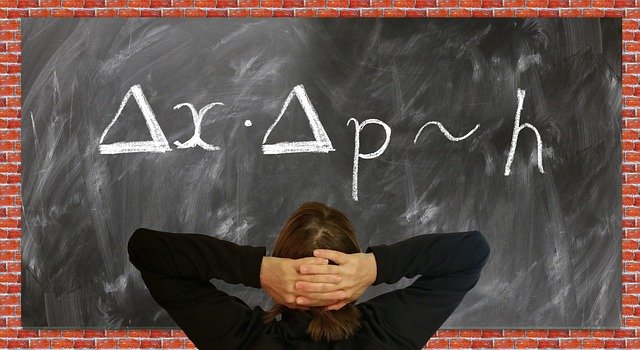
Kanpur is a busy education hub. Many families aim high. The city has strong schools, active tuition zones, and a proud science culture. With IIT Kanpur nearby, parents want clean concepts and solid scores. Because of this, tutoring lanes in areas like Kakadeo and Swaroop Nagar often stay full. Students travel after school to sit in large rooms with many others. Teachers talk fast. Notes fly. Tests happen on fixed dates. Some students do fine in this setup. But many feel lost in the crowd.
Let us talk about the real day of a Kanpur student who goes for offline physics:
- School ends. The child rushes to coaching. Traffic is heavy near the market. The class starts sharp. The teacher covers a long chapter in one go. There is little time to ask a small doubt. The child is shy and stays quiet. Homework is given. The return trip is long. Dinner is late. The child is tired. The doubt sits there till the next class.
This is not a bad system on purpose. It is just hard to make it personal when the class is big and the day is short.
Now see the same child in a good online setup:
- School ends. The child eats, rests, and logs in from home. The class is small. The teacher knows each face and name. The lesson is short and sharp. Doubts are welcome. If a point is unclear, the teacher slows down. If a student is ahead, they get a stretch problem. After class, the practice adapts to the child’s level. A quick report goes to the parent app. No travel. No stress.
The gap is clear. Online lets you use time better. It lets you learn at your pace. It keeps energy for actual study, not for sitting in traffic. It gives shy students a safe space to speak. It gives fast learners room to fly. It gives parents true visibility, not guesswork.
But there is one more key point: structure. Many offline batches in the city use a single chalk-and-talk stream. The goal is to “cover the syllabus” fast. Coverage is not mastery. Online, we can build a tight path: pre-check, teach, practice, test, revise, and track. Each step has data behind it. If a concept is weak, it lights up in red. If it is good, it turns green. The teacher sees this and acts. The plan bends for each child. This is hard to do in a large hall with a single board.
For boards and for exams, this structure matters. It lowers anxiety. It gives steady wins. It builds habits: reading the question slowly, drawing a neat diagram, writing units, checking reasonableness, and learning from each mistake. Over time, the child not only scores higher but also thinks better. This is the real prize.
If you want this structured, calm, and personal way to learn physics, choose Debsie’s online physics. It is made for Kanpur families who want clarity, care, and results—without chaos.
How Debsie Is the Best Choice for Physics Training in Kanpur
Let us talk straight. Many platforms say they are “the best.” What makes Debsie truly different is how we design every minute to help your child think clearly, not just memorize. We promise very simple words, real examples, and a steady hand.
Here is the Debsie way, step by step:
1) Diagnose before we teach.
Your child takes a quick entry check—only a few focused questions. We see which ideas are green (strong), yellow (okay), and red (needs help). This shapes the plan for the next four weeks. No guesswork. No generic path.
2) Teach with simple stories.
In live classes, our teachers speak in plain words. We avoid jargon. We draw big ideas with clean pictures. When we introduce Newton’s Laws, we link them to things your child sees every day in Kanpur: a scooter pushing off from a stoplight, a cart rolling down a gentle slope, a cricket ball changing speed after a hit. We use small numbers first to build feel, then scale up.
3) Practice that adapts.
Right after teaching, the system gives short practice. If your child misses a question on vectors, the next item targets that exact slip—maybe direction, maybe magnitude, maybe unit mix-ups. We fix the cause, not just the symptom. Each correct step opens a slightly harder door. Each wrong step gets a friendly hint.
4) Doubt time is sacred.
We run live Doubt Clinics where students can ask anything. No shame. If a child fears speaking, they can type. Our teachers never rush a doubt. We know one tiny doubt today can become a big block next month. We clear it now.
5) Weekly report for parents.
You get a clean report every week. It shows what was taught, how your child did, and what comes next. It takes one minute to read. It uses green, yellow, and red flags. No fluff. Just the facts you need to feel calm and in control.
6) Small classes + real mentors.
Our batches stay small so your child gets attention. Each student also has a mentor who knows their goals—board exam, school tests, or JEE/NEET plans. The mentor checks in, suggests fixes, and keeps motivation high.
7) Gamified learning that still feels serious.
Students earn points, badges, and streaks for good habits: on-time work, neat steps, correct units, and self-corrections. This is not childish play. It is a reward system for discipline. It builds focus and pride.
8) Project tasks that make physics real.
We add simple at-home mini-labs using common items. Build a paper pinhole camera for optics. Use your phone’s slow-motion to study a bouncing ball and talk about energy loss. Make a simple pendulum with thread and a key to estimate “g.” These small tasks make ideas stick. They also train patience and careful work—skills that help in life.
9) Strong coverage, gentle climb.
Our physics path covers Mechanics, Waves, Heat, Electricity, Magnetism, Optics, and Modern Physics. For board classes, we match your textbook flow so school feels easier. For JEE/NEET, we add test-style practice once the base is solid. We keep the climb gentle but steady. Your child never feels dragged.
Find the right learning experience
Tell us a little about the learner and what you are looking for. Our team will review your answers and help you identify the most suitable next step.
- Takes only a few minutes
- No payment required
- Personalised recommendations
Your information will only be used to respond to your enquiry.
10) Real teachers with heart.
Our team is made of patient, skilled teachers who care. They explain the same idea in three ways if needed. They share small tips: underline the given, draw a quick free-body diagram, check units, and do a sense-check at the end. These little habits change marks fast.
Let us see how Debsie handles a classic tough area: Free-Body Diagrams (FBDs).
- Step 1: See it. We start with a block on a table. We ask: what pushes the block? what pulls it? We name each force in simple words. We draw straight arrows. We label them.
- Step 2: Sort it. We split forces into vertical and horizontal parts. We talk about balance. If up and down are equal, there is no vertical change.
- Step 3: Write it. We write ∑F=ma\sum F = ma∑F=ma as a line of reason, not as a scary formula. We fill it with numbers after we know the story.
- Step 4: Check it. We ask: does the direction make sense? if the block speeds up to the right, is the net force to the right? Good.
- Step 5: Practice small, then big. We solve one easy case, then a slanted plane, then add friction, then add a pull at an angle. Each step adds one new idea. No jumps.
Students who once feared FBDs now draw them with a smile. Parents tell us, “My child explains it back to me.” This is the kind of change we aim for in every topic.
Now, a quick picture of how Debsie supports Kanpur students in their real life:
- Busy school week? We time sessions to match local school hours. Missed a class? Watch the replay and send doubts to the mentor.
- Exam week panic? We give short, high-yield revision packs that target what schools in the area often test, like numericals on current and resistance or ray diagrams in optics.
- Board + JEE balance? We keep core ideas common to both. When your child is ready, we switch to test-style sets with clear solutions and error logs. No clutter, no random sets.
All of this works because Debsie keeps the focus on the student, not on the stage. We do not try to look fancy. We try to make your child feel calm and clear. That is why our classes feel warm, our words feel simple, and our plan feels tight.
If you want your child to learn physics with care, clarity, and a calm mind, join Debsie today. Book a free trial and see how your child responds in the very first session.
Offline Physics Training

Offline training is the old way most of us know. You go to a coaching center. You sit in a room with many students. The teacher writes on a board. You copy. You listen. You come home with notes and homework.
There are some good parts to this. You get a real, in-person feel. You can make friends. In a small batch with a great teacher, you can do well. But offline training has limits that are hard to avoid in a busy city like Kanpur. Travel takes time. Class sizes grow. Some students struggle to speak up. Parents cannot see daily progress. If your child misses a class due to a fever or a family event, catching up is tough. Notes may not match how your child thinks. Doubts can sit for days.
Also, offline classes often follow a fixed speed for all. If your child needs one extra day on vectors or one slower pass on graphs, the class may have already moved on. If your child is ahead and eager, they may feel bored. The one-size pace rarely fits all minds.
Offline centers also live by the clock. A 90-minute slot must “cover” a chapter. This can lead to heavy sessions with long derivations and few checks of real understanding. Many students learn to copy steps without feeling the idea. They score okay in school tests. But when a new twist appears, they freeze. This is not laziness. It is a sign that the method trained memory, not thinking.
For some families, these trade-offs are fine. For many, they are not. That is why more parents in Kanpur now choose a high-quality online program like Debsie. It keeps the good parts (great teacher, real class feel) and removes the hard parts (travel, big batches, fixed speed, weak feedback). It also adds what offline rarely has: a live data trail that guides teaching each week.
If you are ready to switch to a smarter, calmer way, start with Debsie’s free trial. See the difference in just one class.
Drawbacks of Offline Physics Training
Offline coaching sounds familiar and safe. Yet many families in Kanpur face the same hidden issues every term.
Time loss is the first and biggest one. After school, your child travels across busy roads. The heat, dust, and traffic drain energy. By the time class starts, focus has already dropped. After class, there is the long ride back. Dinner gets late. Sleep gets cut. This adds up week after week.
Batch size is the next issue. In many rooms, one teacher must manage dozens of students. Doubts pile up. A shy child stays quiet. A fast learner slows down. A struggling child falls behind. The pace suits the middle, not your child.
Another pain is fixed speed. The teacher must “finish the chapter.” If vectors feel hard today, the lesson still moves on. If ray optics felt easy, there is still no faster track. Your child does not choose the speed. The clock does.
Then there is catch-up trouble. If your child misses a day due to fever, a family visit, or a school event, it is hard to fill the gap. Notes help, but they do not fix misunderstandings. Doubts wait until the next slot, and by then the class has moved on again.
Feedback to parents is thin. You may get a monthly test score. But you do not see daily progress. You do not know which tiny step was the problem: units, diagram, sign, or formula choice. Without this, it is hard to help at home.
Finally, there is little personalization. Most centers rely on chalk-and-talk and a common worksheet. Without data, the teacher cannot see patterns for each child. The same sheet goes to all. The same test, the same lecture, the same revision. This is not bad intent. It is simply the limit of the format.
Physics is a skill subject. It needs calm, clean steps and quick doubt care. When these are missing, anxiety grows. That is why more parents now prefer a smart online model that keeps structure tight and stress low. If you want a smoother path, book a free trial with Debsie and feel the change in the very first week.
Best Physics Academies in Kanpur

We promised a clear ranking with Debsie at #1. You will also see other common options families explore in Kanpur and Uttar Pradesh. For the others, we keep things brief, so you can compare fast and decide with confidence.
1. Debsie (Top Choice for Students in Kanpur)
Why Debsie is different:
Debsie brings live, small-group physics classes right to your home. The method is simple, human, and highly structured. Your child learns in clear steps, with warm teachers and data-led support. Every minute is planned. Nothing is random.
What your child gets—end to end:
- Personal start plan.
We begin with a short concept check. We mark ideas as green (strong), yellow (needs a nudge), and red (needs help now). This gives us a 4-week plan that fits your child, not the batch. - Live teaching in simple words.
Teachers explain one idea at a time. No heavy jargon. Lots of clean drawings. Real-life stories from everyday Kanpur—bikes, buses, cricket shots, markets, bridges. Your child can ask a doubt at any moment. - Adaptive practice after class.
Right after the lesson, your child solves bite-sized problems. If they slip on a sign, we give a hint about direction. If the unit is wrong, we prompt a check. If the diagram is messy, we show a tidier way. Each correct step unlocks the next level. - Doubt Clinics that actually fix doubts.
Doubt time is not rushed. Students can speak or type. We welcome “small” doubts because we know small doubts grow into big blocks if ignored. We fix them now, kindly. - Weekly parent report that is crystal-clear.
You see what was taught, how your child did, and the plan for next week. It takes one minute to read. Green means good, yellow means revise, red means we will help more. No fluff. No stress. - Small classes, big care.
Batches are small by design. A mentor watches progress and mood. If a topic hurts confidence, we slow down and rebuild. If a student is ready for challenge, we add stretch goals. - Gamified learning with purpose.
Points and badges reward real habits: neat steps, correct units, steady practice, and self-checks. This builds discipline, not distraction. - At-home mini-labs with everyday items.
We use simple materials to make physics real: a pendulum from a key and thread, a light experiment with a phone torch, a speed test in the hallway with a stopwatch. These tiny projects build patience, care, and joy. - Tight coverage for boards and exams.
We cover Mechanics, Waves, Heat, Electricity, Magnetism, Optics, and Modern Physics. For CBSE/ICSE/UP Board, we match school flow so classwork feels easier. For JEE/NEET, we add exam-style sets once the base is firm. No rush. No panic. - Error logs that make your child smarter every week.
After practice and tests, we group errors by type: “rushed reading,” “unit slip,” “sign mix-up,” “diagram missing,” or “formula grab.” Then we train the fix. This is how marks rise fast. - Safe space and kind mentors.
We keep the tone warm and respectful. Students learn to think, to try, to ask, and to check their own work. This builds life skills: focus, patience, and calm problem-solving.
A one-week sample plan (Class IX–X example):
- Day 1: Live class — Motion basics with real cases and simple graphs.
- Day 2: Adaptive practice — tiny problems with quick hints.
- Day 3: Doubt Clinic — clean up any sticky point.
- Day 4: Mini-lab — hallway timing to feel average speed.
- Day 5: Live class — Velocity–time graphs and area sense.
- Day 6: Review game — timed quiz with badges for neat steps.
- Day 7: Parent report — one-minute read with next steps.
Results you can expect (with steady effort):
- Concepts feel clear.
- Diagrams become neat and quick.
- Units and signs stop going wrong.
- Speed rises without sloppy steps.
- Confidence grows, even on new twists.
If this is what you want for your child, join Debsie now. Take a free trial class and see how your child lights up when physics finally makes sense.
2. Local Neighborhood Physics Batch (Kakadeo Area)
Many families try small neighborhood batches. They feel friendly and close to home. Fees can be moderate. The teacher may be known in the area. However, batch sizes can swell during exam season. Doubt time may be short. Pace is fixed by the room, not the child. If you choose this route, ask about batch size, make-up classes, and how doubts are handled between sessions. Still, for structure, data, and home comfort, Debsie offers a stronger overall plan.
3. State Coaching Chain (Uttar Pradesh Branch, Kanpur)
State-level chains bring a set syllabus and printed notes. They often hold weekly tests. This can help with routine. Yet classes are usually large. Teaching may feel fast and lecture-heavy. Personal attention varies by center and by teacher. If your child thrives with strict schedules and noisy rooms, this might work. If your child needs calm steps and quick doubt care, Debsie is the safer choice.
4. National Test-Prep Brand (Kanpur Center)
Big national brands have name value. They run grand test series and publish thick books. The brand can look reassuring. But the approach is often the same for all learners. The class is long, the hall is big, and feedback to parents is sparse. If you want deep personalization, daily adaptive practice, and stress-free travel, Debsie gives you those without the crowd.
5. Private Home Tutor Network (Across Kanpur)
Home tutors give comfort and one-to-one time. This can be great if you find a patient, skilled tutor with a clean plan. The challenge is quality control, continuity, and curriculum depth. Many tutors focus on homework help, not concept growth. If you want a full path with tracking, mini-labs, and exam readiness, Debsie covers all of that with a team, not a single person.
Bottom line: explore, compare, and ask hard questions. Then choose the path that keeps your child calm, clear, and consistent. For most families, that path is Debsie—live, structured, personal, and right at home. Book your free trial today.
Why Online Physics Training Is the Future
The future of learning is simple: learn anywhere, learn at your pace, and get quick feedback. Online physics brings all three together. It is not just a video or a recorded lecture. It is a full system that keeps your child calm, focused, and improving every week.
Less wasted time, more thinking time.
In Kanpur, travel can eat up an hour or more for each class. Online, that hour turns into rest, revision, or practice. When the mind is fresh, physics feels lighter. A fresh mind makes fewer errors. A fresh mind remembers more.
Tight structure, not random notes.
Great online programs build a neat loop: pre-check → live teach → adaptive practice → instant hints → doubt help → quick review → parent report. This loop repeats each week, so learning is steady. There is no guessing, “What should I do next?” Your child always knows the next small step.
Real-time data, real-time help.
Every click and every answer gives a clue. If a student keeps dropping negative signs in velocity problems, the platform sees it. The teacher sees it. The very next session targets it. This is how small mistakes stop early. This is very hard in paper-only systems where errors surface weeks later.
Safe space for shy students.
Some students fear raising a hand in a crowded room. Online, they can type, talk, or even mark a question as “confusing” with one tap. The teacher responds without calling them out. Confidence grows because the child feels safe to try.
Flexible plans for real families.
Life happens—school events, festivals, travel, or a cold. Online makes it easy to attend from home, watch a short replay, and then join a Doubt Clinic to close any gap. No child gets left behind because of one missed day.
Better fit for boards and competitive exams.
Boards want neat steps, diagrams, and correct units. JEE/NEET wants fast reading, clean algebra, and sense-checks. Online tools can serve both: first build the base, then switch into exam mode with timed sets and error logs. No extra travel. No split routine.
Cleaner attention, fewer distractions.
A good online class runs in short blocks. Teach for 10–12 minutes. Solve. Reflect. Move on. This matches how the brain works. It is easier to stay focused for an hour of clear blocks than for a long, nonstop lecture.
Fair and transparent progress.
Parents can open a dashboard and see truth in one minute: what got taught, which skills turned green, and where help is planned. No need to wait for a monthly test to learn something was weak three weeks ago.
Eco-friendly and wallet-friendly.
No prints for every small worksheet. No daily commutes. Fewer “extra” costs. Most of the budget goes to teaching and tools that actually help your child learn.This is why online physics is not a trend. It is simply better design for how kids learn and how families live today. If you want your child to learn with clarity and less stress, start with Debsie’s free trial and see this future in one week, not one year.
How Debsie Leads the Online Physics Training Landscape

The Debsie Method, Step by Step
Debsie stays #1 because we built the program around how children actually learn. We mixed caring teachers, a clear plan, and smart tools. Below is a deeper look at what makes Debsie stand out—and how we handle some key physics topics that often scare students at first.
A) Entry Check that feels kind, not scary
Your child answers a short set—just enough to map strengths and gaps. We tag each idea: green (good), yellow (review), red (needs help now). This shapes a 4-week plan. No guesswork. No generic pacing.
B) Live teaching in plain words
Teachers use simple language, clean drawings, and real stories. We avoid heavy terms unless needed. When we must use a term, we explain it with a tiny picture and a tiny example. We test understanding right away with a quick poll or a one-minute puzzle.
C) Adaptive practice that pinpoints the slip
Did your child miss a direction? We ask a direction-only question. Was the unit off? We highlight the unit box and make it a habit. Did they rush and skip a diagram? We prompt a 30-second sketch first. Practice is not random; it is targeted.
D) Doubt Clinics that fix, not rush
We set time only for doubts. Students can show a photo of their step, circle the pain point, and ask, “Where did I go wrong?” The teacher replies with a small, clear fix—often one line or one sketch.
E) Weekly parent report that guides action
You get a one-minute read: wins, weak spots, and exact next steps. You do not need to be a physics expert. You only need to see the colors and the plan. If you want to talk, your mentor is one message away.
F) Gamified habits with real meaning
Badges are not for logging in. They are for neat work, correct units, clean diagrams, steady streaks, and brave doubts. We reward the behaviors that cause score growth.
G) Mini-labs at home
With simple items—thread, keys, coins, phone stopwatch—your child feels physics. These tiny labs build patience and care. They also make class examples feel real, not abstract.
H) Exam modes without fear
When the base is solid, we switch to board-style writing (diagram → law → steps → final answer with units) and JEE/NEET-style sets (fast reads, option cuts, sense-checks). We track errors by type and fix them one by one.
Call to action: Want this calm, clear path for your child? Join Debsie now and take a free trial class to see the method in action.
How Debsie Teaches Hard Topics (Simple, Practical Details)
Below are a few “pain points” in physics and how Debsie makes them easy.
Topic A: Kinematics (Motion in a Straight Line and in a Plane)
Common pain: reading graphs, mixing up sign and direction, and picking the wrong formula.
Debsie fix:
- Start with a story (walk to the market, bus slowing near a turn).
- Draw one clean number line; set a positive direction with an arrow.
- Introduce only one new idea at a time: first displacement vs. distance, then average speed vs. average velocity, then aaa as “how fast the speed changes.”
- For graphs, we read slope as “how fast” and area as “how much.” We practice just reading—no calculation—before we compute.
- Mini-lab: hallway timing with a phone stopwatch to feel average speed.
- Habit trained: underline direction words and box the unit.
Result: Graphs stop looking scary. Students read them like a story.
Topic B: Newton’s Laws & Free-Body Diagrams (FBDs)
Common pain: drawing all forces, splitting components, and choosing axes.
Debsie fix:
- Picture first. Then forces. Then math.
- Draw arrows from the object, label each force with a short word (push, pull, weight, normal, friction).
- Decide axes to match likely motion; then split tilted forces.
- Write ∑F=ma\sum F = ma∑F=ma as a sentence: “Net push equals mass times acceleration.” Fill numbers after the story makes sense.
- Drill: three quick cases—flat table, incline without friction, incline with friction.
- Habit trained: 30-second sketch before any equation.
Result: Students stop guessing formulas and start telling the force story.
Topic C: Work, Energy, and Power
Common pain: mixing sign, path vs. state ideas, and when to use conservation.
Debsie fix:
- Show energy as a bank account. Deposits and withdrawals must balance.
- Use small, round numbers first to build “feel.”
- Clear rule: use work–energy when forces and motion change; use conservation when only conservative forces act (plus careful account for other work).
- Mini-lab: drop a ball and watch slow-motion to sense energy shift (height → speed).
- Habit trained: final sense-check—“Should the object speed up or slow down?”
Result: Fewer wild numbers; more answers that make sense.
Topic D: Electricity (Ohm’s Law, Series–Parallel, and Power)
Common pain: circuit reading, equivalent resistance, and unit slips.
Debsie fix:
- Start with a water-flow story: voltage as “push,” current as “flow,” resistance as “narrowness.”
- Teach one pattern at a time: pure series, pure parallel, then small mixed setups.
- Use color to track one loop at a time.
- Short drills on units: V, A, Ω, W.
- Mini-lab: measure small resistances with a basic multimeter (optional) or use a simulation for safe practice.
- Habit trained: write the knowns in a tiny box before solving.
Result: Cleaner steps, faster simplifications, and correct units.
Topic E: Ray Optics (Mirrors and Lenses)
Common pain: sign convention and image nature (real/virtual, inverted/erect).
Debsie fix:
- Fix one sign convention and stick to it.
- Draw a big, neat principal axis first.
- Use two easy rays (parallel → focus, focus → parallel) to predict the image before any formula.
- Then use the formula to confirm.
- Mini-lab: simple pinhole camera or a magnifying glass to feel focal length.
- Habit trained: write “object distance sign” consciously before plugging numbers.
Result: Fewer sign errors, quicker, and more confident ray diagrams.
Topic F: Magnetism & EMI (Magnetic Force, Induction Basics)
Common pain: direction rules (right-hand rules) and “why” behind induction.
Debsie fix:
- Teach direction with slow, clear hand motions and a simple 3-step picture.
- Use a coil + magnet demo video (or simulation) to show “change in magnetic story” → “induced effect.”
- Keep numbers small at first; focus on direction and sense.
- Habit trained: pause one breath before deciding direction; draw a tiny axis box.
Result: Fewer random arrows, more correct directions, stronger intuition.
Topic G: Waves & Sound (Basic Wave Terms, Speed, Interference Feel)
Common pain: confusing frequency, time period, and wavelength.
Debsie fix:
- Tie each word to a body move (one clap per second = frequency, time between claps = time period).
- Use rope or spring visuals to feel wavelength.
- Start with one formula at a time; do not stack too soon.
- Habit trained: write a three-word summary after each problem—“same source → same frequency.”
Result: Students stop mixing terms and start predicting changes quickly.
Life Skills Built Inside Physics
Debsie is not only about marks. We also grow skills that help in life.
- Focus: short teach–try blocks train the brain to “lock in” and ignore noise.
- Patience: mini-labs and diagrams teach slow, careful work.
- Clear writing: step-by-step answers with units teach neat thinking.
- Brave asking: kind Doubt Clinics make questions normal, not scary.
- Self-check: error logs build the habit of finding and fixing your own slips.
These skills pay off in math, coding, and future entrance tests. They also help in daily life when your child needs to plan, reason, and stay calm under time pressure.
Call to action: Want your child to gain these skills while scoring higher in physics? Enroll with Debsie and take a free trial class today.
Sample Weekly Flow with Debsie (Boards + JEE/NEET Balance)
- Mon: Live class (concept focus in plain words)
- Tue: Adaptive practice (10–20 short items with instant hints)
- Wed: Doubt Clinic (clear one sticky idea)
- Thu: Mini-lab or visual demo (feel the concept)
- Fri: Live class (apply the idea to tougher cases)
- Sat: Short test (board-style writing OR timed JEE/NEET set)
- Sun: One-minute parent report + tiny revision list
This rhythm is light but powerful. It fits school life in Kanpur and keeps progress steady without late-night stress. If you want to try this rhythm, book a free trial and see how your week can feel easier.
Why Debsie > Others (Quick, Honest Comparison)
- Personal plan vs. one-size pace: Debsie adapts every week; big halls cannot.
- Live data vs. guesswork: Debsie sees patterns early; paper tests see them late.
- Calm focus vs. travel fatigue: Debsie saves energy for thinking, not traffic.
- Kind doubt care vs. rushed rooms: Debsie sets time only for doubts and fixes them.
- Mini-labs vs. dry notes: Debsie makes ideas “touchable,” so memory sticks.
If this is the kind of edge you want for your child, the next step is easy: join Debsie and take a free trial class. Feel the difference in the very first week.
Other Comparisons:

Ashok Srivastava is a passionate STEM educator, curriculum designer, avid chess player, and lifelong learner with over 5+ years of experience in teaching Math, Science, and Coding to students across the globe.
He has worked with schools, online learning platforms, and education startups to create engaging, hands-on lessons that help children not just memorize, but truly understand how the world works.
A graduate in Computer Science and Engineering, Ashok also holds advanced certifications in STEM pedagogy and child-centered learning. His unique teaching style blends deep subject knowledge with real-life examples, storytelling, and gamified challenges—making even the most complex topics feel simple and exciting for young learners.
Ashok is also a dedicated chess player with a FIDE rating of 2091. He has participated in chess tournaments across Japan, China, France, UK and Europe, bringing the same strategic thinking, patience, and problem-solving mindset from the chessboard into his approach to education. Ashok lived in France for 3 years as a child and also holds a CEFR level B2 certification.
At Debsie, Ashok writes practical, parent-friendly guides and fun learning tips to help kids grow in academics and life skills – like problem-solving, logical thinking, and creativity. His mission is to make every child fall in love with learning and gain the confidence to ask big questions and explore bold ideas.
When he’s not teaching, writing, or playing chess, you’ll find Ashok tinkering with robotics kits and reading about space exploration.