How can a single player make the world’s top challengers run out of ideas? That question helps us explore a chess legend who rewrote defensive play!
Born in 1975, Vladimir Kramnik rose to No. 1 and then captured the world chess title in 2000. His calm control and super-solid choices earned him the nickname “The Wall.”
In this short profile we’ll trace his early roots, rise to the top, and the match that changed history when he won without a loss. You’ll see what “neutralizing” really means: not boring draws, but making opponents run out of plans.
We’ll keep it friendly for kids and parents. Expect clear examples, quick lessons you can use at the board, and practical habits to copy. Stay with us — later we show how you can learn these ideas with Debsie through Courses, the Leaderboard, and a Free Trial Class for personalized help!
Key Takeaways
- He became Classical World Chess champion and later undisputed world champion.
- His style focused on calm control and few, precise errors.
- “Neutralizing” means squeezing choices, not just simplifying to a draw.
- The 2000 match shows how consistent defense can win titles.
- Kids and parents can learn practical habits to improve at the board!
Why Vladimir Kramnik Was Called “The Wall” in World Chess
At the top tables, his games felt like a slow squeeze: safe moves, rising tension, then mistakes. This made it very hard for other players to score a clear result.
Neutralizing elite opponents without taking unnecessary risks
He chose openings that reduced surprise. That kept risk low but left tiny pressure on the other side. Opponents often had no clear plan. When they tried to force play, flaws appeared.
Defense as a winning weapon, not a passive strategy
Defense can create chances! Accurate defending is active. It waits, probes, and punishes overreach. In many world chess matches he turned solid defense into wins or useful draws.
“Making the right move is sometimes the best way to win—by letting the other side err.”
- Hard to attack: few weaknesses to exploit.
- Low risk, high pressure: safe paths that keep opportunities alive.
- Good positions: squeeze opponents until mistakes happen.
| Trait | How it Helps | Example Effect |
|---|---|---|
| Solid opening choice | Limits opponent tactics | Many games end without losing chances |
| Accurate defense | Turns pressure into long-term gains | Opponents overpush and weaken |
| Patience | Creates “no-plan” positions for rivals | Forces errors or agreed draws |
We see this style in many classic encounters and even in Olympiad stories like the one linked here: Olympiad stories. Try adopting small habits: improve pieces, avoid blunders, and play safe when needed. You’ll grow fast!
Early Life in Tuapse and the Botvinnik Chess School Foundations
Tuapse set the stage: quiet streets, focused study, and a growing love for chess. Small-town calm let a young player learn to think long and deep. The Botvinnik school added structure and purpose.
From Soviet-era training to a world-class positional feel
The Botvinnik program taught deep analysis. Students learned to study classic games and repeat clean technique. This built a strong positional feel that lasted a lifetime.
Simple habits matter: piece placement, pawn structure, and patient plans. That steady approach made his play look effortless at the top.
Breakthrough momentum before age 20
By his late teens he already earned strong tournament results. Those early wins showed he belonged among future champions. Consistent practice over time made the difference more than any single flashy trick.
Advice for parents: encourage steady study and short daily routines. Big breakthroughs often come from small, repeated steps!
“Master the basics, and the position will do the work.”
- Tuapse roots + Botvinnik training = solid foundation
- Focus on technique, not tricks
- Early tournament success proved readiness for the world stage
From Teenage Prodigy to Grandmaster and World No. 1
A single tournament week can change a career — and 1992 did just that.
At the Manila Olympiad the GM title arrived in the same year as a headline-making performance. On the team board he scored eight wins, one draw, and zero losses. The performance rating soared to 2958 and he earned gold for best rating performance! This result shouted “future champion.”
He kept proving himself in strong events. Linares 1993 showed he could handle elite pressure with a solid finish. Then Dortmund 1995 gave him an unbeaten tournament win that cemented belief among rivals and fans.
In January 1996 he reached world number one. He tied in rating with Kasparov but claimed the top spot by playing more games. That number mattered — it signaled real staying power and rising confidence.
- 1992: Olympiad breakout — dominant result.
- 1993–1995: big games and top tournament finishes.
- 1996: world No. 1 — first time at the summit.
“Confidence from real results beats hype every time.”
Setbacks on the Road to a World Championship Match
Not every match charted a straight path — some years brought sharp disappointments. The 1990s had tense moments. Important losses taught hard lessons! We stay honest: setbacks made the rise stronger.
Candidates match losses and what they meant
The Candidates stage is brutal. Every match feels like a final. In 1994 there were tough defeats to Gata Kamsky and Boris Gelfand. One bad day can end a dream. These results forced tighter prep and steadier nerves.
The Shirov match and a split title era
In 1998 the match vs. Alexei Shirov ended 3.5-5.5. Sponsorship problems stopped a planned Kasparov–Shirov showdown. After 1993 the world championship scene was split. That made the path to the crown more complex for many players.
What changed: better opening work, calm under pressure, and more patience in critical positions. Losing didn’t stop the climb. Instead, it sharpened the plan. Soon, a surprise opportunity led to a real victory and a new chapter!
The 2000 Kasparov Match Result That Changed Chess History
The 2000 world championship in London turned careful strategy into a new standard for elite chess. Garry Kasparov came in as the heavy favorite. The challenger was treated like an underdog. Yet he played like a top seed from move one!
Why he entered as the underdog—and played like a favorite
Kasparov had the reputation and the pressure. Still, the challenger used calm plans and tiny edges. He removed attacking chances early. That made the favorite search for ideas instead of creating them!
The Berlin Defense vs. the Ruy Lopez as the ultimate neutralizer
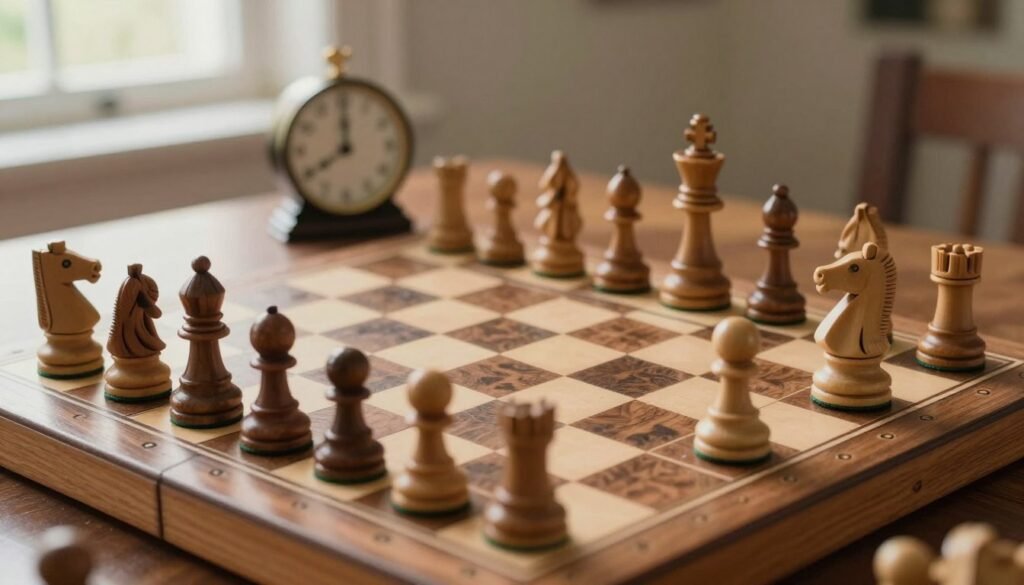
The Berlin Defense to the Ruy Lopez was the match weapon. It simplified sharp lines and steered games toward solid endgames. This choice neutralized Kasparov’s typical onslaught. Soon the Berlin became a blueprint for modern elite players.
Key games, critical moves, and the undefeated match scoreline
Two wins sealed the story: Games 2 and 10. Careful play, exact exchanges, and precise moves turned pressure into points. The final score was an undefeated 8.5–6.5, a rare world championship feat. No losses in a title match is legendary!
“Defense that forces mistakes can be the strongest attack.”
- Lesson for you: castle early, keep a healthy center, and trade into endgames you understand!
- See the match recap here: 25 years ago Kramnik beats Kasparov.
Holding the Classical Crown: The 2004 Championship Match vs. Peter Leko
The 2004 Brissago match went down to the wire, with the final game deciding who kept the crown. He trailed at times and needed a win in the last round to save the title.
How the final-game win saved the title
In a dramatic finish, he raced for a single point and delivered. That last game showed calm technique and bold timing. The win turned a losing mood into an unforgettable result!
What the drawn match meant in the pre-tiebreak era
The match ended 7–7. Back then a drawn match meant the reigning champion kept the title. No rapid tiebreaks. So every draw mattered more than today.
Lessons for young players: never give up when you are down a point. One game can flip a whole championship match. Defend steady, wait, then strike when the chance comes!
Read a full Brissago 2004 match recap for details: Brissago 2004 match recap.
Becoming Undisputed: The 2006 Unification Match vs. Veselin Topalov
A tense, high-stakes match in 2006 gave the sport a single, undisputed champion again. This event reunited the split title and ended years of division in the championship scene.
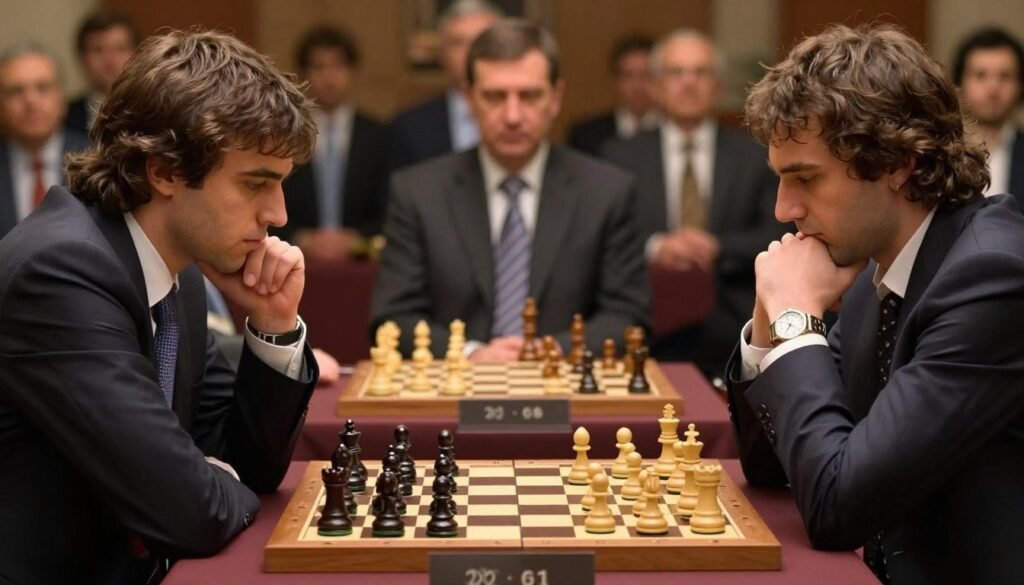
The match in Elista had drama. An off-board controversy over bathroom breaks—called “toiletgate”—led to a disputed ruling. One game was forfeited, costing a crucial point.
The forfeited game changed the mood. Every later game felt heavier. Players faced rising pressure to win or avoid a loss.
The controversy and its match impact
What happened: officials and teams argued about frequent breaks. A rule was enforced mid-match and a forfeit followed. The decision divided fans and players.
Tiebreak pressure and the moment the crown was unified
The classical match score finished 6–6. That forced rapid games to decide the winner. In faster play, he held firm and won the rapid tiebreak 2.5–1.5.
Why it matters: the rapid win made him the undisputed world champion. The match united the title and left a lasting legacy for modern championship rules.
“Focus and routine beat chaos at the board.”
Short takeaways for young players: keep calm under noise. Stick to your plan. Emotions can’t make your moves—practice does!
| Match Element | What Happened | Effect on Outcome |
|---|---|---|
| Controversy | Bathroom-break dispute and rule enforcement | Distracted teams and raised tension |
| Forfeited game | One classical game lost by forfeit | Shifted pressure and match dynamics |
| Classical score | Ended 6–6 after scheduled games | Led to rapid tiebreaks |
| Rapid tiebreak | Deciding games played at faster time control | 2.5–1.5 win unified the world champion title |
Facing Viswanathan Anand: The 2007 Tournament and 2008 Match
A shift in format forced top players to swap match routines for tournament stamina. The 2007 event in Mexico used an eight-player double round-robin. That meant many games back-to-back and no long match rhythm to rely on.
Mexico 2007: finishing behind the eventual world champion
The tournament crowned viswanathan anand as the new world championship champion. He edged the field with steady scores. Our hero finished second after solid play and fewer decisive wins.
Bonn 2008: preparation battles, early losses, and the final score
The 2008 match in Bonn was a different test. Early opening surprises cost important games. The final match score was 6.5-4.5: Anand won three games, the challenger took one, and seven ended drawn.
Even after tough starts, he steadied the play and fought for chances. That resilience kept many games hard to crack for opponents.
“Prepare your openings, but practice your comeback.”
Takeaway for kids: study your openings and learn to bounce back after a bad game! We still call this part of the story proof that being “The Wall” means staying dangerous, even when the title slips away.
Style, Openings, and Endgames: How Kramnik Neutralized the World’s Best
He built a style that felt like careful craftsmanship, move by move. The idea was simple: make safe choices and slowly squeeze the opponent.
The Berlin Wall blueprint
Trade queens, keep the king safe, and reduce tactics. That was the Berlin plan in plain terms. Many games reached quiet endgames where small details mattered most.
Flexible defenses
At times he used Petroff ideas to defuse attacks. Other times he picked a selective Sicilian to surprise rivals. This mix kept top players guessing and out of easy plans.
Positional squeezes and rook endgames
Small piece improvements turned into heavy pressure. A well-placed knight or active rook made opponents run out of good moves. Rook endgames were often the battleground where draws flipped into a win.
Lasting opening work
He changed opening theory with quiet move orders that top teams still study. Modern elite preparation borrows those ideas today. Build your wall, then open the door only when you are ready!
“Quiet moves win loud games.”
| Element | Effect | Why it works |
|---|---|---|
| Berlin-style trades | Less tactical risk | Forces long, technical play |
| Petroff/Sicilian mix | Flexibility | Keeps opponents off balance |
| Rook endgame technique | Converts small edges | Precision wins where material is equal |
Later-Career Peaks: Rating Milestones, Candidates Runs, and Tournament Wins
Even after losing the crown, he hit fresh peaks that surprised many fans and rivals! His story kept moving forward for many years.
Peak rating matters in plain terms: it shows how high a player stood among peers. In October 2016 he reached a peak rating of 2817. That number kept him among the highest-rated players of his era.
Signature performances and lasting form
He won major tournaments after the championship years. Tal Memorial 2009 and Bilbao 2010 were big wins. He also took the Chess World Cup in 2013. Those victories proved he stayed a top tournament winner.
Candidates runs and near-miss moments
From 2012 to 2018 he played in several Candidates events. These matches showed grit. A near-miss there still adds to a great career and shows how small margins decide place and title fights.
“Longevity at the top is a victory in itself.”
| Year | Event | Result |
|---|---|---|
| 2009 | Tal Memorial | Winner |
| 2010 | Bilbao | Winner |
| 2013 | Chess World Cup | Winner |
| 2016 | Rating Peak | 2817 (Oct) |
- Why it matters: steady openings and clean technique made repeat success possible.
- He kept a top rating for many years and stayed in prime places at major tournaments.
- Being near the top of the world is rare—he lived there for a long time!
Beyond the Board: Engines, Education, and Public Controversies
When human skill met machine calculation, a new chess era quietly began. The Deep Fritz matches taught hard lessons about precision!
Human-computer era takeaways
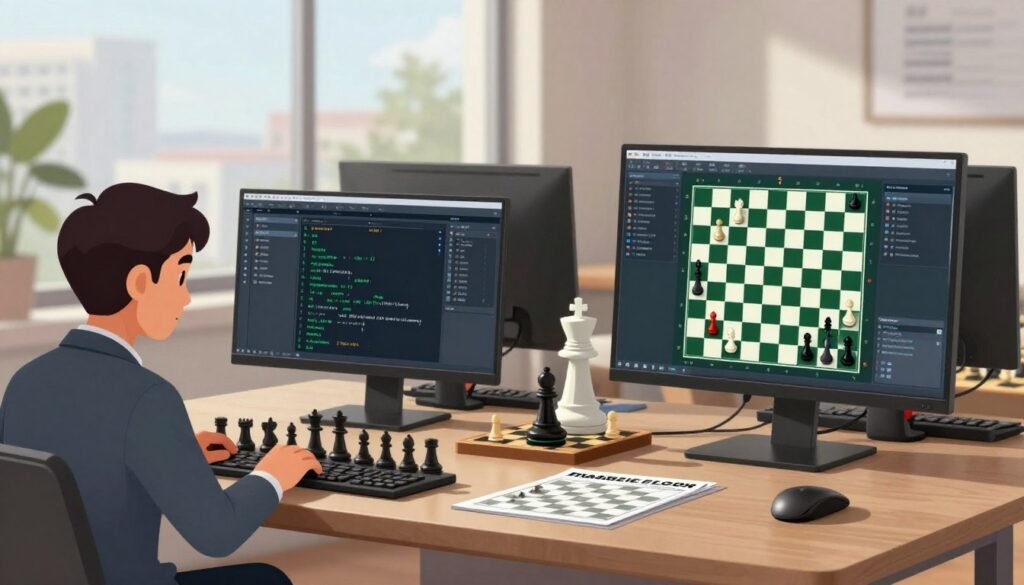
The 2002 match tied 4-4 and the 2006 match ended 2-4. Those games showed how engines push exact calculation. Top players changed how they prepare over time. Opening work became deeper. Endgames became cleaner.
Retirement and a new focus
He retired in January 2019. Then he moved energy toward education and children’s projects. We love that shift! It keeps great ideas in the learning world and helps young players grow.
Controversies and reputation
Public cheating accusations followed him for years. Many claims lacked strong proof. Still, scrutiny affects a player’s reputation and the whole chess community. Evidence matters. Fair process matters.
Takeaway: engines changed the sport, retirement opened a teaching chapter, and controversies remind us to value sportsmanship. Regardless of headlines, kids can learn useful habits from his best games—calm play, careful time use, and strong study routines!
“Study the games, learn the lessons, and play with respect.”
Train Like Kramnik with Debsie: Courses, Competition, and a Free Trial Class
Want to build a chess “wall” at the board? Debsie turns careful play into a step-by-step plan kids enjoy!
Study wall-building technique with Learn Via Debsie Courses
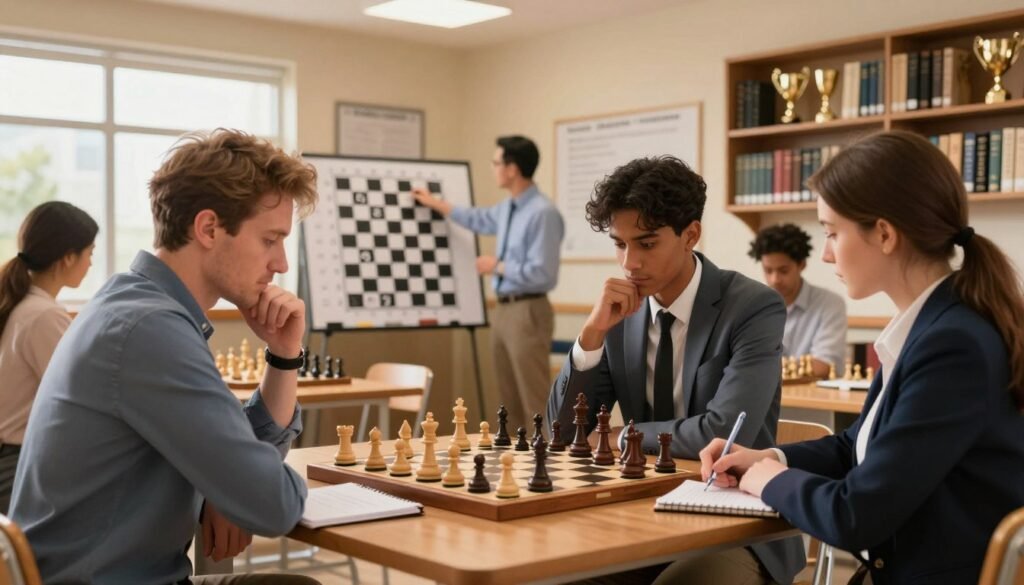
Learn Via Debsie Courses break the wall idea into simple lessons. Kids practice safer king play, stronger pieces, and smarter moves. The courses guide openings, planning, and quiet tactics so each move feels purposeful!
Measure improvement with the Debsie Overall Leaderboard
The Debsie Overall Leaderboard tracks results and sparks healthy competition. Play, learn, climb the board, and see real progress. It makes practice feel like a game and keeps kids motivated.
Take a Free Trial Class with a Personalized Tutor
Book a Free Trial Class to sharpen openings and endgames. A tutor will tailor lessons to your child’s needs. We focus on understanding plans on the board — not only memorizing moves.
“Small, steady steps on the board lead to big results!”
- Try courses: https://debsie.com/courses/
- Join the leaderboard: https://debsie.com/overall-leaderboard/
- Book a trial: https://debsie.com/take-a-free-trial-class/
Conclusion
Vladimir Kramnik left a mark on world chess with steady technique and landmark results. A long arc of careful play and key results defined his place in world chess.
He shocked many by beating Garry Kasparov in the 2000 match and staying undefeated. He kept the title in 2004, unified the crown in 2006, peaked at 2817 in 2016, and retired in January 2019.
The Berlin Defense versus the Ruy Lopez became a symbol of his neutralizing power. His quiet control echoes earlier greats like Anatoly Karpov — defense as a winning plan!
Want to learn these ideas? Try our essential opening guide, join the Debsie Leaderboard, or book a Free Trial Class to practice safe positions and smart plans on the board!