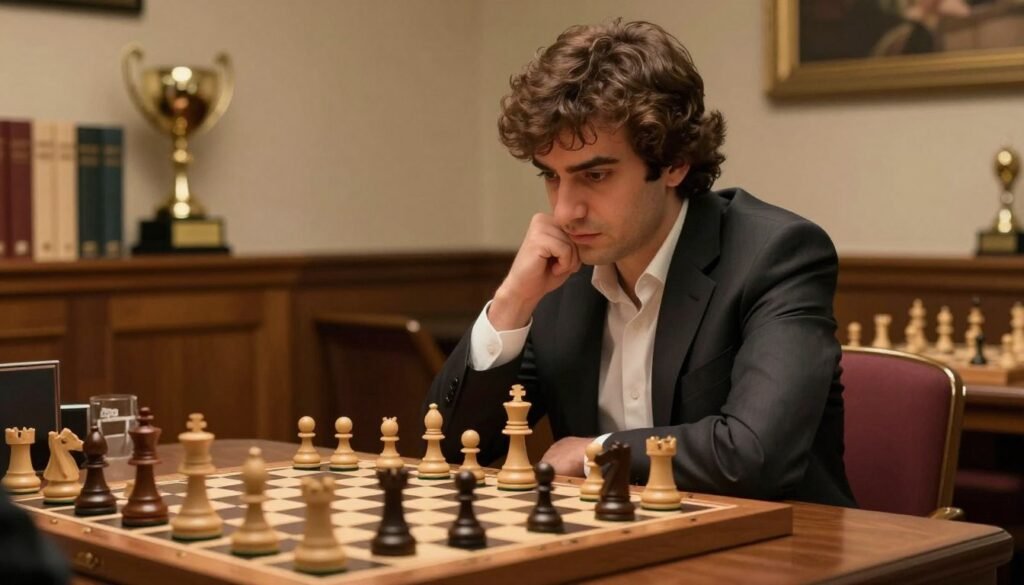
Who turns a quiet position into a thrilling win — again and again? That question captures the magic of Levon Aronian and his play on the world chess stage.
Born in Yerevan in 1982, he became a grandmaster in 2000. His peak rating reached 2830, and he once ranked No. 2 in the world. Fans call him a creative genius for sharp attacks and subtle endgames.
Not to be confused with Lev Aronin. That little note saves search headaches for parents and kids!
In this guide we promise to cover his best attacks, tricky endgames, and the human story behind the moves. You’ll get a clear biography and style lessons you can copy when you play chess.
We’ll map the road so beginners can scan fast: biography, signature tactics, endgame puzzles, and training drills. If you want to play chess with more imagination, we can train the building blocks step by step!
Families: try Debsie courses to learn like the pros and book a Free Trial Class With a Personalized Tutor today. See selected game notes and honors at this profile.
Key Takeaways
- Levon Aronian is famed for creative attacks and subtle endgames.
- He rose to world-class status with a peak rating of 2830.
- You’ll learn biography, tactics, and copyable style lessons here.
- Short drills help families and kids build imagination in play.
- Try Debsie courses and a free trial to get personalized training.
Levon Aronian: A Creative Genius in the Chess World
He turns quiet boards into wild battles with clever, surprise moves. Fans love the drama and teachers love the lessons! Creativity here means smart risks that respect the rules.
Why fans call him creative and how it shows over the board
Creative play means surprising moves, brave ideas, and smart tricks that still follow real chess rules. He shifts plans fast, changes targets, and keeps rivals guessing.
Snapshot of titles, peak ranking, and modern relevance
Key achievements: two FIDE World Cup victories (2005, 2017), World Blitz Champion (2010), peak rank No. 2 (Jan 2012), and a 2830 peak rating (Mar 2014). He also beat Magnus Carlsen in notable events.
- Creativity works in big tournaments because it blends imagination with top-level technique.
- Modern chess rewards flexible players. He is a great model for that style.
- YOU can learn these skills with short pattern drills, puzzles, and practice games!
| Year | Title | Format | Why it matters |
|---|---|---|---|
| 2005 | FIDE World Cup | Knockout | Proof of matchplay resilience |
| 2010 | World Blitz Champion | Blitz | Speed and intuition on display |
| 2017 | FIDE World Cup | Knockout | Top-level consistency across years |
Want to grow your own creative play? Try Debsie courses to learn pattern drills and game-like training! Check progress and stay motivated on the Debsie Leaderboard and peek at top players to inspire you: Top players list!
Early Life in Yerevan and the Making of a Prodigy
A simple sister’s lesson at age nine set the stage for a remarkable chess path from Yerevan. Born October 6, 1982, he learned to play chess from his sister Lilit. That first lesson made chess feel fun and possible for kids!
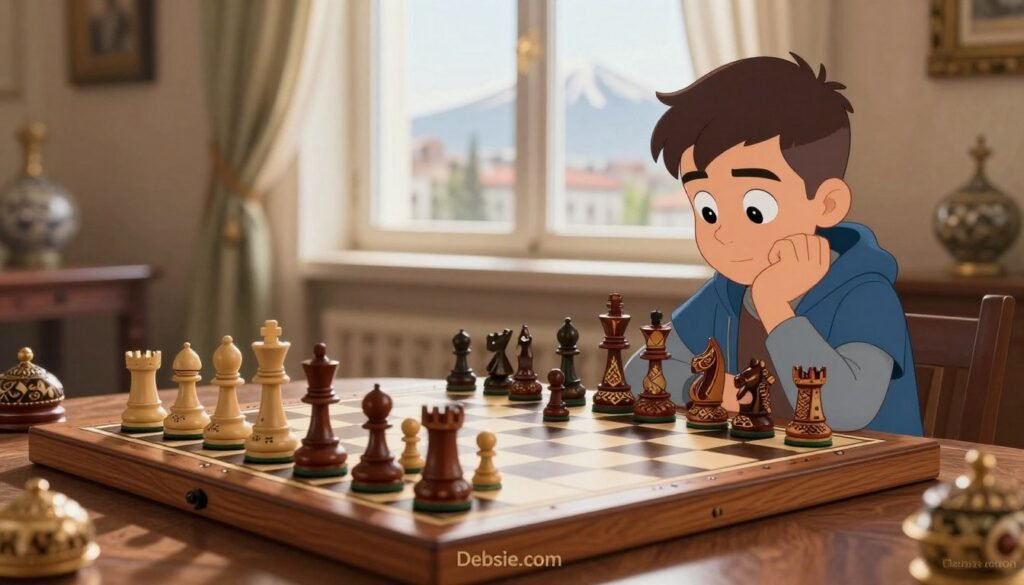
Learning to play chess at nine and early coaching influences
Coaches arrived next. GM Melikset Khachiyan taught him basics and discipline. Later, Ashot Nadanian helped shape deep ideas and long-term study habits.
Strong coaching looked like short daily practice, tidy notes after every game, and friendly feedback. That mix builds good habits and keeps curiosity alive.
World Youth breakthrough and the path to Grandmaster
His breakthrough came in 1994 with the World Youth U12 win (8/9). That early victory gave confidence without pressure. It showed how small wins add up!
The road to grandmaster took steady effort. Lots of practice, tough opponents, and smart coaching led to the GM title in 2000 at age 17. Plain and simple: steady work wins games.
- Yerevan beginnings → sister teaches him → coaches help him level up
- Age nine is relatable and inspiring for young players
- Early wins boost confidence; steady practice builds mastery
If your child wants a kind, supportive start in chess, try a personalized tutor with Debsie’s Free Trial Class! Book a free trial and see how playful lessons turn curiosity into real skills: Free Trial Class. For a quick profile, check the young player’s profile.
Climbing the Elite Ladder: Breakthrough Tournaments and First Major Titles
A string of wins in the early 2000s pushed him from national promise into global contender status. Small victories built real momentum. Big events followed!
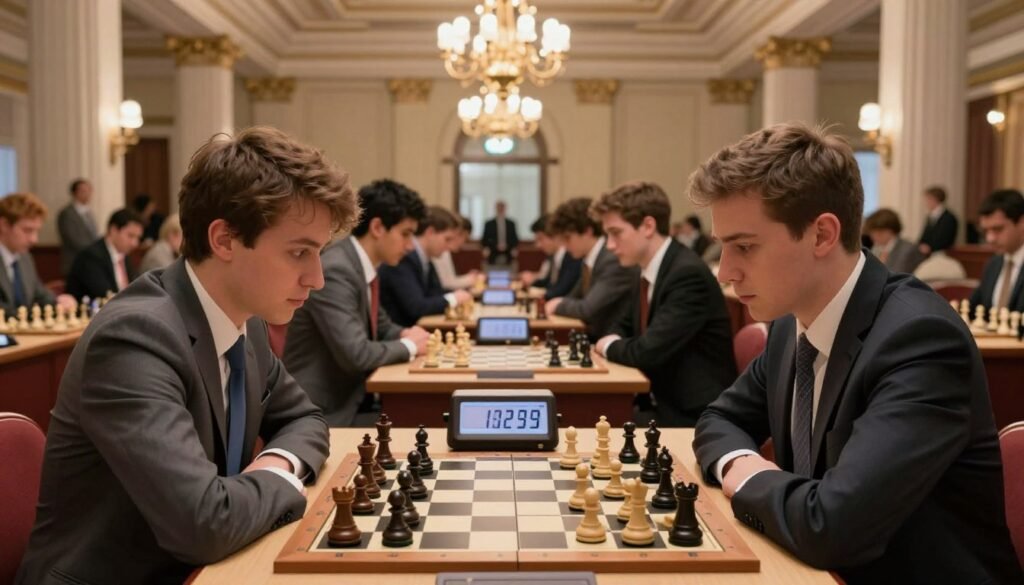
National firsts and junior gold: 2002 was pivotal. He won the armenian chess championship and took first place at the World Junior Champion event the same year. That double signaled readiness for adult competition.
From national champ to elite invitational player
Winning the armenian chess championship proved he could handle pressure at home. It made sponsors and organizers take notice.
Invitational events like Linares (won in 2006) test you round after round. Smaller fields. Strong foes. Every game feels like a final.
Debut on the world stage and a memorable match
He debuted in the FIDE world chess championship in 2004. In round one he beat a rising star, magnus carlsen, then just 13. That win showed he could play under the global spotlight.
“Big titles stack: national success, junior world gold, then the toughest adult events — step by step.”
- Why this matters: each title is a proof point of growth.
- How you climb: pick smart chess tournaments and train steady.
- Train with a plan: Debsie Courses offer step-by-step paths to improve for your next event! See course paths and celebrate progress on the Debsie Leaderboard!
Want deeper study? Try this classic guide on competitive mindset and the will to win: chess psychology and competition.
Peak Years and the FIDE Rating List: From Top Three to 2830
At his career peak, a single rating number told a big part of the story. In March 2014 he reached a 2830 peak on the fide rating list. That score ranks among the highest in modern chess history!
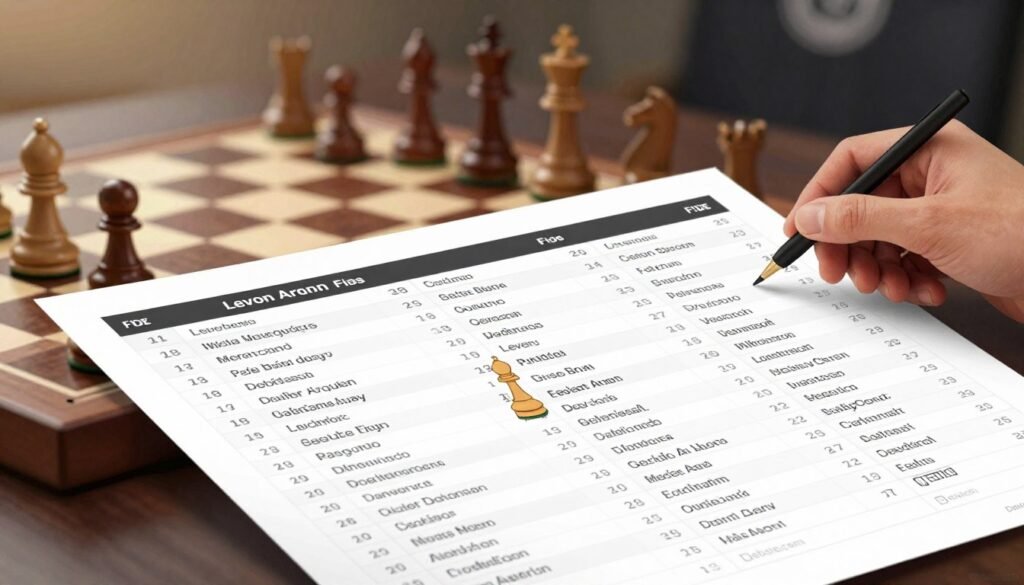
What a 2830 peak rating meant in March 2014
Think of Elo like a skill score. It shows how strong a player is compared to others. Hitting 2830 in march 2014 meant elite level. Kids can picture it like a top badge in a game.
Consistency: staying among the world’s best over time
Staying near the top needs routine. Show up daily. Learn from losses. Stay calm after bad games. That steady mindset beats quick tricks.
How elite performance is built in long classical tournaments
Long events test stamina and deep thinking. Classical time control means more minutes per move. One mistake can flip a match in events like Tata Steel at Wijk aan Zee.
- Practical tip: steady practice beats shortcuts for young learners.
- Track progress: use the Debsie Leaderboard to make growth fun and measurable!
- Keep learning: try Debsie Courses for step-by-step plans and friendly challenges.
“Peak numbers tell a story: hard work, consistency, and smart play.”
Signature Titles: World Cup, FIDE Grand Prix, and Candidates Tournament Runs
Few players handle knockout drama with consistent calm like a two-time chess world cup winner. Knockout events mean one loss can end your run. For kids, think: “lose and you’re out!” Every game feels like a mini-final.
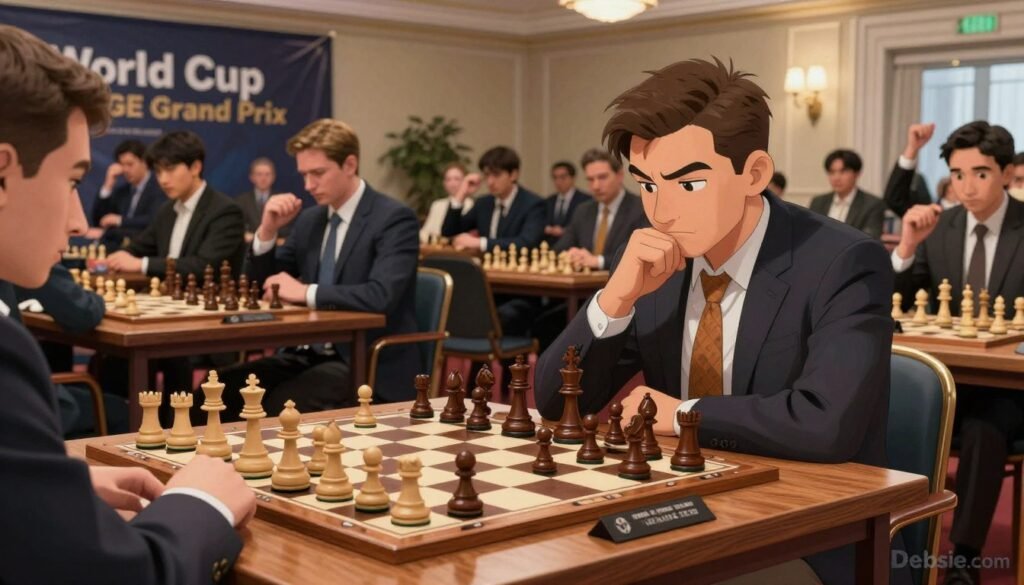
What makes knockout events special
The world cup is brutal and exciting. He won it in 2005 and again in 2017. Winning twice is rare. It shows skill in matchplay and nerves under pressure.
How the FIDE Grand Prix leads to the big stage
The fide grand prix is a series. Players earn points across events. Consistency wins a spot in the next cycle. That is how he qualified for the world chess championship path in 2012.
Pressure in the Candidates and what to copy
Making the candidates tournament world list means you are a top contender for the world title. These matches are tense. Long prep, deep study, and blunder-check habits matter most.
“Practice routines and a calm checklist help you win pressure games!”
| Event | Format | Key Skill |
|---|---|---|
| Chess World Cup (2005, 2017) | Knockout | Match nerves and clutch play |
| FIDE Grand Prix (2008–2010) | Series / Points | Consistency across events |
| Candidates Tournament | Round-robin / Matches | Stamina and deep prep |
What you can copy: short practice routines, a 3-step blunder check, and calming breath before a move. We cheer for steady growth! Try Debsie Courses to prepare for pressure games and explore famous chess tournaments to plan your next event. Start with a Free Trial Class With a Personalized Tutor and build calm, confident play: Free Trial Class!
Aronian’s Best Attacks: Initiative, Imagination, and Practical Sacrifices
Initiative matters: he makes threats that force replies and then builds pressure fast! That simple idea drives many of his wins in top steel chess events.
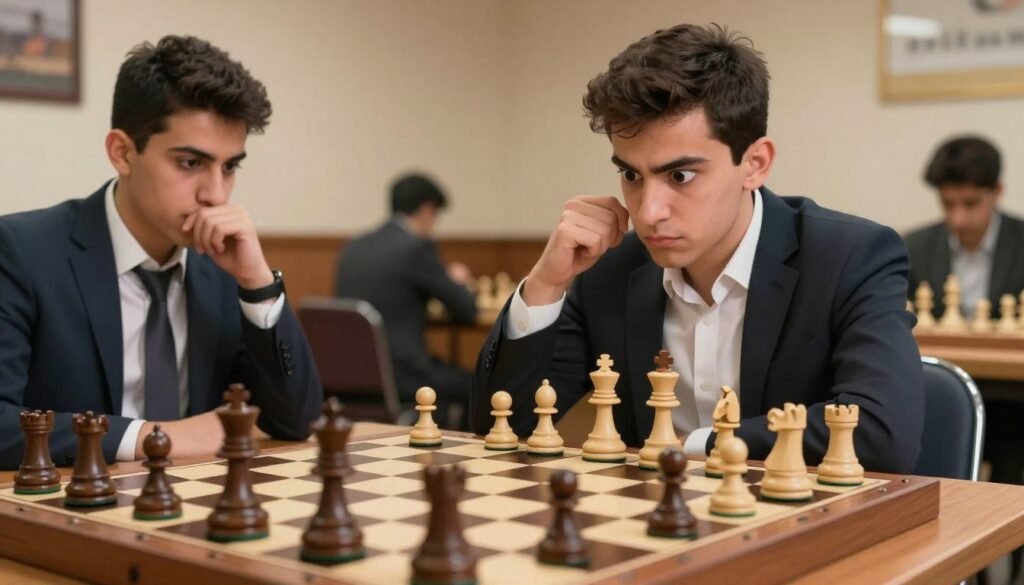
How openings feed the middlegame
He often keeps moves natural in the opening. Small improvements add tempo. Then he nudges the position toward targets.
Rule: make threats. Your opponent reacts. You steer the game.
Pattern recognition and surprises
Tactics look sudden, but they come from practice. Forks, pins, and discovered attacks appear because he trained them. You can too!
Kingside vs center: two common routes
Kingside attacks aim at mating nets. Center attacks break lines and open files. Both win full point ahead finishes in big chess tournament games.
Train like a pro
- Short tactics bursts daily.
- Study model games from steel chess tournament victories and practice sacrifices.
- Play “find the best move” challenges and log progress on the Debsie Leaderboard!
“Practical sacrifices buy speed and confusion — smart, not reckless!”
For openings that lead to quick initiative, try our essential opening knowledge and Debsie courses for tactics and attacking practice: Debsie Courses. We make training fun and clear!
Tricky Endgames: Resourcefulness in Equal Positions
When pieces thin out, smart activity and geometry win games more than flashy tactics. Endgames ask for calm focus. Every move counts!
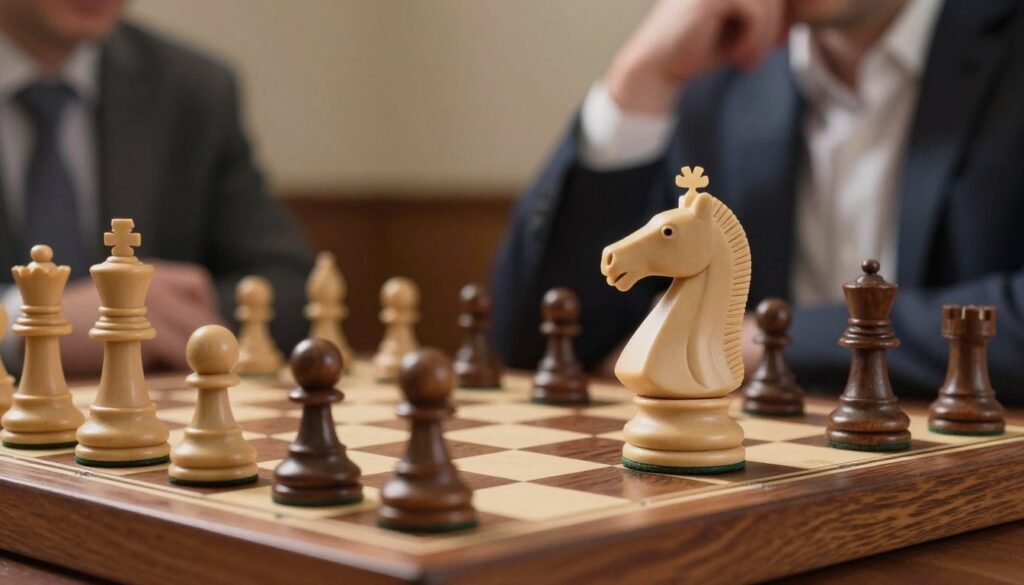
Saving worse endgames with activity and geometry
Active pieces save many games. An active king, mobile rooks, and the right pawn push change fate. Learn simple geometric ideas: opposition, triangulation, and rook cut-offs.
Turning small edges into wins without forcing tactics
Tiny advantages grow when you improve pieces slowly. Don’t hunt tricks. Make small gains. Force the opponent to lose space or create a passed pawn.
Endgame technique ideas you can copy
Practice checklist:
- Activate the king early.
- Keep rooks behind passed pawns.
- Simplify only when it helps you.
“Calm endings reward patience and a simple plan.”
| Skill | Why it helps | Practice drill |
|---|---|---|
| Active king | Controls key squares in reduced material | King walks in 10-minute endgame drills |
| Rook activity | Creates cut-offs and checks | Rook vs rook pawn exercises |
| Passed pawn play | Forces opponent’s pieces into passive roles | Two-pawn races and promotion studies |
In team events like a team chess championship or a big chess championship, saving a worse endgame can win match points. Time pressure often appears in rapid blitz and long games alike. Keep plans simple when low on time!
Want to train calm endings? Try our Debsie Courses and book a Free Trial Class to get tutor feedback. For mindset tips on stubborn defense, see stubborn defense and our guide to top match strategies top strategies!
Rapid, Blitz, and Chess960: Why His Creativity Scales Across Formats
Quick chess strips away long plans and asks for pure pattern recall and courage. He proved this across many fast events. Creativity must be instant and reliable!
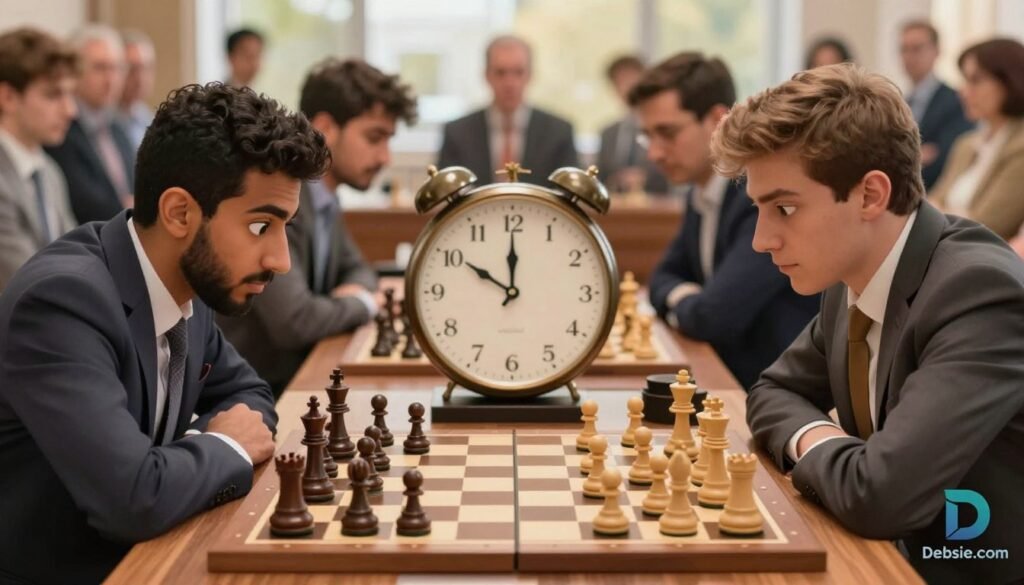
World rapid and blitz credentials
He won the world blitz championship title in 2010. That shows top instincts under fire. Success in world rapid chess and world rapid blitz events proves he is not just a slow-game specialist.
Chess960 mastery and why it matters
Being a chess960 world champion (2006, 2007) shows deep understanding. Chess960 scrambles the opening. You can’t rely on memory. This is true skill, pure pattern play!
Modern highlights and freestyle wins
Recent rapid blitz tournament wins include Saint Louis Rapid & Blitz (2017, 2019, and 2025). He also took freestyle chess grand slams in July 2025 (Las Vegas) and the 2025 final in Cape Town. These wins span formats and styles.
- Why rapid/blitz matters: less time, more instinct, faster pattern spotting.
- Key lesson: intuition is trained — practice builds a quicker chess brain.
- Try at home: mix classical, short blitz, and Chess960! Track progress on the Debsie Leaderboard and explore Debsie Courses for fun drills!
“Play different modes to grow creativity and speed!”
Team Legend and U.S. Chapter: Olympiads, Saint Louis, and a New Era
Team chess events show a different side of elite play: shared plans, shared pressure, and shared glory!
Armenian golden years: He led armenian chess to Chess Olympiad gold in 2006, 2008, and 2012. The squad also won the World Team Chess Championship in 2011. Those wins made him a true team legend.
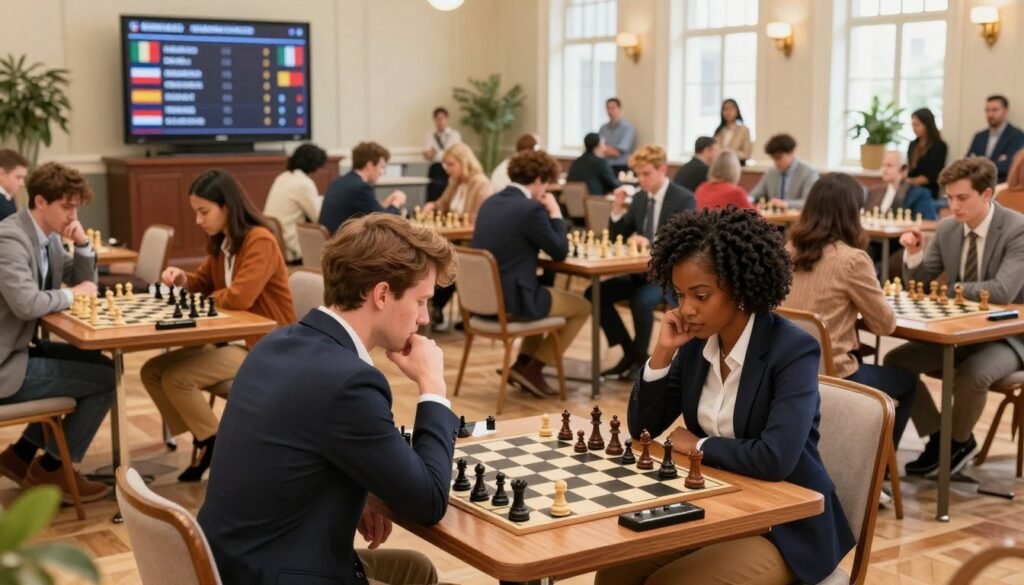
Why team events matter for young players
Olympiads teach responsibility. You cheer for teammates. You learn to bounce back together.
- Trust: prep and share ideas.
- Pressure: play for a match score, not just yourself.
- Growth: teamwork builds confidence fast!
Federation switch and the U.S. chapter
He announced a federation switch to the United States in Feb 2021. The transfer completed in Dec 2021. The move was calm and respectful. It opened new chances to play in major U.S. events.
Saint Louis events and continued fire
Saint Louis is a big hub for chess in the U.S. His regular play at saint louis rapid events and louis rapid blitz shows he still brings elite energy. These appearances keep him close to top American tournaments and fans!
“Team play teaches more than tactics — it builds character and community.”
Want to grow a team spirit at home? Try a Free Trial Class With a Personalized Tutor: Free Trial Class With a Personalized Tutor and track friendly progress on the Debsie Leaderboard: Debsie Leaderboard!
Conclusion
From daring sacrifices to quiet endgame wins, Levon Aronian’s games teach habits you can copy today.
His story mixes creative attacks, steady study, and clutch results. Peak ratings, Tata Steel success at Wijk aan Zee, team medals in european team chess, and the Honoured Master of Sport award show long-term excellence.
Chess growth is more than trophies. It is focus, patience, bravery, and steady practice. Copy this short checklist: review one classic game weekly, do daily tactics, train endgames, and play practice chess tournament games with feedback.
Ready to start? Learn via Debsie Courses: debsie.com/courses/. Track progress on the Debsie Leaderboard: debsie.com/overall-leaderboard/. Try a Free Trial Class With a Personalized Tutor: debsie.com/take-a-free-trial-class/!