What makes a chess player feel like you’re always one move late? That urgent thrill is the mark of a true Fast Attacker. Ian Nepomniachtchi is that kind of force: fast decisions, sharp tactics, and pressure that forces mistakes.
Born in Bryansk, he rose to super-elite status with a peak rating near 2795 and headline results in blitz and Candidates events. He’s a two-time Candidates winner and a recent World Blitz co-champion.
In this guide we’ll trace his story, highlight big tournaments, and show what you can copy from his style. Expect clear, kid-and-parent-friendly tips on spotting tactics faster, staying calm under time pressure, and practicing smarter.
Curious about specific games and moments that prove his threat? Read on — and if your family wants structured practice, explore Learn Via Debsie Courses for tactics and confidence-building!
Key Takeaways
- Speed wins: quick thinking creates practical chances.
- Study openings to surprise opponents and force tough choices.
- Learn simple tactics to spot threats faster in the game.
- Keep calm under time pressure to convert chances.
- Families can build skills with fun, structured practice.
- See match details and tactical saves in the FIDE report: match highlights.
Why Ian Nepomniachtchi Is One of Chess’s Most Dangerous Modern Players
Fast instincts and tactical guts make him one of the toughest opponents in modern chess.
Speed, tactics, and pressure in every time control
Speed is more than moving fast. It means quicker pattern-spotting, sharper calculation, and faster decisions when the clock bites. You feel it in opening choices that force replies. That constant pressure leads to small errors that become big wins.
Tactics matter at every level. One fork or pin can flip a whole game. He hunts those moments and makes them count. If you’ve ever lost because you ran out of time, you’ll understand why his speed feels like a superpower!
Where he stands today: elite rating, peak, and global ranking
Snapshot: FIDE rating 2723 (Feb 2026), peak rating 2795 (Mar 2023). Current rank No. 22, peak No. 2 in Feb 2023. He’s shown elite rapid and blitz strength for years and keeps proving he belongs among the world’s best.
| Metric | Current (Feb 2026) | Peak | Notes |
|---|---|---|---|
| FIDE Rating | 2723 | 2795 (Mar 2023) | Strong across formats |
| World Rank | No. 22 | No. 2 (Feb 2023) | Top-tier competitor |
| Rapid & Blitz | Elite | Top-tier since 2016 | rapid and blitz strength |
Early Life and Junior Dominance: From Bryansk to Beating the Best
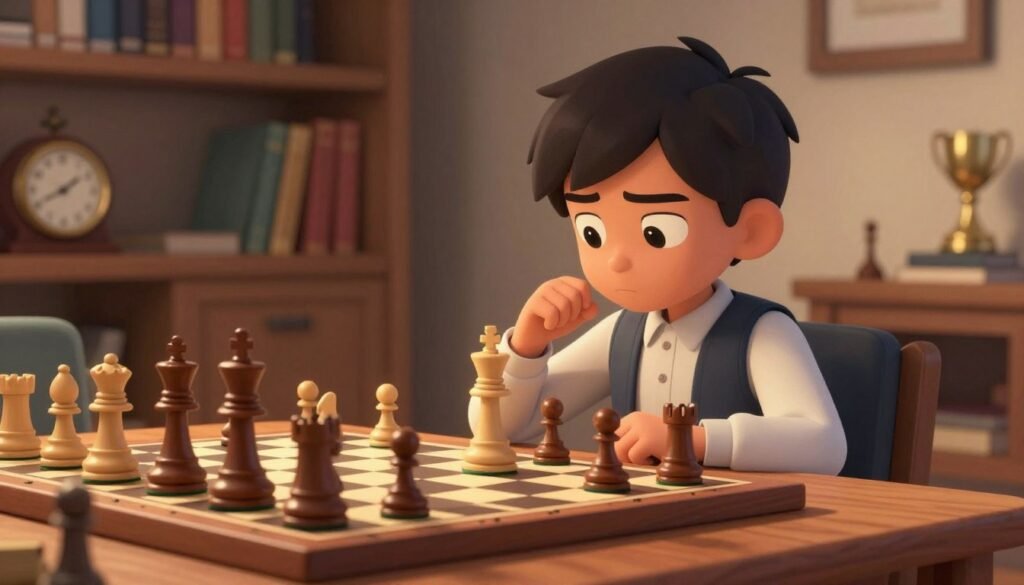
A small boy in Bryansk learned the moves at four and soon turned a hobby into a fierce competitive drive. He practiced with focus and curiosity. That early spark set the stage for rapid growth!
Coaches shaped more than openings. Early mentors—Igor Nepomniashchy and Valentin Evdokimenko—built habits. IM Valery Zilberstein and GM Sergei Yanovsky added tactical polish and tough tournament routines. Good coaching creates habits, not just moves.
The junior record shows real consistency. He won European Youth titles in U10 (2000) and U12 (2001, 2002). In 2002 he claimed the U12 World Youth Championship on tiebreaks, edging magnus carlsen after a tied score. Tiny details decided the place — and those moments teach you how precise play matters!
He earned the grandmaster title in 2007. That step marked a shift from top junior to serious world contender. Early success is exciting, but what counts is steady growth year after year. We can all learn from that steady climb!
Breakthrough Years: European Champion, Russian Champion, and Super-Tournament Credibility
The mid-2010s marked a stretch where tournament wins turned promise into an unstoppable career momentum. He proved it by taking top places in marquee events and by winning long, demanding tournaments.
European title and domestic dominance
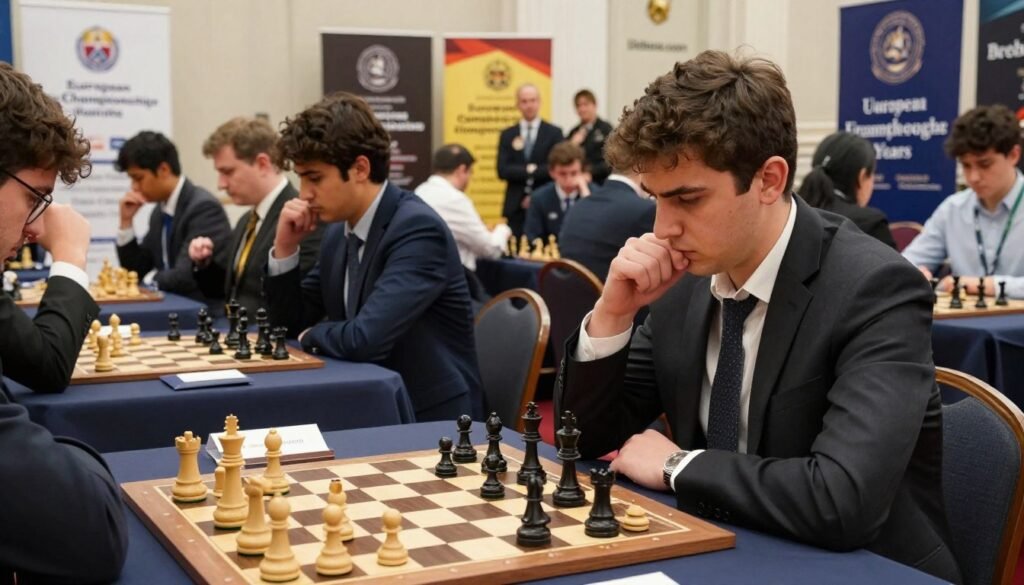
2010 European Individual Champion with 9/11 showed he could dominate a long field. Winning a long score like that proves steady nerve across every round.
That year he also won the russian championship after a playoff vs Sergey Karjakin. Domestic titles are a big stamp of approval!
Aeroflot Open resilience
Wins at the aeroflot open (2008 and 2015, and again listed in 2025) show grit. Big opens are noisy and full of traps. Staying steady there builds tournament resilience.
Sharpening reputation and team achievements
The tal memorial win in 2016 raised his profile for sharp, active play. He also helped Russia win World Team Championships (2013, 2019) and the European Team Championship (2015).
“Some players shine alone—he also makes a team stronger, and that matters in the chess world.”
Want to visit top events and learn from them? See the best chess tournaments in Russia to plan your next place to play and grow!
Candidates Tournament Mastery: How He Earned Back-to-Back Title Shots
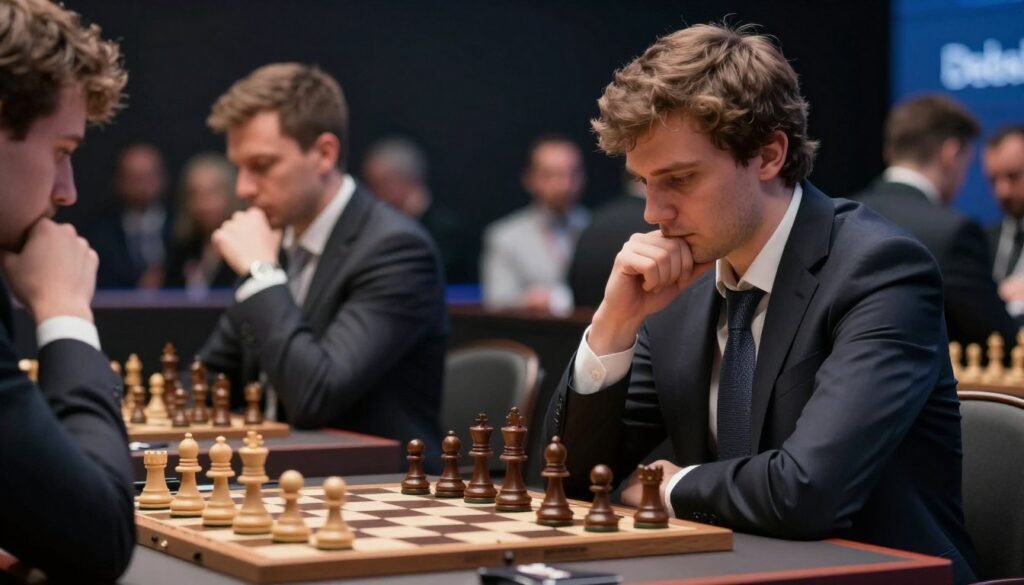
The Candidates stage is chess’s boss level — pressure, points, and very small margins decide who fights for the world title.
What is the Candidates? It’s the tournament that picks the challenger for the world championship match. Think of it as the final boss in a big chess game!
He earned his spot by finishing 2nd overall in the FIDE Grand Prix 2019. In the grand prix every point matters. Tiebreak rules can change who advances, so players chase every half-point.
In april 2021 he wrapped the 2020–2021 Candidates with 8.5/14 and a round to spare. That means he finished so strong that no one could catch him in the last round!
Pressure shows up as long rounds, many games, and tiny mistakes that cost big. Wins are worth more than draws, so momentum matters in every round and every game.
In 2022 he returned and scored 9.5/14, undefeated. That is huge at elite level — staying unbeaten in a full Candidates tournament is very rare and proves deep stamina and form.
“Two straight Candidates wins created two world title shots — rare, intense, and unforgettable.”
- Qualify: Grand Prix points and tiebreaks decide entry.
- Compete: Long rounds and many rounds test focus.
- Win: April 2021 victory with a round spare; 2022 undefeated run sealed another shot.
World Championship Matches: Nepo vs Magnus Carlsen and Ding Liren
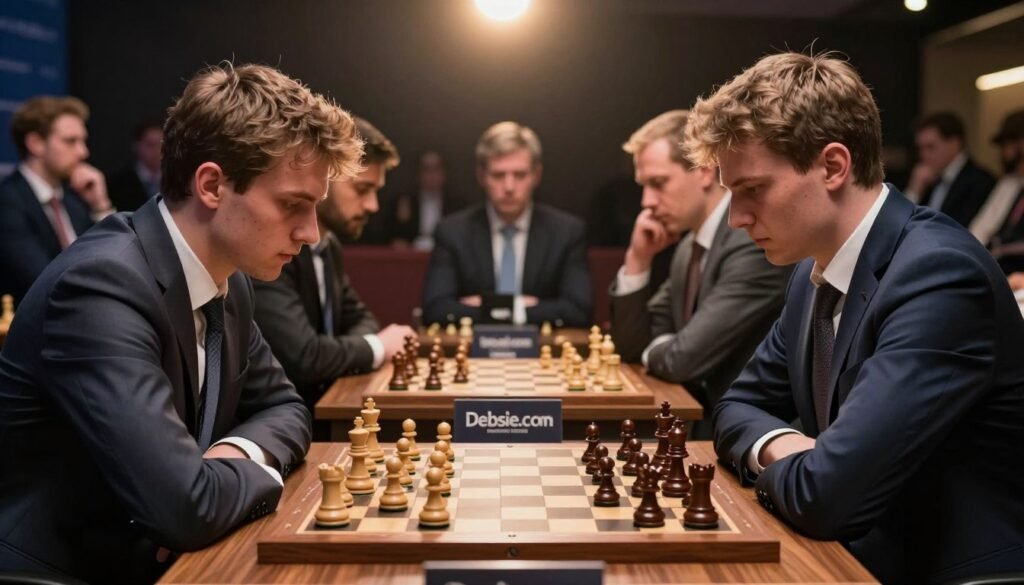
When two top players meet for the crown, the match becomes a study in endurance and emotion.
Why world championship matches feel different: every game is analyzed. Every choice lives in headlines. Nerves matter more than usual! Coaches, seconds, and fans watch each move for lessons and mistakes.
World Chess Championship 2021: the calm start and the marathon game
The 2021 world match began with five straight draws. That quiet opening is normal at this level — both sides probe and avoid risk early.
Then came Game 6: a 136-move marathon, the longest in world championship history. That game tested stamina and focus in a way short events rarely do. After that turning point, momentum shifted and the final score ended 7.5–3.5 for Magnus Carlsen.
World Chess Championship 2023: lead drama and the tiebreak collapse
The 2023 classical match finished 7–7. Lead changes and tight fights made each round nail-biting. Game 12 was a key setback after a held lead. Then rapid tiebreaks moved much faster.
Rapid games speed up emotion. One surprise can flip everything. In the fourth rapid game, the match swung and the final tally became 9.5–8.5 for Ding Liren.
“Long matches teach one thing: chess is about mind, time, and heart.”
| Match | Key Moment | Result | Why it mattered |
|---|---|---|---|
| 2021 world vs Magnus Carlsen | Game 6 — 136 moves | 7.5–3.5 | Stamina shifted momentum |
| 2023 world vs Ding Liren | Game 12 setback | Classical 7–7, final 9.5–8.5 | Tiebreak rapid pressure changed outcome |
| Lessons | Early draws, turning points | N/A | Every game is studied and remembered |
We learned that even without the crown, he pushed the very best to the limit. Want details and match archives? See the full 2023 report on World Chess Championship 2023 and highlights of classic tournaments at Exciting Chess Tournaments!
Ian Nepomniachtchi’s Playing Style: The “Fast Attacker” Blueprint
His play feels like a recipe: quick opens, constant questions, and sudden tactical bites. We can use that recipe when we learn to play faster and smarter!
Openings are simple and sharp. As White he prefers 1.e4 to get open lines and quick development. He will sometimes use 1.c4 (the English) to steer games into different plans. Good prep can surprise even top rivals, so study move orders and ideas!
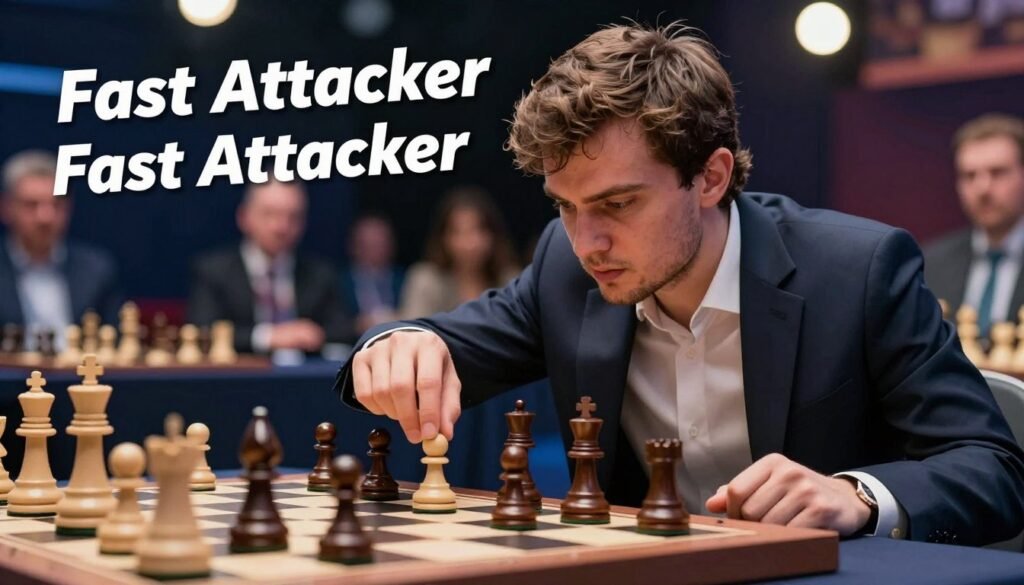
Black choices and match shifts
As Black he often fights with the Sicilian or Grünfeld. In the 2021 match he switched to 1…e5 to change the tone of many games. That change shows how one move can shift the whole match vibe.
Middlegame identity
He chases initiative. That means he asks the questions in the position. Tactics are his fast punches. Use pins, forks, and threats to make your opponent solve hard problems.
Endgames and time pressure
Even when pieces leave the board, he stays practical. Strong endgame technique plus smart play in low time is a hallmark. This resourcefulness often wins crucial World Cup and knockout matches!
Learn from his best games: keep momentum, don’t rush, and convert step by step. For specific opening lessons, check the player profile on player profile and our openings guide for clear, kid-friendly drills.
“Open fast, fight for activity, and make your opponent solve problems!”
Rapid and Blitz Excellence: Why Time Trouble Often Favors Nepo
Fast clocks reveal a different kind of skill — the ability to make sharp calls in a few seconds. Rapid and blitz use the same chess rules, but the clock is faster. Instincts and pattern memory win more than deep calculation!
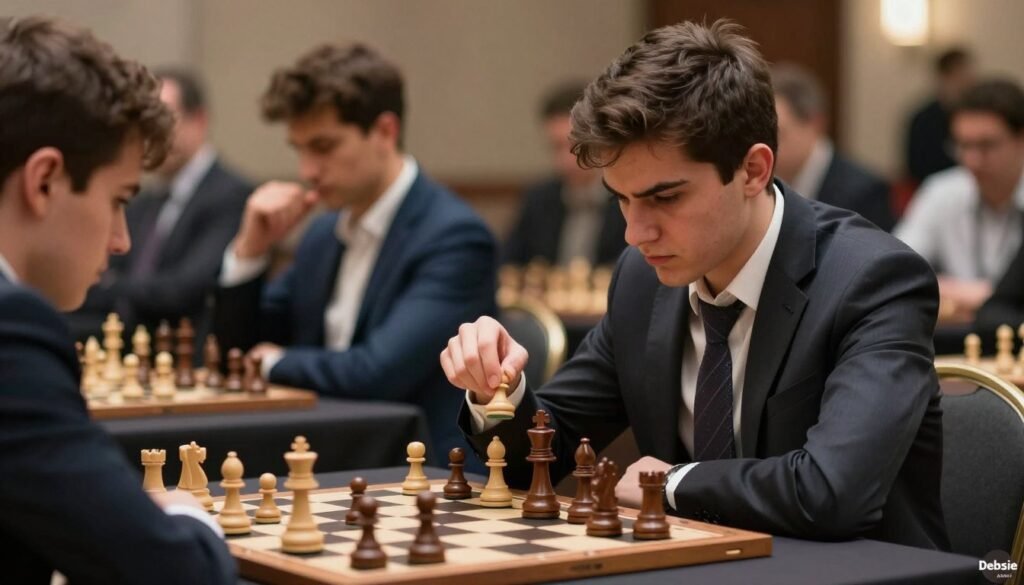
World Rapid near-misses and steady podiums
Consistent medals show the pattern. He has multiple World Rapid medals — three silver and two bronze — and a silver in the 2014 World Blitz. Those near-misses prove he is always in the mix at top events.
2024 World Blitz breakthrough
In 2024 he became co-champion in the world blitz championship after a tied final with Magnus Carlsen. That result was a major place to prove he can win the biggest blitz championship stages.
What blitz teaches about nerves and momentum
Blitz finals are emotional and messy. Streaks swing fast. One winning round can flip confidence. Breathe, play simple moves, and keep attacking when opponents panic!
- Why he shines: quick tactics, bold choices, calm under time pressure.
- Practice tip: train short puzzles and play rapid rounds to build instinct.
Train Like Nepo: Apply His Attacking Ideas With Debsie
Train to spot threats quickly, manage the clock, and keep pressure alive every round. We turn big ideas from elite play into simple, fun habits your child can use at the board.
Build tactical vision and opening confidence
Start with short pattern drills. Learn Via Debsie Courses makes tactics feel like a game. Practice forks, pins, and mating nets. When kids know their first ten moves, they get calm and ready for the real fights!
Get a personalized plan
Take a Free Trial Class With a Personalized Tutor to get a plan that fits your schedule and level. A tutor sets goals, tracks progress, and keeps practice playful. That guide helps across every tournament and event this year!
Stay motivated with measurable goals
Use the Debsie Leaderboard to turn practice into a friendly challenge. See progress by the board, rounds played, and puzzles solved. Goals and small wins build confidence over months and years!
Practice like a mini Candidates tournament
Make a weekly routine: short tactics daily, one opening focus day, and a review day after each round. Practice time controls before an event. Warm up for each round with quick puzzles and a simple plan.
“Small, steady steps add up. You don’t need to train like a world contender to get better.”
Conclusion
A mix of tempo, tactics, and bold play makes him a constant danger in every time control.
Quick summary: From junior titles to top tournaments, two straight candidates tournament wins (april 2021 and 2022) led to world championship matches in 2021 and 2023. He pushed the very best, took the 2024 world blitz co-champion spot, and reached a peak 2795 in Mar 2023.
Practical takeaway: play active, hunt forcing moves, and take initiative when it is safe. One sharp game can change a whole match or world cup run!
Ready to train? Explore Learn Via Debsie Courses (courses), try a Free Trial Class With a Personalized Tutor, and track growth on the Debsie Leaderboard!
For match detail and extra context, read this analysis: match analysis.
Final note: you can’t copy a champion overnight, but you CAN build champion habits one game at a time!