Can a calm, steady plan feel like magic on the board? We’ll explore that idea and show how small moves add up to big wins!
Positional play is about space, piece harmony, and quiet pressure. It often looks simple, but the effects are powerful. Kids can learn it. Parents can help practice it at home!
Community lists name names you’ll know — Carlsen, Anand, Capablanca, Karpov, Ivanchuk — and older masters like Rubinstein, Alekhine, and Botvinnik for study. We’ll explain how top players win without wild sacrifices, while still using tactics at the right moment.
We’ll preview a lineup and give a practical checklist to spot small edges and turn them into wins. Want deeper study? See the 15 Greatest Positional Players feature and our opening basics guide for early game tips!
Key Takeaways
- Small moves matter: steady improvement can decide the game.
- Learn the “slow squeeze” and spot tiny advantages early.
- Top names blend calm plans with sharp tactics at the right time.
- Simple practice helps kids build real board knowledge fast!
- By the end, you’ll have a checklist to turn small edges into wins.
What Positional Chess Really Means in Practical Play
Slow, steady upgrades to your pieces create real pressure over time. This is the heart of positional play.
Positional play vs tactics: Tactics win material or mates quickly. Positional play builds a better setup so tactics become possible later. We teach both. You learn quiet moves that set traps. Then tactics finish the job!
Key targets on the board
Look for lasting weaknesses—isolated pawns, holes, or bad squares. Find strong squares where a knight or bishop can live. Read the pawn structure and choose a plan.
Piece activity matters
A well-placed bishop or rook feels like an extra helper. Improve one piece at a time. One small upgrade can make the opponent’s pieces stuck and unhappy.
The “slow squeeze” plan
Build pressure without forcing lines. Improve moves, keep options, and tighten control. Over time the opponent cracks.
| Target | Why it matters | Simple action |
|---|---|---|
| Weaknesses | Hard to fix once attacked | Double rooks or block the square |
| Squares | Home for active pieces | Place a knight or bishop there |
| Pawn structure | Shows long-term plans | Open files or create levers |
| Piece activity | Controls more space | Improve rank or file |
Why Studying Historical Positional Masters Still Works Today
Studying earlier masters gives you ready-made ideas you can use in real time. Their games teach plans that survive trends. You learn to choose simple, steady moves that win over time.
John Nunn’s quick, reliable answer
John Nunn argued that if a move can be chosen on pure positional grounds, it is often faster and safer than endless tactical calculation. That saves you time and cuts blunders!
Pattern recognition from many games
Play or study hundreds of similar games and patterns stick. You’ll spot recurring pawn shapes, piece posts, and plans from your favorite openings.
“When a move is clear by understanding, you avoid the risk of missing a tactical detail.”
Keep study simple. Pick two or three middlegame structures that come from your openings. Learn the typical plans. Practice them in a few games.
- Focus: repeat structures from your own repertoire.
- Practice: review short model games and key ideas.
- Result: faster decisions and better results under time pressure.
How to Spot a Positional Advantage on the Board
Spotting a small edge starts with two simple questions: whose pieces are better, and who has the easier moves?
Better pieces and quiet upgrades: Improve one piece at a time. A single rook on an open file or a knight on a strong square can change the whole position. Fix a weak pawn or swap a bad bishop for a better one. Small moves add up into real pressure!
Pawn levers and open files
Pawn levers are simple pushes that alter the map. One pawn move can open a file or create a target. Rooks love open files—place them and aim at a pawn that cannot escape.
Restricting the opponent
Prophylaxis means stopping your opponent’s plan before it starts. Limit their squares and reduce counterplay. If they have fewer good moves, your plan grows stronger.
- Ask: who controls key squares?
- Improve the worst piece first.
- Create one clear target (a pawn or weak square).
- Choose a plan, then make quiet moves to tighten pressure.
“Play small moves with a big idea.”
Want drills? Try these ways to get a positional advantage to practice asking the right questions every turn!
Wilhelm Steinitz and the Birth of Modern Positional Play
Wilhelm Steinitz pushed the game forward with one simple idea: small improvements win. He moved focus from flashy attacks to steady, clear plans that build real advantage.
Steinitz taught that you do not need constant tactics to do well. Instead, you collect small edges—safer king placement, healthier pawn structure, or one piece that works better. Each gain makes the whole position stronger.
- Starter of modern strategy: Steinitz shifted world chess toward planning and balance.
- Small edges look like: a secure king, a weak pawn to target, or a knight on a perfect square.
- Plan to endgame: his idea was to steer the play into a winable endgame, not a risky knockout.
We love this message! You don’t need to be a tactics wizard to improve. Learn to pick one thing to fix each turn. Over time those moves add up into a calm, clear win.
Takeaway: build lasting advantages, then convert them with patience and simple technique. Read more about chess players who changed the game to see Steinitz’s ideas in action!
José Raúl Capablanca’s Simple, Efficient Positional Mastery
Watching Capablanca play feels like reading a clear map—every turn narrows the opponent’s options. He prized easy-to-understand plans. Kids and parents love that approach!
Why Capablanca was called the “Chess Machine”
His moves were precise and repeatable. He found the quick, right idea more often than not. That reliability earned the nickname.
Converting small advantages with clean piece placement
Capablanca improved one piece at a time. He traded when it helped and kept tension when it did not. This is smart simplifying, not panic swapping.
Endgame clarity: technique over flash
Endgame skill was his secret weapon. He activated the king, fixed a weakness, and won with calm technique.
“Simplicity is lethal when it is correct.”
| Focus | Action | Result |
|---|---|---|
| Improve a piece | Find a better square | More control |
| Activate king | Use in endgame | Convert pawn advantage |
| Simplify right | Trade into favorable endgame | Clear path to win |
Try this: after each move ask: does this help a piece or the king? Do it often and your game will feel cleaner!
Anatoly Karpov’s Prophylactic Aura and Relentless Pressure
Karpov makes the board feel smaller for his opponent. He removes options before trouble appears!
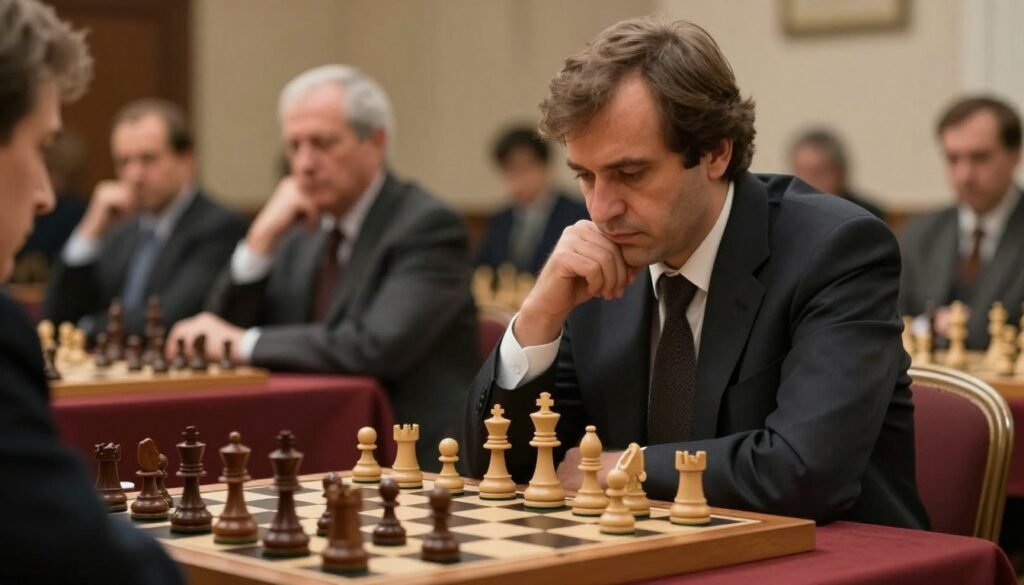
Prophylaxis in action: Karpov stops plans. He watches weak squares and slow targets. Then he locks them down. This keeps long-term control and turns tiny chances into real gains.
Exploiting weaknesses and maintaining long-term control
He finds small flaws—back-rank holes, weak pawns, bad squares—and focuses play there. One correct idea forces the opponent to defend forever.
Grinding wins: how he squeezes without allowing tactics
Karpov grinds. No rush. He tightens the screw with calm moves. He avoids sharp tactical fights until the target crumbles.
Endgame excellence as the final step of domination
When the middle game narrows, Karpov shines in the endgame. He turns a tiny plus into a full point by activating king and pieces and trading into winning positions.
“Restrict counterplay first, then win the target you created.”
Copyable rule: stop your opponent’s counterplay, fix a weakness, and convert patiently. Try this in your next game and watch small moves become big results!
Akiba Rubinstein’s Pawn Structure and Endgame Blueprint
Few masters teach tidy pawn work like Akiba Rubinstein! His approach shows how small, safe choices lead to wins from quiet positions.
Why Rubinstein’s games teach “healthy pawns”
Rubinstein kept each pawn safe and connected. That made fewer targets for the opponent.
Healthy pawns give your pieces better squares. They force the other side to defend, not attack.
From equal positions into winning endgames
Simple blueprint: fix a weakness with a pawn, improve a piece, then steer the play to an endgame you like.
One classic trick: use a bishop and pawns to squeeze on one flank. When the rival is stuck, switch play to the other side and win space.
- Copy Rubinstein’s pawn moves in slow games.
- Focus on steady piece improvement and a clear plan.
- Practice ending play until converting small edges brings real results!
“Small, safe pawn moves make big endgame wins possible.”
Mikhail Botvinnik’s Scientific Approach to Plans and Structures
Botvinnik treated each game like a lab. He picked one clear idea and tested it with patience. That steady method made his plans reliable and repeatable!
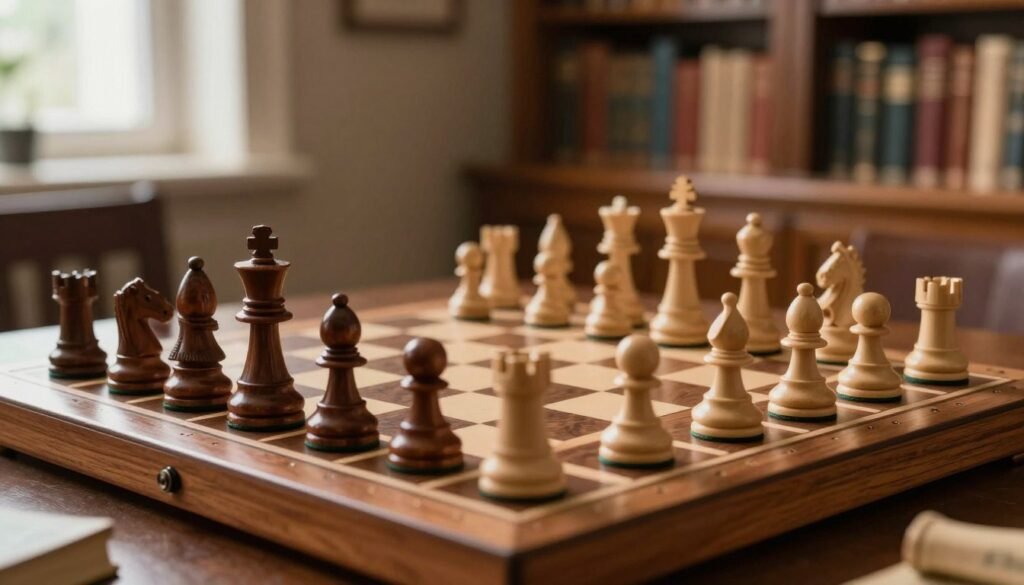
Building a position around a long-term idea
Start with a single idea. Make small, purposeful moves that support it. Over time the position tilts toward your goal.
Opening-to-middlegame continuity: making openings serve the plan
Choose openings that lead to pawn shapes you can handle. Learn the usual plans for those structures. Then your opening moves stop being random.
- Pick one opening that gives familiar positions.
- Learn common structures so you know where pieces belong.
- Practice slowly—master one structure at a time.
“Don’t memorize moves—learn why the position wants them.”
Takeaway: use Botvinnik’s lab-like habit. Pick a plan, link your openings to it, and grow your understanding over time. Your chess will feel smarter and calmer!
Alexander Alekhine’s Positional Foundations Behind the Attack
Alekhine often built a quiet edge before the fireworks, making his attacks feel inevitable.
His secret: the sharp finish grew from a stronger position. Space, weak squares, and better pieces came first. Then tactics hit hard.
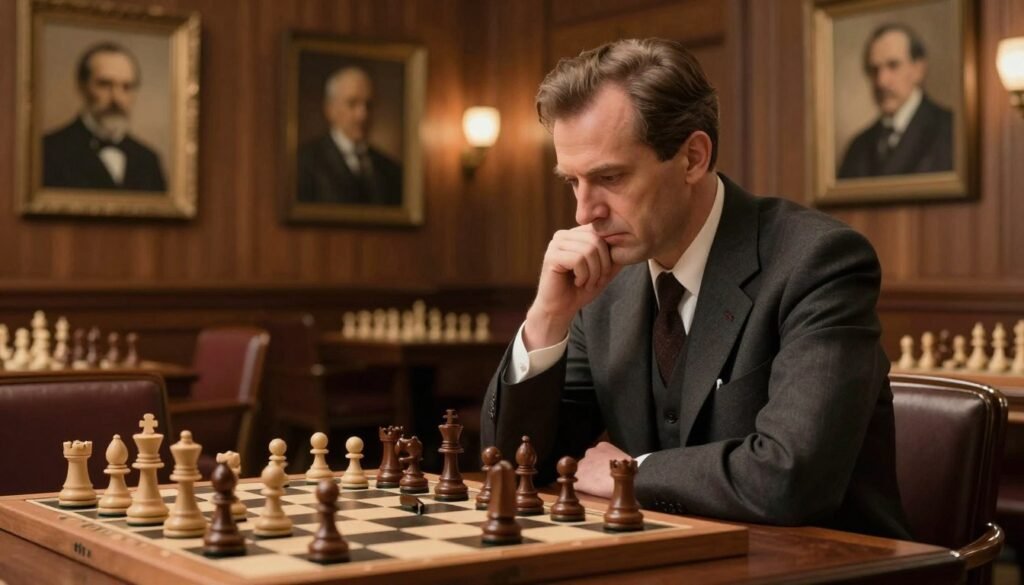
How positional advantages create tactical blowouts
Gain space. Improve the worst piece. Fix a weak square. These small wins shrink the opponent’s options.
Once the rival has fewer moves, tactics appear naturally. The attack becomes safe. It wins more often because the setup was sound.
Activating pieces before launching an attack
Activate pieces first. Put rooks on open files. Line up queen and bishop on a target. Then push one sharp move.
This habit reduces surprises. Your moves back each other. The opponent must defend more things at once.
- Rule: Improve one piece every turn.
- Tip: Wait until rooks and queen support the plan.
- Kid-friendly: Think of it as calling helpers before you start!
Easy example: when your bishop and queen line up on a weak square and rooks sit on open files, simple tactics decide the game. Try this idea in practice games and notice how attacks feel safer.
Want a deeper read on his style? Check this short study on Alekhine’s playing strength and style to see classic examples and model games.
| Positional element | Action | Why it helps |
|---|---|---|
| Space | Advance pawns, occupy ranks | Limits opponent movement |
| Piece activity | Place rooks on files, activate minor pieces | Supports tactics and threats |
| Weak squares | Target with queen/bishop | Creates decisive combinations |
Magnus Carlsen’s Modern “Squeeze” in Equal Positions
Carlsen’s habit: keep options open, nudge a bad piece, and wait for a tiny slip. He treats even even-looking positions as opportunities to improve.
Why this still matters today: engines help with tactics, but human play rewards steady plans. Good moves add up. Small edges become targets!
Why modern play still rewards elite understanding
Top players who read positions well force rivals into hard choices. Carlsen uses subtle pressure and piece improvement instead of wild risks.
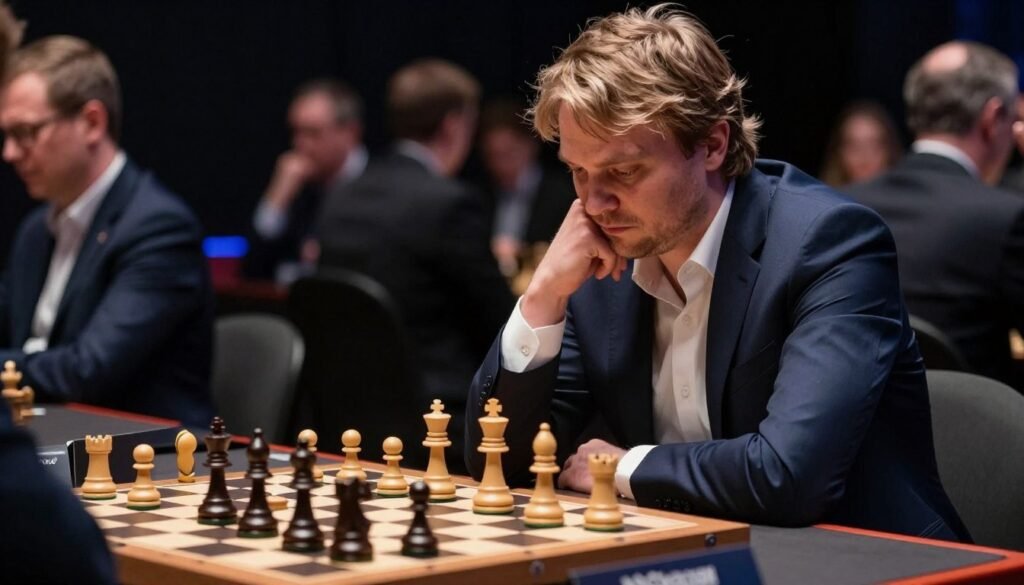
Outplaying opponents with tiny improvements and endgame pressure
He finds one better square, one safer king, or one active rook. Each move narrows options for the other side.
Endgame pressure becomes a superpower. Equal endgames can tilt when one player makes fewer small errors.
“Play one more good move.” — a practical motto to copy!
- Keep tension, avoid unnecessary trades.
- Improve the worst piece each turn.
- Practice longer games to hunt for “one more good move.”
| Element | Carlsen’s action | Why it helps |
|---|---|---|
| King activity | Centralize in endgames | Converts small advantages |
| Rook placement | Occupy open files | Creates targets and pressure |
| Small pawn pushes | Create weaknesses | Force opponent to defend |
Want a short study? Read a quick profile of him here: Carlsen the Great. Try copying his patience in your next slow game. We promise it helps you grow!
Viswanathan Anand’s Active Positional Style and Practical Decision-Making
Viswanathan Anand blends quick judgment with calm planning to keep pieces active and opponents guessing. His style shows that positional play can be lively and direct!
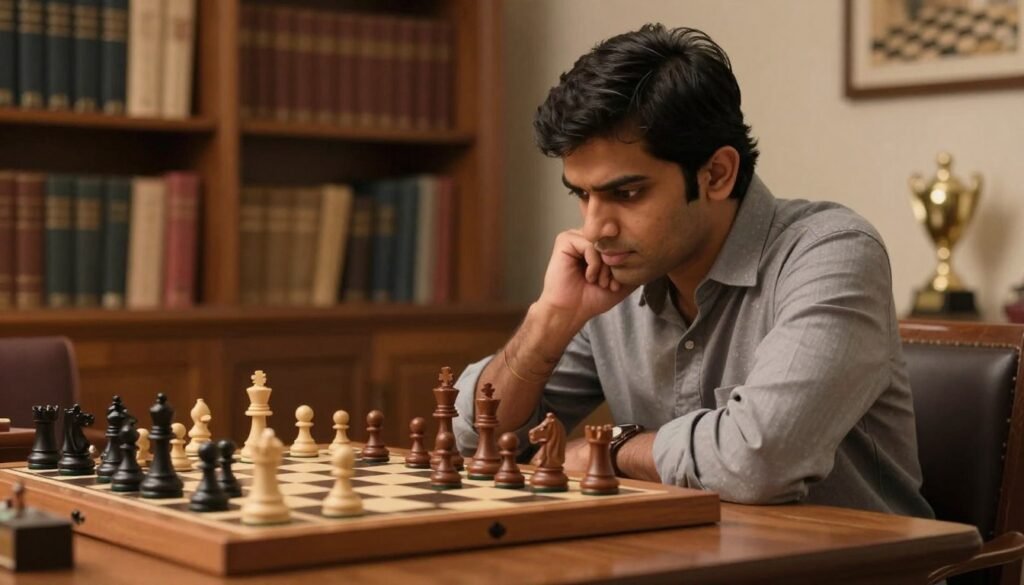
Choosing activity: when calm means keeping things moving
Pick moves that give your pieces useful squares. Make your rival respond. That keeps momentum and cuts risky complications.
Openings matter. Anand often steers into lines where activity pays off. The middlegame then feels natural and dynamic.
- If two moves look okay, pick the one that improves your worst piece and keeps options!
- Use short calculation when time is low. Trust active positional moves as the quick answer.
- Teach kids to favor activity over fancy tactics they can’t see yet!
| Goal | Action | Effect |
|---|---|---|
| Piece activity | Place on strong squares | Opponent must react |
| Practical timing | Choose simple good moves under time pressure | Fewer blunders, steady gains |
| Opening choice | Select lines that favor activity | Comfortable middlegames |
“Make the active move — it often is the right one.”
Quick takeaway: activity is a real positional advantage you can feel right away. Want more context on historic figures who shaped this approach? See a list of the most important players in chess history to explore influences and ideas!
Vasyl Ivanchuk’s Flexible Positional Ideas and Creative Problem-Solving
Vasyl Ivanchuk brings curiosity to every position! He treats strange setups as puzzles to explore. That makes him a model for flexible thinking.
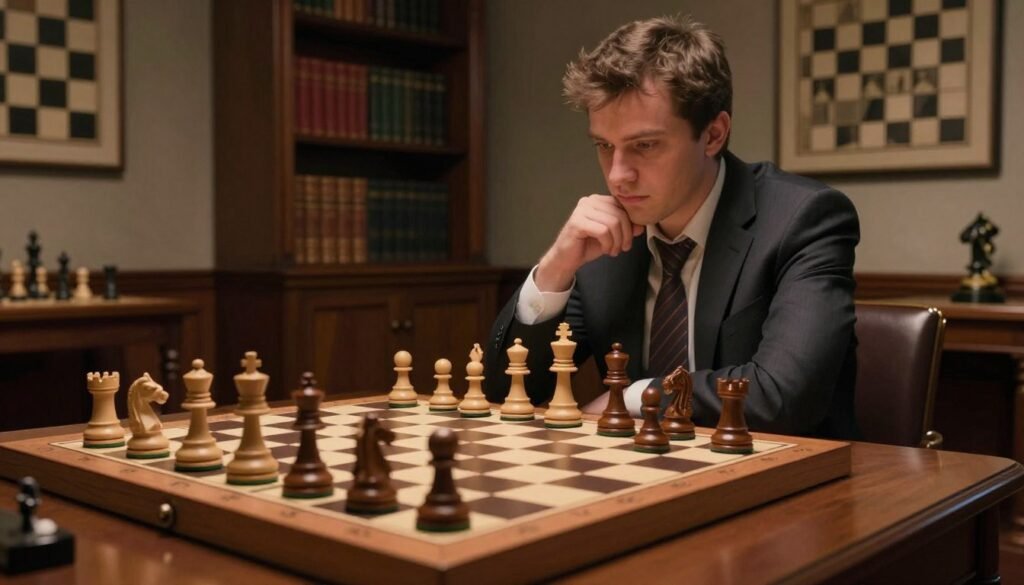
Adapting plans when the “best move” isn’t obvious
When a clear move is missing, Ivanchuk tests ideas rather than forcing one plan. He swaps directions fast. That keeps the board playable and confusing for the rival.
Learning to play positions, not just openings
Openings give shapes, but Ivanchuk shows how to play the middle game that follows. Learn to judge piece activity, pawn breaks, and king safety. These help you pick the right idea for the moment.
Simple exercise: Pause. Name two or three candidate plans. Pick the plan that improves your worst piece and limits counterplay. Repeat this in practice games!
“Flexibility wins when rules fail.”
| Focus | Ivanchuk’s way | What you copy |
|---|---|---|
| Unclear positions | Explore ideas | Test safe moves |
| Blocked plan | Switch direction | Stay calm, adapt |
| Playing over memorizing | Understand the setup | Play positions, not just openings |
best positional chess players and What You Can Copy From Each Style
Turn classic styles into simple rules you can use in your next slow game. We made a short, copy-this cheat sheet so kids and parents can practice habits one at a time!
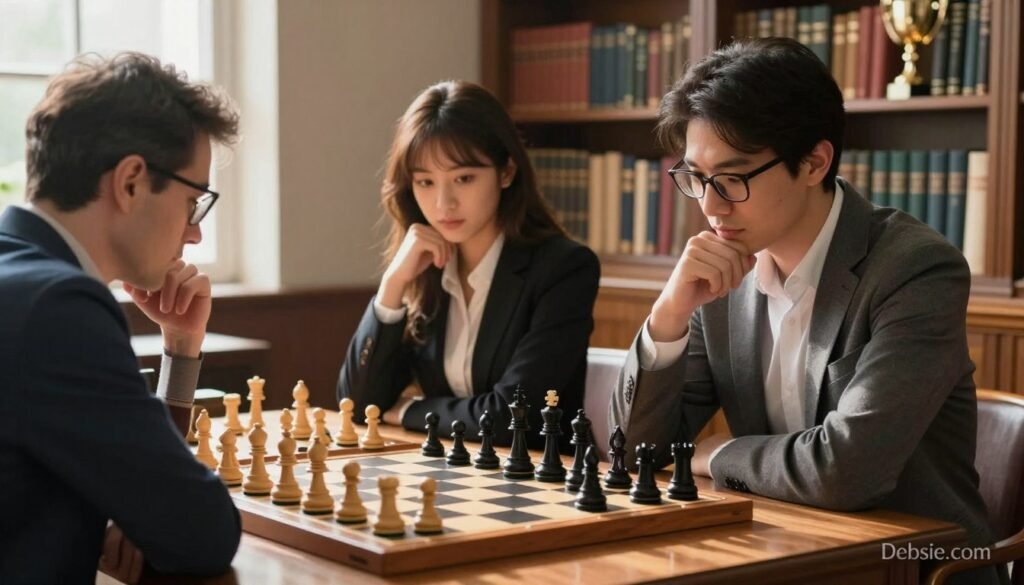
Steinitz: improve the worst-placed piece
Habit: Find your weakest piece and fix it, even if the move feels quiet.
This one small change often reduces opponent options and creates fresh targets. Try it for three moves in a row and note the results!
Capablanca: simplify into favorable endgames
Habit: Trade pieces only when the endgame favors you.
Clean piece placement and calm trades make technical conversion easier. Teach kids to ask: “Does this trade help my king or pawns?”
Karpov: restrict counterplay and target weaknesses
Habit: Stop your rival’s best idea first, then attack a weakness that cannot be fixed.
Limit squares. Force passive defense. Small pressure becomes a lasting advantage and clearer plans for the win.
Carlsen: keep tension and win “equal” games
Habit: Keep options open, nudge pieces, and hunt for one more better move.
Patience wins! Quiet improvements often turn equal positions into full points. Parents: help kids mark the one habit they practiced after each game.
“Pick one habit, practice it, and watch tiny gains turn into real results.”
| Master | Copy-this habit | Quick result |
|---|---|---|
| Steinitz | Improve worst piece | Fewer counterplays, cleaner plan |
| Capablanca | Simplify into good endgames | Easier technical conversion |
| Karpov | Restrict then target weaknesses | Long-term pressure |
| Carlsen | Keep tension; one more good move | Outplay in equal positions |
Learn Positional Chess Faster With Debsie: Courses, Competition, and a Free Trial
Ready to turn steady ideas into real results? Debsie makes learning clear and fun for kids and parents. We blend short lessons, friendly competition, and one-on-one coaching so progress feels natural and exciting!
Learn Via Debsie Courses for positional play, pawn structures, and endgames
Start with guided courses: follow step-by-step units that focus on positional play, pawn structure basics, and endgame technique. Lessons are bite-sized and full of practice tasks to help you learn quickly.
Track progress on the Debsie Overall Leaderboard
Keep kids motivated by watching their progress climb! The Debsie Overall Leaderboard shows growth, rewards effort, and adds friendly competition to practice. Seeing progress builds confidence and habit.
Track progress on the Debsie Overall Leaderboard
Take a Free Trial Class With a Personalized Tutor to build your plan
Try a Free Trial Class to meet a tutor who tailors a clear plan for your child. Tutors pick openings that lead to middlegame positions your kid will like and then train the pawn ideas and endgame steps that follow.
Take a Free Trial Class With a Personalized Tutor
Training focus: openings that lead to your preferred middlegame positions
Choose openings that shape familiar positions. That makes plans easier to spot during real games. Debsie helps you match openings to the pawn structure and endgame types you want to master.
Start today! Explore courses, join competition, and claim a trial class to build a plan that grows skill and joy. Learn more about our courses here: Debsie Courses. For local coaching options, see our quick guide to academies near Washington Park.
Conclusion
A calm plan and steady piece upgrades make complicated positions simple to play. Positional play is the art of improving your setup until good moves feel obvious and the opponent runs out of options.
Top masters blend strategy with quick tactics. The “slow squeeze” often prepares the final attack that wins the game.
Study one sentence summaries: Steinitz — improve the worst piece; Capablanca — simplify and convert (see Capablanca’s example); Karpov — restrict then target; Carlsen — hunt one more good move.
Next step: pick one player’s style, review one example game, and try one new habit this week. You don’t need perfect calculation. Steady understanding and simple habits win more often!
Keep exploring chess with curiosity and a calm, confident way of thinking today!