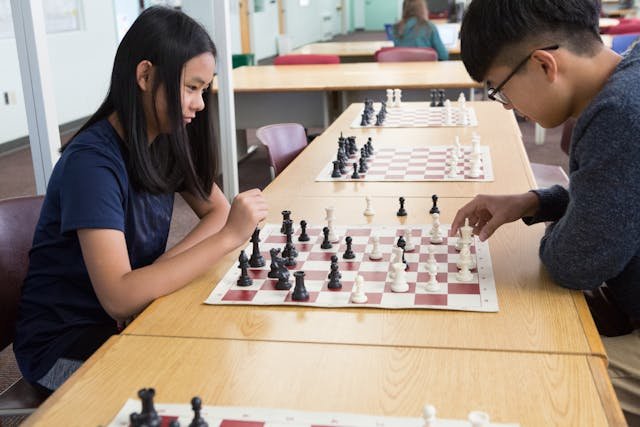
Who will surprise us next on the world stage? This question sparks curiosity and gets kids and parents excited to follow rising talent!
Welcome! We made this quick, friendly snapshot for families who love the game and want a clear, trustworthy look at young players who are climbing fast.
We use official FIDE-style rating lists, including the monthly “Top 100 Girls” where eligibility means being under 21 for the full year. That keeps things fair across countries and schedules.
In this article we preview the February 2026 standings. We’ll spotlight the biggest names and call out fast climbers to watch. You’ll also find tips for parents on what matters beyond trophies: steady rating growth, strong results in different time controls, and consistency across events.
Quick note: Families can keep learning and growing with Debsie’s tools as they follow these exciting players. And kids—progress beats a rank today. Keep playing, learn, and grow!
Key Takeaways
- We use FIDE-style ratings and the Top 100 Girls list for fairness.
- February 2026 standings guide our highlights and fast-rising names.
- Look for steady rating growth and consistency across time controls.
- Debsie offers learning tools families can use while following progress.
- Following the young field is fun and useful for future talent spotting.
- Explore the history and winners for context at the World Junior page: World Junior Championship.
Best junior girls chess rankings to know in February 2026
We follow monthly FIDE lists so families can watch steady progress without overreacting to one event.
How FIDE defines “girls” and updates monthly
FIDE definition: “Girls” are female players who will remain under the age of 21 years for the duration of the current calendar year.
Why Elo ratings matter when comparing juniors across the world
Ratings are a score that rises when you beat stronger foes and can fall after losses. That makes them a fair way to compare players who compete in different countries.
What “Top 100” lists reveal beyond one tournament
Top 100 lists highlight steady strength and trends. They show who performs well across time, not just one lucky weekend.
- Focus on rating trends over months.
- Check opponent strength and event frequency.
- Look for consistent results across time controls.
| List | Frequency | Age Rule | What it shows |
|---|---|---|---|
| Top 100 Girls | Monthly | Under 21 for year | Consistent junior strength |
| Top 100 Juniors | Monthly | Under 21 for year | Broad youth rankings |
| Top 100 Players | Monthly | All ages | Global comparison |
For the official snapshot, see the February 2026 FIDE ratings. Keep calm, track trends, and enjoy watching kids grow!
Top junior girls to watch based on FIDE Top Girls ratings
Meet the leading names on the February 2026 Top 100 ranking — quick, exciting profiles ahead!
Lu Miaoyi — 2438
The pace-setter! Leading this list shows steady results versus strong opponents. A true reference point for the field.
Anna Shukhman — 2431
Right behind Lu. The tiny gap makes a fun race at the top. Watch monthly swings!
Afruza Khamdamova — 2403
She crossed 2400. That milestone often brings confidence and more chances to score big.
Alice Lee — 2399
A top U.S. contender. Families in the States will enjoy following her games closely.
Eline Roebers — 2398
A strong European anchor. Shows how global the top 100 field has become.

Watch list and depth
- Rising Top 20: Amina Kairbekova (2379), Zsóka Gaál (2377), Alua Nurman (2363).
- February 2026 standouts: Rachael Li (2358), Savitha Shri Baskar (2356), Zoey Tang (2356).
- International depth: Melika Mohammadi (2342), Rose Atwell (2337), Umida Omonova (2334).
- U.S. fans to know: Machteld van Foreest (2320) and other fast climbers who can jump up with strong events.
| Rank Range | Example Players | Why watch |
|---|---|---|
| 1–5 | Lu Miaoyi, Anna Shukhman, Afruza Khamdamova | Top players with consistent results and high opponent strength |
| 6–10 | Amina Kairbekova, Zsóka Gaál, Alua Nurman | Rising talents breaking into the top 20 |
| 11–20 | Rachael Li, Savitha Shri Baskar, Zoey Tang | Deep field with broad international representation |
For the official snapshot, check the full February 2026 FIDE ratings and enjoy following these player journeys!
How to follow top 100 junior girls across classical, rapid, and blitz
Trend-watching across formats helps families spot steady improvement and real all-round talent.
Compare formats. Check the classical, rapid, and blitz lists side-by-side. Classical shows deep planning. Rapid blitz reveals fast decision skill.
Make a simple routine. Note the “Last updated” date. Track who rises over three months. Watch for players strong in more than one list.
Using Classical vs rapid blitz results to spot well-rounded top players
- Classical strength = long-term planning and endurance.
- Rapid blitz strength = quick thinking and pattern recall.
- Players who score well in both are often the most adaptable.
What rating thresholds signal “next-level” junior strength
2400 is a clear next-level signal. Smaller jumps like +20 or +50 over a few months also matter. Celebrate steady gains!
Anastasia Bodnaruk: national youth titles, World Junior podium, and later 2023 FIDE Women’s World Rapid Champion—proof that junior wins can lead to major world success.
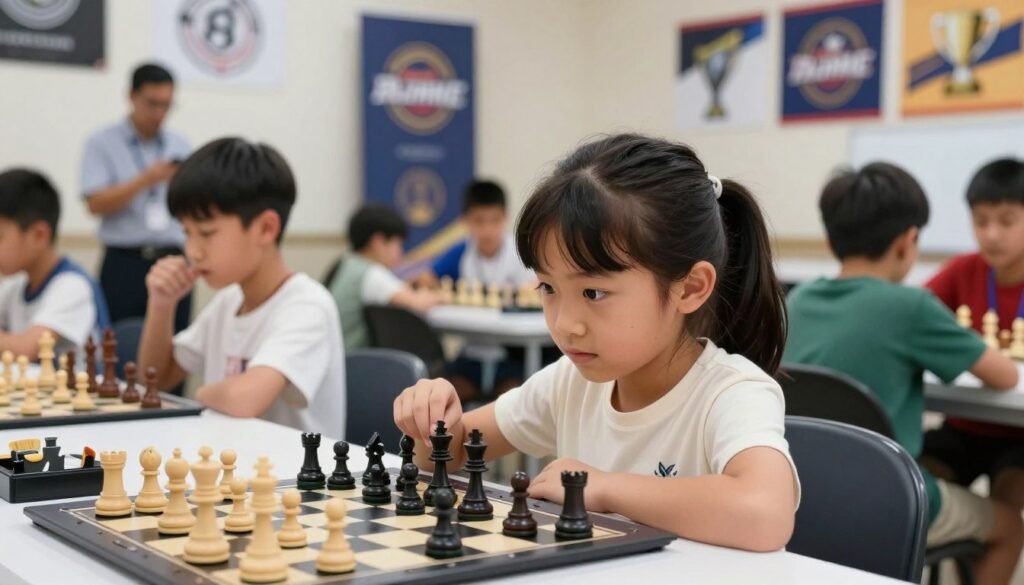
| List by Time Control | What it shows | Last updated | Where to view |
|---|---|---|---|
| Classical | Long-term strength and preparation | Monthly | Top 100 juniors |
| Rapid | Speed plus accuracy under time pressure | Monthly | Regional lists & tracking |
| Blitz | Raw quick-thinking and tactics | Monthly | Local academy highlights |
Train like a contender! Use Learn Via Debsie Courses for stepwise skill building. Track progress on the Debsie Leaderboard. Ready to start? Take a Free Trial Class With a Personalized Tutor and get a plan that fits your child!
Conclusion
Conclusion
February 2026 is a snapshot—ratings change each month, and that pace makes following young players fun.
FIDE updates come monthly and the “girls” list uses the U21 rule for the calendar year. The February 2026 Top 20 features names like Lu Miaoyi, Alice Lee, and Machteld van Foreest (2320). Use the list to spot trends, not to judge a kid forever.
Pick 2–3 favorites to follow (try a U.S. player, an international star, and a fast climber). Make it a monthly family habit: watch games, cheer progress, and celebrate learning!
Choose your Debsie adventure! Explore Learn Via Courses, track goals on the Debsie Leaderboard, or book a Free Trial Class With a Personalized Tutor to get a simple plan your child can stick with. For local tutor and community info, see our guide in The Hague: top tutors and classes!