Who stays steady at the very top when the lights are brightest? This is our quick, right-now look at who holds weight on the rating list.
We use FIDE ratings as the reality check. Magnus Carlsen sits at 2840 Elo and has been world number one since July 2011. That kind of uptime matters!
By “consistent” we mean fewer rating dips, fewer bad tournaments, and steady results against the toughest opponents. No single viral win. Real, repeatable strength.
Expect names you already know: Magnus Carlsen, Firouzja, Giri, MVL, Duda, and Rapport. We’ll explain why each makes this short list.
Parents and kids: you’ll get simple explanations, practical takeaways, and easy next steps to study great games without feeling lost. No drama—just public ratings and solid results as our backbone.
If you want a role model for calm choices under pressure, you’re in the right place! Watch, learn, and turn those lessons into your own growth.
Key Takeaways
- FIDE ratings are the main measure of current strength.
- Consistency = steady ratings and few poor events.
- Six top names to watch and learn from.
- Simple, practical study tips for kids and parents.
- Informational focus—no drama, just results and ratings.
What “Most Consistent” Means in Chess Right Now
Consistency shows up as steady results over months, not just a string of flashy wins. It’s about repeatable choices that lead to points, calm decision-making, and fewer collapses when things get tough!
Why consistency is more than a hot streak
A “hot streak” is a short run of great games. Kids can have one after a lucky sequence. It feels fun but it often fades fast.
Consistency is different. It means similar scores across many events and years. Players who stay steady handle travel, fatigue, and scary opponents without big slumps.
How Elo ratings reflect performance over time
Elo gives you a numeric rating based on results versus rated opponents. You gain points when you beat stronger foes and lose points when you slip. A stable rating usually means strong habits and good prep.
Consistency across classical, rapid, and blitz
Modern play includes classical, rapid, and blitz time controls. The most reliable stars score well in all formats — they don’t fall apart when the clock gets fast.
- Mini-checklist: Stayed near the top for long stretches?
- Showed up in big events?
- Scored across multiple formats?
| Factor | What to look for | Why it matters |
|---|---|---|
| Long-term score | Similar finishes over years | Signals stable preparation |
| Multi-format strength | Good in classical, rapid, blitz | Shows adaptable play under time pressure |
| Low volatility | Few big rating swings | Means calm choices and solid habits |
How We Selected This List Using Ratings and Results
Our selection starts with current form: who is actually winning points now. We lean on clear, public data and simple judgment.
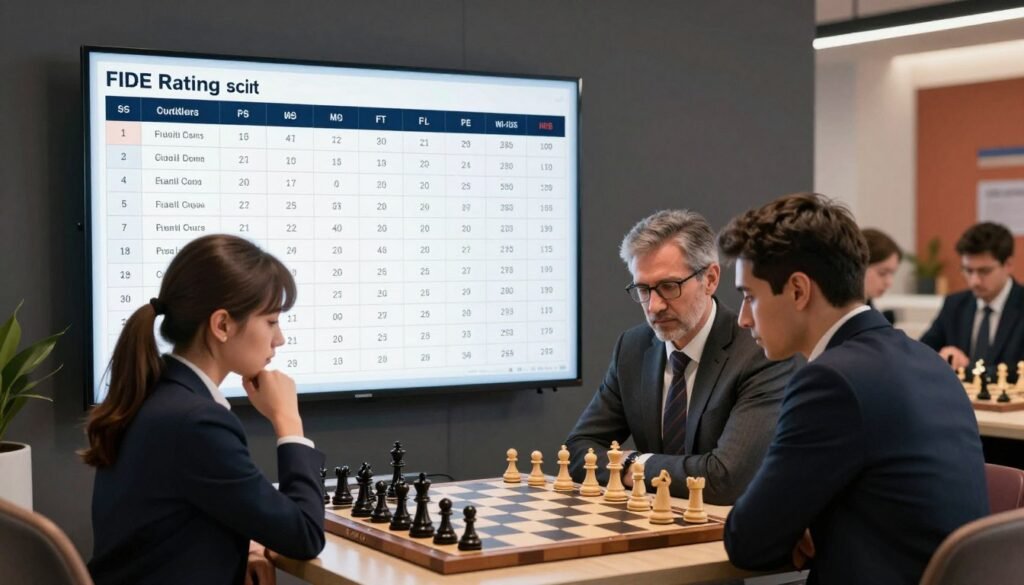
FIDE rating lists are our reality check. They show who performs over real events and real time controls. For context and progress, see the official list here.
Then we add the old-school greatness filters. World championship pressure, long runs at the top, innovation and lasting influence on how people train—all these still matter.
“Ratings tell us form. Big events tell us nerves. Both matter!”
What we look for
- Recent, repeat results in major tournaments, not just one viral score.
- Evidence of longevity or long-term dominance under pressure.
- Players who changed opening theory or how others prepare.
- Titles count, but we weight performance in tough events higher.
Players can shine by being wildly creative or rock-solid. Both paths lead to consistency.
No gatekeeping here! This is a roadmap you can follow as a fan or a learner. Watch results, study repeat patterns, and measure growth over time!
Where Europe Stands in the Modern Chess World
Europe still hosts a deep pool of elite talent that shapes the global scene. Federations, clubs, and youth events keep feeding strong contenders into big events. We see many of the most consistent names come from European systems.
Preparation has changed. Engines and vast databases mean you can’t sneak past opponents anymore. That makes steady form a true SUPERPOWER! Players now must earn points the hard way.
World championship cycles and match pressure also shape reputations. A single match can define a career. But ratings tell us who is sharp right now in the wider field.
For US kids and weekend competitors: this is the same idea. Tough opposition forces better habits. Play stronger opponents and you learn faster!
- Big picture: Europe still supplies many top contenders.
- Harder than ever: tech and data shrink easy wins.
- Pressure matters: championship cycles and match events shape legacies.
- Talent pipeline: clubs, coaches, and youth tournaments keep the flow steady.
| Area | Why it matters | Effect on form |
|---|---|---|
| Training infrastructure | Strong federations and clubs | Creates steady, well-coached newcomers |
| Technology | Engines and databases | Raises baseline preparation for all |
| Event pressure | Matches and championship cycles | Separates momentary stars from long-term contenders |
| Competition depth | Larger player pool | Favors consistency over luck |
Next up: we’ll name names and explain what makes each reliably dangerous. Stay tuned!
best European chess players Leading the Pack in 2026 Form
Meet the group of elite talents who, month after month, keep piling up points at major tournaments! Below is a quick roster and a one-line hook for each.
- Magnus Carlsen — 2840 (Norway): endgame squeeze master who grinds wins out of tiny edges.
- Alireza Firouzja — 2759 (France): fearless, modern attacker who forces complications fast.
- Anish Giri — 2760 (Netherlands): low-error defender with ultra-solid preparation.
- Maxime Vachier-Lagrave — 2720 (France): opening prep machine who punishes tiny inaccuracies.
- Jan-Krzysztof Duda — 2739 (Poland): big-game killer who raises his level versus elite opponents.
- Richard Rapport — 2738 (Hungary): creative chaos wrapped in practical control.
Quick reality check: those Elo numbers show these grandmasters are truly top-tier right now. Leading the pack doesn’t mean perfect records.
It means they recover fast, keep scoring, and stay dangerous in long events. Each named chess player is also a study template. Copy their habits before copying openings.
Don’t worry if you haven’t seen their best games yet — we’ll show you how to study them in the next sections! For a short guide to following these names in upcoming events, see top picks to watch.
Magnus Carlsen’s Consistency Blueprint
When the board looks even, magnus carlsen finds a way to make it matter and turn it into a full point.
Long-term dominance at the top of rating lists
Long-term dominance at the top of rating lists
Carlsen has been #1 on FIDE for years and is a five-time world champion.
That steady presence on the lists shows reliability. It proves consistency, not luck!
Why his endgame conversion is a repeatable skill
Why his endgame conversion is a repeatable skill
He wins equal or near-equal positions by asking tiny, annoying questions every move.
Think patient piece improvement. Small probes. Opponent slips. Win converts slowly.
What US readers can steal from his practical decision-making
What US players can steal from his practical decision-making
If you play in the united states, copy his safe-pressure habit! Improve pieces. Trade into better endings.
Manage your clock. Pick simple lines when unsure. Keep options open and avoid flashy risks.
“Treat each game like a problem to solve, not a moment to panic.”
Parent tip: kids learn patience here. Winning can be quiet and steady.
| Trait | What to do | Why it works |
|---|---|---|
| Calm pressure | Improve pieces slowly | Creates small weaknesses to exploit |
| Endgame focus | Practice simple king-and-pawn play | Converts tiny edges into wins |
| Practical choices | Choose easy-to-play lines | Reduces blunders under time stress |
The New European Core: Youth, Rating Momentum, and Big-Tournament Nerves
A new core of young contenders mixes daring calculation with modern prep and tournament grit. We see bold styles and steady nerves side by side!
Alireza Firouzja’s fearless, modern attacking approach
Firouzja (2759) plays fast and sharp. He attacks with confidence and backs it with deep calculation. That blend makes him dangerous in open, tactical positions.
Vincent Keymer’s rise and what it signals for Europe
Keymer (2776) shows that the pipeline works. His rating jump says youth can reach top ranks quickly. Hungry energy meets strong preparation.
Why age and experience both matter at elite level
Young players bring speed and creative risk. Older pros add calm and smarter choices. Both traits win in big events.
“Play brave, practice habits, and learn from every game!”
Kid takeaway: you don’t need a certain age to improve. Build practice routines and face challenges with smart bravery.
Parent tip: follow their matches as study stories. A short scout of key ideas helps kids learn fast. For a quick reference on opening and move ideas see key ideas.
| Player | FIDE Rating | Signature Trait |
|---|---|---|
| Alireza Firouzja | 2759 | Fearless attack |
| Vincent Keymer | 2776 | Rapid rise / prep |
| Mix of youth & vets | Various | Speed + calm decision-making |
Poland’s Standard-Bearer: Jan-Krzysztof Duda
Jan-Krzysztof Duda is Poland’s flagship elite player. He sets the level others measure against! At 2739 Elo, he is clearly in the top tier this season. That rating shows steady strength, not a one-off run.
What “standard-bearer” means: he raises expectations at home and pushes peers to improve. He plays to a high bar every event.
Why he remains a consistent top-tier grandmaster
Duda blends tough defense with sharp counterpunching. He loves complex positions and rarely folds under pressure. That mix turns risky middlegames into real chances to score.
His games show a pattern. He simplifies when the risks grow. He strikes when opponents overextend. Watching that timing helps you learn when to trade and when to press.
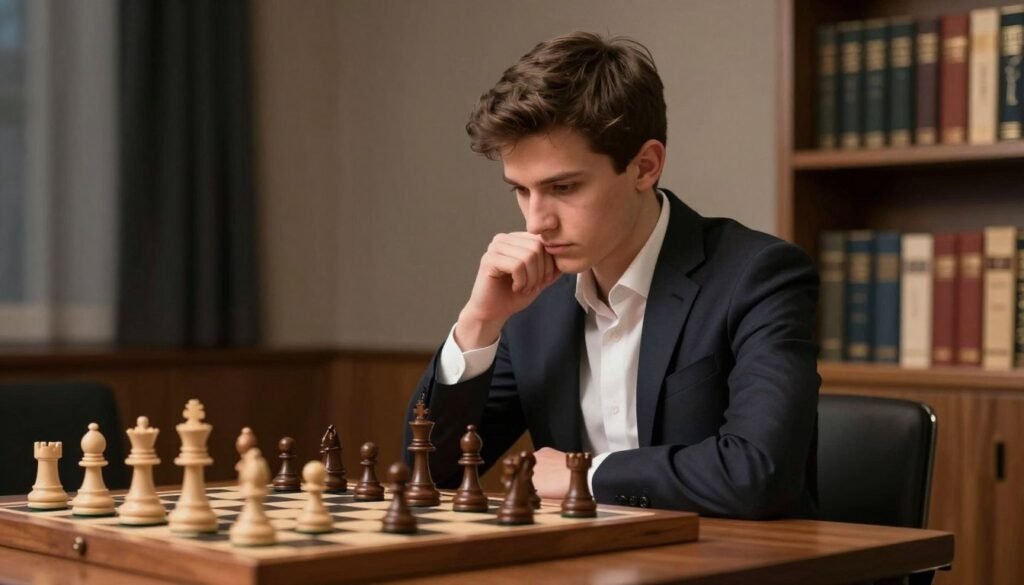
One practical tip: pick a single Duda game where he defends under attack. Replay it slowly. Note how he keeps cool, trades pieces at the right moment, and avoids blunders. Do this once a week and you’ll see real gains!
“Debates about the player ever are fun, but right now Duda fits our consistency focus.”
| Item | Evidence | Learning focus |
|---|---|---|
| FIDE rating | 2739 | Proof of top-tier status |
| Style | Defense + counterattack | Study timing and simplification |
| Practice drill | Replay a defensive game weekly | Build calm under fire |
France’s Elite Pipeline: Firouzja and Maxime Vachier-Lagrave
Two top names show how a national system makes steady stars. France pairs young fire with veteran preparation. That combo keeps results stable and exciting!
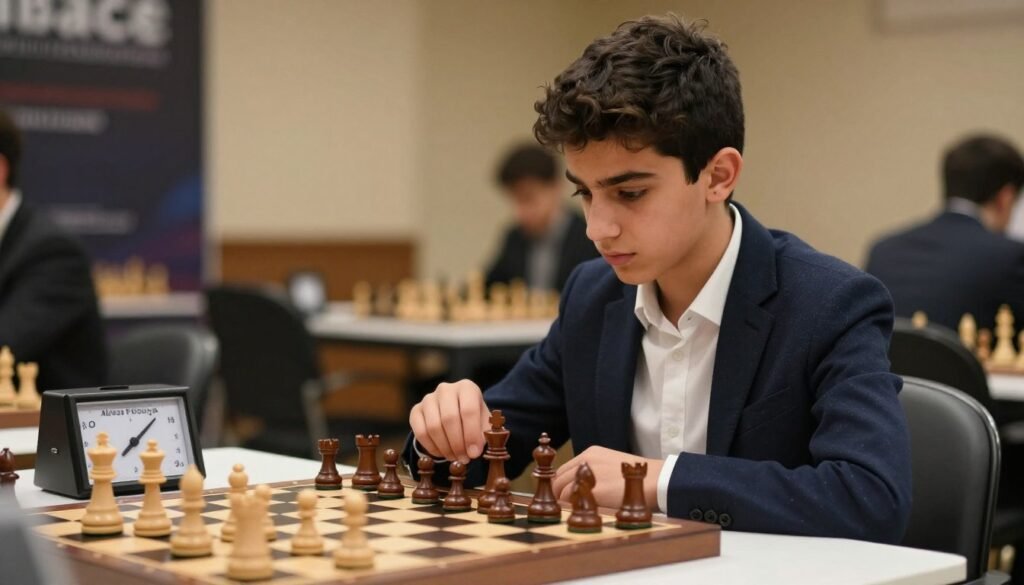
Contrasting styles that reinforce a pipeline
alireza firouzja (2759) brings fearless tactics and fast initiative. He forces messy fights and scores big when he finds chances.
maxime vachier lagrave (2720) is a methodical force. As a chess grandmaster he builds tiny edges through deep prep and clean execution.
Why MVL’s opening skills matter
Knowing the first 15–20 moves saves time and cuts errors. MVL’s opening expertise is a consistency tool. It reduces surprises and keeps his clock healthy!
How they adapt when the “meta” shifts
Meta means the popular openings and plans right now. French stars switch lines to fit their mood—attacking or solid—without losing identity.
- Pipeline = coaching, strong youth events, repeated elite results.
- Study trick: copy one opening choice they use for several tournaments.
- You don’t need a giant database. Learn one prep habit at a time!
“Watch how they pick openings to match style, then try the same in your games!”
For a practical guide on competing in France’s big events, check how to qualify for France’s biggest chess!
| Player | FIDE | Key trait |
|---|---|---|
| alireza firouzja | 2759 | Attack & initiative |
| maxime vachier lagrave | 2720 | Opening prep |
| Pipeline | Various | Coaching + youth events |
The Netherlands’ Steady Hand: Anish Giri
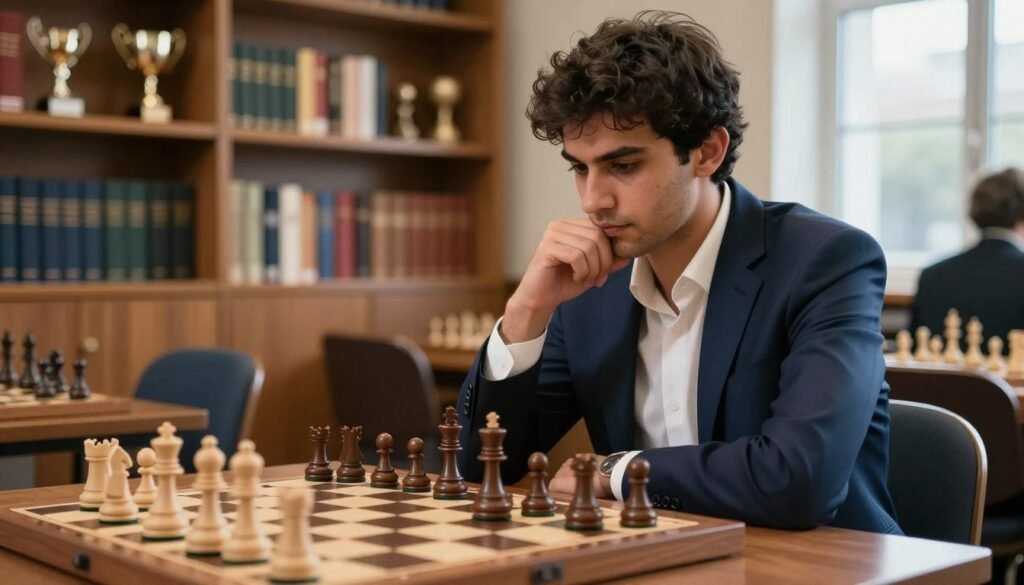
Think of Anish Giri as the calm anchor at elite tables. At 2760 Elo, he shows that steadiness is a skill you can learn, not something boring or passive!
Solid defense, elite opening prep, and low-error play
Giri builds positions that are hard to crack. He avoids unnecessary risks. Opponents slowly run out of good moves.
What “technical consistency” looks like in real games
Imagine a small advantage in the middlegame. Giri tightens the screws. He converts tiny edges with patience and few blunders.
Or picture a slightly worse position. He defends, trades down, and holds, forcing the other side to prove everything.
Openings matter! Strong prep sends him into middlegames he knows well. That reduces surprises and keeps his clock safe.
Study plan you can use
- Pick one type of position (IQP, endgame, or bishop pair).
- Watch three Giri games in that theme this month.
- Replay moves and ask: why swap now? Why not trade?
Goal: reduce errors like Giri and watch your rating rise. Solid habits win more often than flashy risks!
“Control the game by controlling small moments.”
| Trait | What to practice | Why it helps |
|---|---|---|
| Low-error play | Simple decision checklist | Fewer blunders = more points |
| Opening prep | One reliable line | Comfortable middlegames |
| Technical endgames | Repeat 3 endgame drills weekly | Convert small advantages |
For background and a fun read on his life off the board, see the Anish Giri profile!
Hungary’s Creative Force: Richard Rapport
Creative flair at super-GM level looks risky — until you see the backup work. Richard Rapport (FIDE 2738, Hungary) mixes surprise openings with pro-level calculation. His moves feel fresh, but they are backed by safety checks and clear goals.
When creativity becomes consistent at super-GM level
- Vibe: bold openings, odd-looking plans, and real follow-through.
- Why it works: he knows which risks are real and which are just flashy.
How to learn from sharp, unconventional positions safely
Don’t copy a strange move first. Copy the reason behind it: piece activity, king safety, and timing. Study one Rapport game at a time. Pause at the critical moment and guess the move like a mini puzzle. That trains instincts and avoids blind imitation.
Player time matters. In fast events, creative pros can be scary. Consistency comes from good instincts under the clock. Kids: be imaginative, but always count tactics and protect your king!
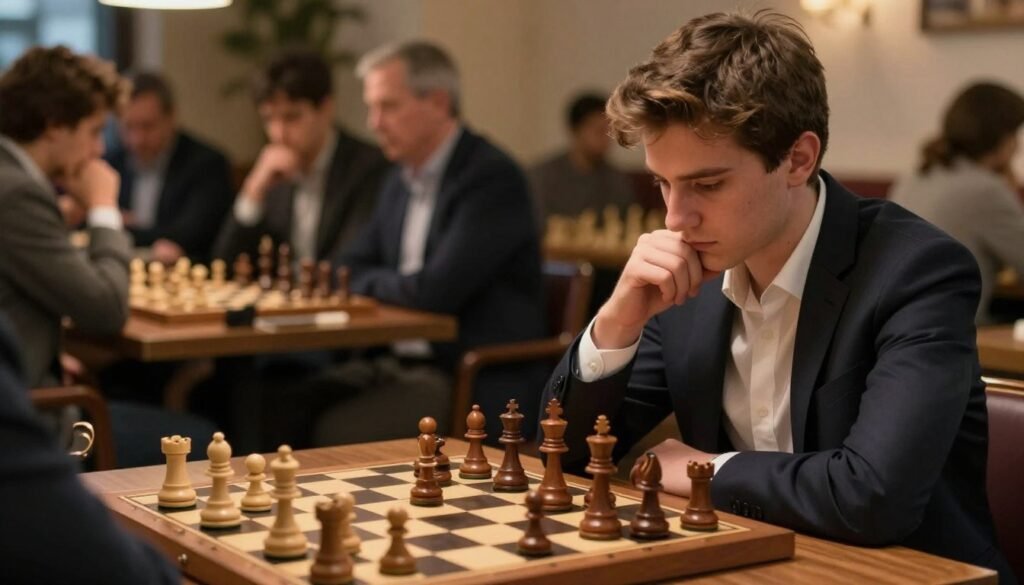
“Learn the idea, not just the flashy move!”
For an example of his play against top rivals, check this quick write-up of a key moment in Norway: a notable matchup.
Europe’s Veteran Edge: Longevity as a Competitive Weapon
Long careers tell a clear story: staying at the top for years is proof of real skill and smart habits.
What this signals in the engine era:
What long careers signal in the engine era
With modern engines and huge databases, surprise is rare. That makes steady form more valuable than ever!
A veteran who keeps scoring shows they update openings, learn new ideas, and survive tougher fields. That influence shapes how kids train next.
How prep, health, and schedule choices protect performance
Top pros pick tournaments, not every event. They rest, sleep well, and time prep so energy peaks when it matters.
Families: a balanced routine protects focus just like opening study. Breaks and good sleep beat late-night cram sessions.
“Tiny daily habits add up more than random marathon study.”
Takeaway: build stable habits. Small daily reps win over panic study before big events. Over years, that is the real advantage!
| Area | What veterans do | Why it helps |
|---|---|---|
| Schedule | Choose key tournaments | Peaks energy and prep for major events |
| Preparation | Update openings, use engines wisely | Stay current in a deeper field |
| Health | Sleep, rest, balanced training | Reduces errors under pressure |
| Legacy | Share methods and influence youth | Shapes how the next generation learns |
How to Study These Players’ Games Like a Real Improver
Pick a single plan and track how top names use it across events. That one focus beats trying to learn hundreds of ideas at once. We recommend a clear, repeatable method you can use after school or on weekends!
Pick one opening theme to follow across multiple tournaments
Choose one opening theme. It can be a pawn structure, a recurring middlegame plan, or a typical sacrifice idea.
Follow that theme through 5–10 games from different tournaments. Watch how each player handles the same problems.
Turn “highlight wins” into training positions
When you see a big win, stop the game two moves before the key tactic.
Try to find the winning idea on your own. Make it a puzzle! Then compare your solution to the real move and note the thought process.
Time-management habits you can practice in your own games
Practice three simple habits: list move candidates, quick blunder checks, and spend time only when the position is hard.
Use a cheap clock or phone timer. Try 10 rapid games where you force yourself to use these checks. Build it into your routine!
Families: make it fun. Replay the first 20 moves on a real board. Ask kids to explain one idea. Celebrate the moment they understand, not just memorize!
“Study like an athlete: copy the drills—decision-making and patterns—rather than flashy solo moves.”
- Simple method: don’t study 200 games. Pick ONE opening theme and follow it across tournaments.
- Training trick: stop before the tactic and solve it like a puzzle.
- Time drills: move candidates, quick blunder checks, and focused thinking only on hard moments.
- Family tip: use a board, replay 20 moves, and reward understanding.
- Consistency: keep a mini notebook of repeated mistakes and watch how top chess players avoid them.

| Step | Action | Why it helps |
|---|---|---|
| Pick one theme | Follow same opening idea in 5–10 games | Builds pattern recognition |
| Highlight-tactic drill | Stop before the tactic and solve | Improves calculation and confidence |
| Time-management practice | Use candidates and quick blunder checks | Reduces loss from poor time use |
| Family routine | Replay 20 moves on a board weekly | Makes learning playful and memorable |
Want structured help? Try a focused chess training program to turn these habits into steady gains!
From Watching to Winning: Build Your Training Plan with Debsie Courses
Swap passive viewing for small, focused practice and you’ll see real changes in play and rating. We make that shift easy for kids and busy parents!
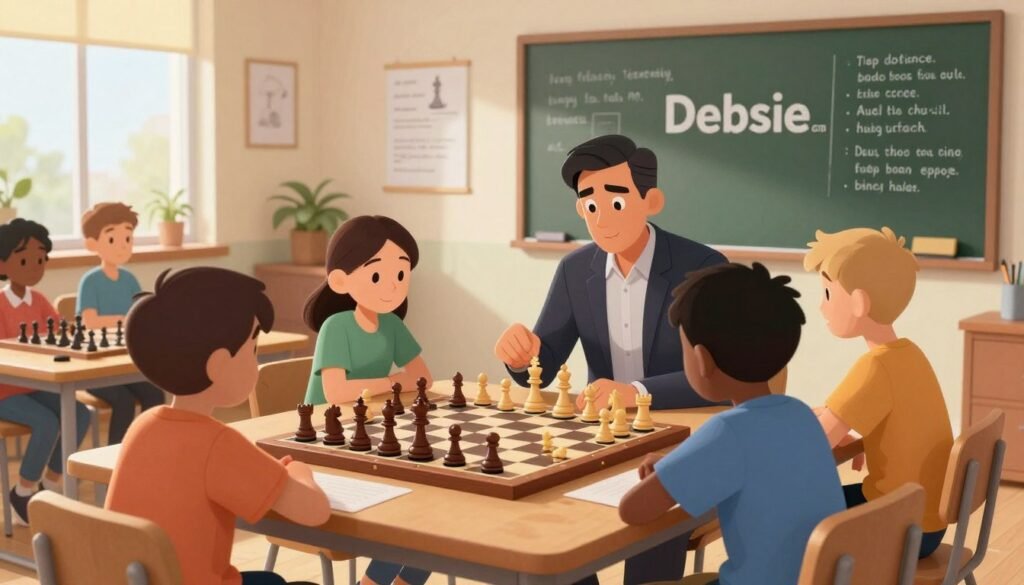
Learn Via Debsie Courses for openings, tactics, and endgames
Debsie Courses break skills into short lessons you can do after school. Start with openings, add quick tactic drills, and finish with a bite-sized endgame lesson.
Why this helps: step-by-step lessons make practice repeatable. Repeatable practice builds confidence and clear gains.
- Transition from “watching” to “doing”: consistent players train with structure, and you can too!
- Find clear lessons on openings, tactics, and endgames here: Debsie Courses.
- Keep lessons short. Mix a puzzle, one idea, and a quick game review weekly.
How structured lessons reduce rating volatility
Structure closes gaps. Fewer random mistakes. Fewer big rating swings.
That adds steady growth. Kids learn the same habits top pros use: Carlsen-style endgames, Giri-style low-error defense, and Firouzja-style tactics—each in tiny, trainable pieces.
“Small, steady practice beats sporadic cramming!”
Parent tip: short, tracked lessons make practice calmer and easier to measure. Use the course progress to celebrate wins.
| Week | Activity | Goal |
|---|---|---|
| 1 | 10-min opening lesson + 5 puzzles | Comfort with main lines |
| 2 | 15-min tactics + one game review | Spot common motifs |
| 3 | 10-min endgame drill + play one slow game | Convert small advantages |
Ready to try a guided path? Check a local option or meet a tutor on our partner page for more hands-on help, like the top tutors in Strijp‑S!
Make Improvement Measurable with the Debsie Leaderboard
Measuring practice makes improvement obvious and fun for kids and families. Small, tracked steps beat random effort. When you see numbers rise, you keep at it!
Use the Debsie overall leaderboard to stay consistent week to week
Why measurement matters: top players track form and adjust routines. Kids can do the same in a friendly way. A weekly snapshot shows trends, not single games.
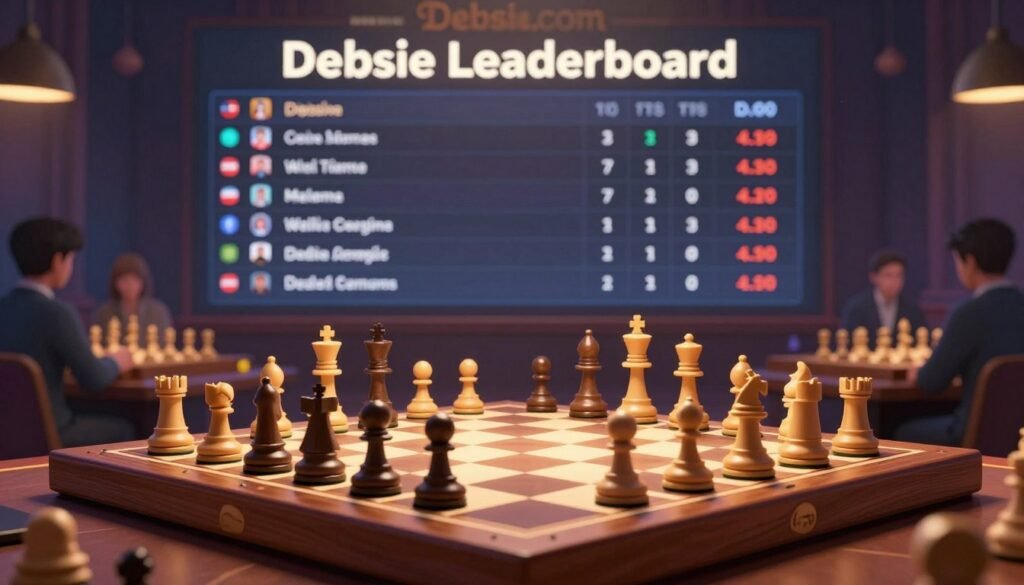
About the Debsie leaderboard: it’s a playful, public metric you can visit to check progress: Debsie overall leaderboard. Use it as motivation, not pressure!
- Positive focus: celebrate small gains and steady habits.
- Family routine idea: pick weekly goals—3 lessons + 10 puzzles + 1 reviewed game.
- US angle: whether you play in the United States scholastic scene or online, weekly consistency beats last-minute cram sessions.
“Consistency isn’t magic — it’s repeated reps with feedback.”
| Goal | Weekly plan | Why it helps |
|---|---|---|
| Skill | 3 short lessons | Builds routine and saves time |
| Tactics | 10 puzzles | Improves calculation under time |
| Application | 1 reviewed game | Turns study into real gains in rating |
Tip: check the leaderboard at the same time each week. Track small wins. Over months, those tiny moments add up to real progress!
Try Before You Commit: Take a Free Trial Class With a Personalized Tutor
Try a short, guided lesson to learn how smart practice fits your week and your goals! The easiest first step is a FREE trial class so you can meet a tutor and feel the match.

What to ask your tutor based on your current rating and goals
Ask simple, clear questions. Start with: “What should I study first for my rating?”
Also ask: “What blunders do I repeat?” and “What endgames should I know?”
These questions help the tutor build a short plan you can follow between lessons!
How to choose a “Carlsen-style” practical focus vs an attacking focus
Carlsen-style: reduce errors, sharpen endgames, and play safe practical moves. This suits players who want steady gains.
Attacking focus: train tactics, initiative, and sharp lines. This fits kids who love tactical fights and fast time controls.
Tell the tutor which path you prefer. They will tailor lessons to your school week and tournament weekends in the United States!
- Offer: try a FREE trial class so you can meet a tutor and see fit: https://debsie.com/take-a-free-trial-class/
- Question list for kids and parents: study priorities, repeated blunders, key endgames.
- Choose focus by goals: steady, Carlsen-style study or bold attacking work.
- Ask for a plan that fits the United States school schedule and weekend events.
- Personalization matters: every player learns differently, and a tutor can make practice clear and calm.
“Small, guided steps beat random practice. One trial class can change your path.”
| Step | What to expect | Why it helps |
|---|---|---|
| Free trial class | Meet tutor, sample lesson | See teaching fit before committing |
| Short question list | Study priorities and blunder check | Focuses practice for faster gains |
| Choose a focus | Carlsen-style or attacking | Matches training to your goals |
| Schedule fit | Plan around school and weekends | Keeps practice steady in the United States |
Conclusion
Conclusion
Consistency shows in the small choices made across dozens of tournaments, not in one headline result. We chose names that score by repeating strong decisions, recovering fast, and staying calm under pressure!
History matters: legends like Garry Kasparov and Bobby Fischer changed how we think about dominance, prep, and nerves. Their influence still shapes modern title fights and the world championship cycle.
Today the field is deeper. Engines and data make longevity harder. Greatness now blends versatility, stamina, and match-ready nerves. We also nod to global stars like Hikaru Nakamura and Viswanathan Anand who show different paths to top form.
Final tip: pick one role model—practical, attacking, or low-error—and copy ONE habit this week. Keep learning, keep playing, and make progress measurable so your game grows over the years!