Want to know why some masters treat the sicilian defense like a secret weapon? It starts with 1.e4 c5 — a bold response that breaks symmetry and aims at the d4 square. This opening invites sharp, exciting fights from move one.
We promise: if you want to play the sicilian defense like the pros, you can learn the key patterns fast! This guide is for kids, parents, and new tournament players who want a lively counterattack against 1.e4.
Sicilian Defense players welcome messy games and take risks to win. You’ll meet great names who used it as a weapon and learn main lines, anti‑Sicilians, and pawn structure ideas.
Ready to start right away? Try a friendly, free trial class with a personalized tutor at Debsie and get hands‑on guidance. Or read more about common chess openings to see where this opening fits your style!
Key Takeaways
- The sicilian defense is a combative response to 1.e4 that aims at d4.
- It suits learners who like active, tactical play.
- Famous masters used it as a true attacking tool.
- We’ll cover main lines, anti‑systems, and pawn plans.
- Book a free trial at Debsie to learn with a personalized tutor!
Why the Sicilian Defense Is Black’s Most Combative Answer to 1.e4
One tiny pawn push — 1…c5 — flips the board into a sharp contest. It does one big thing: it fights for the d4 square and refuses to mirror White’s center. That choice leads to lively, dynamic positions where both sides get chances!
What 1…c5 really does to the position
The move hits d4 right away. White may grab the initiative, but black plays for queenside space and counterplay. Pieces often race along different fronts.
Why asymmetry creates more winning chances
Pawn shapes don’t match. That makes the board unbalanced. When the position is messy, you can outplay an opponent rather than only trading to a draw.
When the opening is great for beginners — and when it isn’t
If you love puzzles and tactics, try it! You will learn patterns and how to control central squares step by step.
Warning: tactics can pop up fast. If you blunder often, start with calmer lines in your early games, then level up to this lively option.
The Core Goal: Control Central Squares Without Mirroring White
Black uses the c-pawn like a probe—testing d4 so White cannot lock the center. This simple mission helps Black gain space without copying White’s pawn wall.

How the c-pawn fights for d4
The pawn on c5 pokes at d4. Often Black plays …cxd4 and trades the c-pawn for White’s d-pawn. That trade frees up a central square and reshapes the struggle.
How the c-file opens after …cxd4
After the exchange, the c-file becomes a lane for rooks and queens. Use that file for pressure and targets on the queenside!
Why White often leads in development — and how Black survives
White usually moves pieces faster. That gives White short-term initiative. Black’s plan is to finish development, avoid grabbing “poison” pawns, and keep the king safe.
“Finish development, don’t grab pawns that cost time, and use the open c-file.”
Quick survival rules:
- Complete development before launching counterattacks.
- Watch king safety — castle promptly.
- Let pawn structure guide your piece placement.
| Position Feature | Black’s Result | Common Plan |
|---|---|---|
| …cxd4 trade | Open c-file | Rooks to c-file, queenside pressure |
| Central pawn majority | Long-term space | Target d4/d5 squares, prepare breaks |
| White’s development lead | Short-term initiative | Solidify king safety, trade when needed |
Want a deeper read? Check this detailed overview for examples and diagrams to practice these ideas!
Essential Moves and Early Move Orders You’ll See Most Often
A small set of opening moves repeats in most games, and learning them clears the fog. We teach the backbone like a short recipe you can practice at home!
Backbone sequence: …c5, …Nc6, …cxd4, …Nf6. This order hits key squares and shapes where the fight will happen.
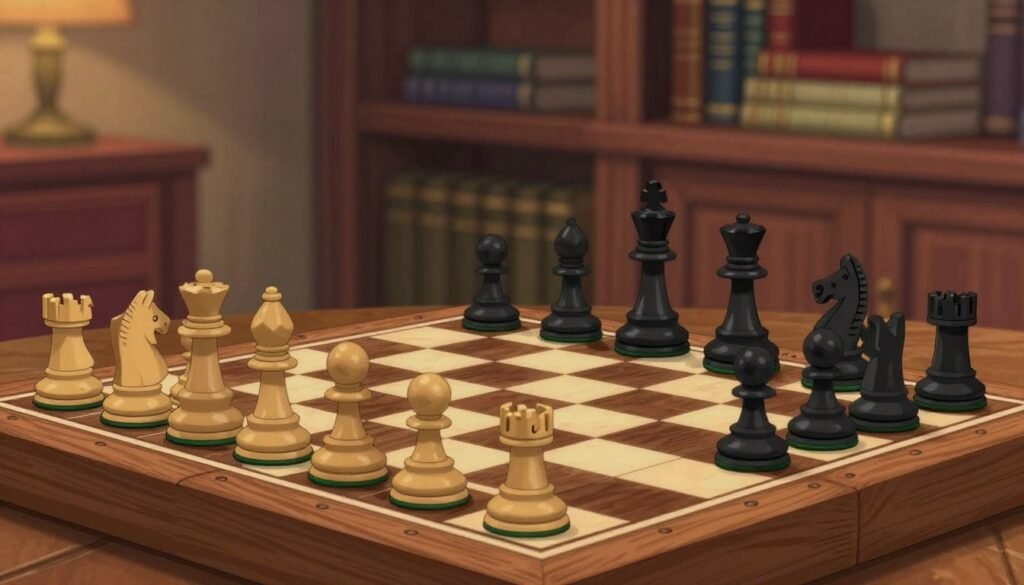
The backbone sequence: …c5, …Nc6, …cxd4, …Nf6
Each step matters. …c5 probes. …Nc6 develops and eyes d4. …cxd4 trades to open the c-file. …Nf6 pressures e4 and speeds piece play.
Open Sicilian trigger: Nf3 and d4
Open Sicilian starts when White plays Nf3 and then d4. That opens the center and leads to sharp, tactical play. Practice Nf3 patterns to spot ideas fast.
Common transpositions that confuse new players
- Same position from different move orders is normal. Stay calm!
- Checklist: whose pawn traded? Which knights are active? Did …d6 or …e6 appear?
- If unsure: develop a piece and keep your king safe.
Want guided practice? Try the Open Sicilian course or read essential opening knowledge to build strong habits!
Sicilian Defense players: What Their Style Teaches You
Top exponents of the opening treat risk as a tool, not a threat. They stay calm when the board gets messy. That calm turns chaos into clear plans you can copy!

The mindset is simple: don’t panic under attack. Keep a plan and move with purpose.
Why strong players embrace risk and precision
Risk brings chances. But precision wins them. Good masters make small, safe moves first. Then they strike when the time is right.
Queenside counterplay vs. kingside attack as a “race”
Often one side races to the king while the other expands on the queenside. Watch the tempo on both sides and aim to win the race!
What to copy from elite examples
- Develop fast and castle early.
- Focus rooks on the c-file and open lines for counterplay.
- Guard the d5 square like a hawk.
- Practice one pattern at a time with short drills.
| Habit | Why it works | Try this |
|---|---|---|
| Quick development | Limits enemy threats | Play minor pieces before pawn grabs |
| Rook to c-file | Creates targets on queenside | Use doubled rooks or heavy pieces on c-file |
| Watch d5 | Controls central breaks | Place a knight or bishop to block it |
Want to play sicilian defense or just play sicilian? Start with tiny goals. Kids and parents—grow with short lessons and fun drills. You’ll see progress fast!
Legendary Sicilian Specialists and the Variations They’re Known For
A few famous names left patterns that beginners can learn without memorizing move lists. We pick four legends and show what to copy fast. You’ll see how pawn plans make the ideas work.

Garry Kasparov: Najdorf and Scheveningen ideas
garry kasparov loved flexible pawns and heavy c-file play. His approach blends Najdorf energy with Scheveningen solidity.
Bobby Fischer: razor-sharp Open plans
Fischer pushed development and timing. In Open lines he hit quickly when the center opened. That lesson helps you win the initiative in club games.
Mikhail Tal: tactical fireworks
Tal shows why tactics explode when pieces aim at the king. Learn one tactic pattern and you gain real confidence in messy positions.
Miguel Najdorf: the name behind the line
Najdorf gave the variation a modern identity. Study his pawn structure ideas first, then add piece plans.
| Legend | Signature idea | What to copy |
|---|---|---|
| garry kasparov | Najdorf / Scheveningen mix | Use flexible pawns; fight on c-file |
| Bobby Fischer | Open Sicilians | Fast development; seize timing |
| Mikhail Tal | Tactical play | Look for king attacks and sacrifices |
| Miguel Najdorf | Namesake Najdorf variation | Study pawn structure first |
Open Sicilian Basics: The Starting Point for Most Main Lines
Most masters steer into the open game with a neat two-move plan that kids can copy! Start here to learn the patterns that repeat in many club and master games.
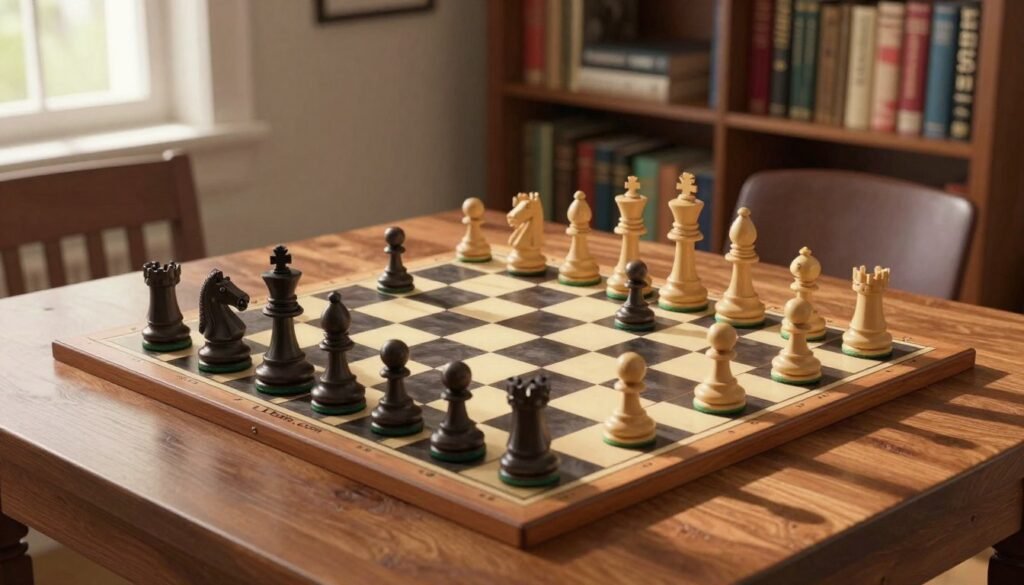
Typical move order: 1.e4 c5 2.Nf3 and then 3.d4. When White plays Nf3 early, the board often opens quickly.
Why …d6 comes before everything
Black often plays …d6 to support …Nf6 and to keep the center steady. That pawn move stops quick breaks and gives time to develop.
The four big branches after …Nf6 and Nc3
After 3.d4 cxd4 4.Nxd4 Nf6 5.Nc3, Black has four main doors to choose from. Each has a clear signal you can spot!
- Najdorf — look for …a6.
- Dragon — look for …g6 and a fianchetto.
- Classical — look for …Nc6 and steady moves.
- Scheveningen — look for …e6 and a compact center.
Main lines means the most played paths where you’ll find many games and lessons. Pick one door and practice it well. Parents: one door at a time keeps learning fun!
Want example games? Try the Open Sicilian page for move lists and model games.
Najdorf Variation: The Most Popular Sicilian Weapon
The Najdorf bursts into life after a clear five-move path that kids can spot at the board!

Why …a6 matters
…a6 kicks away Bb5+ ideas and gives Black extra queenside room. It also sets up the key break …e5 to hit the knight on d4.
English Attack and White plans
The English Attack is simple to learn: Be3, f3, Qd2 and castle long. White aims for a fast kingside assault. Other common tries are Bg5, Be2, Bc4, and h3. Each choice tries to steer the game toward different tactical fights.
Practical Najdorf tips
- Watch tactics before you shove pawns.
- Finish development; don’t fall behind.
- Count moves when the kings race for safety.
| Feature | What it does | Quick plan |
|---|---|---|
| …a6 | Stops Bb5+, gains space | Prepare …e5 and queenside play |
| English Attack | White’s kingside storm | Be3, f3, Qd2, long castle |
| Typical setup | …d6, Nf6, Nc3 | Solid center and counterplay |
Dragon Variation: The Dark-Squared Bishop Takes Over
The Dragon identity is simple and exciting! Black plays …g6 and builds a kingside fianchetto so a single piece controls long lines and sparks counterplay.

How to reach it: …g6 and the kingside fianchetto
Play …g6, then …Bg7 and castle short. The dark-squared bishop lands on g7 and eyes the board like a laser.
Key concept: pressure on the long diagonal and central squares
The dark-squared bishop aims at the center and queenside. Even from the corner, it fights key central squares and creates targets on the c-file.
Why opposite-side castling makes games tactical fast
Often both sides castle on opposite wings. That leads to pawn storms and sharp attacks. Watch for checks, sac ideas, and timing!
“Keep the king safe, push queenside pawns, and use the c-file for counterplay.”
- Simple plan: press on the queenside while the bishop pressures long diagonals.
- Beginner warning: opposite-side castling is fun, but watch for sacrifices and open lines.
- Want to learn the basics? Check our opening principles for drills and habits!
| Feature | Black’s idea | Quick tip |
|---|---|---|
| …g6 / Bg7 | Long diagonal pressure | Keep bishop active |
| Opposite castling | Sharp games | Count pawn moves before attacking |
| Queenside pawns | Gain space | Open c-file for rooks |
Yugoslav Attack: White’s Sharpest Plan Against the Dragon
When Be3, f3, Qd2 and Bc4 appear, a sharp kingside race is already on the board. This setup is a clear build order of four easy moves that aims to open lines fast and chase the enemy king!

Typical setup and main idea
Build order: Be3, f3, Qd2, Bc4. White uses these moves to bring pieces and pawns into the attack quickly.
Main idea: open files and hit the king with tempo. This is the core of the yugoslav attack and the reason many players choose it.
What Black races for on the queenside
Black counters by pushing queenside pawns, opening files, and activating heavy pieces. The race is literal: kingside vs. queenside speed matters!
Practical warning signs for beginners
- Open diagonals toward your king.
- Missing defenders around the monarch.
- Sudden sacrifice threats near the king.
If you feel unsafe, defend and finish development before grabbing pawns.
| Feature | What to watch | Quick fix |
|---|---|---|
| Open lines | Squares near the king | Bring pieces back to defend |
| Pawn storm | Rapid pawn pushes | Trade to slow the attack |
| Active pieces | Attacking pieces | Block and trade |
Classical Variation and Richter-Rauzer Themes
The Classical path favors steady piece play and a natural knight on c6. It keeps options open while both sides develop quickly!

How to reach it: Black often plays …Nc6 early to contest d4 before committing a bishop. Watch for Nf6 and Nc3 from White—those moves steer many main lines.
Why Bg5 appears so often
Bg5 pins a knight and targets weak squares. It also probes the pawn structure and creates long-term pressure on e7 and d5.
Richter-Rauzer themes
Fast development and focused attacks define the richter-rauzer variation. Expect tactical chances around the king and sharp fights for central squares.
Sozin ideas: Bc4 and quick initiative
The sozin variation uses Bc4 to aim at f7 and speed up an assault. It trades slow buildup for early threats.
- Black’s goals: finish development, watch tactics on e6 and d5, and prepare a central break.
- Learn piece-placement patterns first, then study exact lines.
| Feature | Idea | Quick tip |
|---|---|---|
| …Nc6 early | Natural knight | Keep flexibility |
| Bg5 | Pin and pressure | Spot tactics on e7 |
| Bc4 | Fast initiative | Look at f7 lines |
Curious for more? Read a forum note on why play the classical line and try these patterns in practice games!
Scheveningen: Solid Pawn Structure, Flexible Counterplay
A compact center sets the scene, but sudden breaks change everything fast! This setup feels safe at first. Then one well-timed pawn push can flip the game into a race.

How to reach it: …e6 and the “small center”
The Scheveningen often grows from …e6 and …d6. That builds a small center that stays flexible. Pieces develop behind the pawns and wait for the right moment.
Main plans: …d5 or …e5 breaks and c-file play
The two big buttons are …d5 and …e5. Hit one and the position opens fast. The semi-open c-file becomes a main lane for rooks and queens.
- …d5 strikes at White’s center.
- …e5 chases the knight and frees pieces.
- Use the c-file for counterplay and targets on the queenside.
The Keres Attack idea: g4–g5 pressure
White may play the Keres Attack with g4 and g5 to chase defenders and start a kingside assault. Don’t panic! Meet the wing attack with timely center play and coordinated pieces.
“Keep your pawn structure intact, watch the c-file, and trade when it calms the board.”
| Feature | Goal | Quick tip |
|---|---|---|
| Small center | Flexibility | Delay pawn commits |
| …d5 / …e5 | Open lines | Time the break carefully |
| C-file | Counterplay | Double rooks |
Want to learn how central play wins games? Read about controlling the center to tie these ideas into your practice! We’ll help you grow with fun drills and clear steps.
Anti-Sicilians Beginners Face Most (And How Sicilian Players Respond)
Many club players avoid the sharp open lines by choosing quieter, sidestep systems that feel safer at the board. These are called anti‑Sicilians: White picks a different road to dodge heavy main‑line theory.
Alapin (2.c3): fight for d4
The Alapin seeks early support for d4 with 2.c3. Black should contest the center quickly and develop pieces. Simple moves like …Nc6 or …d5 work well.
Closed (2.Nc3): slower maneuvering
Closed setups lead to slower games. Plans matter more than memorized tactics. Focus on piece placement, pawn breaks, and long-term targets.
Rossolimo (Bb5) and Moscow (Bb5+): sidestepping theory
Both Bb5 and Bb5+ avoid Open lines and change the pawn structure. Black’s best reply is solid development, contesting d4, and choosing one clear plan.
“Develop, contest d4, and pick a plan — don’t chase pawns.”
| Anti‑line | White idea | Simple Black reply |
|---|---|---|
| Alapin (2.c3) | Support d4 | Challenge center: …Nc6 / …d5 |
| Closed (2.Nc3) | Slow maneuvering | Finish development; prepare …d5 |
| Rossolimo (Bb5) | Structural changes | Neutralize pin; trade when useful |
| Moscow (Bb5+) | Calmer structures | Block check; seek simple piece play |
Tip: These lines may feel annoying at first, but a few model games and practice drills make them easy to meet. We’ll help you grow with clear examples!
Gambits and Attacking Systems You Must Recognize Quickly
Some openings hide fast tricks; you should spot them before they hit! Learn to read early signs. That saves time and helps you react with calm.

Smith‑Morra Gambit: pawn sacrifice for rapid development
Smith‑Morra gives one pawn so White gains tempo and open lines. If Black grabs the pawn, White often gets swift piece play and tactical chances.
Grand Prix Attack: early f‑pawn push and kingside pressure
The Grand Prix features an early f‑pawn push to build a kingside attack fast. Look for rapid queen and bishop lifts aiming at f7 and open files for a fast strike.
How to choose safety over greed when defending
Rule: choose safety over greed. If a capture looks tempting but leaves holes, return material to simplify and defend the king.
- Gambit = a pawn given for speed and attack.
- Recognition cues: quick piece development, open lines, and pieces targeting f7.
- Practical tip: finish development and connect rooks before you counter‑attack!
“When in doubt, make safe moves first — then play for counterplay.”
Pawn Structure and Typical Plans in Sicilian Games
Pawn shapes tell the story of the whole middlegame. Read them like a map and you’ll know where to attack and where to defend!

The central pawn trade and a central pawn majority
The early c-pawn for d-pawn trade often leaves Black with a central pawn majority. That gives long-term space and a clear plan to push for breaks.
Why the d5-square matters
The d5 square is a superstar! Control of this square decides many games. Knights and pawns fight for it as a powerful outpost.
Piece roles: knights, rooks, and the dark-squared bishop
Knights jump to outposts. Rooks love the opened c-file. The dark-squared bishop aims at long diagonals and adds pressure from afar.
Where attacks usually happen
White often pushes kingside space. Black expands on the queenside. Watch who wins the race — tempo matters!
“Pick one target square, then place pieces to attack it!”
| Feature | Why it matters | Quick plan |
|---|---|---|
| Central pawn majority | Space for breaks | Prepare …d5 or …e5 |
| d5 square | Outpost potential | Place a knight or control with pawns |
| Open c-file | Rook activity | Double rooks and target pawns |
Picking the Right Sicilian Line for Your Level and Personality
Pick a line that fits how you think and you’ll enjoy learning it more! Choosing the right path helps your practice feel like play. We guide you to a match that fits your brain and your time.

If you like tactics
Go for sharp, double‑edged options. Try the Dragon, Sveshnikov‑style imbalances, or open main lines that spark tricks. These lines reward calculation and quick pattern recognition!
If you like strategy
Pick Scheveningen‑style setups and other variations that prize slow, steady counterplay. Flexible pawns and careful plans suit players who love slow buildup and positional ideas.
How niche lines can surprise opponents
Less common lines can catch an opponent who only memorized main theory. Surprise works best when you know the plans and king safety rules.
“Choose one main setup, play 20 games, then add a new line.”
- We help you pick a line that matches your brain!
- For tactics‑lovers: focus on sharp Imbalance and attack themes.
- For strategists: learn pawn plans and slow breaks.
- Mini guide: one setup → 20 games → expand gradually.
Train Like a Sicilian Specialist With Debsie
Make the opening feel simple with bite‑sized lessons and fun drills! We guide kids and families with short, clear steps. You learn real moves and the plan behind them, not giant theory dumps.
Learn Via Debsie Courses
Explore structured courses
Our courses break the sicilian defense into tiny lessons. Each unit shows key moves, mini quizzes, and short practice games. Parents can fit lessons into busy schedules.
Take a Free Trial Class With a Personalized Tutor
Book a free trial
Want one-on-one help? Try a free trial and meet a tutor who reviews your games. Tutors fix mistakes fast and build confidence with friendly feedback.
- Step‑by‑step lessons that teach how to play sicilian without overwhelm.
- Clear moves to remember, plus the plan behind each idea.
- Mini quizzes that feel like a game so kids stay engaged.
- Personal tutoring to analyze your own games and speed progress.
We welcome beginners! Stronger students get tougher challenges too. If you want local options, check top tutors and classes for hands‑on help at top chess tutors and classes.
“Start small, practice often, and play with confidence.”
Join the Community and Track Your Improvement
A friendly community turns practice games into fun adventures for kids and parents. You learn faster when others cheer you on and you can watch real progress!
Debsie Leaderboard
See progress at a glance! The leaderboard makes improvement visible. It shows your streaks, top moments, and friendly rivals. That keeps practice exciting and steady.
- Stay motivated — share wins and learn from each other.
- Healthy competition matters — focus on effort, not just score.
- Simple routine: play a few games, review 1–2 moments, then try again with a smarter plan.
Link habits to basics: better piece activity, tighter control of squares, and smarter timing on an attack lead to real gains. Track those in your notes and watch improvement grow!
“Small, steady steps beat long bursts — practice, review, repeat!”
Want role models? Check a short profile to inspire kids: Meet the players and see how practice turned into progress for real students!
Conclusion
This opening rewards bold ideas and clear plans over mirror moves. The sicilian defense (1.e4 c5) contests d4, creates asymmetry, and trains you to fight for chances!
Beginner essentials: watch for the Open Sicilian trigger with Nf3 and 3.d4, know one main variation, and learn typical pawn structure plans. Keep king safety first and use the c-file and central breaks to win the race.
Next step: pick one variation and play it consistently. Study short model games, note where …Nf6 appears, and practice the common Nf3 patterns.
Grow with us! Try Debsie courses (Learn Via Debsie Courses), book a free trial class, and track progress on the Debsie Leaderboard. For a quick reference, see a Sicilian Defense overview.