Can a champion truly win before the first move? This is the bold idea behind why Anish Giri has a reputation as a prep monster!
He does the work early. Deep opening study, engine checks, and opponent scouting mean fewer surprises. That leads to calmer nerves and smarter choices at the board.
Giri is a Dutch super-GM and long-time elite player still chasing the world title. In 2025 he won the FIDE Grand Swiss in Samarkand with 8/11 and set a clear runway to the Candidates Tournament 2026. His FIDE rating sat at 2760 in February 2026 — see the official FIDE rating 2760.
We’ll unpack how prep cuts down surprises in games, how he uses engines and routines, and how you can borrow pro habits. Kids and parents can learn a simple weekly plan from pro moves! For tips on calm focus, check this tournament nerves guide.
Key Takeaways
- Prep wins peace: study reduces surprises and stress.
- Giri’s 2025 Grand Swiss win paved his path to Candidates 2026.
- Openings, engines, and scouting matter in long events.
- Simple routines help kids and parents build confidence.
- We’ll turn pro prep into a weekly plan you can try!
- Use breathing and warm-up habits to stay steady in games.
Why Anish Giri’s preparation is headline-worthy right now
Qualifying for the Candidates changed the narrative from “almost” to “now in the mix.” In September 2025 a big win at the FIDE Grand Swiss in Samarkand created a clear runway to the candidates tournament 2026.
Why does that feel timely? The candidates tournament is the doorway to the world championship match. One result in a high-stakes event can rewrite years of talk about being a “nearly-man” into real title math!
“He’s been close for years, but this qualification shows the work paid off.”
That “nearly-men” label often means someone is dangerous. They finish high, score big when it matters, and push favorites to the edge. Still, the label can hide steady strength and hunger.
- One win, big swing: Grand Swiss 2025 turned a long story into a Candidates 2026 shot.
- Prep = edge: Winning before the game starts means building openings, studying matchups, and arriving with a clear map.
- Modern chess moves fast: Engines spread ideas. The best planners keep fresh ideas and avoid surprises.
We can learn from this! You don’t need eight-hour marathons. Smart, repeatable routines give real gains. Try a focused weekly plan and watch confidence grow!
The Candidates Tournament pathway explains how qualification routes shift careers, and press reaction is covered in an exclusive media piece.
Anish Giri in 2025-2026: form, rating, and the world title chase
Entering 2026, his rating and results painted a clear picture: elite, experienced, and motivated. FIDE rating: 2760 (Feb 2026), ranked No. 6 worldwide. His peak was 2798 in October 2015 and a peak rank of No. 3 in January 2016.
2025 showed momentum. He took second place at the Prague International Chess Festival and won the Sharjah Masters. Those results matter when leaders and invitations for big events are decided.
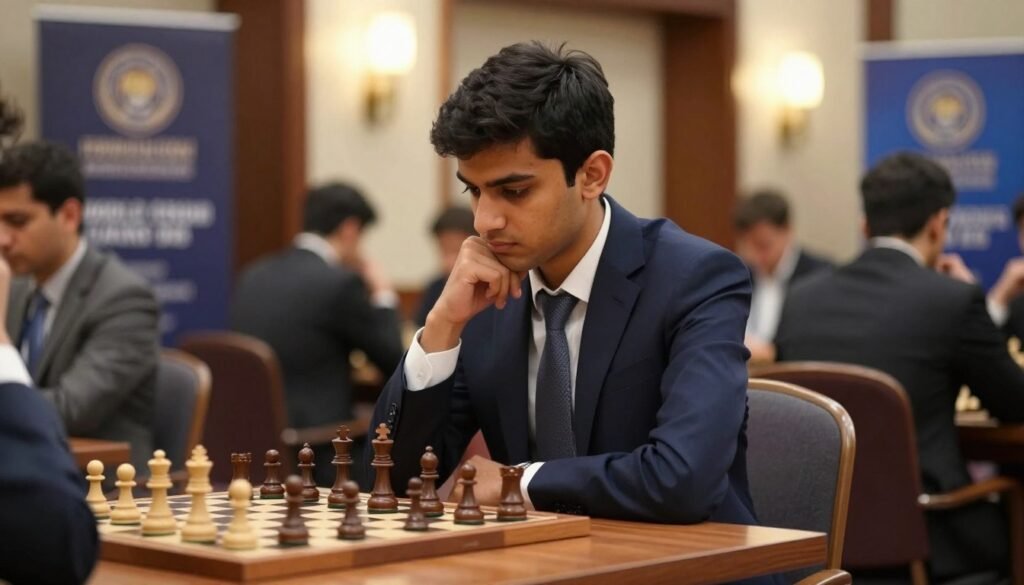
Young contenders bring speed and sharp play. They change prep and force bold choices. But experience counts too. Pattern recognition and calm thinking help spot mistakes after long time burns.
Motivation is a real edge. With magnus carlsen playing less classical chess, hungry players can close gaps. Big stages like the world cup and fide grand events shape momentum and confidence!
- Snapshot: top-10 is tiny—every point is hard-earned.
- Advantage: experience + routine = steadier play in long games.
- Control: you can’t control opponents, but you can control your prep and mindset!
The prep monster toolkit: what Giri optimizes before each round
Before each round he builds a clear checklist that trims surprises and saves time. We keep this simple. Openings, opponent notes, engine checks, and a quick time plan. Follow it and your confidence grows!
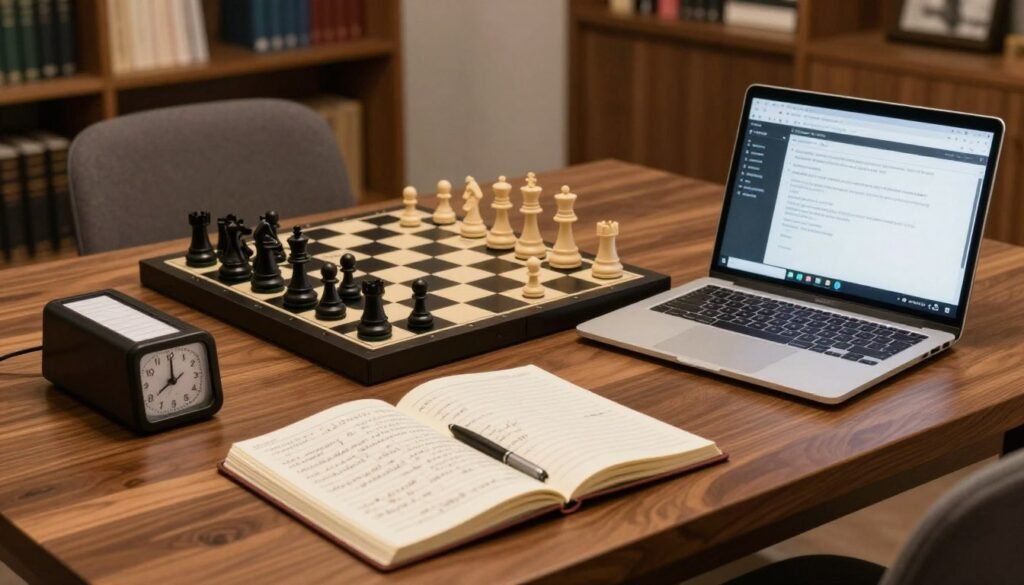
Matchup scouting looks at what specific players like with White or Black. We note favourite lines and recent blunders. Then we pick reliable replies and traps to avoid. That scouting shapes the plan for each round tata steel or grand prix event.
“What previously took 10 years now changed in one year.”
How opening files and quick reminders work
Opening files are short dossiers. They show prepared lines, key positions, and a 2–3 bullet reminder to read before a round. That saves time during tense games.
Engine-driven work and training games
Engines find critical moments fast. Prep today is less memory, more pattern spotting. Training games with strong colleagues test ideas. Seconds and coaches—like Vladimir Chuchelov, Vladimir Tukmakov, and Erwin l’Ami—stress-test lines over months, not a single week.
Time habits that shape decisions
Pick quieter lines when you want a safe point. Choose sharper play when you need to win. A simple time plan helps you avoid time trouble late in the game.
- Short checklist: openings, opponent habits, engine check, time plan.
- Match focus: what players fear, what they repeat, and where they slip.
- Teamwork: seconds test ideas and spot traps long before the round.
| Prep Bucket | What It Contains | When Used | Benefit |
|---|---|---|---|
| Openings | Prepared lines, key plans, short notes | Before each round | Faster moves and fewer surprises |
| Matchup Scouting | Opponent tendencies, feared traps | 2–3 days before | Targeted choices vs specific players |
| Engine Checks | Critical moments, novelties | Last review before a round | Find sharp ideas quickly |
| Time Plan | When to simplify or press | Pre-game reminder | Better practical decisions |
Try this checklist at home! Parents and kids can copy it for practice games and local events. For background on the player, see his profile on Wikipedia.
Defense, draws, and durability: the foundation of his tournament strategy
In long events, steady defense can be the loudest weapon in your toolkit. A single loss can ruin a plan. So staying unbeaten is more than pride—it’s math!
Why “hard to beat” works: in a 14-round grind, avoiding losses forces others to overpress. That gives you chances later. A smart draw can be a shield so you can strike when the moment arrives!
Why “hard to beat” is a weapon in long events
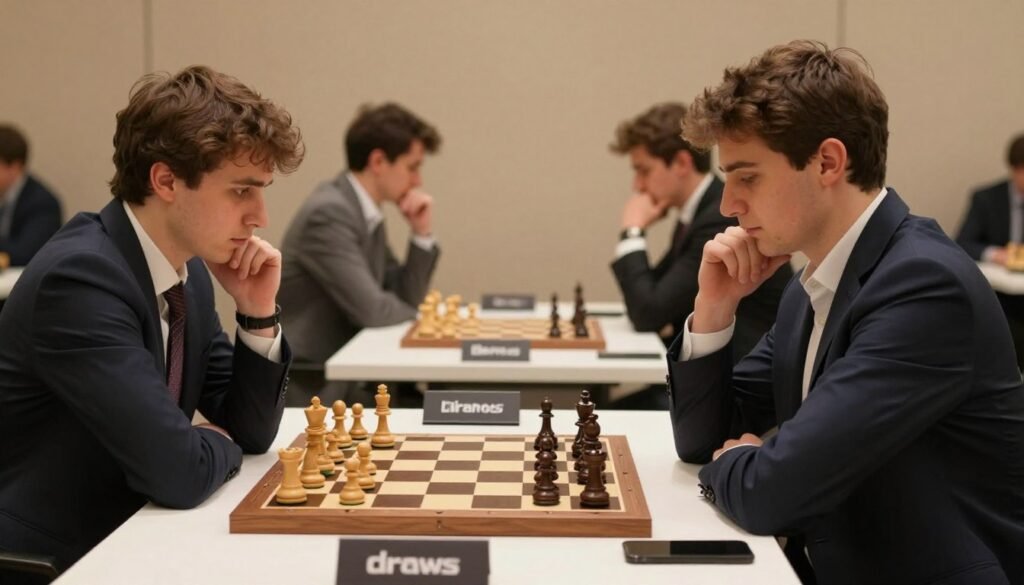
At the 2016 candidates tournament in Moscow one player drew all 14 games and finished undefeated. That streak showed risk control and top-level defense. It also proved draws were strategic, not lazy.
The 2016 Candidates Tournament: the 14-draw storyline and what it signals
“He was the only undefeated player across fourteen rounds.”
This result signals discipline and matchup planning. When you can hold worse positions, opponents must take chances. That changes the whole tournament flow!
Converting small edges without overpressing
Pros squeeze. They improve pieces. They trade to simplify when up a pawn. Don’t rush! If unsure, improve pieces first and keep control.
Practical tips for students:
- When up material, exchange and reduce risk.
- If position feels unclear, improve piece activity before attacking.
- Prioritize sleep and focus between rounds to keep durability high!
| Skill | What to train | Benefit |
|---|---|---|
| Defense | Endgame drills, fortress patterns | Turn worse positions into holds |
| Drawing technique | Perpetual checks, simplification plans | Secure half-points and limit risk |
| Durability | Sleep routine, shortmeditation, physical rest | Consistent focus across a tournament |
Tata Steel chess as the proving ground
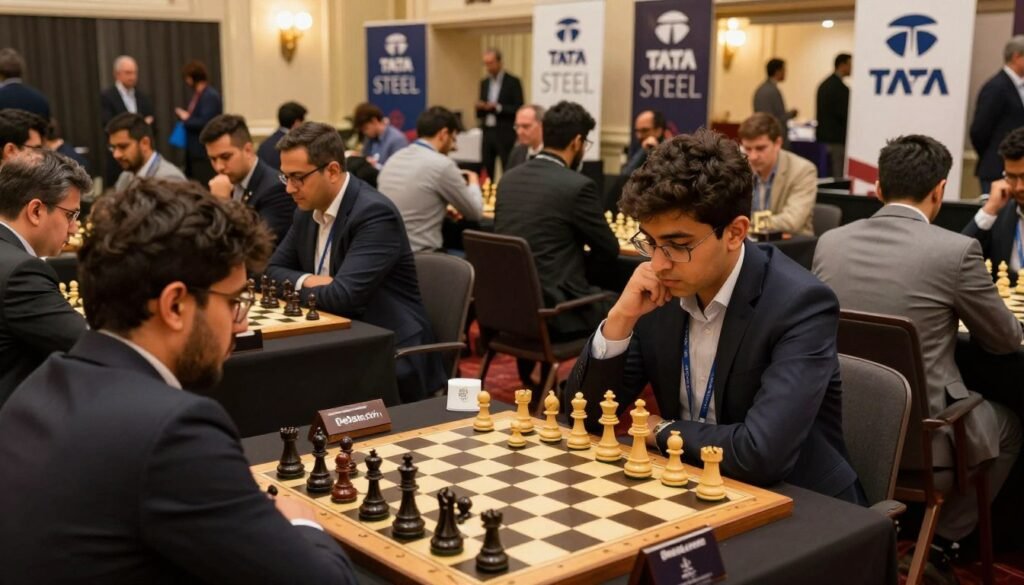
Tata Steel has been the stage where preparation meets pressure, and careers shift in a single game. The event rewards ready players and exposes shaky nerves. For him, Tata Steel became a repeating test of openings, clock skills, and resolve!
Beating Magnus Carlsen in 2011 and the statement it made
As a teenager he beat Magnus Carlsen with Black in just 22 moves at Tata Steel 2011. It was a shocker and a statement. Youthful boldness met sharp prep and the chess world took notice.
The 2021 Tata Steel Masters: shared first place and the Jorden van Foreest tiebreak
In 2021 he finished in shared first place with Jorden van Foreest. The outcome came down to a blitz/Armageddon tiebreak. Time, not just ideas, decided the match. That dramatic finish taught a simple lesson: prep helps, but speed and clock nerves matter equally!
The 2023 Tata Steel Chess Tournament breakthrough win
2023 was the breakthrough. He won the tournament, including key classical wins over Magnus Carlsen and Ding Liren. Those victories showed conversion under pressure and smart game management.
Recent editions: joint-first contention and the fine margins in playoffs
Fine margins define top-level steel chess. In 2024 he finished joint first but lost the playoff to Gukesh. In 2025 he placed joint 5th. Each run offered new prep notes and fresh maps for improvement.
“Tournaments teach you as much in losses as in wins.”
How to use Tata Steel lessons for your own event:
- Make short opening checklists before each round.
- Practice fast decisions with 10+0 or 15+10 games to train the clock.
- Learn to convert small edges calmly instead of forcing complications.
| Year | Result | Key Lesson |
|---|---|---|
| 2011 | Win vs. Magnus Carlsen (22 moves) | Bold prep can collapse favorites |
| 2021 | Shared first place; lost tiebreak to van Foreest | Clock skills decide tight finishes |
| 2023 | Champion; classical wins over top rivals | Convert chances; stay steady under pressure |
The Candidates Tournament lessons that shaped his prep
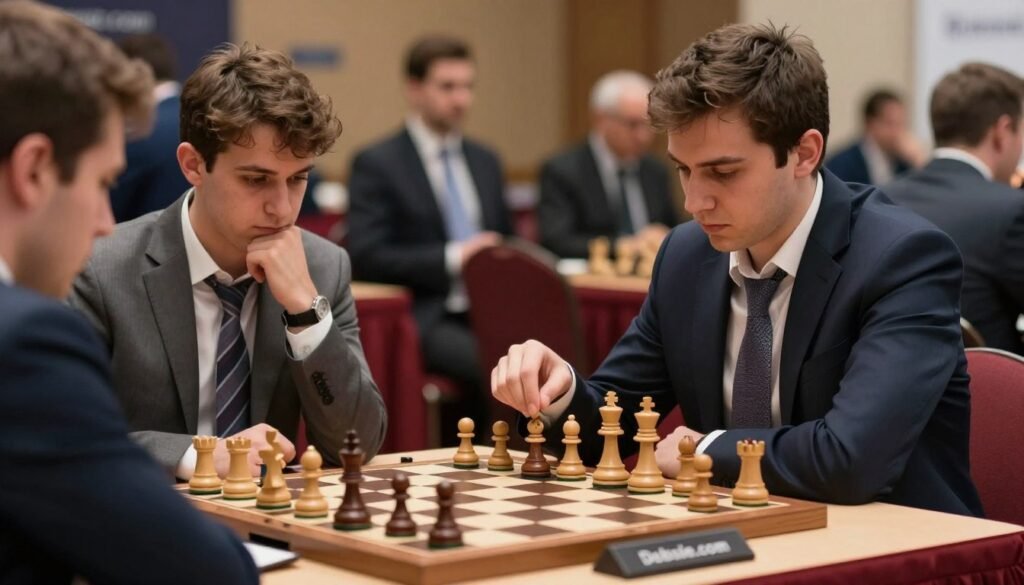
In a field of leaders, each round read like a final and shifted the whole leaderboard. The pressure made planning different. Every game mattered more than usual.
2020–2021 restart and the April 2021 pause
The event paused mid-way in 2020 because of COVID-19. Players left the hall and waited months. Then it resumed in April 2021.
The break changed momentum. Some players returned refreshed. Others lost rhythm. He finished shared third with 7.5/14, but two final losses cost a shot at the title.
Turning elite prep into points across a 14-round grind
Think long-term. Prep must last 14 rounds, not one flashy game.
- Openings: have backup plans for many rounds.
- Game plan: know when to press and when to lock in a draw.
- Energy: conserve focus across days and restart periods.
Momentum swings are simple: a win builds confidence. A loss can sting and shift plans. One result resets the field fast.
“Even painful finishes create smarter prep next time.”
Take-home for kids and parents: plan practice like a season, not a single night! Build repeatable routines. Practice recovery after a bad game. That emotional skill pays off in every tournament and championship run.
Grand Swiss and beyond: the tournament path back to the top
A late-2025 run of sharp wins reset momentum and opened a clear path back toward elite events. It felt like a comeback! The season proved prep and focus work.
Sharjah Masters 2025: confidence builders and signature wins
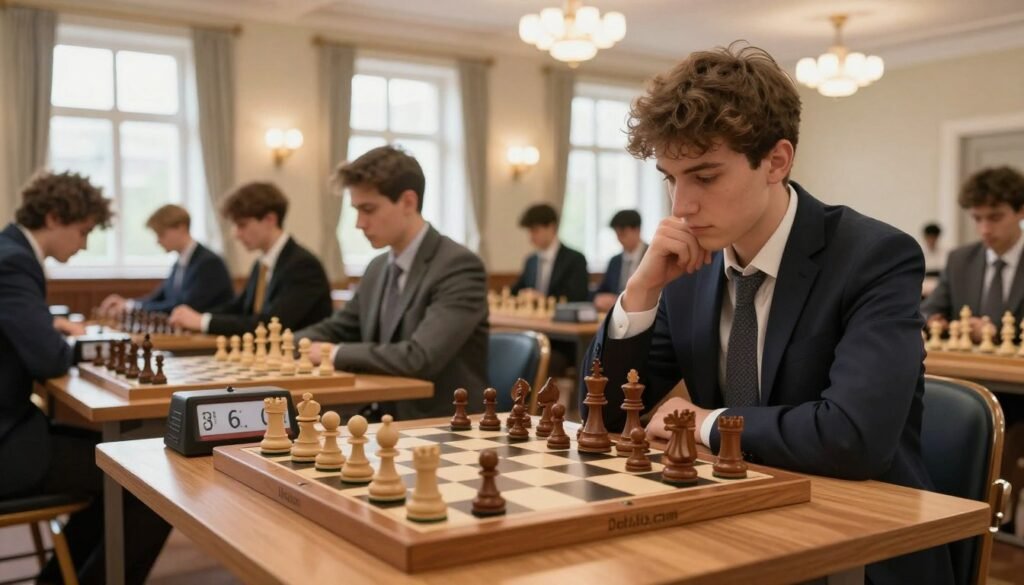
In May 2025 he took clear first place at the Sharjah Masters with 7/9. A key win over Nodirbek Abdusattorov showed form was real. That result built belief and calm heading into tougher fields.
FIDE Grand Swiss 2025 in Samarkand: first place and qualification impact
The FIDE Grand Swiss in Samarkand was the big step. In September 2025 he finished outright first place with 8/11. That score earned a direct ticket to the Candidates Tournament 2026.
“A big score under pressure opens doors.”
Read the late-round drama and coverage in the FIDE Grand Swiss round 9 recap.
What changes in prep for Swiss events vs invitationals and championships
Swiss events are tricky because you can face anyone. You cannot prep for one opponent. So you build a flexible opening set. Focus on universal positions and practical plans.
- Swiss: broad, adaptable openings; energy management between back-to-back rounds.
- Invitationals: targeted scouting and deep files on known rivals.
- Knockouts / World Cup: resilience, fast recovery, and quick psychological bounce-backs.
Night-before checklist: quick opening review, 15 minutes of tactics, light walk, and sleep! Small habits add up.
| Event Type | Prep Focus | Key Benefit |
|---|---|---|
| Swiss | Flexible openings, energy plan | Handle varied opponents all week |
| Invitational | Deep opponent files, specific novelties | Exploit known weaknesses |
| World Cup / Knockout | Quick recovery, blitz readiness | Survive tight matches and rebound fast |
Learn the preparation method: train like a pro with Debsie
A clear, repeatable routine helps young players turn practice into real game gains. We take pro ideas and make them friendly for kids and parents!
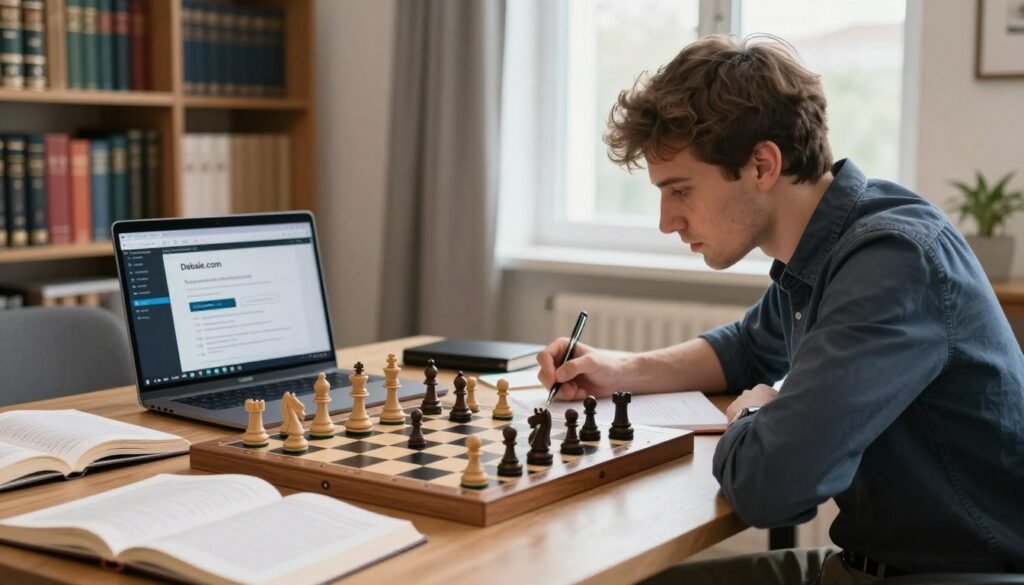
Learn via Debsie Courses
Follow a simple path: openings, middlegames, endgames. Each course builds on the last. That mirrors how champions polish skills over a year and save time in study.
Learn Via Debsie Courses is the training library for steady progress.
Debsie Leaderboard
Track progress like a game! The Debsie Leaderboard turns effort into friendly competition. Players log sessions and climb ranks. Tracking helps you show up again and again—true champion behavior!
Debsie Leaderboard makes consistency fun.
Take a free trial class with a personalized tutor
Start small. Try a free lesson to map your “before the round” checklist. Tutors help craft 2 opening sessions, 2 tactics sessions, 1 endgame session, and 1 practice game review for the week.
Take a Free Trial Class With a Personalized Tutor to build your routine and boost tournament confidence.
“One year of focused work can feel like ten—use small steps every week.”
| Action | Weekly Plan | Benefit |
|---|---|---|
| Openings | 2 focused sessions | Fewer surprises in the game |
| Tactics | 2 quick drills | Faster practical decisions |
| Endgames | 1 study session | Convert small edges |
| Practice Game | 1 review | Apply ideas under time pressure |
For local coaching options, check our featured tutors in Bruges: top chess tutors and classes.
Conclusion
What wins quietly is routine! Simple prep gave Anish Giri an edge in tata steel events and in modern chess. Small habits turned big rounds into manageable tasks.
From the Corus/Tata Steel pathway to milestones like 2012 Reggio Emilia, the Magnus Carlsen Invitational win, and the 2023 tata steel triumph, the timeline shows steady growth. The September 2025 Grand Swiss run then opened a clear path forward.
Nearly years — shared first place and shared second finishes — taught resilience. Durability mattered most. He stayed hard to beat and chose risk with care in every tournament round.
You can copy this! Pick a Debsie course, track your streak on the Leaderboard, and try a free trial class. Start small. Grow steady. Every round is a new adventure!
Courses • Leaderboard • Free Trial Class