
YOUR NEXT DISCOVERY
Inheritance, Variation and Evolution in Biology: A Discovery!
Follow a plant trait from DNA to offspring, then investigate why populations change.
Complete the Course to Earn a Certificate and Join the Hall of Fame
A CLOSER LOOK
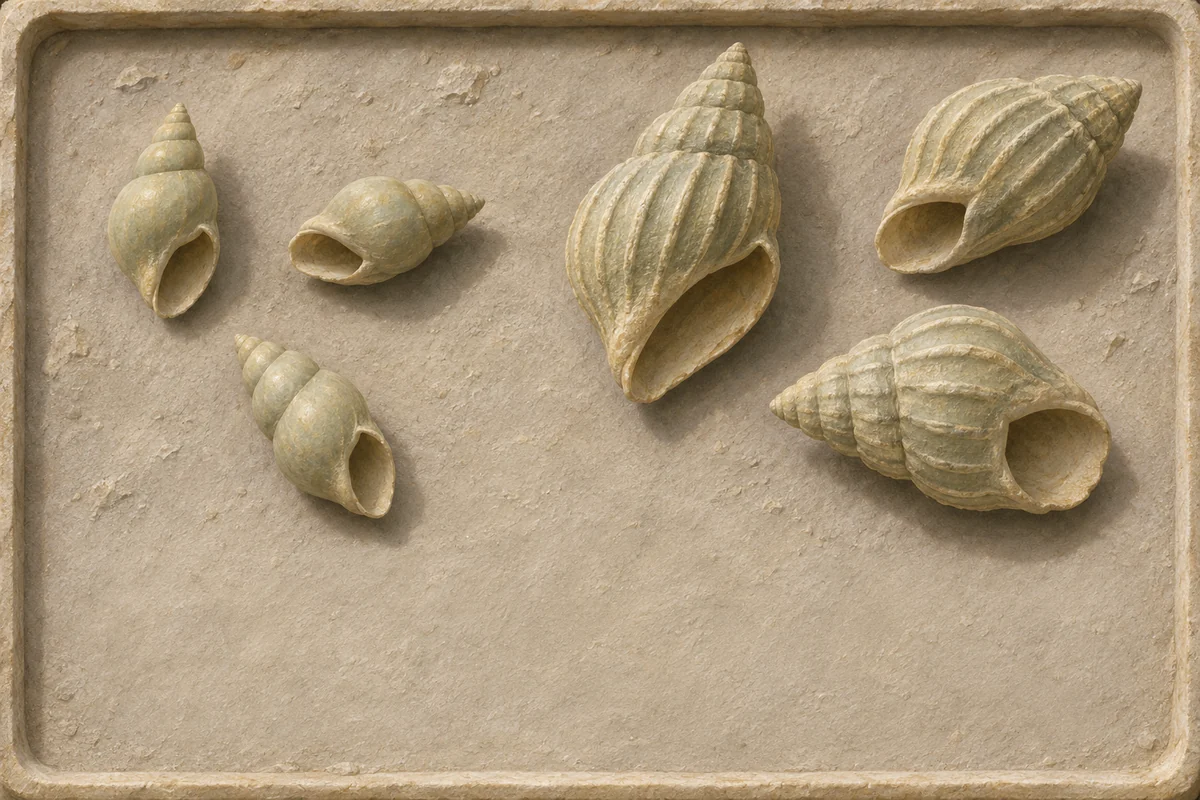
What a leaf-colour observation shows, and why its cause needs a separate test.
A dark flower might have inherited different DNA, grown in a different place, or both. Measurements and fair comparisons help you tell those explanations apart.
See it. Try it. Make it yours.
- ◒
What a leaf-colour observation shows, and why its cause needs a separate test.
- ↔
How cells copy chromosomes and pass DNA into offspring.
- ✦
How a DNA sequence guides protein production and how cells control the amount made.
Beginners progressing to introductory university genetics and evolution. · What to know before you start
Bring with you: You can count objects and add, subtract, multiply and divide whole numbers. Fractions, decimals, graphs, probability and the needed algebra are taught here. You recognise familiar living things such as plants and animals. No prior knowledge of cells, genetics or evolution is assumed.
A dark flower might have inherited different DNA, grown in a different place, or both. Measurements and fair comparisons help you tell those explanations apart.
Begin with bean seedlings and simple counts. Later you will read DNA sequences, calculate inheritance probabilities, compare populations and test evolutionary trees. You finish with three investigations using several kinds of evidence.
By the end, you can…
- Design a fair test of two explanations for a difference in leaf colour.
- Trace chromosome copies through a division and find where a copy went missing.
- Build an RNA sequence from DNA and predict how a changed message affects a protein.
- Predict offspring from a cross and use a family record to decide which genotypes remain possible.
- Use offspring counts to place three markers in order and test how strongly a family supports linkage.
- Compare bacterial lineages to distinguish DNA transfer from an increase in resistant descendants.
- Compare matched plants in different gardens and predict the next generation’s average height.
- Calculate the share of a gene version and test why it changed between generations.
- Use observations of survival, mating and offspring to test an explanation for a trait or species boundary.
- Compare branching trees with fossil and DNA evidence and estimate time from a calibrated rate.
- Write a conclusion for a plant cross, a marsh population and a flower study, naming evidence that could change it.
For another Course
- Personal genetic diagnosis or clinical counselling.
- Executable laboratory protocols, organism engineering or professional laboratory qualification.
- Graduate statistical derivations, production bioinformatics pipelines or an encyclopaedia of every lineage.
YOUR LEARNING PATH
One idea leads to the next.
Learning to investigate life
Count what you see in a tray of seedlings, read a cell drawing and plan a fair test of why plants differ.
- Why are these bean plants different colours?Mission 1 of 113Locked. Record what you see, compare possible causes, and plan a fair test.
- Where does a cell keep its DNA?Mission 2 of 113Locked. Read three cell drawings. Find the DNA in each one, even when the cell has no nucleus.
- What are cells made of?Mission 3 of 113Locked. Count the small pieces that make up a molecule. Follow the same pieces as they form new groups.
- How can the order of DNA letters matter?Mission 4 of 113Locked. Follow information from DNA to a working product. Use that path to predict what happens when one step stops.
- How much is three out of eight?Mission 5 of 113Locked. Turn counts into percentages and ratios. Say what is being counted and what the whole group is.
- Read a graph and count possible combinationsMission 6 of 113Locked. Read a graph, find an average and count possible combinations. Explain what each number tells you.
Chromosomes, copies and dividing cells
Follow one chromosome as its DNA is copied. Work out which new cells inherit a change.
- Where do genes sit on chromosomes?Mission 7 of 113Locked. Find a gene on a chromosome map. Tell its position apart from the DNA letters at that position.
- Count chromosomes before and after copyingMission 8 of 113Locked. Follow one cell as it copies its DNA. Keep separate counts of its chromosomes, DNA copies and complete sets.
- When does a growing cell pause?Mission 9 of 113Locked. Use a cell's DNA measurements to work out where it paused before dividing.
- How does a cell share its chromosome copies?Mission 10 of 113Locked. Put pictures of cell division in order. Predict where the copies will go if an attachment fails.
- Which cells inherit a DNA change?Mission 11 of 113Locked. Follow a DNA change as cells divide. Decide whether it could reach an offspring.
Meiosis, reproduction and life cycles
Follow chromosomes into eggs, sperm or spores. Explain how the number of chromosome sets changes when cells divide or join.
- Why do egg and sperm cells need one set each?Mission 12 of 113Locked. Follow one chromosome from each parent. Explain how the first division leaves each new nucleus with one set.
- Where did the extra chromosome go?Mission 13 of 113Locked. Look at the four cells formed after two divisions. Use their chromosome counts to work out where a mistake happened.
- How can parents pass on new combinations?Mission 14 of 113Locked. Work out which allele combinations one division can make and which can appear across many divisions.
- Follow chromosome sets through a life cycleMission 15 of 113Locked. Follow cells through a plant, animal or fungus life cycle. Find where chromosome sets join or separate.
How cells copy and repair DNA
Use experiments to identify DNA as inherited material. Build a matching DNA strand and track what happens when copying or repair fails.
- Which material carries an inherited change?Mission 16 of 113Locked. Use a treatment experiment to ask which material carries an inherited change. Say what the results can establish.
- Build the matching strand of DNAMission 17 of 113Locked. Build the matching strand of a DNA molecule. Use its direction and letter pairs to check a drawing.
- Where does the old DNA go after copying?Mission 18 of 113Locked. Compare three ways DNA might copy itself. Predict where old and new DNA would appear after each round.
- Why do two DNA strands grow differently?Mission 19 of 113Locked. Follow two new DNA strands as a copying fork opens. Explain why the two strands grow differently.
- How does a cell copy the ends of its DNA?Mission 20 of 113Locked. Find where DNA copying begins. Explain why the end of a straight chromosome creates a special copying problem.
- When does DNA damage become an inherited change?Mission 21 of 113Locked. Follow a damaged DNA letter through repair and copying. Work out when the changed sequence can pass to another cell.
From DNA to RNA to protein
Read a DNA strand to make RNA, then use the RNA message to predict an amino-acid chain. Check how a changed letter could alter the protein.
- How does a cell make an RNA message?Mission 22 of 113Locked. Use one strand of DNA to build a short RNA message. Check which end you must read first.
- Which parts stay in the finished RNA?Mission 23 of 113Locked. Use a marked RNA record to work out which pieces remain after editing and which supply instructions for protein.
- Read an RNA message three letters at a timeMission 24 of 113Locked. Use a code table to read a short RNA message. Compare the results when reading begins in different places.
- Follow an amino acid into a proteinMission 25 of 113Locked. Follow an amino acid from its carrier into a protein. Predict what happens if the carrier brings the wrong amino acid.
- What does a changed DNA letter do to a protein?Mission 26 of 113Locked. Compare a changed DNA sequence with the original. Predict the change in the protein and decide what still needs a test.
How cells control genes
Trace how a bacterium switches a gene on and off. Compare RNA and protein measurements to investigate why cells with the same DNA can behave differently.
- How can a bacterium switch a gene on or off?Mission 27 of 113Locked. Follow a bacterial gene switch. Use the results to decide whether the switch or the part it touches has changed.
- What happens when two sugars send different signals?Mission 28 of 113Locked. A bacterium can respond to two sugars at once. Predict how strongly its genes work under each pair of conditions.
- Why can two tissues use the same gene differently?Mission 29 of 113Locked. Two tissues carry the same gene. Use measurements to work out why they might use it differently.
- How can cells remember which genes to use?Mission 30 of 113Locked. Ask how a cell can keep using a gene differently after division. Choose evidence needed to trace that change across generations.
- What can change after the RNA is made?Mission 31 of 113Locked. A cell can keep the same DNA but make a different amount of protein. Compare RNA and protein to locate a possible cause.
Predicting inherited traits
Calculate possible offspring types in a cross. Compare the prediction with the offspring actually counted.
- When do you add chances and when do you multiply?Mission 32 of 113Locked. Decide when to multiply chances and when to add them. Explain how the events in each problem are connected.
- Why can a flower colour skip a generation?Mission 33 of 113Locked. Plan a plant cross that can show whether inherited versions stay separate when the flowers look alike.
- Predict what one offspring could inheritMission 34 of 113Locked. List the allele combinations an offspring could receive. Choose a new cross to tell possible parents apart.
- How does a clue change the chance?Mission 35 of 113Locked. Use new information about an offspring to update its chances. Keep a single offspring separate from a whole family.
- Do the offspring counts fit the model?Mission 36 of 113Locked. Compare the counts you found with the counts a model predicts. Use the size of their differences to judge the fit.
How gene versions work together
Follow the steps that make a plant pigment. Use flower crosses to test whether two pale lines have changes in the same gene.
- How do two different alleles show up in one plant?Mission 37 of 113Locked. Compare measurements from plants with two matching alleles and plants with two different ones. Use the results to predict a cross.
- How can a population have more than two alleles?Mission 38 of 113Locked. A population can have several versions of a gene. Work out which two a parent could carry from the evidence in a family.
- How does survival change the offspring you count?Mission 39 of 113Locked. Count offspring first at fertilisation and then among survivors. Explain why the two ratios can differ.
- Follow two genes through the same crossMission 40 of 113Locked. Predict how offspring can inherit alleles at two positions. Check whether you may multiply their chances.
- How can two different gene changes give the same colour?Mission 41 of 113Locked. Follow two steps that make a colour. Use the pathway to explain why different allele combinations can give the same colour.
- Do two changes affect the same gene?Mission 42 of 113Locked. Two changed plants have the same colour. Use their crosses to test whether the two changes affect the same gene.
Following traits through families
Trace who could carry a gene version in a family. Check how conclusions change when a marker is hidden or a gene passes through an egg.
- Trace a trait through a familyMission 43 of 113Locked. Read a family diagram. Work out which allele combinations each family member could carry and which model fits.
- What if a carrier has no visible sign?Mission 44 of 113Locked. Recheck a family when some carriers show no visible sign. Work out how that changes your prediction.
- Trace X and Y chromosomes through a crossMission 45 of 113Locked. Compare crosses in which the egg parent and sperm parent switch roles. Count outcomes among all offspring and within one group.
- Why can one body have two patches of colour?Mission 46 of 113Locked. Look at patches of tissue in one body. Tell which X chromosomes the cells carry and which copies they use.
- What can offspring inherit outside the nucleus?Mission 47 of 113Locked. Compare offspring from two crosses with the parents' roles reversed. Use the pattern to test how the trait passes on.
Mapping genes with offspring counts
Use inherited marker combinations to find gene order and estimate distance along a chromosome. Check how strongly the family records support the map.
- Which alleles travelled together?Mission 48 of 113Locked. Track two DNA positions through offspring. Count new allele combinations and explain what the fraction can tell you.
- Put three DNA markers in orderMission 49 of 113Locked. Use three markers to find their order. Count how often nearby positions separate when chromosomes exchange pieces.
- Read all four products of one divisionMission 50 of 113Locked. Keep all four products of one division together. Use their DNA combinations to estimate how often exchange occurred.
- What can the order of spores tell us?Mission 51 of 113Locked. Use the order of spores in a sac to work out when alleles separated. Compare that result with a case where DNA repair changed the record.
- Compare two ways to measure distance along DNAMission 52 of 113Locked. Compare distance in DNA letters with distance measured by the chance of exchange. Decide what more a cross could reveal.
- Which model better predicts this family's records?Mission 53 of 113Locked. Two models predict different chances of exchange. Ask which makes the observed family records more likely, and by how much.
How new DNA differences arise
Trace a change from the cell in which it arose to its descendants. Compare changes to a single DNA letter with rearrangements of a longer region.
- Did resistance appear before the challenge?Mission 54 of 113Locked. Use counts from separate groups of bacteria to test whether resistance could have appeared before a challenge.
- How can a second change help a cell recover?Mission 55 of 113Locked. Use temperature and recovery data to ask what a DNA change does and what can reduce its effect.
- Read a chromosome that has lost or moved a pieceMission 56 of 113Locked. Read labelled chromosome pieces in order. Decide whether parts are missing, repeated, reversed or moved.
- What happens when DNA moves to a new place?Mission 57 of 113Locked. Trace a piece of DNA that can move or copy itself. Use the evidence to decide what changed at its new site.
How bacteria and viruses exchange DNA
Follow DNA between bacteria and into a cell infected by viruses. Test why a resistant strain became more common.
- How can a bacterium gain DNA from another cell?Mission 58 of 113Locked. A bacterium gained DNA. Compare three possible routes and pick a test that helps tell them apart.
- Trace two viruses inside one bacterial cellMission 59 of 113Locked. Two viruses infect one bacterial cell. Use the offspring records to tell inherited new DNA combinations from temporary help.
- Use arrival times to map bacterial DNAMission 60 of 113Locked. Use the times when DNA markers enter a bacterial cell to put them in order. Explain what the times actually measure.
- Why did resistance become more common?Mission 61 of 113Locked. More bacteria survive a challenge than before. Compare possible histories and choose the observations that would separate them.
Genes, growing conditions and plant height
Grow genetically matched plants in different conditions. Use family heights to investigate variation and predict the next generation’s average.
- How can several genes produce a range of heights?Mission 62 of 113Locked. Use several genes to predict a range of plant heights. Explain how heights can vary smoothly while alleles stay separate.
- Compare groups with the same averageMission 63 of 113Locked. Two groups of roots have the same average length. Calculate how widely their lengths spread around that average.
- How do genetically matched plants grow in different gardens?Mission 64 of 113Locked. Grow copies of plants in different gardens. Compare how their heights change and test what caused a difference.
- How much of this group's variation is genetic?Mission 65 of 113Locked. Use measurements from a group of plants to ask how much of the variation is linked to genetic differences in those conditions.
- Why do offspring resemble their parents?Mission 66 of 113Locked. Compare the heights of parents and offspring. Ask how genes and a shared growing environment could each explain a resemblance.
- Predict the height of the next generationMission 67 of 113Locked. Choose parents and predict the next generation's average height. Compare it with the plants that actually grow.
Predicting gene combinations in populations
Count gene copies in a population. Predict offspring combinations and investigate a difference between observed and expected counts.
- From counting plants to counting gene copiesMission 68 of 113Locked. Turn counts of plants into counts of gene copies. Use the right total to find how common each allele is.
- What offspring combinations does random mating predict?Mission 69 of 113Locked. Use the chance of an allele arriving from each parent to predict how common each offspring combination will be.
- Does this population match the mating model?Mission 70 of 113Locked. Compare a population’s observed allele combinations with a mating model. Decide what the difference can tell you.
- What changes when relatives reproduce?Mission 71 of 113Locked. Track copies of a gene back to a shared ancestor. Compare how often copies match before and after relatives reproduce.
How natural selection changes gene frequencies
Use survival and offspring counts to calculate which gene versions contribute more to the next generation.
- Which group leaves more descendants?Mission 72 of 113Locked. Compare how many offspring each group leaves. Decide which life stages you must count to measure its contribution.
- Count alleles before and after selectionMission 73 of 113Locked. Count gene copies before and after survival differs among groups. Find the new share of each allele among the survivors.
- Why can selection act more slowly on a rare allele?Mission 74 of 113Locked. An allele may affect a plant that carries one copy differently from a plant that carries two. Use that difference to predict change across generations.
- How can two alleles both remain common?Mission 75 of 113Locked. Test whether each allele can increase when it is rare. Use the results to explain how both could remain in a population.
- Which bird sizes survive and reproduce?Mission 76 of 113Locked. Compare bird measurements before and after selection. Check what happened to the average and to the spread.
- When do new mutations balance losses?Mission 77 of 113Locked. Mutation adds copies of an allele and selection can remove them. Find a frequency at which those changes balance.
Chance, migration and mixed populations
Follow a gene version through small breeding groups and incoming parents. Compare frequencies within each valley before pooling the counts.
- Follow chance changes across generationsMission 78 of 113Locked. Follow several populations that start alike. See how chance in which copies pass on can lead to different results.
- How many breeders would explain this variation?Mission 79 of 113Locked. Two groups have the same head count but different numbers of breeding parents. Compare how much their gene frequencies can vary by chance.
- When does movement change a population's DNA?Mission 80 of 113Locked. Some parents came from another population. Use their share of the next generation to calculate the change in allele frequency.
- What changes when you pool two valleys?Mission 81 of 113Locked. Keep local breeding groups separate, then pool their counts. Explain why the two calculations can give different results.
- Which markers occur together more often?Mission 82 of 113Locked. Count two markers on the same inherited DNA copy. Compare observed combinations with the combinations you would expect by chance.
Testing explanations for adaptations
Use measured effects on survival and reproduction to test ideas about leaf coatings, mating displays, parasites and helping behaviour.
- Did this trait evolve because of this benefit?Mission 83 of 113Locked. A trait is useful today. Choose evidence to test whether that benefit also explains how the trait evolved.
- Can a costly display help an animal leave more young?Mission 84 of 113Locked. Compare survival, mating and offspring counts. Test how a display can spread even when fewer animals with it survive.
- How do two species change each other's evolution?Mission 85 of 113Locked. Compare two species that affect each other. Test whether a change in either one changes which types of the other leave offspring.
- When can helping a relative pay a reproductive cost?Mission 86 of 113Locked. A bird helps a relative raise young. Compare the young it gives up with the extra young its help allows the relative to raise.
How reproductive barriers develop
Trace the steps from meeting to producing fertile offspring. Use crosses, DNA and growing conditions to investigate a possible species boundary.
- Which observations can separate two species?Mission 87 of 113Locked. Choose ways to tell species apart using mating, DNA or fossils. Explain which observations are available in each case.
- At which step does reproduction fail?Mission 88 of 113Locked. Follow two populations from meeting to producing offspring. Find the step that reduces the number of successful unions.
- What happens after a river divides a population?Mission 89 of 113Locked. A river separates two populations. Use movement and mating records to decide how far the groups have grown apart.
- What happens where two populations meet again?Mission 90 of 113Locked. Two populations meet and have offspring together. Compare the futures that the survival and mating records could support.
- Are the two island flowers separate species?Mission 91 of 113Locked. Two kinds of flowers grow on islands. Combine crosses, DNA and growing conditions to choose the most useful next test.
Building and testing evolutionary trees
Build a branching tree from shared features and DNA letters. Test which branches the observations support.
- Read the branches of an ancestry treeMission 92 of 113Locked. Follow the branches on an ancestry tree. Decide which groups share a more recent ancestor even when the tree is turned.
- Which shared features help us build a tree?Mission 93 of 113Locked. Compare the same features across several animals. Record what you see, then test which features support a shared branch.
- Which tree needs the fewest changes?Mission 94 of 113Locked. Try the same observations on different ancestry trees. Count the changes each tree needs and keep ties when the evidence cannot separate them.
- Compare ancestry trees using DNA sequencesMission 95 of 113Locked. Line up DNA sequences before counting differences. Use the results to compare trees and judge support for a branch.
- Why can different genes tell different histories?Mission 96 of 113Locked. Different genes can suggest different family trees for the same species. Compare the histories that could produce the difference.
Fossils, rock layers and the history of life
Use layers, fossils and dates to bound the age of a find. Test how preservation affects the history a collection seems to show.
- Read missing and present fossils in rock layersMission 97 of 113Locked. Read the order of rock layers and the fossils they contain. Explain what a missing fossil allows you to conclude.
- How old can a fossil between two dated layers be?Mission 98 of 113Locked. Use the gradual change of atoms in rock to estimate its age. Use the rocks above and below a fossil to place limits on its age.
- How long ago did two DNA lineages split?Mission 99 of 113Locked. Use a measured rate of DNA change to estimate when lineages split. Check how the answer changes if their rates differ.
- Which branches appeared, and which disappeared?Mission 100 of 113Locked. Count branches that form or disappear through time. Compare the history you see with the part the fossils may have missed.
- How do we test major changes in the history of life?Mission 101 of 113Locked. Combine observations from cells, DNA and fossils to test explanations for major changes in the history of life.
How genes and development change over time
Trace what happens after a gene duplicates. Test how changes in when or where genes act could alter an animal’s developing body.
- What happened after a gene was copied?Mission 102 of 113Locked. Trace what happened after a gene was copied. Ask whether the two copies kept, shared or lost their earlier jobs.
- What can different rates of DNA change tell us?Mission 103 of 113Locked. Compare DNA changes that alter a protein with changes that leave its sequence alone. Allow for the number of ways each change could occur.
- How can the same proteins help build different bodies?Mission 104 of 113Locked. Compare where genes work as animals develop. Ask whether a different body shape requires a different protein.
- Why do the two parent plants make different amounts of RNA?Mission 105 of 113Locked. Two parents make different amounts of RNA. Compare both gene copies in one offspring to investigate the cause.
- What can DNA samples tell us about human ancestry?Mission 106 of 113Locked. Use DNA samples to test a claim about ancestry. Explain why a different reference sample can change the estimate.
Using genetic evidence in real decisions
Test whether a marker can help predict a trait. Compare breeding and conservation choices and check how a team may use study records.
- Does a DNA marker cause leaf spots?Mission 107 of 113Locked. A DNA marker appears more often in plants with a trait. Choose the next comparison to test whether the marker helps cause it.
- Which evidence helps us protect a population?Mission 108 of 113Locked. Compare ways to protect a population. Weigh its habitat, breeding success and gene diversity together.
- Compare the gains and costs of two breeding plansMission 109 of 113Locked. Two breeding plans select different parents. Compare expected gains, other traits and the health of future offspring.
- What can we claim and share from a DNA study?Mission 110 of 113Locked. Separate what a DNA study shows from what people agreed to share. Rewrite a claim so both limits are clear.
Three final genetic investigations
Investigate a plant cross, a changing marsh population and dark coastal flowers. Use measurements from each case to test competing explanations.
- Investigate a plant cross from DNA to traitMission 111 of 113Locked. Combine offspring counts, a chromosome map and RNA measurements. Explain what each record adds and choose a test that could change your conclusion.Mastery Challenge
- Explain a change in a marsh populationMission 112 of 113Locked. A marker becomes more common in a marsh population. Test whether movement, reproduction or chance could explain the change.Mastery Challenge
- Investigate dark flowers on a coastal ridgeMission 113 of 113Locked. Explain a colour difference between two plant populations. Use several kinds of evidence and design a test that could change your mind.Mastery Challenge
A Debsie Course · Beginners progressing to introductory university genetics and evolution.